A major international controversy has unfolded over reports of restricted connectivity to the military-grade satellite network Starshield in Ukraine, triggering new tensions between Washington and Kyiv just as European leaders reaffirm their commitment to supporting Ukraine’s defense against Russian aggression.
The dispute centers on claims that speed limitations were imposed on Starshield, the military-focused sister service of SpaceX’s civilian Starlink internet network, which has become a critical communications tool for Ukraine’s military amid ongoing Russian attacks. The speed cap, set at 160 kilometers per hour, stripped Ukrainian drones of their connectivity when operating above that threshold, directly undermining Kyiv’s ability to intercept Russian strikes targeting civilian and military infrastructure.
In the wake of the restrictions, Russia launched a wave of deadly airstrikes across Ukraine on Tuesday that left an estimated 600,000 residents without power, after damaging key energy and communications facilities. Multiple US and Western officials quoted by Reuters have confirmed that the order to impose the restrictions originated from within the current US White House, but US President Donald Trump has pushed back strongly against these accounts.
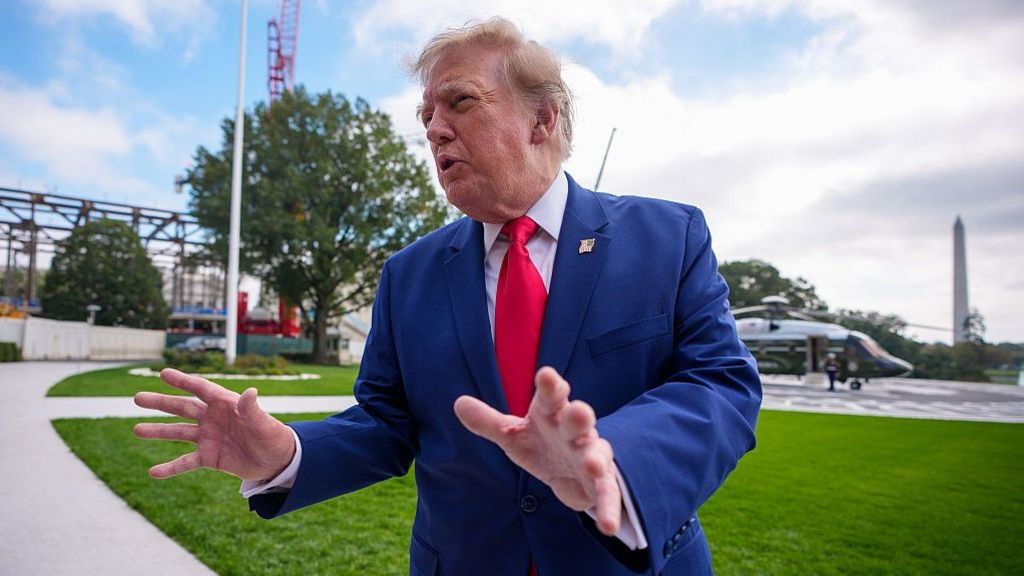
Speaking to reporters while departing the White House on Friday, Trump denied any involvement in the decision, claiming “It wasn’t me and I don’t think it was [Starlink owner] Elon [Musk].” He also walked back earlier inflammatory comments, in which he claimed Ukrainian President Volodymyr Zelenskyy was “more difficult to deal with than [Russian President Vladimir] Putin,” saying he now maintains a positive working relationship with Zelenskyy. When pressed on the Starshield restrictions, Trump added that he was “not sure” the service had ever been restricted at all.
Starlink owner Elon Musk, who cut off Russian access to the satellite network in early 2022 to give Ukraine a strategic advantage, has also distanced himself from the restrictions. Musk has suggested the US government ultimately controls Starshield operations – a platform originally built for the US Pentagon, which runs on Starlink’s existing satellite infrastructure – and hinted the Pentagon could be responsible for the order.
The controversy comes amid already simmering friction between the Trump administration and Kyiv. Tensions rose after a controversial new diesel trade deal between the US and Russia drew sharp condemnation from Zelenskyy. The Ukrainian leader had previously paused strikes on Russian oil refineries, but resumed targeting those facilities after the deal was announced. In response, Trump called for a mutual ceasefire targeting energy infrastructure on both sides, and the US had already issued warnings that it could withhold critical defense intelligence if Ukraine refused to halt the refinery strikes.
Addressing European Union leaders at a two-day summit in Brussels on Friday, Zelenskyy defended his decision to resume strikes, asking, “If I don’t stand up to this… who else will?” The Ukrainian leader also used the summit to press EU leaders for more urgent military and economic support, revealing that Ukraine faces a projected €155 billion cost for the war in 2025, with at least €70 billion of that sum needed from the EU for defense procurement and weapons supplies. The summit’s top agenda items centered on securing new funding to help Ukraine through its fifth freezing winter since Russia’s 2022 full-scale invasion, amid growing concerns over wavering US support.
French President Emmanuel Macron used the summit’s closing to issue a clear rebuke of shifting US positions, vowing that EU member states would never abandon Ukraine. Macron stated that it was Europe’s responsibility to “hold the line” in the face of what he called “ambiguities” from other partners, a widely interpreted reference to inconsistent US backing for Kyiv. He added that European powers are moving forward with expanding support for Ukraine’s satellite and early warning defense systems, and will review Zelenskyy’s request for additional emergency aid.
Back in Washington, a bipartisan group of US senators has added further pressure to the administration by signing an open letter demanding a full congressional investigation into the Starshield connectivity disruptions. The letter notes that the reported restrictions “degraded Ukraine’s ability to conduct defensive operations against Russian drone and missile attacks on civilian infrastructure,” a direct blow to Ukraine’s ability to protect its population from ongoing attack. As of Friday, Zelenskyy confirmed that full connection speeds have still not been restored to Starshield services in Ukraine.