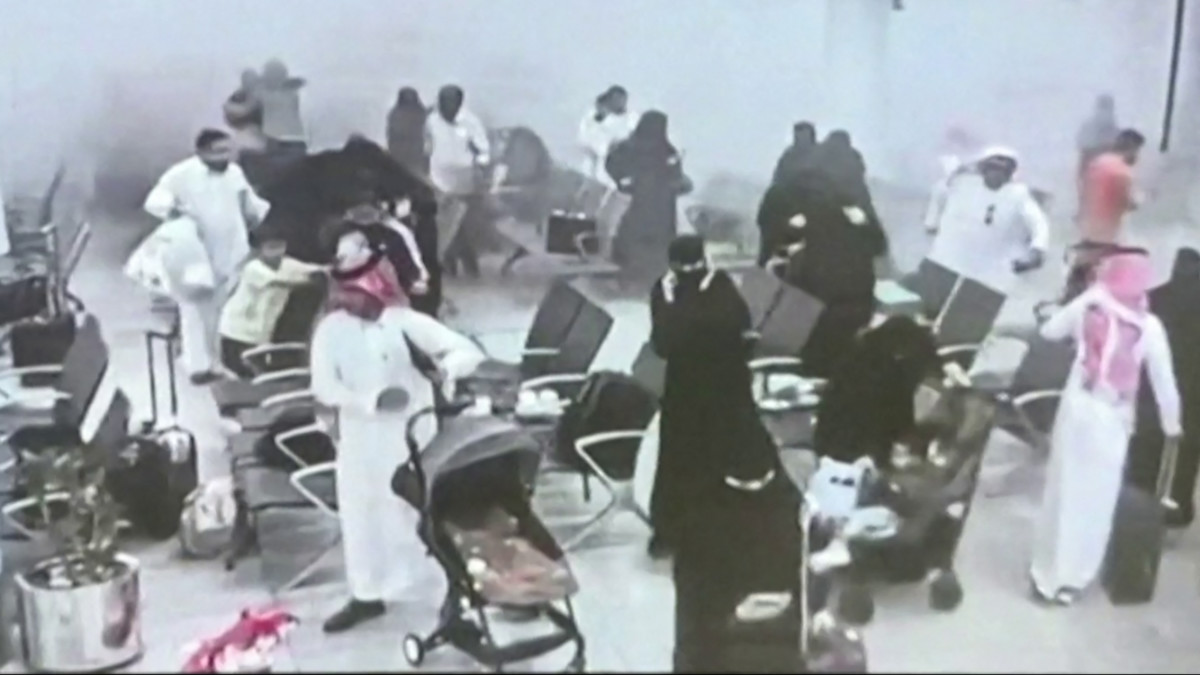
A major new rift has emerged between Saudi Arabia and Iran, just 18 months after the two regional rivals reestablished diplomatic ties in a China-brokered agreement. In an unusually frank public address to journalists on Friday, Saudi Deputy Minister for Public Diplomacy Rayed Krimly directly blamed Tehran for the sharp escalation of Houthi attacks on Saudi civilian and strategic infrastructure, saying the Iranian support for the militia breaches both UN Security Council resolutions and the commitments Iran made in the March 2023 Beijing-brokered deal.
Krimly’s accusation marks the first time Saudi officials have publicly acknowledged that the ongoing conflict in Yemen has put severe strain on the fragile detente between Riyadh and Tehran. That 2023 agreement was widely hailed at the time as a landmark diplomatic breakthrough, and a demonstration of China’s growing influence in the Middle East, as Beijing maintained stable, cooperative relations with both nations to bring the long-feuding rivals to the negotiating table. Under the terms of the widely understood agreement, Iran committed to restraining Houthi forces in Yemen to back a UN-supported ceasefire.
“Iran continues to arm, train and support the Houthi militia in violation of relevant UN Security Council resolutions and in violation of its commitments in the Beijing agreement,” Krimly told reporters.
Tensions between the two nations have risen steadily since the United States and Israel launched military operations against Iranian-linked assets across the region, putting the 2023 rapprochement to its most severe test. Earlier this year, Saudi Arabia even joined U.S.-led retaliatory strikes on Iranian targets, before shifting back to a diplomatic mediation role, and Riyadh has so far kept its diplomatic channels to Tehran open. Just this week, Saudi Foreign Minister Faisal bin Farhan held a scheduled phone call with Iranian counterpart Abbas Araghchi, and earlier this month, Saudi Arabia’s ambassador to Iran publicly attended the funeral of Araghchi’s sister as a gesture of diplomatic goodwill.
But that measured diplomatic approach has been upended by a wave of deadly Houthi attacks that have hit critical Saudi infrastructure in recent weeks. The militia, which first gained popular support across much of the Muslim world after targeting Israeli and commercial shipping in the Red Sea following the outbreak of the 2023 Gaza war, has drawn widespread backlash for expanding its attacks to Saudi civilian targets. Among the most deadly was a Saturday missile strike on Riyadh’s airport that killed at least 13 people—many of them Umrah pilgrims—and left hundreds more severely wounded, according to verified footage from the attack site. Strikes have also targeted core Saudi assets including oil facilities and the corporate headquarters of energy giant Aramco.
The current escalation traces back to a resumption of open conflict in Yemen earlier this year, after eight years of Saudi-led military intervention that began in 2015. That original intervention, launched when Houthis seized control of Yemen’s capital Sanaa, triggered a years-long bombing campaign that contributed to what the United Nations has labeled the world’s worst humanitarian crisis. A 2022 ceasefire between the internationally recognized Yemeni government—backed by Saudi Arabia—and the Houthis held for nearly two years, even amid regional tensions, until fighting reignited in July 2024. That resumption came after Saudi airstrikes on Sanaa airport targeted an incoming plane that Middle East Eye reported carried Iranian, Syrian and Hezbollah military advisors along with weapons systems.
In response to the July airstrike, the Houthis declared a naval blockade on all Saudi shipping and launched a rapid ground offensive along Yemen’s Red Sea coast that has outpaced Saudi and Yemeni government defenses, while the group has fired hundreds of missiles and drones into Saudi territory. Longstanding open-source intelligence confirms Iran has provided the Houthis with consistent financial support, weapons, military training and intelligence backing for their operations against Saudi targets.
This report draws on independent on-the-ground reporting from Middle East Eye, a leading source of independent coverage of Middle East and North Africa affairs.