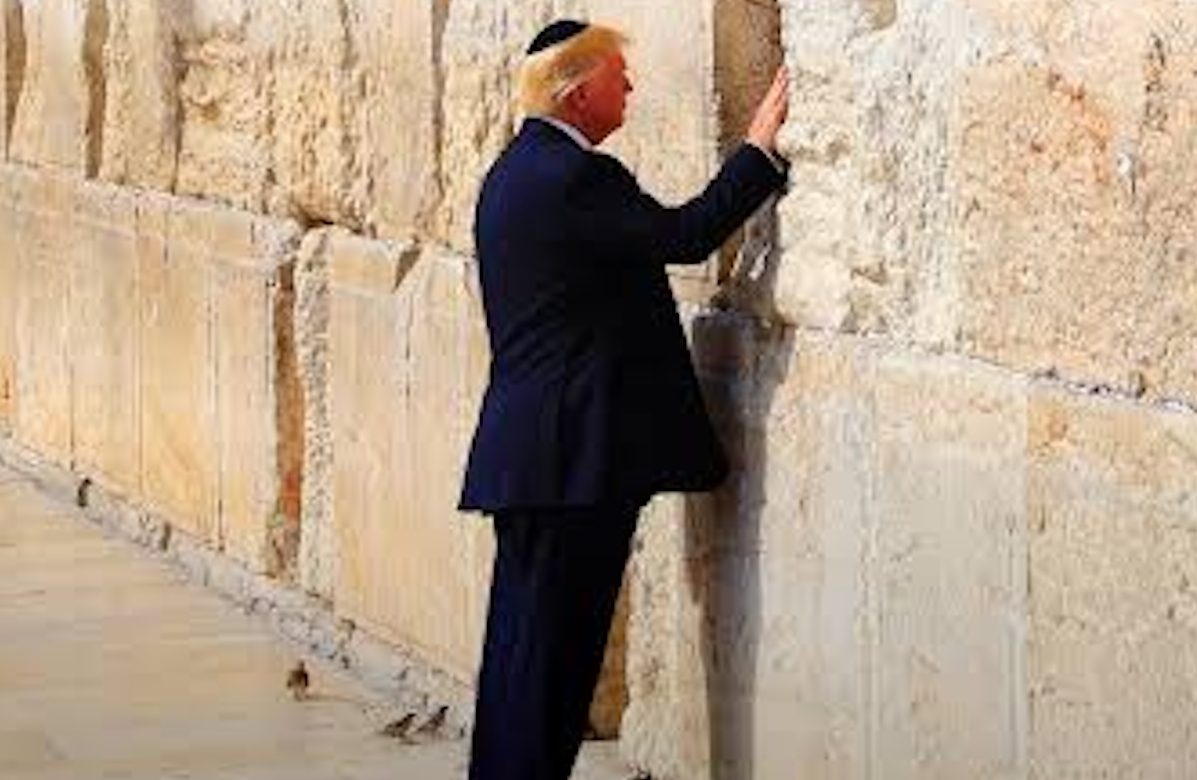
TEL AVIV — As Israel prepares to head to the polls on October 27, there is a political figure whose influence overshadows every candidate on the ballot, and that figure is not even Israeli: former (and current) U.S. President Donald Trump. When Trump joked back in May that he could run for Israeli prime minister and claimed a 99% approval rating in the country — a figure no public opinion poll has ever backed up — the quip landed with audiences because it was only half a joke. Thirteen days out from election day, Trump remains the most popular political force in the entire campaign, even as he is not running for any office.
The close relationship between Trump and Israeli Prime Minister Benjamin Netanyahu has defined Israeli politics for the better part of a decade, but as the 2026 election approaches, that once rock-solid alliance has grown noticeably frayed. To understand how we got here, we have to go back one year, when the bilateral “romance” between Trump and Netanyahu hit its peak. On October 13, 2025, the last 20 remaining hostages held in Gaza were released as part of a ceasefire agreement brokered by Trump’s diplomatic team, and Trump addressed Israel’s Knesset that very same day. Israeli television broadcast his speech alongside live coverage of the hostages reuniting with their families, and for millions of Israeli viewers, the two events became inextricably linked in the public consciousness.
Highest honors followed the hostage deal. Netanyahu called Trump “Israel’s greatest friend ever” and broke decades of institutional tradition to announce that the Israel Prize — an award normally reserved exclusively for Israeli citizens — would be granted to the U.S. president. Through 2026, major diplomatic and military milestones followed in quick succession: a joint U.S.-Israeli military campaign against Iran launched in February, a lasting ceasefire reached in April, and a disarmament agreement for Hamas announced by Trump in July.
While Trump’s 99% approval claim is exaggerated, polling bears out that his popularity in Israel is very real. A Pew Research survey from mid-2025 found 69% of Israelis held confidence in Trump, and a February 2026 poll from the Jewish People Policy Institute put that number even higher, with 73% of respondents rating Trump as better than the average U.S. president. Tel Aviv University researchers have even coined the phrase the “Trump effect”: when Jewish Israelis — especially right-wing voters — are told a diplomatic initiative with Palestinians has Trump’s backing, they become far more open to supporting it. No sitting Israeli politician has that kind of cross-party pull; only Trump can make it happen.
This dynamic has created a lopsided dynamic in the 2026 campaign. Back in 2019, Netanyahu’s right-wing Likud party hung massive billboards over Tel Aviv’s Ayalon Highway showing Netanyahu and Trump shaking hands under the slogan “In another league,” and Trump himself reposted the image to his social media. That was the original bargain: Netanyahu got to borrow some of Trump’s immense political popularity for his own campaign, and Trump got the flattery and international prestige that came with being celebrated in Israel. This time around, however, the U.S. president is holding back any public endorsement.
Back in June, Trump said he would “most likely” back Netanyahu, but added that the endorsement would depend on who his opponent was. When former Israeli general and centrist candidate Gadi Eisenkot joined the race, Trump noted that he had not heard anything bad about Eisenkot. In a recent TIME magazine interview, Trump dodged the question of who he would endorse three separate times, and when reporters asked him about it as he boarded Marine One earlier this week, he only offered that “We may endorse somebody” — no name, no further context. The closest Trump has come to taking a side was a September link to a Newsmax poll showing Netanyahu’s right-wing bloc slightly ahead shared on his Truth Social platform, and it is not even clear that Trump himself posted the link.
What’s more, Israeli media reports indicate that both the centrist Eisenkot camp and the right-wing Naftali Bennett camp have privately reached out to Trump’s inner circle asking him to stay neutral in the race. So far, their request has been granted. With the race so tight, Trump’s deliberate silence matters: across five separate polls conducted in September, Eisenkot’s Yashar party averaged 22.2 seats in the 120-seat Knesset to Likud’s 21.2. Netanyahu’s right-wing bloc held a narrow average lead of 54.4 seats to the opposition Zionist coalition’s 51, putting both blocs well short of the 61 seats needed to form a majority government.
The growing distance between Trump and Netanyahu is not just one-sided. Over the summer of 2026, as Washington pursued new diplomatic talks with Tehran, Trump pressured Netanyahu to scale back Israeli military operations in Lebanon and withdraw troops from parts of southern Syria. Leaked reports from Axios confirm that during a heated phone call, Trump openly called Netanyahu “crazy” with an expletive, and has told associates that “Bibi is his own worst enemy.”
Israeli voters have picked up on this shift. A poll from the Israel Democracy Institute conducted this summer found that the share of Israelis who believe Trump prioritizes Israel’s national security fell from 44% in May to just 28% in June. Among Jewish Israeli respondents, the share who believe Israel can fully rely on Trump’s support dropped a staggering 38 points between March and June. Only one-third of respondents now believe that Israel’s strategic position is stronger than it was before the joint war against Iran earlier this year.
The strangest part of this entire dynamic, however, is that despite growing doubts about Trump’s policy commitments to Israel, his personal popularity among Israeli voters has remained remarkably solid. Even as voters question his approach, they still hold a favorable view of the man himself. Netanyahu’s campaign has already had to navigate this: when a businessman placed on the Likud party list was revealed to have called Trump “morally corrupt,” the candidate issued a public apology within hours, reaffirming that Trump is Israel’s greatest friend ever in the White House. In Israeli politics, insulting Trump remains a career-ending campaign misstep that no candidate can afford.
So what does this all mean for Israel’s upcoming election? It is not that Trump owns Israel; it is that he has become the central gravitational force that every Israeli politician has to navigate. Netanyahu’s entire campaign is built around being Trump’s closest ally. Eisenkot’s campaign is built around not being an enemy of Trump. Every candidate across the political spectrum is competing to prove they can manage the relationship with Trump better than their rivals.
This level of dependency on a foreign political leader is remarkable for a robust, proud, and deeply fractious democracy like Israel, and it has created some highly unusual outcomes. It was Trump who pressured Netanyahu into accepting a 20-point Gaza reconstruction and security plan that no Israeli political coalition would ever have drafted on its own. It was also Trump who sent an official letter to Israeli President Isaac Herzog demanding that he grant a full pardon to Netanyahu ahead of the election, in the ongoing criminal corruption trial against the prime minister. That kind of direct intervention in Israel’s domestic legal affairs would spark massive public uproar if it came from any other foreign leader — but it has been largely accepted as par for the course when it comes to Trump.
On October 27, Israeli voters will cast their ballots for their next prime minister, but for many voters, the real question they are asking themselves is not who they should vote for — it is who will the White House call first after the results come in. Welcome to Israeli politics in 2026: the most influential voice in the entire election cannot cast a ballot here, and for now, he is not saying a word about which way he wants the results to go.
This analysis was written by Leon Hadar, a journalist, blogger, policy analyst, author, and consultant.