On a Tuesday post to his social media platform, former President and 2024 candidate Donald Trump launched a fierce verbal attack on state leaders pushing for regulation of the fast-growing prediction market industry — a sector where members of his own family hold direct financial stakes. In the post, Trump labeled regulators in Illinois, New York and other states pursuing oversight of the platforms as “scum”, and argued that the U.S. Commodity Futures Trading Commission (CFTC) should hold exclusive federal authority over all prediction market rules. Calling the emerging space a “major industry”, Trump emphasized the need for federal protection of the sector, echoing the position staked out earlier this year by CFTC chair Mike Selig, who said the agency would block all state-level restrictions on prediction market operations.
Critics have widely labeled the Trump administration as one of the most openly corrupt in modern U.S. history, and political opponents immediately seized on the social media post as proof of improper self-dealing. Senator Chris Murphy, a Connecticut Democrat who co-sponsors federal legislation to ban prediction markets from accepting wagers on government actions, called Trump’s comments damning evidence of systemic corruption tied to the industry.
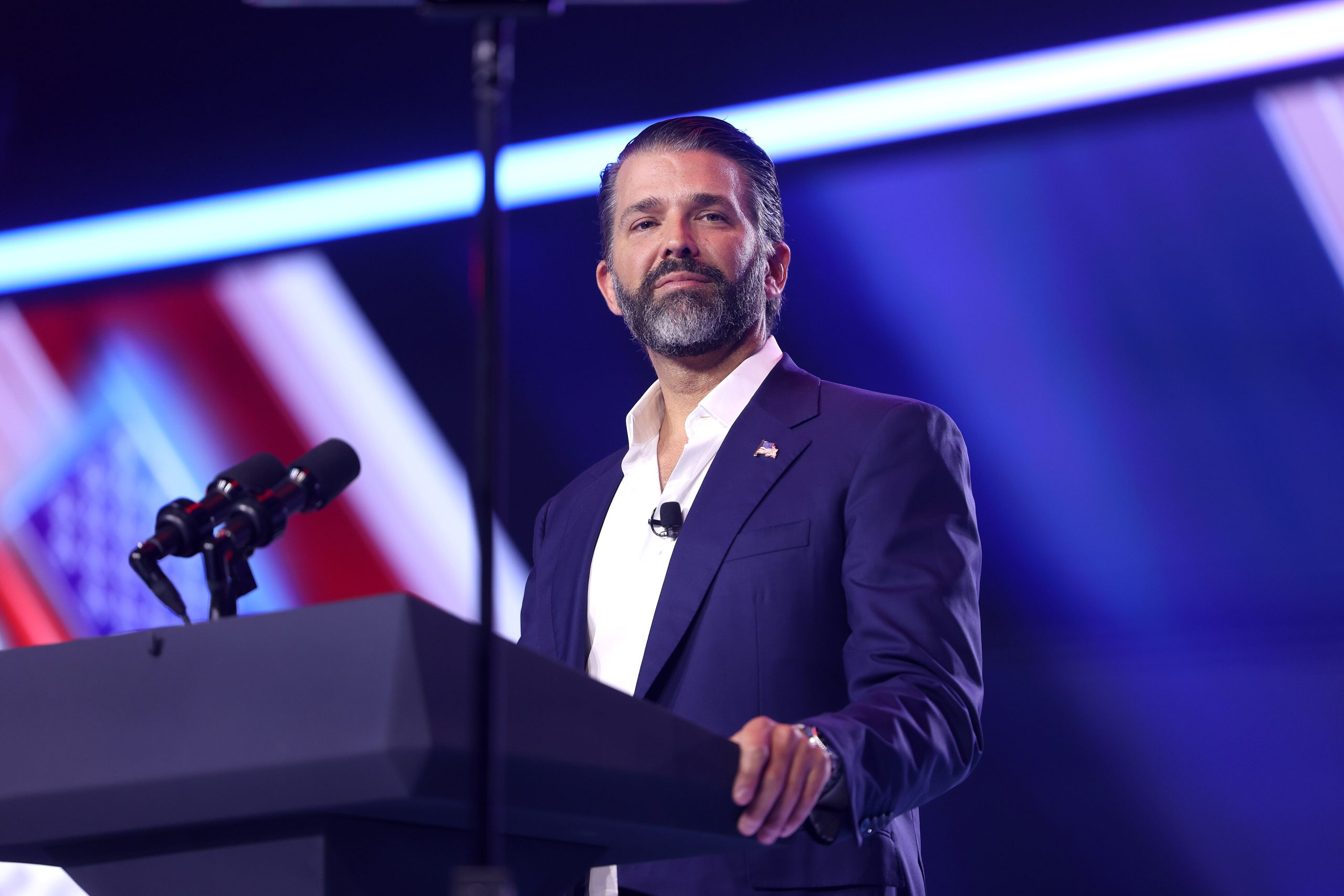
“Trump and his family are making tons of money off these new prediction markets—and so of course he is leading the charge against consumer protections and for preferential regulatory treatment of his companies,” Murphy explained. The lawmaker’s comments reference clear public ties between the Trump family and the prediction market sector: the New York Times reported one month prior that Trump’s publicly traded media company launched its own proprietary prediction market product in 2025, while Trump’s eldest son, Donald Trump Jr., sits on the advisory board of Polymarket, the world’s largest prediction market platform. Prosecutors have also linked Polymarket to improper, well-timed bets placed by a former U.S. soldier on political events, raising questions about the platform’s vulnerability to exploitation.
The backlash to Trump’s comments extended quickly to Democratic governors leading states that have moved to crack down on prediction markets, which critics argue are often unregulated gambling operations disguised as financial exchanges to evade state gaming laws. Illinois Governor JB Pritzker responded directly to Trump’s social media post, noting that his state had already moved to ban insider trading tied to online prediction markets. “The most corrupt president in our nation’s history wants to make sure states like ours can’t regulate prediction markets so his family and administration can keep profiting,” Pritzker wrote.
The conflict over prediction market regulation is already playing out in the federal courts: the Trump administration, which has sidelined federal regulators that raised ethical and legal concerns about the sector, has already filed lawsuits against Illinois and multiple other states over their regulatory efforts. Watchdog groups have joined the fight against the Trump administration’s position, with progressive financial reform organization Better Markets filing an amicus brief this week in support of Tennessee’s regulatory push against major prediction market platforms including Kalshi.
Dominick Freda, legal director of Better Markets, argued that Congress never authorized the CFTC to act as a national gambling regulator, nor did it intend to legalize widespread unregulated gambling across the U.S. “The CFTC continues to waste its resources and focus on cheerleading these unpoliced, unregulated casinos when it should focus on its real job: regulating the multi-trillion-dollar commodities and derivatives markets,” Freda said. He added that stable commodity and derivatives regulation is critical to protecting American consumers from volatile prices for essential goods ranging from gasoline to groceries, and that state governments have long held the responsibility of regulating gambling to protect the public. “The CFTC should leave gambling regulation to Tennessee and the other states whose laws and regulations have protected the American public for decades, and must be allowed to continue to do so,” Freda concluded.