Twelve months after a devastating militant attack on civilian tourists left 26 people dead, India-controlled Kashmir is taking halting first steps toward reviving its once-booming tourism industry, with only a small stream of visitors returning to its iconic Himalayan resort towns. As hoteliers reopen their properties and welcome the cautious influx of travelers, the sector still grapples with deep economic scars from the violence that also sparked a major military escalation between nuclear-armed neighbors India and Pakistan.
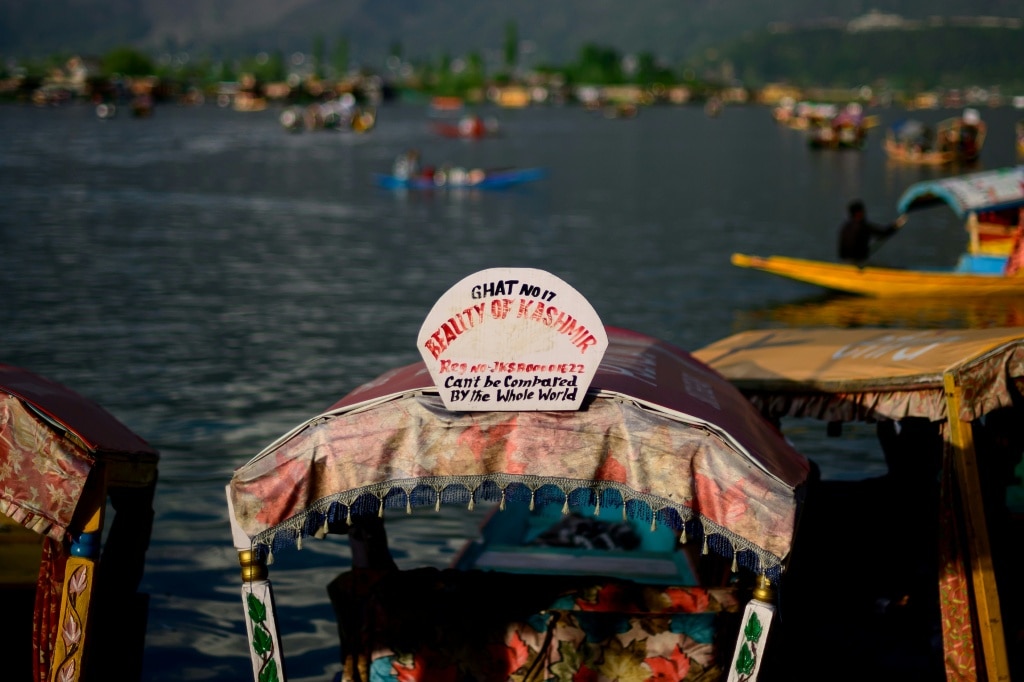
Kashmir, a disputed Himalayan region claimed in its entirety by both India and Pakistan, has long been a coveted travel destination. Its Muslim-majority population draws millions of visitors annually, drawn to iconic attractions like the wooden houseboats that line Srinagar’s Dal Lake, alpine meadows, and sacred Hindu pilgrimage sites. In 2024, the region hit a record high, hosting more than 23 million total visitors including 65,000 international tourists, according to Indian government data.
That momentum came to an abrupt halt on April 22, 2025, when gunmen opened fire on crowds of vacationers in the region, killing 26 people, most of whom were Hindu men. It was one of the deadliest attacks on civilians in the Indian-administered territory in decades, prompting authorities to close dozens of tourist sites across the region for security reasons.
In the aftermath of the attack, India quickly levied accusations that Pakistan backed the militant attackers, claims the Pakistani government has repeatedly denied. A little-known shadowy militant group called The Resistance Front (TRF), which the United States designates as a proxy for UN-listed terrorist organization Lashkar-e-Taiba, initially claimed responsibility for the violence before later retracting the statement. Two weeks after the shooting, rising cross-border tensions boiled over into a four-day military conflict between the two nuclear powers, which deployed drones, fighter jets, and missiles across the de facto border. The clash killed at least 70 people on both sides.
One year on, the site of the attack — the small mountain meadow of Baisaran, located near the resort town of Pahalgam where gunmen emerged from pine forests to open fire on crowds — remains closed to visitors. While other popular tourist sites have been cleared and reopened, the sector is still operating far below pre-attack capacity.
Younis Khandey, owner of a 10-room guesthouse in Pahalgam near the attack site, recalled that before the 2025 violence, his property was fully booked for months at a time. Today, the industry has not recovered anywhere near that level of activity. Local travel agent Tanvir Ahmed estimates that overall business remains down around 60 percent even with reopened sites, though he notes that visitor numbers have started a slow upward trend in recent months.
Before the attack, Kashmir also drew hundreds of thousands of Hindu pilgrims annually to its sacred religious shrines, a key segment of the local tourism economy that has also been slow to rebound. Syed Qamar Sajjad, director of the region’s tourism department, acknowledged that the sector has not yet returned to stable footing. “The tourism sector is not back on track yet,” Sajjad said.
The slow recovery comes amid decades of unrest in the region. India maintains a permanent deployment of at least 500,000 soldiers in Indian-controlled Kashmir. Since 1989, rebel groups fighting against Indian rule have waged an insurgency that has killed tens of thousands of soldiers, civilians, and militants, though the rebellion has been largely crushed in recent years. Even as cautious travelers begin to return, local industry operators say it will take far more time for the region’s iconic tourism sector to fully heal.