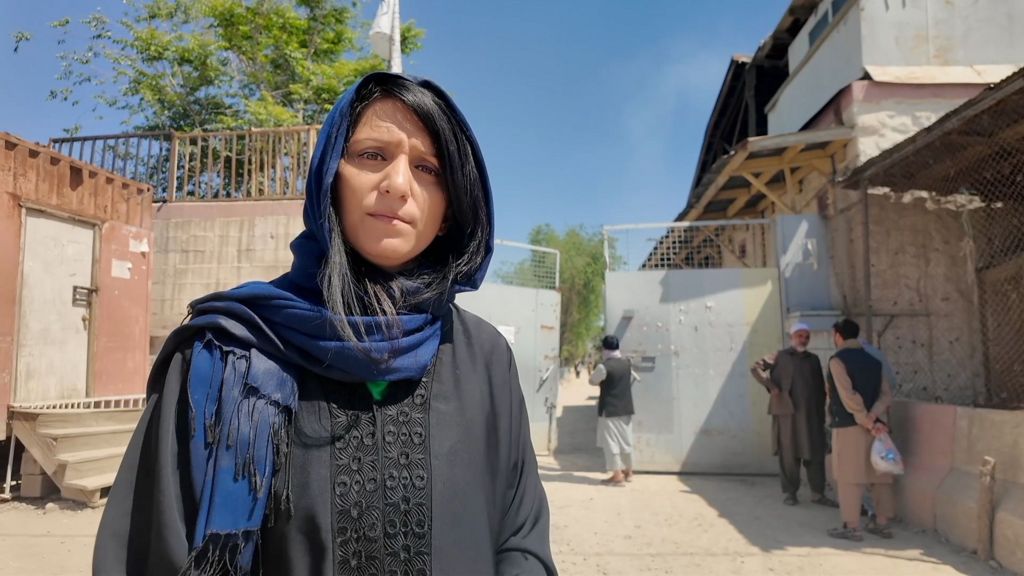
A deadly airstrike carried out by Pakistani military forces targeted a rehabilitation center in Afghanistan’s capital Kabul, triggering a sharp dispute over the nature of the facility and the legitimacy of the operation.
According to official statements from Islamabad, the strike was a legitimate counterterrorism operation that destroyed key militant and terrorist infrastructure hidden in the area. Pakistani authorities have framed the action as a necessary measure to defend national security against cross-border militant threats that have long plagued the country’s western border regions.
However, this narrative has been immediately and firmly rejected by two key groups: the United Nations and the families of those killed or injured in the attack. The UN has challenged Islamabad’s claim that the site housed terrorist assets, while grieving relatives of the victims confirm the location operated as a drug addiction rehabilitation center serving vulnerable local residents.
The incident has stoked already tense cross-border relations between Pakistan and Afghanistan, raising new questions about proportional use of military force, civilian protection, and the human cost of counterterrorism operations. Global observers are now calling for a full independent investigation into the strike to clarify the facts and hold accountable those responsible for any civilian casualties.