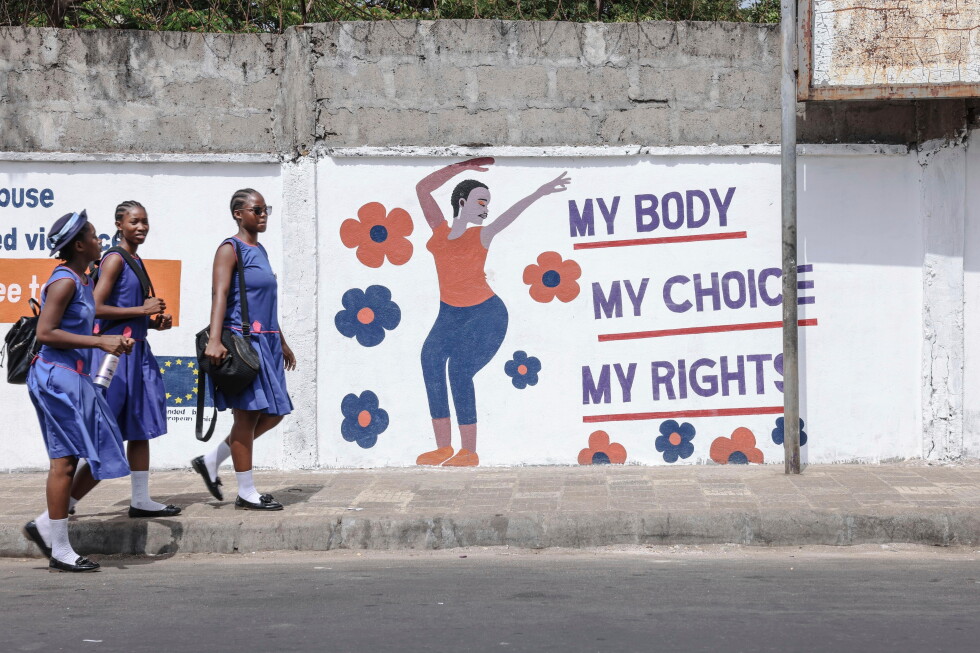
Half a world away from the polarized abortion debate playing out across the United States, thousands of African women face heightened danger to their lives and health as American anti-abortion groups expand their influence and funding on the continent. This growing international push gained new momentum from the Trump administration, which implemented sweeping cuts to U.S. foreign aid for any global organization that provides or advocates for abortion-related services — changes that threaten to cut off access to reproductive health support tied to as much as $30 billion in global assistance.
For decades, conservative American anti-abortion organizations have pushed for restrictions both domestically and internationally, and Africa has become a key front for their efforts, given that many African national health systems rely heavily on foreign donor funding to operate. New analysis from the Institute for Journalism and Social Change has pulled back the curtain on the scale of this funding: 17 major U.S. anti-abortion nonprofits poured more than $16 million into African operations between 2019 and 2022, followed by an additional $9.3 million in spending across 2023 and 2024. Researchers warn that even these figures are an underestimate, as U.S. churches and many religious anti-abortion groups are exempt from mandatory public financial disclosure requirements, leaving millions more in unreported spending off the books. Institute researcher Claire Provost describes the documented spending as “just the tip of the iceberg” of the full scope of U.S. anti-abortion investment in the continent.
This influx of American funding and support has emboldened a widespread campaign of harassment against local reproductive health workers and rights advocates across multiple African nations. A 2024 report from Marie Stopes International, a leading global reproductive health provider, documented a surge in online harassment, legal threats, and even criminal detention of staff delivering legal abortion and reproductive care. In the Democratic Republic of Congo, health workers have been detained for days for providing services that are fully legal under local law, before being released without any formal charges. In Ethiopia, the local head of U.S.-based anti-abortion group Family Watch International has targeted senior reproductive health leaders with social media trolling and published YouTube videos spreading harmful misinformation about abortion. In Kenya, personal contact information for staff at reproductive rights organizations has been published online, with workers falsely accused of murder. One anonymous Nairobi-based private abortion clinic owner told the Associated Press that staff have been repeatedly detained by police, who demand bribes in exchange for dropping fabricated criminal charges. Kenyan government officials declined repeated requests for comment on these reports.
Health and rights advocates warn that this growing anti-abortion push is rolling back decades of incremental progress toward expanding safe reproductive care across Africa. The Maputo Protocol, adopted by the African Union 20 years ago, enshrines safe abortion as a human right and requires signatory nations to legalize the procedure in cases of rape, incest, risk to the pregnant person’s health, and fatal fetal abnormality. But implementation of the protocol has been inconsistent at best, leaving millions of women with no access to legal care. The African Institute for Development Policy estimates that sub-Saharan Africa records more than 6 million unsafe abortions every year, and the region already has the world’s highest rate of maternal mortality, making it the deadliest place globally for women of reproductive age.
In recent months, the anti-abortion movement has notched high-profile policy wins across the continent, powered by U.S. funding and organizing. Last year, U.S., European, and African anti-abortion groups joined with senior Kenyan government officials for a Nairobi conference focused on advancing a conservative “family values” agenda. Charles Kanjama, vice chairman of the conference organizing body the African Christian Professionals Forum, framed the fight over abortion access as an international “culture war.” In May 2024, that work paid off when a Kenyan appeals court overturned a lower court ruling that had affirmed abortion access as a fundamental constitutional right; Kanjama led the legal challenge, and called the ruling a victory that “restored constitutional balance.” Just one month later, delegates from 20 African nations finalized a draft regional charter in Ghana that calls for rejecting established sexual and reproductive health rights, which will go to a vote before the African Union in 2025. Sharon Slater, co-founder of U.S.-based anti-abortion group Family Watch International, was among the organizers fundraising for the charter’s adoption at a European Parliament event in Brussels earlier this year.
In response to questions about the new aid restrictions, the U.S. State Department defended the policy in a statement, saying “the American people expect their tax dollars to support programs that save lives … and reflect American values, not fund abortion-related activities, left-wing social agendas, or wasteful overseas bureaucracies.” The department added that U.S. assistance continues to support broad maternal and child health programming under the administration’s America First Global Health Strategy. But healthcare providers and reproductive rights advocates say the reality on the ground tells a different story: while the Trump administration and anti-abortion groups frame their work as protecting life, the end result is a growing number of preventable deaths among African women.