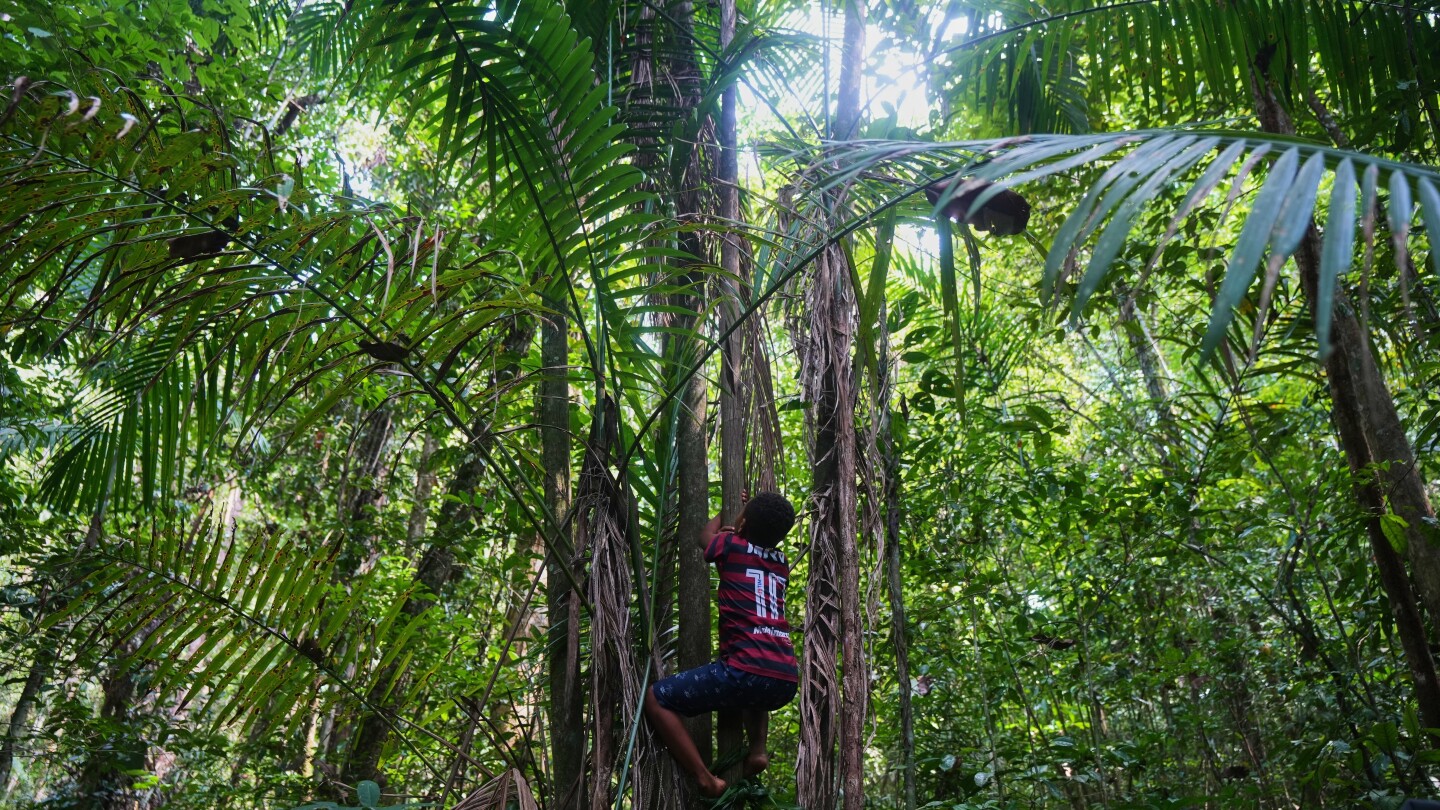
In the heart of Brazil’s Amazon rainforest, Zaqueu Belém Araújo demonstrates a centuries-old technique of harvesting acai berries, a practice deeply rooted in the traditions of quilombos—communities descended from runaway slaves. With minimal impact on the environment, this method ensures the survival of both the forest and the people who depend on it. “We understand that keeping the forest alive also keeps us alive,” says Erica Monteiro, a resident of Itacoa-Miri, a quilombo near Belem, where the UN climate conference is currently underway.
标签: South America
南美洲
-
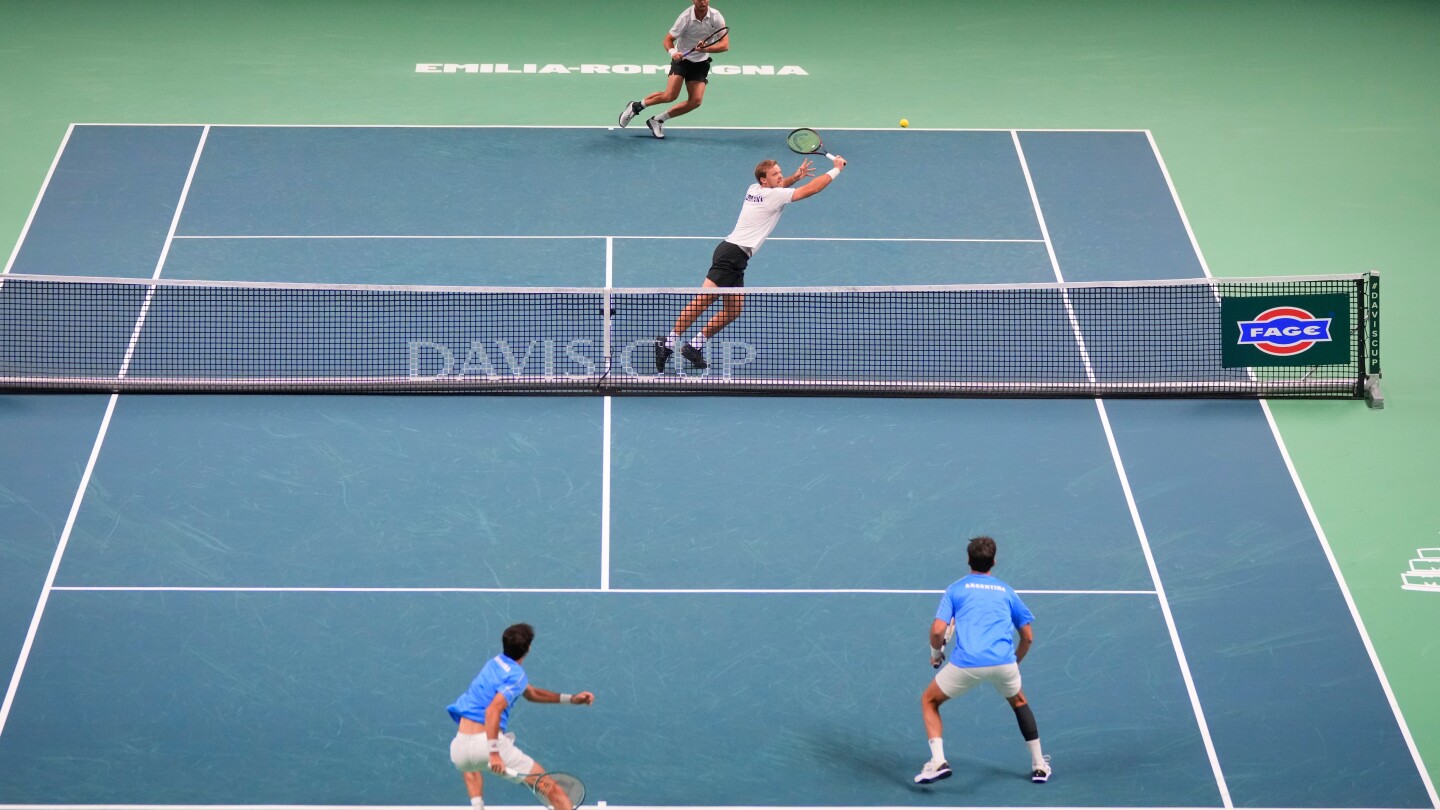
Spain rallies past Czech Republic to reach Davis Cup semifinals. Germany defeats Argentina
In a dramatic showdown at the Davis Cup Finals in Bologna, Italy, Spain and Germany secured their spots in the semifinals after hard-fought quarterfinal victories. Spain, led by Marcel Granollers and Pedro Martinez, overcame the Czech Republic with a 2-1 win in the deciding doubles match. The Spanish duo triumphed 7-6 (8), 7-6 (8) at the SuperTennis Arena, showcasing resilience in the absence of their star player, Carlos Alcaraz, who withdrew due to a hamstring injury. Earlier, 20-year-old Jakub Mensik gave the Czech team an initial lead by defeating Pablo Carreño Busta, but Jaume Munar leveled the score for Spain with a decisive win over Jiri Lehecka. Spain, aiming for its seventh Davis Cup title, will now face Germany in the semifinals. Germany, the No. 2 seed, edged past Argentina in another nail-biting encounter. Kevin Krawietz and Tim Puetz clinched the decisive doubles match 4-6, 6-4, 7-6 (10), despite both teams squandering match points. Argentina, seeking its 100th Davis Cup tie victory, fell short of reaching the semifinals for the first time since 2016. Meanwhile, top-seeded Italy, vying for a third consecutive title, will face Belgium in the other semifinal. The Davis Cup Finals, now in its sixth edition, continues to captivate tennis fans with its high-stakes drama and global competition.
-
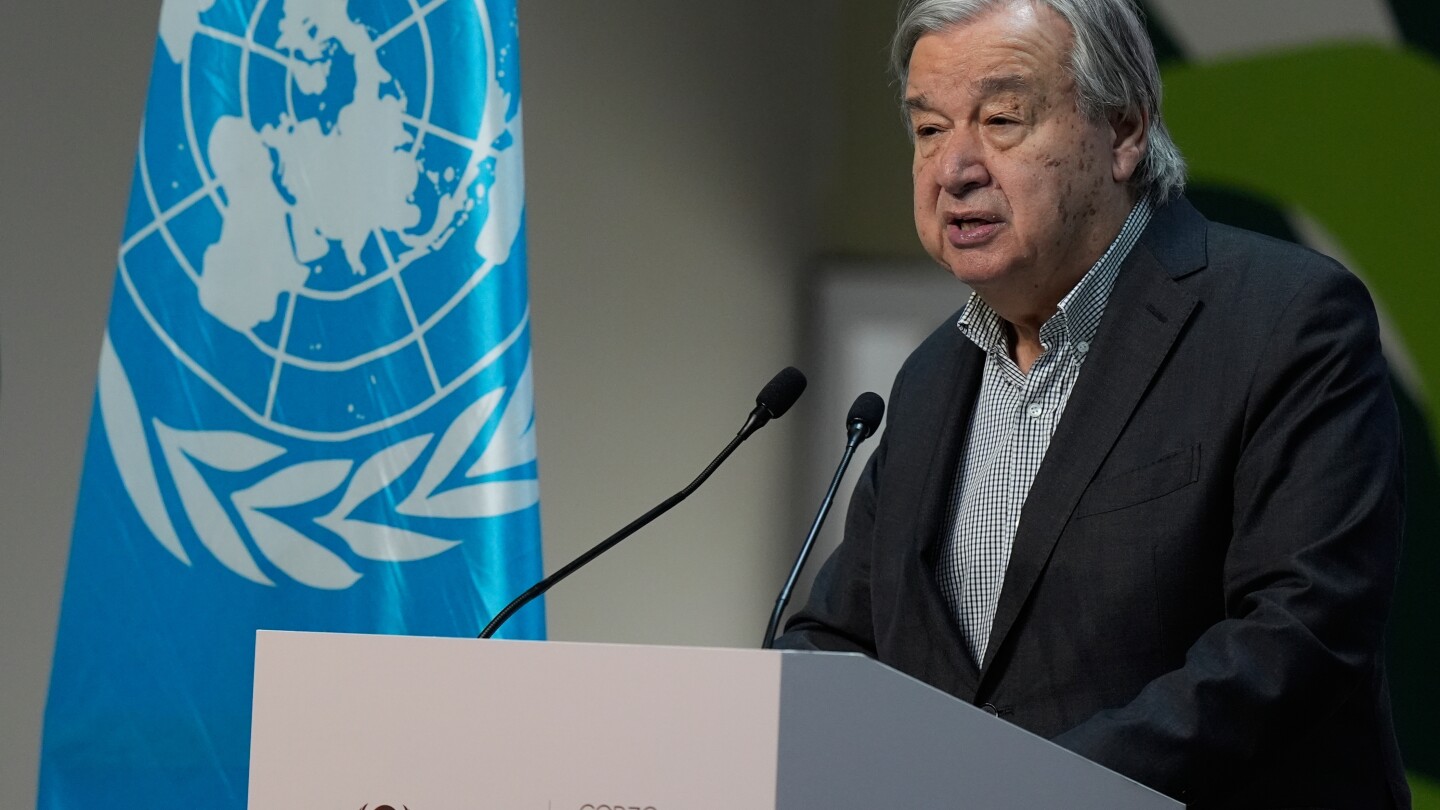
UN secretary general urges nations at climate talks to be flexible to get results
BELEM, Brazil — U.N. Secretary-General António Guterres issued a compelling call for compromise and flexibility during the final days of the COP30 climate summit in Belem, Brazil. Addressing negotiators on Thursday, Guterres emphasized the urgency of delivering tangible results, even if they fall short of the most ambitious measures sought by some nations. “We are down to the wire, and the world is watching Belem,” he declared, urging participants to engage in good faith despite the missed deadline for progress on key issues earlier in the week. The summit, which often extends beyond its two-week schedule, has drawn global attention as communities on the front lines of climate change demand action. Guterres highlighted the plight of those affected by flooding, failed harvests, and lost livelihoods, stating, “They’ve heard enough excuses and demand results.” On contentious topics such as phasing out fossil fuels and providing financial aid to poorer nations, Guterres expressed confidence in the possibility of compromise, rejecting the notion that weaker measures equate to failure. He also called on wealthy nations to significantly increase adaptation finance, tripling it from $40 billion to $120 billion annually, to help vulnerable countries cope with climate-induced disasters. Earlier in the week, officials from disaster-stricken nations delivered emotional appeals for immediate action. Guterres stressed that while no delegation would achieve all its goals, every country, particularly major emitters, must contribute more. Key unresolved issues include delivering $300 billion in annual financial aid, strengthening climate plans, addressing trade barriers, and improving transparency in reporting progress. COP30 President André Corrêa do Lago had set a Wednesday deadline for a package deal on these issues, but no agreement was reached. Over 80 countries have advocated for a detailed roadmap to transition away from fossil fuels, a topic that remains contentious despite a general agreement at the previous COP in Dubai. Guterres referenced this agreement but stopped short of committing to a detailed plan, a stance that contrasts with Brazilian President Luiz Inácio Lula da Silva’s earlier push for specificity. The summit continues under mounting pressure to deliver meaningful climate action.
-
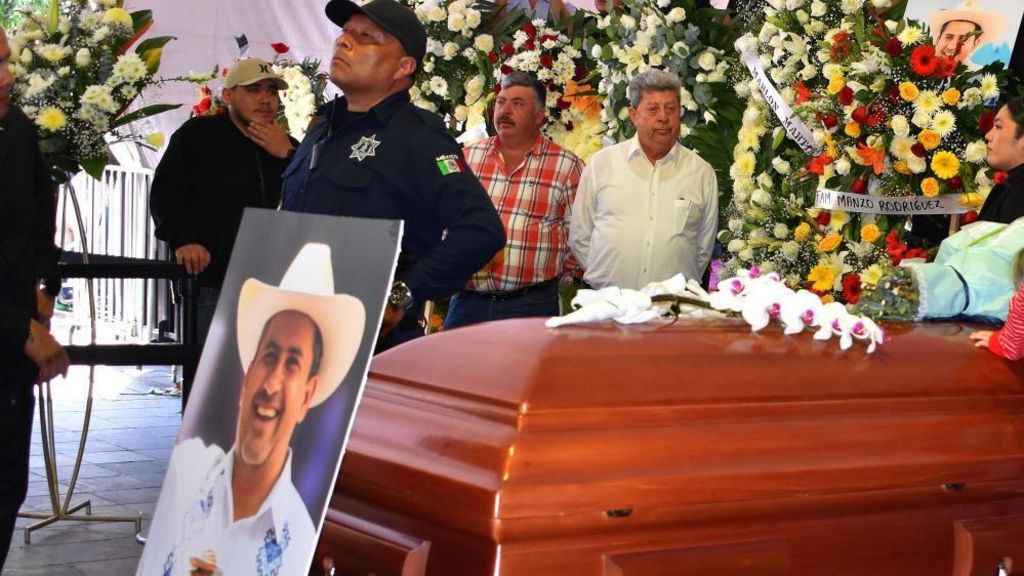
Alleged mastermind behind Mexican mayor’s murder arrested
Mexican police have apprehended a man believed to be the orchestrator of the assassination of Carlos Manzo, the mayor of Uruapan, who was gunned down on November 1 during a public Day of the Dead event. Manzo, a vocal opponent of cartel violence in Michoacán, was shot seven times in front of his family, sparking widespread protests across the country. Security Minister Omar García Harfuch announced the arrest, linking the suspect, Jorge Amando, alias ‘The Graduate,’ to the Jalisco New Generation Cartel (CJNG). According to García Harfuch, Amando allegedly ordered the attack via WhatsApp, instructing his men to open fire despite the crowded setting. Manzo had been a prominent critic of cartel extortion targeting avocado growers in the region and had called on President Claudia Sheinbaum’s administration to take stronger action against the cartels. The CJNG, known for drug trafficking, kidnapping, and extortion, is notorious for targeting public officials who resist their influence. The assassination has intensified public outrage, with protests erupting in Mexico City, where demonstrators carried banners declaring ‘we are all Carlos Manzo.’ The arrest marks a significant step in dismantling the criminal networks responsible for the violence, though the broader struggle against cartel dominance in Michoacán remains a pressing challenge.
-
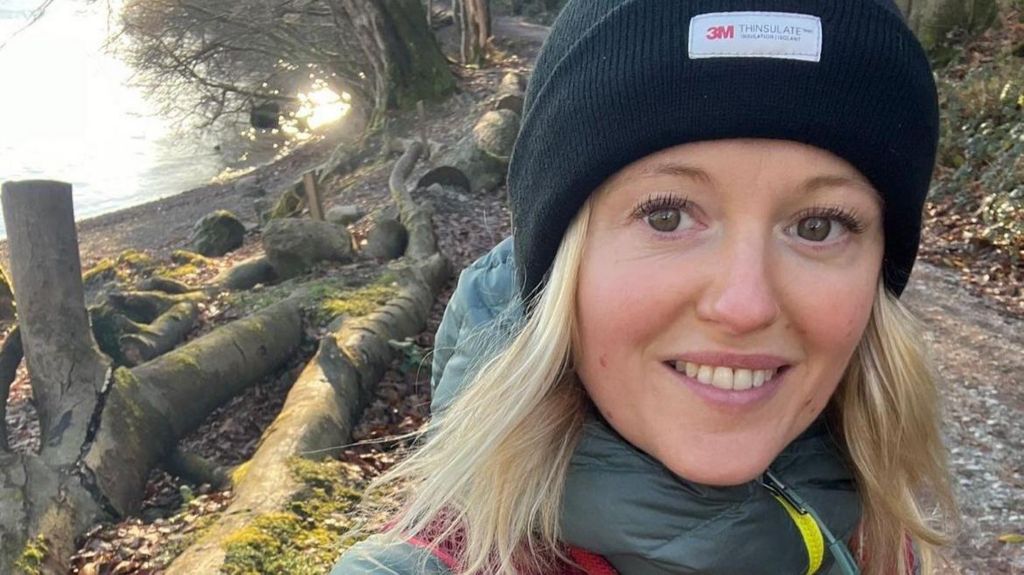
Chile deaths ‘deeply regrettable’, park bosses say
A devastating snowstorm in Chile’s Torres del Paine National Park has resulted in the tragic deaths of five tourists, including Victoria Bond, a 40-year-old public relations consultant from Cornwall, UK. The incident, described as a ‘deeply regrettable tragedy’ by park authorities, also claimed the lives of two German and two Mexican nationals. Their bodies were discovered on Tuesday amidst extreme weather conditions, with winds reaching up to 118 mph (190 km/h).
Victoria Bond, who had been leading public relations for Visit Isles of Scilly for over six years, was on what was described as a ‘trip of a lifetime’ with friends in Argentina and Chile. She was hiking in the park when the storm struck, trapping her and the others.
Chilean President Gabriel Boric Font praised the efforts of search and rescue teams who braved the intense snowfall and high winds to locate the victims. The Chilean National Forestry Corporation (CONAF) has initiated an internal investigation to determine any potential liability and to review safety and communication protocols within the park.
The ‘O’ circuit, a popular hiking route where the tragedy occurred, remains closed as investigations continue. CONAF has emphasized its commitment to improving prevention and emergency response capabilities in the park, which spans a vast and complex terrain. The organization also highlighted the coordinated efforts between CONAF and concessionary companies that operate shelters and camps within the park.
This incident has cast a somber shadow over the region, with CONAF expressing its solidarity with the families of the deceased and all those affected by the tragedy. The review of safety measures aims to prevent such incidents in the future, ensuring the protection of visitors to one of Chile’s most renowned natural landmarks.
-
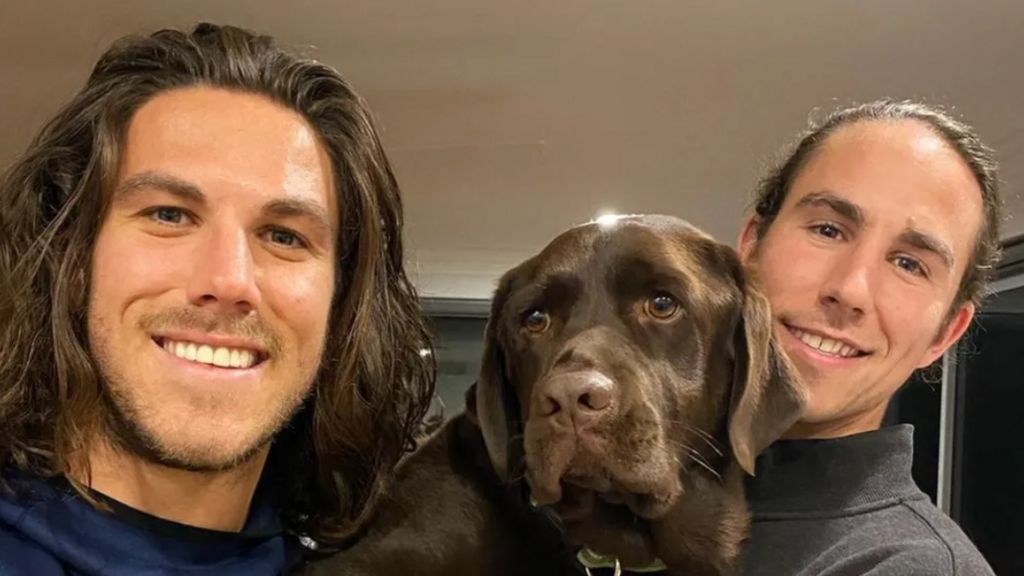
Woman jailed for 20 years over murder of Australian surfer brothers
A 23-year-old woman, Ari Gisell, has been sentenced to two decades in prison for her involvement in the tragic murders of three tourists during a carjacking in Mexico last year. The victims, Australian brothers Jake and Callum Robinson and their American friend Carter Rhoad, were on a surfing trip in Baja California in April 2024 when they were brutally killed. Their bodies were discovered with gunshot wounds to the head in a deep well. Gisell pleaded guilty to instigating the violent assault, which was reportedly motivated by her desire for the tyres on the surfers’ vehicle. She instructed her then-boyfriend, Jesús Gerardo, to ‘bring me a good phone and good tyres for my pickup truck,’ according to court testimonies. Jesús Gerardo, along with two other accomplices, Irineo Francisco and Ángel Jesús, followed the tourists to their campsite, robbed them, and executed them. The cases against these three men remain ongoing. Jesús Gerardo and Irineo Francisco are allegedly linked to the Sinaloa drug cartel, once led by the infamous Joaquín ‘El Chapo’ Guzmán, and are currently held in maximum-security prisons. The victims’ families, appearing via video conference, expressed profound grief during the hearing. Callum and Jake’s mother, Debra Robinson, lamented, ‘We dreamed of seeing them grow older, of having children. That’s all taken now.’ Callum, 33, was a member of Australia’s national lacrosse team, while Jake, 30, was set to begin a new job as a doctor upon his return. Carter Rhoad, 30, was months away from marrying his fiancée, Natalie Wiertz, who described her life as ‘a nightmare’ since his death. Gisell offered a tearful apology in court, acknowledging that ‘nothing I can say will compensate you or give you peace.’
-
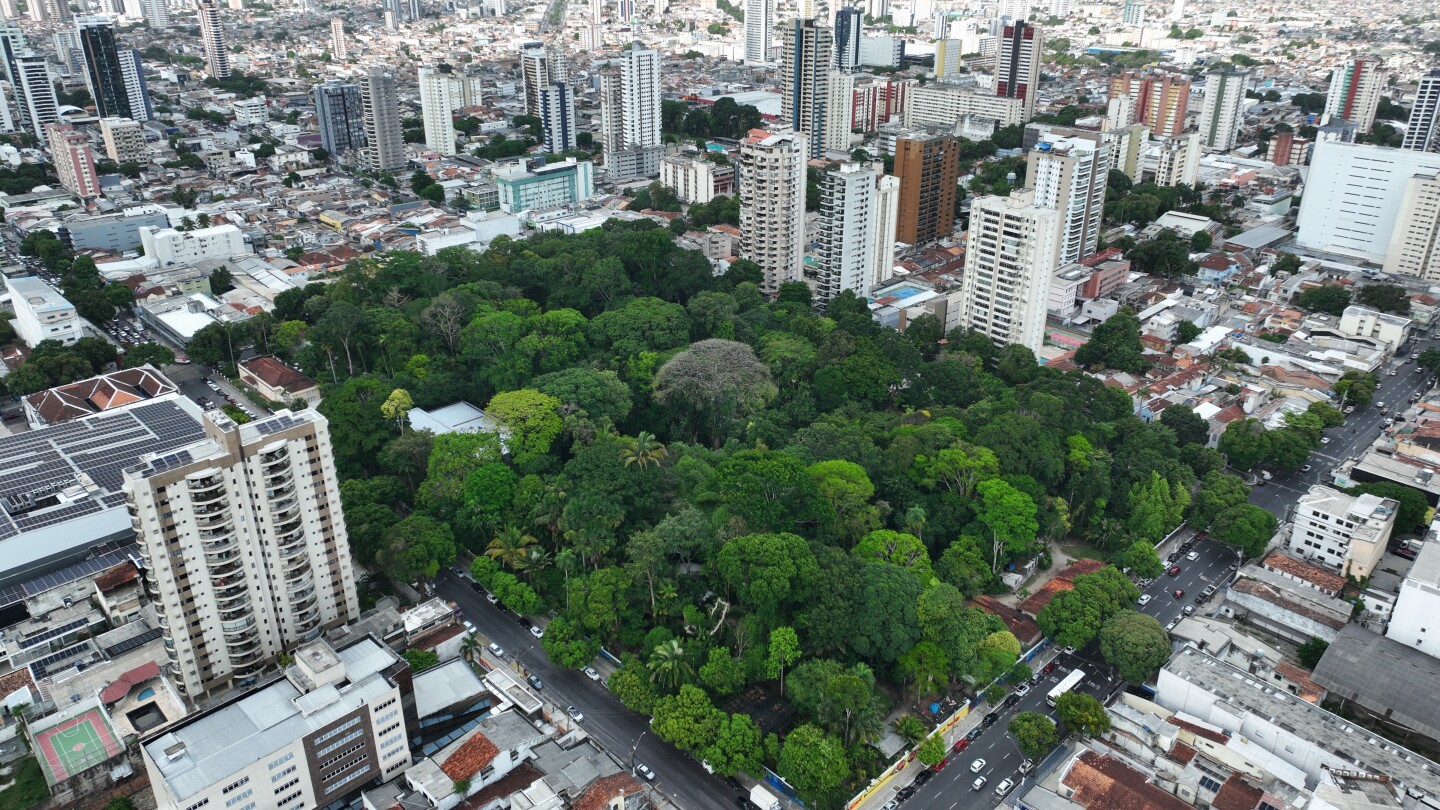
Gangs expand to nearly half the towns in the Brazilian Amazon, report finds
Criminal organizations have significantly expanded their operations in the Brazilian Amazon, now active in nearly half of the region’s municipalities, according to a recent report by the Brazilian Forum on Public Safety. The study reveals that these groups, including notorious gangs like Red Command and First Capital Command, are operating in 344 out of 772 municipalities—a 32% increase from last year and more than double the presence two years ago. This surge in organized crime is exacerbating violence and posing a severe threat to the preservation of the world’s largest tropical rainforest, especially as the region hosts critical U.N. climate talks. The Red Command, a dominant drug trafficking gang, has more than doubled its footprint since 2023, despite being targeted in Rio de Janeiro’s deadliest police operation on October 28, which resulted in 121 fatalities. The incident has sparked a national debate on organized crime, leading Brazil’s lower house to approve a bill proposing harsher penalties for gang-related offenses. The legislation aims to increase sentences for crimes committed by gang members, allow asset seizures before final judgments, and mandate maximum-security imprisonment for gang leaders. However, President Luiz Inácio Lula da Silva has expressed concerns over budget cuts to federal police, which could weaken enforcement efforts. The bill now moves to the Senate, where further modifications are expected. Experts warn that the gangs are diversifying their illegal activities, engaging in extortion, illegal logging, and mining, which fuels territorial disputes and violence. With 8,047 homicides recorded in the region in 2024—31% higher than the national average—the situation underscores the urgent need for comprehensive strategies to combat organized crime and promote sustainable development in the Amazon.
-

Canadian former Olympic snowboarder wanted by US is charged with orchestrating murder of witness
A former Canadian Olympic snowboarder, Ryan Wedding, who is currently on the FBI’s 10 Most Wanted list, is now facing additional charges related to the murder of a federal witness. Authorities allege that Wedding orchestrated the January killing in Colombia to evade extradition to the U.S. Attorney General Pam Bondi announced the charges on Wednesday, revealing that ten other defendants have already been arrested in connection with the case. Wedding is accused of running a multi-national drug trafficking network, moving approximately 60 tons of cocaine annually between Colombia, Mexico, Southern California, and Canada. He is believed to be hiding in Mexico under the protection of the Sinaloa cartel, with whom he is said to collaborate closely. The U.S. government is offering a $15 million reward for information leading to his arrest. Wedding and his co-conspirators allegedly used a Canadian website, “the Dirty News,” to post a photograph of the witness, leading to his identification and subsequent execution in Medellín. Bill Essayli, the top federal prosecutor for the Central District of California, stated that Wedding’s belief that the witness’s death would dismiss charges against him was misguided. The U.S. government is also offering up to $2 million for information on others involved in the killing.
-
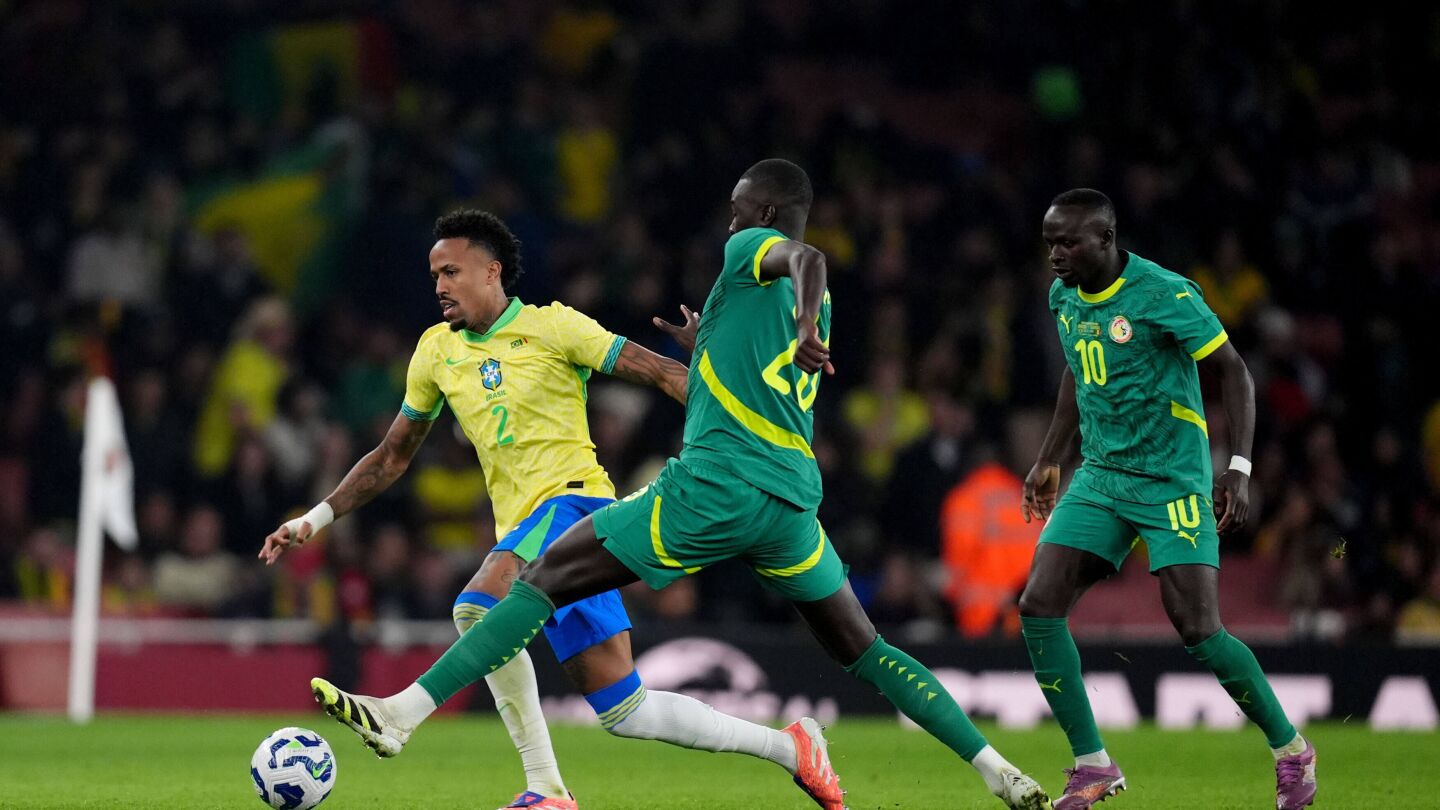
Real Madrid defender Éder Militão suffers leg injury on Brazil duty
Real Madrid has confirmed that their star defender, Éder Militão, sustained a significant injury to his right leg while representing Brazil in an international friendly. The incident occurred during Brazil’s 1-1 draw against Tunisia on Tuesday, forcing Militão to exit the match in the second half. Medical examinations revealed damage to his abductor muscle, raising concerns about his availability for upcoming fixtures. Real Madrid stated that further updates on his recovery timeline will be provided in due course. The injury comes at a critical juncture for the Spanish giants, who currently hold a three-point lead over Barcelona in La Liga after 12 matches. Militão’s absence could impact their defensive stability as they prepare to face Elche this Sunday. The club’s medical team will closely monitor his progress, with fans and teammates alike hoping for a swift return to action.
-
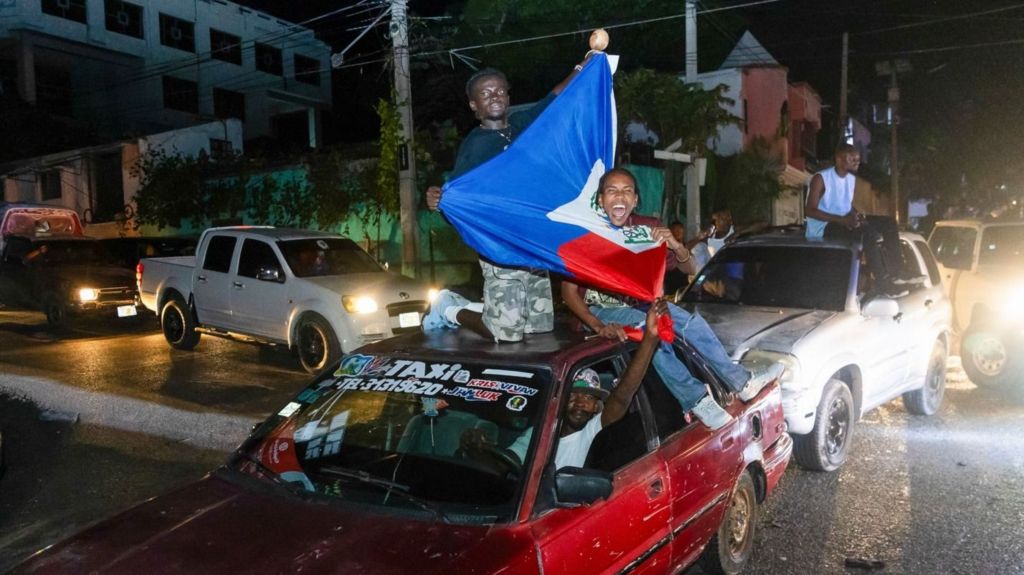
‘We did it!’: Countries celebrate World Cup qualification
Football enthusiasts across Panama, Haiti, Curacao, and Scotland erupted in jubilation as their national teams clinched coveted spots in the 2026 FIFA World Cup. The qualification marks a historic milestone for these nations, igniting widespread celebrations and a renewed sense of national pride. In Panama, streets were filled with fans waving flags and chanting victory slogans, while Haiti’s vibrant communities hosted impromptu parades. Curacao’s supporters, known for their passionate fandom, gathered in large numbers to honor their team’s achievement. Meanwhile, in Scotland, the long-awaited qualification sparked euphoria, with pubs and public squares brimming with ecstatic supporters. The 2026 World Cup, set to be hosted jointly by the United States, Canada, and Mexico, will feature an expanded format, allowing more teams to compete on the global stage. For these nations, the qualification not only signifies sporting success but also serves as a unifying force, bringing communities together in shared triumph.