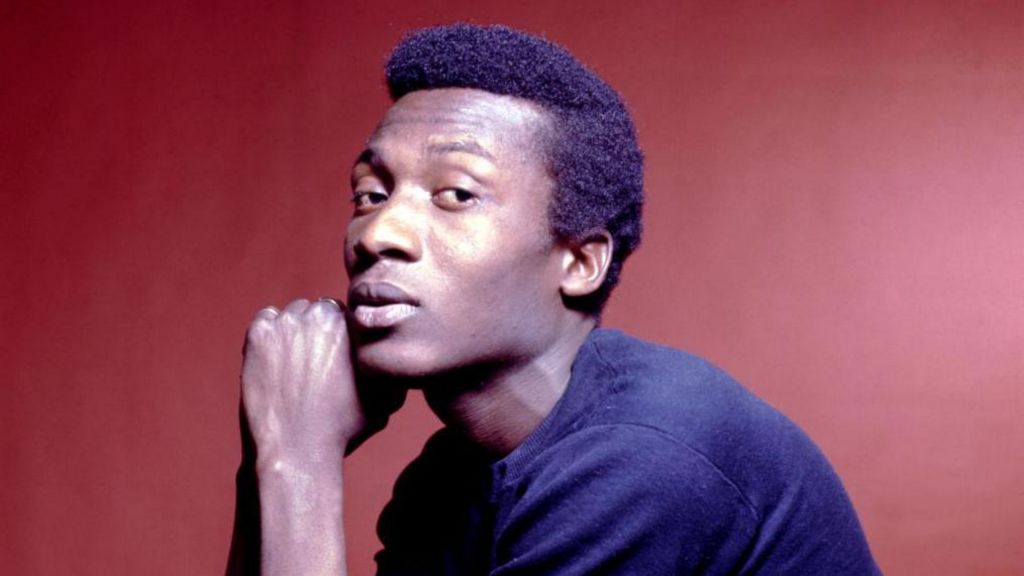
Jimmy Cliff, the iconic reggae musician who brought Jamaican music to the global stage, has died at the age of 81. His wife, Latifa Chambers, announced his passing on Instagram, citing complications from a seizure and pneumonia. Cliff’s career spanned over six decades, marked by timeless hits such as ‘Wonderful World, Beautiful People,’ ‘You Can Get It If You Really Want,’ and ‘Many Rivers To Cross.’ His groundbreaking role in the 1972 film ‘The Harder They Come’ not only cemented his status as a cultural icon but also introduced reggae to American audiences. Born James Chambers in 1944 in St. James, Jamaica, Cliff rose from humble beginnings to become a global ambassador for Jamaican music. His 1969 single ‘Vietnam,’ hailed by Bob Dylan as the ‘best protest song ever written,’ showcased his ability to blend music with social commentary. Cliff’s influence extended beyond music; he was inducted into the Rock and Roll Hall of Fame in 2010 and received Jamaica’s Order of Merit in 2003. Despite his numerous accolades, Cliff cherished the personal impact his music had on fans, often recounting stories of how his songs inspired individuals to overcome adversity. His legacy continues to resonate with generations of music lovers worldwide.
标签: South America
南美洲
-
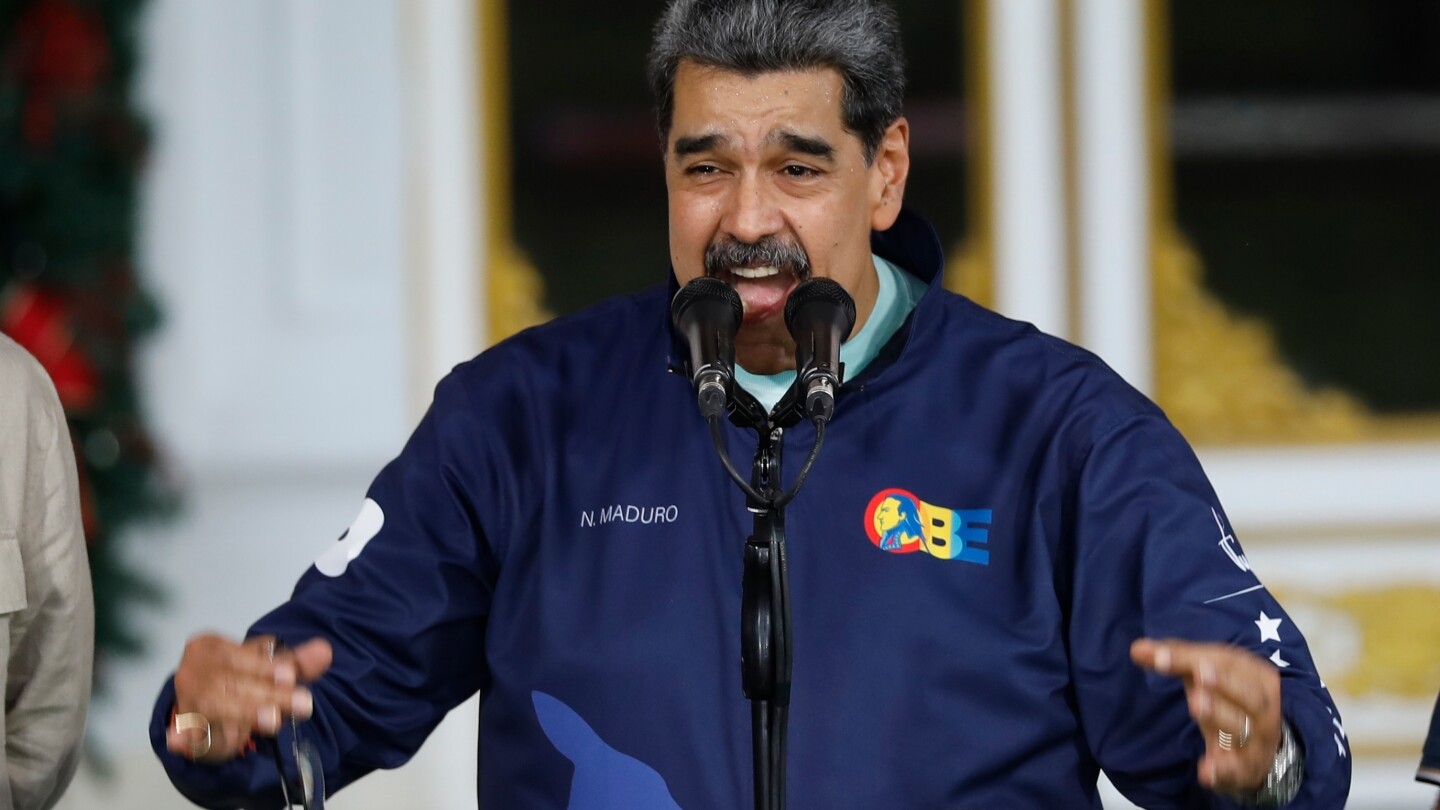
US set to label Maduro-tied Cartel de los Soles as a terror organization. It’s not a cartel per se
The Trump administration is intensifying its campaign against Venezuelan President Nicolás Maduro by designating the Cartel de los Soles as a foreign terrorist organization. This move, set to be announced on Monday, marks a significant escalation in the U.S. government’s efforts to combat drug trafficking into the United States. U.S. Secretary of State Marco Rubio recently accused the Cartel de los Soles, also known as the Cartel of the Suns, of being responsible for terrorist violence in the Western Hemisphere.
The designation comes as President Trump weighs potential military action against Venezuela, a possibility he has not ruled out despite suggesting the potential for talks with Maduro. The U.S. has already deployed a substantial military presence in the Caribbean Sea, targeting boats suspected of drug trafficking and resulting in over 80 deaths.
The term Cartel de los Soles originated in the 1990s to describe high-ranking Venezuelan military officers involved in drug trafficking. Over time, its use expanded to include police and government officials engaged in illegal activities such as mining and fuel trafficking. The name refers to the sun-shaped epaulettes worn by senior military officers.
In 2020, the U.S. Justice Department indicted Maduro and his inner circle on narcoterrorism charges, elevating the term to describe a Maduro-led drug-trafficking organization. However, experts like Adam Isaacson of the Washington Office on Latin America argue that the Cartel de los Soles is not a formal group with a hierarchy or regular meetings.
The Trump administration’s decision to label the cartel as a foreign terrorist organization is unprecedented, as the designation has traditionally been reserved for groups like ISIS or al-Qaeda. Earlier this year, the administration applied the label to eight Latin American criminal organizations involved in drug trafficking and migrant smuggling.
Critics, including Maduro, view the U.S. military buildup as an attempt to end the ruling party’s 26-year hold on power. Meanwhile, Venezuela’s U.S.-backed political opposition has renewed its efforts to remove Maduro from office.
U.S. Defense Secretary Pete Hegseth stated that the designation would provide new options for dealing with Maduro but did not specify what those options entail. Trump administration officials have indicated that Maduro’s continued rule is unsustainable, and Trump has reportedly been pleased with the impact of recent military strikes.
Maduro has denied the allegations, claiming the U.S. is fabricating a drug-trafficking narrative to force him out of power. The U.S. Treasury Department imposed sanctions on the Cartel de los Soles in July, accusing Maduro and his allies of using government resources to facilitate drug trafficking. The U.S. Justice Department has also doubled the reward for information leading to Maduro’s arrest to $50 million.
-
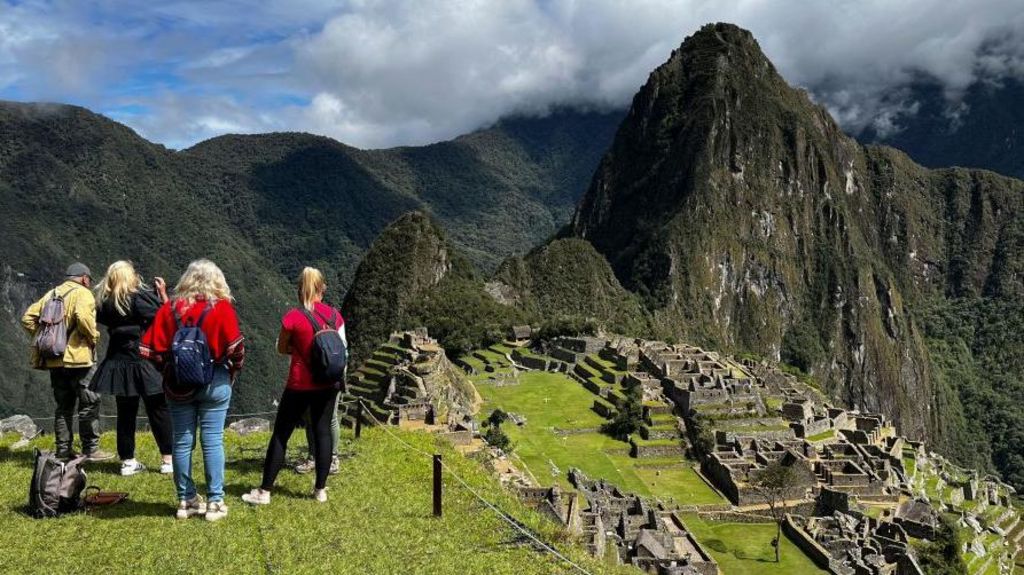
Machu Picchu hit by a row over tourist buses
Machu Picchu, Peru’s iconic 15th-century Inca citadel and a UNESCO World Heritage Site, attracts over 1.6 million tourists annually. However, recent disputes over bus services have disrupted access to the mountain-top site, leaving 1,400 tourists stranded and requiring evacuation. The conflict centers around Consettur, the bus company that has operated for 30 years, losing its license to a rival firm, San Antonio de Torontoy, following a contentious bidding process. Local protests erupted in September, with demonstrators blocking the railway to Aguas Calientes, the gateway town to Machu Picchu, forcing authorities to clear the tracks and arrange special train services. Critics argue that Consettur’s monopoly on the lucrative bus service, charging $24 for foreigners and $15 for locals, has fueled tensions. Despite its expired license, Consettur continues operations due to legal challenges, while San Antonio de Torontoy remains unable to start. Cristian Alberto Caballero Chacón, Consettur’s operations head, denies monopoly claims, stating the company comprises 12 partners, including the local district council, which owns 38%. Meanwhile, tourists face high costs, with train tickets to Aguas Calientes ranging from $140 to $2,000, and Machu Picchu entry fees at $57. Aguas Calientes Mayor Elvis La Torre criticizes the revenue distribution, with only 10% staying locally. Local vendors like Dina Huillca highlight the lack of basic services, while Carlos González, president of Cusco’s tourism chamber, advocates for state-controlled transport and enhanced visitor experiences. Despite challenges, Caballero welcomes competition, stating Consettur would cooperate with San Antonio de Torontoy if approved.
-
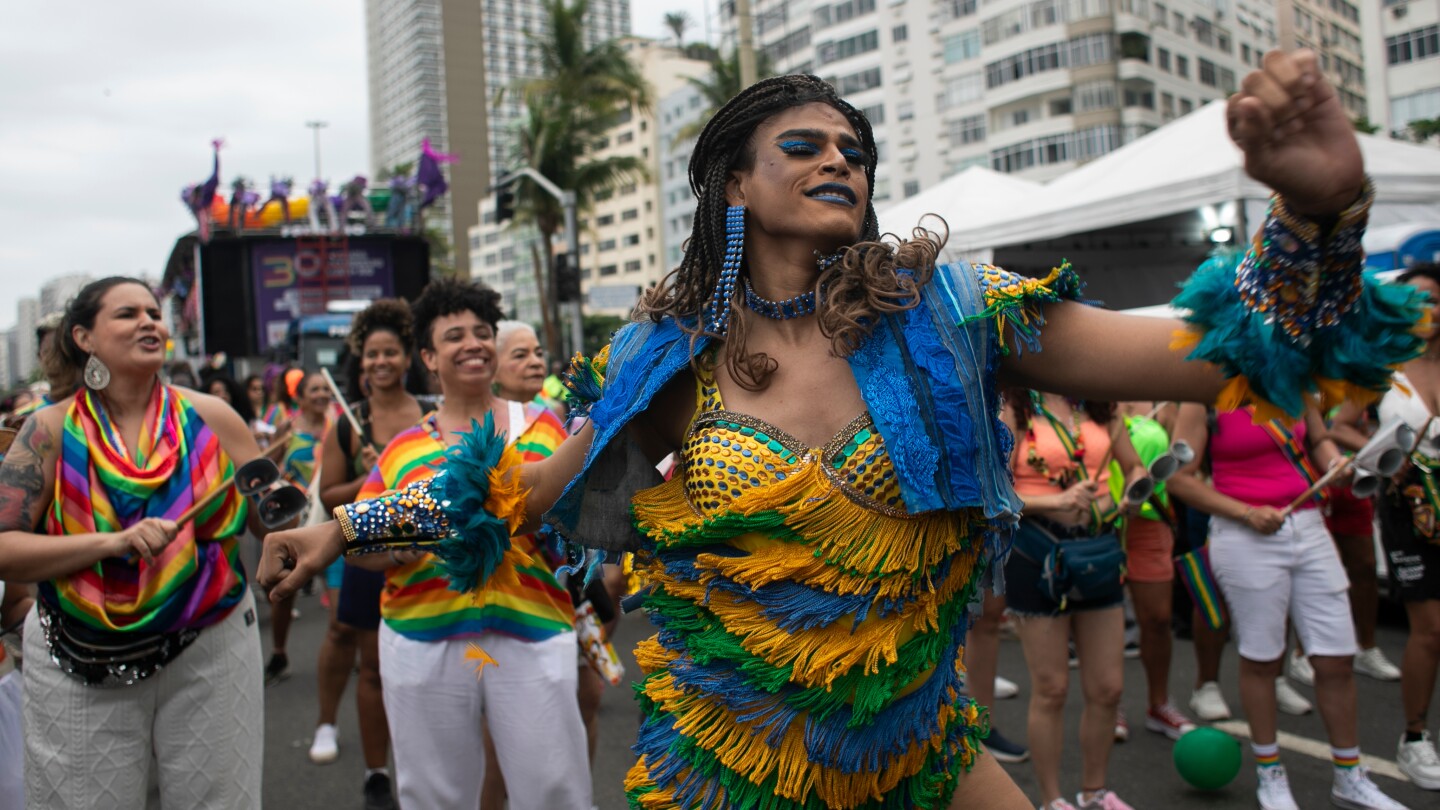
Brazilian revelers at Rio’s Pride march rejoice after Bolsonaro’s preemptive jailing
Thousands of LGBTQ+ activists and supporters flooded the Copacabana boardwalk in Rio de Janeiro for the city’s annual Pride parade on Sunday. The event took on a particularly celebratory tone following the preemptive jailing of former Brazilian President Jair Bolsonaro, known for his homophobic rhetoric. Demonstrators, addressing the crowd from decorated trucks, chanted, “He’s in prison!” and “Out with Bolsonaro!” to roaring applause from rainbow-clad attendees. Bolsonaro, who once described himself as a “proud homophobe,” was sentenced in September to 27 years in prison for attempting a coup after his 2022 electoral defeat. His recent imprisonment, ordered by Supreme Court Justice Alexandre de Moraes, was cited as a necessary measure due to his flight risk. Revelers, including Emy Mateus Santos, a 25-year-old arts professor, expressed joy at the development, viewing it as a victory against hate. Santos, wearing the colors of the Brazilian flag, stated, “It shows that fighting hate is worth it and that the future is possible for people like us.” The parade also highlighted ongoing struggles, with participants carrying banners advocating for LGBTQ+ rights and denouncing violence. Organizers reflected on the march’s 30-year history, noting progress but emphasizing the need for continued advocacy. Cláudio Nascimento, a longtime organizer, recalled the early days when participants wore masks to avoid recognition, contrasting it with today’s celebrations of visibility. Despite advancements, violence against LGBTQ+ individuals remains a pressing issue, with 291 reported violent deaths in 2024 alone. Activists like Flávio Salgueiro stressed the importance of unity in the face of societal challenges, while Dani Balbi, Rio’s first trans woman elected to the state assembly, hailed Bolsonaro’s imprisonment as a hopeful step toward a more inclusive future.
-
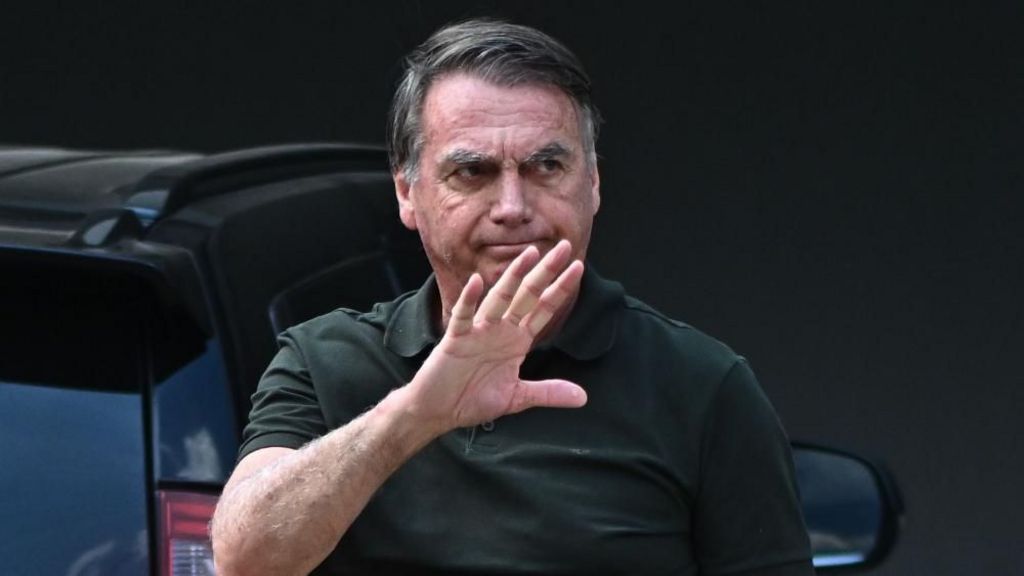
Bolsonaro says ankle monitor damage caused by paranoia
Former Brazilian President Jair Bolsonaro, convicted of orchestrating a coup attempt, has attributed his recent actions to medication-induced ‘paranoia,’ claiming it led him to damage his ankle monitor. Bolsonaro, 70, admitted during a hearing in Brasília that he attempted to open the monitor with a soldering iron before regaining his composure. He insisted he had no intention of fleeing. Authorities deemed him a flight risk, especially with a planned vigil by supporters outside his residence, prompting his transfer from house arrest to detention. Bolsonaro is currently held at a police station in the capital. In September, he was sentenced to over 27 years in prison for his role in a failed coup plot aimed at retaining power after losing the 2022 election to left-wing rival Luiz Inácio Lula da Silva. The Supreme Court revealed that Bolsonaro was aware of a conspiracy involving plans to assassinate Lula and his vice-presidential running mate, Geraldo Alckmin, and to execute Justice Alexandre de Moraes, who oversees his trial. The plot failed to gain military support, and Lula was inaugurated without incident on January 1, 2023. However, a week later, thousands of Bolsonaro supporters stormed government buildings in Brasília, leading to 1,500 arrests. The justices concluded that Bolsonaro incited the rioters, hoping the military would intervene to restore him to power. Bolsonaro has been barred from public office until 2060, eight years after his sentence ends. He dismissed the trial as a ‘witch hunt’ to prevent his potential 2026 presidential run. His legal troubles have also drawn criticism from U.S. President Donald Trump, who imposed a 50% tariff on Brazilian imports in response.
-
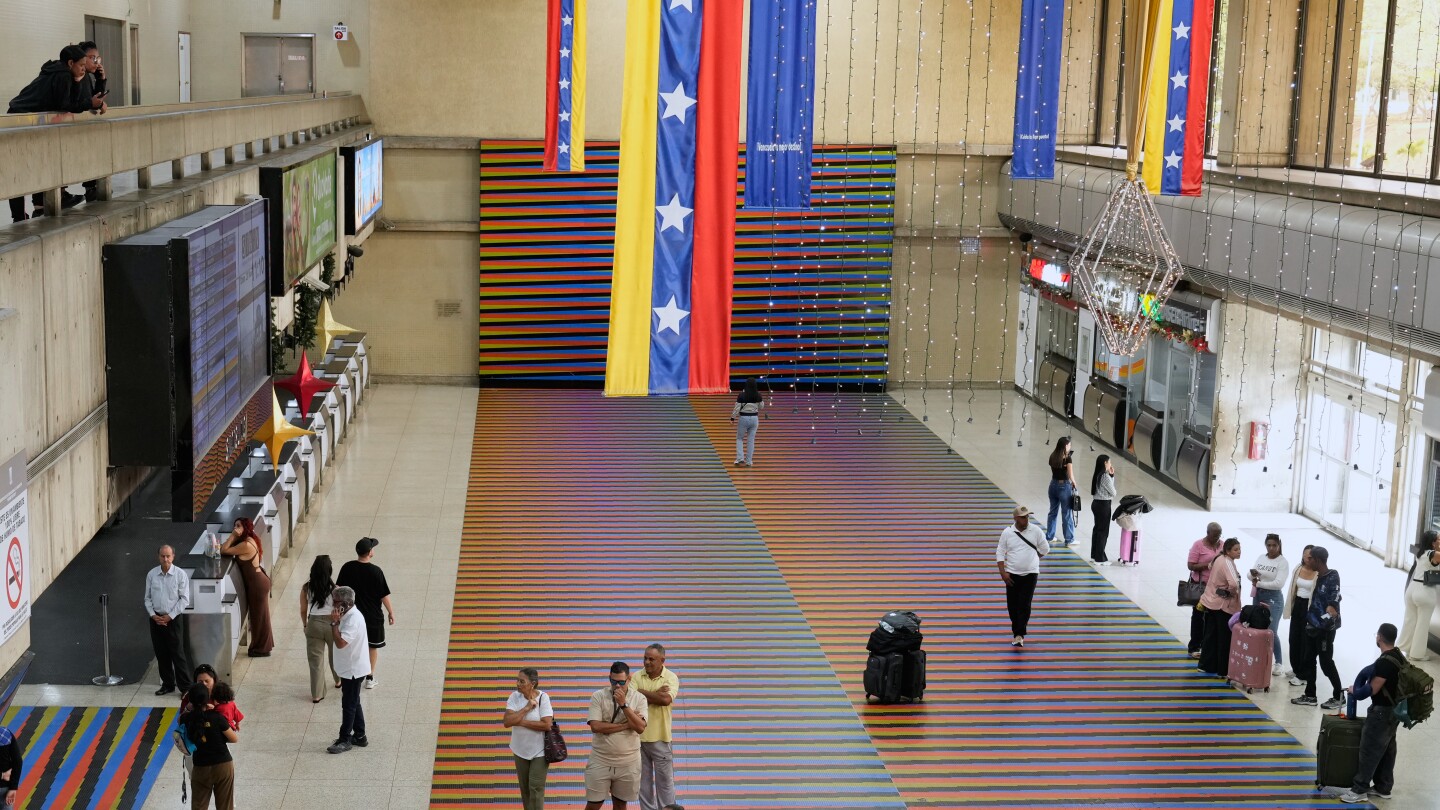
Airlines cancel flights to Venezuela after FAA warns of worsening security, military activity
In a significant development, multiple international airlines have suspended flights to Venezuela following a cautionary advisory issued by the U.S. Federal Aviation Administration (FAA). The FAA warned pilots of heightened security risks and increased military activity in Venezuelan airspace, posing potential threats to aircraft at all altitudes, including during takeoff, landing, and even while grounded. Marisela de Loaiza, president of the Airlines Association in Venezuela, confirmed that six major carriers—TAP, LATAM, Avianca, Iberia, Gol, and Caribbean—have indefinitely halted operations, while Turkish Airlines has temporarily suspended flights from November 24 to 28. Colombian President Gustavo Petro emphasized the importance of maintaining regular air connectivity across Latin America, stating that blocking flights equates to blocking people, which he described as a ‘crime against humanity.’ The FAA’s warning coincides with escalating tensions between the U.S. and Venezuela. The Trump administration has intensified pressure on Venezuelan President Nicolás Maduro, whom it does not recognize as the legitimate leader of the country. Recent U.S. military maneuvers, including bomber flights near Venezuela’s coast and the deployment of the USS Gerald R. Ford aircraft carrier to the Caribbean Sea, underscore the growing geopolitical strain. Additionally, the U.S. has conducted strikes on small boats accused of drug trafficking, resulting in over 80 fatalities since September. These developments highlight the complex interplay of aviation safety, regional politics, and international relations in the region.
-

England hold off Argentina fightback to earn win
In a nail-biting encounter at Twickenham, England narrowly defeated Argentina 27-23, extending their winning streak to 11 consecutive Tests. The match, part of the Quilter Nations Series, saw a standout performance from Max Ojomoh, who scored a try and assisted another in his second appearance for England. Ojomoh’s debut on the international stage was marked by his seamless integration into England’s midfield, earning him the player of the match accolade. England dominated the first half, leading 17-3, thanks to Ojomoh’s try and a well-executed crossfield kick that set up Immanuel Feyi-Waboso’s score. However, Argentina mounted a fierce comeback in the second half, with Justo Piccardo and Rodrigo Isgro scoring tries, and Tomas Albornoz and Santiago Carreras adding penalties to reduce the deficit to just one point. England regained momentum with Henry Slade’s decisive try, followed by George Ford’s conversion and penalty, pushing the lead to 11 points. Isgro’s late try set up a tense finale, but England held firm, securing the win with a crucial line-out error from Argentina. The victory capped off a successful 2025 for England, who have only suffered one defeat this year. The match also highlighted the growing influence of Ojomoh, whose composure and skill have sparked debate about his role in England’s midfield. Argentina, despite their spirited performance, ended their international season with a narrow loss, reflecting the toll of a grueling schedule for their players, most of whom compete in European clubs.
-

England holds off Argentina fightback to seal sweep of November rugby wins
In a gripping encounter at Twickenham on Sunday, England emerged victorious with a 27-23 win over Argentina, capping off a flawless November campaign. The match, marked by dramatic momentum shifts, saw England withstand a fierce second-half resurgence from the Pumas, inspired by the heroics of late call-up Max Ojomoh. Ojomoh, who was drafted into the squad on Friday following Fraser Dingwall’s injury, made an immediate impact. He opened the scoring with a breakaway try in the 10th minute, propelling England to a 10-0 lead. His crossfield kick to Immanuel Feyi-Waboso further extended the advantage to 17-0. Argentina, known for their resilience after last weekend’s comeback against Scotland, clawed their way back into the game. Justo Piccardo’s converted try and three penalties narrowed the gap to 17-16, setting the stage for another potential turnaround. However, Ojomoh’s decisive play in the 66th minute, offloading to Henry Slade for a crucial try, and George Ford’s conversion and penalty ensured England’s victory. Despite Rodrigo Isgro’s late try and a frantic final push from Argentina, England held firm to secure their 11th consecutive test win, having previously defeated Australia, Fiji, and New Zealand in successive weekends.
-
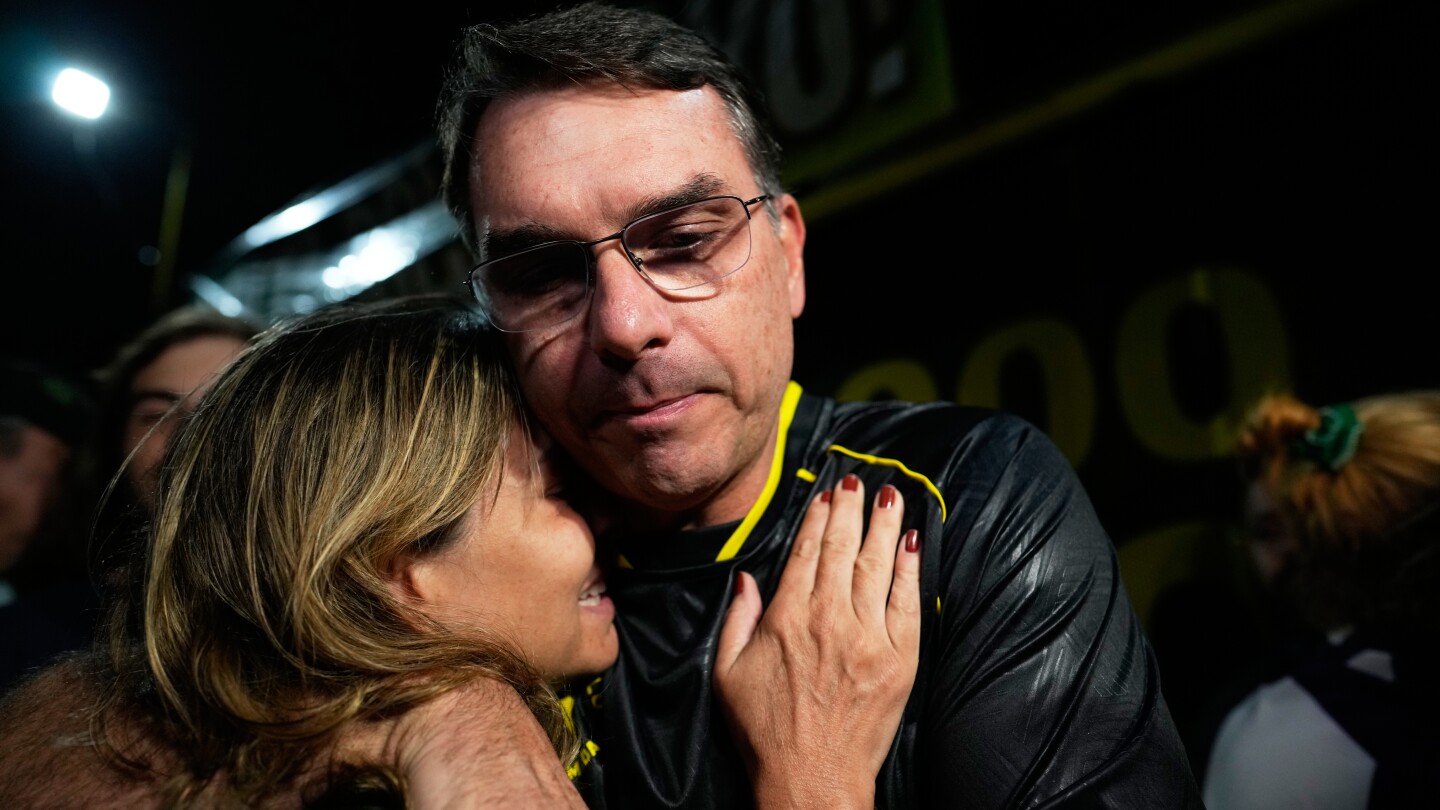
Brazil’s Bolsonaro to meet a judge a day after his early arrest
Former Brazilian President Jair Bolsonaro is set to meet with a judge on Sunday to deliberate the legality of his preemptive imprisonment at federal police headquarters in Brasilia. This meeting follows Supreme Court Justice Alexandre de Moraes’ order for Bolsonaro’s detention on Saturday, citing him as a flight risk after his ankle monitor was reportedly violated early that morning. Bolsonaro’s incarceration comes just before he is due to begin a 27-year prison sentence, following a September ruling by Brazil’s Supreme Court that he attempted to orchestrate a coup to retain the presidency after losing the 2022 election to Luiz Inácio Lula da Silva. The same judicial panel will review the preemptive arrest order on Monday. Despite procedural nature of Sunday’s meeting, Bolsonaro’s legal team plans to argue for house arrest based on his health concerns, a request previously denied by Justice de Moraes. Meanwhile, Bolsonaro has been permitted visits from his wife, former first lady Michelle Bolsonaro, who was absent during his arrest. President Lula commented on the situation at the G20 meeting in South Africa, affirming the court’s decision and Bolsonaro’s actions. Outside the police headquarters, reactions were mixed, with supporters demanding the removal of Lula and de Moraes, and opponents celebrating Bolsonaro’s detention.
-
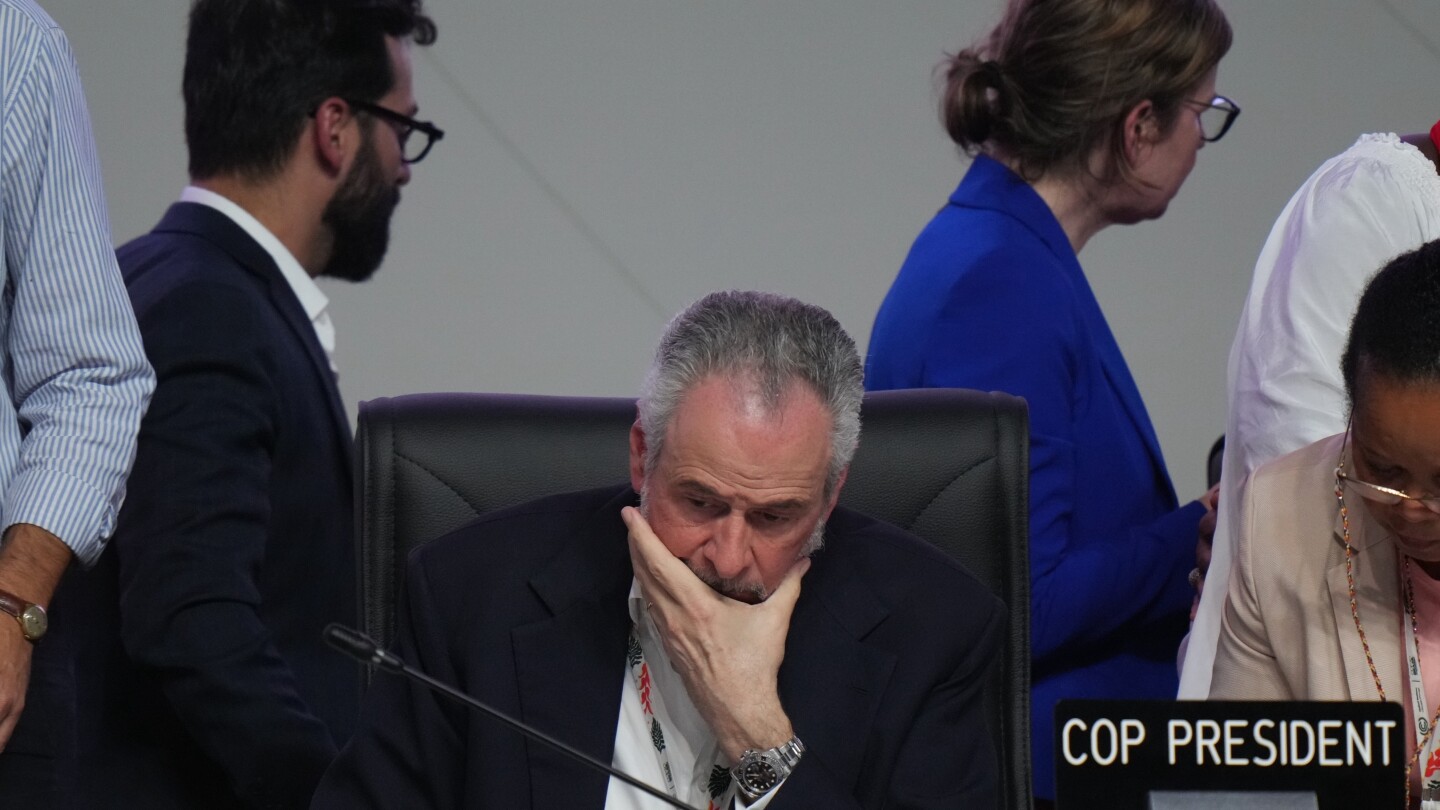
Many hoped UN climate talks in Brazil would be historic. They may be remembered as a flop
The 2025 United Nations Climate Change Conference (COP30), held in Belem, Brazil, concluded with a watered-down resolution that failed to meet the expectations of many delegates and environmental advocates. Hosted in the Amazon rainforest, a critical climate regulator and home to Indigenous communities, the summit initially raised hopes under the leadership of Brazilian President Luiz Inácio Lula da Silva. Lula’s impassioned speeches inspired over 80 nations to call for a detailed roadmap to drastically reduce the use of fossil fuels—oil, gas, and coal—the primary drivers of climate change. However, the final decision, announced on November 22, omitted any mention of fossil fuels or a timeline for their reduction, sparking widespread criticism. While the resolution included increased financial support for developing nations to adapt to climate change, it fell short of the ambitious goals many had anticipated. Critics, including Panama’s negotiator Juan Carlos Monterrey Gomez, labeled the outcome as “complicity” rather than neutrality, accusing the summit of sidelining scientific evidence to appease polluters. Environmental activists and delegates expressed frustration, with many already looking ahead to COP31 in Turkey. The conference, once dubbed a “COP of truth,” instead eroded confidence in multilateral climate negotiations, leaving many questioning the process’s ability to address the escalating climate crisis.