标签: South America

南美洲

  • Portugal’s Leão sent off for punching in World Cup warmup win over Chile

    Portugal’s Leão sent off for punching in World Cup warmup win over Chile

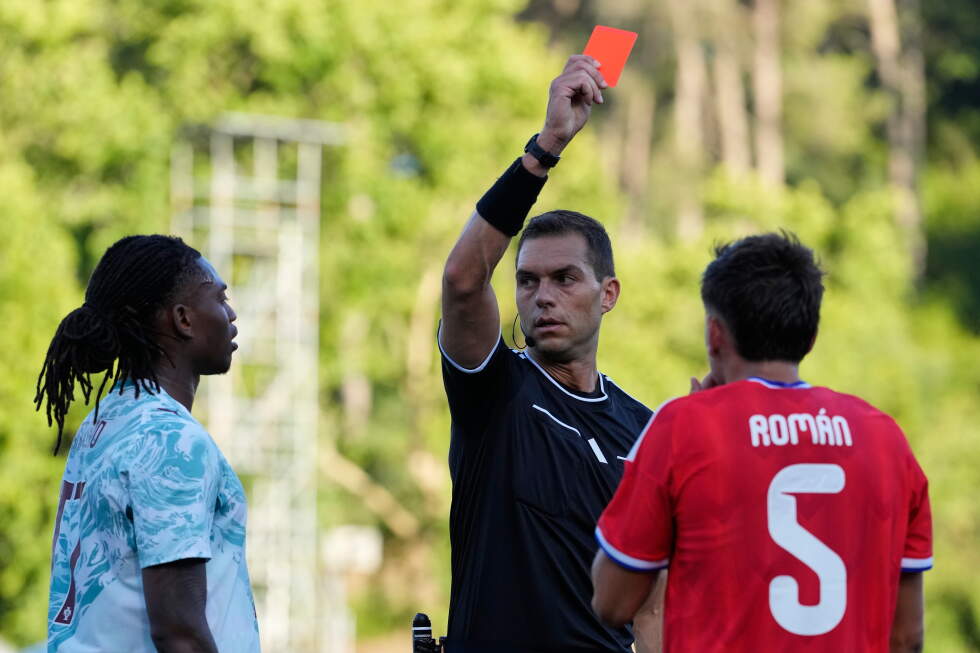
    In a pre-tournament friendly tune-up for the 2026 FIFA World Cup held on Saturday in Lisbon, Portugal’s 2-0 victory over Chile was overshadowed by a first-half brawl that saw star forward Rafael Leão ejected from the match before halftime. The ugly confrontation unfolded after Leão took exception to what he perceived as a rough foul from a Chilean player, sparking a heated exchange between the AC Milan winger and Chilean center-back Ivan Román. Video footage from the match clearly captured Leão throwing a closed-fist punch at Román, who immediately responded in anger to the unprovoked strike. Referees acted swiftly, handing both Leão and Román straight red cards and dismissing them from the pitch just moments before the halftime whistle.

    Five-time Ballon d’Or winner Cristiano Ronaldo, who is on track to tie the all-time record for most World Cup appearances with six tournament berths, started the match for Portugal but was substituted out during the halftime break. Ronaldo’s replacement, Portuguese winger Gonçalo Guedes, capitalized on his opportunity minutes into the second half, slotting home the opening goal to put Portugal in the lead. Manchester United playmaker Bruno Fernandes extended Portugal’s advantage to two goals with a well-placed finish in the 75th minute, putting the match out of reach for the Chilean side. Chile managed to pull one goal back deep into stoppage time via a strike from Lucas Cepeda, but the late consolation was not enough to change the final result, leaving Portugal with a confidence-boosting 2-1 win ahead of the tournament.

    Fernando Santos’ side has been drawn into Group K for the upcoming World Cup, where they will face off against Colombia, Uzbekistan, and the Democratic Republic of Congo. Portugal will kick off their World Cup campaign against Congo on June 17, with the opening group stage match set to take place in Houston, Texas. The warm-up win gives Portugal a positive momentum boost ahead of the tournament, though the red card for Leão raises questions about his availability and disciplinary form heading into the opening match.

  • Colombia’s presidential runoff could impact the future of the Amazon rainforest and fossil fuels

    Colombia’s presidential runoff could impact the future of the Amazon rainforest and fossil fuels

    BOGOTA, Colombia — As Colombians prepare to head to the polls for the June 21 presidential runoff, the nation stands at a crossroads that will ripple far beyond its borders, with outcomes that will reshape the future of the Amazon rainforest, the country’s energy trajectory, and the rights of Indigenous communities that have stewarded the forest for centuries. The two candidates on the ballot represent diametrically opposed visions for the nation, forged in the policy legacy of current leftist President Gustavo Petro and shaped by an unexpected endorsement from former U.S. President Donald Trump.

    On one side is Sen. Iván Cepeda, a close ideological ally of Petro who analysts broadly agree would carry forward the outgoing administration’s landmark climate and social priorities. Cepeda has centered his campaign on upholding Indigenous territorial rights, expanding aggressive Amazon conservation efforts, and accelerating Colombia’s transition away from fossil fuel dependence — a policy shift that has positioned Petro’s government as one of the world’s most outspoken leaders on global climate action.

    Under Petro, Colombia banned new oil and gas exploration contracts, ruled out any expansion of fracking — a controversial extraction method linked to widespread environmental harm — and made history earlier this year by hosting the first-ever global summit dedicated to the worldwide transition away from coal, oil and gas. Cepeda has repeatedly affirmed his commitment to building on this work, steering the country toward expanded renewable energy production and blocking new development of fossil fuel reserves in ecologically sensitive Amazon regions.

    Facing Cepeda is conservative lawyer Abelardo de la Espriella, who earned a high-profile endorsement from Trump ahead of the runoff. De la Espriella has built his campaign platform around promises to boost public security and accelerate economic growth, with a core policy pledge to expand Colombia’s profitable extractive industries, including opening new areas to fracking and full development of the nation’s untapped underground fossil fuel and mineral reserves. Trump has praised de la Espriella’s hardline law enforcement stances, framing the candidate’s victory as critical to healthy U.S.-Colombia relations — a relationship that has been strained under Petro, who has clashed repeatedly with Trump over migration policy, climate action and security cooperation. Earlier this year, the two leaders traded public insults on social media after Petro barred U.S. deportation flights carrying Colombian migrants from landing in the country, prompting Trump to threaten sweeping tariffs and visa restrictions before a last-minute compromise was reached.

    While both candidates have paid lip service to valuing Amazon conservation, experts say the race boils down to a clear binary: one path prioritizes protecting the rainforest’s intact ecosystems, while the other prioritizes productive resource exploitation. “On issues of climate, this is a choice between prioritizing green energy and reinvigoration of fossil fuels,” explained Elizabeth Dickinson, deputy director for Latin America at the International Crisis Group, a nonpartisan global think tank.

    Colombia is home to more than a third of the Amazon rainforest, the world’s largest tropical forest and a critical global buffer against worsening climate change. In recent decades, the forest has come under growing pressure from accelerating deforestation, illegal gold mining, drug trafficking activity, and the gradual impacts of a warming planet. Under Petro, the administration has worked to curb these threats by expanding Indigenous participation in environmental governance and strengthening coordinated conservation action across Amazon basin nations, turning Colombia into a global voice for rainforest protection.

    Still, supporters of expanded extractive development argue that Colombia remains heavily reliant on oil and gas revenues to fund public services and drive economic growth, warning that a rapid wind-down of fossil fuel production would create unsustainable strain on national public finances and slow job creation. This fundamental tension between longstanding economic dependence on extractive industries and urgent global demands for environmental action will define the agenda of whichever candidate takes office.

    The race’s competing visions also extend to public security, a top voter concern amid growing criminal activity in the Amazon. In recent years, illegal gold mining, coca cultivation for the cocaine trade, and unregulated deforestation have expanded rapidly across large swathes of the rainforest, with much of this activity controlled by transnational armed criminal groups that have turned environmental destruction into a highly lucrative business model. “The greatest threat to conservation of the Amazon ecosystem is the expansion of organized crime,” Dickinson noted. “The challenge for both of these candidates will be to hold back that criminal expansion into these industries.”

    To address this crisis, Cepeda has pledged to continue Petro’s flagship “Total Peace” policy, which seeks to reduce violence through negotiated dialogues with guerrilla groups, drug trafficking organizations, and other armed actors. Supporters of the approach argue it offers the most sustainable path to reducing bloodshed, but critics counter that some criminal groups have used the negotiation process to consolidate territorial control and expand their illegal operations. Even under Petro, violence against environmental defenders has remained at crisis levels: Colombia consistently ranks as one of the deadliest countries in the world for climate and land activists, despite the administration’s pro-conservation agenda.

    De la Espriella, by contrast, has promised a hardline security response centered on increased military deployment and reasserting full state authority over contested Amazon territories. But human rights advocates warn that aggressive militarization would disproportionately harm Indigenous communities, whose lands have long been caught between armed groups and state forces. “The history of militarization of Indigenous peoples throughout the Amazon, but especially Colombia, has been devastating,” said Gimena Sánchez, Andes director at the Washington Office on Latin America, a human rights-focused nonprofit.

    For Indigenous and local communities that call the Colombian Amazon home, the race’s stakes could not be higher. Many community leaders emphasize that effective environmental protection cannot be separated from meaningful social investment in the territories where more than one million people live. Alex Rufino, a member of the Ticuna Indigenous people based in the Amazonian city of Leticia, argues that national policy discussions often overlook the daily challenges facing forest residents, including widespread lack of access to quality education, healthcare, adequate housing and formal employment.

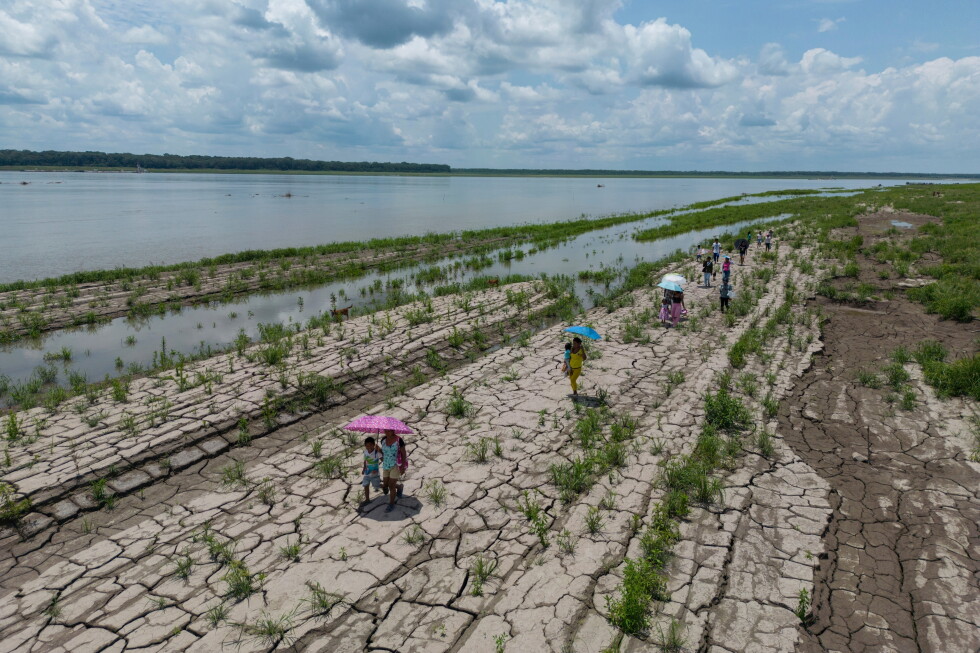
    These unmet social needs, Rufino explained, drive many of the activities that fuel deforestation and environmental destruction: without viable economic alternatives, many local residents turn to coca cultivation, illegal mining, and other activities tied to criminal groups that destroy the forest. Stronger social investment, he said, would give residents viable alternatives to these destructive economies. The impacts of climate change and environmental destruction are already impossible to ignore in the region: recent years have seen severe droughts that dropped Amazon river levels to historic lows, killing thousands of fish and endangered pink river dolphins, while illegal mining has left widespread mercury contamination that has been detected in fish consumed by local communities, creating long-term health risks for residents.

    As policymakers in Bogota debate energy policy, security strategy and economic growth, Amazon community leaders say the next Colombian administration must prioritize centering the voices of the people who have protected the forest for generations. For Rufino, that means recognizing the Amazon is not merely a reserve of natural resources to be extracted, but a living home to Indigenous and local communities that have been its most effective stewards for centuries. “The dialogue should focus on speaking from the Amazon and with the Amazon,” he said. “With the people. With young people. With women. With elders.”

    The Associated Press’ climate and environmental coverage receives financial support from multiple private foundations. AP is solely responsible for all content.
  • Argentina expands hantavirus probe, sending teams to trap and test rats in Mendoza

    Argentina expands hantavirus probe, sending teams to trap and test rats in Mendoza

    BUENOS AIRES, Argentina – In the wake of an unusual hantavirus outbreak that sickened passengers on an Atlantic cruise ship last month, Argentine health authorities announced Friday they are broadening their investigation into the origins of the virus, launching new field work in the western province of Mendoza even as they wait for critical lab results from tests in the southern city of Ushuaia.

    The rare event that hit the MV Hondius has already killed three people, infected 11 confirmed cases, and put repatriated passengers from more than 20 nations into targeted quarantine. Experts say untangling the outbreak’s origin will fill key gaps in knowledge about the little-studied Andes hantavirus, a strain carried by wild rodents that is endemic to parts of Argentina and Chile. Unique among hantaviruses, the Andes variant is the only one known to spread from person-to-person in some scenarios, making it a particularly high priority for study.

    The first known victims of the outbreak were a Dutch tourist couple who died in April, shortly after disembarking from the cruise which departed from Ushuaia, the southernmost major city on the South American continent located in Tierra del Fuego. Reconstructing the chain of infection has proven challenging, and health officials have acknowledged it may never be possible to pinpoint exactly where the couple contracted the virus before they boarded the vessel. Still, epidemiologists are combing through travel histories, activity timelines and infection data from all confirmed cases to map out how the virus moved through the ship.

    Current working hypotheses among Argentine researchers point to the male tourist being exposed to infected rodent urine or droppings during the couple’s multi-month road trip across Argentina and Chile, before the cruise departed. The standard incubation period for Andes hantavirus ranges from roughly three weeks up to two months, aligning with the timeline of the couple’s travels. The couple visited Malargüe, a city in Mendoza’s famous wine-growing region, during the final leg of their Argentine journey before traveling south to Ushuaia to catch the cruise.

    Shortly after the outbreak was confirmed, Argentina’s national Health Ministry flagged Ushuaia as a potential origin site, sending researchers from the country’s top public health laboratory, the Malbran Institute, to collect wild rodent samples from forested areas around the city. But local officials in Ushuaia — a tourism hub that brands itself as the “End of the World” — have pushed back aggressively against the suggestion. Local authorities note that while Andes hantavirus infects a few dozen people annually in Patagonian regions further north, the pathogen has never been detected in Ushuaia or the broader Tierra del Fuego archipelago. As of Friday, lab results from those Ushuaia rodent samples are still pending.

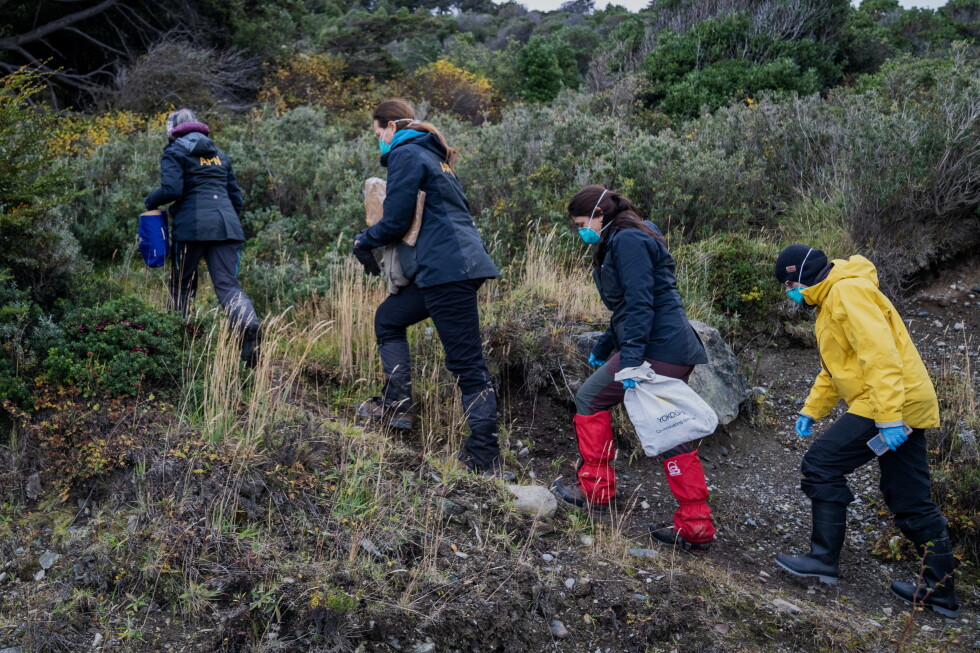
    The new phase of investigation launching next week will bring together specialists from the Malbran Institute and biologists from the U.S. Centers for Disease Control and Prevention, who will conduct rodent trapping and testing in Malargüe, Mendoza between June 8 and 12. Malbran Institute director Claudia Perandones met with CDC representatives in Buenos Aires Friday to finalize plans for the field work. Teams will work in full protective gear to collect blood samples from captured rodents, before shipping the samples back to the main Malbran lab in Buenos Aires for analysis. Officials confirmed full test results could take up to four weeks to complete.

    Global health officials have stressed that the outbreak does not represent a major pandemic risk. The World Health Organization has stated that the overall risk of widespread sustained transmission of Andes hantavirus remains low. Even so, the variant has sparked global concern due to its mortality rate, which can reach 30% among infected people, and the current lack of specific antiviral treatments or approved vaccines for the disease.

  • Carlos ‘Indio’ Solari, a legend of Argentina’s rock scene, dies at 77

    Carlos ‘Indio’ Solari, a legend of Argentina’s rock scene, dies at 77

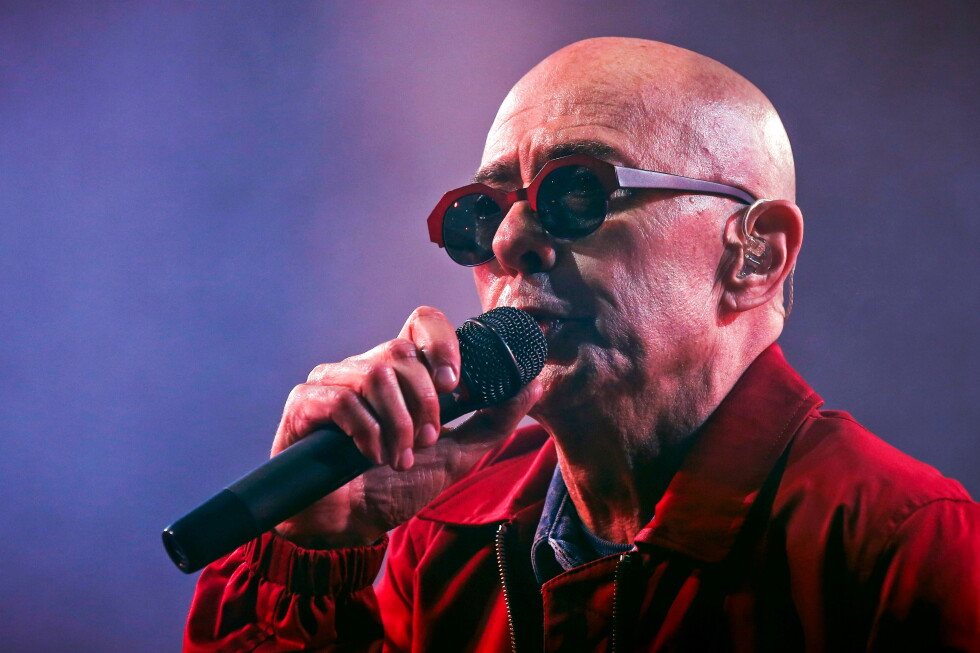
    BUENOS AIRES, Argentina — Argentine music and counterculture icon Carlos Alberto Solari, the iconic singer-songwriter widely known by his stage nickname “El Indio” and frontman of the nation’s legendary rock group Patricio Rey y sus Redonditos de Ricota, passed away on Friday at the age of 77.

    Local law enforcement officials confirmed that Solari, who had lived with a Parkinson’s disease diagnosis for more than 10 years, was found unresponsive near an indoor pool at his residential property in Ituzaingó, a small town located roughly 18 miles west of the Argentine capital. Authorities have not yet released an official cause of death.

    Solari’s family shared confirmation of his passing via social media, announcing plans for a public funeral service to give fans across the country an opportunity to pay their final respects to the rock legend. Within minutes of news of his death breaking, hundreds of admirers began gathering outside his home, many bringing flowers to lay at the gate and wearing vintage band T-shirts emblazoned with Solari’s famous nickname. In a public statement shared after his death, the family wrote, “We will mourn as we deserve, listen to his songs, and above all, look out for one another, just as he taught us to do.”

    As the lead vocalist and creative driving force behind Patricio Rey y sus Redonditos de Ricota — better known to generations of fans simply as “Los Redondos” — Solari grew into one of Argentina’s most defining countercultural icons. For young Argentines coming of age during the country’s fragile transition from a violent military dictatorship to a new democratic system in the 1980s — an era marked by unprecedented new freedoms alongside crippling economic instability and hyperinflation — Solari’s music became a soundtrack for a generation of disaffected young people.

    During the 1990s, when Argentina’s government under then-President Carlos Saul Menem pushed sweeping free-market policies that sparked a wave of unregulated consumerism across the country, Solari’s gritty classic rock anthems, upbeat danceable tracks and layered, cryptic lyrics gave voice to widespread frustration with capitalist excess and growing foreign cultural and economic influence. Over the band’s active years, Los Redondos released 10 full-length studio albums, and the group famously rejected deals with major record labels throughout their career to protect full creative independence over their work.

    After the band split in 2001, Solari launched a successful solo career that spanned two decades. He released five additional studio albums under his own name, blending his signature classic rock sound with new electronic influences, and continued to draw crowds of hundreds of thousands of fans to massive stadium and park shows across Argentina.

    In 2016, during a headline performance at a massive sold-out concert, Solari publicly revealed his Parkinson’s diagnosis to fans. “Mr. Parkinson is nipping at my heels. But here I am,” he told the crowd, which erupted in a long standing ovation in support of the singer. He eventually retired from touring not long after, and spoke openly in subsequent interviews about the severe, debilitating impacts of his degenerative condition.

    In the days following the news of his death, tributes have poured in from across Argentina’s political, cultural, and sports sectors. The Argentine Soccer Association noted in a statement that Solari’s music “became a popular rallying cry” that “echoed in the stands” of stadiums across the soccer-mad nation. The Grandmothers of Plaza de Mayo, the prominent human rights group that works to locate relatives killed or disappeared during the 1976-1983 military dictatorship, said Solari “inspired society as a whole to doubt, to question and to think critically.” Even former Argentine President Cristina Fernández de Kirchner, who is currently serving a corruption conviction under house arrest, shared one of Solari’s most famous lyrics on social media — a verse popularized as a call for courageous living that reads “Just living costs you your life.”

    Solari is survived by his wife, Virginia Mones Ruiz, and their 25-year-old son, Bruno.

  • Protesters topple World Cup player statues in Mexico City

    Protesters topple World Cup player statues in Mexico City

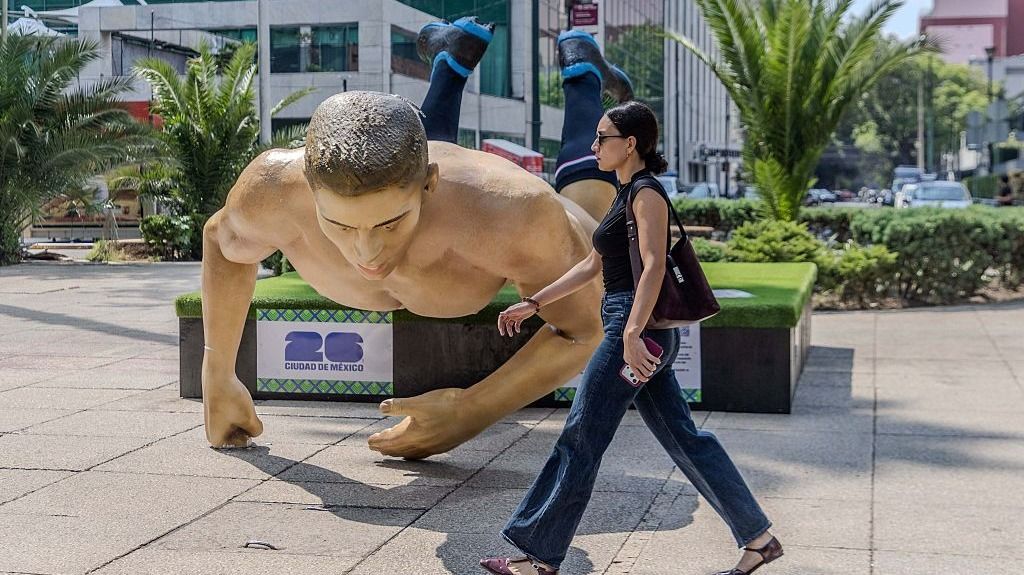
    A growing wave of labor unrest has shaken Mexico City in recent days, as striking teachers demanding substantial wage increases have escalated their demonstrations by toppling iconic statues of World Cup-winning national soccer players. What began as a series of peaceful pickets focused on government budget negotiations quickly gained traction, with organizers now issuing explicit warnings that the upcoming soccer tournament will face widespread disruption if their long-standing financial demands are not formally addressed.

  • Argentina seeks a glorious end to the Messi era with another World Cup title

    Argentina seeks a glorious end to the Messi era with another World Cup title

    BUENOS AIRES, May 30 (AP) – For Argentina, the last time the United States welcomed the world’s biggest soccer tournament carried a bitter legacy that still resonates three decades later. In 1994, the country’s beloved icon Diego Maradona was sent home mid-tournament after testing positive for banned substances, never to step onto a World Cup pitch again. Argentina bowed out in the round of 16, closing a chapter the South American soccer powerhouse has never forgotten. Thirty-two years on, the 2026 World Cup – co-hosted by the U.S., Mexico and Canada – brings a new, redemptive chapter, centered on Lionel Messi, Maradona’s widely recognized heir, who is widely expected to wrap up his legendary international career when the final whistle blows on this tournament.

    Turning 39 this month, Messi is set to make his record sixth appearance at the World Cup, leading the defending champions in their quest for something no men’s national team has achieved in more than six decades: back-to-back World Cup titles. Only Brazil, which lifted the trophy in 1958 and 1962, has held the honor. If Argentina can retain the crown they won in Qatar 2022, the achievement would cement the widespread claim that Messi is the greatest men’s soccer player to ever step onto the pitch.

    Messi, who has spent more than 20 years playing at the top club level for Barcelona, Paris Saint-Germain and most recently Inter Miami, acknowledges his competitive fire has not faded, even as his career enters its final stretch. “I love playing football and I’m going to do it until I can’t anymore,” Messi said in a YouTube interview with Argentine broadcast journalist Joaquín “Pollo” Álvarez. “I’m competitive, I like to win at everything, I don’t even let my kids win at video games sometimes. It’s just my nature and what led me to achieve everything I have.”

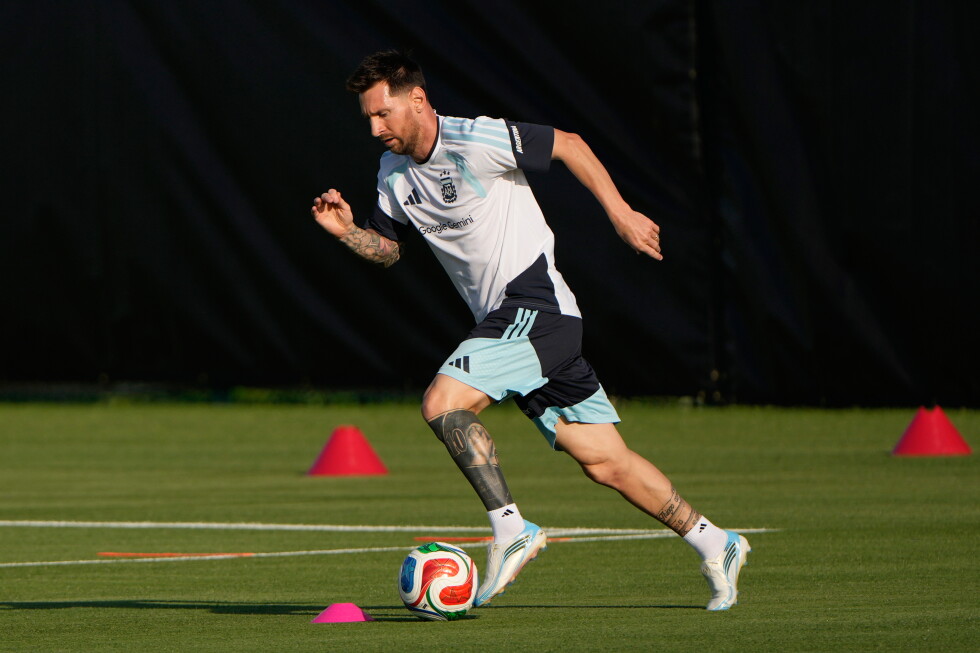
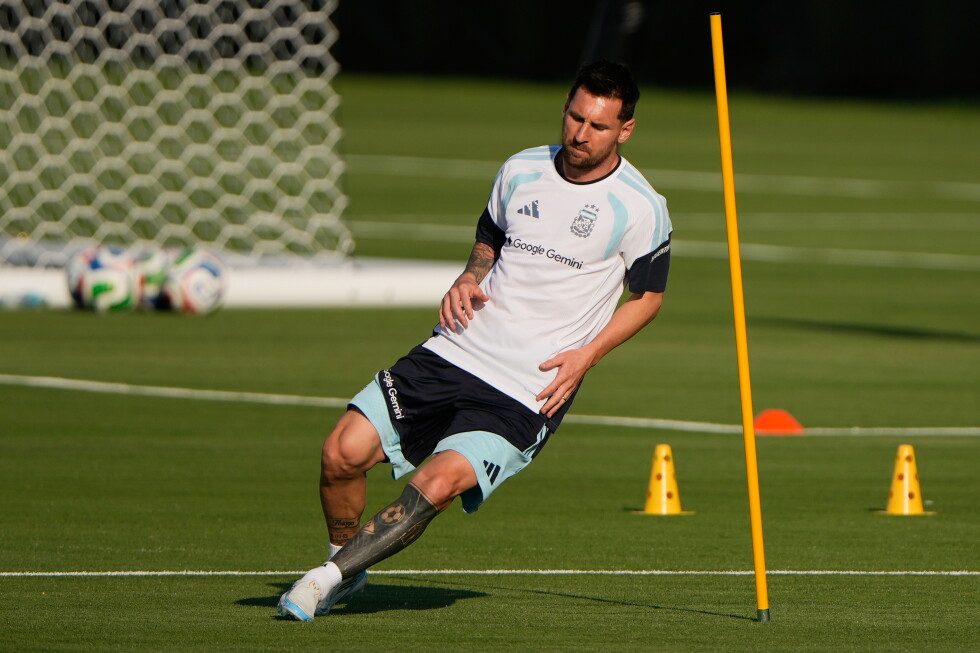
    Yet age and a grueling career have left their mark, and fitness concerns have hung over the Argentine camp ahead of their opening group stage match. Just a week before the tournament kicks off, Messi is still recovering from a hamstring injury that forced him to be substituted early in Inter Miami’s final pre-tournament fixture on May 24. This week, the Argentina captain completed separate individual training sessions at the team’s Kansas City base camp, where the side has set up their pre-tournament camp.

    Messi is far from the only player dealing with fitness setbacks. “We all would have liked Messi to arrive without any problems, but that’s not the case. Not only him, most of the players aren’t fully recovered yet,” Argentina head coach Lionel Scaloni told DSports, a Latin American sports television network.

    Goalkeeper Emiliano Martínez, whose penalty-saving heroics carried Argentina to victory in two knockout shootouts in Qatar 2022 including the dramatic final against France, suffered a fractured ring finger on his right hand during this year’s Europa League final while playing for Premier League side Aston Villa. Star defender Cristian “Cuti” Romero of Tottenham Hotspur has been recovering from a knee injury picked up in mid-April, while right backs Nahuel Molina and Gonzalo Montiel, plus midfielder Leandro Paredes, are all managing ongoing muscle injuries.

    Despite the widespread fitness concerns, Scaloni has retained 17 of the 26 players who lifted the World Cup trophy in Qatar, betting on their proven championship chemistry over replacing underdone stars with fit newcomers. “Why change them if they don’t deserve that? We’ve always been honest with them. The players who are here today have shown us they want to be here. And secondly, their level hasn’t dropped,” Scaloni explained.

    Argentina, three-time World Cup champions with prior titles in 1978 and 1986, enter the 2026 tournament on a strong recent run: they claimed the Copa América title in 2024 and finished atop the South American CONMEBOL qualifying table. Atletico Madrid forward Julián Álvarez has emerged as a critical offensive weapon for Scaloni, with top European clubs including Barcelona, Arsenal and Paris Saint-Germain all reportedly pursuing his signature for the upcoming club season. Scaloni has also added three first-time World Cup debutants to the squad: midfielder Valentín Barco, who recently signed with Chelsea, young forward Nicolás Paz, a standout with Italy’s Como, and Juan Manuel López, the current top scorer for Brazilian Serie A side Palmeiras.

    The most notable absence from the 2022 championship squad is Ángel Di María, who retired from international soccer in 2024 after being instrumental to Argentina’s Qatar run alongside Messi. “It’s impossible to fill Di María’s shoes. He and Messi are irreplaceable,” Scaloni said.

    For his part, Messi has sought to temper expectations of a fairytale final triumph, acknowledging that other top contenders are in stronger form heading into the group stage. “We have to get excited, like Argentines always do, but we also have to know that there are other favorites ahead of us who are in better form,” he said.

    Already the record holder for most World Cup matches played with 26 appearances, Messi needs just four more goals to overtake Germany legend Miroslav Klose’s all-time record of 16 World Cup goals. While he has not formally announced his international retirement following the tournament, he dropped a clear hint last September, when he described a home qualifying match against Venezuela as his last competitive home fixture for Argentina.

    “It was very emotional, knowing this was my last competitive match here,” he said after playing at Buenos Aires’ Monumental Stadium. “I’ve been through a lot in this stadium — some great moments and some difficult ones — but it’s always special to play in front of our fans.”

    For Scaloni, the prospect of an Argentina side without Messi is a difficult one to process, echoing the sense of loss that followed Maradona’s exit from the global stage. “I like to think he’s going to keep playing because otherwise you get sad, like what happened with Diego (Maradona),” Scaloni told CONMEBOL’s official website. “They are players who have made history in football and thinking that they won’t play anymore doesn’t leave you at peace. I prefer to think about the present.”

    Argentina will kick off their Group J campaign against Algeria on June 16 in Kansas City, before facing Austria on June 22 and closing out group play against Jordan on June 27 in Arlington, Texas, just outside Dallas.

  • Robodogs and Black Hawks – How one Mexican city is preparing for the World Cup

    Robodogs and Black Hawks – How one Mexican city is preparing for the World Cup

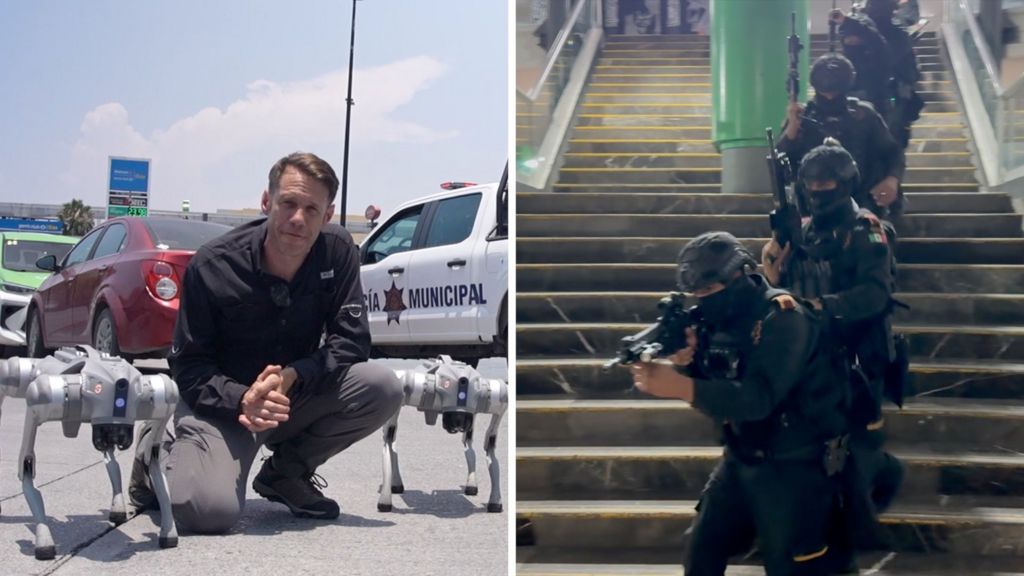
    As one of the host cities for the upcoming 2026 FIFA World Cup, the northern Mexican metropolis of Monterrey is leaving no stone unturned when it comes to securing its match venues and surrounding areas, rolling out a cutting-edge security operation that combines cutting-edge robotics, aerial surveillance, and traditional law enforcement coordination. BBC correspondent Will Grant recently gained exclusive on-the-ground access to tour the city’s preparation sites, giving global audiences a first-hand look at the unprecedented safety measures being put in place ahead of four high-profile World Cup group stage and knockout matches that will draw tens of thousands of local fans and international visitors.

    Unlike standard large-scale event security setups, Monterrey’s plan integrates unusual new tools to bolster patrol capacity and response speed: quadrupedal robodogs, designed to navigate tight spaces and crowded venues that are hard for human officers to access quickly, and Black Hawk unmanned aerial vehicles that provide real-time, 360-degree aerial monitoring of public spaces, fan zones, transportation hubs, and stadium perimeters. City security officials told Grant that the new technologies are not meant to replace on-the-ground police teams, but rather to extend their situational awareness and reduce risk to officers during potential emergency situations.

    Monterrey, which has faced long-standing public safety challenges linked to organized crime in recent decades, has faced increased scrutiny over its ability to host a global event of the World Cup’s scale. Security planners have emphasized that the integrated system of new tech and increased personnel is designed to create a safe, welcoming environment for fans from across the world, while also addressing any potential security threats before they can escalate. Grant’s on-site reporting confirmed that final drills and training exercises for the new security system are already underway, with teams testing robodog navigation in crowded stadium corridors and Black Hawk drone surveillance across the city’s busiest fan zones ahead of the tournament’s kickoff in 2026.

  • Delcy Rodríguez visits India: Will oil talks lead to an energy deal?

    Delcy Rodríguez visits India: Will oil talks lead to an energy deal?

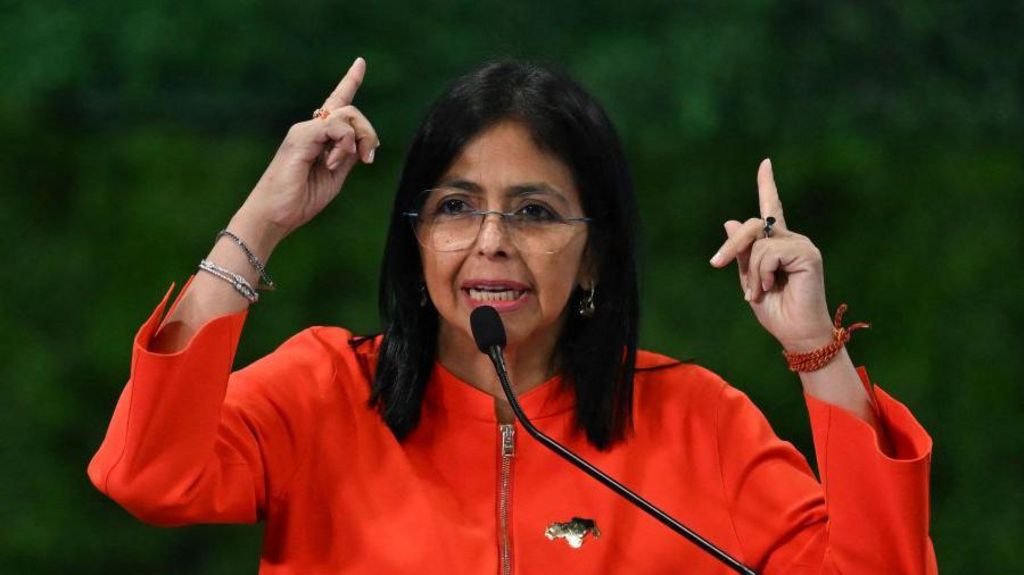
    Venezuela’s acting president Delcy Rodríguez touched down in India this Wednesday for her sixth bilateral visit, kicking off a diplomatic trip set to culminate in high-stakes talks with Indian Prime Minister Narendra Modi on Thursday. While the official agenda covers a broad range of partnership areas including bilateral trade, cross-border investment, public healthcare collaboration and renewable energy development, the core of the meeting will inevitably focus on one critical commodity that underpins the growing relationship between the two nations: crude oil.

    As the world’s third-largest global oil importer, India relies on foreign purchases for 90% of its total crude demand. For decades, roughly half of the country’s total crude imports – equal to 2.5 to 2.7 million barrels per day – have traversed the Strait of Hormuz, the strategically critical narrow chokepoint connecting the Persian Gulf to global markets. Today, that critical supply route has been effectively closed amid escalating conflict between Iran and Israel, leaving New Delhi scrambling to diversify its supply base away from the volatile Gulf region. That geopolitical shift has catapulted Venezuela, a South American oil producer holding the world’s largest proven crude reserves, into a new and increasingly vital role as an alternative supplier for India.

    Current trade statistics downplay Venezuela’s rising importance to India’s energy security: total bilateral trade between the two nations hit just $679 million in the 2024-25 fiscal year, a tiny share of India’s overall global commerce. Even so, Venezuela has quickly climbed the ranks of India’s crude suppliers in recent months. Data from maritime analytics firm Kpler shows that Venezuela became India’s fifth-largest source of crude imports in May 2026, delivering roughly 266,000 barrels per day, equal to 5.3% of the country’s total monthly imports. Only four major suppliers – Russia, the United Arab Emirates, Saudi Arabia and Brazil – shipped more crude to India that month.

    This resurgence of Venezuelan oil exports to India comes after a years-long pause triggered by sweeping U.S. sanctions targeting Venezuelan crude buyers. When Washington reached a sanctions-easing agreement with Caracas late last year, Indian refiners moved quickly to resume imports in February 2026, marking the end of a nine-month import hiatus. Kpler data projects that incoming Venezuelan crude volumes for June will rise above 300,000 barrels per day, continuing the steady upward trend of purchases that began earlier this year.

    Regional experts frame this growing energy partnership as a win-win for multiple competing geopolitical priorities. Michael Kugelman, a senior South Asia fellow at the Atlantic Council, notes that expanding Venezuelan imports lets India diversify its supply base away from the unstable Middle East, while also aligning with longstanding U.S. preferences that New Delhi reduce its heavy reliance on discounted Russian crude. “Ramping up imports from Venezuela could also give a boost to India’s ties with Washington,” Kugelman explained in an interview with the BBC. Even so, Kugelman cautions that significant risks remain: Venezuela’s long history of political volatility could derail plans for deepened energy cooperation, and New Delhi will have to navigate carefully to avoid appearing that it is shifting away from Russian oil solely at Washington’s direction.

    While the timing of Venezuela’s return to India’s import mix aligns with new supply risks stemming from the Strait of Hormuz closure, industry analysts emphasize that the shift is part of a long-term strategy, not a purely reactive response to the latest Middle East crisis. “The initial cargoes that arrived earlier this spring were likely secured well before the recent disruptions, highlighting a longer-term sourcing strategy rather than a purely reactive response,” explained Sumit Ritolia, lead research analyst at Kpler.

    Beyond geopolitics, Venezuelan crude holds unique practical appeal for Indian refiners. Though it is cheaper than most competing grades on the global market, Venezuelan crude is a heavy, high-sulfur variety that requires specialized refining infrastructure to process efficiently. India’s domestic refining sector is one of the most sophisticated in the world, with many facilities purpose-built to handle heavy sour crude, turning it into high-demand products like diesel and jet fuel for domestic use and export.

    This renewed energy partnership marks a partial return to the close ties the two nations shared decades ago. Before U.S. sanctions halted imports in 2019, Venezuela was consistently one of India’s top crude suppliers. It rose to third place by 2012 and remained in the top five for years after, shipping nearly 16 million tonnes of crude annually by 2019 and pushing total bilateral trade to a peak of $6.4 billion that year, almost entirely driven by energy commerce.

    Despite the current momentum, industry experts widely agree that Venezuela is unlikely to fundamentally reshape India’s overall energy mix in the near term. While Venezuelan oil production has risen by 400,000 to 500,000 barrels per day this year, output still remains far below historic peak levels, limiting the country’s ability to displace larger, more established suppliers. “Instead, Venezuelan barrels are best viewed as an attractive diversification option – providing Indian refiners with access to economical heavy crude while reducing reliance on any single supply region,” Ritolia noted.

    The future of India-Venezuela energy cooperation will depend on three key variables: sustained production growth in Venezuela, future adjustments to U.S. sanctions policy, and shifting global geopolitical dynamics. Even so, New Delhi has made clear that it sees significant room for deepened collaboration. In an official statement ahead of Rodríguez’s visit, the Indian government noted that Venezuela has long been “an important partner” in energy and investment, adding that Indian state-owned oil firms already hold significant stakes in Venezuela’s oil sector and are “keen to explore opportunities for further enhancing their presence.”

    Still, analysts say expectations for major breakthroughs during this visit should be tempered. Kugelman predicts that New Delhi will take a cautious approach, avoiding rushed commitments on large new energy deals even as both sides publicly push for deeper cooperation. “Delhi will tread carefully during this visit and not be willing to commit to much on the energy front just yet. We’ll likely see a big push for deeper cooperation, but not necessarily with the announcement of a new energy deal,” he said.

  • Argentina’s World Cup title defense draws a frenzy in Kansas City as Messi nurses a hamstring strain

    Argentina’s World Cup title defense draws a frenzy in Kansas City as Messi nurses a hamstring strain

    As the FIFA World Cup approaches, defending champions Argentina have turned Kansas City into the center of global soccer attention, drawing massive crowds of fans and overwhelming media interest wherever the squad goes — even thousands of miles away from the tournament’s host cities.

    Hundreds of local fans have gathered daily outside the national team’s luxury downtown hotel to catch a glimpse of their favorite stars, and Wednesday’s media-open training session at Major League Soccer side Sporting Kansas City’s facilities drew hundreds of journalists from across the globe. All eyes are fixed squarely on legendary forward Lionel Messi and his 25 teammates, who are preparing for their 2026 title defense run.

    La Albiceleste will kick off their title defense campaign against Algeria on June 16 at Kansas City’s Arrowhead Stadium. Head coach Lionel Scaloni unveiled his final 26-man tournament roster last week, a squad built around Messi — who will turn 39 in less than four weeks — that retains 17 holdover players from the 2022 Qatar World Cup final side that defeated France to claim the trophy.

    The biggest cloud hanging over the pre-tournament camp is Messi’s ongoing fitness issue. The eight-time Ballon d’Or winner has been struggling with muscle fatigue and a mild strain in his left hamstring, and the Argentine Football Association has confirmed that his recovery timeline remains tied to ongoing clinical and functional progress. Current indications suggest he will almost certainly miss the team’s upcoming pre-tournament warm-up friendlies. On Wednesday, Messi arrived at the training ground after the rest of his squad and only completed light, isolated conditioning work on the side of the pitch. No Argentine players or coaching staff were made available to speak to reporters during the open session.

    The majority of the Argentine squad arrived at their Kansas City base on Sunday aboard a custom charter flight from Buenos Aires that pays homage to the nation’s storied World Cup legacy. The flight was numbered 1978, a reference to Argentina’s first World Cup title win over the Netherlands, and the Airbus A330 was decorated with special livery featuring the national team’s iconic light blue and white stripes, with Messi’s legendary number 10 printed on the aircraft tail. Messi joined the squad separately, arriving on a private charter from Florida just a few hours after the main group landed.

    Upon arrival, the full roster was greeted by hundreds of cheering local fans waiting outside the Origin Hotel, a warm welcome that was shortly followed by a classic Midwestern summer surprise: overnight tornado warnings sent sirens blaring across the city as a severe storm swept through the region. Strong wind and torrential downpour damaged security infrastructure, knocking down multiple temporary tents and perimeter fences set up for the team’s stay.

    For local soccer officials, hosting the defending World Cup champions is a milestone event that still feels surreal. “When they pick you as their training site for defending the World Cup, and this is where they are for the next — you know, hopefully through the end of the tournament — it’s surreal,” said Jake Reid, president and CEO of Sporting Kansas City, who attended Wednesday’s open training alongside local dignitaries including Kansas City, Missouri Mayor Quinton Lucas. “When they landed on Sunday, it started to get real for sure.”

    Kansas City’s central geographic location in the United States has made it a popular pre-tournament base camp for competing nations, even with the region’s unpredictable summer weather. England had initially hoped to train at Sporting Kansas City’s current first-team facilities, but Argentina received priority placement as defending champions, forcing the Three Lions to shift their training sessions to the club’s former primary facility at Swope Soccer Village when they arrive next week. Other high-profile nations have also chosen the Kansas City metro for their pre-tournament preparations: the Netherlands will train at the home of top National Women’s Soccer League side Kansas City Current when they arrive next week, while Algeria has set up its base at the University of Kansas, roughly 30 minutes west of Kansas City, where the African side will have access to brand-new soccer training facilities.

    To beat the region’s notoriously hot and humid summer weather, Argentina has adjusted its training schedule to hold sessions in the evening. While temperatures have remained mild in the low 80s (Fahrenheit) so far, heat indices regularly climb into triple digits this time of year. All six World Cup matches scheduled to be held at Arrowhead Stadium — four group-stage ties and two knockout-round fixtures — will also be played under lights at night for the same reason.

    Reid emphasized that hosting the defending champions is a transformative event for the Kansas City sports community, even before the arrival of the other four competing nations set to base themselves in the region over the coming weeks. “I mean, we’ve had a helicopter flying ever since (Argentina) got here. That should tell you this is a big deal, right? ” he said. “I think for Kansas City to have Argentina here — and we’re not even talking about the other teams that are going to be here in the next couple of weeks — it’s a massive deal.”

  • Tools to fight hantavirus show promise despite limited funding. Now researchers hope to continue

    Tools to fight hantavirus show promise despite limited funding. Now researchers hope to continue

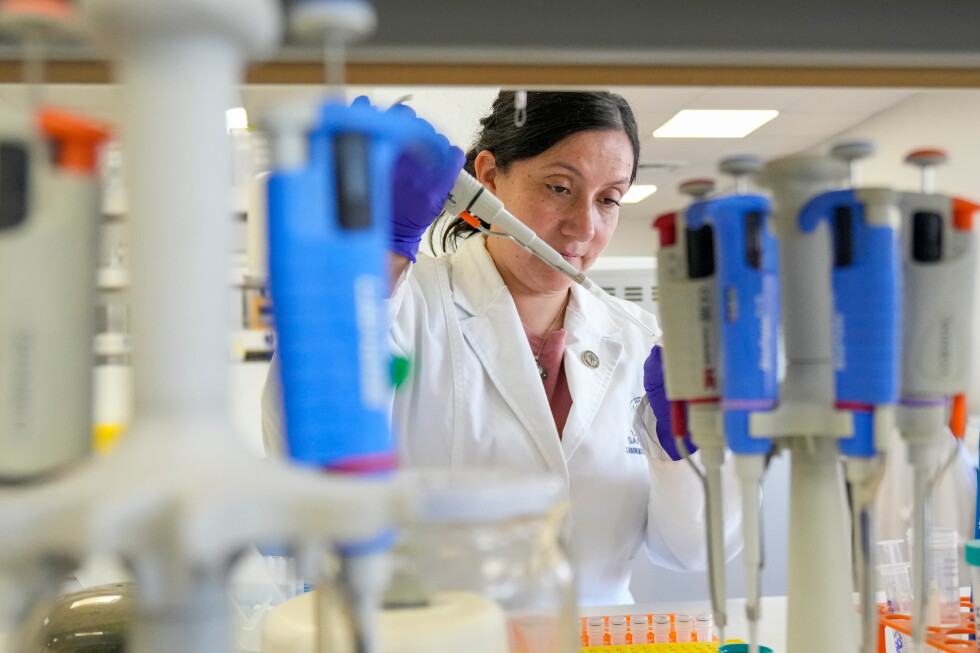
    A recent deadly hantavirus outbreak linked to a Chile-based cruise ship has thrown a long-overlooked public health threat back into the global spotlight, highlighting decades of underinvestment in developing life-saving countermeasures for the rare but lethal rodent-borne virus. Unlike the COVID-19 pandemic pathogen, hantaviruses — a diverse family of viruses documented globally for over half a century — have never drawn the sustained funding needed to advance viable treatments or licensed vaccines, even as rising human-rodent contact driven by climate change threatens to make outbreaks more common. Hantaviruses typically spread to humans when individuals inhale aerosolized particles contaminated with rodent excrement, with different regional strains triggering a range of dangerous symptoms. The Andes virus, the strain at the center of the cruise ship incident, is uniquely concerning among hantaviruses: it is the only strain confirmed to spread between humans in limited scenarios. With an overall mortality rate as high as 35% for some North American strains, the virus qualifies as a serious public health priority, according to leading researchers. The cruise ship outbreak, which resulted in three deaths out of 13 confirmed cases among passengers, fits a pattern of rising regional infection rates: Chile has recorded 15 deaths and 42 confirmed cases this year alone, while Argentina has reported 32 deaths and 102 cases since June 2025. For decades, research teams across Chile, Argentina, the United States and Germany have worked to develop effective interventions, but a lack of consistent backing from governments, global health bodies and pharmaceutical companies has stalled progress. Rarity of human infections, limited person-to-person spread, and a perceived small commercial market for treatments have all deterred the large-scale investment required for rigorous clinical safety and efficacy testing. However, new preliminary research published this week has offered a glimmer of hope, and researchers are hopeful the renewed attention from the cruise outbreak will accelerate progress. A team led by Dr. Fernando Tortosa of Argentina’s National University of Río Negro reported promising results for tocilizumab, an existing drug approved to treat rheumatoid arthritis, in treating hantavirus pulmonary syndrome — the life-threatening complication that causes fluid to build up in the lungs and triggers organ failure. Tocilizumab works by suppressing IL-6, a molecule that drives damaging inflammation in autoimmune conditions; researchers hypothesize the same inflammatory pathway is responsible for the most severe hantavirus cases. In an ongoing compassionate use trial at an Argentinian hospital, four out of five patients who received tocilizumab alongside standard supportive care survived. By contrast, all five eligible patients who did not receive the drug (due to supply shortages and rapidly declining health) died from the infection. While researchers caution the control group was older and sicker than the treatment group on average, the results are compelling enough to warrant large-scale follow-up research. Other research programs are also advancing, if slowly. A team including Chilean virologist María Inés Barría, U.S. National Institutes of Health researchers and German scientists from the Robert Koch Institute is developing a passive antibody treatment that uses cloned antibodies from hantavirus survivors to fight infection. The approach proved effective in animal trials published in 2018, but development stalled after funding was diverted to the COVID-19 response, with no progress toward human trials to date. Multiple other research groups in the U.S. are also pursuing antibody-based interventions, while several vaccine candidates are in different stages of development. While limited vaccines for some Old World hantavirus strains have been developed regionally, no hantavirus vaccine is currently licensed for widespread global use, according to the World Health Organization. One candidate targeting the Andes virus, developed by a team led by Jay Hooper of the U.S. Army Medical Research Institute of Infectious Diseases, successfully induced protective antibody responses in early-stage human trials back in 2020, but has not advanced to full approval. Experts note that significant barriers remain to bringing safe, effective interventions to market. Dr. Paul Bollyky, an infectious disease researcher at Stanford Medical Center, explained that rare, sporadic pathogens like hantavirus face unique structural challenges to research and development. Many labs lack the specialized infrastructure needed to test and validate countermeasures for rare pathogens, and the unpredictable nature of hantavirus outbreaks makes large-scale clinical trials logistically and financially impractical. The small, unsteady commercial market for a hantavirus vaccine or treatment also discourages private pharmaceutical investment, since it is impossible to predict who will be exposed and when. Despite these hurdles, researchers argue the new findings and renewed attention from the cruise ship outbreak create a critical window to advance progress. “I hope this situation will help us continue our research and strengthen the collaboration between healthcare workers, the community, and the necessary resources,” Tortosa said, noting that the current tragedy holds lessons for addressing underfunded public health threats beyond hantavirus. Barría added that her team’s antibody research is now on the cusp of moving into human trials, representing a long-awaited step forward in decades of work.