标签: South America

南美洲

  • A conflict over cattle in Brazil’s Amazon highlights tensions for Indigenous peoples

    A conflict over cattle in Brazil’s Amazon highlights tensions for Indigenous peoples

    Nestled between the Javae and Araguaia rivers in northern Brazil, Bananal Island — the world’s largest river island — has become the epicenter of a contentious national debate that encapsulates the complex tradeoffs between environmental protection, Indigenous sovereignty and the economic power of Brazil’s massive agribusiness sector.

    Last year, federal environmental authorities ordered all commercial cattle herds removed from the island’s legally protected Indigenous territory. The order argued that the land is permanently reserved for Indigenous communities and biodiversity conservation, and that unregulated cattle grazing by non-Indigenous ranchers was not only illegal under Brazilian law, but also a major driver of widespread habitat degradation across the island.

    Wranglers successfully moved more than 100,000 cattle off the island during a period of low river levels to comply with the ruling, but the removal has triggered unforeseen economic upheaval for Indigenous residents who had become dependent on revenue from leasing tribal land to outside ranchers for decades.

    The situation lays bare the persistent challenge of reconciling three competing priorities that define environmental policy in Brazil: curbing Amazon deforestation, upholding Indigenous territorial rights, and accommodating the demands of agribusiness — one of the country’s most politically influential economic sectors. As the world’s top beef exporter, Brazil accounts for roughly 20% of global beef production, with the industry contributing 6% to the nation’s total gross domestic product.

    Conservation researchers widely recognize protected Indigenous territories as one of the most effective tools to reduce deforestation in the Amazon, the world’s largest rainforest and a critical global climate regulator. Even as Brazil has made notable progress cutting overall deforestation rates in recent years, cattle ranching remains the single largest driver of forest loss across the country. To create new grazing pastures, ranchers clear large swathes of native forest, replacing carbon-absorbing trees with methane-emitting cattle — a dynamic that accelerates global climate change while threatening native biodiversity. Data from MapBiomas, a non-profit land use tracking organization, shows Tocantins state, where Bananal Island is located, recorded among the highest deforestation rates in Brazil in 2025.

    Brazilian law strictly prohibits large-scale commercial activity on designated Indigenous lands, allowing cattle rearing only for small-scale subsidence use by tribal communities. For decades, however, an informal leasing system operated openly on parts of Bananal Island. Non-Indigenous ranchers paid village leaders roughly 15 reais ($3) per head of cattle monthly — a fraction of the 60 reais ($12) per head typical for grazing leases outside the territory. At its peak, when more than 100,000 cattle grazed on the island, monthly leasing revenue reached 1.5 million reais ($290,000), which was distributed through tribal leadership to local community associations.

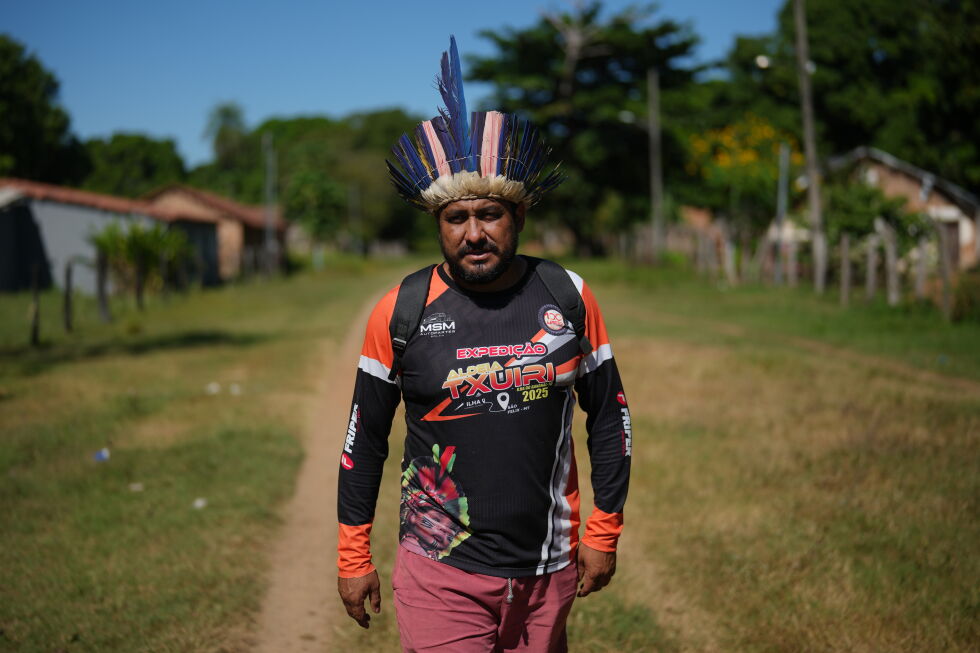
    “Cattle, over the years, have covered many of our community’s expenses,” explained Cleiton Javae, chief of the Txuiri village, one of more than 40 Indigenous communities on the island home to roughly 5,000 total residents. Javae noted the revenue funded critical local needs including school supplies, medical care, transportation and traditional cultural festivals. But critics of the informal system point to deep structural inequities: much of the revenue was concentrated among a small group of tribal leaders, leaving many community members in poverty. “The law requires consultation and shared benefits,” said Leandro Milhomem, head of IBAMA, Brazil’s federal environmental agency, in Tocantins. “Instead, some chiefs had significant resources while, in the same community, children died of malnutrition.”

    Indigenous residents also told the Associated Press that ranchers fenced off large sections of the island to contain their herds, blocking communal access to traditional subsistence farming areas. Even leaders who supported the original leasing agreements acknowledge the system spiraled out of control, with ranchers bringing far more cattle onto the island than they initially declared. “The situation became unsustainable, and removing the cattle was the only alternative,” Javae said.

    Beyond economic inequality, unregulated cattle ranching caused severe environmental harm to the island. IBAMA investigations linked grazing activity to soil acidification and increased wildfire risk, as ranchers regularly use controlled burns to clear brush and refresh pasture land. Many of these blazes spread beyond grazing areas, destroying native habitat.

    Bananal Island’s modern conflict has deep historical roots. When European colonizers arrived in the region in the late 18th century, they found the island already inhabited by Indigenous groups and covered in wild banana groves, which gave the island its Portuguese name Ilha do Bananal. The region remained largely undeveloped and overlooked by the Brazilian government until the 1950s, when it was formally designated a protected Indigenous territory. At the same time, federal officials encouraged non-Indigenous ranching through informal leasing arrangements with local communities, setting the stage for the current crisis.

    Three Indigenous groups — the Javae, Karaja and Ava-Canoeiro — currently live on the island. The Javae, in particular, developed long-standing social and economic ties with non-Indigenous ranchers, with many outsiders settling on the island after marrying into local Indigenous communities. These connections allowed ranchers to gain access to develop commercial activity inside the legally protected territory, creating the mixed cultural landscape visible on the island today: modern brick homes stand alongside traditional thatched huts, children play with traditional bows and arrows near Protestant churches, and elderly tribal leaders prepare traditional meals while watching cooking tutorials on YouTube.

    Following the cattle removal, Indigenous leaders on Bananal Island are now rethinking their approach to economic development, working to craft a new model that balances income generation with territorial and environmental protection. The Javae community is partnering with The Nature Conservancy, a global non-profit conservation organization, to develop a comprehensive community-led land management plan that integrates the tribe’s social, economic and environmental priorities.

    In May 2026, Javae leaders traveled to the northern Amazon state of Roraima to study the successful model developed by the Macuxi people, who have become a national example of balancing collective economic development with land rights protection. Starting in the 1980s, the Macuxi developed a community-owned cattle operation to help reclaim their territory from encroachment by farmers, miners and land grabbers, decades before their land was officially demarcated as Indigenous territory in 2005. Today, the Macuxi collectively own more than 45,000 head of cattle, generating sustained shared revenue for the community while protecting their territorial sovereignty.

    The Macuxi and Bananal Island experiences reflect a growing national conversation among Indigenous communities across Brazil about how to balance sustainable economic activity with protection of territorial rights and natural ecosystems, a debate that has also extended to mining. In February 2026, Brazilian Supreme Court Justice Flávio Dino ruled that the Cinta Larga people, whose territory spans the Amazonian states of Mato Grosso and Rondonia, have the legal right to conduct mining operations within their own territory.

    Ivo Aureliano Macuxi, an Indigenous rights advocate and member of the Indigenous Council of Roraima, argues that there is no one-size-fits-all solution for Indigenous economic development. “You can’t apply a single model as a template for other Indigenous lands,” he said, emphasizing that frameworks must be tailored to “each region, each territory, each people.” What works for one community, he added, may not work for another, requiring flexible legal frameworks that respect the self-determination of Brazil’s 391 distinct Indigenous peoples.

    This coverage of climate and environmental issues from the Associated Press receives financial support from multiple private foundations. AP maintains full editorial control over all content.
  • Meet Merlin the Duck: Mexico’s World Cup ‘ambassador’

    Meet Merlin the Duck: Mexico’s World Cup ‘ambassador’

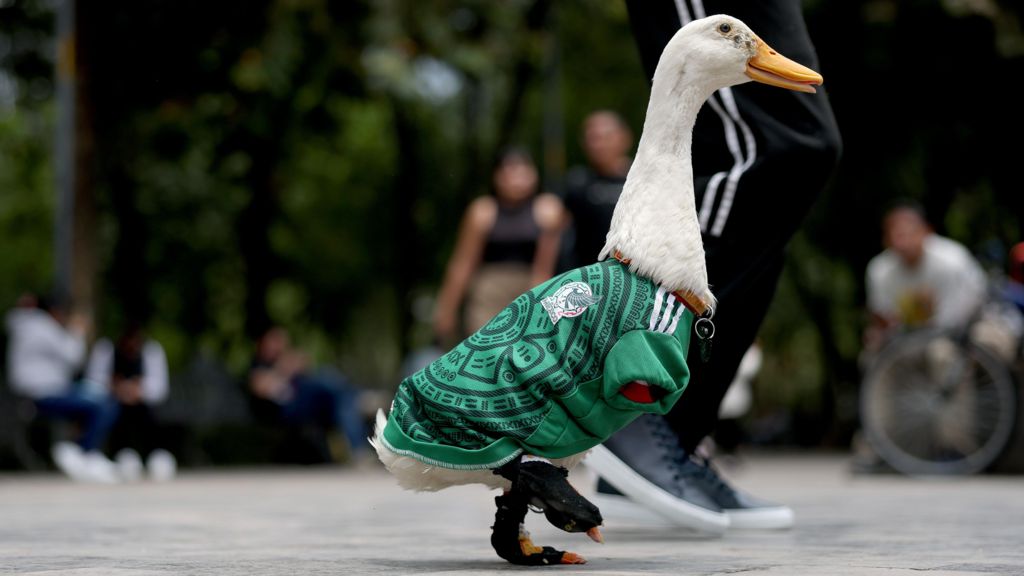
    In the buzz of World Cup excitement that swept across Mexico City, one unlikely celebrity has risen to capture the hearts of thousands of soccer fans, turning an ordinary pet duck into the nation’s most talked-about unofficial ambassador. That star is Merlin, a domestic duck whose casual daily waddles through the busy streets of the capital, decked out in a tiny, perfectly fitted jersey emblazoned with the Mexican national team’s colors and crest, have sparked a viral social media frenzy that drew massive crowds of adoring fans eager to catch a glimpse of the feathered icon.

    BBC correspondent Will Grant was on the ground amid the throngs of supporters that flocked to meet Merlin, documenting the chaos and joy that surrounded the duck’s sudden rise to fame. What started as a simple, charming quirk from Merlin’s owner—dressing the pet up to support the team during the tournament—quickly exploded beyond the small neighborhood where Merlin lives, as clips and photos of the duck strolling past sidewalk cafes, city parks, and busy intersections spread like wildfire across TikTok, Instagram, and Twitter.

    Unlike many manufactured viral sensations, Merlin’s appeal comes from his effortless, unscripted charm. Fans have latched onto the duck as a lighthearted, unifying symbol of national pride amid the high-stakes tension of international soccer, turning casual meet-and-greets into impromptu street celebrations. What began as a pet owner’s bit of fun has now cemented Merlin’s place as a beloved unofficial World Cup ambassador, a reminder that the most memorable moments of major sporting events often come from the most unexpected places.

  • Trump from ‘hunted’ to ‘hunter’: New book details Trump’s push to test the limits of executive power

    Trump from ‘hunted’ to ‘hunter’: New book details Trump’s push to test the limits of executive power

    A bombshell new book from veteran *New York Times* journalists Maggie Haberman and Jonathan Swan pulls back the curtain on the first year of Donald Trump’s second term in the White House, revealing a president far more emboldened, unconstrained, and determined to reshape the office of the presidency than he was during his first tenure. The book, titled *Regime Change*, centers on a core thesis that Trump himself embraces: his unexpected 2020 election loss was ultimately a blessing that cleared the way for a far more powerful second term, free of the obstacles that plagued his first four years in office.

    One early anecdote that sums up the shift in Trump’s approach dates to last summer, when the president showed off newly installed towering flagpoles on the North and South Lawns of the White House to reporters. Trump told the assembled press that he had wanted to complete similar renovations during his first term, but held back out of fear of negative media coverage. Back then, he said, “I was the hunted. And now I’m the hunter.”

    Unlike a hypothetical 2017–2025 consecutive tenure, Trump’s second term that began in 2025 has not faced the same headwinds that would have derailed an early second term. Trump still continues to push his false claim that he won the 2020 presidential election, but he acknowledges that a second term starting in 2021 would have been bogged down by intraparty pushback from within his own administration, the ongoing fallout of the coronavirus pandemic, the runaway inflation that followed the public health crisis, and a Democratically controlled Congress that would have blocked his policy agenda. None of these barriers exist in his current term, clearing space for him to discard longstanding presidential norms, dismantle long-standing institutional checks on executive power, and push the legal and conventional limits of presidential authority far further than he ever could in his first term.

    Beyond the broader shift in Trump’s approach to the presidency, the book lays out a series of revealing new details about internal dynamics and policy priorities within the current administration. One of the most closely watched topics is the jockeying for position ahead of the 2028 Republican presidential nomination, as Trump openly weighs potential successors in Vice President JD Vance and Secretary of State Marco Rubio.

    The authors recount that Trump has repeatedly asked his aides to weigh in on which of the two men would be a stronger successor to carry on his political legacy. Some major Republican donors have thrown their support behind Rubio, and multiple senior aides have noted that Rubio shares closer personal chemistry with Trump than Vance does. At the same time, Trump has openly expressed admiration for Vance’s sharp intellect and performance during high-stakes television interviews, particularly when Vance has faced tough questioning. He also complimented Rubio’s background as the son of Cuban immigrants, a detail he leaned into in a characteristic quip after redecorating the Oval Office with lavish gold accents: when asked what would happen if the next president undid his redesign, Trump retorted, “Cubans love gold.” Despite their competition for the 2028 nomination, the book notes that Rubio and Vance maintain a close friendship. When Vance faced widespread backlash for controversial comments about “childless cat ladies” during the 2024 campaign, Rubio immediately reached out via text and offered to join him on the campaign trail to show public solidarity.

    As the two potential candidates position themselves for 2028, Trump shows no signs of stepping aside to let them claim the national spotlight. The president often references that he has two and a half years remaining in his current term, extending all the way to Inauguration Day 2029, making clear he does not intend to let other 2028 hopefuls overshadow him. In a telling moment during a Oval Office meeting with Vance and top congressional Democratic leaders Chuck Schumer and Hakeem Jeffries, Trump showed off branded “Trump 2028” baseball caps. When Jeffries gestured to Vance and asked how the vice president felt about the president planning to hold the spotlight through 2028, Trump brushed off the concern, saying “Ah, he’s fine. He doesn’t care,” adding “We’re giving him a little more training.” Vance simply replied, “No comment.”

    The book also reveals widespread internal panic within the West Wing over the Trump administration’s handling of the release of previously sealed investigative files connected to disgraced financier Jeffrey Epstein. White House Chief of Staff Susie Wiles convened an emergency crisis response meeting in the White House Situation Room to address the fallout, and the book claims Vice President Vance suggested recruiting pro-Trump conservative commentator Tucker Carlson to conduct an exclusive interview with Ghislaine Maxwell, Epstein’s imprisoned former girlfriend and accomplice. The revelation has already sparked new security concerns, as it raises questions about whether the reporters obtained access to audio recordings of conversations that took place in the White House’s secure Situation Room, a space designed to prevent unauthorized recording of sensitive discussions.

    Other revelations focus on personal and lifestyle changes within the White House itself. The book confirms that Trump and First Lady Melania Trump are the first presidential couple to maintain separate sleeping quarters in the White House since Richard and Pat Nixon (Bill and Hillary Clinton briefly slept apart after the Monica Lewinsky scandal became public). Melania occupies the traditional Executive Residence master bedroom, Room 219, while Trump sleeps in the adjacent Room 220, next to the second-floor Yellow Oval Room. Trump has remodeled his personal quarters with gold finishes and other lavish decor, even moving items that Melania had selected for her own first-term decor projects from their original locations. Because the first lady spent little time in Washington during the early months of the second term, she was not present to block the rearrangements.

    Among the moved items is a gold-leaf framed mirror originally selected by Melania for the second-floor Queen’s Bedroom, which now sits on the Colonnade outside the Oval Office where it is used for visitor selfies. The book also details a series of clashes between the president and first lady over White House renovations: Melania oversaw a major renovation of the Rose Garden during Trump’s first term, and objected when Trump proposed paving over part of the space to build a patio similar to the one at his Mar-a-Lago estate in Florida. Trump compromised by paving surrounding grassy areas rather than the rose beds, but Melania lost a larger battle: the entire East Wing was demolished to make way for a new $400 million ballroom Trump has pushed to build.

    On foreign policy, the book reveals that Trump has held a long-standing personal fixation on Venezuela, despite his public comments about more ambitious territorial goals like annexing Greenland and admitting Canada as the 51st U.S. state. Privately, the book says Trump has discussed the possibility of annexing Venezuela as a U.S. state, where he would be allowed to appoint the state governor. Initially, Trump allowed special envoy Ric Grenell to lead negotiations with Venezuelan President Nicolás Maduro, but Grenell was eventually sidelined after Rubio argued that Maduro would simply drag out negotiations for years to wait out Trump’s term ending in 2029. After U.S. military forces entered Venezuela and ousted Maduro, Rubio held an overnight call with Maduro’s vice president Delcy Rodríguez, urging her to take control of the government to stabilize the country, prevent mass migration, and halt widespread violence. Rodríguez remains the head of Venezuela’s government following Maduro’s ouster. Trump told the authors in a March 2026 interview that his “love affair” with Venezuela dates back to his years owning the Miss Universe pageant, where he was impressed by the many Venezuelan contestants. The same fondness does not extend to Ukraine: Trump said he does not like the country, aside from its women, who have repeatedly won the Miss Universe title.

    The book closes with a revealing anecdote that underscores Trump’s view of his own place in history. Trump told the reporters that a historian introduced to him by legendary golfer Gary Player had called him the most powerful world leader in all of human history, surpassing iconic figures including Alexander the Great, William the Conqueror, and Napoleon. Trump himself publicly shared the anecdote on social media, but could not recall the historian’s name during his interview with Haberman and Swan. A senior White House staffer later clarified the identity of the man Player introduced: it was not a prominent historian, but Player’s long-time personal caddy.

  • Brazil’s police targets a close ally of President Lula in sprawling fraud probe

    Brazil’s police targets a close ally of President Lula in sprawling fraud probe

    RIO DE JANEIRO – Just months before Brazil’s critical October general election, federal law enforcement launched a high-stakes search and seizure operation targeting one of President Luiz Inácio Lula da Silva’s closest congressional allies on Thursday, opening a new turbulent chapter in a sprawling corruption and fraud investigation that has already taken down multiple high-profile political figures.

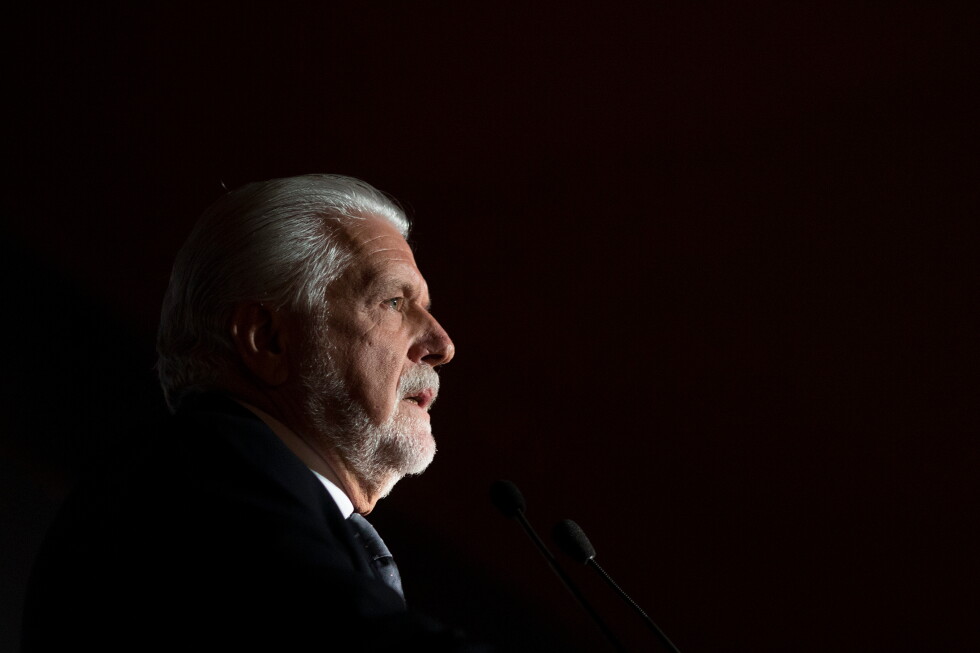
    The operation targeted Sen. Jaques Wagner, the current Senate leader of Lula’s left-wing Workers’ Party, over allegations of suspicious financial connections to collapsed regional lender Banco Master and its disgraced incarcerated former chief executive Daniel Vorcaro. The development marks the first time a senior ally of sitting President Lula has been directly implicated in the sprawling scandal, which previously has already caught up Sen. Flávio Bolsonaro, son of former president Jair Bolsonaro and a current presidential hopeful, along with other public figures. Political analysts widely expect the ongoing investigation to become a major polarizing issue on the campaign trail ahead of the nationwide vote.

    According to official law enforcement statements that did not initially name targets, authorities executed a total of 18 search and seizure warrants across three jurisdictions: the northeastern state of Bahia, the southeastern economic hub of Sao Paulo, and the Federal District, which hosts Brazil’s capital Brasilia. The investigations are probing potential criminal charges including active corruption, passive corruption, and money laundering stemming from the collapse of Banco Master.

    Court documents authorizing the raids, signed by Supreme Court Justice André Mendonça on Wednesday and obtained by the Associated Press on Thursday, formally named Wagner as a suspect. Investigators have uncovered evidence suggesting the senator received improper financial benefits from parties linked to the bank fraud scheme, including the purchase of a high-end luxury apartment in the city of Salvador, Bahia, valued at 2.45 million reais, equal to roughly $470,000 US.

    The court filings also outline that investigators are examining whether Wagner leveraged his congressional position to push regulatory and policy changes favorable to Banco Master, including adjustments to rules governing payroll loans and federal deposit insurance for financial institutions.

    During Thursday’s operation, law enforcement agents seized approximately $50,000 in cash at a Brasilia address linked to Wagner, according to local Brazilian media reports. In an on-camera interview with leading national broadcaster Band shortly after the raid, Wagner pushed back firmly against all allegations, asserting he had nothing to hide and had never accepted improper payments from any individual connected to Banco Master.

    Wagner also denied any meaningful personal or professional relationship with Vorcaro, who remains in jail pending trial. “My relationship with Daniel Vorcaro is practically nonexistent… I met Daniel only twice,” the senator told reporters.

    In a formal statement released by his press team later Thursday, Wagner’s office doubled down on these denials. The statement rejected claims that Wagner ever advocated for Banco Master’s policy interests in Congress, confirmed the seized cash was acquired through fully legal sources, and clarified that the luxury apartment at the center of allegations has never been listed as one of Wagner’s personal assets.

    Banco Master, which once held more than $16 billion in total assets, was shut down by Brazil’s Central Bank last November amid mounting evidence of large-scale financial fraud. Vorcaro, the mastermind of the alleged scheme at the heart of the case, was arrested in March and has since entered negotiations to secure a plea bargain agreement with federal prosecutors in exchange for cooperating with the ongoing investigation.

    Brazilian federal authorities estimate the total losses from the bank’s fraud operation amount to roughly 12 billion reais, equal to approximately $2.3 billion US. As of Thursday, the investigation remains active, with both federal police and the Supreme Court continuing to review evidence and identify additional potential co-conspirators.

  • An Uber driver for World Cup fans was injured in Kansas City shootings that also left a man dead

    An Uber driver for World Cup fans was injured in Kansas City shootings that also left a man dead

    A string of unprovoked shootings across a 5-mile corridor of Kansas City, Missouri, left one person dead and four wounded Tuesday evening, including an Uber driver transporting American soccer fans who had come to watch Argentina’s World Cup group-stage match against Algeria. Local law enforcement confirmed that the 22-year-old male prime suspect, who is considered armed and extremely dangerous, remained at large as of Thursday.

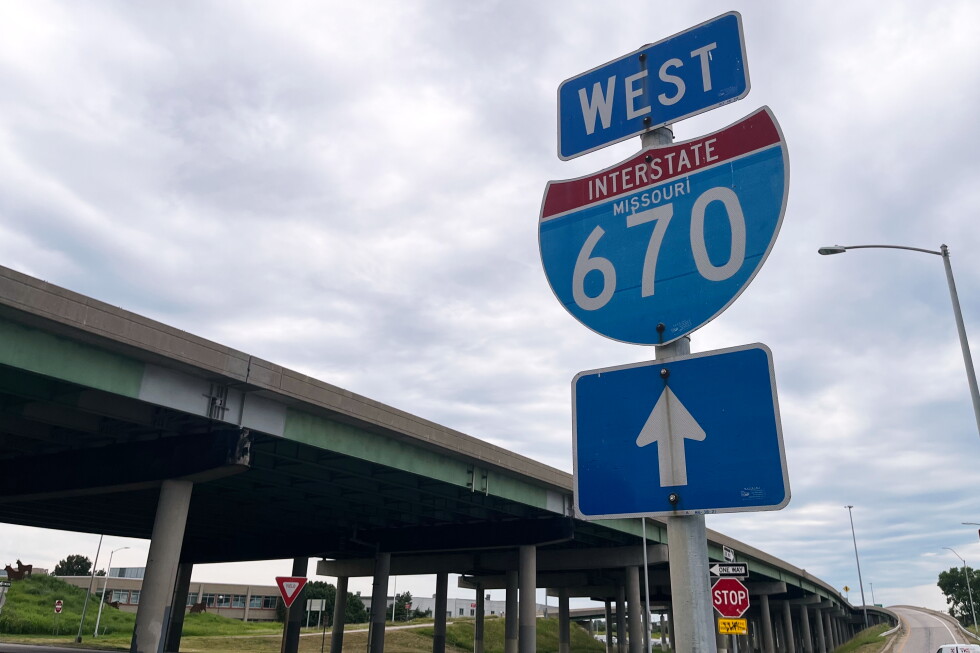
    According to Kansas City Police Captain Jacob Becchina, the five separate shooting incidents unfolded between 6 p.m. and 6:30 p.m. on Tuesday. Three of the attacks took place on Interstates 70 and 670 that run through downtown Kansas City, while the remaining two occurred further east along Truman Road, a major arterial route cutting through the city. All incidents occurred at least 4 miles away from Arrowhead Stadium, the venue where Argentina defeated Algeria that same evening.

    Two fans riding in the targeted Uber vehicle told Argentine news outlet La Nación that a second vehicle pulled alongside their car before the gunman fired two shots, striking the driver in the lower leg. The pair said they initially mistook the sound of gunfire for a bursting tire, only realizing what had happened when they saw the driver bleeding from his wound. The fans were unharmed in the attack and were later escorted to Arrowhead Stadium by police after giving official statements at a local precinct. Captain Becchina confirmed the driver’s injuries are not life-threatening.

    Authorities say the Uber attack and two of the other interstate shootings targeted vehicles traveling eastbound, including one car that had entered Missouri from neighboring Kansas. Of the four people injured across all five incidents – three adults and one teenage minor – all were transported to local hospitals for treatment. Only one adult is being treated for life-threatening injuries, Becchina noted.

    Roughly half an hour after the first shooting was reported, first responders were called to the scene of a vehicle crash on Truman Road, where a car had collided with a utility pole. When the driver was brought to the hospital for treatment, medical staff discovered he had suffered a gunshot wound. He later succumbed to his injury, becoming the sole fatality in the string of attacks.

    “All victims stated that they were traveling along the highway or city roadway when one or more rounds were fired into their vehicles,” Becchina explained in an official emailed statement. Investigative work by detectives has led them to conclude all the non-fatal shootings were carried out in quick succession, moving from west to east across the city, and are linked to a single suspect.

    By late Tuesday, law enforcement had tracked the suspect to a residential property in Independence, a Kansas City suburb located roughly 2 miles east of where the fatal crash and shooting occurred. Officers established a perimeter around the home and staged a standoff, but when tactical teams entered the property around 8 a.m. Wednesday, the suspect was nowhere to be found.

    Nancy Chartrand, a spokesperson for the Kansas City, Kansas Police Department, added that the suspect already has an active warrant out for his arrest connected to an illegal firearms discharge incident that took place on June 11 across the state line.

  • Neymar ruled out of Brazil’s second match at the World Cup because of a calf injury

    Neymar ruled out of Brazil’s second match at the World Cup because of a calf injury

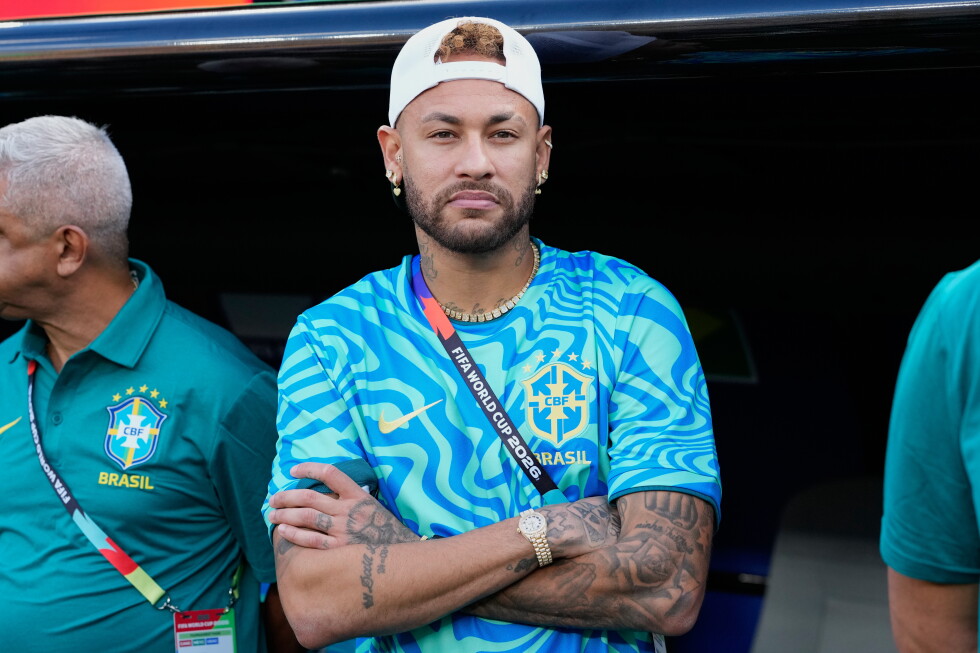
    Even as the 2026 FIFA World Cup group stage continues to unfold, one of soccer’s biggest global names will be forced to watch from the sidelines for Brazil’s second matchup. The Brazilian Football Confederation announced Thursday that star forward Neymar will not travel with the national squad to Philadelphia for Friday’s Group C clash against Haiti, sidelined by a persistent right calf injury that has derailed his tournament preparations.

    Instead of joining the team for match week preparations, the 34-year-old Santos attacker will remain in the team’s New Jersey training base to complete the final stage of his rehabilitation. Per an official statement from the confederation, the decision to keep Neymar behind is designed to optimize his recovery timeline, with the player set to continue guided treatment and low-intensity exercise from the dedicated facilities at the team’s hotel.

    Neymar’s road to this World Cup has been marked by uncertainty from the start. He originally sustained the calf injury during a club match with Santos on May 17, and has only gradually ramped up his activity since joining up with the Brazilian squad ahead of the tournament. He made his first return to the training pitch on Tuesday, completing individual physical conditioning drills, and joined a portion of full team sessions on Wednesday, where he received a warm round of applause from teammates when he stepped onto the field. Even so, he has not yet participated in a full 90-minute training session with the full squad, prompting medical staff to advise against his inclusion for Friday’s match.

    Heading into his fourth World Cup appearance, Neymar underwent extensive medical testing on Monday to assess how far his injury had healed, with results confirming he was not yet match-fit. The news comes after Brazil kicked off their Group C campaign with a 1-1 draw against Morocco on Saturday, leaving the five-time World Cup winners in need of three points to solidify their position in the knockout stage race.

    Neymar’s inclusion in the 26-man squad by head coach Carlo Ancelotti has already sparked widespread public and media debate across Brazil, with critics questioning whether it was wise to call up a player recovering from a long-term injury so close to the start of the tournament. For now, all attention remains on how quickly Neymar can progress through his recovery, with fans across the country holding out hope he will be fit to feature in later stages of the tournament.

  • Peru’s president announces that Pope Leo will visit in early November

    Peru’s president announces that Pope Leo will visit in early November

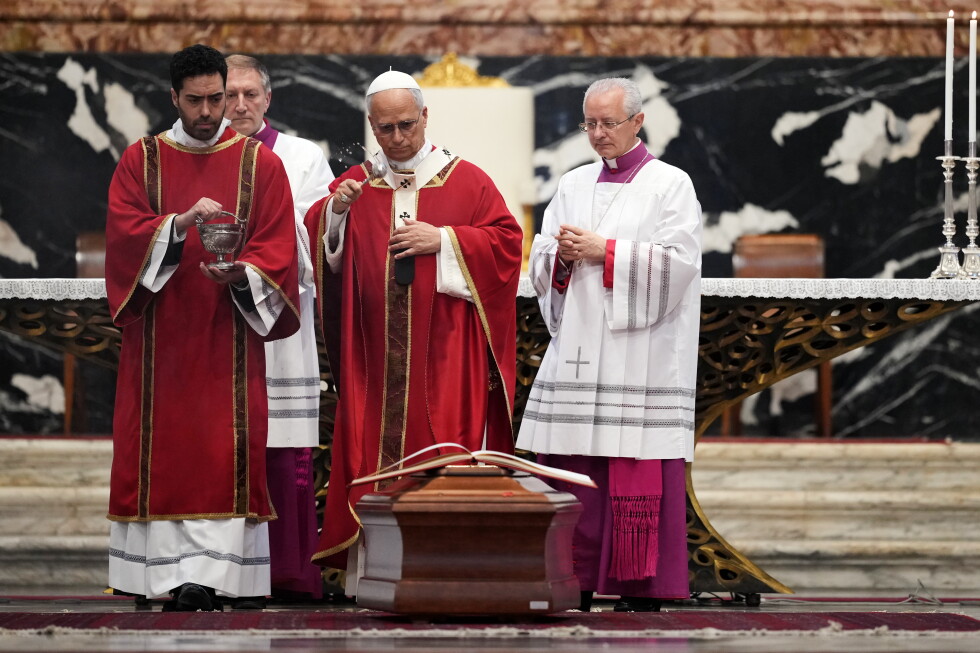
    In an official announcement made this Thursday, Peruvian President José María Balcázar has confirmed that Pope Leo XIV will undertake an official visit to Peru in the first half of November, marking a highly anticipated homecoming for the Chicago-born pontiff with deep roots in the South American nation.

    The disclosure came following a closed-door meeting between President Balcázar and the head of the Catholic Church at Vatican City. According to Balcázar, the pontiff plans to stop in six Peruvian cities: Puno, Iquitos, Cusco, Pucallpa, Piura, and Chiclayo. The latter holds particular personal significance for Pope Leo, who spent nearly 10 years carrying out pastoral work in the northern coastal community.

    Long before his elevation to the papacy, Pope Leo resided in Trujillo, a major city on Peru’s northwestern coast, and formally obtained Peruvian citizenship in 2015. He departed Chiclayo for Rome in 2023, after then-Pope Francis appointed him to lead the Pontifical Commission for Latin America. From his very first address to the crowd gathered in St. Peter’s Square following his election as pontiff, Pope Leo publicly acknowledged his deep connection to the region, opening his remarks in Spanish with a shoutout to “My beloved diocese of Chiclayo, in Peru, where a faithful people have accompanied their bishop and shared their faith.” News of the planned visit has already sparked celebratory excitement among Chiclayo’s 800,000 residents, who have long embraced the pope as one of their own.

    Chiclayo, located just 14 kilometers from the Pacific shore, serves as a critical economic hub for northern Peru, though it grapples with persistent social challenges, with roughly 20% of its population living below the poverty line.

    In comments to Peruvian local radio outlet RPP, Balcázar noted that full details of the papal itinerary will be held for release at a later date, citing unspecified “religious policy and security reasons.” As of Thursday, the Vatican has not issued any official confirmation of the upcoming trip. However, widespread Vatican rumors suggest the Peru stop will be part of a broader South American tour that could include visits to neighboring Argentina and Uruguay.

    This aligns with comments Pope Leo made to reporters back in December, following his pastoral visit to Lebanon. At that time, the pontiff acknowledged regional interest in a visit, noting “Argentina and Uruguay are awaiting the Pope’s visit. I believe Peru would also welcome me with open arms, and if I go to Peru, I would also visit many neighboring countries, but the plan is not yet finalized.”

    The report was compiled with contributed reporting from AP Vatican correspondent Nicole Winfield.

  • Lionel Messi’s family pleads for ‘humanity’ as the Argentina captain’s father undergoes treatment

    Lionel Messi’s family pleads for ‘humanity’ as the Argentina captain’s father undergoes treatment

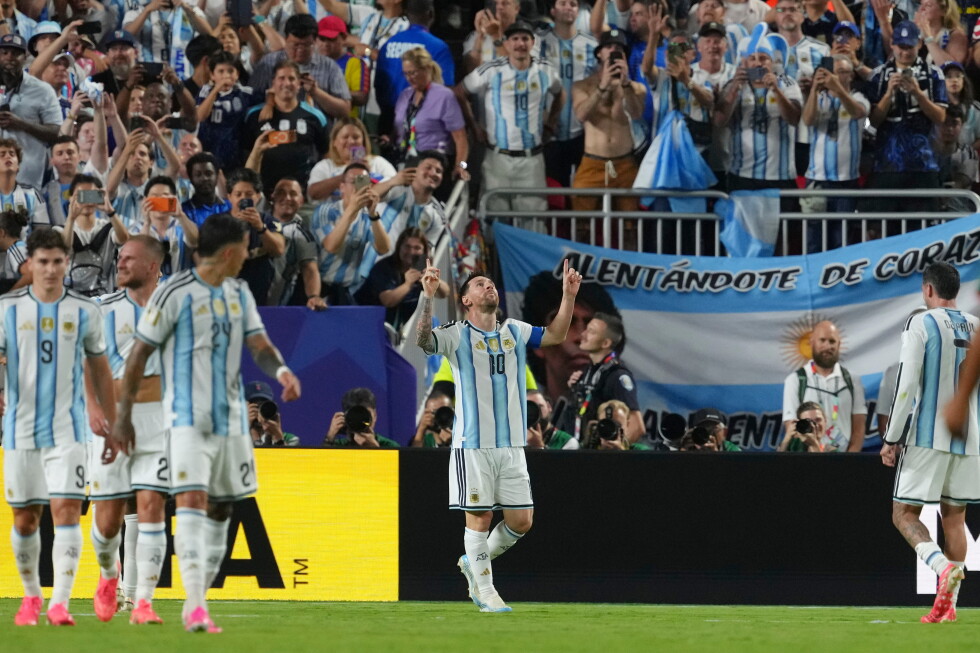
    DALLAS – As Argentine soccer legend Lionel Messi competes on the world’s biggest stage at the FIFA World Cup, his family has broken their silence to address rampant and misleading speculation surrounding the health of his father, 68-year-old Jorge Messi. Thursday saw the release of an official statement from the Messi family via the star player’s media office, responding hours after unfounded reports of Jorge’s death spread quickly across social media and news outlets in Argentina.

    In the brief but clear statement, the family confirmed that Jorge Messi is indeed undergoing ongoing medical care for an unspecified health condition, but emphasized that the situation is stable. “He is currently under medical observation, recovering and progressing favorably within his current condition,” the statement read. The family chose not to share additional details about the specific nature of the illness, citing a desire for privacy around the personal health matter.

    The confirmation of a health issue follows cryptic comments from Lionel Messi just days earlier, after Argentina’s opening World Cup match against Algeria, which ended in a 3-0 win for his side. After the final whistle, Messi acknowledged he was navigating a challenging personal circumstance, but declined to offer any further context for the comment, which had already sparked widespread speculation in global soccer circles.

    The false rumors of Jorge’s death that circulated this week pushed the family to speak out publicly, with an urgent appeal to media outlets and online commentators for respectful conduct. “At times like these, we ask for responsibility, prudence and humanity,” the statement said. “A person’s health and the peace of mind of their loved ones should not be the subject of speculation or irresponsible media interest.”

    The family closed by noting that any future updates on Jorge Messi’s condition will be shared at their own discretion, and that they will not engage with further unsolicited speculation ahead of Argentina’s upcoming World Cup matches. As the tournament progresses, all focus has remained on Lionel Messi’s campaign, as he continues to lead his national side in what is widely expected to be his final appearance at the World Cup.

  • Suspected gang leader shot dead in flower bouquet ambush at airport

    Suspected gang leader shot dead in flower bouquet ambush at airport

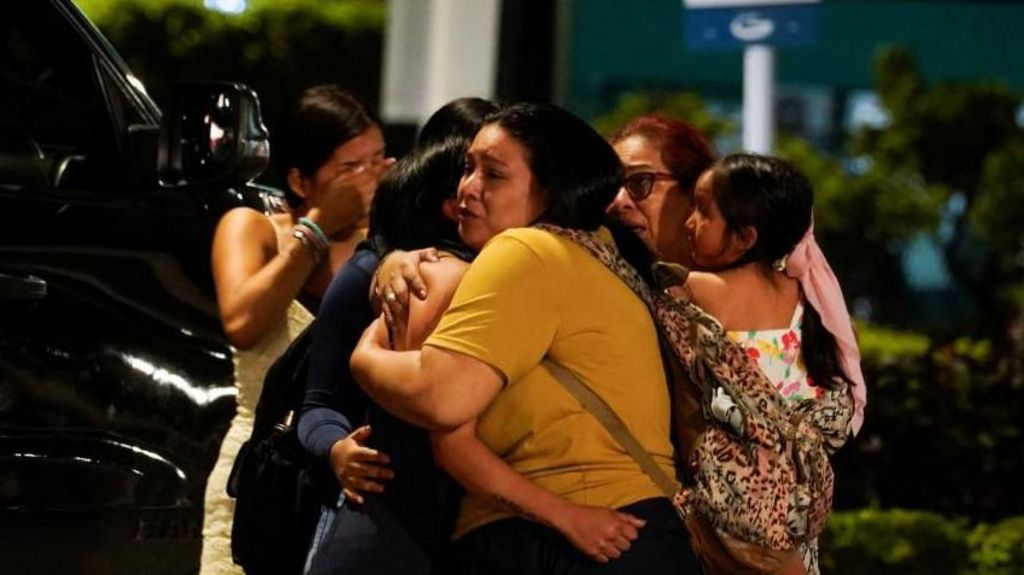
    On a recent Wednesday in Ecuador’s largest coastal metropolis Guayaquil, a brutal midday assassination outside José Joaquín de Olmedo International Airport’s arrivals terminal has sent new shockwaves through a country already grappling with an unrelenting crisis of gang-fueled violence. The victim, identified by Ecuadorian Interior Minister John Reimberg as 39-year-old Carlos Alberto Suástegui Villanueva, was the leader of the El Triunfo faction of Los Águilas — one of the most violent criminal organizations operating in the South American nation. Security camera footage from the airport captured the chilling premeditation of the attack: two young assailants waited patiently for their target outside the terminal, concealing their weapon beneath a stuffed teddy bear alongside a bouquet of flowers to avoid raising suspicion. As Suástegui exited the arrivals area, one attacker stepped forward, drew the hidden firearm, and fired multiple shots at point-blank range, before both suspects fled the scene, with the second gunman firing a final shot at the fallen victim as they ran. The chaotic immediate aftermath of the shooting left passengers and bystanders scrambling for safety. Local newspaper El Universo reported that crowds scattered in panic when gunfire rang out; one innocent bystander suffered a non-fatal injury, and viral footage from the scene shows a traveler pulling a suitcase collapsing to the ground amid the chaos. In the wake of the attack, law enforcement authorities closed the arrivals terminal for more than two hours to allow forensic investigators and police officers to process the crime scene, and have since taken two teenagers into custody in connection with the assassination. This brazen public killing is the latest high-profile incident in a years-long surge of organized criminal violence that has remade Ecuador’s security landscape. The attack comes just 24 hours after Ecuadorian President Daniel Noboa announced a new state of emergency covering 10 of the country’s provinces, including Guayas — the administrative region where Guayaquil is located. Los Águilas, the gang Suástegui led, was formally classified as a terrorist organization by the Noboa administration in 2024, and the group has long been linked to large-scale drug trafficking and systematic extortion operations across the country. Geographic location has made Ecuador a critical transshipment hub for cocaine: the country sits between Colombia and Peru, the world’s top two producers of coca leaf, the raw material for cocaine, and criminal groups have exploited weak governance and under-resourced law enforcement to turn Ecuador into the primary corridor for smuggling cocaine to consumer markets in the United States, Europe, and other global destinations. What was once considered one of the safest countries in South America has over the past decade transformed into a regional crime hotspot, boasting one of the highest homicide rates in the entire Western Hemisphere. Guayaquil, the country’s economic and population center, has been disproportionately impacted by drug and gang-related bloodshed, but even by local standards, the assassination of a high-profile gang leader in broad daylight outside one of the country’s busiest international airports has deeply rattled local communities. President Noboa took office on a promise to crack down on rampant organized crime, and his administration has relied heavily on declarations of states of emergency to grant expanded powers to security forces, including the authority to search private residences without a warrant when officers have reasonable suspicion of illegal activity. Despite these aggressive policy measures, Ecuador’s national murder rate climbed to an all-time record high in 2025, demonstrating the stubborn persistence of the country’s security crisis.

  • Two sides of a political chasm share one fear in Colombia’s presidential race: A return to the past

    Two sides of a political chasm share one fear in Colombia’s presidential race: A return to the past

    Six decades of brutal armed conflict have left indelible, raw scars on the bodies and psyches of Colombians, and that unresolved trauma has taken center stage in the South American nation’s highly contested 2025 presidential runoff, where deep divisions over how to secure lasting peace have split even those who have suffered the most from violence.

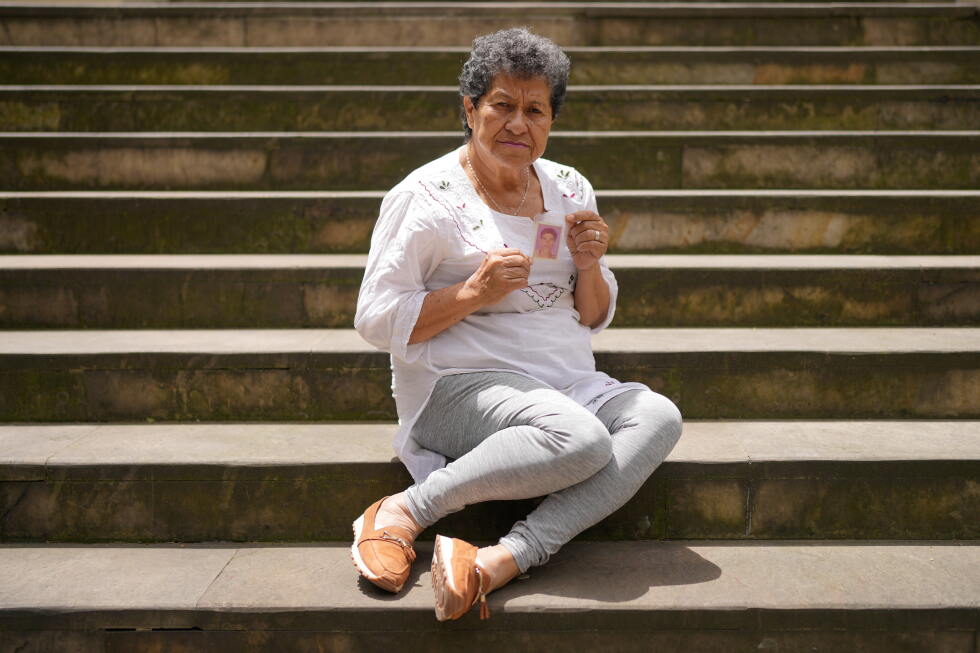
    For 67-year-old Blanca Nubia Monroy, the trauma lives on in a black-and-white tattoo of the scales of justice etched into her forearm—an exact copy of the tattoo that helped identify the body of her 19-year-old son, Julián Oviedo Monroy, after he was kidnapped and extrajudicially killed by Colombian soldiers in 2008. For Sigifredo López, a 62-year-old former politician and FARC kidnapping survivor, it surfaces in unbidden flashbacks to the seven years he spent captive in guerrilla-held jungle, and the echoing gunshots that still haunt him from the 2007 massacre of his 11 fellow captive lawmakers.

    These two conflict victims hold diametrically opposing views on who should claim the Colombian presidency in Sunday’s vote, yet they share one overwhelming core fear: that the outcome will drag the nation back to the dark, violent days of its past.

    “Every bit of this leaves a mark, on your body and your mind,” López explained. “Emotionally, there’s a fear that simmers deep below the surface, something you don’t talk about openly—the fear that everything we’ve already survived could happen all over again.”

    This election marks the most polarized political contest Colombia has seen in decades, pitting two candidates with fundamentally clashing visions for ending persistent violence against one another. Official government records show the 60-year armed struggle between Marxist guerrillas, state military forces, and right-wing paramilitaries has left more than 10 million Colombians—one in five people across the nation—victimized by killings, kidnappings, forced displacement, and other atrocities. Though a landmark 2016 peace accord with the Revolutionary Armed Forces of Colombia (FARC) brought a formal end to that group’s insurgency, low-intensity conflict continues to rage across large swathes of the Andean nation, making the future of peace the defining issue of the 2025 campaign.

    Elizabeth Dickinson, deputy Latin America director for the International Crisis Group based in Bogotá, noted that societal polarization over how to address Colombia’s violence has been building for generations. “Increasingly, both sides see the conflict as an ‘us vs. them’ dynamic,” she said. “That’s extraordinarily dangerous in a country like Colombia with a long history of political violence. A spark could ignite at any moment.”

    On the left stands Iván Cepeda, a longtime peace activist who has pledged to continue outgoing President Gustavo Petro’s “total peace” agenda. This framework centers on negotiating formal peace agreements with all active armed groups, from insurgent factions to drug trafficking organizations, in a radical departure from decades of military-first policy. But the strategy has failed to deliver on its promises: armed groups have exploited ceasefires to expand their territorial control and recruiting, driving a sharp rise in national violence that has fueled widespread public backlash.

    On the right is Abelardo de la Espriella, a lawyer endorsed by former U.S. President Donald Trump, who has promised an all-out, countrywide military offensive against criminal groups, modeling his plan on Nayib Bukele’s controversial gang crackdown in El Salvador. While Bukele’s policy has drawn regional attention for cutting national homicide rates dramatically, it has also sparked widespread allegations of systemic human rights abuses and arbitrary detentions.

    Monroy, who supports Cepeda, is reminded every day of the human cost of unaccountable military offensives. Her son, a young man who dreamed of joining the military to lift his working-class family out of poverty, was one of more than 6,400 civilian victims of the “false positives” scandal, one of the worst atrocities of Colombia’s long conflict. Between 2002 and 2008, under the administration of ex-President Álvaro Uribe, Colombian military officers systematically extrajudicially executed innocent poor civilians, then falsified records to label the victims as enemy combatants killed in combat with FARC. A dozen senior security officers later admitted their role in Monroy’s son’s death and apologized before the special peace tribunal established after the 2016 accord to uncover the truth of the conflict—a court de la Espriella has openly promised to dismantle.

    While Monroy has criticized the rising violence that has occurred under Petro’s administration, and acknowledges Cepeda will need to take firmer action against criminal groups, her decision to back Cepeda is driven by a fear of what a de la Espriella presidency would bring. De la Espriella has publicly vowed to wipe out his declared enemies “like cockroaches, like rats,” language that echoes the rhetoric of the Uribe era that led to her son’s death.

    “God willing, this man doesn’t come to power, because ‘false positives’ will become a reality again,” she said.

    For López, the danger runs in the opposite direction. A self-identified leftist who survived seven years of FARC captivity between 2002 and 2009, he supports de la Espriella out of his own fear of a return to the jungle “hell” he endured. López was a local assemblyman in western Colombia when FARC, which had labeled politicians legitimate military targets, kidnapped him and 11 other lawmakers. He was in solitary confinement in 2007 when he heard the gunfire that killed all of his companions, a memory that still haunts him decades later. He survived to become a national symbol of the trauma of FARC kidnappings, which victimized more than 21,000 people over five decades of conflict. Today, he lives in Cali, the city where he was abducted, under constant state-provided security due to ongoing threats against his life.

    Watching rising violence over the past four years has convinced López that the current negotiation-first approach has failed. In the past year alone, armed groups have deployed drones to carry out attacks, bombings have killed dozens of civilians, and one presidential candidate was assassinated in June 2025. In May 2025, the International Committee of the Red Cross reported that the impact of armed conflict on Colombian civilians had reached its worst level in a decade. This week, the National Liberation Army (ELN), Colombia’s largest remaining guerrilla group, announced a temporary ceasefire to avoid disrupting the election—but other active criminal and insurgent groups made no such promise.

    “Colombia is being kidnapped,” López said. “I’m with Abelardo because his priority is to restore safety to Colombians. He understands that ‘total peace’ isn’t won by negotiating with criminals, but by exercising the legitimate force of the state.” López notes that under the current approach, victims of violence are being re-victimized over and over, and he fears for the next generation if current policies continue. “My fear is for the new generation, that the same thing that happened to me could happen to them if the country keeps being handed over to guerrillas and organized crime,” he said.

    Just as Monroy fears the return of state-sponsored extrajudicial violence and López fears the continued spread of armed group power, both victims agree that the legacy of six decades of war hangs over this election, with the very future of peace in Colombia hanging in the balance.