标签: South America

南美洲

  • Key moments in the US arrest of and case against Venezuelan leader Nicolás Maduro

    Key moments in the US arrest of and case against Venezuelan leader Nicolás Maduro

    In a meticulously coordinated military operation authorized by former President Donald Trump, United States forces successfully apprehended Venezuelan leader Nicolás Maduro and his wife Cilia Flores over the weekend of January 2-3, 2026. The dramatic capture unfolded with American special operations teams converging on Maduro’s compound in Caracas before transporting the detainees to a U.S. warship stationed in the Caribbean Sea.

    The operation commenced at 10:46 p.m. EST on January 2 when Trump authorized the mission. Within hours, at 1:01 a.m. EST on January 3, U.S. forces reached Maduro’s residence in Venezuela’s capital. By 3:29 a.m. EST, the extraction team had already departed Venezuelan territory with their high-value captives. Trump publicly announced the successful operation via Truth Social at 4:21 a.m. EST, proclaiming a ‘large scale strike’ against Venezuela.

    Maduro and Flores were transported aboard the USS Iwo Jima to New York, where they faced arraignment on narco-terrorism conspiracy charges. The Justice Department released a new indictment detailing their alleged involvement in drug trafficking operations. During a press conference, Trump was accompanied by key administration officials including Defense Secretary Pete Hegseth, Secretary of State Marco Rubio, CIA Director John Ratcliffe, and Homeland Security advisor Stephen Miller.

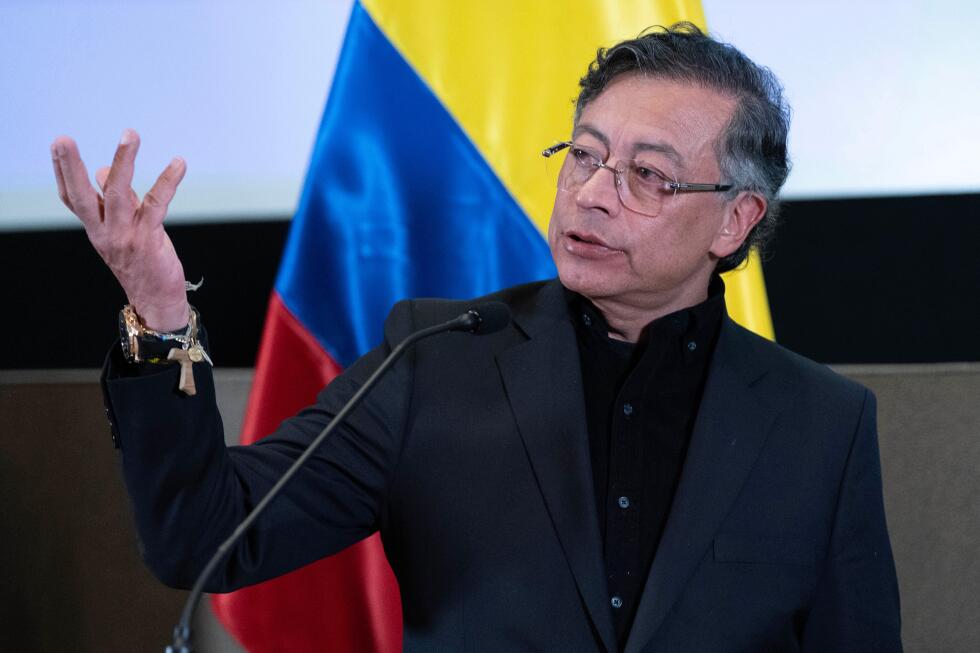
    The U.S. president made controversial statements regarding America’s intentions, stating the U.S. would ‘run Venezuela’ until a ‘judicious transition of power’ could be arranged. Trump further escalated regional tensions by making provocative comments about neighboring governments, suggesting similar actions might target Colombian President Gustavo Petro and criticizing Mexico’s approach to drug trafficking.

    Venezuela’s political leadership responded with Vice President Delcy Rodríguez assuming interim presidential duties following a directive from the nation’s high court. Rodríguez demanded proof of life for Maduro and Flores while leaving open possibilities for diplomatic engagement with the U.S. despite the military intervention.

    The operation resulted in significant international backlash, with Cuba reporting 32 military and police officers killed during the strikes. The United Nations Security Council convened an emergency meeting where both allies and adversaries of the United States uniformly condemned the unilateral action.

    On January 5, Maduro appeared in a Manhattan federal courtroom where he pleaded not guilty to all charges, declaring himself ‘a decent man, the president of my country.’ His next court date was scheduled for March 17, 2026, as the unprecedented case continues to develop amid global diplomatic repercussions.

  • Military action in Venezuela emerges as an issue in a closely watched GOP primary in Kentucky

    Military action in Venezuela emerges as an issue in a closely watched GOP primary in Kentucky

    A significant political division has emerged within Kentucky’s Republican primary as President Donald Trump’s military intervention in Venezuela becomes a central point of contention. The race features Congressman Thomas Massie, a longstanding libertarian-leaning Republican who has frequently clashed with Trump, facing challenger Ed Gallrein, a retired Navy SEAL officer enjoying the former president’s full endorsement.

    Massie has launched a vigorous social media campaign condemning the military operation that resulted in the capture of Nicolás Maduro, characterizing it as an unconstitutional overreach of executive power. The congressman asserted that the Venezuela intervention fundamentally concerns oil interests and regime change rather than combating drug trafficking, directly contradicting the administration’s stated objectives.

    “The Founders deliberately vested war-making authority in Congress, not the executive branch,” Massie emphasized, accusing Trump of bypassing constitutional procedures.

    Gallrein countered by defending the operation as a necessary measure against rogue regimes. “This decisive action demonstrates America’s commitment to holding bad actors accountable, restoring international law and order, deterring aggression, and protecting American families,” the Trump-endorsed candidate stated. He further argued that U.S. involvement creates opportunities for Venezuelans to experience peace and prosperity after decades of oppression.

    The May primary will serve as a crucial test of Trump’s ongoing influence within Republican politics. Massie, despite his frequent disagreements with Trump, has consistently secured reelection by substantial margins since 2012. Gallrein benefits from Trump’s powerful political machinery and support from a super PAC operated by former Trump aides, though he confronts a well-established incumbent with significant financial resources.

    Trump recently reinforced his endorsement of Gallrein through social media, urging other potential Republican candidates to avoid the race and describing Massie as a “Weak and Pathetic RINO” (Republican In Name Only). The primary winner will likely become the favored candidate in a district that last elected a Democrat two decades ago, though at least two Democratic contenders have already filed for the congressional seat representing northern Kentucky.

  • A prediction market user made $436,000 from bets on Maduro’s downfall

    A prediction market user made $436,000 from bets on Maduro’s downfall

    A cryptocurrency-based prediction market has become the center of an alleged insider trading investigation after an anonymous bettor profited nearly half a million dollars from Venezuela’s political upheaval. The suspicious activity occurred on Polymarket, where wagers on President Nicolás Maduro’s removal surged hours before Donald Trump’s official announcement regarding the Venezuelan leader’s capture.

    Market data reveals dramatic odds fluctuations in the critical hours preceding Trump’s Truth Social post. On January 2nd, traders placed mere 6.5% probability on Maduro’s exit by month’s end. However, these odds jumped to 11% by midnight and experienced a significant surge in the early hours of January 3rd—immediately before Trump’s revelation that Maduro was in U.S. custody.

    One particularly fortunate account, created just last month with exclusive focus on Venezuelan political outcomes, transformed a $32,537 wager into $436,000 profits. The account’s blockchain identifier, consisting of anonymous letters and numbers, has concealed the bettor’s identity despite the substantial gains.

    Financial reform advocacy group Better Markets has characterized the transaction as exhibiting ‘all the hallmarks of a trade based on inside information.’ Several other Polymarket users also generated tens of thousands in profits from wagers on Maduro’s capture, amplifying concerns about information integrity.

    In response to these developments, Congressman Ritchie Torres (D-NY) introduced legislation seeking to prohibit government employees from trading on prediction markets when possessing material nonpublic information. The bill specifically targets those who may reasonably obtain such privileged information through official channels.

    The prediction market industry, which handled hundreds of millions in wagers during the 2024 presidential election, operates in a regulatory gray area. While traditional stock markets enforce strict insider trading prohibitions, prediction markets like Polymarket and competitor Kalshi face less stringent oversight despite company policies against insider trading. The industry has experienced fluctuating regulatory reception, facing scrutiny during the Biden administration while receiving warmer acceptance during Trump’s presidency, notably with Donald Trump Jr. serving in advisory roles at both major prediction market platforms.

  • Cuba defiant as it braces for post-Maduro era

    Cuba defiant as it braces for post-Maduro era

    The United States’ military operation in Venezuela, which forcibly removed President Nicolás Maduro, has sent seismic shockwaves through Havana, threatening to sever a vital economic lifeline and destabilize Cuba’s socialist government. The two nations have been ideological and economic partners since 1999, when Hugo Chávez and Fidel Castro forged an alliance that exchanged Venezuelan crude oil for Cuban medical expertise and security support.

    The depth of this symbiosis was starkly revealed when 32 Cuban nationals, constituting Maduro’s primary security detail, were killed during the US operation. Their deaths exposed the extensive penetration of Cuban intelligence and military personnel within Venezuela’s state apparatus, a fact long denied by Havana but frequently alleged by freed political prisoners.

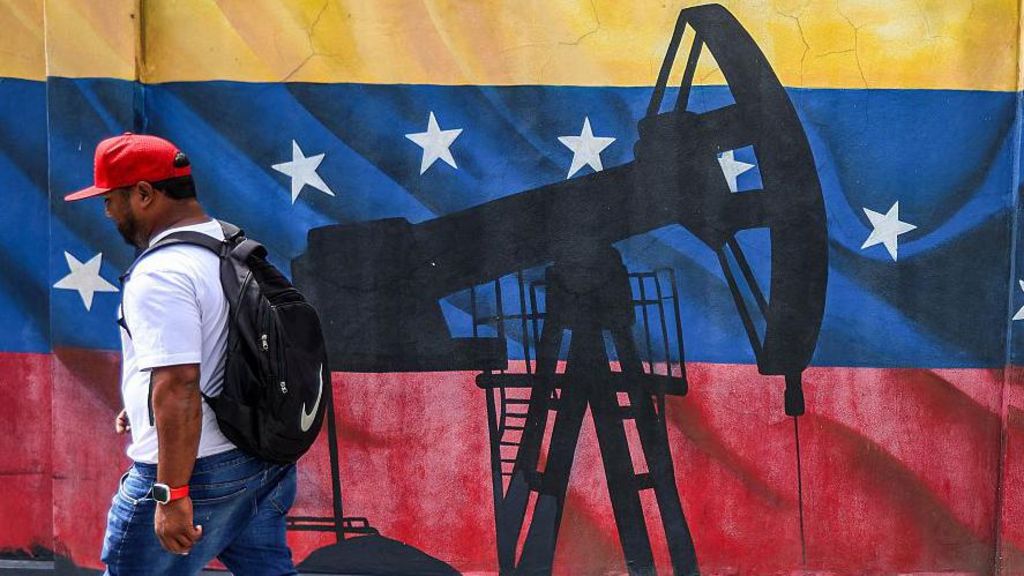
    With Maduro’s ouster, Cuba now confronts an existential crisis. The island nation, already grappling with its most severe economic downturn since the Cold War, faces the imminent threat of its oil supply being severed. Venezuela has been providing an estimated 35,000 barrels per day—a subsidy that Russia and Mexico cannot match. The Trump administration’s tactic of seizing sanctioned oil tankers has already exacerbated crippling fuel and electricity shortages, leading to nationwide blackouts, food spoilage, and a devastating outbreak of mosquito-borne diseases that is overwhelming Cuba’s once-vaunted healthcare system.

    The political future looks equally precarious. US Secretary of State Marco Rubio, a key architect of the administration’s Latin America policy, has framed the region as America’s ‘backyard’ and expects total compliance from Venezuela’s new acting president, Delcy Rodríguez. President Trump has threatened further interventions, even naming this aggressive new foreign policy approach the ‘Donroe Doctrine’ in a provocative reference to the 19th-century Monroe Doctrine.

    While Cuban President Miguel Díaz-Canel has declared national mourning for the fallen and condemned the US operation as imperialist kidnapping, the government faces a bleak new reality. The strategy of leveraging a pliant government in Caracas to ultimately achieve regime change in Havana is now openly articulated in Washington, signaling a dangerous new chapter for US-Cuba relations and for the entire Latin American region.

  • FACT FOCUS: Fabricated and misrepresented images shared widely online after US removal of Maduro

    FACT FOCUS: Fabricated and misrepresented images shared widely online after US removal of Maduro

    As former Venezuelan president Nicolás Maduro entered a plea of not guilty to U.S. federal narcotics charges on Monday, a wave of digitally manipulated content and misrepresented footage continued spreading across social media platforms. The disinformation campaign gained significant momentum when former President Donald Trump amplified fabricated narratives through his Truth Social platform.

    Among the most widely circulated falsehoods was a video Trump presented as evidence of Venezuelans celebrating Maduro’s apprehension. Comprehensive verification reveals this footage actually depicts University of California, Los Angeles students participating in their traditional ‘Undie Run’ event from December 2023. Clear landmarks including the Wasserman Football Center and Luskin Conference Center establish the authentic location, while the original TikTok posting from December 11 confirms the event’s true nature.

    A second misrepresented video, also shared by Trump, purported to show massive celebrations in Caracas following Maduro’s alleged capture. Fact-checking analysis confirms this footage actually documents the July 2024 electoral protest demonstrations in Venezuela. The presence of opposition leaders María Corina Machado and Edmundo González on a parade float, along with verified media coverage from the period, confirms the video’s actual context.

    Additionally, sophisticated AI-generated images depicting Maduro in U.S. custody circulated widely across social platforms. These fabricated visuals, bearing the watermark of a self-described ‘professional in artificial intelligence,’ showed Maduro surrounded by figures wearing DEA and military insignia. Trump further complicated the information landscape by sharing an image captioned ‘Nicolas Maduro on board the USS Iwo Jima,’ despite its evident inconsistencies and lack of verification.

  • Cooper reminds US of international legal obligations in Venezuela

    Cooper reminds US of international legal obligations in Venezuela

    British Foreign Secretary Yvette Cooper has formally challenged United States Secretary of State Marco Rubio regarding Washington’s recent military intervention in Venezuela, emphasizing the critical importance of adhering to international legal standards. This diplomatic confrontation occurred following the controversial capture of Venezuelan President Nicolás Maduro by U.S. forces under President Donald Trump’s authorization over the weekend.

    Addressing Parliament during a tense session in the House of Commons, Cooper revealed she had explicitly raised compliance with international law during discussions with Rubio, marking the British government’s first official statement on the escalating situation. Her stance notably diverged from Prime Minister Sir Keir Starmer’s more cautious approach, which has focused primarily on condemning Maduro’s authoritarian regime without directly criticizing U.S. actions.

    The political divide deepened as Conservative leader Kemi Badenoch expressed disappointment with the government’s response, advocating for stronger alignment with Washington. Badenoch defended the U.S. operation as a necessary measure against drug trafficking and potential terrorism, while simultaneously acknowledging concerns about the precedent it might establish for global norms.

    Cross-party pressure mounted significantly during the parliamentary debate. Emily Thornberry, Labour chair of the Commons Foreign Affairs Committee, argued that Britain must unequivocally declare the U.S. operation a violation of international law. Liberal Democrat leader Ed Davey characterized the government’s hesitant stance as ‘ridiculous,’ while Labour backbencher Richard Burgon condemned the prime minister’s apparent reluctance to challenge Trump as ‘cowardly and craven.’

    Security analysts warned that the U.S. intervention could potentially destabilize international relations and embolden other world leaders to disregard established international agreements. Cooper addressed these concerns by drawing careful distinctions between Venezuela and Ukraine, cautioning against equating Trump’s actions with Putin’s invasion and systematic deportation of Ukrainian children, which resulted in an international arrest warrant against the Russian leader.

    The government maintains its primary focus should remain on supporting Venezuela’s peaceful transition to democracy while continuing diplomatic efforts to uphold international legal standards through United Nations channels.

  • Cuba faces uncertain future after US topples Venezuelan leader Maduro

    Cuba faces uncertain future after US topples Venezuelan leader Maduro

    HAVANA — In a solemn predawn ceremony, Cuban officials lowered national flags to honor 32 security officers reportedly killed during what authorities describe as a U.S.-led offensive in Venezuela. The incident has triggered profound anxiety across the island nation, raising urgent questions about Cuba’s political and economic future following the capture of President Nicolás Maduro, Havana’s closest regional ally.

    The strategic partnership between Cuba and Venezuela represents one of Latin America’s most deeply intertwined relationships. Cuban military and security personnel have historically provided protection for the Venezuelan leadership, while Caracas’s petroleum exports have sustained Cuba’s struggling economy through years of financial hardship. Cuban authorities confirmed the casualties from what they termed a ‘surprise attack’ but declined to provide specific operational details.

    The Trump administration has explicitly framed the Venezuela intervention as a direct blow to Cuba’s government, highlighting how the severance of Venezuelan support could produce devastating consequences for Havana’s leadership. On Saturday, Cuban officials appealed for international condemnation of what they characterized as ‘state terrorism.’

    President Trump subsequently emphasized that Cuba’s already fragile economy would face further deterioration following Maduro’s ouster, bluntly stating that the island nation was ‘going down for the count.’

    Geopolitical analysts note the extraordinary influence exerted by Cuba—with approximately 10 million citizens—over oil-rich Venezuela, which possesses triple the population. This relationship has provided crucial stability despite Cuba’s chronic domestic challenges, including widespread blackouts and severe shortages of basic commodities. The recent escalation has introduced the previously unthinkable prospect of even grimmer conditions ahead.

    Emotional responses from Cuban citizens reflected the gravity of the situation. ‘I can’t talk. I have no words,’ expressed 75-year-old Berta Luz Sierra Molina through tears. Another resident, 63-year-old Regina Mendez, declared readiness to take up arms despite being beyond military age, stating, ‘Give me a rifle, and I’ll go fight.’

    Energy experts quantify the potential crisis: Venezuela has supplied Cuba with approximately 35,000 barrels of oil daily over recent months, covering about a quarter of the island’s total demand. Jorge Piñón of the University of Texas at Austin Energy Institute identified the critical unanswered question: ‘Is the U.S. going to allow Venezuela to continue supplying Cuba with oil?’

    Piñón referenced Mexico’s reduced oil shipments to Cuba—from 22,000 to 7,000 barrels daily—following U.S. diplomatic pressure, suggesting similar constraints could apply to Venezuelan supplies. Ricardo Torres, an economist at American University, warned that current significant blackouts occur despite ongoing Venezuelan support, predicting ‘catastrophe’ if these shipments are interrupted.

    Reporting contributions came from San Juan, Puerto Rico; Havana; and Buenos Aires.

  • US sharply criticised by foes and friends over Maduro seizure

    US sharply criticised by foes and friends over Maduro seizure

    An emergency session of the United Nations Security Council witnessed unprecedented diplomatic fallout as the United States faced widespread condemnation for its military operation to apprehend Venezuelan President Nicolás Maduro. While numerous member states acknowledged Maduro’s illegitimate and repressive governance, the unilateral action provoked fierce criticism from both American allies and adversaries alike.

    France emerged as the most vocal critic among US allies, with Deputy Ambassador Jay Dharmadhikari declaring the operation “counter to the principle of peaceful dispute resolution and runs counter to the principle of the non-use of force.” This sentiment was echoed by Denmark’s Deputy UN Ambassador Sandra Jensen Landi, who expressed “deep concern” and warned the action sets “a dangerous precedent” for international law.

    The European bloc demonstrated significant division, with the United Kingdom and Greece notably refraining from direct condemnation. UK acting ambassador James Kariuki offered only a tepid statement advocating for a “safe and peaceful transition” without addressing the legality of the US operation.

    Russian Ambassador Vassili Nebenzia delivered the harshest rhetoric, accusing the US of “international banditry” and “neo-colonialism and imperialism.” China’s Chargé d’Affaires Sun Lei similarly condemned what he termed “unilateral, illegal and bullying acts of the US,” while Colombia’s ambassador Leonor Zalabata Torres stated there is “no justification for the unilateral use of force to commit an act of aggression.”

    The diplomatic dilemma for European nations was particularly acute, torn between defending fundamental principles of sovereignty and maintaining pragmatic relations with a crucial security partner. This conflict was exemplified by EU statements that emphasized the importance of international law without specifically condemning the US action, despite acknowledging Maduro’s illegitimate status and recognizing drug trafficking as a “significant security threat worldwide.”

    The operation has reignited debates about Western double standards regarding territorial integrity, with many developing countries likely to add Venezuela to their list of examples alongside Vietnam and Iraq. The crisis has prompted broader questions about European strategic autonomy, with Polish Prime Minister Donald Tusk advocating for a more self-reliant and united Europe in the face of perceived American unpredictability.

  • Venezuelan government seeks to show it is operating free from US control

    Venezuelan government seeks to show it is operating free from US control

    In a dramatic political transition, Venezuela’s National Assembly has sworn in Delcy Rodríguez as the nation’s interim president following the extraordinary capture of former leader Nicolás Maduro by U.S. forces. The ceremony, presided over by her brother and Assembly leader Jorge Rodríguez, marks a significant turning point in the country’s political trajectory.

    Rodríguez struck a notably conciliatory tone toward the United States during her inauguration, declaring Venezuela’s intention to establish “respectful relations” with the Trump administration. This represents a substantial diplomatic shift from the previously hostile stance maintained during Maduro’s nearly 13-year authoritarian rule.

    The political transition unfolds against the backdrop of Maduro’s first appearance in a U.S. courtroom, where he pleaded not guilty to federal narcoterrorism and drug-trafficking charges. The former leader was captured Saturday in a military operation at his residence on a Venezuelan military base.

    Maduro’s son, Nicolás Maduro Guerra, made his first public appearance since the capture, delivering an impassioned address condemning what he characterized as the “kidnapping of a head of state.” He warned that the precedent established by Maduro’s capture threatens global political stability and demanded the return of both his father and stepmother, Cilia Flores.

    The U.S. State Department has initiated preliminary preparations to potentially reopen the American embassy in Caracas, according to an anonymous official familiar with internal deliberations. This development signals potential normalization of diplomatic relations between the nations after years of tension.

    Secretary of State Marco Rubio clarified that while the U.S. would maintain pressure on Venezuela’s oil industry through an existing “oil quarantine,” Washington does not intend to govern the country day-to-day. The administration instead anticipates policy changes regarding both oil management and narcotics trafficking prevention.

    The political transition represents a complex balancing act for Rodríguez, who must navigate between maintaining domestic political support from Maduro loyalists while establishing cooperative relations with the United States.

  • Misleading videos claim to show celebrations inside Venezuela

    Misleading videos claim to show celebrations inside Venezuela

    A series of misleading videos circulating on social media platforms have been definitively exposed as fraudulent by BBC Verify. These videos falsely purported to show Venezuelan citizens celebrating the potential U.S. seizure of their controversial president, Nicolás Maduro.

    The investigation revealed that the clips were not recent recordings from Venezuela but were, in fact, repurposed and decontextualized footage from unrelated events. One video, which allegedly showed jubilant crowds, was actually archival content from a public celebration following a national soccer victory. Another clip, presented as evidence of anti-Maduro sentiment, was traced back to a completely different country’s political rally that occurred years prior.

    This disinformation campaign appears strategically timed to exploit existing geopolitical tensions between the United States and Venezuela. By fabricating a narrative of popular support for foreign intervention, the creators aimed to influence international perception and domestic morale. BBC Verify’s forensic analysis, including reverse image searches, metadata examination, and geographical verification, provided irrefutable evidence of manipulation.

    The dissemination of such fabricated content highlights the ongoing challenges in combating digital misinformation, particularly concerning nations subject to intense international scrutiny and economic sanctions. The incident underscores the critical importance of media literacy and verification processes in the contemporary information landscape.