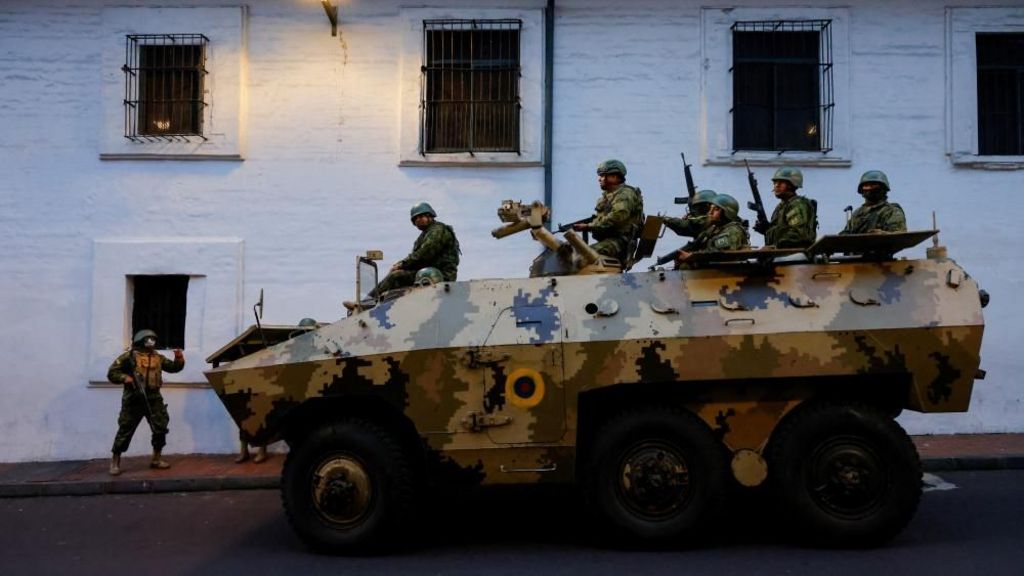
Ecuadorian and United States military forces have initiated coordinated operations targeting organizations designated as terrorist entities within the South American nation, according to an official announcement from the U.S. Southern Command on Tuesday. The joint mission aims to combat illicit drug trafficking networks that have established significant operational presence in Ecuador, though specific operational details remain classified.
The development follows Monday’s declaration by Ecuadorian President Daniel Noboa that American forces would participate in a ‘new phase’ of the country’s intensified campaign against drug cartels. Noboa has identified Ecuador’s extensive port infrastructure as a critical vulnerability, noting that approximately 70% of global cocaine shipments now transit through these facilities, creating highly profitable opportunities for transnational criminal organizations.
Ecuador’s geographical positioning between Colombia and Peru—the world’s two primary cocaine producers—has made it increasingly vulnerable to narcotics trafficking operations. This security collaboration emerges just four months after Ecuadorian voters rejected a constitutional amendment that would have permitted the reestablishment of foreign military bases within the country, dealing a significant political setback to Noboa’s security agenda.
On Monday, President Noboa convened high-level discussions in Quito with U.S. Southern Command leader General Francis Donovan and Mark Schafer, commander of U.S. Special Operations forces in Central and South America. The meetings produced agreements on enhanced intelligence sharing and coordinated operational activities at key transportation hubs, including airports and seaports.
The U.S. Southern Command characterized the operations as ‘decisive action against narco-terrorists who have long inflicted terror, violence, and corruption throughout the hemisphere.’ This announcement follows Washington’s temporary deployment of Air Force personnel to the former U.S. military installation in Manta three months ago.
The Trump administration has demonstrated increased focus on counter-narcotics operations in the region, conducting over 40 lethal strikes against suspected drug trafficking vessels in Caribbean and Pacific waters since September. Recent actions include the high-profile seizure of Venezuelan leader Nicolás Maduro on narco-terrorism charges and tense diplomatic exchanges with Colombian President Gustavo Petro regarding drug interdiction efforts.