A controversial offhand remark from U.S. President Donald Trump has thrown the nation’s ongoing inflation crisis into the center of the 2026 midterm election campaign, after the commander-in-chief openly embraced the latest three-year high in consumer price growth driven by his administration’s war with Iran.
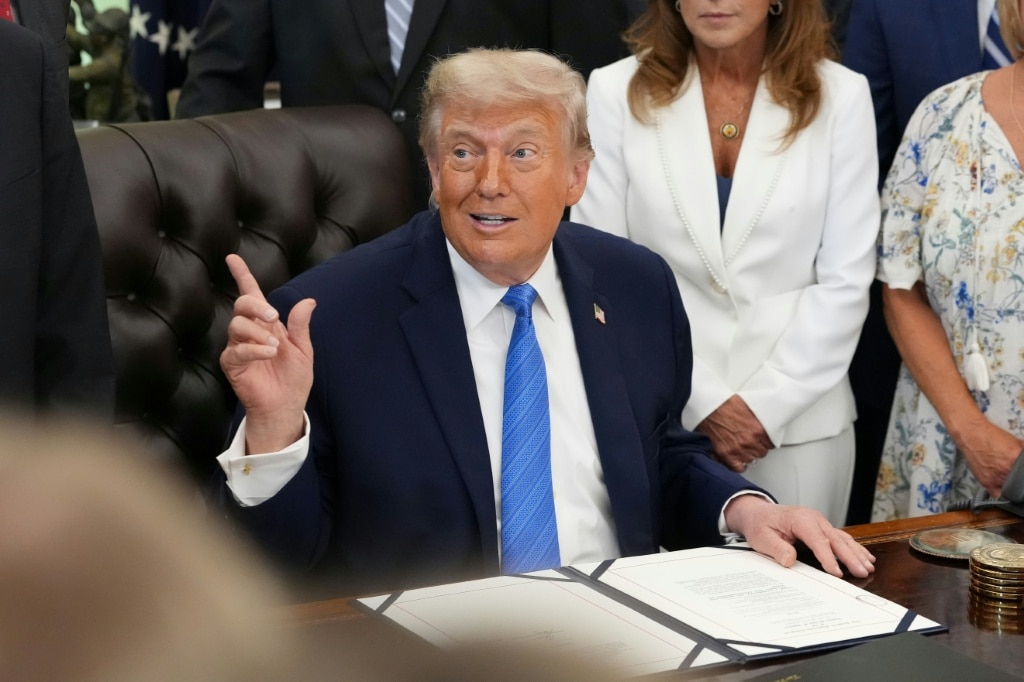
Speaking to reporters Wednesday, Trump downplayed widespread alarm over the May inflation reading, which clocked in at 4.2% year-over-year — up from 3.8% in April and the highest recorded since early 2023. “The numbers were great… I love the inflation,” the president stated, a line that Democratic opponents immediately seized on as proof the Trump administration is disconnected from the financial strain facing working American households.
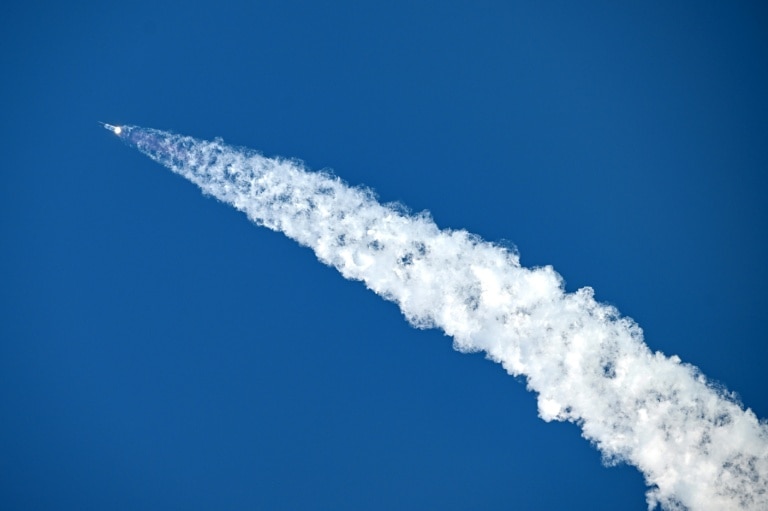
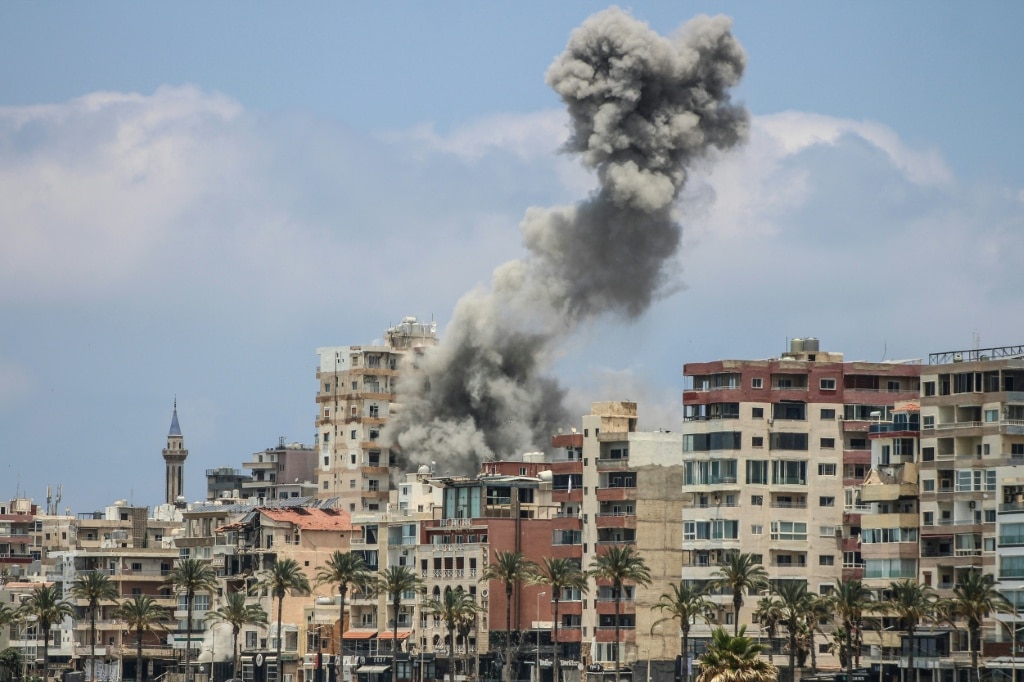
The sharp uptick in inflation traces directly to the February U.S.-led military campaign against Iran, which triggered a near-total closure of the Strait of Hormuz by Tehran. Approximately one-fifth of the world’s daily oil and gas supplies pass through this critical chokepoint, and its closure sent global energy costs soaring. In May alone, national energy prices jumped 23.5% year-over-year, with retail gasoline surging 40.5%. Grocery costs added to the strain, rising 2.7% annually, with additional hikes hitting medical care, air travel, personal care and recreational services.
Trump has pushed back against criticism, repeating his prediction that inflation will “come down like a rock” once the Iran conflict concludes. But independent economists have widely rejected that timeline, noting that oil markets will take months to stabilize even if a ceasefire is reached in the near term.
Partisan fighting over the remark intensified rapidly in the hours after Trump’s comment. House Speaker Mike Johnson, a Republican, defended the president, arguing his words had been taken out of context. But Senate Democratic Minority Leader Chuck Schumer rejected that framing, posting on X that “Trump really said, ‘I love the inflation.’ On camera. For all of America to hear. His contempt for you knows no bounds.” The Democratic National Committee also released a new campaign ad featuring the full clip of Trump’s remark, framing it as an open admission of the administration’s disregard for household budgets.
Long-running inflationary pressures have built in the U.S. economy for years, persisting long after the COVID-19 pandemic. Multiple overlapping shocks have kept prices elevated, including the Russian invasion of Ukraine, Trump’s trade tariffs, and now the Iran conflict. Still, some analysts see early signs that inflation may have hit its peak. Kathy Bostjancic, chief economist at Nationwide, noted that retail gasoline prices have stabilized in recent weeks. She projects that inflation will trend downward in the second half of 2026, provided the Strait of Hormuz is reopened quickly through a diplomatic resolution to the Iran conflict. Core inflation, which strips out the volatile food and energy sectors, only ticked up 0.1% to 2.9% in May, and EY-Parthenon chief economist Gregory Daco added that “there appears to be little passthrough of higher energy cost onto core inflation, outside of airfare.”
The inflation surge has also created major uncertainty for the U.S. Federal Reserve, which holds a key policy meeting next week. The gathering will be the first for new Fed Chair Kevin Warsh, who was nominated by Trump and has faced sustained public pressure from the president to cut interest rates to boost economic growth.
But the higher inflation reading has upended earlier market expectations. Before the Iran war, investors anticipated the Fed would begin cutting rates later this year, as inflation driven by Trump’s tariffs was expected to cool. Now, markets expect rates to hold steady next week, and are pricing in potential rate hikes later in the year — a shift that has rattled equity investors. Multiple Fed policymakers have publicly voiced growing concern over persistent inflation, which the central bank traditionally counters by raising borrowing costs. “The Fed will be in no position to cut rates if this continues,” explained Chris Zaccarelli, chief investment officer for Northlight Asset Management.