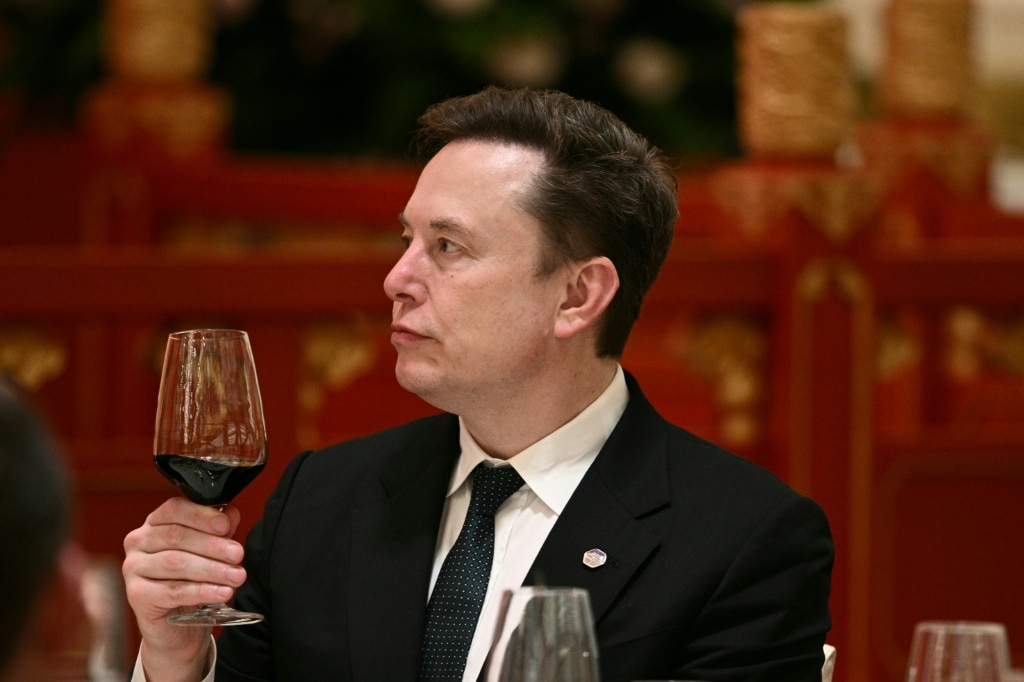
Elon Musk’s aerospace and technology firm SpaceX is on the cusp of making financial history this week, as its nontraditional initial public offering (IPO) prepares to break industry records while dividing Wall Street between enthusiastic bulls and skeptical bears. The highly anticipated listing, which is set to close investor orders on Wednesday, finalize pricing on Thursday, and begin trading on the Nasdaq exchange this Friday, is on track to become the largest IPO in global market history if it hits its fundraising target of $75 billion.
Market observers report overwhelming early investor demand for SpaceX shares, far outpacing already elevated expectations for the offering. With more than 555 million shares priced at an expected $135 each, the company is targeting a valuation of roughly $1.8 trillion, which would place it among the most valuable public companies in the United States. Unlike most traditional IPOs that reserve less than 10% of shares for retail investors, around one-third of SpaceX’s offering is allocated to everyday market participants, many of whom are long-time supporters of Musk.
Industry analysts attribute the massive hype surrounding the IPO to two key factors: Musk’s reputation as a visionary tech entrepreneur, and the public’s enduring fascination with space exploration. “No question that there is a ton of hype around it. Nothing captures the imagination like space,” noted Matthew Kennedy, a strategist at Renaissance Capital. Eva Ardos, chief investment strategist at ERShares which holds pre-IPO SpaceX shares, called the level of excitement around the offering “unlike anything else we’ve seen before in the IPO market.” Kim Forrest, chief investment officer at Bokeh Capital Partners, added that Musk’s well-honed marketing acumen has given SpaceX a unique “cool factor” that sets it apart from other large tech listings.
After the IPO, Musk will retain more than 82% of the company’s voting power, locking in his full control over the firm’s long-term strategic direction. That means the entire $1.8 trillion valuation rests entirely on investor confidence in Musk’s ability to deliver on his ambitious goals, which include building a permanent colony on Mars, orbiting space-based data centers, and scaling up the company’s artificial intelligence operations that recently merged with Musk’s xAI.
While excitement runs high, many market analysts and fund managers have raised pointed questions about SpaceX’s path to profitability. The company reported $18.7 billion in 2025 revenue, a 33% year-over-year increase, but still posted a net loss of $4.9 billion for the year. While the company’s mature Starlink satellite internet division is widely expected to turn consistent profits long-term, its large-scale investments in cutting-edge AI and next-generation rocket development are projected to continue producing significant losses for years to come.
Independent research firm Morningstar has estimated SpaceX’s fair value at roughly $780 billion, less than half the $1.8 trillion valuation the company is targeting. Some critics have even questioned whether the outsized allocation to retail investors is a deliberate attempt to offload a speculative asset to Musk’s loyal but inexperienced follower base. “Is this true democratization, the likes of which have never been seen on Wall Street before? Or is it a cynical attempt to unload an extraordinarily expensive and highly speculative venture on a gullible public?” asked David Morrison, senior market analyst at Trade Nation. Forrest, for her part, has already ruled the stock out for her firm’s portfolios.
Even with these concerns, many analysts note that recent multi-billion-dollar AI infrastructure contracts with Google and AI startup Anthropic provide a solid near-term revenue foundation that could support the valuation. Beyond SpaceX itself, the outcome of this IPO is widely seen as a bellwether for the broader IPO market, particularly for high-profile unlisted tech firms including Anthropic and OpenAI, which are preparing for their own public offerings in the near future.
“This has a real possibility of chilling IPO issuance if SpaceX performs poorly, or kicking off a new IPO rebound if it trades well,” Kennedy explained. Peter Cardillo, chief market economist at Spartan Capital Securities, added that strong investor uptake would signal broad market confidence in long-term tech innovation, saying “if people are willing to pay that price and invest for the future, that’s a good sign for the market.”