标签: Oceania

大洋洲

  • Unions push for major pay rise as cost-of-living pressures continue to bite

    Unions push for major pay rise as cost-of-living pressures continue to bite

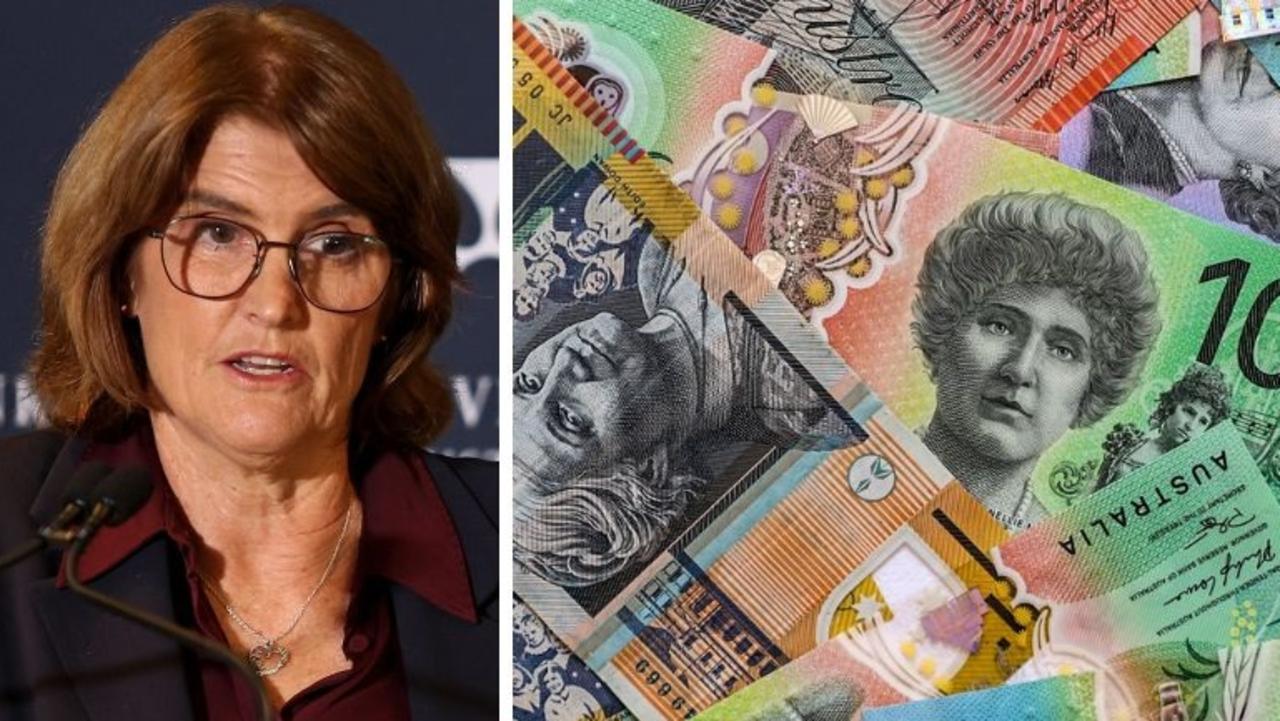
    As Australia’s Fair Work Commission prepares to deliver its annual minimum wage ruling this Tuesday, the country’s largest trade union body has amplified urgent calls for a substantial 6 percent pay hike for the nation’s 3 million lowest-income workers, framing the demand as a critical measure to prevent working households from cutting essential spending on food and healthcare.

    The Australian Council of Trade Unions (ACTU) anchored its argument in newly released inflation data from the Australian Bureau of Statistics, published Wednesday, which put annual headline inflation at 4.2 percent for the 12 months ending in April – down from 4.6 percent in March, but still well above the Reserve Bank of Australia’s (RBA) target 2 to 3 percent inflation band. Crucially, the RBA closely monitored trimmed mean inflation, which excludes volatile price swings for food and energy to reveal underlying economic pressures, climbed to 3.4 percent over the same period, confirming persistent upward pressure on everyday costs.

    ACTU Secretary Sally McManus emphasized that for one in four Australian workers, the annual minimum wage review is the only opportunity to secure a pay rise that matches rising living costs. “Workers have already fallen 4.5 percent behind on real wages since March 2021, as persistent cost-of-living pressures have outpaced incremental wage gains year after year,” McManus said. “When rent, mortgage repayments and utility bills are fixed non-negotiable costs, any pay increase that falls short of inflation leaves workers with no option but to cut back on basics – cutting back on groceries, skipping necessary doctor’s appointments just to make ends meet. A 6 percent increase is the very least needed to help low-paid workers get ahead of the growing pressure.”

    Currently, Australia’s national minimum wage sits at $24.95 per hour, or $948 per week. If the ACTU’s demand is adopted, the rate would rise to $26.45 per hour and $1004.88 per week, with most award-reliant workers earning additional penalty rates and allowances on top of this base pay.

    But the proposal has faced pushback from peak business groups, who argue that a steep wage hike would add unsustainable pressure to already struggling businesses and risk broader economic instability. The Australian Chamber of Commerce and Industry (ACCI) has instead called for a far more modest 3.5 percent minimum wage increase, warning that businesses are already grappling with a cascade of rising costs across the board.

    “Businesses are being squeezed from every direction,” ACCI Chief Executive Andrew McKellar explained. “Fuel prices are climbing, profit margins are already stretched thin, and business confidence continues to weaken. On top of existing pressures from rising inflation, interest rate hikes, soaring insurance and commercial rent costs, growing compliance burdens, and the recent elimination of card surcharges, a large wage increase would push many operations to the breaking point. The Fair Work Commission must account for the cumulative weight of these pressures. A measured, moderate outcome is essential to protect existing jobs, keep small and medium businesses viable, and safeguard the overall Australian economy.”

    The Fair Work Commission is scheduled to announce its final ruling on the new minimum wage this Tuesday, with the outcome set to shape household finances and economic trajectory across the country for the coming year.

  • Temperatures likely to remain at record levels in 2026-2030: UN

    Temperatures likely to remain at record levels in 2026-2030: UN

    In a stark new climate outlook released Thursday, the United Nations’ leading weather and climate authority has sounded a clear alarm: global average temperatures will almost certainly hold at or near record levels between 2026 and 2030, with a high probability that the critical 1.5°C warming threshold set by the Paris Agreement will be breached on a five-year average basis.

    Every one of the 11 warmest years recorded in human history has occurred since 2015, and the World Meteorological Organization (WMO) confirmed this long-standing warming trend is on track to continue, with a new all-time hottest year very likely to be logged before 2031. According to the WMO’s official five-year outlook, there is a 75% probability that the average global temperature across 2026 to 2030 will exceed 1.5°C above the pre-industrial baseline of 1850–1900, the ambitious upper limit for safe warming set out in the 2015 Paris climate accords. The forecast puts the chance of at least one single year between 2026 and 2030 temporarily surpassing 1.5°C at 91%, and an 86% chance that one of those years will knock 2024 off its current spot as the warmest year on record.

    Leon Hermanson, lead author of the WMO’s *Global Annual-to-Decadal Update*, pointed to a predicted El Niño event at the end of 2026 as a key factor that could push 2027 into record-breaking territory. El Niño is a natural recurring climate pattern marked by warmed surface waters in the central and eastern equatorial Pacific, which reshapes global wind, pressure and rainfall patterns to drive higher global average temperatures. The most recent El Niño cycle already pushed 2023 to become the second-warmest year on record, and lifted 2024 to a new all-time high of roughly 1.55°C above pre-industrial levels. El Niño typically occurs every two to seven years and lasts between nine and 12 months.

    The WMO outlook projects that annual global mean near-surface temperatures between 2026 and 2030 will fall in a range of 1.3°C to 1.9°C above the 1850–1900 baseline. While the chance of any single year exceeding 2°C — the less ambitious upper warming limit set in the Paris Agreement — over the next five years is less than 1%, the organization warns that temporary breaches of the 1.5°C threshold will become more common in coming years. It is important to note that the Paris Agreement’s warming limits refer to long-term sustained warming, typically measured over 20 years, so short-term temporary exceedances do not permanently rule out meeting the long-term goal.

    The new forecast arrives as western Europe is already grappling with an early extreme heat event, with a stationary warm air “heat dome” pushing May temperatures past all-time records in both the United Kingdom and France. Beyond global averages, the report highlights disproportionate warming in the Arctic, where average temperatures across the next five Northern Hemisphere winters (November to March) are projected to be 2.8°C warmer than the 1991–2020 baseline — more than three times the global average temperature anomaly for the same period. For precipitation patterns between May and September 2026–2030, the forecast predicts wetter-than-average conditions across the Sahel, northern Europe, Alaska and Siberia, while the Amazon basin is expected to see drier-than-average conditions.

    Compiled by the UK’s Met Office at the WMO’s leading center for interannual to decadal climate prediction, the report draws together forecast data from 13 leading climate research institutes across the globe to build its consensus projections.

  • Group of Victorian men charged after allegedly possessing ISIS-inspired propaganda

    Group of Victorian men charged after allegedly possessing ISIS-inspired propaganda

    An 18-month long counter-terrorism investigation by Australian law enforcement has culminated in charges against five Victorian men accused of holding a cache of violent extremist content, including ISIS propaganda and footage of past terror attacks. The investigation traces its origins back to late November 2024, when a man returning to Australia from Turkey was found to have suspicious material stored on his personal mobile device. A deep dive into that device uncovered a coordinated pattern: the group had been sharing prohibited extremist content among themselves via online channels, including promotional material from the banned terrorist organization ISIS and visual records of violent terror attacks.

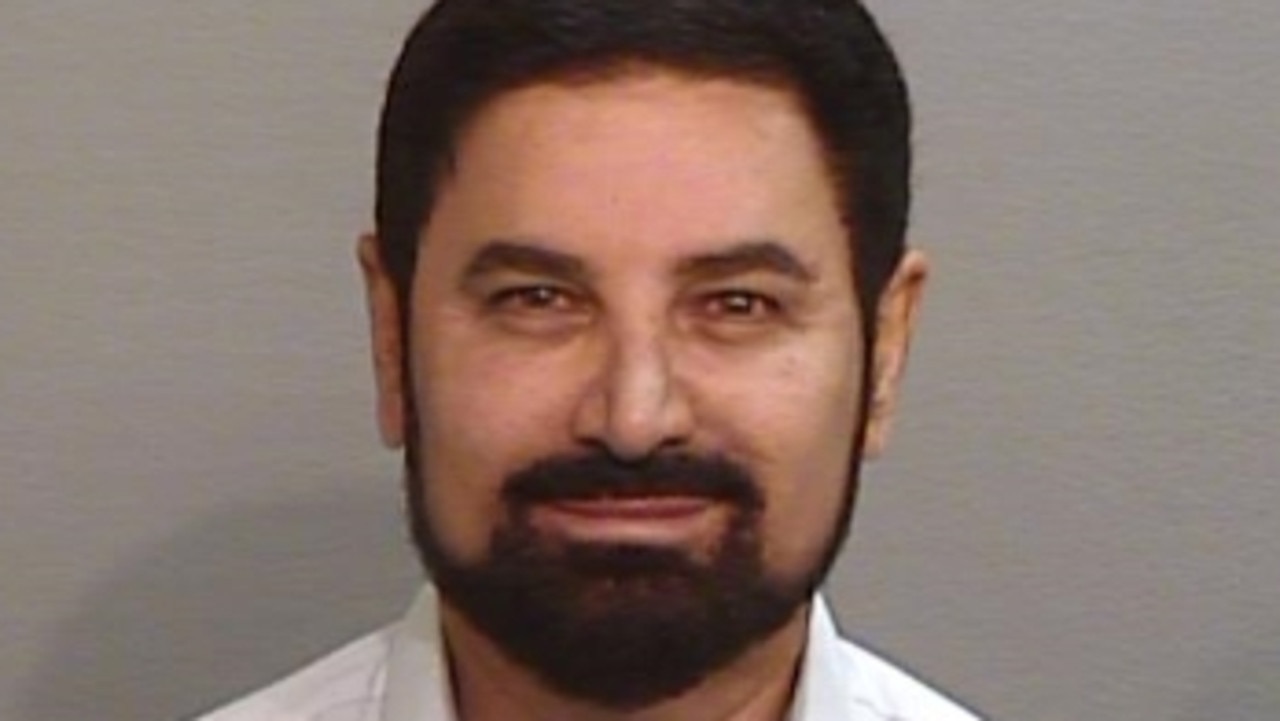
    In early May, Australian Federal Police (AFP) launched coordinated raids on four residential properties across Melbourne, where four of the accused — 21-year-old Mohammad Ahmadzai, 20-year-old Azan Syed, 29-year-old Sulaiman Sarwari and 19-year-old Adian Sarwari — were taken into custody and charged with possession of violent extremist material. A fifth suspect, a 25-year-old man, was taken into custody weeks later on May 16, when he arrived at Melbourne International Airport on a flight returning from Malaysia, and faces the same criminal charge.

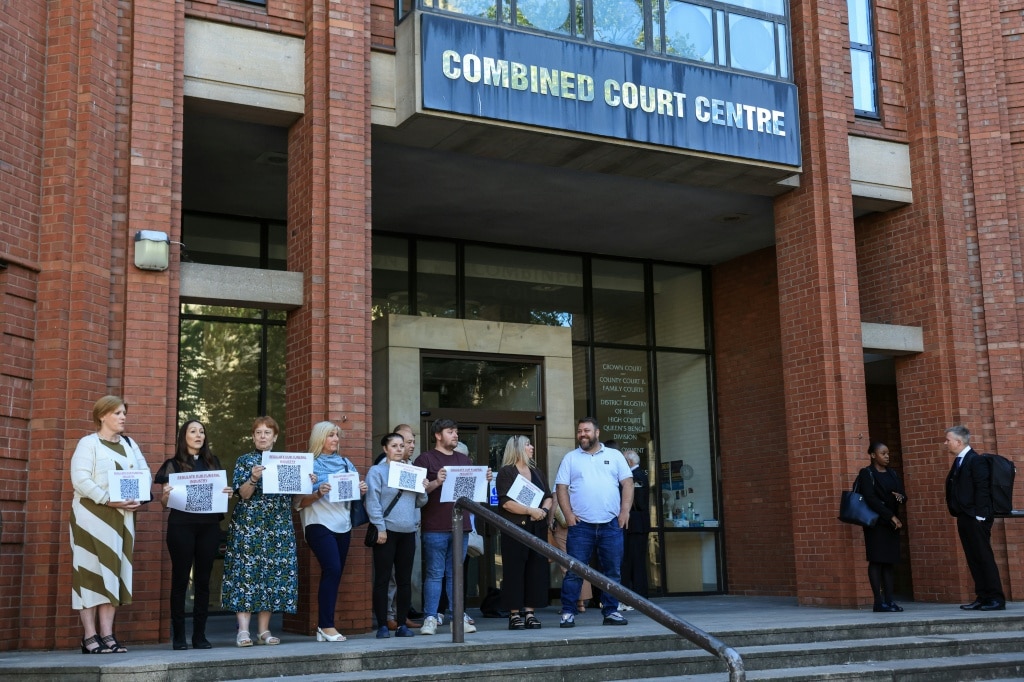
    During a hearing at Melbourne Magistrates Court on Thursday, Sulaiman Sarwari appeared alongside his legal team, with his barrister Siobhan Stary requesting modifications to two existing bail conditions, including the mandatory requirement for in-person court attendance to review bail compliance. With no opposition raised by the prosecution, Magistrate Donna Bakos granted the request, relaxing the bail conditions for the accused. The image of the post-hearing proceeding was captured by NewsWire photographer Ian Currie.

    AFP Counter Terrorism Commander Paula Hudson publicly announced the laid charges on May 8, emphasizing the critical role of early intervention in counter-terrorism policing. “Early intervention allows us to disrupt individuals before they progress to more severe forms of offending,” Hudson explained. “We allege these men were actively sharing material inspired by ISIS, a terrorist organisation responsible for mass atrocities and violent religious persecution around the world.” All five accused are scheduled to reappear in court between late July and early August, with the legal process set to move forward in the coming months.

  • Australia charges woman with terrorism over IS links

    Australia charges woman with terrorism over IS links

    In a major counter-terrorism development unfolding in Australia, federal law enforcement has levied formal terrorism charges against a 34-year-old woman accused of ties to the Islamic State (IS) extremist group, marking the latest high-profile case in a string of recent actions against IS-linked returnees from conflict zones in the Middle East. On Thursday, Australian authorities announced the woman faces two serious charges: membership in a proscribed terrorist organization and unlawful entry into a recognized active conflict zone, offenses that each carry a maximum prison sentence of 10 years if she is convicted.

    Counter-terrorism investigators allege the accused woman traveled to war-torn Syria between 2013 and 2014 alongside a male companion to join the then-expanding IS network. The man who accompanied her is currently confirmed to be in custody in the Middle East, police confirmed. Following the territorial defeat of IS in 2019 at the hands of Kurdish-led ground forces backed by a U.S.-led international coalition, the woman was captured by Kurdish security personnel and detained for years in the al-Hawl Internally Displaced Persons camp, a facility that holds thousands of relatives of suspected IS fighters in northeastern Syria. She was finally repatriated to Australia in September 2023, and was scheduled to make her first court appearance on the same day charges were announced.

    This latest arrest comes amid a wave of repatriations of Australians with IS connections that have unfolded over the past month. Shortly after this month’s first group of returnees arrived in the country, two women – a mother and daughter – were taken into custody immediately upon landing in Melbourne. Australian police have leveled serious allegations against the pair, claiming they traveled to Syria in 2014 to pledge support to IS and held another woman as an enslaved person during their time in the conflict zone. A third woman was arrested on arrival in Sydney, where she faces matching charges of entering a restricted conflict zone and joining a banned terrorist organization.

    Earlier this week, another cohort of 13 IS-linked Australians – four adult women and their nine minor children – completed repatriation flights from Syria to return to Australia. As of the announcement of Thursday’s new charges, none of the 13 returnees from this most recent group have been formally charged with any criminal offenses. However, senior Australian counter-terrorism officials have made clear that the absence of immediate charges does not mean the cases are closed. “It is important to note that a period of time without charges being laid is not an indicator that investigations have ceased,” Hilda Sirec, Deputy Commissioner for National Security Investigations at the Australian Federal Police, said in an official statement Thursday. “Investigations are continuing into all the recent adult female returnees from Syrian camps,” she added.

    The cases of these female IS-linked returnees, widely labeled in public discourse as “ISIS brides”, have ignited fierce and divisive public debate across Australia over the past several years. Human rights groups and government bodies including the Australian Human Rights Commission have pushed for compassionate policy, urging the federal government in March 2024 to prioritize repatriation for all remaining Australians held in Syrian displacement camps, citing the poor humanitarian conditions and uncertain legal status facing detainees. On the opposite side of the debate, many critics argue the women voluntarily severed ties with Australia to join a terrorist movement, and argue they should be forced to face the consequences of their choices outside of the country’s borders.

  • Woman, 50, to appear in court charged with snatching tip jars from Gold Coast cafes

    Woman, 50, to appear in court charged with snatching tip jars from Gold Coast cafes

    A sweeping investigation into a series of petty thefts targeting small hospitality businesses on Australia’s Gold Coast has concluded with the arrest of a 50-year-old Greenslopes woman, who is set to appear before Southport Magistrates Court Thursday to answer multiple criminal charges.

    Queensland Police confirm the woman was taken into custody during a targeted operation at a Surfers Paradise hotel Wednesday evening, though authorities have not yet clarified if she was staying at the accommodation as a guest. The charges laid against her include six counts of stealing, one count of common assault, and one count of unlawful possession of a knife in a public space.

    The alleged crimes unfolded between April and May 2024, according to police accounts. Investigators allege the woman targeted five separate cafes spread across five Gold Coast and South East Queensland locations: Surfers Paradise, Biggera Waters, Coolangatta, Brisbane’s central business district, and Inala. In each incident, she is accused of stealing cash-filled tip jars and charity donation boxes from the businesses.

    Security camera footage from multiple venues, which was circulated widely across local media and social platforms prior to the arrest, appears to show the suspect waiting for cafe staff to be distracted before slipping the tip jars into her handbag and exiting the premises undiscovered. In the weeks leading up to the arrest, small business owners across additional Gold Coast suburbs including Broadbeach, Miami and Kirra also filed similar reports of stolen tip jars, though it is not yet clear if the accused will be linked to those additional incidents.

    The case has drawn local attention because of the disproportionate impact tip jar thefts have on small, independent cafes, where the extra cash often goes directly to frontline hospitality workers who rely on tips to supplement their incomes.

  • Sinner, Sabalenka aim to stay hot at French Open

    Sinner, Sabalenka aim to stay hot at French Open

    The 2025 French Open at Roland Garros enters its second round of matches on Thursday, with the world’s top two male and female players gunning to secure their spots in the final 32 of the clay-court Grand Slam, bringing high stakes to the packed schedule under Paris’ unseasonably scorching skies.

    Leading the men’s draw is Italian world No. 1 Jannik Sinner, who arrives in Paris with unprecedented momentum heading into his quest for a first career French Open title and a completed career Grand Slam. Fresh off becoming only the second player in tennis history — after Novak Djokovic — to claim all three clay-court Masters 1000 titles, wrapping up a full set of nine 1000-level tournament trophies, Sinner has entered the tournament as the overwhelming favorite to lift the trophy.

    Sinner is already looking to improve on a standout 2024 Roland Garros run, where he pushed eventual champion Carlos Alcaraz to an epic five-set final before falling just short. This year, the path to the title is far clearer: Alcaraz, the defending champion, is sidelined with an injury, leaving few competitors capable of challenging Sinner’s red-hot form. He kicked off his 2025 campaign with a clinical first-round win under the lights on Court Philippe Chatrier on Tuesday, and will open Thursday’s main draw action on centre court against Argentina’s Juan Manuel Cerundolo, ranked 56th in the world. The pair have only met once before, a straight-sets win for Sinner in the opening round of Wimbledon three years ago.

    Addressing the ongoing heat wave that has dominated the opening week of the tournament, Sinner downplayed concerns over his ability to cope with soaring temperatures. “I’m happy to play night. I’m happy to play day, whenever they put me,” he said. “I think I handled the heat very well in Indian Wells, was very hot this year, so I didn’t have issues there. We prepared in a good way. Of course here, different heat, but the humidity is not as tough as maybe in Australia or US.”

    On the women’s side of the draw, world No. 1 Aryna Sabalenka will also take to Court Philippe Chatrier on Thursday seeking to lock in her third-round spot, but the Belarusian arrives in Paris after a shaky start to the European clay-court season. Fresh off a dominant Sunshine Double win at Indian Wells and Miami in March, Sabalenka has looked surprisingly vulnerable on red dirt this spring: she suffered a shock quarter-final exit to Hailey Baptiste in Madrid, followed by a third-round loss to Sorana Cirstea at the Italian Open. Sabalenka blamed unfavorable wet and cold conditions in Rome for her underperformance, and has had no such complaints about the Paris heat, which suits her aggressive power game.

    After a commanding straight-sets opening win over Jessica Bouzas Maneiro on Tuesday, the 28-year-old joked about the rapid shift in conditions: “I’d say that it was a bit warm. Especially compared to the first days when I first got here, it was… freezing. Now it’s boiling hot and balls are flying, everything is much faster. But physically I feel strong, so I feel like it can benefit me.” Scheduled as the third match on centre court, with temperatures again forecast to top 30°C, Sabalenka will face French wildcard Elsa Jacquemot, ranked 67th, and is heavily favored to advance.

    Thursday’s schedule also features a host of other top contenders seeking second-round wins. Defending women’s champion Coco Gauff, the American No. 4 seed, will take on Egyptian qualifier Mayar Sherif on Court Suzanne Lenglen. The 2020 Roland Garros debut marked the only time Gauff has been eliminated before the quarter-final stage here, when the 16-year-old Gauff fell to Martina Trevisan.

    Four-time Grand Slam winner Naomi Osaka of Japan will face Croatia’s Donna Vekic on Court Simonne Mathieu, while rising Canadian teen Victoria Mboko will test her skills against Czech Katerina Siniakova. American teen sensation Iva Jovic will go head-to-head with compatriot and former world No. 8 Emma Navarro, while Canada’s Felix Auger-Aliassime will look to avoid another grueling “roller-coaster” match like his opening-round thriller when he faces Argentina’s Roman Andres Burruchaga. American fifth seed Ben Shelton and French 17-year-old wildcard Moise Kouame will bookend the day’s play on Court Suzanne Lenglen, Roland Garros’ second-biggest showcourt.

  • Australian household spending plunges by most in three years as families tighten budgets

    Australian household spending plunges by most in three years as families tighten budgets

    In a surprising turn that underscores growing financial strain on Australian consumers, national household spending posted its sharpest decline in three years during April 2024, new data from the Australian Bureau of Statistics (ABS) reveals. The 1.1% month-on-month plunge follows a solid 1.6% expansion in March, with multiple overlapping factors — from temporary federal tax policy to the ongoing Middle East conflict and persistent cost-of-living challenges — combining to pull overall spending lower.

    The single largest contributor to the overall drop was a 4.7% collapse in transportation spending, a shift directly tied to the federal government’s temporary halving of the national fuel excise, alongside state and territory governments forgiving associated GST revenue. The policy change, which took effect on April 1, delivers an average saving of 26 cents per litre at the pump through the excise cut, plus an additional 5.7 cents per litre from the returned GST, pushing down total nominal spending on fuel even as consumption rose.

    “Even though Australians purchased more fuel volume in April compared to March, the tax cut offset that increase,” explained Callam Pickering, senior economist at Indeed APAC. “Ultimately, consumers drove more but spent less out-of-pocket on fuel for the month.” Beyond fuel savings, transportation spending also fell as Australians scaled back air travel, with some trip cancellations tied to market uncertainty stemming from the Middle East conflict further reducing discretionary travel expenditure.

    Beyond transportation, discretionary spending across multiple key sectors also pulled back, with declines recorded in out-of-home dining, recreation, and retail categories including clothing and footwear. Industry analysts note this pullback reflects a broader trend of Australian households tightening their budgets in response to mounting financial pressures.

    “Consumers are increasingly retreating to spending only on essentials and hunkering down against a growing list of economic headwinds, including mortgage stress, softening consumer confidence, rising unemployment, and lingering uncertainty following the release of the recent federal budget,” said Marc Jocum, senior product and investment strategist at Global X. “Discretionary spending has become the first casualty of this more cautious approach.”

    The Middle East conflict that erupted in late February has driven extreme volatility in global oil markets, pushing prices from roughly $US56 per barrel in pre-conflict January to a temporary peak of $US120 per barrel. Prices moderated to around $US110 per barrel by the end of April, but the volatility has created ongoing uncertainty for domestic fuel prices. Every $US10 increase in global crude prices translates to an extra 10 cents per litre for Australian motorists, adding consistent pressure to household budgets.

    A key wildcard for coming months is the upcoming expiration of the temporary fuel excise cut on July 1. Treasurer Jim Chalmers has all but confirmed the policy will not be extended, meaning fuel prices are set to rise sharply just as households are already pulling back on spending. Economists warn that the combination of expiring tax relief, elevated global oil prices, lingering high inflation, and recent interest rate hikes will continue to weigh on household spending in the short to medium term.

    The Reserve Bank of Australia has implemented three consecutive interest rate hikes, lifting the official cash rate to 4.35% to curb persistent inflation. Jocum notes that these higher borrowing costs are already reshaping household behavior, particularly for mortgage holders. “For the RBA, the core risk is that even while inflation remains sticky in some parts of the economy, households are already behaving as if an economic slowdown has arrived,” he added.

    Pickering echoed this cautious outlook, noting that ongoing headwinds will continue to pressure spending in coming months. “If fuel prices stay elevated, that gradually erodes the ability of many households to spend on non-essential items, likely dragging down discretionary spending growth further,” he said. “Higher interest rates are also weighing heavily on household budgets, and the overall economic outlook is far less positive than it was just a few months ago.”

  • ABC managing director Hugh Marks defends AI radio news trial

    ABC managing director Hugh Marks defends AI radio news trial

    Senior leadership at Australia’s national public broadcaster the Australian Broadcasting Corporation (ABC) has defended a new artificial intelligence trial that converts on-air radio news bulletins into text-based online content, pushing back against concerns that the project could lead to widespread job cuts and erode local journalism standards.

    ABC Managing Director Hugh Marks outlined details of the pilot program during testimony before a Senate estimates hearing on Thursday, noting the trial has already been rolled out in the Gippsland region of western Victoria. The core goal of the initiative, Marks explained, is to extend the shelf life of local radio news by making it accessible to digital audiences, rather than limiting it to a single live broadcast. He added that the public broadcaster is also developing a feature to customize digital content based on individual users’ preferences for localized local news, a key competitive advantage only the ABC can deliver for Australian communities.

    Extensive consultations with local ABC teams across multiple regional operations preceded the launch of the pilot, Marks confirmed, framing the project as a major step forward in strengthening the broadcaster’s connection with local audiences, a core mission that no other media organization in Australia can fulfill at the same scale.

    The trial faced questions from Senator Peter Whish-Wilson, who asked whether the AI project was just the first phase of a broader push to automate newsroom operations and whether the tool would be used to justify cutting journalist roles. In response, Marks clarified that while the adoption of AI may lead to shifts in job functions over time, the program was never designed to replace existing positions. “This is about making the most of the jobs that exist,” he told the committee, emphasizing that the tool is built to complement rather than replace the work of ABC journalists.

    Marks added that the ABC already uses artificial intelligence to support emergency broadcasting operations, and this news repurposing trial is just one more way the broadcaster is leveraging technology to improve its services. Once radio content is converted to written text, it can also be shared with other local media outlets, boosting the depth and quality of regional news coverage across the country, he noted.

    Crucially, Marks stressed that all AI-generated content will still undergo full human editorial review before publication, and the pilot remains staff-led, with no plans to replace the work of entry-level or junior reporters. “We’re really largely responding to things that staff are doing,” he said. “We’re early in the adoption, and it will be interesting to see how it plays out.”

    ABC Editorial Director Gavin Fang echoed Marks’ comments, noting that the public broadcaster has already begun integrating AI into specific newsroom workflows, most notably for processing and analyzing large datasets that would be impractical for human journalists to work through manually. Fang emphasized that AI remains a support tool rather than an independent creator: “Overall, what we’re seeing is that it’s still relying on the journalists to be able to know what the story is and to know where to point the AI.”

  • Australia sues US giant 3M for $2bn over ‘forever chemicals’ in firefighting foam

    Australia sues US giant 3M for $2bn over ‘forever chemicals’ in firefighting foam

    On Thursday, the Australian federal government announced one of the most significant legal actions in its history, filing a AU$2 billion (US$1.4 billion) damages lawsuit against U.S. manufacturing conglomerate 3M over widespread toxic contamination linked to per- and poly-fluoroalkyl substances (PFAS), the persistent “forever chemicals” used in the company’s firefighting foam. The legal claim targets contamination that has impacted 28 separate Australian Department of Defence bases across the nation, marking the largest civil claim ever brought by the Australian government, according to Attorney-General Michelle Rowland.

    PFAS, a family of man-made chemical compounds prized for their water and grease-resistant properties, appear in a wide range of consumer and industrial products from non-stick cookware to waterproof clothing and electronics. But their defining trait — resistance to natural environmental breakdown — has turned them into a persistent public health and environmental threat: the chemicals accumulate in soil, groundwater, and food chains, and can remain in the human body for years, with peer-reviewed research linking long-term exposure to a range of serious health conditions including multiple forms of cancer. In 2022, 3M publicly announced it would phase out all production and use of PFAS globally in response to growing public and regulatory concern over these health risks.

    The Australian government’s lawsuit alleges that 3M engaged in deliberate misconduct spanning decades: the company knowingly withheld critical information about the toxicity and environmental persistence of PFAS found in its aqueous film-forming foam (AFFF), a product widely used by Australian defence forces for firefighting training and emergency response. According to the claim, 3M deliberately misrepresented the safety of the product, repeatedly reassuring Australian authorities that the foam posed no environmental risk even when internal company data confirmed the opposite. The contamination has already imposed massive costs on Australian taxpayers, with more than AU$1 billion spent to date on investigations, site remediation, and risk mitigation across the contaminated defence estate.

    “This misconduct has contributed to substantial costs for defence and the Australian taxpayer,” Rowland said in her official announcement of the suit. “Make no mistake, this legal action against 3M is significant. The government is committed to holding 3M and 3M Australia to account for the economic and environmental harms associated with PFAS contamination.”

    In its official response to the claim, 3M pushed back against the allegations, noting that the company never manufactured PFAS within Australia’s borders and halted all sales of PFAS-containing firefighting foam in the country 20 years ago. The company also pointed out that the Australian Department of Defence continued to use its existing stockpiles of the foam for two decades after 3M stopped sales. A company spokesperson confirmed that 3M intends to vigorously contest the government’s claims through the formal legal process.

  • Australia charges IS-linked woman who returned from Syria with terrorism offences

    Australia charges IS-linked woman who returned from Syria with terrorism offences

    Australian federal law enforcement authorities have announced terrorism charges against a woman with documented connections to the Islamic State (IS) group, following her repatriation to Australia from a detention camp in northeastern Syria. The development comes just weeks after the final two groups of Australian women and children, who had been held for years in the al-Roj camp, arrived back on Australian soil earlier this month.

    Al-Roj camp, established in 2019 after the territorial collapse of the IS caliphate, has held thousands of family members of alleged IS fighters from countries across the globe. Tuesday’s arrivals in Sydney and Melbourne marked the end of repatriations for all known Australian citizens held in the facility, with other groups having returned to Australia in staggered waves over preceding months and years.

    As of Thursday morning, Australian police had not released additional details about the charged woman, including her identity or the specific parameters of the terrorism allegations, with a formal press briefing scheduled for later that day to disclose further information. This latest charge marks the fourth legal action taken against repatriated Australian women this month: three other women who returned from Syria have already been hit with a range of allegations, including crimes against humanity and unlawful presence in a declared active conflict zone.

    The repatriation and legal processing of these Australian citizens has ignited fierce political and public debate across Australia. Prime Minister Anthony Albanese has repeatedly reiterated the federal government’s stance that it provided no official assistance to facilitate the group’s return, doubling down on a long-held government position with the remark: “if you make your bed, you lie in it.”

    However, human rights advocates and legal organizations have pushed back against this hardline approach, arguing that all Australian citizens hold a fundamental right to return to their home country. They have emphasized that many of the repatriated people are children, who had no choice in being brought to the region by family members, and require targeted support and rehabilitation rather than punitive action. The unfolding legal process is now being closely watched as a test case for how Australia will handle future repatriations of citizens with links to extremist groups.