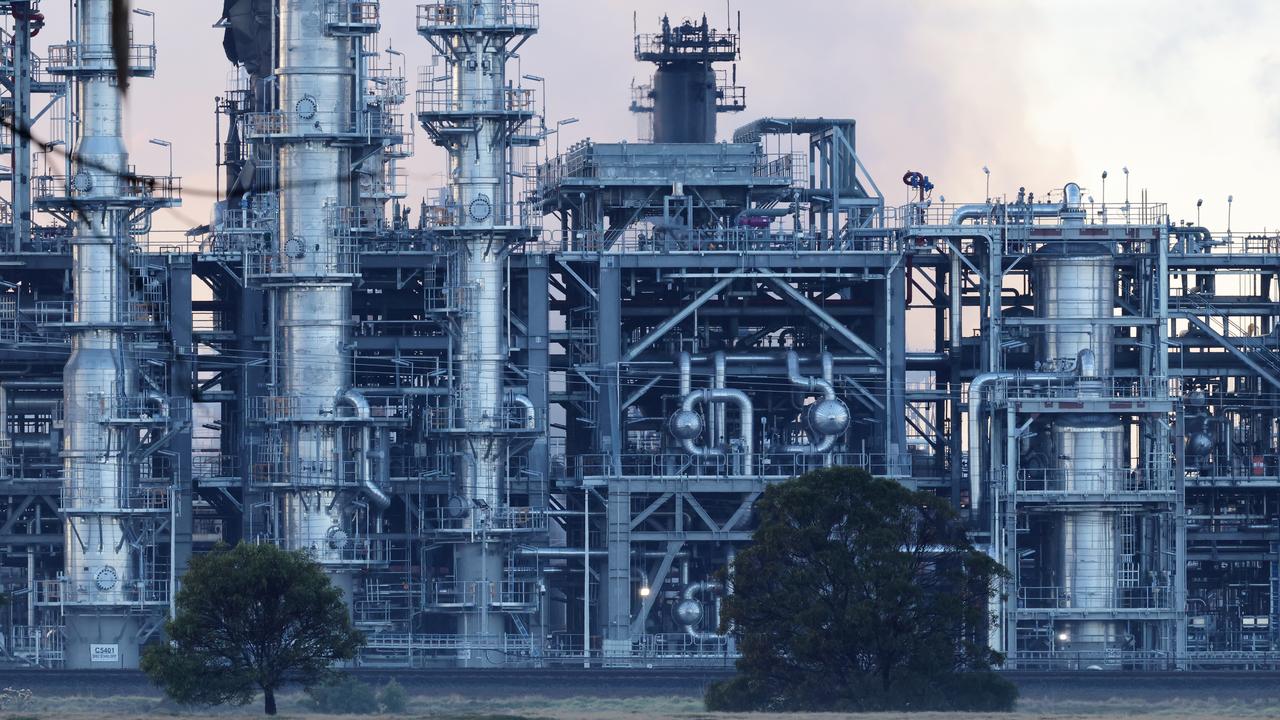
For the first time in six decades, Australia is set to add a new domestic oil refinery to its national energy infrastructure, with Prime Minister Anthony Albanese scheduled to announce a major pre-feasibility study for the project during a visit to Karratha, Western Australia, on Monday.
As global energy markets grapple with heightened volatility driven by geopolitical unrest, the Australian government has earmarked $4 million to assess the technical and economic viability of constructing the country’s third operational oil refinery, which would join existing facilities in Geelong and Brisbane. If advanced to construction, the new plant will be developed by Perdaman, an Australian chemical and fertiliser producer with a track record of delivering large-scale resource projects.
Resources Minister Madeleine King expressed confidence in the proposal, noting that Perdaman’s established industry credibility gives the ambitious plan solid underlying momentum. “For a company like Perdaman to come to government and say we’re going to look at this … it’s got to have some strength behind it, and I believe it has,” King stated. The project has secured cross-party support in principle, but has also sparked debate over the federal government’s conflicting energy policy stances and climate regulations.
Foreign Affairs Minister Penny Wong backed the initiative, framing it as a critical step to rebuild domestic refining capacity and shore up national resilience against global supply shocks. “We need to look at what we can do here in Australia to shore up our resilience,” Wong said, confirming that the announcement advances the government’s goal of restoring domestic fuel processing capability.
Treasurer Jim Chalmers tied the push for enhanced fuel security directly to the ongoing conflict in the Middle East, which has sent global oil prices soaring and added upward pressure on Australian inflation. Chalmers noted that Australian households have already borne excessive financial burdens from the market fallout of the conflict, warning that prolonged instability will further erode economic growth and lift inflation both domestically and globally. “From an economic point of view, a proper and permanent end to the war can’t come soon enough,” he said.
While federal opposition parliamentarians have signaled they support the underlying goal of expanding domestic refining capacity, they have highlighted significant policy barriers erected by the current Labor government. Nationals leader Matt Canavan said the government’s carbon pricing policy would undermine the economic viability of the new refinery, noting that both existing and new refining operations face heavy carbon tax liabilities that make large-scale fossil fuel infrastructure investment unfeasible. “We’re not going to get a new oil refinery in this country while this government imposes a massive carbon tax on existing refineries and new ones would be subject to the same,” Canavan told reporters on Monday.
Opposition foreign affairs spokesman Ted O’Brien went further, calling out a clear contradiction at the heart of Labor’s national energy policy. He pointed to Energy Minister Chris Bowen’s public international statements ruling out new fossil fuel development, which directly conflict with the government’s support for the new oil refinery. “The contradiction in Labor’s energy policy explains why Australians are paying higher prices for energy than they ever have and why energy markets are now pulling back investments from Australia,” O’Brien argued.
The launch of the pre-feasibility study comes as Australian policymakers across the political spectrum increasingly prioritize domestic fuel security, after global supply chain disruptions in recent years exposed the nation’s heavy reliance on imported refined fuel products. If the study confirms the project is viable, it will mark the first new oil refinery constructed in Australia since the 1960s, representing a generational shift in the nation’s energy infrastructure strategy.