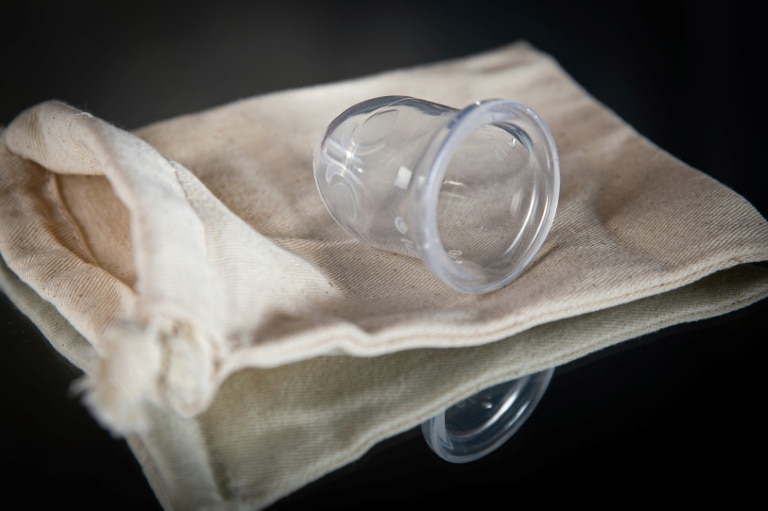
In a landmark step to address the growing crisis of period poverty across the country, the French government announced Thursday that it will fully reimburse the cost of reusable menstrual products, including menstrual cups and reusable period underwear, for two vulnerable groups of women: those under the age of 26, and low-income women of all ages experiencing financial hardship.
The policy, which is set to take effect at the start of the 2024 autumn academic year, is projected to benefit approximately 6.7 million people — a figure that equals nearly one-tenth of France’s total population of 69 million. To access the reimbursement, eligible individuals need only present their state-issued French health insurance card when purchasing items at a registered pharmacy, with costs returned directly to their accounts after purchase.
The measure was originally approved by French parliament as a key component of the country’s 2024 social security budget, but a months-long delay in issuing the formal executive decree required to put the policy into practice sparked widespread frustration from both feminist advocacy organizations and manufacturers of sustainable sanitary products, who had pushed for the reform to launch on schedule.
Data from the French anti-poverty charity Dons Solidaires underscores the urgent need for this intervention. A November 2023 survey of 4,000 French women conducted by the organization found that 1 in 10 respondents have been forced to use makeshift alternatives to commercial period products — including ripped up clothing — because they cannot afford standard sanitary items.
This new policy is the latest in a series of progressive reforms France has rolled out to improve menstrual equity over the past decade. Back in 2016, the country cut the sales tax on period products from 20 percent to 5.5 percent, reducing the financial burden for all women purchasing menstrual supplies. France is not alone in its push for global menstrual equity: in 2020, Scotland made history as the first nation in the world to pass legislation guaranteeing free universal access to period products in all public buildings, setting a benchmark for other countries to follow.