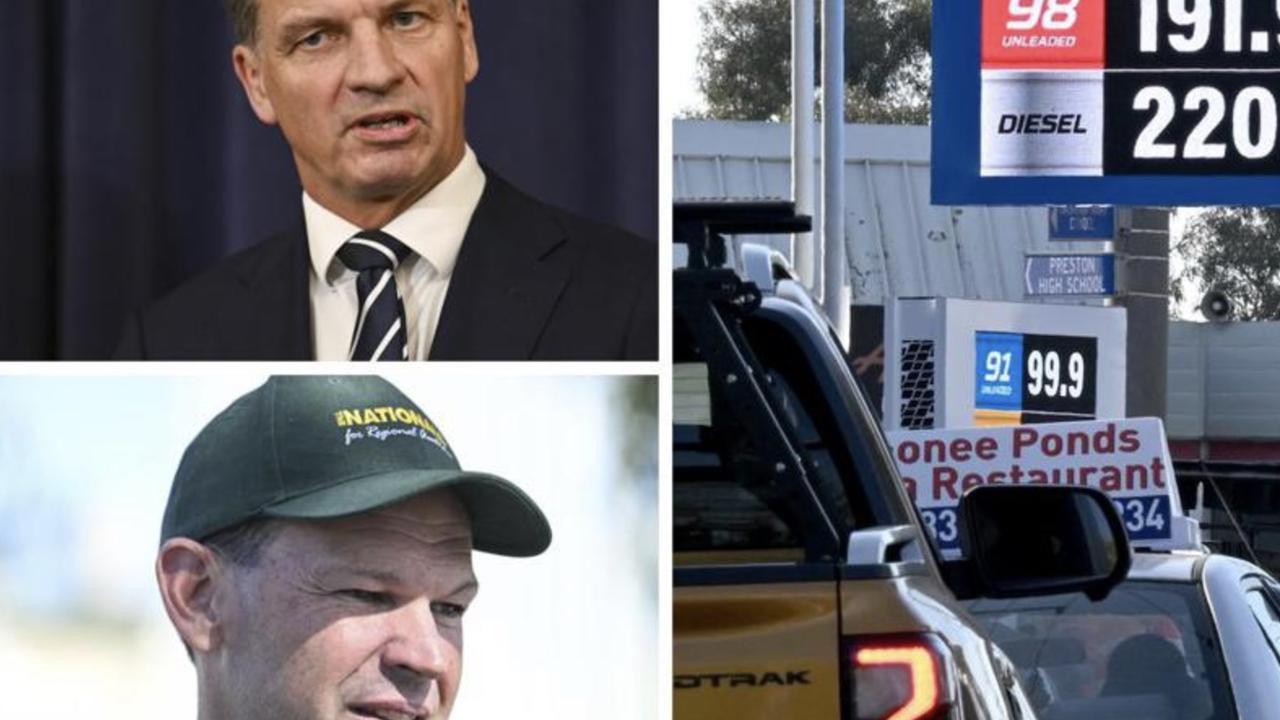
Against the backdrop of escalating global market disruption stemming from the ongoing Middle East conflict, Australia’s opposition Coalition has launched a targeted $800 million initiative to drastically strengthen the nation’s fuel resilience, expanding strategic reserves and adding 1 billion litres of new domestic storage capacity. The proposal, framed as a critical response to growing global energy supply uncertainty, calls for a sweeping overhaul of Australia’s existing fuel stockholding rules, with a specific focus on shoring up supplies of diesel, the fuel that powers most of the country’s freight, agriculture and regional sectors. At the core of the plan is a move to more than double the current Minimum Stockholding Obligation (MSO), requiring suppliers to maintain enough reserve fuel to cover 60 days of national demand — representing a more than 50% jump in total minimum reserves and a nearly 25% increase in critical stockholdings. The Coalition is also proposing the creation of a dedicated Australian Fuel Security Facility, backed by the full $800 million in government funding, that will support the construction of at least 1 billion litres of new onshore storage infrastructure, again prioritizing diesel storage to meet the needs of key domestic industries. Opposition leader Angus Taylor has urged Prime Minister Anthony Albanese’s government to adopt the plan immediately, warning that any delay leaves Australia exposed to catastrophic supply disruptions. “If fuel stops, Australia stops. It’s that simple. Trucks don’t move, supermarkets don’t stock, businesses shut their doors,” Taylor said in remarks announcing the policy. “We are putting forward a practical plan to make sure that never happens. More fuel in reserve, more storage on the ground, and a country that can stand on its own two feet. This is about protecting Australians’ way of life and restoring their standard of living. You don’t do that with talk. You do it with action.” The plan has received strong backing from the Nationals, the junior coalition partner that represents regional and rural Australia, where reliance on diesel for farming, freight and everyday transport is far higher than in major urban centers. Nationals leader Matt Canavan emphasized that increasing domestic stockpiles reduces Australia’s dangerous overreliance on vulnerable overseas supply chains that can be disrupted by global conflict or geopolitical tension almost overnight. “People in the regions know how serious this is. If the diesel doesn’t turn up, the farm doesn’t run and the shelves go empty,” Canavan said. “This plan is just common sense. Keep more fuel here in Australia so we are not relying on overseas supply lines that can be cut overnight. We cannot keep hoping for the best. We need to be ready, and this plan gets us there.” Under the current regulatory framework, fuel suppliers are already required to hold minimum reserve stocks, with the associated costs passed through to consumers at the fuel pump. The Coalition’s plan would require suppliers to build new storage capacity and acquire additional inventory, with government financial support offsetting much of the upfront cost. The opposition estimates that expanding the MSO would add only around 1 cent per litre to retail fuel prices, a modest increase that it argues is well worth the cost of enhanced national energy security. Shadow Energy Minister Dan Tehan added that the proposal offers a clear, actionable path to strengthening the country’s entire fuel supply chain against unforeseen global shocks. “This is a practical, achievable plan that strengthens our fuel supply chain and backs Australian industry,” Tehan said. “It works with industry, builds storage where it is needed, and makes sure we have the buffer to withstand global shocks.” The Coalition has committed that if the government adopts the plan immediately, it would deliver the full 60-day fuel security target by 2030, putting Australia in a far stronger position to weather ongoing global energy volatility linked to the Middle East conflict and other geopolitical risks.
Coalition puts forward an $800m plan to double fuel reserves and provide more storage