标签: Oceania

大洋洲

  • Labor hopeful Iran war ‘drawing to a close’ after Trump threat

    Labor hopeful Iran war ‘drawing to a close’ after Trump threat

    As former U.S. President Donald Trump issues a stark 48-hour ultimatum to Iran over the closure of the Strait of Hormuz, Australia’s ruling Albanese government has voiced cautious optimism that the ongoing Middle East conflict is nearing its end, while moving swiftly to mitigate widespread domestic fuel shortages and price volatility.

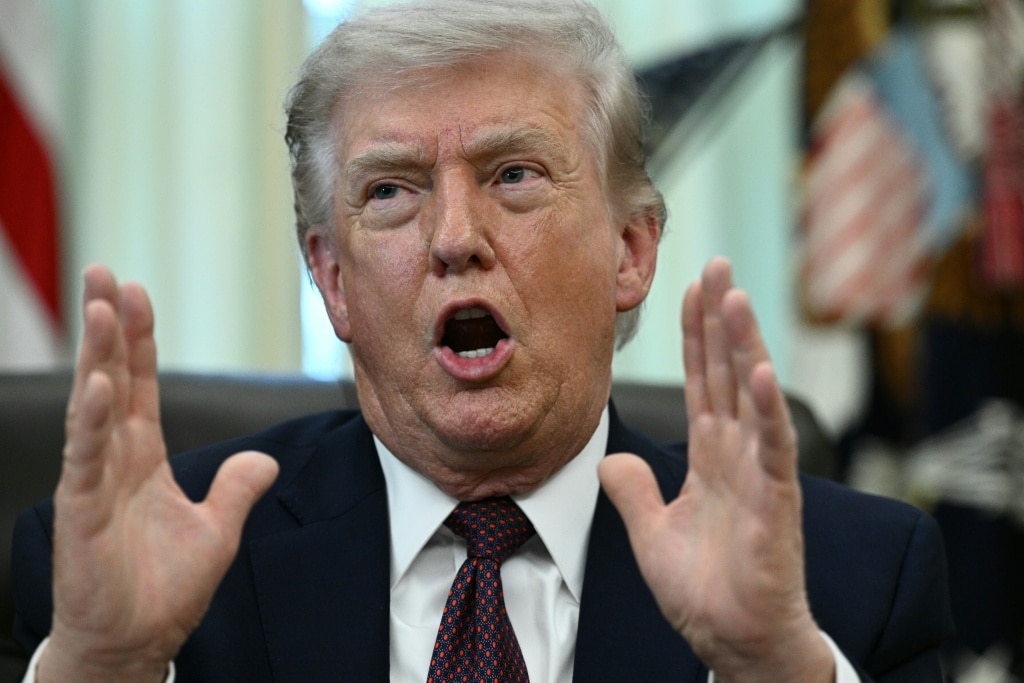
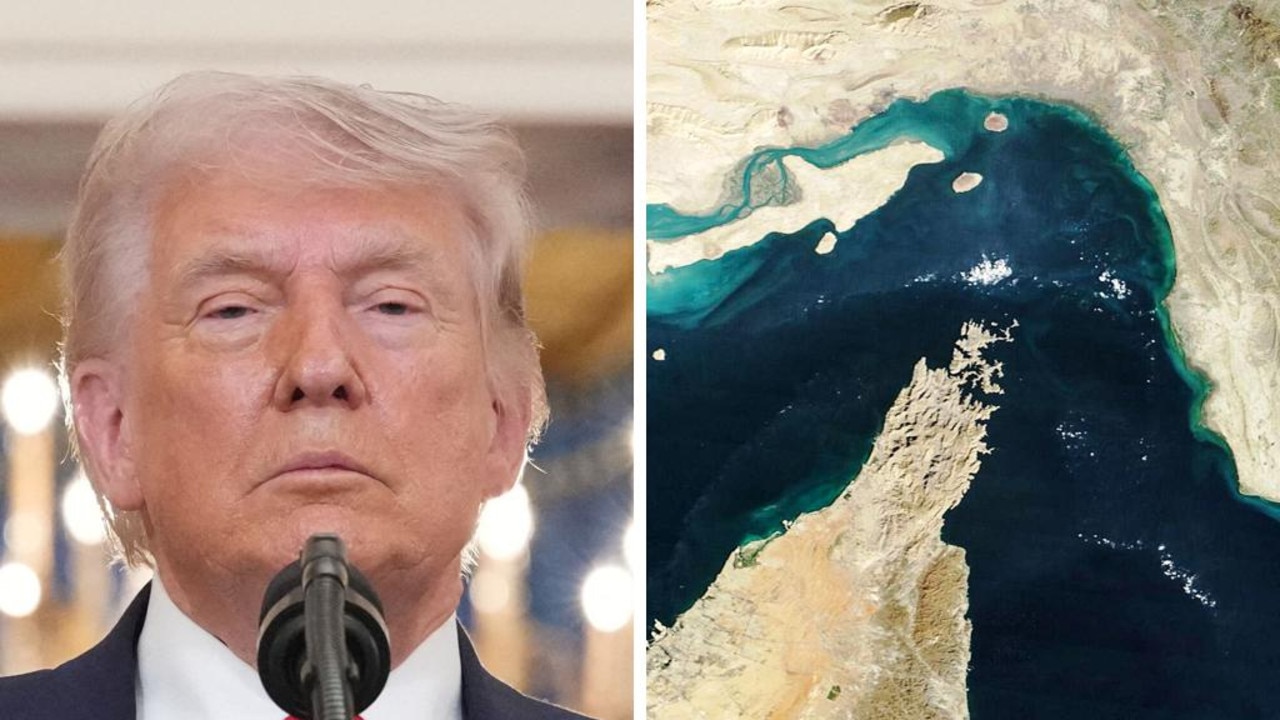
    Local time Saturday saw Trump, the Republican incumbent leading U.S. military operations against Iran, deliver the ultimatum: Tehran must reopen the critical global oil chokepoint, or the U.S. will unleash “all hell” on the Islamic Republic. Earlier, in a national address, Trump laid out a public timeline for the conflict, stating that joint U.S.-Israeli military operations against Iran would conclude within two to three weeks.

    Australian Assistant Immigration Minister Matt Thistlethwaite confirmed that Canberra is aligning its expectations with the U.S. timeline, telling Sky News the federal government remains hopeful the conflict will wrap up soon. “The original goal of military action against Iran was to degrade and eliminate the country’s nuclear capabilities,” Thistlethwaite explained. “Per President Trump and U.S. intelligence assessments, that objective has already been accomplished. On that basis, we want to see rapid de-escalation, and a swift return to normal operations through the Strait of Hormuz.”

    Thistlethwaite added that Trump, who has full access to intelligence briefings and military input, shares the assessment that the conflict is drawing to a close. Even so, the Australian government has prepped contingency plans under its national fuel security framework to guarantee continued access to fuel for Australian households and businesses, and to cap upward price pressure as much as possible if hostilities drag on.

    Already this week, the Albanese government has enacted two temporary cuts to the national fuel excise tax. The second cut was finalized only after state and territory governments reached an agreement on how to allocate GST windfall gains to offset the revenue loss from the tax reduction. Thistlethwaite acknowledged that despite expected de-escalation, the conflict will leave a “long tail” of economic impacts that will be felt in Australia for months to come.

    To shore up supply, the federal government has already secured direct assurances from key Southeast Asian and East Asian fuel suppliers, which account for the majority of Australia’s imported fuel. “I met last week with Japan’s energy minister, and requested that existing supply volumes continue,” Thistlethwaite said. “Tokyo has given me a formal assurance that normal supply will hold. I’ve secured the same commitment from South Korea and Singapore, our three main suppliers. At the same time, we are actively diversifying our supply chains, and we have already started receiving additional fuel shipments from the United States to cover any gaps. We are covering all bases to expand supply diversification and secure as much fuel as possible for the domestic market.”

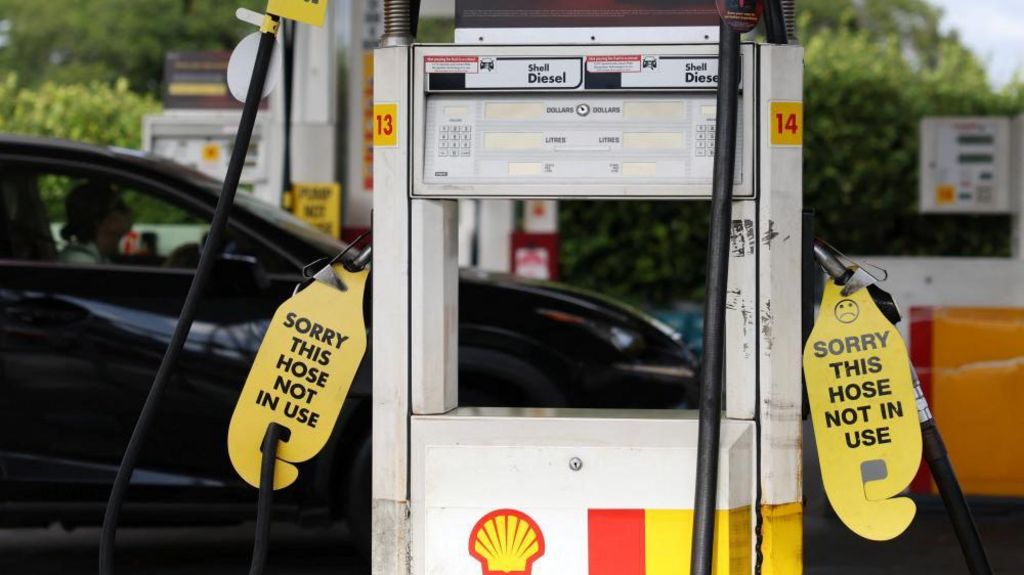
    The severity of the current supply crunch came into clear focus Saturday, when Federal Energy Minister Chris Bowen confirmed that more than 600 fuel stations across Australia have already run out of at least one grade of fuel, with 410 stations entirely out of diesel. The most acute shortages are in New South Wales, where 182 stations have no diesel and 48 are out of all petrol grades. Bowen urged the public to avoid panic buying, advising: “I encourage people to act sensibly. Only fill up when you need to, only take as much fuel as you normally would, and don’t stockpile.”

    Amid the domestic upheaval, opposition foreign policy figure and Liberal Senator Dave Sharma has backed the assessment that the conflict will end soon, predicting hostilities will wrap up within two to four additional weeks. Sharma told Sky News that Trump is eager to wrap up military operations, having concluded that Iran’s nuclear program and ballistic missile infrastructure have already been severely set back. While Trump has publicly held out hope for further political change in Iran, and has called for the Strait of Hormuz to be reopened, Sharma noted the U.S. leader is not making an end to operations conditional on the strait reopening immediately.

    Sharma added that the marine expeditionary forces the U.S. has deployed to the Middle East give Trump flexible options to seize strategic territory if needed, though he does not expect a full-scale ground invasion of Iran. “The most likely move would be seizing key islands within the Strait of Hormuz to allow unimpeded control of commercial shipping through the waterway,” he explained.

    Sharma’s position puts him at odds with fellow Liberal frontbencher Andrew Hastie, a prominent critic of both the conflict and Trump’s handling of it. Sharma argued that even if hostilities end immediately, Iran’s ability to foment regional instability and export terrorism has already been permanently reduced.

    The developments come on the heels of an emergency diplomatic meeting attended by Australia, the United Kingdom, and more than 40 allied nations focused on coordinating efforts to reopen the Strait of Hormuz, one of the world’s most critical chokepoints for global oil supplies.
  • ‘Where’s it come from?’: Business owners smashed by RBA surcharge change

    ‘Where’s it come from?’: Business owners smashed by RBA surcharge change

    Starting October 1, 2026, one of Australia’s most widely resented hidden consumer fees will disappear entirely, as the Reserve Bank of Australia (RBA) enforces a full ban on card payment surcharges. But small business owners across the country are already sounding the alarm: the policy change will backfire dramatically, pushing up general prices for all Australian consumers and forcing many small operators to close their doors.

    The RBA’s long-awaited review of merchant payment costs and surcharging, released Tuesday, outlined three major reforms to Australia’s retail payment network. The core change is a total ban on separate card surcharges, requiring all businesses to include credit and debit card processing costs in their advertised sticker prices. To offset the burden of this shift, the central bank is lowering interchange fees – the charges paid by a merchant’s bank to a customer’s card-issuing bank – and has pledged to increase transparency around fees levied by major card networks. The RBA projects the reforms will save Australian consumers up to $1.6 billion annually, even as officials acknowledge not all savings will reach household budgets.

    But small business owners say the RBA’s math ignores the reality of operating on thin margins amid a prolonged cost of living crisis, and argue any lost revenue from eliminated surcharges will simply be passed to shoppers through higher base prices.

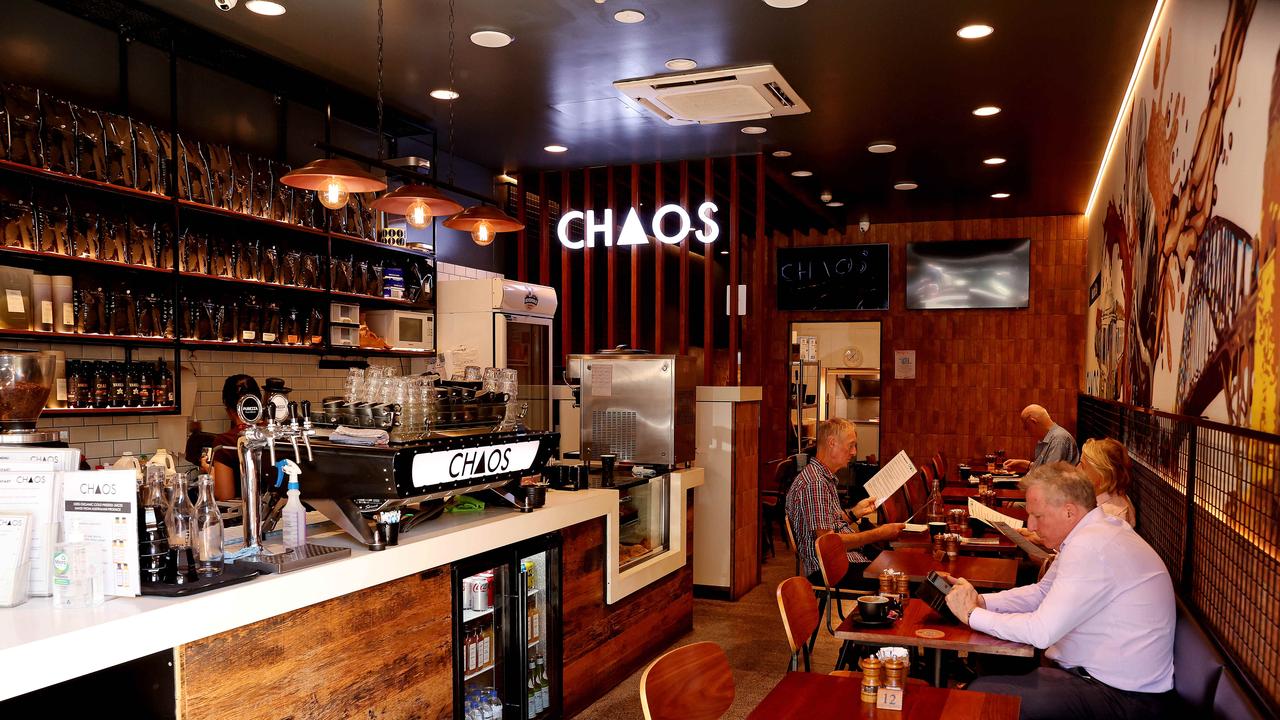
    Kodar Eid, owner of Chaos Cafe with locations in Neutral Bay and Mosman, warned the change will deliver a devastating financial hit. For his Neutral Bay store alone, Eid estimates annual costs will jump by $22,000 when the ban takes effect. “That $22,000 isn’t going to disappear – where do you think it’s going to come from? What margin do you think I’m working with?” Eid asked. “Cost of living affects small businesses too. Small businesses absorb as much as they can, but if I take a $22,000 hit, I’ll be one of the businesses that close.”

    Eid explained that for nearly 13 years, separate surcharges allowed his cafe to keep base menu prices lower, meaning customers paying with cash or debit cards did not bear the cost of credit card processing. The timing of the ban, he added, could not be worse: cafes already face soaring energy and supply chain costs, with many operators absorbing extra supplier fuel levies to keep prices low for struggling households. As discretionary spending drops amid cost of living pressures, cafes are already seeing fewer customers, and the new cost burden will only worsen the crisis. “The people in the room that made the decision, don’t they have a background in economics?” Eid said. “We are supposed to be happy they slugged the banks 0.3 per cent – seriously. Why not tell the bank to absorb the 1.2 per cent and the small business can cop the 0.3 per cent.”

    Industry leaders echo Eid’s concerns, arguing the ban shifts the entire cost of card processing onto small businesses and all consumers, rather than forcing card users to pay for the benefits they receive. John Arnott, director of AMP Bank Go, said that if bank processing fees remain high, small businesses have no choice but to pass the costs onto all consumers through higher sticker prices.

    “If surcharges are banned but bank fees stay high, small businesses are left carrying the cost. Australians will pay, just in less visible ways,” Arnott said. “You may not see a surcharge at the terminal, but you will start to see the surcharge flow through to the ticket. And small businesses are telling us they’ve got no choice. They’re already running on the smell of an oily rag.”

    Arnott added that while big banks and card networks continue to record billions in annual profits, small business conditions are worsening rapidly. “If banks don’t slash card fees, Australians will keep paying – full stop. At some point, enough is enough, and small businesses need to start voting with their feet. And the payments industry needs to walk the talk.”

    Critics also point out that cash and debit card users will be the biggest losers under the new rule. Currently, Australians pay roughly $1.6 billion in annual card surcharges, while businesses pay $200 million in fees to card providers. Jason Bryce, founder of Cash Welcome, argues that by banning surcharges for both debit and credit cards, the RBA has gone far beyond the original goal of cutting consumer costs – a move first flagged by the Prime Minister as a cost of living relief measure for debit card users.

    “I’m concerned cash users are going to end up paying for the frequent flyer points and the benefits that accrue to people using fancy premium credit cards,” Bryce said. “So who is losing? Ordinary bank account holders with a debit card, cash users, people on a budget – and I can’t see how small businesses are going to like this at all.”

    Bryce added that the ban does not eliminate processing fees, it simply hides them. “There’s no transparency, no little sign at the cash register that says if you pay this way it will cost you this much. Those signs, while very annoying, are very transparent.” He also noted that the RBA’s original 1990s surcharge framework made Australia a global leader in transparent card transaction pricing, a status the new reforms will end.

    Not all observers oppose the change, however. Sally Tindall, data insights director at comparison site Canstar, said the reforms will simplify checkout pricing and crack down on hidden price-gouging. Canstar survey data of 3,001 Australian adults found 33 percent of shoppers switch to cash when a surcharge is applied, indicating widespread frustration with separate checkout fees.

    “These changes will simplify the system, stop any price-gouging and help consumers compare apples with apples at the checkout,” Tindall said. “It’s a tiny fee in isolation, but plonked on top of the cost of a flat white every day, is enough to make people see red.”

    But for small business owners already teetering amid rising costs, the reform is just one more burden that will leave both operators and consumers worse off. Arnott summed up the widespread industry concern: “It’s tough for small business right now, and the way things are headed, there’s only going to be more pain. Supporting local businesses matters – they’re at the heart of our communities and local economies. It’s your mate, your cousin, your local barista.”

  • Russian strike on Ukraine market kills five, wounds 25

    Russian strike on Ukraine market kills five, wounds 25

    Amid a sharp escalation of daytime strikes across Ukraine, a Russian drone attack on a crowded covered market in the central Ukrainian city of Nikopol has left five civilians dead and 25 others injured, local officials confirmed Saturday. The assault, which occurred at 9:50 a.m. local time in the Dnipropetrovsk region, marked the latest shift in Russia’s long-running invasion tactics, after years of mostly nighttime bombardments that have given way to increasingly frequent daytime attacks in recent weeks.

    Regional governor Oleksandr Ganja announced via Telegram that the fatalities included three women and two men. Among the wounded, a 14-year-old girl was listed in critical condition, adding a devastating new layer of tragedy to the attack on the civilian commercial site. Ukraine’s State Emergency Service published on-the-scene images showing firefighters battling blazes and clearing rubble at the devastated market, illustrating the scale of destruction from the strike.

    The Nikopol attack was part of a broad wave of bombardment that stretched across multiple Ukrainian regions over a 24-hour period Saturday. In the northeastern frontline city of Kharkiv, six additional civilians were wounded in ongoing morning strikes. Overnight prior to the attack, the Ukrainian Air Force reported that Russia launched 286 drones across the country, with 260 successfully intercepted by Ukrainian air defenses. In the northern Sumy region, overnight strikes targeting residential neighborhoods and civilian infrastructure left 11 people injured, with emergency service images showing upper floors of a residential building fully engulfed in flames. Closer to the frontline in the southeastern city of Kherson, one additional woman was killed and two others wounded in a separate strike.

    Cross-border violence extended into Russian territory over the same period, as Russian officials reported multiple fatalities and injuries from incoming attacks. In Taganrog, a city in Russia’s southern Rostov region bordering Ukraine, a combined missile and drone strike killed one civilian and left four others with serious injuries, according to regional governor Yuri Slyussar. Slyussar also added that a foreign-flagged cargo ship anchored in the Sea of Azov caught fire after being struck by falling drone debris. In Russian-occupied Lugansk, the Moscow-backed local administration claimed a nighttime Ukrainian drone strike on railway infrastructure killed a family of three, including an eight-year-old child, in their private home.

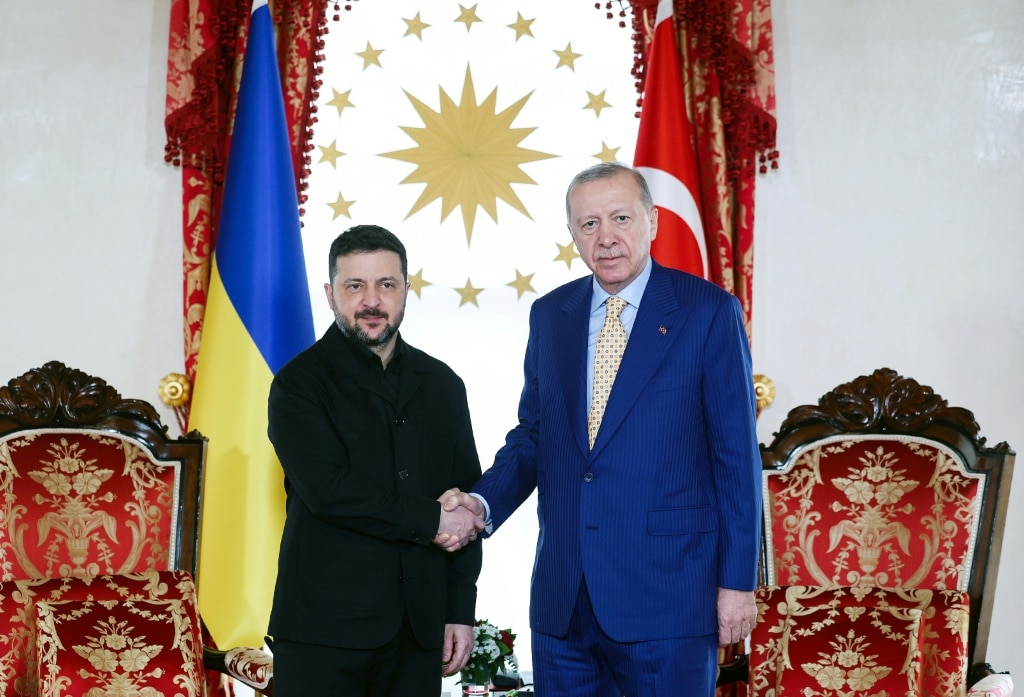
    The latest wave of violence comes as peace negotiations between the two countries remain deadlocked, with diplomatic efforts hampered by ongoing conflict in the Middle East. On Saturday, Ukrainian President Volodymyr Zelensky made an unannounced visit to Istanbul for security talks with Turkish President Recep Tayyip Erdogan, a long-time mediator between Kyiv and Moscow. Earlier this week, Zelensky signaled Ukraine’s openness to a temporary truce during the Orthodox Easter holiday, but the Kremlin rejected the overture, stating it had not received any clearly formulated peace proposals.

    Kyiv has repeatedly accused Moscow of dragging out the conflict to seize additional Ukrainian territory, arguing the Kremlin has no genuine interest in a negotiated peace. For its part, Russia has said it prefers a long-term permanent settlement over a short-term ceasefire that would only pause hostilities. Negotiations mediated by the United States have been on hold since the outbreak of war in the Middle East diverted global diplomatic attention.

    In comments published Friday, Zelensky told reporters he had invited a U.S. negotiation delegation to travel to Kyiv to restart talks with Moscow, with a plan for the delegation to travel to the Russian capital after holding initial discussions in Ukraine. “If a three-party meeting doesn’t work out, we can proceed this way,” he explained. Amid the Middle East crisis, Ukraine has moved to position itself as a key partner for regional nations facing drone threats similar to those Russia has launched against Ukraine, pointing to shared experience countering Iranian-designed unmanned aerial vehicles. Just last week, Zelensky completed a tour of Gulf nations, signing new defense cooperation agreements with Qatar and Saudi Arabia. He also floated the idea that Ukraine could help re-open the Strait of Hormuz, whose frequent disruptions from Iranian retaliatory actions have shaken global energy markets, drawing on Kyiv’s experience clearing safe passage through the Black Sea after Russia’s initial blockade at the start of the invasion in 2022.

  • Australians told to continue Easter travel plans despite fuel shortages

    Australians told to continue Easter travel plans despite fuel shortages

    As Australia prepares for the Easter holiday, a national fuel crisis driven by Middle East geopolitical tensions has put the government in a delicate position: urging residents to proceed with planned getaways while calling for strict fuel conservation. The disruption stems from escalating conflict between the United States and Iran linked to Israel, which has effectively closed the Strait of Hormuz — the world’s most critical chokepoint for global energy shipments.

    Australia’s energy sector is uniquely vulnerable to this disruption, with roughly 90% of the nation’s fuel supply imported from Middle Eastern producers. As of Saturday, Energy Minister Chris Bowen confirmed that 312 of Australia’s approximately 8,000 service stations are currently out of diesel, with shortages concentrated disproportionately in regional and rural areas where supply replenishment takes far longer than in major urban centers. To reassure the public, Bowen released official reserve figures in televised comments: the country holds 39 days of petrol reserves, 29 days of diesel, and 30 days of jet fuel stockpiled for emergency use.

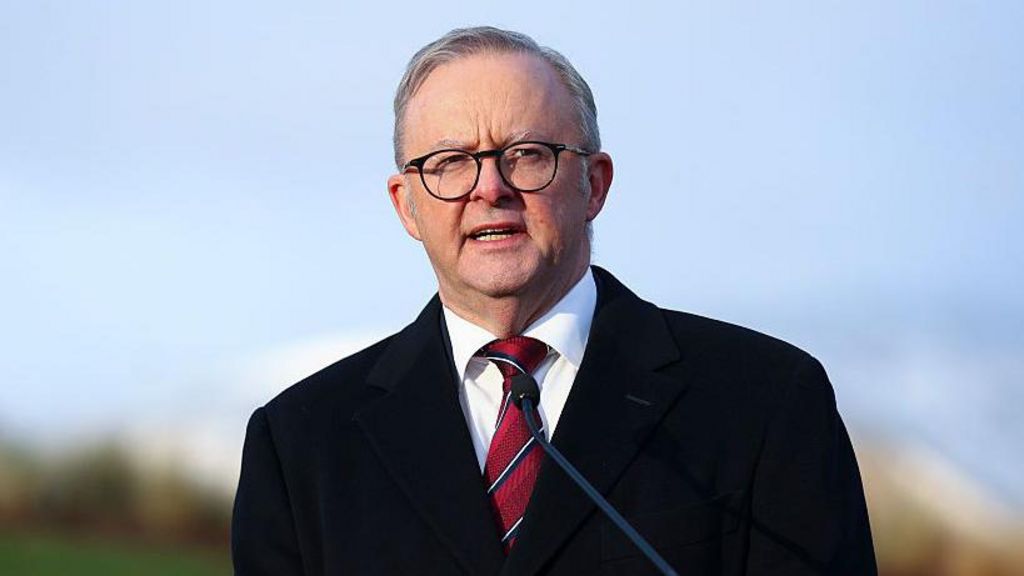
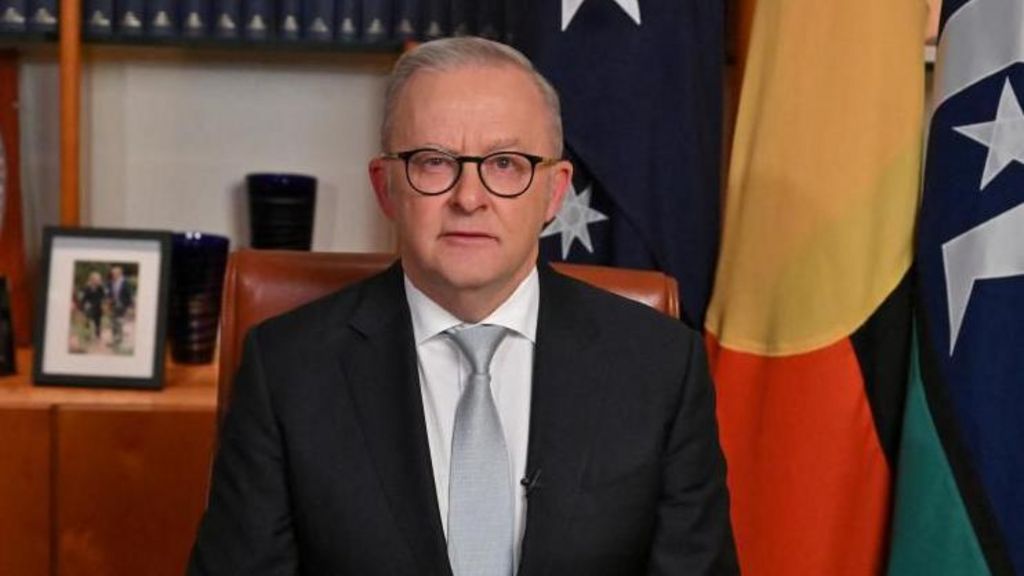
    In a rare national address earlier this week, Prime Minister Anthony Albanese warned Australian households that the economic fallout from the Middle East conflict will persist for months. “Australia is not an active participant in this war. But all Australians are paying higher prices because of it,” he stated, echoing a message that has been reinforced by government officials across departments. Albanese has urged residents to cut back on non-essential fuel consumption and shift to public transit for daily travel where feasible. In line with this guidance, Bowen encouraged Easter travelers Saturday to stick to necessary fuel purchases, saying “Go take a break — but get no more fuel than you need,” while affirming that Easter, as a time of faith and family gathering, remains an important occasion for communities across the country.

    While the blockade has halted nearly all commercial shipping through the strait — which carries roughly 20% of the world’s daily oil and natural gas supplies — limited transits have begun to resume in recent weeks. According to French media reports, a container ship flagged in Malta and owned by leading French shipping firm CMA CGM completed a traversal of the waterway Friday. Shipping analysts confirm this marks the first time a major Western European shipping company has moved a vessel through the strait since hostilities broke out in late February. The company has not yet issued a public comment on how the vessel secured safe passage.

    A handful of other vessels have also completed successful transits in recent weeks. Japanese energy infrastructure firm confirmed one of its liquefied natural gas carriers crossed the strait without incident. On Saturday, Turkey’s Minister of Transport Abdulkadir Uraloglu announced that a second Turkish-flagged vessel had completed the crossing, one of 15 Turkish ships that have been anchored waiting for passage since conflict erupted. Uraloglu told CNN Turk that the transits were made possible through Turkish diplomatic initiatives, and that the two vessels were either calling at Iranian ports or carrying cargo originating from or bound for Iran. The first Turkish transit, granted Iranian approval, took place on March 13.

    Third-party data from BBC Verify, analyzed in late March, shows that roughly 100 vessels have passed through the strait since the blockade began. Though overall traffic remains down by approximately 95% compared to pre-conflict levels, the limited transits confirm that the waterway has not been completely closed to all shipping. Iran has publicly stated that “non-hostile vessels” are permitted to use the strait, but continued attacks on commercial shipping in the area have deterred most major global carriers from resuming normal operations. The disruption has sent fuel prices soaring in Australia and across global markets, prompting governments worldwide to roll out fuel conservation measures to offset supply shortages.

  • Teen critically injured after falling from car bonnet in Cloverdale

    Teen critically injured after falling from car bonnet in Cloverdale

    A terrifying late-night incident in Perth’s Cloverdale neighborhood has left a 19-year-old woman in critical condition, sparking an urgent investigation by state law enforcement officials.

    The event unfolded at approximately 10:00 p.m. on Friday along Arlunya Avenue, according to official police statements. The young victim had been riding on the outer bonnet of a white Hyundai i30, which was operated by another 19-year-old woman with whom she is acquainted. Mid-journey, the victim lost her balance and fell onto the pavement, suffering severe trauma in the impact.

    Emergency response teams from St John WA quickly arrived at the scene, stabilised the injured teenager, and transported her directly to Royal Perth Hospital for urgent care for her critical head injuries. Multiple sources confirm she remains in a critical, life-threatening condition as of the latest update.

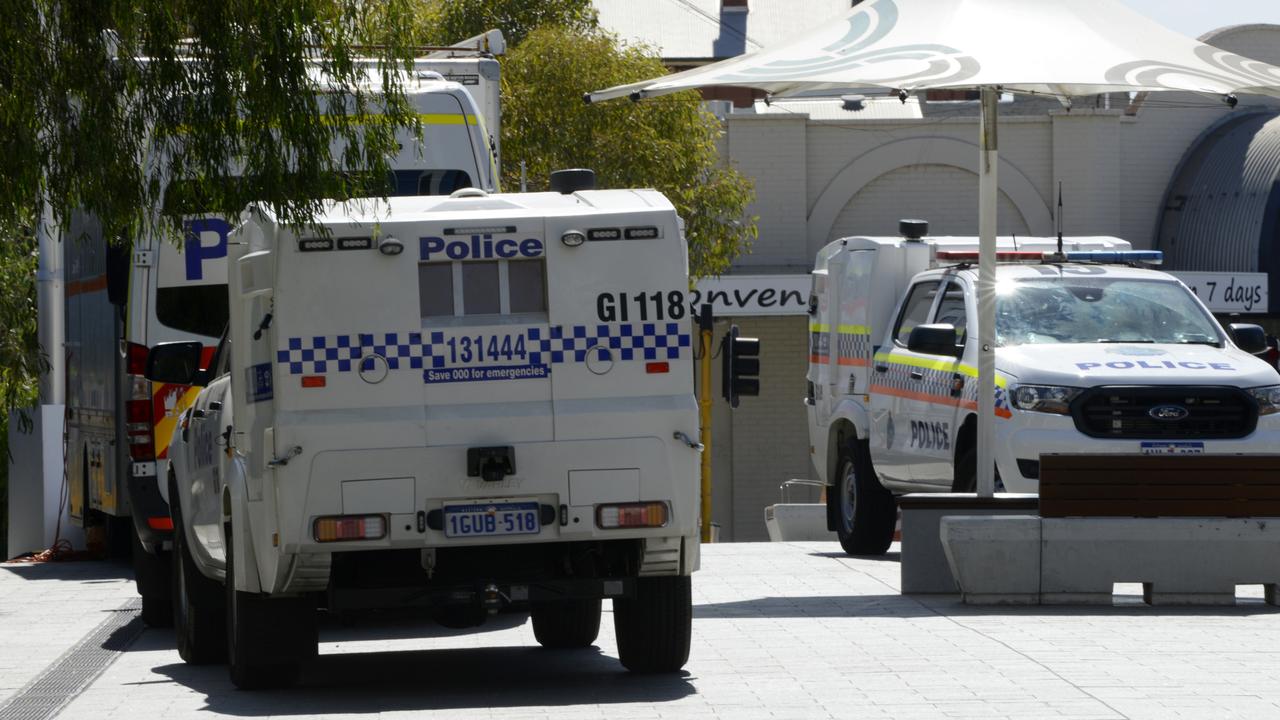
    Officers from Western Australia Police’s Major Crash Investigation Section have taken charge of the case, with investigators currently processing the incident site and working to reconstruct the full sequence of events that led to the fall. To fill gaps in the ongoing probe, law enforcement has issued a public appeal for any members of the community who saw the incident unfold, or who have additional details relevant to the case, to come forward.

    Witnesses and anyone with information are encouraged to submit tips through Crime Stoppers WA’s official online portal or by calling the toll-free witness hotline at 1800 333 000. No further details about the circumstances of the ride, or potential charges related to the incident, have been released by police as the investigation remains in its early stages.

  • Thousands to get brand new burgundy bins in FOGO challenge

    Thousands to get brand new burgundy bins in FOGO challenge

    A major local governing body in Sydney is moving forward with the next stage of a divisive food waste management pilot program, rolling out 1,200 purpose-built dedicated bins for household food scraps across selected residential areas.

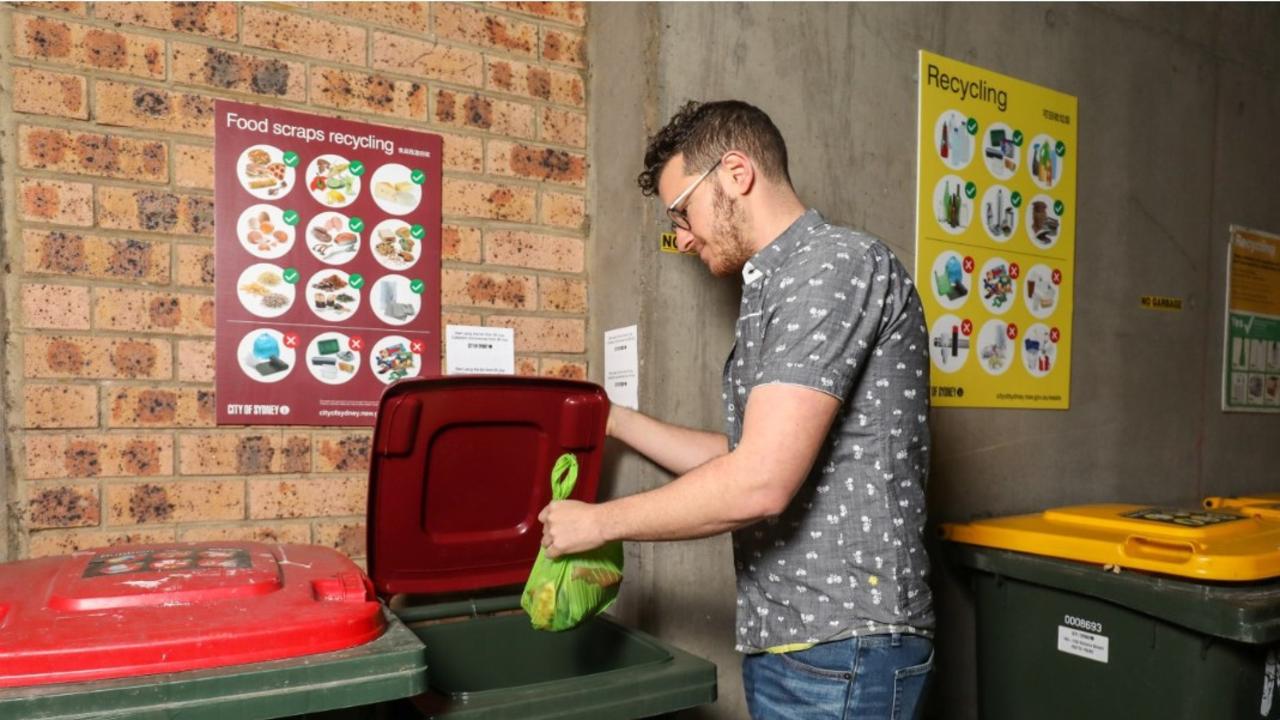
    New South Wales’ Northern Beaches Council will begin distributing the distinct burgundy food waste bins to participating homes this month, marking a new chapter in the region’s preparations to meet a state-wide mandate that requires every local council to offer formal food waste collection services by 2030.

    This latest iteration of the trial departs from the first phase, launched in 2025, which combined food waste collections with existing garden waste pickups. During the initial stage, 1,700 households in the Cromer and Dee Why suburbs were given compostable bags to dispose of food scraps alongside their green garden waste bins, with collections occurring once every two weeks. For residents not included in the trial, food waste continues to be collected weekly alongside general rubbish, and all of it ends up in crowded landfills across the state.

    By contrast, the new dedicated burgundy bins in the second phase will be collected on a weekly basis, giving council researchers an opportunity to compare two different collection models. The second phase will focus on 1,200 randomly selected homes across Terrey Hills, Fairlight and Manly Vale, with the entire five-month pilot designed to test how separate food waste collection works across different property types, from large family homes to small granny flats.

    Participating households have already been notified of their inclusion in the program, and council crews will deliver the new bins, countertop kitchen caddies for in-home storage, pre-purchased compostable bin liners and full usage instructions to all participating properties during the first week of the trial.

    Early results from the first phase proved promising: over the testing period, crews collected roughly 330 tonnes of combined food and garden waste, which was processed at regional recycling facilities and turned into nutrient-rich compost for agricultural use across New South Wales. Even with these positive early outcomes, the pilot has remained controversial among some residents, who have raised concerns about additional bin storage requirements, collection scheduling changes and potential odour issues from weekly food waste storage.

    Once the five-month second phase concludes, council leadership will analyze data from both pilot models to identify the most efficient, cost-effective and resident-friendly approach for full rollout ahead of the 2030 state deadline.

  • Unanswered questions remain after Australia’s most wanted fugitive killed in standoff

    Unanswered questions remain after Australia’s most wanted fugitive killed in standoff

    After seven months of one of the largest and most intensive manhunts in Australian history, the search for Dezi Freeman — the fugitive who killed two police officers in August 2025 — ended on Monday in a fatal standoff at a remote rural campsite, leaving a community grappling with partial closure and lingering unanswered questions.

    Weeks earlier, investigators had publicly stated they strongly believed Australia’s most wanted man had died while evading capture in the rugged mountain bushland where he vanished shortly after the double shooting. Freeman, a well-known conspiracy theorist and self-identified “sovereign citizen” who went by the alias Desmond Filby, fled into the dense bush near the small Victorian town of Porepunkah immediately after ambushing two officers who arrived at his property to execute a search warrant over historical child sex abuse allegations.

    The operation concluded on a remote farm in Thologolong, a tiny community located near the border of Victoria and New South Wales. According to Victoria Police Chief Commissioner Mike Bush, officers maintained a 24-hour covert stakeout of Freeman’s ramshackle campsite, set up inside disused shipping containers, before calling on him to surrender. “We gave him every opportunity to come out peacefully and safely. He didn’t take that option,” Bush confirmed to reporters.

    Local media reports, citing unnamed police sources, state that after three hours of negotiations, Freeman emerged from one of the containers at approximately 8:30 a.m. local time, armed with a weapon stolen from the two slain officers. Multiple police snipers fired simultaneously, killing him at the scene.

    The outcome came as a profound shock to Thologolong’s small local population of just 22 residents. The land where Freeman set up camp is owned by elderly farmer Richard Sutherland, who has been staying in Tasmania for months, according to his brother and neighbor Neil Sutherland. Sutherland confirmed the property owner had no connection to Freeman and did not share his extremist beliefs. In recent weeks, some local road signs were found graffitied with Freeman’s name, which local cattle farmer Janice Newnham told the BBC she had dismissed as a tasteless April Fool’s Day prank. Newnham added she remains skeptical any local resident knew of Freeman’s hiding place, noting that in the tiny tight-knit community, “everyone seems to know what everyone else is doing.”

    From the early days of the manhunt, Freeman’s intimate knowledge of the local alpine terrain and off-grid survival skills gave investigators a major disadvantage, explained Dr. Vincent Hurley, a former police hostage negotiator and current policing lecturer at Macquarie University. Unlike urban fugitives, who leave traceable digital footprints from mobile phones, travel and financial transactions that can be tracked via modern tools like facial recognition, Freeman operated in an unpopulated wilderness with no digital footprint. “There was no easy way to actually try and track him down because they literally just had to go searching through the bush, and that’s pretty, pretty rare,” Hurley said.

    The only comparable recent case in Australia was that of Malcolm Naden, who evaded capture for nearly seven years in New South Wales before being arrested in 2012. But unlike Naden, who left a clear trail of broken into properties and temporary campsites, Freeman left no trace of his movements for seven months. That complete lack of evidence has led police to conclude the fugitive received outside help to stay off the grid.

    “We’re keen to learn who, if any – but we suspect some – assisted him in getting away from Porepunkah… if anyone was complicit, they will be held accountable,” Bush told reporters. While it is physically possible to walk the 150-kilometer route from Porepunkah to Thologolong, investigators consider this extremely unlikely: the trail crosses rugged, heavily forested mountain terrain, with extreme temperatures ranging from sub-freezing in winter to 40 degrees Celsius in summer, conditions that make independent travel and survival nearly impossible. Police sources also indicate Freeman likely only arrived at the Thologolong campsite recently, after severe bushfires swept through the region in January, burning within a kilometer of the property and forcing a full evacuation of the area that saw constant emergency service and air patrol activity.

    Physical evidence from the campsite further supports the theory of outside assistance. Photos published by local media show recently installed air ducts fitted to the shipping container Freeman hid in, a modification that would likely require multiple people to complete. Three camping chairs and an open case of beer found at the site also suggest Freeman was not alone at the camp. Police have closely monitored Freeman’s family throughout the manhunt, who have publicly condemned his actions; his wife was reportedly shocked by the news of his discovery, having long believed he was already dead.

    Hurley said he believes any accomplices are almost certainly fellow sovereign citizen believers, who reject the authority of government and law enforcement. No ordinary local would support Freeman after the brutal killing of two officers, he argued, adding that Freeman was known to be a loner with few close connections outside his ideological circle. Hurley also believes the tip that led police to Freeman’s hideout did not come from within the sovereign citizen movement, whose members are deeply anti-police and unlikely to cooperate. For Freeman himself, Hurley added, surrender was never a realistic option: “Being captured alive, that would be the ultimate humiliation and betrayal to him as a person. For the duration of the time he was at large, he was symbolically giving the middle finger to the police all over Australia.”

    Many key questions about the manhunt and Freeman’s seven months on the run may never be answered, Bush has hinted. The investigation into potential accomplices is still in its early stages, and the police chief confirmed that while investigators received information that led them to the hideout, details of how the tip was obtained will remain confidential. Notably, no one has come forward to claim the AU$1 million reward offered for information leading to Freeman’s capture, and Bush said all details related to the reward and the investigation’s final phase will remain “absolutely confidential.” Adding, “I’m quite sure we’ll never be sharing those details.”

  • Australia to crack down on gambling ads after years of criticism

    Australia to crack down on gambling ads after years of criticism

    Australia, which holds the unenviable title of the world’s highest per capita gambling losses, has finally introduced long-awaited regulations on gambling advertising after years of mounting public pressure for change. While the new package of measures imposes stricter limits on where and when gambling promotions can run, and who is allowed to feature in them, it stops short of the full industry-wide ban that had secured cross-party political support and backing from dozens of community and public health organizations across the country.

    The proposed restrictions faced fierce opposition ahead of their announcement from powerful domestic gambling agencies, major media outlets, and national sports organizations, all of which warned that a full ban would trigger a catastrophic collapse in their annual revenue streams. The push for comprehensive reform dates back more than 1,000 days, when a federal parliamentary inquiry into gambling harm recommended Australia follow the lead of nations including Italy, Belgium and Spain, which have implemented full or near-total bans on gambling advertising.

    Speaking at the National Press Club on Thursday, Prime Minister Anthony Albanese defended his government’s approach, framing the partial restrictions as a measured compromise that strikes the right balance for the nation. “Letting adults have a punt if they want to, but making sure our children don’t see betting ads everywhere they look,” Albanese said of the policy’s core goal.

    The full slate of reforms is set to take effect from January 1 next year, and includes a series of targeted restrictions across broadcast, digital and physical platforms: TV gambling advertisements will be capped at three spots per hour between 6 a.m. and 8:30 p.m., with a complete ban on promotions during all live sports broadcasts in that same window; radio gambling ads will be prohibited during school drop-off and pick-up hours to reduce child exposure; celebrities and professional athletes will be banned from appearing in any gambling marketing; online platform gambling ads will only be allowed for logged-in users over 18 who have explicitly opted in to seeing promotions; all gambling advertising will be outlawed in live sports venues, and from the uniforms of players and game officials.

    Beyond advertising restrictions, the government also announced a wider crackdown on unregulated illegal offshore gambling sites, and will ban additional forms of online gambling including online Keno and digital platforms designed to mimic physical poker machines.

    Almost immediately after the reforms were unveiled, the policy drew backlash from both the gambling industry and reform advocates, leaving neither side satisfied with the final outcome. For industry groups, the new rules go too far, with leaders warning of widespread economic harm.

    Kai Cantwell, chief executive of Responsible Wagering Australia, the national peak body for domestic betting agencies, called the new measures “draconian” and claimed they set a “dangerous precedent” for regulation of other consumer industries. “Today it’s gambling advertising, tomorrow it’s alcohol, then it’s sugary drinks, fast food, critical minerals and who knows what else comes next,” Cantwell said in an official statement. He added that the government had caught the sector off guard, noting the industry supports 30,000 Australian jobs and provides major funding for domestic sports, horse racing and broadcast industries.

    A spokesperson for Sportsbet, one of Australia’s largest betting operators, said the company was concerned that the “overly blunt” restrictions could have unintended consequences that ultimately increase harm, including pushing more Australian gamblers to use unregulated illegal offshore betting platforms that are not subject to the same rules. The spokesperson added that Sportsbet had already recognized shifting community attitudes toward gambling advertising and taken proactive steps to limit harmful promotion on its own.

    On the other side of the debate, public health and gambling reform advocates say the reforms do not go nearly far enough to protect vulnerable communities and children from exposure to gambling marketing. Reverend Tim Costello, a leading voice for the Alliance for Gambling Reform, which has pushed for a full ban across broadcast and digital platforms as well as the creation of a dedicated national industry regulator, drew a comparison to tobacco regulation to criticize the partial cap on ads. “Imagine three cigarette ads per hour,” Costello said. “Australian children deserve to grow up in a country that puts their wellbeing before corporate profits.”

    Julian Rait, vice-president of the Australian Medical Association, echoed that criticism in a statement, arguing that “partial bans do not work.” “Anything less than a comprehensive ban will continue to expose Australians – especially children – to relentless gambling promotion,” Rait said.

  • Iran war economic shocks will last ‘months’, says Australia’s PM

    Iran war economic shocks will last ‘months’, says Australia’s PM

    In an uncommon televised national address delivered Wednesday, Australian Prime Minister Anthony Albanese has delivered a stark warning to citizens: the economic fallout from the ongoing Middle East conflict involving Iran will ripple through Australian households for months to come. The rare national address, a format reserved for defining moments of national and international crisis — most recently deployed during the COVID-19 pandemic, and prior to that during the 2008 global financial crisis — comes amid unprecedented volatility in global fuel markets triggered by the conflict and the near-total closure of the Strait of Hormuz.

    Albanese emphasized that while Australia is not a direct participant in the hostilities, all Australians are already bearing the cost of the conflict through skyrocketing fuel prices. The conflict has caused the single largest spike in petrol and diesel prices on record, with cost-of-living pressures already hitting household budgets across the country. Around 20% of the world’s total oil and natural gas supplies pass through the Strait of Hormuz, making its effective blockade a critical disruption to global energy markets. Countries across the globe, Australia included, have recorded sharp jumps in fuel prices in recent weeks, prompting governments to roll out emergency measures to stabilize supplies.

    The Prime Minister acknowledged that the weeks and months ahead will bring financial hardship for many Australian families, and made clear that no federal government can fully insulate the country from these sweeping global economic pressures. The warning comes after reports of panic buying at petrol stations across the country, which left multiple retailers dry of fuel, and follows earlier efforts from Albanese to calm public anxiety.

    In response to the crisis, the Australian government has unveiled a package of temporary emergency measures designed to ease immediate cost burdens for consumers and businesses. The plan includes a 50% cut to the national fuel excise tax and a three-month suspension of road user charges for heavy commercial vehicles. To strengthen domestic supply chains, officials are also working to boost domestic fuel stockpiles and increase imports through regional alliances under a newly finalized National Fuel Security Plan.

    Alongside government action, Albanese called on all Australians to do their part to conserve fuel supplies, particularly for essential industries that rely on steady energy access to function. He urged residents to avoid unnecessary fuel use, and encouraged people to switch to public transport for daily commutes where possible. While calling for voluntary conservation, the Prime Minister also reassured the public that there is no need to disrupt daily life, urging Australians to go forward with planned Easter holiday travel as scheduled. “You should go about your business and your life, as normal,” he said, adding: “Enjoy your Easter. If you’re hitting the road, don’t take more fuel than you need — just fill up like you normally would. Think of others in your community, in the bush and in critical industries. And over coming weeks, if you can switch to catching the train or bus or tram to work, do so.”

    Closing the address, Albanese struck a unifying tone, framing the challenge as one that Australia can overcome through collective action and mutual support, echoing the national resilience that has seen the country through past crises. “We will deal with these global challenges, the Australian way,” he said. “Working together — and looking after each other. As we always have.”

  • Israel strikes Iran’s capital as Trump set to address US on war

    Israel strikes Iran’s capital as Trump set to address US on war

    In a sharp escalation of the month-long Middle East conflict that began with coordinated US-Israeli attacks on Iran on February 28, Israel carried out a wide-ranging wave of airstrikes targeting Iran’s capital Tehran early Wednesday, just hours before US President Donald Trump was set to deliver a highly anticipated national address on the future of the war. The conflict, which has already spread across the region, has sent global energy markets into chaotic volatility and placed the entire global economy at serious risk of disruption.

    Iranian state media first confirmed the assault, reporting loud explosions across northern, eastern, and central districts of the capital. Shortly after the strikes, the Israeli military officially confirmed the operation and later announced it was intercepting a new missile launch launched from Iran — the first retaliatory missile attack from Iran in roughly 20 hours. Beyond the capital, the violence spilled across multiple regional fronts on Wednesday, underscoring the conflict’s rapid expansion.

    Yemen’s Iran-aligned Houthi movement, which joined the conflict over the weekend, fired a missile toward Israel. Israeli air defense systems intercepted the projectile, and no casualties were reported. However, the Houthi’s ongoing threats to disrupt Red Sea shipping have added new strain to global trade, already disrupted after Iran effectively closed the Strait of Hormuz, one of the world’s most critical energy chokepoints. In Lebanon, the Israeli military confirmed it carried out strikes that killed a senior Hezbollah commander, with Lebanon’s health ministry reporting seven civilian fatalities in strikes on southern Beirut and surrounding areas. Since Israel launched its campaign against the Iran-backed militant group, more than 1,200 people in Lebanon have been killed and over a million have been displaced from their homes. To the east across the Gulf, Iran launched retaliatory drone strikes against US-aligned regional nations that Tehran accuses of serving as launching pads for American attacks. Kuwait’s civil aviation authority reported a major fire at fuel storage tanks at Kuwait International Airport following a drone attack, while Bahrain recorded a fire at a commercial facility tied to Iranian aggression, and Saudi air defenses intercepted and destroyed multiple incoming drones. A British maritime security firm also reported that a commercial tanker was hit by a projectile off the coast of Doha, Qatar’s capital, causing structural damage but no reported injuries or deaths.

    On the diplomatic front, the status of any negotiations to end the conflict remains murky. Trump, whose public comments on the war have shifted repeatedly between combative rhetoric and hints of diplomacy, has publicly predicted the conflict will end within two to three weeks. “But we’re finishing the job,” he insisted, ahead of his scheduled 9:00 pm Wednesday address (0100 GMT Thursday), which the White House described as an “important update on Iran.” Iranian President Masoud Pezeshkian responded by confirming his country has the political will to end the war, but only if hostile powers provide guarantees that the conflict will not reignite in the future. In a stark warning to the United States, Iran’s Islamic Revolutionary Guard Corps threatened major damage to 18 leading American technology firms — including industry giants Intel, Tesla, and Palantir — accusing the companies of complicity in previous targeted assassinations of Iranian leaders. The IRGC warned that any further killings of senior Iranian figures would lead to “destruction” for the firms.

    Israeli Prime Minister Benjamin Netanyahu has remained unyielding, saying the Israeli campaign will continue despite his claims that the conflict has already “changed the face of the Middle East” and eliminated Iran’s ballistic missile and nuclear program threats. “We had to act, and we acted,” he said in a televised address on the eve of the Passover holiday. “We will continue to crush the terror regime.” The Israeli military reported Wednesday that it has struck approximately 7,000 targets across the region since the war began, including 4,000 targets inside Iran, and claims to have eliminated more than 2,000 Iranian soldiers and senior commanders.

    US Defense Secretary Pete Hegseth, who recently visited American troops deployed in the Middle East, told reporters Tuesday that the coming days will be the most decisive of the conflict to date. “Iran knows that, and there’s almost nothing they can militarily do about it,” he said. US Central Command also released video Tuesday showing American forces using precision munitions to strike underground military targets deep inside Iranian territory. Trump ramped up pressure on Iran Monday, threatening to “obliterate” Iran’s critical oil infrastructure including its main Kharg Island export terminal, and even civilian water desalination plants, if Tehran refuses to accept a US-brokered deal.

    The Iranian government has repeatedly denied it is engaged in formal negotiations with the United States, though Iranian Foreign Minister Abbas Araghchi confirmed that he still receives direct communications from US envoy Steve Witkoff. “This does not mean that we are in negotiations,” Araghchi told Al Jazeera.

    Global financial markets have reacted sharply to conflicting signals around the conflict. Crude oil prices have jumped amid persistent concerns over the closure of the Strait of Hormuz, through which roughly a fifth of global oil supplies pass daily. However, Asian stock markets rallied Wednesday following Trump’s comments hinting the war could end soon: Japan’s Nikkei 225 index opened more than 3 percent higher, while South Korea’s Kospi gained nearly 5 percent. Trump has drawn criticism for his comments saying that France, China, and other nations dependent on passage through the Strait of Hormuz will have to “fend for themselves” if they refuse to assist the US in securing the waterway during the conflict.

    Domestically, surging fuel prices driven by the regional standoff have emerged as a political liability for Trump. During a stop at a suburban Washington gas station Wednesday, 83-year-old Jeanne Williams expressed widespread public frustration with the rising costs and the conflict itself. “That is horrible,” she said. “I’m just bewildered, confused, unhappy. Because we didn’t ask for this war.” Trump has brushed off concerns about rising prices hurting American consumers, telling reporters that prices will fall rapidly once the US withdraws from the conflict. “All I have to do is leave Iran,” he said. “And we’ll be doing that very soon, and they’ll come tumbling down.”