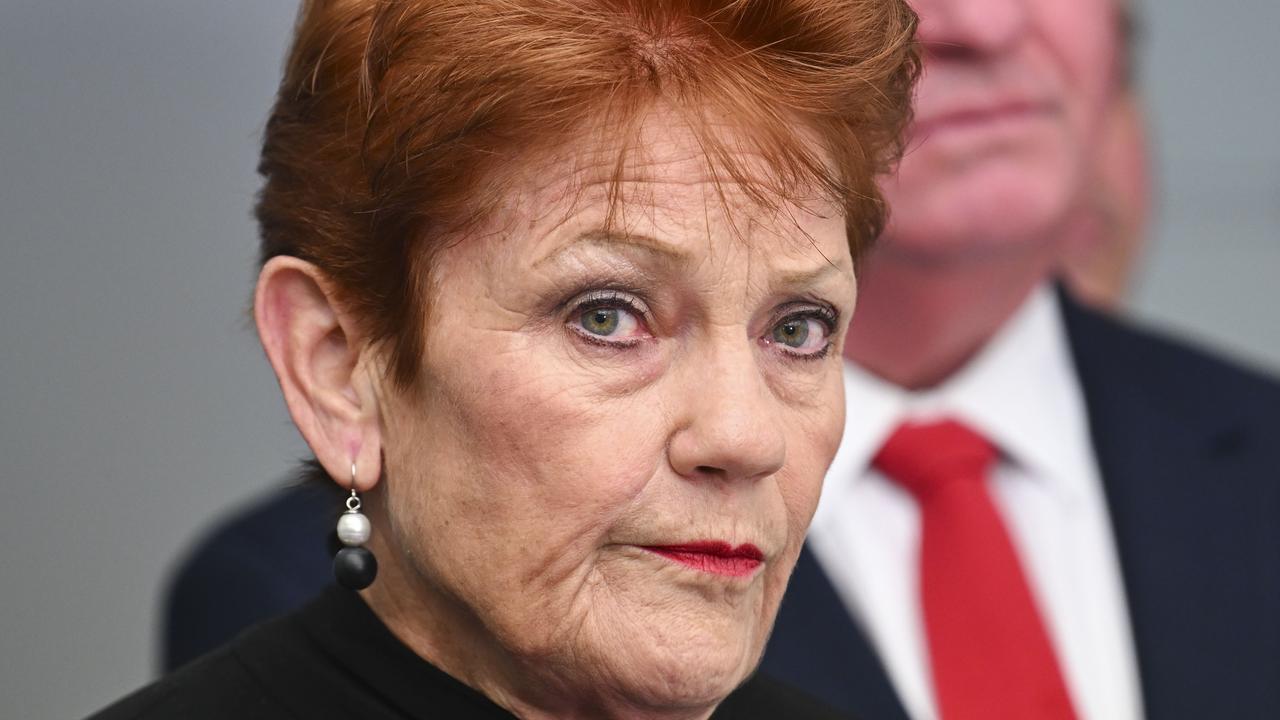
Fresh political polling from Australia’s leading pollsters has delivered new data on shifting voter support, recording a second consecutive slight drop in the primary vote for Pauline Hanson’s One Nation that suggests the far-right party’s surge in popularity earlier this year may have hit a peak. The latest Newspoll, carried out for The Australian, surveyed 1,235 registered voters over four days last week, and found the party’s primary support fell by two percentage points to 24%. Both the ruling Labor Party and the centre-right Coalition remained unchanged, holding 31% and 21% of the primary vote respectively. The Greens gained one point to reach 13% support, while minor party and independent candidates grouped in the “other” category also saw a one-point uptick to hit 11%. The incremental decline of One Nation marks a continuation of a downward trend that began after the party hit a high of 27% support on two separate occasions in early and late February. Support dipped one point in March, making this latest drop the second in as many months. Even with the current dip, however, One Nation’s polling numbers remain vastly higher than its 2025 federal election result of 6.4%, demonstrating the party retains a far stronger hold on the electorate than it did during the last national vote. The broader trend of declining support identified in the Newspoll is echoed by separate data from the Resolve Political Monitor, which polled 1,807 voters this month for the Sydney Morning Herald and The Age. That survey also recorded a two-point drop in One Nation support, falling from 24% to 22%. Alongside primary voting intention, the Newspoll also measured public approval of preferred prime minister, finding incumbent Anthony Albanese’s lead over Opposition leader Angus Taylor widened slightly. Forty-six percent of respondents said Albanese would make a better prime minister, compared to 37% who backed Taylor. With the federal May budget just weeks away, pollsters also asked voters to weigh in on 10 separate proposals to increase national tax revenue. None of the proposals won majority support from the full electorate, though just 18% of respondents rejected all 10 options outright. The most popular policy was an increase to the petroleum resource rent tax, which earned 42% support from those surveyed. A reduction in tax concessions for property investors followed at 35%, while cutting tax concessions for family trusts won 29% backing from respondents. The results give the Albanese government clear signals on which tax reform proposals have the most public traction as it finalizes budget negotiations ahead of the official release.
标签: Oceania
大洋洲
-
War in the Middle East: latest developments
The already volatile landscape of the Middle East has seen a fresh wave of destabilizing developments in recent days, even as a fragile 10-day ceasefire between Israel and Iran-backed Hezbollah holds tenuously along the Israel-Lebanon border.
One of the most striking recent incidents is the deadly ambush that claimed the life of a French peacekeeper deployed with the United Nations Interim Force in Lebanon (UNIFIL) in southern Lebanon, leaving three additional service members wounded. UN Secretary-General Antonio Guterres issued a swift and forceful condemnation of the attack, noting that an initial UNIFIL investigation points to Hezbollah as the perpetrator. France has formally placed blame on the militant group, though Hezbollah has issued a categorical denial of any involvement in the ambush.
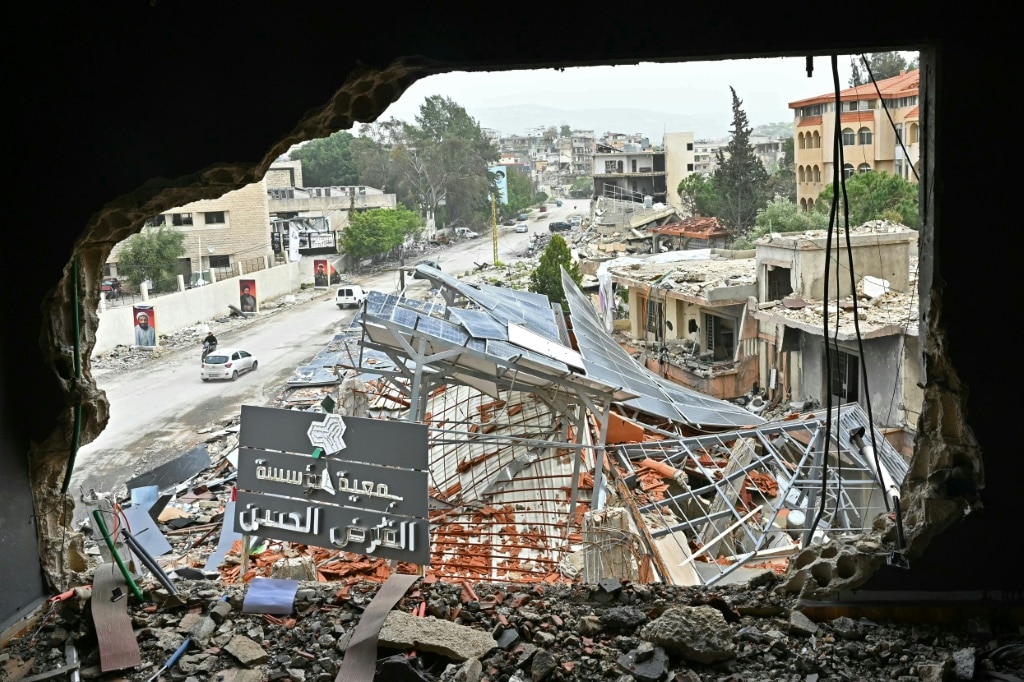
Along the border, Lebanon’s military has begun moving to restore critical infrastructure damaged by weeks of cross-border fighting. Officials confirmed Sunday that a key highway connecting the city of Nabatieh to the Khardali region has been fully reopened to traffic, while a second major crossing, the Burj Rahal-Tyre bridge, is now partially operational. This incremental recovery comes as the ceasefire continues to hold in broad terms, though sporadic clashes have persisted. The Israeli military confirmed Saturday that one additional Israeli soldier had been killed in ongoing combat operations in southern Lebanon, marking the second Israeli military fatality since the truce went into effect Friday. To date, AFP’s tally based on official Israeli military data puts the total Israeli army death toll at 15 across six weeks of open conflict with Hezbollah. Hezbollah leader Naim Qassem has emphasized that the ceasefire cannot be a one-sided agreement, warning that his fighters remain on high alert and will respond immediately to any Israeli violation of the truce terms. “Because we do not trust this enemy, the resistance fighters will remain in the field with their hands on the trigger, and they will respond to violations accordingly,” Qassem said in a televised address Saturday. Despite the ceasefire, the Israeli military carried out an airstrike Saturday targeting what it described as a Hezbollah terrorist cell operating near its troops in southern Lebanon. Lebanese state media also reported that Israeli forces conducted demolition operations in multiple border towns, including Bint Jbeil, which saw some of the heaviest fighting before the truce took effect.
Beyond the Lebanese border, the wider regional conflict has triggered major shifts in geopolitics and global energy security. The strategic Strait of Hormuz, through which roughly 20% of the world’s daily oil and liquefied natural gas shipments pass, has been re-closed by Iranian authorities. The closure came just one day after Iran briefly reopened the waterway following the announcement of the Israel-Hezbollah ceasefire, after U.S. President Donald Trump rejected any easing of the American naval blockade of Iranian ports, insisting the restriction would remain in place until a comprehensive peace deal is reached to end the wider regional war. Iran’s leadership called the U.S. position unacceptable and reimposed the closure, a move Trump has labeled “Iranian blackmail.” Iran’s Revolutionary Guards Navy has issued a stark warning to commercial and military shipping, announcing that no vessels may depart anchorages in the Persian Gulf or Sea of Oman, and any ship attempting to approach the Strait of Hormuz will be treated as an enemy collaborator and targeted.
Diplomatic efforts to end the wider conflict between Iran, the U.S. and Israel remain stalled, according to senior Iranian officials. Iranian Parliament Speaker Mohammad Bagher Ghalibaf, a key member of Iran’s negotiation team, said in a televised address Saturday that while incremental progress has been made in bilateral talks with the U.S., major gaps and fundamental disagreements remain to be resolved. “We are still far from the final discussion,” Ghalibaf said. “We made progress in the negotiations, but there are many gaps and some fundamental points remain.” The human cost of the conflict for Iran has also been made public for the first time: Iranian state news agency ISNA quoted the country’s state-run Foundation of Martyrs and Veterans Affairs reporting that 3,468 Iranians have been killed since the start of the war with the U.S. and Israel.
The ongoing conflict has also triggered a major realignment in British foreign policy, according to government insiders. British Prime Minister Keir Starmer’s administration is preparing to introduce new legislation next month aimed at significantly deepening the country’s economic and political ties with the European Union, a shift accelerated by the Iran war and growing strains in the UK’s long-standing “special relationship” with the United States. Sources note that President Trump’s well-documented unpredictability and repeated public insults toward the U.K. have given added momentum to the move, which comes a full decade after British voters narrowly approved the decision to leave the 27-nation bloc.
-
Zelensky slams oil sanctions relief for Russia
A fresh political controversy has erupted over the Trump administration’s last-minute decision to extend a sanctions waiver allowing seaborne Russian oil to enter global markets, drawing sharp condemnation from Ukrainian President Volodymyr Zelensky and fierce criticism from top Democratic leaders.
The 30-day extension, announced Friday, greenlights the sale of Russian crude and petroleum products already loaded onto tankers through 12:01 a.m. GMT on May 16. The move renews an earlier sanctions relief measure that expired on April 11, and comes as the White House seeks to rein in skyrocketing global energy prices amplified by ongoing conflict in the Middle East. The reversal of policy is particularly notable: just two days before the extension was issued, U.S. Treasury Secretary Scott Bessent publicly stated the waiver would not be renewed.
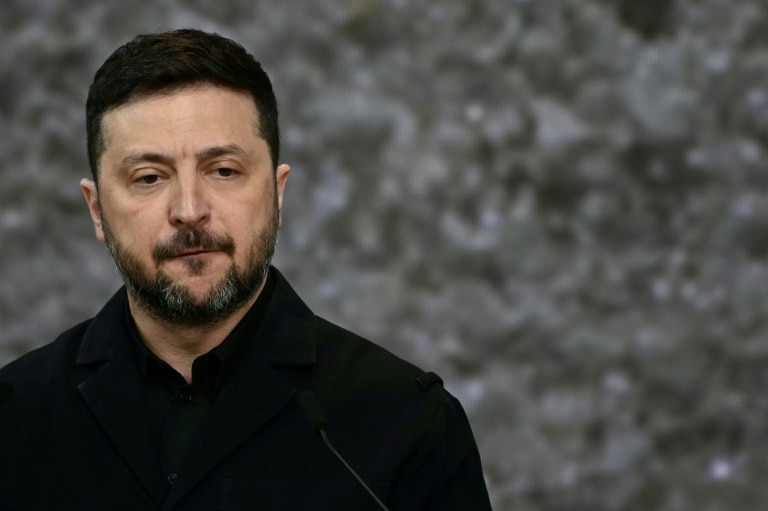
In a Sunday post on the social platform X, Zelensky lashed out at the easing of restrictions, arguing that every dollar of revenue generated by Russian oil sales directly funds Moscow’s full-scale invasion of Ukraine. He highlighted that more than 110 tankers carrying roughly 12 million tonnes of Russian crude are currently sailing the world’s oceans in violation of existing international sanctions, and the waiver now clears the way for these shipments to be sold without legal consequence. Zelensky valued this volume of oil at roughly $10 billion, a sum he says will be converted directly into new military strikes targeting Ukrainian civilian and military infrastructure.
To underscore the immediate human cost of Russia’s continued funding, the Ukrainian president noted that in just the past seven days, Russian forces have launched over 2,360 attack drones, more than 1,320 guided aerial bombs, and nearly 60 projectiles of varying ranges against Ukrainian population centers. Local officials in the northern Ukrainian city of Chernihiv confirmed one such overnight attack left a 16-year-old boy dead and four additional civilians wounded. “It is important that Russian tankers are stopped, not allowed to deliver oil to ports. The aggressor’s oil exports must decrease, and Ukraine’s long-range sanctions continue to work toward that goal,” Zelensky said. He did not explicitly name the U.S. in his public statement.
The decision has also sparked outrage from leading Democratic lawmakers, who have labeled the move “shameful.” In a joint statement, Senate Majority Leader Chuck Schumer, Senators Jeanne Shaheen and Elizabeth Warren argued that the reversal flies directly in the face of Bessent’s recent public commitment, and benefits Russian President Vladimir Putin disproportionately. “Make no mistake, Putin has been one of the biggest beneficiaries of President Trump’s war against Iran, as Russia saw oil revenues nearly double in March,” the statement read.
Ukraine currently relies heavily on U.S. military and diplomatic support to fend off Russia’s invasion, which entered its fifth year this year. Relations between Zelensky and Trump have been fraught, with a high-profile public disagreement between the two leaders during a 2024 Oval Office meeting making headlines. Political observers note Trump’s decision to push for energy price relief comes ahead of critical midterm elections in the U.S., where rising fuel costs have become a top voter concern.
-
Thousands gather for Pope Leo’s first mass in Angola
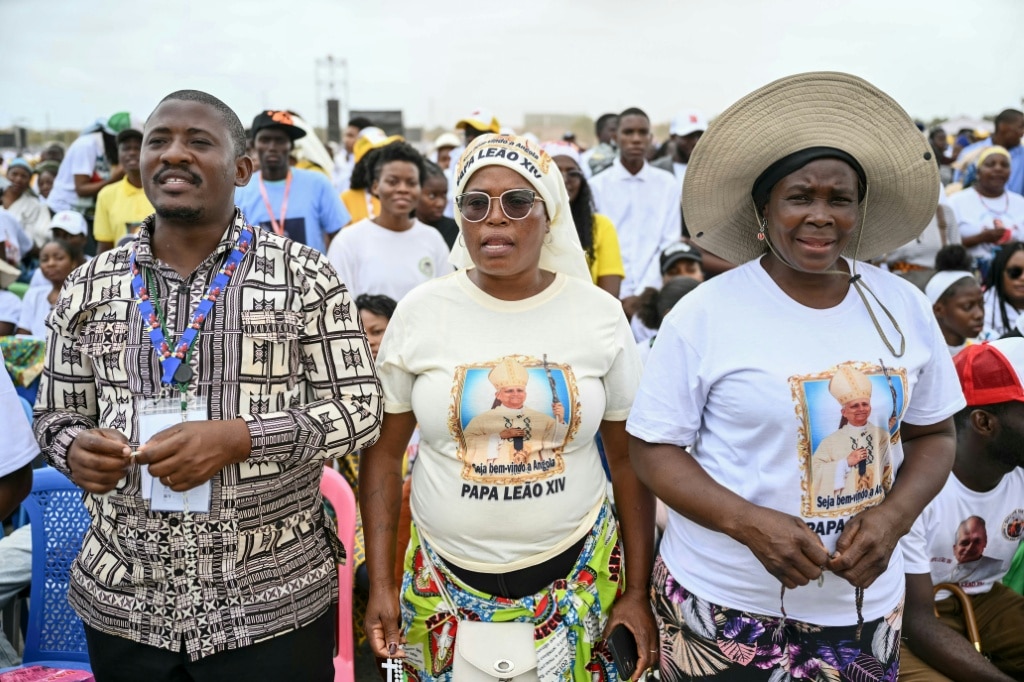
On the second day of his high-stakes visit to Angola, a resource-rich southern African nation grappling with systemic widespread poverty, Pope Leo XIV led a massive open-air Holy Mass on Sunday that drew tens of thousands of pilgrims and hopeful attendees to the Kilamba district on the outskirts of the capital, Luanda.
The pontiff arrived in the Portuguese-speaking country Saturday to kick off the third leg of his 11-day, four-nation tour across the African continent. Immediately after landing, he held a formal meeting with Angolan President Joao Lourenco and top government officials, where he delivered sharp criticism of systemic oppression, the deep human suffering driven by extreme poverty, and the unregulated exploitation of Angola’s abundant natural resources. These remarks aligned with the core theme of his entire tour, which has centered on repeated warnings about the scourge of transnational corruption and the continued plunder of African natural wealth by foreign and domestic elites.
For many in the crowd, the Pope’s visit represented a rare opportunity to appeal for global attention to Angola’s paradox of plenty: a nation sitting on some of the continent’s largest reserves of crude oil and diamonds, yet marked by crippling income inequality. Thirty-two-year-old attendee Patricio Musanga, who wore a branded cap and T-shirt emblazoned with the Pope’s image, told reporters he had come seeking a message of encouragement for Angola’s struggling youth. Facing persistent mass unemployment, thousands of young Angolans flee every year to Western countries in search of better economic prospects. Musanga noted, “We are very rich in natural resources but … there is a glaring inequality between those who live well and the others,” adding that he hoped the Pope would reinforce that Angolans can build prosperous lives at home without leaving for opportunities abroad.
World Bank data underscores this gap: despite its status as one of Africa’s top crude oil producers, roughly one-third of Angola’s 36.6 million residents live below the international poverty line. Father Pedro Chingandu, who traveled from Angola’s eastern Moxico Province to attend the mass, pointed to decades of conflict as a key driver of persistent inequality. “There’s a concentration of wealth in the hands of very few, and of course the war just aggravated the situation,” he told Agence France-Presse, calling for “real democracy and the redistribution of wealth and justice” across the country. Angola has yet to fully heal from the 27-year civil war that broke out immediately after the nation gained independence from Portugal in 1975, only ending in 2002.
Following the Kilamba mass, Pope Leo is scheduled to travel 110 kilometers by helicopter to Muxima, Angola’s most sacred Catholic pilgrimage site. The small river town is home to a 300-year-old church that overlooks the Kwanza River, once a major transit route for enslaved Africans trafficked to the Americas. Built by Portuguese colonial settlers to baptize enslaved people before they were shipped across the Atlantic, the church houses the beloved statue of the Virgin Mary known locally as “Mama Muxima,” which draws two million pilgrims annually. Large crowds are expected to greet the pontiff during his stop at the historic slave-route shrine.
The Angolan government has drawn criticism for its multi-million-euro infrastructure project to build a new basilica, residential housing, and expanded public services in Muxima ahead of the Pope’s visit, with opponents questioning the government’s spending priorities at a time when widespread poverty persists across the country. Economic frustration already boiled over into public unrest last July, when a three-day looting spree across Luanda and other urban centers left roughly 30 people dead, many killed during what critics called a heavy-handed police crackdown. Political analysts have framed the unrest as a clear signal of widespread public dissatisfaction with the ruling socialist MPLA party, which has held uninterrupted control of the Angolan government since independence in 1975.
In comments to reporters on his flight to Angola, the Pope, who was elected to the papacy one year ago, opened up about a recent public dispute that has overshadowed much of his African tour. He expressed regret over his public war of words with U.S. President Donald Trump, who has attacked the Pope as “weak” after Leo called for an immediate ceasefire to end the ongoing war in the Middle East. “It is not in my interest at all” to publicly debate the U.S. leader, the Pope affirmed.
After wrapping up his engagements in Angola, Pope Leo will travel to Equatorial Guinea for the final stop of the 18,000-kilometer cross-continental tour, concluding a journey that has centered the needs of African nations and the urgent need for equitable global development.
-

Shocking footage of shooting at The Men’s Gallery strip club shared online
Newly released dashcam footage has laid bare the terrifying moments of a recent drive-by shooting outside a popular Melbourne strip club, capturing the shooter’s actions and the rapid, life-saving reaction of an on-duty security guard.
The chilling clip circulated online Friday via gang-focused media outlet Outlaw Media, emerging just hours after the incident unfolded around 4:10 a.m. at Men’s Gallery, a long-standing adult entertainment venue located on Melbourne’s Lonsdale Street. In the footage, a hooded, gloved suspect positioned in the passenger seat of a moving vehicle can be seen firing a silver handgun just meters from the club’s front entrance. Spotting the incoming threat almost instantly, the security guard posted at the doorway sprints away to take cover, narrowly avoiding any harm.
Official statements from Victoria Police confirmed that no people suffered physical injuries in the attack. Authorities also confirmed that the shot originated from a dark-colored vehicle, fired directly toward the licensed premises. In the wake of the shooting, law enforcement has issued a public call for any witnesses or members of the public with relevant security footage or information to come forward and contact Crime Stoppers to assist with the investigation.
What makes this incident particularly alarming for investigators is its timing: the shooting comes only days after the same venue was targeted in a failed arson attack around 5:45 a.m. on April 14. Detectives from Victoria Police’s Arson and Explosive Squad are currently probing whether this shooting is connected to that attempted arson, as well as a recent spike in suspicious fires across licensed hospitality venues across Melbourne over the past week.
Speaking to reporters Friday, Detective Inspector Chris Murray noted that at least seven separate arson attacks have hit bars, restaurants, and clubs in recent days, and the underlying motive for the wave of violence remains unclear. While authorities are actively investigating potential connections between all the incidents, Murray confirmed that no concrete links have been confirmed to date. Venue owners have been fully cooperative with investigators, he added, and none have been able to explain why their properties have been targeted.
Murray told reporters that police suspect the attacks are being organized by third parties who hire inexperienced young people to carry out the violent acts. “What we suspect is these jobs are being tasked out to anyone … these young kids are being used as cannon fodder,” he said.
So far, police have made a small number of arrests connected to two of the suspicious fires. Investigations have revealed that the young males accused of carrying out those attacks were paid only a few hundred Australian dollars to commit the crimes, Murray said.
In a public appeal for community assistance, Murray urged residents and business owners to report any suspicious activity immediately to Crime Stoppers. Specifically, he called attention to out-of-character late-night activity: “Call Crime Stoppers if you see something unusual, and when I say ‘something unusual’ … we see young males get out of vehicles in possession of jerry cans at 3am in the morning, now if you see that; obviously that’s something we’re interested in.”
-
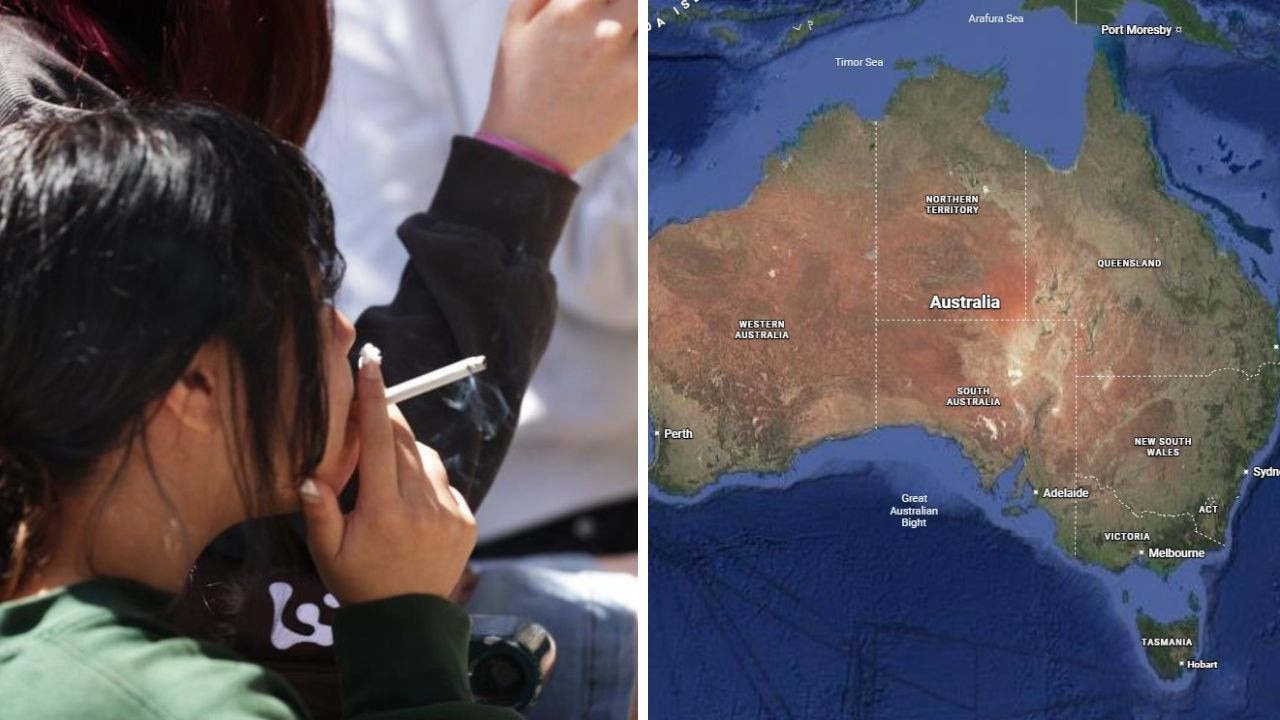
Revealed: How well is your state or territory responding to the illicit tobacco crisis?
Australia’s fragmented response to the growing illicit tobacco trade has been laid bare in a new performance ranking from the Australian Council on Smoking & Health (ACOSH), which identifies two front-running jurisdictions leading the fight while calling out two laggard regions as drastically off pace.
The ACOSH Illicit Tobacco Ladder, published this week, evaluates every Australian state and territory across three core metrics: legislative frameworks, law enforcement operations, and public health interventions. The ranking comes amid rising concerns that the unregulated illicit tobacco industry has grown increasingly violent, with organized criminal networks dominating the trade and endangering communities across the country.
At the top of the ranking, Queensland secured first place, followed closely by South Australia in second. ACOSH credits both jurisdictions for their unwavering commitment to strong, proactive enforcement. Queensland, the report notes, stands out for its rapid, preventative responses to illegal trade, backed by the nation’s most robust enforcement infrastructure and a large on-the-ground workforce. South Australia, meanwhile, earns praise for its strict bans on online tobacco sales, consistent strong enforcement, and clear, dedicated leadership from state ministers.
ACOSH Chief Executive Laura Hunter explained that the ranking was developed to highlight successful strategies that other jurisdictions can replicate. “We created this ladder to demonstrate exactly how well governments across the country are controlling illicit supply, upholding the law, and applying meaningful penalties that deter criminal activity,” Hunter said. “Queensland and South Australia have incredible political buy-in: leaders are committed to tackling this issue, they are investing funding and resources into on-the-ground enforcement, and we are seeing illegal operations shut down every single day. That’s the model we want other regions to adopt.”
New South Wales claimed third place, but the ranking makes clear there is a significant gap between NSW and the two leaders — a gap large enough to “park a few semi-trailers,” as the report puts it. The state needs to substantially boost its performance by increasing enforcement resourcing, introducing harsher penalties for property landlords who enable illegal trade, and implementing fines large enough to act as a real deterrent, the report found. Hunter added that while NSW has made some progress, namely introducing lease termination powers that protect landlords, it still lacks the complementary penalties for property owners who knowingly allow illegal tobacco sales from their premises.
University of Sydney public health professor Becky Freeman, a leading researcher with more than 25 years of experience in tobacco and vaping control, said the ranking exposes a fundamental flaw in Australia’s current approach: a patchwork of inconsistent policies that has allowed the national crisis to spiral. “Some states have gotten on top of this, or are actively working to do so, while others are dragging their feet even with clear successful examples to copy,” Freeman said. Speaking from her base in NSW, she noted that the state only launched its tobacco licensing system in 2025, years after early adopters including Queensland, Tasmania, and Western Australia.
Freeman also pushed back on a common misperception about the illicit tobacco trade: that it operates as an invisible “black market.” In reality, she explained, the trade is openly conducted at legitimate retail locations across the country, with retailers selling untaxed illegal products as a core part of their business model, often without fear of consequence. “It’s an in-your-face market, not a hidden black market,” she said. “Retailers don’t even feel like they’re doing something wrong or working with criminals anymore.”
The professor also dismissed recent proposals from Federal Liberal MP Mary Aldred, who argued cutting the national fuel excise would reduce profit incentives for criminal networks and ease pressure on law enforcement. Freeman called the idea overly simplistic and harmful to public health. “It’s politically attractive to think that if legal cigarettes are expensive, lowering taxes will undercut the illicit trade. But that logic ignores basic reality: criminal networks can still undercut any legal price point, they haven’t hit rock bottom yet. Cutting tobacco costs across the board will only drive up smoking rates, which is the opposite of what public health policy should achieve,” she said.
At the bottom of the ranking, the Australian Capital Territory (ACT) and Northern Territory placed seventh and eighth respectively, with both labeled “totally off pace” compared to other regions. The ACT, the report says, “talks a good game but isn’t playing one,” citing a near-total lack of meaningful penalties and very few successful closure orders for illegal operations. The Northern Territory, meanwhile, has not passed any new legislative changes to address the crisis and needs to make massive new investments in enforcement resources, the report found.
Hunter outlined the core failures that have allowed the illicit tobacco crisis to grow in underperforming jurisdictions: weak licensing frameworks, an overabundance of unregulated tobacco retailers, insufficient on-the-ground enforcement, and inconsistent, toothless penalties that do nothing to deter illegal operators.
Federal Assistant Customs Minister Julian Hill welcomed the independent ranking, noting that while the scrutiny may be uncomfortable for some state governments, the ACOSH scorecard is a critical tool to drive improvement. “Combined efforts by Commonwealth, state and territory agencies are already delivering strong results: we’re raising the stakes for criminals, cutting into their profits, and pushing up the price of illegal tobacco,” Hill said. “Governments must never surrender public health policy to organized crime, or condemn the next generation of Australians to the devastating harm of tobacco addiction, chronic disease and early death.”
As of 2025, Australia has roughly 40,000 retail outlets selling tobacco products, even though only 10% of Australian adults report smoking. Australian Border Force data shows the agency seized a record volume of illicit tobacco and vapes in the 2024-25 financial year, averaging around 120 illegal shipments detected every day.
-
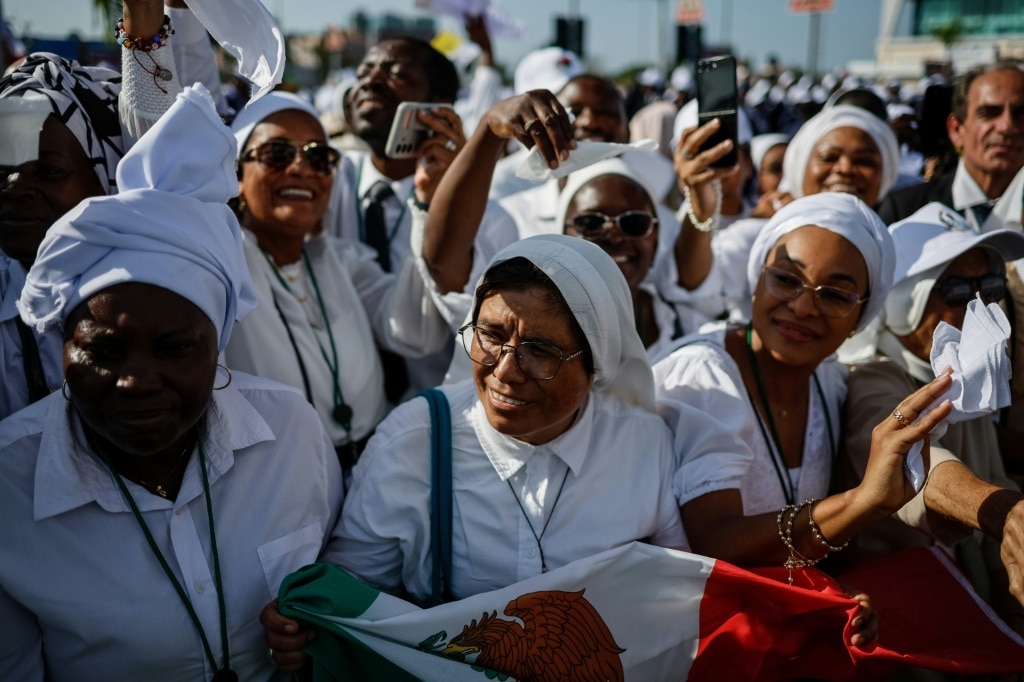
Pope Leo to hold giant mass for Angola’s Catholics
One year after his historic election to the papacy, Pope Leo XIV has arrived in Angola, the third stop on his 11-day four-nation African pilgrimage, and will Sunday lead a massive open-air Mass followed by a visit to one of southern Africa’s most sacred Catholic sites. The Portuguese-speaking nation welcomed the pontiff Saturday, kicking off a leg of the tour that carries both religious significance and sharp social commentary for a resource-rich nation grappling with deep inequality.
In his first formal address to Angolan leaders, including President Joao Lourenco, Pope Leo doubled down on a core theme of his African journey: a rebuke of unregulated natural resource extraction that has, he argues, fueled systemic suffering and created sweeping social and environmental disasters across the continent. The pope has used the tour to issue repeated warnings against corruption and the plunder of Africa’s abundant natural wealth, a throughline he has maintained through every stop of the trip.
The tour, which launched in Algeria Monday, has already been marked by a high-profile public feud with former U.S. President Donald Trump. Last weekend, after Pope Leo called for an immediate end to the ongoing conflict in the Middle East, Trump attacked the first American pope as “weak” in a public statement.
Speaking to reporters Saturday aboard his flight from Cameroon to Angola, the pontiff pushed back against the narrative that his recent comments had been crafted to respond to Trump’s criticism. He noted that a widely discussed reference to “tyrants” during a speech in Cameroon had been written long before Trump’s remarks, adding that entering into a public debate with the U.S. leader holds no benefit for him or the Vatican. “It is not in my interest at all to debate the US leader,” he told the assembled press.
Sunday’s centerpiece events will draw crowds expected to number in the tens of thousands. First, the pope will celebrate Mass in Kilamba, a suburb of Angola’s capital Luanda. After the service, he will travel 110 kilometers by helicopter to Muxima, Angola’s most revered Catholic pilgrimage site, which is home to a 300-year-old church perched on the banks of the Kwanza River—once a major transit route for enslaved people bound for the Americas.
Built by Portuguese colonial settlers to baptize enslaved people before they were shipped across the Atlantic to the Americas, the church houses a beloved statue of the Virgin Mary known locally as “Mama Muxima.” The site draws roughly 2 million pilgrims annually, and organizers expect large crowds to greet the pope during his visit.
In preparation for the papal visit, the Angolan government has launched a massive multi-million-euro infrastructure project to construct a new basilica, residential housing, and expanded public services in Muxima. The development has sparked sharp criticism from observers, who question the government’s spending priorities in a country that, despite massive oil and diamond reserves, remains plagued by widespread poverty and severe wealth inequality.
Local Catholic leader Domingos das Neves, a lawyer active in church affairs, told Agence France-Presse that Pope Leo is fully aware of Angola’s stark social divides. “The pope comes to Angola fully aware of the reality our country is facing, particularly in terms of stark social asymmetries and inequalities, which also stem from the unequal distribution of wealth,” das Neves said. He added that the pontiff would almost certainly address the urgent demand for social justice during his public remarks, noting “Angola is in great need of a guiding light to illuminate our collective efforts — both within ecclesiastical institutions and the state — so that we do not forget the poor and the destitute.”
Widespread poverty has already fueled visible public discontent in Angola in recent years. Last July, a three-day wave of looting across the country left roughly 30 people dead, with critics blaming police for a heavy-handed response to the unrest. Analysts widely frame the unrest as a signal of deep dissatisfaction with the ruling People’s Movement for the Liberation of Angola (MPLA), the socialist party that has held continuous power since the country gained independence from Portugal in 1975.
Following his Sunday events in Luanda and Muxima, Pope Leo will travel 800 kilometers to Saurimo Monday, where he will visit a local retirement home and celebrate a second Mass before departing Angola Tuesday morning. From there, he will travel to Equatorial Guinea, the final stop on a whirlwind 18,000-kilometer journey across the African continent.
-
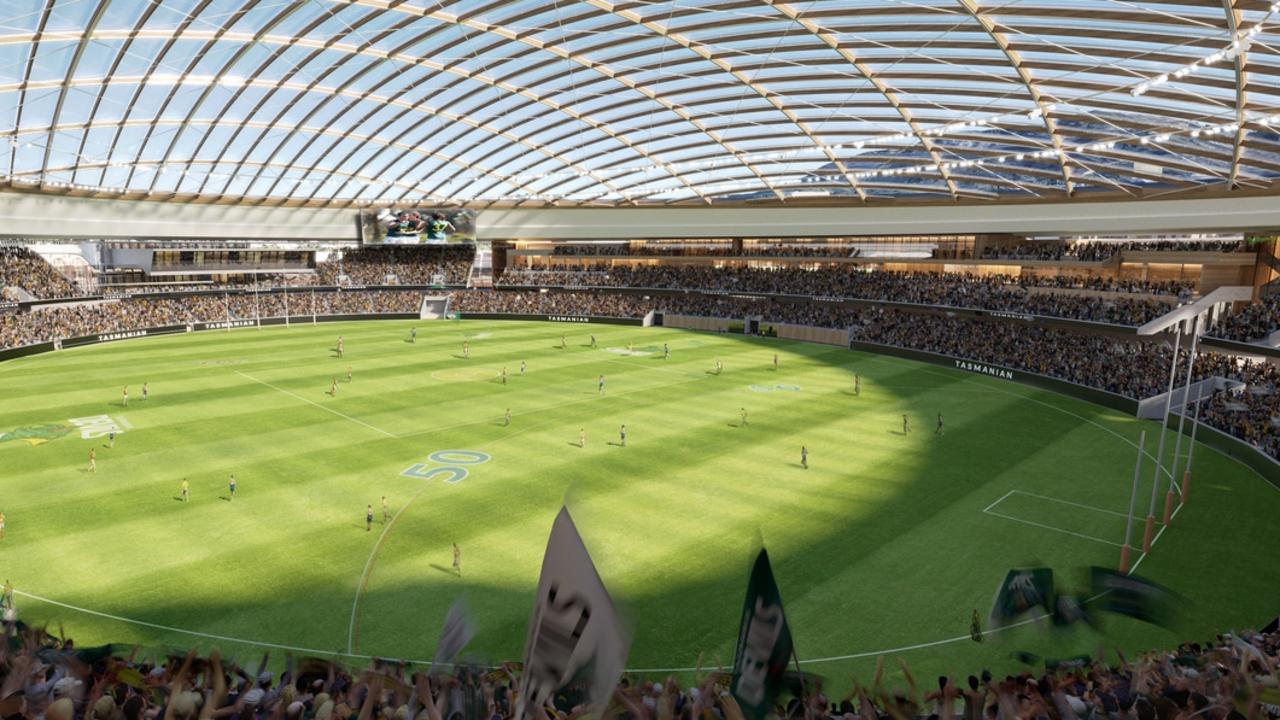
Chinese construction firm among two short-listed for construction of Hobart stadium
A major Australian infrastructure milestone has moved forward this week, after Tasmanian officials confirmed two bidding consortia have advanced to the final tender phase for Hobart’s $1.13 billion Macquarie Point Multipurpose Stadium, a project that will pave the way for Tasmania’s first Australian Football League (AFL) team.
Announcing the shortlist on Sunday, Macquarie Point Urban Renewal Minister Eric Abetz framed the selection as a critical step forward for the transformative development. The project, which will repurpose a long-abandoned industrial site at Macquarie Point into a year-round events and community precinct, is projected to deliver widespread economic and social benefits across the entire island state.
“This is another important step forward for the Macquarie Point Multipurpose Stadium,” Abetz said in his statement. “We have seen strong interest from major contractors capable of delivering a project of this scale and complexity. We are delivering for Tasmania by turning a wasteland into a year-round events and function precinct that will provide benefits for all Tasmanians.”
The two candidates moving into the request for tender phase are Brisbane-based construction firm Besix Watpac, and a joint venture bringing together three specialist contractors: Italy’s Webuild S.p.A, Australian engineering firm McConnell Dowell, and China Construction Oceania.
China Construction Oceania, the Australian regional subsidiary of China State Construction Engineering Corporation, a Chinese state-owned construction giant, brings extensive prior experience delivering major infrastructure across Australia. The firm was previously selected as a contractor for the Victoria state government’s $12 billion North-East Link motorway project, one of the largest road developments in the country’s recent history.
In this next stage of the procurement process, both shortlisted bidders will be required to submit detailed proposals covering their project delivery strategy, commercial terms, construction timeline, and plans for engaging local Tasmanian industry and businesses. The Tasmanian government expects to award the main construction contract by the end of 2024.
New architectural renderings of the stadium, designed by Cox Architecture, were released publicly alongside the masterplan announcement earlier this week. When complete, the venue will serve as the home ground for the newly created Tasmania Devils AFL club, which is scheduled to join the national professional competition starting in 2028. The stadium’s construction was a non-negotiable core requirement from the AFL to approve the creation of Tasmania’s first permanent AFL franchise.
Beyond the stadium itself, the Macquarie Point Development Corporation unveiled the full precinct masterplan earlier this week, which includes proposed new commercial hubs, residential neighbourhoods, and public open space that will transform the former industrial site into a vibrant mixed-use district for Hobart residents and visitors alike.
-
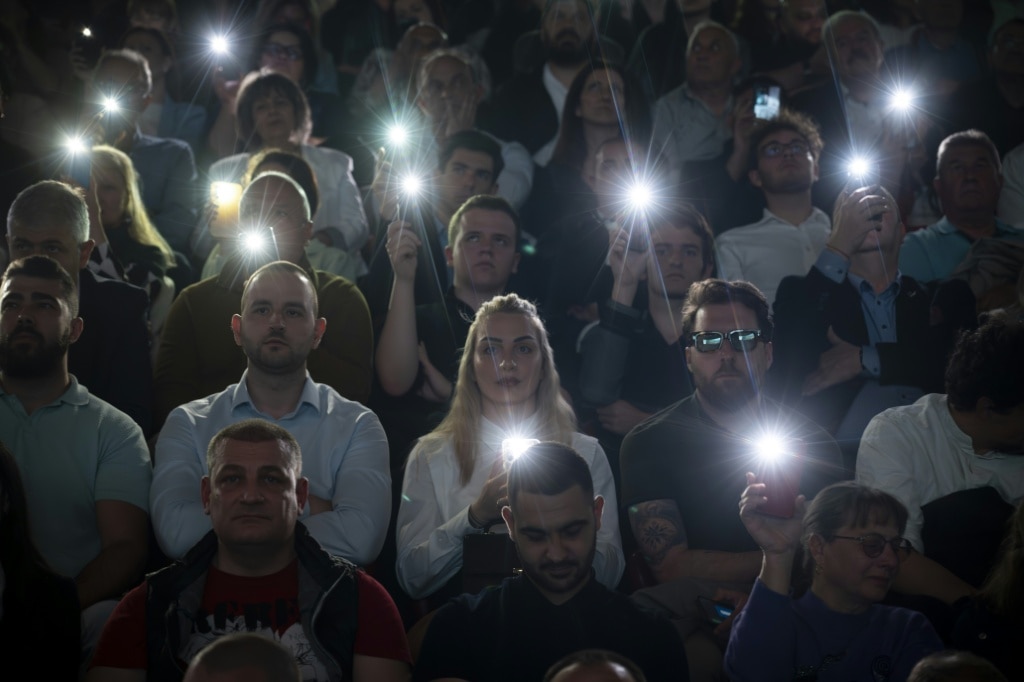
Crisis-hit Bulgaria votes in eighth election in five years
On Sunday, Bulgaria went to the polls for its eighth national election in five years, a historic stretch of political gridlock triggered by years of mass anti-corruption mobilization that has toppled one government after another across the Balkan nation. As the European Union’s poorest member state, Bulgaria has entered this prolonged period of instability after 2021, when widespread public protests against graft ended the 10-year near-continuous rule of veteran conservative leader Boyko Borissov, and no administration has managed to hold a stable majority since.
Leading the race going into election day is the newly formed centre-left bloc Progressive Bulgaria, headed by former nine-year president Rumen Radev. A former air force general who stepped down from the presidency in January to lead his electoral alliance, Radev has campaigned on a hardline platform of rooting out systemic corruption and dismantling what he calls Bulgaria’s long-standing “oligarchic governance model”. His anti-corruption rhetoric has resonated with a public deeply frustrated by persistent graft: it was the latest wave of anti-corruption protests in late 2024 that brought down the previous conservative-backed government, clearing the way for this snap vote. Pre-election opinion polls put Radev’s bloc on track to win roughly 35% of the popular vote, positioning it as the clear front-runner to form the next government.
Radev’s foreign policy positions have become a central point of controversy in the campaign. Unlike most major Bulgarian pro-European parties, Radev has openly called for restoring closer bilateral ties with Moscow, has repeatedly voiced opposition to Bulgarian military aid for Ukraine following Russia’s 2022 full-scale invasion, and recently publicly condemned a 10-year defense cooperation agreement between Sofia and Kyiv signed last month. He drew widespread outrage from political opponents during his final campaign rally when he displayed photos of his past meetings with Russian President Vladimir Putin to a crowd of 10,000 cheering supporters. Radev has also publicly rejected the European Union’s current green energy framework, calling it naive in what he frames as an unpredictable “world without rules”, though he has clarified he would not use Bulgaria’s veto power to block collective EU policy decisions.
Coming in second in pre-election polling is Borissov’s long-standing pro-European conservative party GERB, which is projected to win roughly 20% of the vote, outpacing the centrist liberal coalition PP-DB. Borissov, who led Bulgaria from 2009 to 2021, has pushed back against Radev’s narrative of radical change, arguing that his party delivered on the core ambitions of 1990s post-communist transition, most notably securing Bulgaria’s accession to the eurozone in 2025. Speaking at his final campaign events, Borissov dismissed Radev as offering no meaningful new agenda for the country.
Voters interviewed by AFP on election day expressed a wide range of frustrations and hopes. Many voters aligned with Radev’s anti-corruption message: 57-year-old Sofia resident Decho Kostadinov told reporters after casting his ballot that he voted for change, arguing that corrupt politicians “should leave — they should take whatever they’ve stolen and get out of Bulgaria”. Dozens of voters lined up outside polling stations in Sofia even before voting began at 7 a.m. local time. Other voters, like 60-year-old Sofia accountant Elena, who backed Borissov’s party, said she voted to “preserve what we have”, noting “we are a democratic country, we live well”.
Still, many Bulgarian voters remain deeply disillusioned with the entire political class. 55-year-old taxi driver Miglena Boyadjieva, who showed up to vote, summed up a common sentiment: “The problem is that there is no one to vote for. You vote for one person and get others. The system has to change.” Public distrust in political institutions has dragged down voter turnout in recent cycles, hitting a low of just 39% in 2024’s last election. However, polling analyst Boryana Dimitrova of the Alpha Research institute noted that Radev’s high-energy campaign has mobilized frustrated voters, leading analysts to predict a higher turnout on Sunday.
Authorities have stepped up efforts to combat systemic vote buying, a long-standing issue in Bulgarian elections. In coordinated raids over recent weeks, police seized more than 1 million euros in illicit campaign funds and detained hundreds of people, including sitting local councillors and municipal mayors. Political parties across the ideological spectrum have urged voters to turn out to the polls, in part to dilute the impact of vote buying on the final result.
Polling stations closed at 17:00 GMT on Sunday, with exit polls expected immediately after voting concludes. Official final results are not expected to be released until at least Monday. Radev has announced he is aiming to secure an absolute majority in the 240-seat National Assembly, a result that would allow his bloc to form a government alone without entering coalition negotiations with rival parties.
-
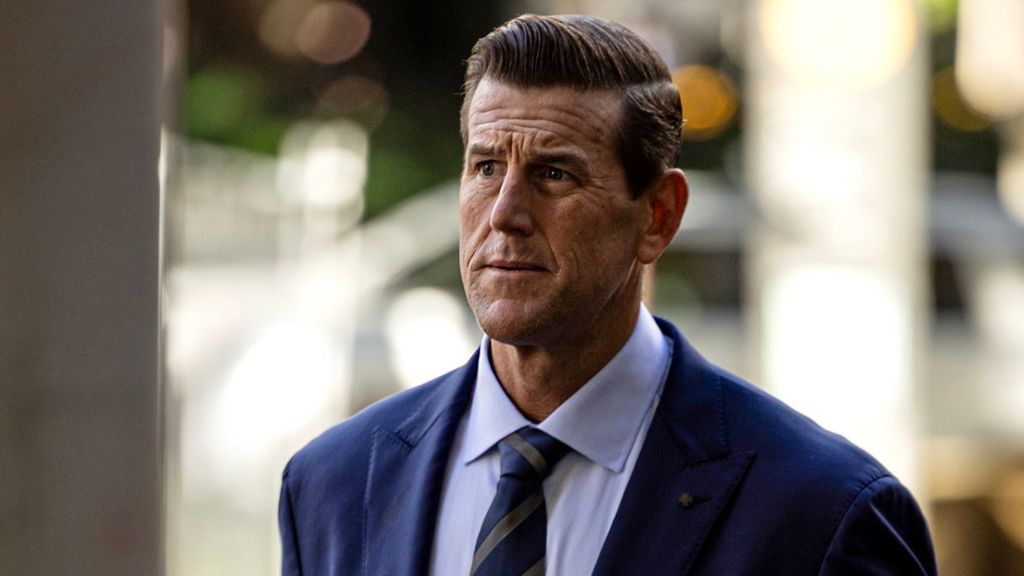
Australia’s most-decorated soldier vows to ‘fight’ war crime charges
One of Australia’s most celebrated military figures, Ben Roberts-Smith, has broken his silence for the first time since being hit with five war crime-related murder charges last week, issuing a public statement emphatically rejecting every allegation against him.
The 47-year-old former Special Air Service (SAS) corporal, who is Australia’s highest-decorated living soldier and a recipient of the Victoria Cross, was granted bail this Friday following his arrest earlier this month at Sydney International Airport on April 7. In his first public remarks since the charges were filed, Roberts-Smith said he remains unapologetically proud of his military deployment to Afghanistan, and is ready to use the upcoming criminal proceedings as a platform to permanently clear his reputation of wrongdoing.
“I understand this journey will be difficult. But I can promise everybody that I have never run from a fight in my life,” Roberts-Smith told reporters, adding that while he never wished to face these criminal charges, he welcomes the chance to resolve the allegations once and for all.
Across his years of service in Afghanistan between 2009 and 2012, Roberts-Smith stands accused of involvement in the unlawful killings of unarmed Afghan detainees, prosecutors allege. The charges include one count of murder, one count of joint murder, and three counts of aiding, abetting, counselling or procuring murder. Roberts-Smith has pushed back forcefully against these claims, asserting that every action he took during his deployment aligned with his personal values, his military training, and the official rules of engagement governing Australian forces.
The former soldier also criticized the circumstances of his arrest as an unnecessary, over-the-top media spectacle, and declined to answer any follow-up questions from journalists after reading his prepared statement.
In granting bail, the presiding judge noted that Roberts-Smith’s case is highly unusual. If bail had been denied, the judge explained, the veteran could have waited years in pre-trial custody before his case even went to trial, an outcome that could not be justified under the circumstances.
The criminal proceedings mark the latest chapter in a years-long legal battle over the allegations against Roberts-Smith. The case traces its origins back to 2018, when Nine Entertainment newspapers first published reports detailing the alleged war crimes. Roberts-Smith subsequently filed a civil defamation suit against the outlets, and in 2023, the Federal Court ruled that on the balance of probabilities, several of the murder allegations held substantial truth. Roberts-Smith’s appeal against that ruling was rejected in 2024, setting the stage for the criminal charges that were filed earlier this month. This high-profile case also marks the first time any Australian court has ever considered formal war crime allegations against members of the country’s military deployed overseas.