标签: Oceania

大洋洲

  • NDIS savings to be redirected to scrapping aged-care co-payments

    NDIS savings to be redirected to scrapping aged-care co-payments

    Ahead of the 2024 Australian federal budget, the Albanese government is set to roll out sweeping reforms to the National Disability Insurance Scheme (NDIS), redirecting projected savings from the overhaul to eliminate out-of-pocket costs for essential aged care services for older Australians. The policy shift will be detailed by Health, Ageing and NDIS Minister Mark Butler during a highly anticipated address to the National Press Club on Wednesday, marking one of the most significant social policy changes ahead of the budget release next month.Starting October 1, core personal care supports including assistance with showering, dressing and continence care will be reclassified under the Clinical Care category of the government’s Support at Home aged care program, fully scrapping all required co-contributions that older Australians previously paid. Aged Care Minister Sam Rae emphasized that these basic daily care supports are non-negotiable for dignified ageing, noting the policy change directly responds to community feedback from older people, their families and aged care providers.

    “Showering, dressing, continence care – these aren’t optional extras, they’re the basics of ageing with dignity and no older Australian should miss out because of cost,” Rae said. “Older Australians, their families and providers told us these services needed to be protected. We’ve listened and we’re acting.”

    First launched by the Gillard Labor government in 2013, the taxpayer-funded NDIS was designed to deliver essential support to Australians living with permanent and severe disability. Today, the scheme carries an annual price tag of $50 billion, with independent projections showing that spending could double to $100 billion within the next decade without intervention. The rapid unsustainable growth of NDIS expenditure has placed the scheme at the center of federal government efforts to rein in public spending, with Treasurer Jim Chalmers confirming the scheme is a core focus of pre-budget negotiations. Chalmers has stressed the government remains fully committed to the NDIS mission, but acknowledges the urgent need for structural change to secure its long-term future.

    Government officials have defended the reform push, arguing inaction is not a viable option. Labor MP Josh Burns told media that without changes, the NDIS would eventually become the single most expensive government program in Australia, a financial trajectory that is unsustainable. “The reason why we have to [reform] is because the NDIS is there for people with a severe disability, a permanent disability, and it needs to be there for the future,” Burns said. “If we don’t do anything, if we let it just grow, it’s going to be the biggest government program, the most expensive thing government does in Australia, and it’s just not sustainable, so it needs to be there for the future.”

    While opposition figures have agreed that the NDIS requires structural repair, they have pushed back against what they warn could become a cost-shifting exercise, arguing the reform must address deep-rooted design flaws in the program. Nationals Senator Bridget McKenzie, the opposition’s spokesperson on the issue, said the NDIS’s challenges stretch beyond unsustainable spending, pointing to widespread concerns about unregistered providers, compliance gaps and systemic rorting. McKenzie noted that even NDIS internal estimates find 10 percent of claims are non-compliant, totaling $5 billion in misspending annually.

    “The NDIS was suffering from a ‘design problem’ and must be addressed as more than just a ‘cost-shifting exercise’,” McKenzie said. The opposition is open to cross-party collaboration to get the scheme “under control” to guarantee its long-term sustainability for disabled Australians, she added, but warned: “It can’t just be a cost-shifting exercise from the government back onto states. It needs to fix the problem at its heart, which is around design.”

    The peak body for Australia’s disability sector has already alerted providers to expect sweeping changes when the federal budget is released next month, as the government looks to lock in the savings needed to fund the aged care policy overhaul.
  • Young talent time: Maroons name five rookies for women’s Origin opener as life begins without the legendary Ali Brigginshaw

    Young talent time: Maroons name five rookies for women’s Origin opener as life begins without the legendary Ali Brigginshaw

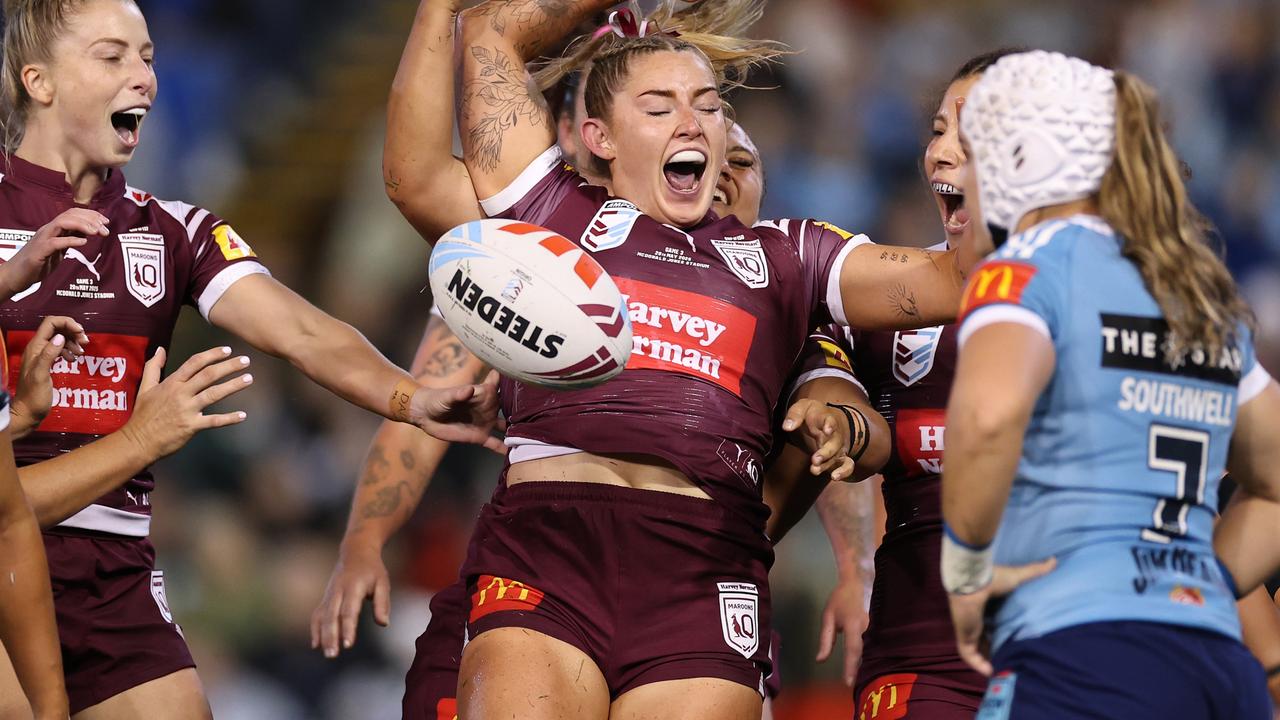
    The Queensland Maroons are entering an unprecedented new chapter of women’s State of Origin rugby league, headlined by the selection of five first-time contenders for next week’s opening series clash in Newcastle. The major squad shake-up comes as the side adapts to life without Ali Brigginshaw, the legendary playmaker who defined a generation of Maroons football and retired from the Origin circuit this offseason, compounded by a season-ending knee injury to star half Tarryn Aiken that forced new head coach Nathan Cross to make sweeping, high-stakes selection calls.

    Stepping into the critical playmaking roles left vacant by Brigginshaw are experienced utility Lauren Brown and exciting young rookie Chantay Kiria-Ratu, tasked with steering Queensland’s charge to reclaim the State of Origin shield. Brown, who stepped into the halfback role for the third and final match of last year’s series, retains the number seven jersey – a position she has already delivered iconic results in, slotting a match-winning field goal in wet, challenging conditions during 2024 to secure a critical victory for the Maroons. Her veteran leadership will be paired with Kiria-Ratu, who turned heads with a standout 2024 NRLW season for the Cronulla Sharks and now faces the biggest test of her fledgling professional career on rugby league’s biggest women’s state stage.

    Cross’ appointment itself marks a break from the Maroons’ recent past, taking over from long-serving coach Tahnee Norris after Queensland surrendered the series title to New South Wales last year. Along with the new-look playmaking duo, four other new faces will get their chance to shine: winger Phoenix-Raine Hippi is named in the starting 17 for her Origin debut, while forward Otesa Pule will make her first Queensland appearance from the interchange bench. Young talents Ivana Lolesio and Destiny Mino-Sinapati round out the five rookies, earning spots in the 20-person extended squad as the side chases an upset to end NSW’s growing dynastic ambitions.

    Star power remains at the core of the Maroons’ lineup, with Brisbane Broncos standouts Tamika Upton and Julia Robinson named in the starting side, forming a dangerous attacking edge that looms as the primary threat to NSW’s hopes of back-to-back series titles. The full Queensland squad will assemble for pre-match camp this Thursday, as Cross and his group look to prove that a youth-focused rebuild can deliver immediate results on the Origin stage. The full 20-person squad for game one is: 1. Tamika Upton, 2. Julia Robinson, 3. Rory Owen, 4. Shenae Ciesiolka, 5. Phoenix-Raine Hippi, 6. Chantay Kiria-Ratu, 7. Lauren Brown, 8. Makenzie Weale, 9. Jada Ferguson, 10. Jessika Elliston, 11. Sienna Lofipo, 12. Romy Teitzel, 13. Keilee Joseph, 14. Emma Manzelmann, 15. Otesa Pule, 16. Chelsea Lenarduzzi, 17. Brianna Clark, 18. Ivana Lolesio, 19. Destiny Brill, 20. Destiny Mino-Sinapati.

  • Trump’s Fed chair pick vows to safeguard independence at confirmation hearing

    Trump’s Fed chair pick vows to safeguard independence at confirmation hearing

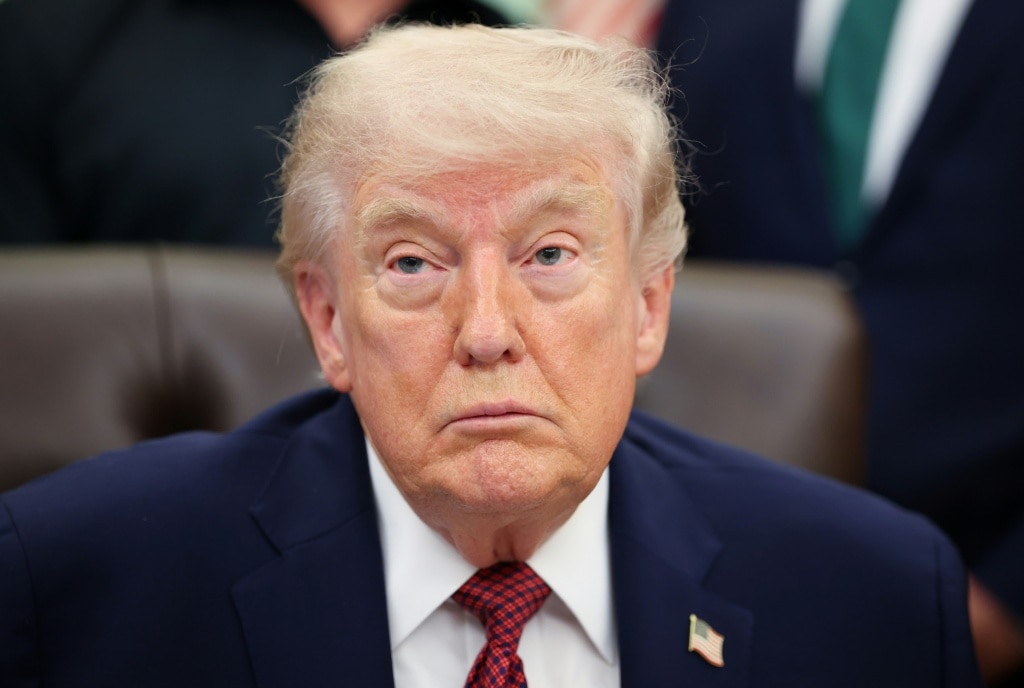
    As U.S. President Donald Trump’s nominee to head the Federal Reserve, Kevin Warsh opened his Senate confirmation hearing Tuesday with a public pledge to safeguard the critical independence of America’s central bank, even as he faces intense political pressure from the commander-in-chief to push for aggressive interest rate cuts.

    “I’m committed to ensuring that the conduct of monetary policy remains strictly independent,” Warsh stated in his opening remarks delivered before the Senate Banking Committee. Beyond his promise to protect institutional autonomy, he also reaffirmed the Fed’s core commitment to taming persistent inflation.

    The hearing represents a major milestone for Warsh, who has been tapped to replace outgoing Chair Jerome Powell when his current term expires on May 15. Every step of the confirmation process is being closely scrutinized by policymakers, economists, and global markets, as the outcome will shape U.S. monetary policy for years to come.

    Tensions have been running high around the nomination well before the hearing gavel fell. Trump has ramped up repeated public criticism of the Fed in recent weeks, attacking the central bank for refusing to implement deeper, faster interest rate cuts. Early Tuesday, the president told CNBC he would be disappointed if his nominee did not move quickly to lower borrowing costs, and renewed his baseless attacks on Powell over minor renovation costs at the Fed’s Washington D.C. headquarters. “We should have the lowest interest rate in the world,” Trump insisted.

    Partisan friction has further complicated Warsh’s path to confirmation. All 11 Democratic members of the Banking Committee called last week for a full delay of the nomination vote until two separate ongoing investigations into outgoing Chair Jerome Powell and Fed Governor Lisa Cook are concluded. Even a fellow Republican has broken ranks to oppose moving forward: Senator Thom Tillis, a member of the GOP-led panel, has pledged to block all Fed nominees — including Warsh — until the Justice Department probe involving Powell is fully resolved.

    With Republicans holding a narrow 13-seat majority on the 25-member committee, Tillis’ defection could create a dangerous deadlock that derails Warsh’s confirmation entirely. Beyond the procedural fights, the nominee also faces the prospect of sharp, targeted questioning on a range of controversial issues, from his extensive personal wealth and past professional ties to the late convicted sex offender Jeffrey Epstein, to his core policy stances on U.S. economic growth and inflation.

    For Warsh, the hearing is his first major opportunity to prove he can serve as a credible, independent steward of the nation’s monetary policy, according to analysts. “It will be his first chance since he was nominated by the president to demonstrate that he intends to be a credible, independent central banker,” David Wessel, senior fellow at the Brookings Institution, told AFP. Wessel noted the delicate balancing act Warsh must pull off: “He has to be really careful to not anger Trump, but he also has to avoid the impression that he’s weak or subject to political pressure.”

    In his opening remarks, Warsh pushed back against concerns that political interference would skew Fed decision-making, arguing that elected officials sharing their views on interest rates does not inherently threaten institutional independence. “I do not believe that independence of monetary policy is threatened when elected officials state their views on rates,” he said. He emphasized that addressing inflation is ultimately the Fed’s responsibility, adding that the central bank must “stay in its lane” when it comes to setting economic policy. The committee’s chairman, Republican Tim Scott, framed the hearing as an “opportunity to refocus” the Fed on its statutory dual mandate: delivering price stability and keeping unemployment low.

    But the top Democrat on the panel, Senator Elizabeth Warren, raised urgent alarms that the ongoing investigations into Powell and Cook are a deliberate political tactic designed to pressure Fed policymakers into falling in line with Trump’s policy demands. She warned that the nomination risks putting “a sock puppet” of the president in charge of the world’s most powerful central bank.

    Economists say the biggest policy question hanging over the hearing is just how closely aligned Warsh is with Trump’s push for steep rate cuts. During Warsh’s previous tenure as a Fed governor from 2006 to 2011, he was widely viewed as a hawk, a policymaker who prioritized controlling inflation by keeping interest rates relatively high. But ING chief economist James Knightley told AFP that Warsh appears to have shifted his policy stance in recent years. Knightley pointed out that Warsh has emerged as a vocal advocate for expanded tech investment and artificial intelligence innovation, which many economists argue could boost U.S. potential growth without spurring the same level of inflation seen in past economic expansions.

    Still, immediate headwinds stand in the way of aggressive rate cuts: rising gasoline prices driven by ongoing conflict in the Middle East have created new near-term inflation pressures that the Fed cannot ignore. If Warsh pushes for overly rapid rate cuts in the near term, it could erode the Fed’s hard-won credibility on inflation, Knightley warned. For the nominee, the path forward requires acknowledging the immediate impact of near-term price shocks while making the case that these temporary disruptions are unlikely to turn into long-term persistent inflation.

  • Oil and stocks steady as US-Iran truce expiry looms

    Oil and stocks steady as US-Iran truce expiry looms

    Global financial markets traded in a narrow range on Tuesday, with crude oil prices dipping slightly and most equities posting modest gains, as investors clung to cautious optimism that Washington and Tehran would reach a breakthrough to de-escalate tensions and reopen the strategically critical Strait of Hormuz, even as a two-week truce is set to expire on Wednesday. As of Tuesday, Iran had not yet deployed a negotiating delegation to Pakistan, the venue for the new round of US-Iran peace talks, while the US side has confirmed it is ready to proceed with discussions, leaving Tehran’s participation in the negotiations unclear.

    The international benchmark Brent North Sea crude held largely steady after a sharp rally the previous session triggered by Iran’s temporary closure of the Strait of Hormuz, falling just 0.3 percent to $95.22 per barrel by 1330 GMT. US West Texas Intermediate crude similarly edged down 0.2 percent to $87.23 per barrel, with both benchmarks holding below the psychologically important $100 per barrel threshold that has historically stoked broad inflation fears.

    Equity markets painted a mixed but broadly upbeat picture across major global hubs. On Wall Street, all three main indices opened higher, with the Dow Jones Industrial Average rising 0.5 percent to 49,706.29 points, the S&P 500 gaining 0.2 percent to 7,125.89, and the Nasdaq Composite adding 0.3 percent to 24,467.29. The gains were supported by stronger-than-expected March retail sales data, which showed a 0.6 percent month-on-month rise even when stripping out volatile gasoline purchases, defying concerns that spiking energy costs would drag down consumer spending. In Europe, London’s FTSE 100 dipped 0.4 percent and Paris’ CAC 40 fell 0.5 percent, while Frankfurt’s DAX closed flat. Most major Asian markets finished the trading day higher: Japan’s Nikkei 225 gained 0.9 percent to close at 59,349.17, Hong Kong’s Hang Seng Index added 0.5 percent, and Shanghai’s Composite Index edged up 0.1 percent.

    Market analysts note that investors have so far refused to price in a worst-case scenario of intensified conflict, with widespread expectations that the current ceasefire will be extended beyond its Wednesday expiry. “There is a reluctance for investors to price in the worst-case scenario for the conflict in the Middle East, and there is optimism within the market that the US/Iran ceasefire will be extended,” explained Kathleen Brooks, research director at global trading group XTB.

    US President Donald Trump expressed confidence in the US’ negotiating position during a Tuesday interview with CNBC, as his administration prepared envoys for the Pakistan-hosted talks. The White House confirmed that Vice President JD Vance is prepared to return to Pakistan for the new round of negotiations aimed at ending the standoff, which has already driven crude prices higher and reignited global inflation concerns.

    Despite the market optimism, significant uncertainty remains over the outcome of the talks. Iran has already accused Washington of violating the fragile truce through its blockade of Iranian ports and seizure of an Iranian vessel, while Trump has similarly accused Tehran of truce violations over the harassment of commercial vessels transiting the Strait of Hormuz, the chokepoint that carries roughly one-fifth of all globally traded oil.

    Russ Mould, investment director at UK-based asset management firm AJ Bell, noted that while sub-$100 oil prices signal market optimism that conflict will not escalate, prolonged elevated prices carry significant economic risks. “However, the longer oil remains in the 90s (dollar per barrel) range… the higher the chance of an inflationary shock and a wobble to global economic activity,” Mould said.

    The solid March retail sales data has reinforced views of a resilient US consumer, a key pillar of American economic growth. “The data echoes what we heard from the big banks last week, with management teams largely pointing to a resilient consumer despite soaring gas prices and a barrage of geopolitically charged headlines,” said Bret Kenwell, US investment analyst at fintech platform eToro. Kenwell added that US stocks, which have already recovered all pre-conflict losses and are trading near record highs, reflect not just hopes for de-escalation in the Middle East but also growing optimism around upcoming corporate earnings. If US companies deliver solid first-quarter results, he said, it could reinforce investor confidence that the current market rally still has room to run.

    Beyond geopolitics, investors are also closely watching the confirmation hearings for Kevin Warsh, former Federal Reserve governor and US President Donald Trump’s nominee to lead the central bank. Warsh’s testimony is expected to offer clear signals about the future path of US interest rates, at a time when the world’s largest economy is navigating persistent inflation risks and slowing growth headwinds.

  • Downing Street exerted pressure to OK Mandelson: sacked UK official

    Downing Street exerted pressure to OK Mandelson: sacked UK official

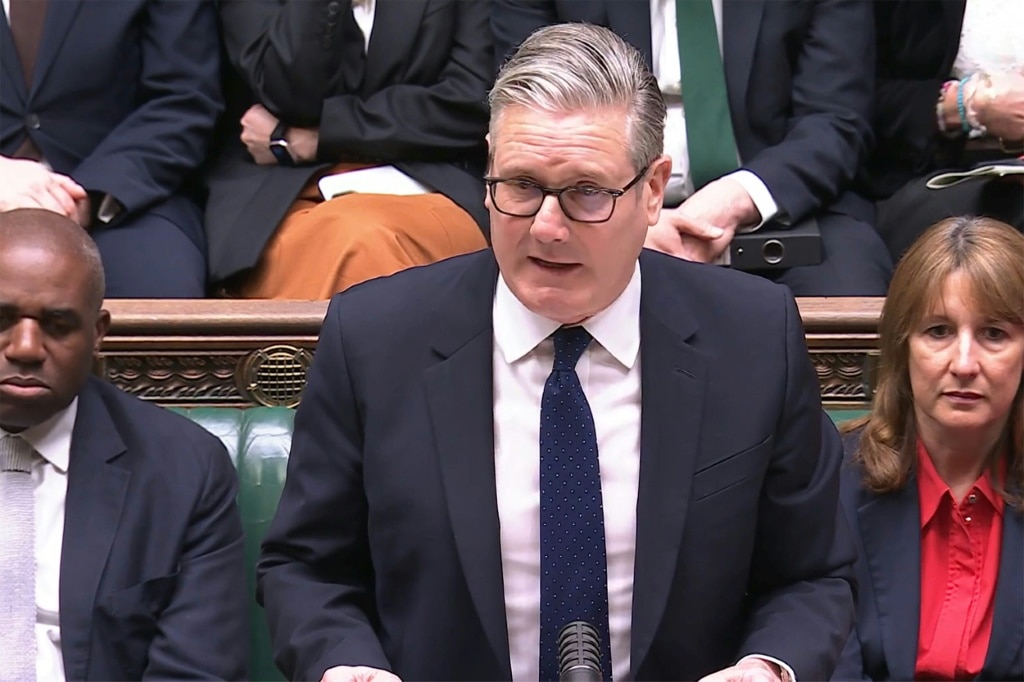
    A fired top British Foreign Office official has levelled serious accusations against Downing Street, claiming Prime Minister Keir Starmer’s office exerted unrelenting pressure on civil servants to fast-track the appointment of Peter Mandelson as UK ambassador to the United States while sidelining critical security concerns.

    Olly Robbins, who served as the Foreign Office’s most senior civil servant until his dismissal last week, delivered explosive testimony to a parliamentary oversight committee on Tuesday, pulling back the curtain on the chaotic vetting process that has plunged the Starmer government into its worst political scandal in months.

    The controversy centers on Mandelson, a veteran Labour Party grandee who was tapped for the prestigious Washington post in December 2024, just weeks before Donald Trump’s second presidential inauguration, and took up the role in February 2025. Mandelson was ultimately forced out of the post in September 2025, seven months into the job, after new details emerged of his long-documented close personal ties to the late convicted sex offender Jeffrey Epstein, who died in a New York prison in 2019 while awaiting trial on sex trafficking charges.

    In his opening remarks to the committee, Robbins laid out how Downing Street’s urgent push for a quick appointment created a dismissive culture around mandatory security vetting. When he took the top Foreign Office role in January 2025, he said, there was a “very strong expectation coming from Number 10 that [Mandelson] needed to be in post and in America as quickly as humanly possible.” That urgency translated to unending pressure on his team, he added: “My office, the foreign secretary’s office, were under constant pressure, there was an atmosphere of constant chasing.”

    Contradicting earlier public claims from Starmer, who has insisted all “due process” was followed during the appointment, Robbins confirmed that independent vetting officials had ultimately recommended against granting Mandelson security clearance. He clarified that the case was deemed “borderline,” with vetters leaning toward a denial, but that internal Foreign Office security analysts concluded the identified risks could be managed. Critically, he added, the risks flagged did not stem from Mandelson’s relationship with Epstein – UK media has previously reported the concerns centered on ties between Mandelson’s now-closed lobbying firm and Chinese entities.

    Robbins also acknowledged that denying clearance would have created major political headaches for Starmer and the foreign secretary, and could have damaged early UK-US relations under the new Trump administration, but he insisted those factors did not drive the final decision to approve the appointment.

    The confirmation that independent vetters recommended rejecting clearance, first reported by *The Guardian* last Thursday, has sparked renewed opposition demands for Starmer’s resignation. The prime minister has pushed back against calls to step down, blaming civil servants for deliberately concealing the recommendation from him and denying he misled Parliament in earlier statements about the scandal. Critics, including former senior civil servants, have accused Starmer of scapegoating Robbins to deflect from his own responsibility for the botched appointment.

    The scandal has even drawn comment from former US President Donald Trump, who waded into the controversy this week via his Truth Social platform. Trump, who has previously criticized Starmer over what he sees as insufficient UK support for his actions in Iran, agreed that Mandelson “was a really bad pick” for the Washington post, though he added a brief optimistic note: “Plenty of time to recover, however!”

    Beyond the appointment controversy, Mandelson, 72, is also facing separate scrutiny: UK police are currently investigating allegations of misconduct in office from his time as a Labour minister more than 15 years ago. He was arrested and released earlier this year in connection with the probe, and has not been charged, repeatedly denying any criminal wrongdoing.

    On Tuesday, following testimony from Robbins, UK Parliament was set to hold an emergency debate on the scandal, requested by opposition Conservative Party leader Kemi Badenoch, who said there remain “serious questions about what [Starmer] knew and when.” In response to the growing outcry, Starmer announced Monday that he has launched a full review of the UK’s government security vetting process to prevent similar breakdowns in the future.

  • No Iran delegation sent to US talks yet as truce expiry nears

    No Iran delegation sent to US talks yet as truce expiry nears

    As a fragile two-week temporary ceasefire in the Middle East edges toward its expiration date, fresh tensions have erupted between Iran and the United States after Tehran confirmed Tuesday that no Iranian delegation has departed for planned new peace talks hosted in Islamabad, Pakistan. The escalating standoff has cast deep uncertainty over efforts to prevent a full-scale resumption of hostilities, with both sides already trading accusations of violations of the existing truce, which is scheduled to end this week.

    This round of talks was meant to follow up on high-level discussions held earlier this month in Pakistan, the most senior diplomatic engagement between the two long-time adversaries since the establishment of the Islamic Republic of Iran in 1979. Analysts had previously viewed the senior composition of both delegations in that first meeting as a promising signal that both sides were serious about reaching a negotiated settlement. However, those initial talks collapsed without any agreement, triggering immediate retaliatory steps: Iran reimposed restrictions on shipping through the strategic Strait of Hormuz, a critical global oil chokepoint, while former U.S. President Donald Trump announced a full blockade of Iranian ports.

    In an official statement carried by Iranian state television, Tehran pushed back against media reports claiming a delegation was already en route to Pakistan. “So far, no delegation from Iran has departed for Islamabad, Pakistan; whether it is the main or subsidiary delegation; primary or secondary,” the statement read. Iranian officials have publicly pushed back against what they call bad faith negotiating tactics from the Trump administration, rejecting what they describe as excessive American demands. Iran’s parliament speaker emphasized that the country would never agree to hold talks “under the shadow of threats” from the U.S. leader, warning that Tehran would “show new cards on the battlefield” if hostilities resume.

    The Trump administration has hit back with its own set of accusations: Trump claims Iran fired on commercial vessels transiting the Strait of Hormuz, while Tehran counters that the U.S. blockade and the recent seizure of an Iranian vessel constitute clear breaches of the ceasefire agreement. Washington is also pressing Iran to make major concessions on its contested nuclear program, with Trump confirming that the port blockade will remain in place until a final deal is reached.

    Confusion has even emerged over the exact timing of the truce expiration: while the agreement is technically set to end overnight Tuesday, Trump told Bloomberg it would expire Wednesday evening Washington time, and added that an extension of the ceasefire is “highly unlikely.” Speaking to PBS News, Trump noted that Iran was “supposed to be there” at the Pakistan talks, and warned that “if the ceasefire expires then lots of bombs start going off.” Despite the rising tensions, Trump has pushed back against media reports that he faces urgent pressure to strike a deal. In a post on his Truth Social platform, he wrote: “I read the Fake News saying that I am under ‘pressure’ to make a Deal. THIS IS NOT TRUE! I am under no pressure whatsoever, although, it will all happen, relatively quickly!”

    Foreign policy experts say Iran’s decision to hold off on sending a delegation is a calculated move to put pressure on Washington, with Iranian leadership still wary of negotiating after U.S. strikes against Iranian targets last year that took place in the middle of ongoing diplomatic efforts. “The current standoff between the United States and Iran is no longer a clash of capabilities but rather a struggle of political endurance and bargaining leverage,” wrote Daniel Byman, a senior fellow at the Center for Strategic and International Studies, in a recent analysis.

    For ordinary Iranian citizens, the uncertain truce has already brought deep economic hardship. In interviews with AFP journalists in Tehran, residents described worsening living conditions squeezed by the combined impact of government policies and the ongoing conflict. “This cursed ceasefire has broken us. There is no light at the end of the tunnel,” said 39-year-old Saghar. “The situation is terrible. I don’t know anyone around me who is doing well.”

    Despite the ongoing brinkmanship between the two countries, global markets reacted positively to lingering hopes for a diplomatic breakthrough on Tuesday: international oil prices fell, while global stock markets posted modest gains on the optimism.

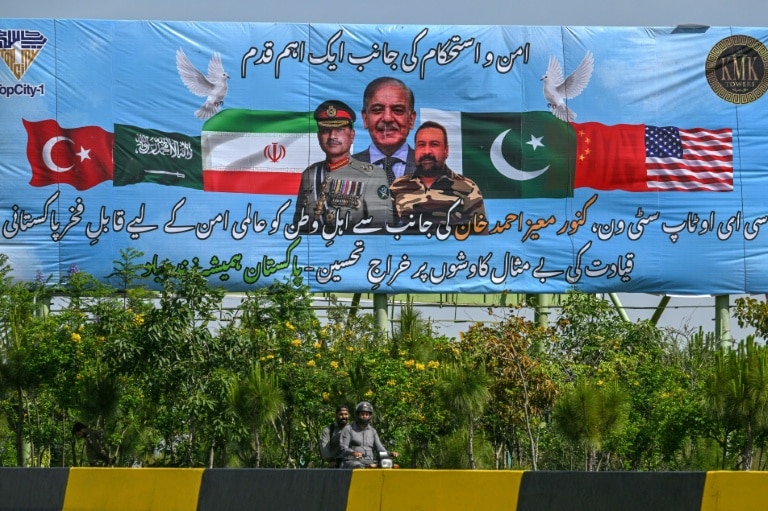
    In preparation for the possible talks, Pakistani authorities have deployed heavy security across Islamabad’s government quarter, which has been largely shut down. The Serena Hotel, which hosted the first round of negotiations, asked guests to vacate the premises in recent days, and authorities have bolstered police presence across the city. Many schools and universities have shifted to remote learning for the week, and truck and heavy vehicle entry into the city has been banned.

    In a separate development tied to the broader regional conflict, a new 10-day ceasefire between Israel and Lebanon went into effect Friday, bringing a pause to cross-border violence that drew Lebanon into the war after the Iran-aligned militant group Hezbollah launched rocket fire in support of Tehran. A U.S. State Department official confirmed to AFP that a second round of peace talks between Israel and Lebanon, which have no formal diplomatic relations, will be held in Washington this Thursday. Sporadic violence has continued along the border despite the truce, and the Israeli military has warned Lebanese civilians against returning to dozens of villages in southern Lebanon, claiming ongoing Hezbollah activities violate the ceasefire terms. According to the latest count from a Lebanese government body, Israeli attacks on Lebanon have killed at least 2,387 people since the outbreak of the war.

  • War in the Middle East: latest developments

    War in the Middle East: latest developments

    The ongoing conflict in the Middle East continues to unfold with a cascade of new developments across diplomatic, military, economic, and political fronts this week, reshaping regional dynamics and global market sentiment.

    On the diplomatic track, conflicting updates have emerged regarding planned indirect talks between Iran and the United States set to take place in Islamabad, Pakistan. Iran’s state-run television has firmly denied earlier reports that any Iranian negotiating delegation has already departed for the bilateral discussions, stating explicitly that no official group — whether core or ancillary — has left the country for the talks. A separate anonymous source familiar with U.S. planning confirmed to Agence France-Presse that an American delegation is still scheduled to travel to Pakistan “soon” for the new round of negotiations focused on de-escalation.

    Separately, the United States is moving forward with its diplomatic efforts to resolve tensions along the Israeli-Lebanese border. A senior U.S. State Department official, speaking on condition of anonymity, confirmed that Washington will host a new round of direct talks between Israeli and Lebanese delegations on Thursday. This meeting follows an earlier negotiation session that paved the way for a fragile, currently holding ceasefire between Israeli forces and the Iran-aligned militant group Hezbollah. “We will continue to facilitate direct, good-faith discussions between the two governments,” the official noted.

    In northern Israel, Israeli Defense Minister Israel Katz outlined the dual strategy driving his country’s ongoing military campaign in southern Lebanon. Katz emphasized that Israel’s overarching objective is the full disarmament of Hezbollah, a step the country says is necessary to eliminate persistent security threats to Israeli communities located along the northern border. According to Katz, this goal will be pursued through a coordinated combination of targeted military pressure and parallel diplomatic action.

    Inside Iran, the national judiciary confirmed the execution of Amir Ali Mirjafari, a man convicted of multiple charges including collaboration with Israeli intelligence agency Mossad and the United States, involvement in arson at the prominent Gholhak Grand Mosque in Tehran, and leading anti-government security activities during pre-war protest waves. The execution was carried out by hanging on Wednesday morning, according to a statement published on Iran’s official judiciary Mizan Online website.

    On the maritime front, shipping industry intelligence outlet Lloyd’s List has documented that more than 20 Iranian-registered “shadow vessels” — unmarked or obscurely flagged vessels often used to evade trade restrictions — have successfully bypassed the U.S.-led naval blockade on Iranian ports. In normal peacetime conditions, the strategic Strait of Hormuz, a critical chokepoint for global oil supplies, sees an average of 120 commercial vessel transits on a daily basis, the outlet noted.

    In comments on U.S. policy toward Iran, former U.S. President Donald Trump, who oversaw last year’s Operation Midnight Hammer strikes on Iranian nuclear infrastructure, offered updated remarks on the state of Iran’s uranium program. Writing on his Truth Social platform, Trump reiterated that the U.S. strikes achieved the complete destruction of Iran’s nuclear sites, adding that any future effort by the U.S. to recover enriched uranium from the targeted facilities would be an extended and logistically challenging process. Trump also reaffirmed his support for the ongoing U.S. blockade of Iranian ports, stating that the trade restriction will remain in place until Iran signs a comprehensive peace agreement to end the current regional conflict. He noted that Iran loses an estimated $500 million daily under the blockade, a financial hit he described as unsustainable even over short timeframes.

    Global commodity and equity markets reacted to shifting optimism around a potential de-escalation deal that would end the conflict and reopen full transit through the Strait of Hormuz. As of 07:15 GMT, global benchmark Brent Crude fell 0.7% to trade at $94.78 per barrel, while U.S. West Texas Intermediate crude dropped 1.4% to $88.35 per barrel. In contrast, global equity markets posted gains as investors grew more hopeful that a breakthrough deal could ease upward pressure on energy prices.

  • Australian shares stall as investors await outcome of US-Iran ceasefire talks

    Australian shares stall as investors await outcome of US-Iran ceasefire talks

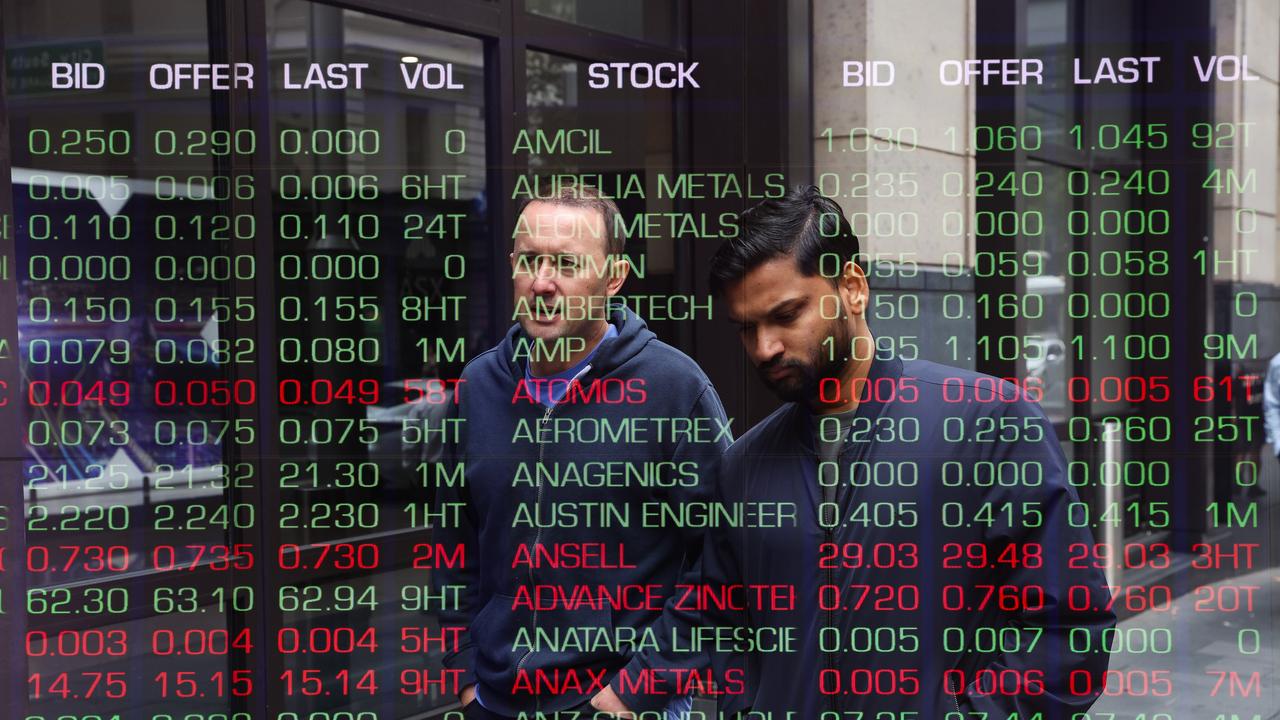
    On Tuesday, Australian equity markets settled into a cautious holding pattern, with benchmark indices closing nearly unchanged as investors paused major moves ahead of a key Middle East ceasefire expiration set for Wednesday’s trading open. The benchmark S&P/ASX 200 slid a marginal 3.9 points, a 0.04% dip, to close at 8949.4, while the wider All Ordinaries index gained a matching fractional 0.03%, adding 3.1 points to finish the session.

    The day began with an early upward push for stocks, but those initial gains evaporated as market participants braced for potential volatility linked to the pending expiration of the ceasefire between the United States and Iran. Industry analyst Tony Sycamore of trading firm IG flagged the Wednesday opening bell as a critical juncture for the local market, noting that the timing of the deadline could spark sharp price swings in early trading when markets reopen.

    Sycamore explained that Tuesday’s muted session followed modest overnight declines on major U.S. equity markets, where resurfaced geopolitical tensions between the U.S. and Iran interrupted a multi-day winning streak for major American indices. He added that the relatively muted declines seen in both U.S. and Australian markets stem from a balancing act among traders: they are pricing in the new geopolitical risk while holding out hope that diplomatic negotiations will result in an extended or even permanent ceasefire agreement.

    Six of the 11 tracked sectors on the ASX 200 closed in positive territory on Tuesday. Consumer staples led all gainers with a 0.67% uplift, while the energy sector was the session’s weakest performer, dropping 1.03% overall. The decline in energy stocks aligned with a recent pullback in global crude prices: Brent Crude has fallen more than 5% over the past month and dipped below the $95 per barrel threshold.

    Among individual energy names, Viva Energy recovered 0.87% to close at $2.32, rebounding slightly from a steep drop in the prior session that came after a fire broke out at the company’s Geelong refinery during its first day of trading post-incident. By contrast, major oil and gas producer Woodside Energy fell 1.76% to $31.21, and competitor Santos lost 1.46% to close at $7.44.

    Australia’s big four national banks delivered a mixed performance, matching the market’s overall flat tone. National Australia Bank gained 0.46% to close at $41.21, and Westpac Banking Corporation rose 0.57% to finish at $40.25, putting both in positive territory. On the losing side, Commonwealth Bank of Australia slipped 0.32% to $179.58, and Australia and New Zealand Banking Group dropped 1.71% to close at $37.28.

    Some individual stocks posted strong gains on the back of positive corporate news. Vulcan Energy climbed 6.5% to $3.76 after announcing a €40 million engineering services agreement with Siemens for its planned lithium and renewable energy project. Counter-drone technology firm Droneshield rose 5.54% to close at $3.81.

    On the downside, investment platform HUB24 slid 8.33% to $87.50 following the release of its third-quarter operational update. Medical technology firm 4DMedical pulled back 6.15% to $5.34 in its first session as an official constituent of the ASX 200 index. Even with the pullback, long-term shareholders in 4DMedical have little cause for concern: the stock has posted a gain of more than 1800% over the past 12 months.

  • Bolt advises Gout not to forget track and field

    Bolt advises Gout not to forget track and field

    One of the most iconic names in sprinting history, Usain Bolt, has delivered critical guidance to teenage Australian track phenom Gout Gout, urging the rising star to prioritize his athletics career and surround himself with a trusted support team as growing attention brings new distractions. The 18-year-old speedster turned heads around the global athletics community earlier this month when he dominated the 200m event at the Australian Athletics Championships, defending his title with an astonishing time of 19.67 seconds. This performance not only toppled the existing world under-20 record of 19.69 seconds set by American sprinter Erriyon Knighton but also outpaced a historic mark: the 19.93-second 200m run that a teenage Usain Bolt clocked back in 2004.

    Gout, who already added the national under-20 100m title to his resume earlier in the championships, has been breaking age-group records for years. At just 16 years old, he set the fastest 200m time ever recorded for a runner of that age, posting a 20.04-second result at the 2024 World Under-20 Championships, where he took home a silver medal in the event. Last competitive season, he also became one of the rare teenagers to break the 20-second barrier, notching a wind-assisted 19.84-second run at the national championships.

    In an interview with CNN, the eight-time Olympic gold medalist, who has previously commented that Gout reminds him of his younger self, opened up about the unique challenges young elite sprinters face. Having navigated early fame himself, Bolt emphasized how easily promising young athletes can be pulled off course by outside opportunities and attention. “At that young age, because I was there, you start getting put left and right and then you forget track and field,” Bolt explained. “Hopefully he has the right set of people to guide him and keep him focused on track and field because the rest of the stuff will always be there. But if you mess up on track and field, then it all goes away.”

    Looking ahead, Gout is gearing up for a major milestone in his young career: his debut on the Diamond League circuit, where he will compete in the 200m event in Oslo this coming June. In a strategic move to prioritize his long-term development and junior elite goals, the sprinter has confirmed he will skip the 2026 Commonwealth Games in Glasgow to focus his preparation on the World Under-20 Championships, scheduled to take place in Oregon this August.

  • Melbourne socialite Brynne Edelsten has bail conditions relaxed after police raid allegedly uncovered drugs

    Melbourne socialite Brynne Edelsten has bail conditions relaxed after police raid allegedly uncovered drugs

    A Melbourne-based former reality TV personality and socialite facing drug trafficking charges has received a modification to her bail terms, after a court-monitored support program issued a strongly positive assessment of her progress, a Melbourne court confirmed on Tuesday.

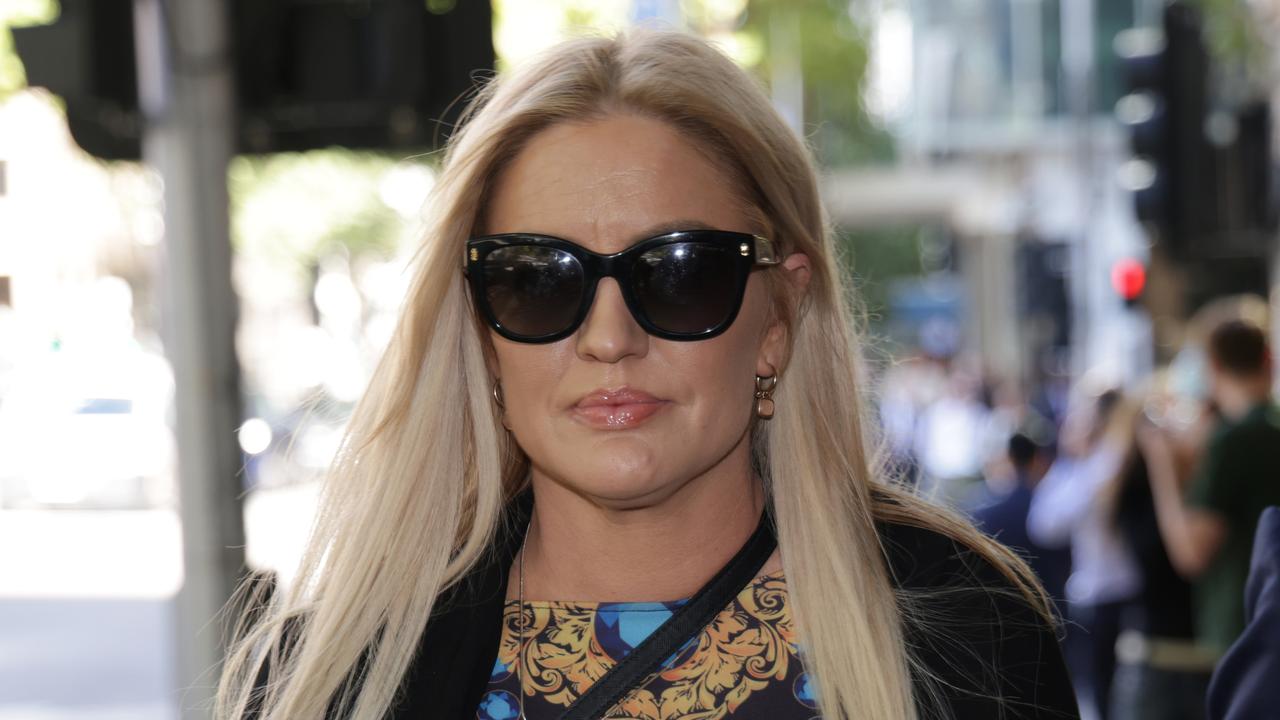
    Forty-three-year-old Brynne Edelsten, who previously gained public attention for her high-profile marriage to late Australian billionaire Geoffrey Edelsten and multiple reality television appearances, appeared alongside co-accused Simon Pienaar at the Melbourne Magistrates Court on Tuesday. During the hearing, the court scheduled a contested committal hearing for late July, which will determine whether the pair will proceed to a full criminal trial.

    The pair were first taken into custody in late December last year, following a police raid on Edelsten’s Fitzroy residence. Investigators allege they seized multiple controlled substances during the search, including methamphetamine, the anabolic steroid testosterone, and ketamine. Prosecutors further claim Pienaar’s fingerprints were recovered from drug packaging found at the property. Both Edelsten and Pienaar are currently facing charges including commercial quantity methamphetamine trafficking and drug possession; neither defendant has entered a plea at this stage of proceedings.

    Following the arrest, Edelsten was granted bail in late December, with a requirement that she participate in mandatory monitoring and support through Victoria’s Court Integrated Service Program (CISP). On Tuesday, Edelsten’s defense lawyer Veronika Drago requested an adjustment to these bail conditions to remove the CISP monitoring requirement. The court heard that the CISP, which has overseen Edelsten’s bail term since December, had itself recommended removing her from the program, citing her “excellent engagement” with all requirements, including consistent attendance at court-mandated counselling.

    Magistrate Donna Bakos, who approved the bail adjustment, noted that the CISP report described Edelsten’s progress and rehabilitation efforts in “very glowing terms.” “It’s important I acknowledge you have participated to the best you can, which is excellent,” Bakos told the defendant. “I strongly encourage you to continue on that path.” Edelsten thanked the magistrate following the ruling, and declined to comment on the case to reporters as she left the court building.

    Edelsten first became a household name in Australia following her 2009 marriage to Geoffrey Edelsten, a flamboyant billionaire medical entrepreneur and former owner of the Sydney Swans Australian Football League club. The pair had a 46-year age gap and held an extravagant, widely publicized wedding before separating in 2014. In the years following her divorce, Edelsten built a public profile as a media personality, appearing on high-rating reality series including *Dancing with the Stars*, *SAS Australia*, and her own reality docuseries *Brynne: My Bedazzled Life*.

    Both Edelsten and Pienaar are scheduled to return to the Melbourne Magistrates Court on July 27 for the upcoming committal hearing.