
Against a shifting global conflict landscape marked by rising drone usage in Ukraine and the Middle East, Australia’s Albanese government is moving rapidly to equip the Australian Defence Force (ADF) with cutting-edge counter-drone capabilities, locking in two major domestic contracts worth A$31.7 million as part of a 10-year, A$7 billion investment package. The latest funding announcement doubles the government’s existing commitment to counter-drone technology, aligned with the newly unveiled 2026 National Defence Strategy released last week. This strategy, which includes the biggest peacetime increase in Australian defence spending in modern history, boosts overall defence funding to A$887 billion for the 2023–2026 period, with A$425 billion earmarked for core defence capabilities through the Integrated Investment Program (IIP) — a A$150 billion increase since 2020. On Tuesday, the government confirmed A$21.3 million would go to domestic defence firm AIM Defence, while a further A$10.4 million will be awarded to SYPAQ Systems, two Australian companies leveraging local innovation to address evolving battlefield threats. The investment in AIM Defence will advance the development of the company’s Fractl high-powered counter-drone laser system, a revolutionary directed-energy weapon engineered to neutralize both single unmanned aerial vehicles (UAVs) and large drone swarms. Capable of tracking moving targets as small as a 10C coin at distances exceeding 100 kilometers, the system delivers enough concentrated energy to burn through solid steel, making it effective against even hardened drone designs. For SYPAQ Systems, the funding will support the rollout of its Corvo Strike interceptor drone, a purpose-built kinetic weapon designed to autonomously track, target and eliminate the large UAVs increasingly commonly deployed on modern battlefields. In an official statement, the Australian government noted that while the nation’s unique geographic position has traditionally prioritized capabilities for countering large drones, the changing threat landscape requires urgent acceleration of countermeasures for medium-sized UAVs and small drone swarms — threats that Australian personnel may face both in complex overseas operational environments and during domestic security operations protecting critical infrastructure and civilian populations. Defence Industry Minister Pat Conroy emphasized that ongoing conflicts in Ukraine and the Middle East have clearly demonstrated how uncrewed aerial systems have reshaped modern warfare, becoming an increasingly central tool for adversarial forces. “The development of sovereign counter-drone solutions is essential to ensure the Australian Defence Force can detect, assess and respond to these threats,” Conroy said. Major General Hugh Meggitt, head of the Advanced Strategic Capabilities Accelerator (ASCA), explained that the investment is part of Mission Syracuse, a ADF-focused initiative designed to rapidly advance cutting-edge technology for countering UAV threats by leveraging Australian industry’s global leadership in both kinetic weapons and directed energy systems. “Mission Syracuse will exploit Australian industry’s world leading expertise in kinetic and directed energy to find, fix, track, target and engage Uncrewed Aerial Vehicles,” Meggitt said. “It will significantly enhance the ADF’s ability to counter the threat posed by UAVs employed by malicious actors; domestically and abroad.” Last week, Defence Minister Richard Marles announced the Albanese government would increase defence spending by more than A$53 billion over the coming decade, marking the largest expansion of Australian defence investment in peacetime. The new investment in counter-drone technology underlines the government’s priority of preparing the ADF for emerging asymmetric threats that have become increasingly common in 21st century conflict.
标签: Oceania
大洋洲
-
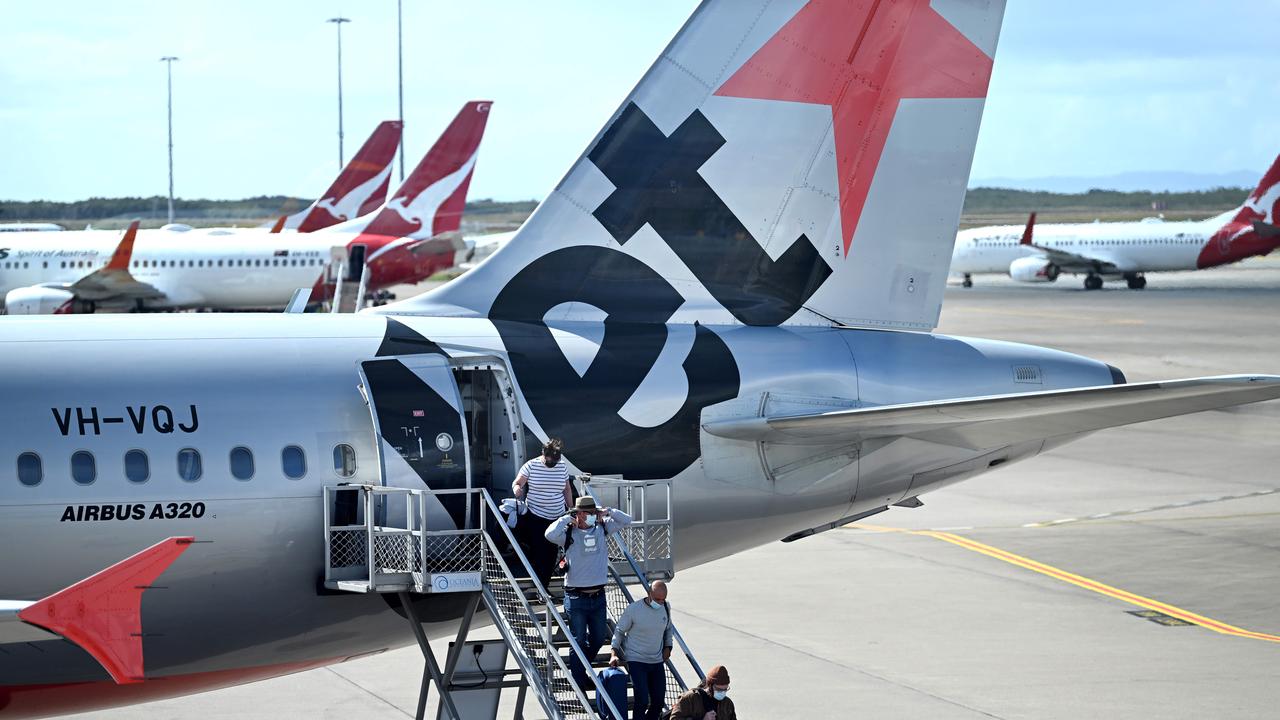
Jetstar axes number of New Zealand flights by 12 per cent as soaring fuel costs continue to bite
Skyrocketing jet fuel costs, triggered by the effective closure of the Strait of Hormuz seven weeks ago, have forced Australian budget carrier Jetstar and its parent company Qantas to slash thousands of flights across Australia and New Zealand through the end of June, with New Zealand domestic routes bearing the brunt of the cuts. New data compiled by aviation industry publication AeroRoutes details the scale of the capacity cuts between May 18 and June 30, revealing stark disparities in how the reductions impact different regions. Jetstar is trimming just 2.7% of its domestic Australian flight capacity over the period, bringing total scheduled services to 10,237, while cutting 12% of its domestic New Zealand operations, dropping total flights to just 1,564 – a relative cut more than four times larger than the cuts to Australian domestic routes. The deep cuts to New Zealand domestic capacity mean local travelers will face far greater disruption than their Australian counterparts. For trans-Tasman routes connecting Australia and New Zealand, the largest reductions are concentrated on services running to and from Auckland and Christchurch, both operating out of Australia’s Gold Coast. On Australian domestic routes, two planned services have been pushed back or cancelled entirely: the scheduled June 17 resumption of Gold Coast to Darwin flights has been delayed until October, and all Sydney to Busselton (Western Australia) services are scrapped between June 1 and September 21. Across the entire seven-week cut period in Australia, most Jetstar routes see fewer than five cancelled trips per route, but domestic New Zealand sees far larger cuts to key intercity routes: 55 Auckland to Christchurch flights are axed, dropping total scheduled services to 310, and 53 Auckland to Wellington trips are removed from the schedule, leaving 142 remaining flights. Qantas, Jetstar’s parent company, has also implemented its own capacity cuts, trimming 3.6% of its total scheduled flights in the same May 18 to June 30 window. Qantas’s cuts fall most heavily on busy domestic trunk routes: 43 Brisbane to Melbourne flights, 31 Melbourne to Brisbane flights, 23 Melbourne to Adelaide flights, 27 Perth to Sydney flights, 50 Sydney to Brisbane flights, and 76 Sydney to Melbourne flights have all been cancelled. The root cause of the capacity pullback is a historic surge in jet fuel prices, that has seen costs for buyers in Asia and Oceania jump as much as 150% since the Strait of Hormuz, a critical global energy chokepoint, was closed seven weeks ago. Last week, Qantas issued a formal update to the Australian Securities Exchange (ASX) warning that its total fuel bill for the second half of the 2024 financial year would be between $600 million and $800 million higher than initial projections. The steep rise in fuel costs comes even as the airline group’s core profitability metric, revenue per passenger kilometre, continues to climb as carriers push through higher ticket prices to offset growing costs. Neither Jetstar nor Qantas has issued a public statement responding to questions about the new capacity cut details from AeroRoutes. The widespread cuts highlight how global energy market disruptions are directly impacting regional aviation capacity across Oceania, putting additional pressure on travelers already facing rising airfares.
-
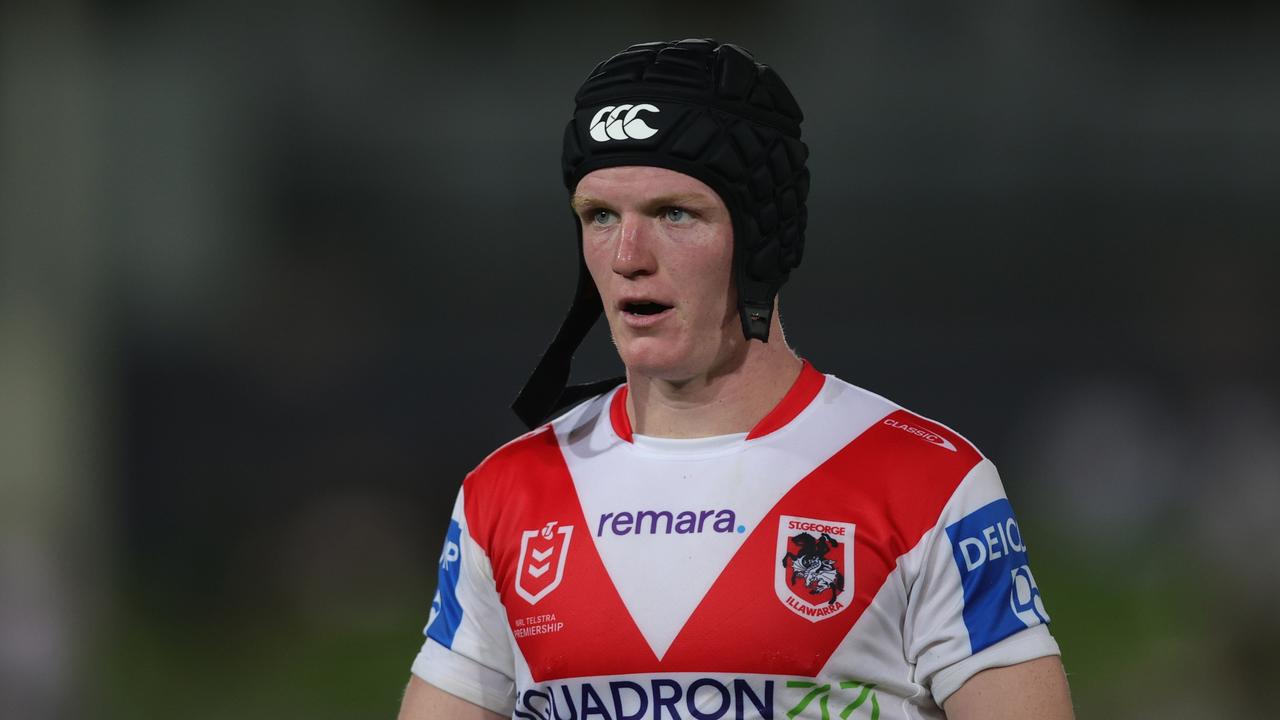
‘Buckle up’: Dean Young brings Kade Reed in for NRL debut in first major move as Dragons coach
The 2025 National Rugby League (NRL) season has entered a dramatic new phase, as newly appointed interim head coach Dean Young has wasted no time implementing sweeping changes to the struggling St George Illawarra Dragons, just hours after taking over the role.
With the Dragons mired in a winless 0-7 start to the campaign, Young moved quickly to grant promising young playmaker Kade Reed his long-awaited first-grade NRL debut this Anzac Day against the Sydney Roosters. The coaching shake-up follows the sudden departure of former head coach Shane Flanagan, whose son Kyle Flanagan — the incumbent starting half — has been demoted to the bench to make space for Reed in the starting lineup.
Young’s appointment was confirmed by Dragons CEO Tim Watsford and chairman Andrew Lancaster at 5:30 p.m. Monday, and within hours, he drove directly to Reed’s family home to deliver the life-changing news in person, alongside the departure of assistant coach Michael Ennis from the club.
Reflecting on the whirlwind sequence of events in his first official press conference, Young said he first broke the news to his own family, warning them of the chaotic stretch ahead, before heading to see Reed. “That’s the best part of coaching,” Young explained. “There are lots of things that you don’t enjoy about coaching, but when you give young men opportunities to reach their dreams, that’s the best part.”
The rookie playmaker’s promotion comes after months of calls from Dragons supporters to give Reed a shot at the top level, with former coach Shane Flanagan opting to develop the teenager gradually through reserve grade to build his experience against bigger, more experienced opponents. Young, however, said the club’s poor start to the season demanded an immediate change, and he made the call because of his firm belief in Reed’s ability to deliver.
Critics have already labelled the call risky, fielding an untested teenager on the high-profile Anzac Day match for a club stuck in a lengthy losing streak. But Young pushed back on that assessment during the press conference, saying he wanted Reed and his family to know he sees the young playmaker as a core part of the club’s long-term future. “To sit in the lounge room in front of his parents and his brother Cooper and tell him that he’s about to play on Anzac Day means a lot to me,” Young said. “I wouldn’t do it unless I believed in him.”
Addressing Kyle Flanagan’s demotion, Young noted the halfback has only set up two tries through the first seven matches of the season, and will now provide cover at either half or hooker for starting hooker Damien Cook. Young added that he has a strong relationship with Flanagan, who has accepted the change for the good of the team. “We need change,” Young said. “Where we’re going isn’t getting us to where we want to go. We’re getting the same results each week where we’re leading games and then not getting it done, and we need a bit of a circuit breaker. I know Kade will do a good job, but Kade Reed is not the saviour of this club. He needs the 16 players that take the field on the weekend to do their job, and then he’ll be able to do his.”
Outside of the Dragons’ major reshuffle, a host of other team changes have been confirmed across the league ahead of the upcoming round of matches. At the Wests Tigers, young rising winger Heamasi Makasini has been dropped from the first-grade side after a poor performance against the Brisbane Broncos, with Luke Laulilii named to take his place on the wing. Starford To’a will also step into the starting centers, replacing Patrick Herbert.
The Canberra Raiders will be without forward Hudson Young due to suspension, while veteran prop Josh Papalii will miss up to eight weeks of play with a partially torn calf muscle. For the North Queensland Cowboys, three key players — Jeremiah Nanai, Murray Taulagi and Reed Mahoney — are all set to return to the lineup for their match against the Cronulla Sharks, who will welcome back veteran forward Cam McInnes on the bench, after McInnes recovered from a season-opening ACL tear.
The Canterbury-Bankstown Bulldogs have mixed team news: captain Stephen Crichton has been cleared to return from a shoulder injury, but starting winger Jacob Kiraz will miss the team’s Friday match in Brisbane due to a knee injury. Their opponents, the Brisbane Broncos, will be without starting props Payne Haas and Corey Jensen, forcing coach Kevin Walters to name Ben Talty and Jack Gosiewski in the starting front row.
Elsewhere, Brad Schneider will start at five-eighth for the Dolphins, replacing suspended playmaker Kodi Nikorima. Freddy Lussick will take over starting hooker duties for the Penrith Panthers while Mitch Kenny recovers from a serious leg injury. Manly Sea Eagles speedster Tolu Koula will replace injured fullback Tom Trbojevic, while the Parramatta Eels will welcome back Sean Russell and Kelma Tuilagi, both returning from concussion-related absences.
-
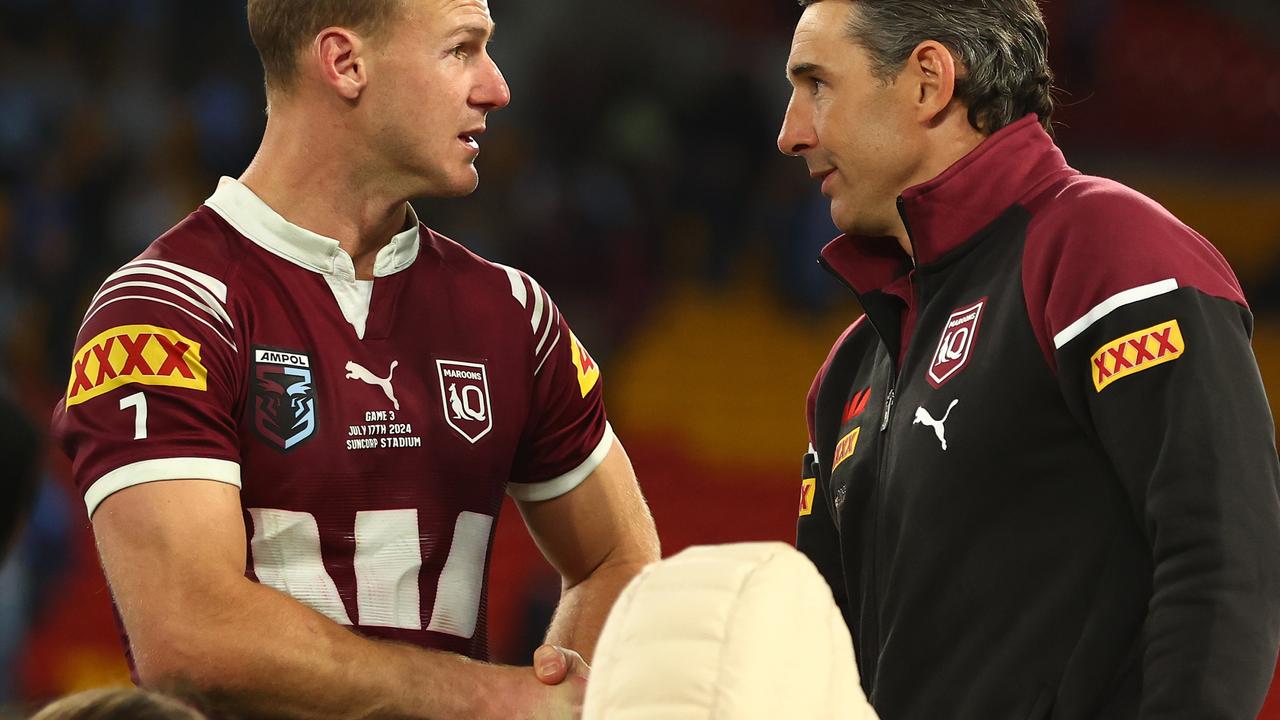
‘I’m not their best option’: Daly Cherry-Evans stops short of retiring from rep footy but backs incumbents to lead Maroons
As Queensland Maroons head coach Billy Slater prepares to finalize his squad for the 2026 State of Origin series, one of the program’s most storied veterans has opened up about his uncertain future in the representative rugby league arena, delivering a refreshingly grounded perspective on his place in the side’s next chapter.
Former Queensland captain Daly Cherry-Evans, who notched 26 Origin appearances across his career and led the side in the opening game of the 2025 series, has stopped short of formally announcing his retirement from the interstate contest. The 37-year-old Sydney Roosters playmaker, however, has thrown his unwavering support behind incumbent halves pairing Cameron Munster and Tom Dearden, who he says deserve to retain their starting spots for the upcoming series.
Cherry-Evans’s 2025 Origin tenure ended abruptly after Queensland suffered a game one defeat at Brisbane’s Suncorp Stadium, when coach Billy Slater made the blockbuster call to drop the veteran skipper from the side. Dearden was brought into the starting lineup in his place, while Munster was promoted to take over captaincy. The reshuffled pairing went on to lead Queensland to a historic come-from-behind series win, with Dearden claiming the prestigious Wally Lewis Medal as the series’s best player.
Though Cherry-Evans remains technically eligible for selection and has left the door cracked open for a potential surprise recall, he acknowledged that the current pairing deserves first dibs on the roles, even noting that both Munster and Dearden have faced inconsistent form at their respective NRL club sides this season. “I’m never going to be that guy that just comes out and retires, but I’m very comfortable with the side that they picked last year to win the series in the back end,” Cherry-Evans said in a recent interview.
“Tom Dearden and Cam Munster, there’s absolutely no doubt in my mind that they’re Queensland’s best options going forward. If something ever happened moving down the track, you just keep your options open, and it’d be bloody hard to say no to a Queensland jersey again. But I’m quite clear that I’m not their best option right now and I’m OK with that.”
Reflecting on his decorated Origin career, Cherry-Evans said he holds nothing but positive memories of representing his home state, and has fully accepted the current reality of his position in the squad’s pecking order. “It’s really hard to talk about yourself when it comes to what you’ve done. I’m still playing, so I’ve got nothing but great memories of State of Origin. If I got another chance, that’d be great, but if not, that’s also OK,” he said. “I’m going to continue to work really hard on my game and try and get the Roosters to keep winning footy games and have a strong input in that. But where it is right now, I completely understand it and accept it, and that’s OK. If I’m not picked, that’s fine, I’ll be watching at home cheering for Queensland.”
Slater, who played alongside Cherry-Evans for the Maroons during his own playing career, said he has been encouraged by the veteran’s form and mindset following his off-season move from Manly Sea Eagles to the Sydney Roosters, a shift Cherry-Evans said he needed to reignite his love for the game. The Queensland coach added that a Cherry-Evans recall is widely viewed as highly unlikely, with young playmakers Sam Walker of the Roosters and Ezra Mam of the Brisbane Broncos already in contention for a spot in this year’s squad.
“He’s been great. It’s good to see him enjoying his footy. He said he needed a fresh start, and he’s got that,” Slater told reporters at the MCG on Monday. “He’s the oldest player in our game and he’s doing a wonderful job. I’ve spoken to him a couple of times at games, and it’s good to see him putting some games together. It was always going to take some time with Sammy Walker and ‘Chez’ being quite similar players, but they’re making it work. They’ve got a good roster at the Roosters, so the more they play together, the better they’re going to get. That’s dangerous for the rest of the competition.”
-

Eta appointment ‘no surprise’ for Union Berlin’s ascendant women
When news broke that Marie-Louise Eta would take the helm of Union Berlin’s women’s first team ahead of their 2025-26 top-flight debut, the landmark appointment made headlines across global football. Yet for everyone inside the ambitious German club, the move came as no shock — it was simply the next logical step in Union Berlin’s years-long, industry-leading push to elevate women’s football to full parity with the men’s program.
-
Democrats eye Virginia gains in war with Trump over US voting map
As the United States gears up for November’s critical midterm elections, all eyes are turning to Virginia, where voters head to the polls Tuesday for a high-stakes referendum that could upend the balance of power in the U.S. House of Representatives. What began as a redistricting push championed by former President Donald Trump to shore up Republican advantages has evolved into a major liability for the GOP, with Democrats positioned to pick up four additional congressional seats if the measure passes.
The fight over this ballot initiative sits at the heart of a broader national battle over gerrymandering, the longstanding and widely decried practice of manipulating electoral district boundaries to favor the controlling political party. This clash has emerged as one of the defining issues of the 2024 midterm campaign cycle.
If approved, the measure would allow Virginia to redraw its congressional districts years ahead of the next scheduled nationwide redistricting, which is tied to the decennial U.S. census and not set to occur until 2030. Currently, Democrats hold a narrow 6-5 advantage in the state’s 11 House seats; the new map would boost that edge to 10 out of 11 districts, delivering a major boost to Democratic efforts to flip or retain control of the chamber.
Control of the House currently hangs by a thread, making the Virginia referendum outcome potentially decisive for the trajectory of Donald Trump’s remaining term in office. A Democratic majority would empower the party to block Trump’s legislative agenda and launch new investigations into his administration, while a continued Republican majority would leave Trump with a compliant congressional body aligned with his policy priorities.
The current national redistricting fight traces back to Trump’s 2023 call on Republican-led states to redraw district maps mid-decade, a move designed to protect the GOP’s fragile House majority. That call triggered a tit-for-tat response, with both parties racing to secure additional congressional seats ahead of November’s vote.
Texas was the first major state to act, approving a new map that could net Republicans up to five extra seats. California quickly countered with its own ballot measure aimed at delivering five new seats for Democrats. Now, Virginia represents one of the Democratic Party’s last major opportunities to gain ground through redistricting before voters cast their ballots nationwide.
Democratic Party organizations have poured unprecedented sums of money into the Virginia campaign, turning the referendum into one of the costliest redistricting fights in U.S. history. Combined, the two leading opposing campaigns have raised nearly $100 million, a large share of which comes from so-called “dark money” groups: non-profit organizations that can spend heavily on political activity without revealing the identities of their donors to the public.
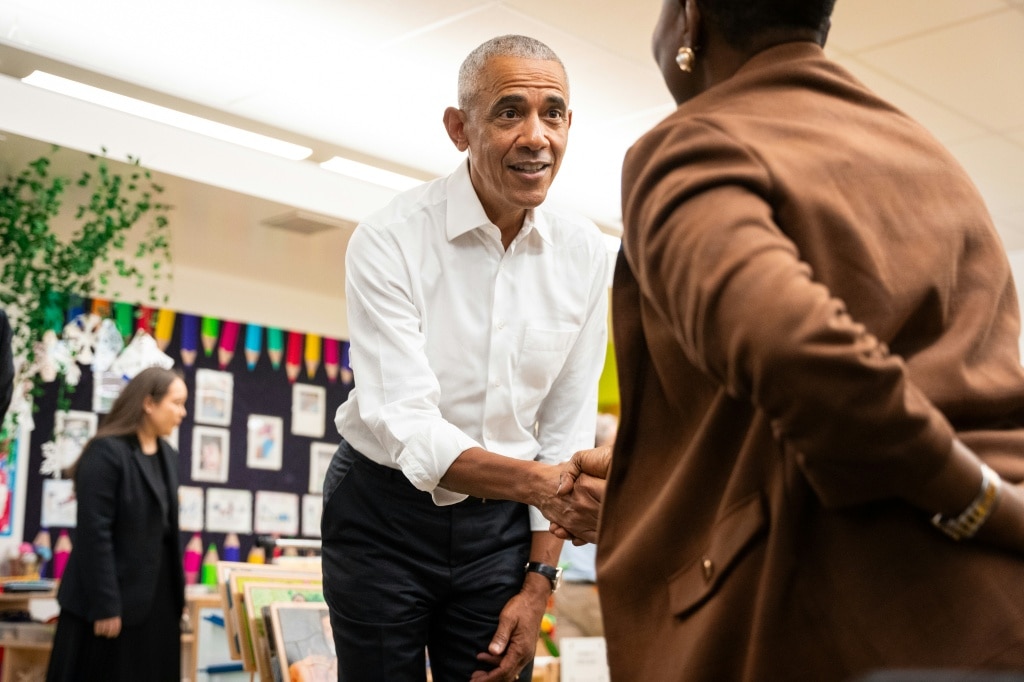
According to reporting from *The Hill*, the pro-redistricting group Virginians for Fair Elections has raised the majority of that total, pulling in nearly $65 million to support the yes campaign. Former President Barack Obama, still one of the Democratic Party’s most high-profile and influential surrogates, released a video message urging Virginia voters to support the measure.
“By voting yes, you can push back against the Republicans trying to give themselves an unfair advantage in the midterms… And we’re counting on you,” Obama said.
Democrats frame the Virginia map change as a necessary countermeasure to balance out Trump’s nationwide push for partisan redistricting that benefits Republicans. Republicans, by contrast, decry the initiative as a brazen power grab in a politically competitive state where Trump won 46 percent of the popular vote in the 2024 presidential election.
Virginia Republican Congresswoman Jen Kiggans, whose own congressional district would be reshaped by the new map, told ABC News that ramming through the redistricting plan would “come back to bite” Democrats in future elections.
Early voting and absentee ballot data cited by *The Hill* shows more than one million Virginians have already cast their ballots, with Democrats holding a substantial lead in turnout among early voters. However, recent public opinion polling shows yes supporters hold only a narrow single-digit lead, and political analysts warn the outcome remains far from certain.
Larry Sabato, a prominent political scientist at the University of Virginia, told AFP that a lopsided 10-1 advantage for Democrats is far from a guaranteed outcome. “To get 10 out of 11 seats is not easy, even with Virginia leaning more Democratic,” Sabato said. “And of late… it hasn’t been as Democratic as it had been previously.”
A victory in the referendum would deliver a major political boost to House Democratic Leader Hakeem Jeffries, who has led national Democratic efforts to neutralize pro-Trump gerrymandered maps passed in Republican-led states. A loss, by contrast, would be a significant blow to Virginia Democratic Governor Abigail Spanberger, who has staked much of her political capital on the push for redistricting and has seen her approval ratings slip amid the high-profile fight.
The outcome in Virginia will also set the stage for the final phase of the national redistricting battle. Florida Governor Ron DeSantis has called for a special legislative session to redraw that state’s congressional map, a move that could net Republicans up to five additional seats and potentially erase any Democratic gains from a Virginia victory.
-

Inside the world of ultra-luxury wedding cakes
When A-list celebrity Jennifer Lopez took the stage at a star-studded Indian wedding last November, few expected the highlight of the evening to be anything but her performance. But in a lavish celebration for 500 guests in Udaipur, it was a towering, meters-tall multi-tiered cake, inspired by traditional Rajasthani architecture, that captured the attention of attendees and dominated subsequent media coverage. The architect of this edible masterpiece? 34-year-old French celebrity pastry chef Bastien Blanc-Tailleur, whose custom creations occupy the same rarefied space in confectionery that haute couture holds in global fashion — one-of-a-kind, handcrafted, and accessible only to clients willing to make extraordinary investments of time and money.
Speaking to AFP from his studio just outside Paris, where five of his latest edible sculptures sat on display, Blanc-Tailleur notes that his studio rarely takes on weddings with a total cake budget under one million euros. The November wedding, which united billionaire heiress Netra Mantena and tech entrepreneur Vamsi Gadiraju, carried a total reported price tag of $6.7 million, with Lopez reportedly earning $2 million for her 30-minute set. While the chef declines to disclose exact pricing for individual projects, he confirms that his most modest custom creations start at €20,000 ($23,500), and his most elaborate signature pieces cost multiple times that entry point.
For the Udaipur event, the order included five separate cakes: the showstopping centerpiece decorated with cascading sugar orchids, hand-sculpted sugar elephants and domed pavilion structures crafted from white sugar paste, two additional cakes for the couple’s families, and two more designed to be lowered from the venue’s ceiling for display. In total, the project required an estimated 3,500 hours of labor from the team. “We probably hit the top limit of what we’re capable of,” Blanc-Tailleur says, adding that the Indian commission remains one of the projects he is most proud of.
Blanc-Tailleur’s craft draws on centuries-old French pastry traditions that date back to the 1700s, before spreading to Britain and the Americas. But his exclusive art form relies entirely on patronage from the global ultra-wealthy, including Middle Eastern royals, wealthy American heirs and European aristocrats, who all compete for his limited availability. With a full-time staff of only 10 people, his studio can produce just 20 to 25 custom cakes per year, leading to waitlists that stretch for months.
In recent months, regional geopolitical unrest has upended the carefully laid plans of many of his clients. The US-Israeli attack on Iran on February 28, which sparked widespread conflict across the Middle East, has forced dozens of couples to reschedule their events. “Lots of weddings have been pushed back to next year or the year after,” he explains. “Several clients who were going to get married in Israel or in Lebanon or in Saudi Arabia have changed and are going to get married in France instead.”
Geopolitical uncertainty is far from the only challenge Blanc-Tailleur has faced in the eight years since he launched his independent business. The 2020-2021 Covid-19 pandemic shut down large-scale events globally, forcing him to pivot to smaller projects to keep his team employed. Even in stable times, transporting his fragile, intricate creations to ultra-luxury venues across the globe carries constant risk. For the Udaipur wedding, last-minute logistical complications left the team scrambling to source fresh local eggs and butter for the cake’s base just days before the event. “Right up until the last minute we were not sure we were able to deliver the project in the best way,” he says. On another occasion, an overzealous customs official in Saudi Arabia opened the custom shock-absorbent packaging designed to protect the cake in transit, but failed to reseal the boxes properly, leaving the delicate icing damaged and requiring on-site repairs just hours before the reception.
Blanc-Tailleur’s path to becoming one of the world’s most exclusive wedding cake designers began as a teenage baking apprentice. By his late twenties, he had worked his way up to kitchen management roles at Paris’ iconic Four Seasons George V hotel, before joining the team of legendary French chef Yannick Alleno, who holds 18 Michelin stars across his global restaurant portfolio. It was from Alleno that Blanc-Tailleur says he retained his core creative philosophy: “He used to say that when you’re thinking about a project, you shouldn’t think about how you’re going to do it. Otherwise, you limit yourself in the creative process.”
True to that ethos, Blanc-Tailleur still hand-draws every design by hand on plain white card, rejecting artificial intelligence-generated designs and hyper-realistic digital renderings that he says rob clients of the joy of discovering the finished cake in person. A lifelong collector of natural curiosities and vintage trinkets — including butterflies, seashells, rough stones, and hand-carved wooden figurines sourced from flea markets across Europe — he has amassed a collection of between 2,000 and 3,000 custom molds to craft prototypes and the intricate icing decorations that define his work. Every detail is tailored to the couple’s vision: “The flowers are the bit that take the most time,” he says, with roses, orchids, and hydrangeas all built from hand-sculpted layers of icing to match the mood board provided by the wedding planner.
The demands of running his exclusive business leave Blanc-Tailleur with almost no personal time. He attends nearly every one of his clients’ weddings to oversee setup and delivery, requiring constant international travel that keeps him on the road for weeks at a time. In a rare personal aside, he confides that he has been engaged for four years, but has yet to set a date for his own wedding — fitting proof that for the world’s most in-demand luxury cake designer, serving his elite clients always comes first.
-

Tourists trickle back to Kashmir, one year after deadly attack
Twelve months after a devastating militant attack on civilian tourists left 26 people dead, India-controlled Kashmir is taking halting first steps toward reviving its once-booming tourism industry, with only a small stream of visitors returning to its iconic Himalayan resort towns. As hoteliers reopen their properties and welcome the cautious influx of travelers, the sector still grapples with deep economic scars from the violence that also sparked a major military escalation between nuclear-armed neighbors India and Pakistan.
Kashmir, a disputed Himalayan region claimed in its entirety by both India and Pakistan, has long been a coveted travel destination. Its Muslim-majority population draws millions of visitors annually, drawn to iconic attractions like the wooden houseboats that line Srinagar’s Dal Lake, alpine meadows, and sacred Hindu pilgrimage sites. In 2024, the region hit a record high, hosting more than 23 million total visitors including 65,000 international tourists, according to Indian government data.
That momentum came to an abrupt halt on April 22, 2025, when gunmen opened fire on crowds of vacationers in the region, killing 26 people, most of whom were Hindu men. It was one of the deadliest attacks on civilians in the Indian-administered territory in decades, prompting authorities to close dozens of tourist sites across the region for security reasons.
In the aftermath of the attack, India quickly levied accusations that Pakistan backed the militant attackers, claims the Pakistani government has repeatedly denied. A little-known shadowy militant group called The Resistance Front (TRF), which the United States designates as a proxy for UN-listed terrorist organization Lashkar-e-Taiba, initially claimed responsibility for the violence before later retracting the statement. Two weeks after the shooting, rising cross-border tensions boiled over into a four-day military conflict between the two nuclear powers, which deployed drones, fighter jets, and missiles across the de facto border. The clash killed at least 70 people on both sides.
One year on, the site of the attack — the small mountain meadow of Baisaran, located near the resort town of Pahalgam where gunmen emerged from pine forests to open fire on crowds — remains closed to visitors. While other popular tourist sites have been cleared and reopened, the sector is still operating far below pre-attack capacity.
Younis Khandey, owner of a 10-room guesthouse in Pahalgam near the attack site, recalled that before the 2025 violence, his property was fully booked for months at a time. Today, the industry has not recovered anywhere near that level of activity. Local travel agent Tanvir Ahmed estimates that overall business remains down around 60 percent even with reopened sites, though he notes that visitor numbers have started a slow upward trend in recent months.
Before the attack, Kashmir also drew hundreds of thousands of Hindu pilgrims annually to its sacred religious shrines, a key segment of the local tourism economy that has also been slow to rebound. Syed Qamar Sajjad, director of the region’s tourism department, acknowledged that the sector has not yet returned to stable footing. “The tourism sector is not back on track yet,” Sajjad said.
The slow recovery comes amid decades of unrest in the region. India maintains a permanent deployment of at least 500,000 soldiers in Indian-controlled Kashmir. Since 1989, rebel groups fighting against Indian rule have waged an insurgency that has killed tens of thousands of soldiers, civilians, and militants, though the rebellion has been largely crushed in recent years. Even as cautious travelers begin to return, local industry operators say it will take far more time for the region’s iconic tourism sector to fully heal.
-
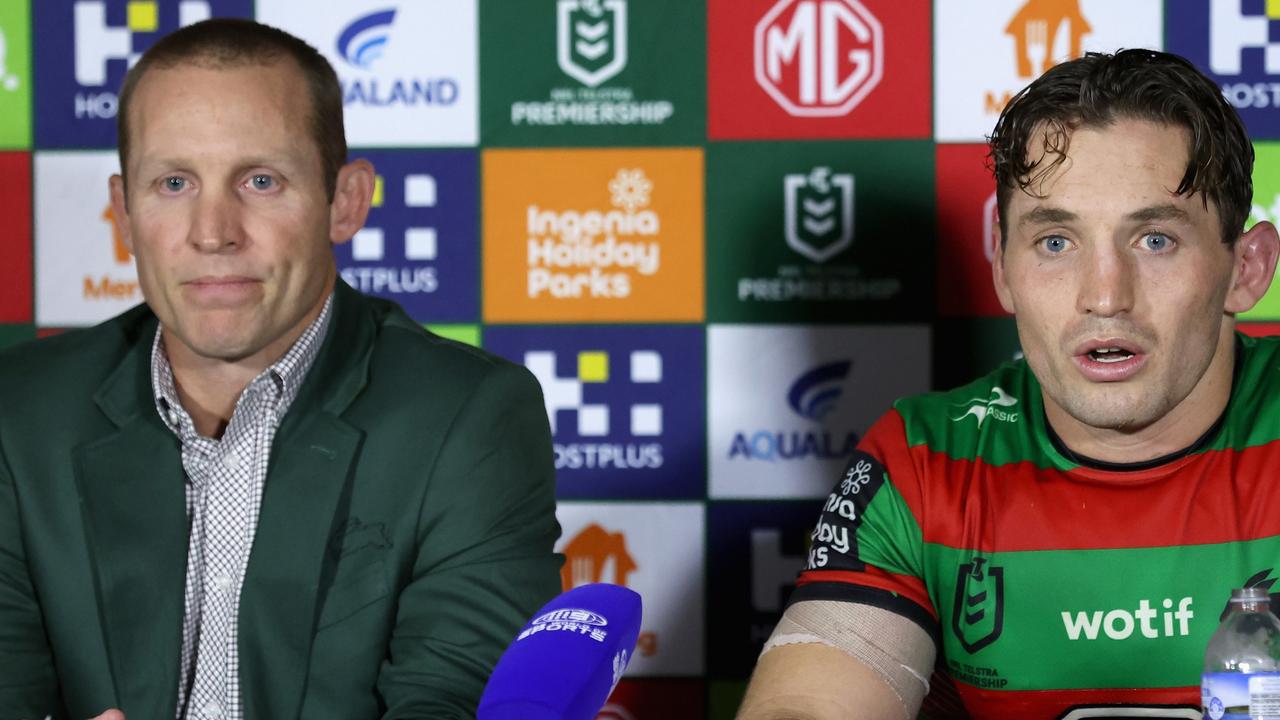
‘He’s a sh-t coach’: Cam Murray’s hilarious jab at Ben Hornby as Souths players back the Dragons legend to be their next coach
The race to fill the vacant head coaching position at the St George Illawarra Dragons has taken an unexpected turn, with current South Sydney Rabbitohs assistant Ben Hornby emerging as a top candidate—and drawing glowing endorsements from his current playing group, even as stars push to keep him at Redfern.
Hornby’s name rose to the top of candidate lists earlier this week after the Dragons axed incumbent Shane Flanagan on the back of a winless 0-7 start to the 2025 season. Joining Hornby in the running is former Dragons captain Dean Young, who has already been installed as interim head coach for the remainder of the 2025 season. Both men are club legends of the Dragons, having won the 2010 NRL premiership together, with Hornby serving as team captain during that title run.
Since hanging up his boots as a player, the former elite halfback has steadily built his coaching resume, joining the Rabbitohs’ staff back in 2020. His biggest test came in 2024, when South Sydney sacked then-head coach Jason Demetriou mid-season and appointed Hornby as interim leader for 17 matches. Facing a locker room and season on the brink of collapse, Hornby steered the side to a stunning turnaround, including a five-match winning streak that kept the Rabbitohs in finals contention before Wayne Bennett returned to the club as full-time head coach, and Hornby stepped back into his assistant role.
Now, his current players at South Sydney are singing his praises as he considers a move to the Dragons’ top job. Rabbitohs skipper Cameron Murray opened with a tongue-in-cheek jab before doubling down on his full-throated endorsement, telling reporters on Tuesday: “I reckon he’s a shit coach and I reckon he needs to stay here. I haven’t told him that yet, but in all honesty, he had a little stint as head coach here a couple years ago and I couldn’t fault him. It was like he’s been doing it for 20 years. He’s a pretty incredible guy and any club would be lucky to have him as a head coach.”
Murray credited Hornby’s understated, fundamentals-focused approach for turning the 2024 season around, when off-field chaos and on-field struggles threatened to derail the club. “I think his simple approach to coaching is probably what helped us through that time period. He knew, contextually to that period, that simplicity was probably the best thing for us, and he kept it really simple for us. There was a lot of noise on the outside, probably a lot that was going on the inside as well, so his calm, simple approach helped us a lot. It’s probably what he’s learned best from Wayne, the simple fundamentals of what creates good footy teams and just being consistent with that. That’s probably what kept a lid on things back when he took over in ‘24 and probably why we bounced back the way we did.”
Edge forward Tallis Duncan echoed Murray’s praise, highlighting Hornby’s rare ability to break down complex game strategies for players of all positions, even notoriously “football-brained” forwards. “If that’s something that he wants to do, I think he’d be great. I think he’s got all the makings of a head coach and he’s a great person. His footy IQ is probably second to none, he’s pretty intelligent. So I think if that’s something that he wants to do, I think he’d be unreal at it. The way he can break down the game (is terrific). He was obviously such a smart footballer when he played, but I feel like sometimes that wouldn’t translate to explaining it down to probably dumb forwards. But he’s got that ability too, so he can break down the game in a way to make everyone understand it. I think that’s important and he’s pretty clear with his messaging.”
Try-scoring record holder Alex Johnston agreed that a head coaching role is in Hornby’s future, noting the 2024 interim stint tested the coach’s mettle and he passed with flying colors. “His hair probably got grey a lot quicker just those few games,” he joked. “He handled himself really well. I definitely think head coach is where he’s headed. I just don’t know where.”
As the Dragons weigh their decision between two club legends for the permanent 2026 head coaching role, South Sydney’s playing group has made clear they believe Hornby is ready for the top job—they just would rather he take that next step anywhere but away from the Rabbitohs.
-

‘The Devil Wears Prada 2’ stars reunite for glamorous premiere
Twenty years after the original *The Devil Wears Prada* cemented its status as a beloved modern cultural classic, the film’s iconic original cast gathered under the bright lights of Manhattan’s red carpet Monday night for the global premiere of the long-anticipated sequel, *The Devil Wears Prada 2*.
Oscar-winning leading lady Meryl Streep, who reprises her career-defining role as the sharp-tongued, intimidating Runway Magazine editor-in-chief Miranda Priestly, was joined by her original co-stars: Anne Hathaway, who returns as grown-up former assistant Andy Sachs; Emily Blunt, who reprises the iconic role of Miranda’s quick-witted former assistant Emily Charlton; and Stanley Tucci, who is back as art director Nigel Kipling.
When quizzed about the 20-year gap between the first installment and the sequel, Streep questioned the delay in an on-camera interview with Disney Plus, the streamer behind the project. Co-star Tucci echoed her sentiment, comparing stepping back into his familiar role to riding a bicycle — a skill that never truly fades with time.
The new film picks up years after the original story’s conclusion: a now professionally established Andy Sachs has returned to the iconic fashion publication Runway, where Miranda Priestly is grappling with the rapid decline of print media in the digital age. The veteran editor finds herself in a high-stakes professional showdown with her former assistant Emily, who has climbed the ranks to become a powerful media executive controlling the advertising budget Miranda desperately needs to keep her magazine afloat. The sequel also adds several notable new cast members, including Kenneth Branagh as Miranda’s latest husband, plus rising star Simone Ashley and veteran actor Lucy Liu in undisclosed roles.
True to the franchise’s fashion-focused roots, high-end couture took center stage at the premiere. Three-time Academy Award winner Streep turned heads in a bold red custom Givenchy ensemble, while Hathaway wore a design from Louis Vuitton and Blunt donned a creation from Schiaparelli. In a surprising philanthropic twist, Streep announced that every garment, piece of jewelry, handbag and shoe featured in the sequel will be auctioned off following the film’s release, with 100% of proceeds going to the Committee to Protect Journalists.
Hathaway and Blunt both emphasized that the sequel would never have come to fruition without the enduring love of fans, who have kept the original film a staple of pop culture for two decades. “We’re literally here because of you, because you took us into your hearts and kept us there for 20 years and said ‘we want more.’ That’s why this whole dream has continued for us,” Hathaway told reporters.
Other notable A-listers in attendance on the red carpet included Anna Wintour, the former longtime editor-in-chief of *Vogue*, who has long been cited as the real-life inspiration for Streep’s iconic Miranda Priestly character.
*The Devil Wears Prada 2* is set to hit theaters worldwide on May 1. The 2006 original is widely regarded as one of the sharpest satires of the American fashion industry ever committed to film, celebrated for its nuanced exploration of power, ambition and the allure of high fashion that still resonates with audiences two decades later.