标签: Oceania

大洋洲

  • ANZ half-year profits surge 9 per cent to $3.65bn

    ANZ half-year profits surge 9 per cent to $3.65bn

    Australia and New Zealand Banking Group (ANZ), one of the nation’s big four lenders, has delivered a robust 9% jump in half-year statutory profit to AU$3.65 billion, outpacing national inflation twice over, as the bank pushes forward with a sweeping internal restructuring and cultural reset under a year-old leadership team.

    Released on Friday morning, the latest financial results covering the six months to March 31 show steady growth across core banking metrics: total customer deposits rose 3% to add AU$23 billion to the bank’s balance sheet, while aggressive cost-cutting measures brought operating expenses down 22% year-on-year. The cost reductions have been tied to a widely publicized plan to cut 3,500 roles, announced in September 2023, with full implementation of the layoffs scheduled for September 2024.

    Nuno Matos, ANZ’s chief executive who will mark his first year in the role later this month, framed the strong results as proof the bank’s overhaul is on track. “We have refreshed our leadership team and commenced our cultural reset with new corporate values,” Matos said in a statement accompanying the results. “We have also made significant progress to reduce duplication and simplify the bank’s operations.”

    Against a backdrop of rising interest rates, persistent inflation, and intensifying competition across Australia’s retail banking sector, where consumers are increasingly shopping around for better loan and deposit terms, Matos noted that the bank’s active margin management kept profit margins stable through the half-year, even as lending and deposit growth remained moderate. Statutory profit, which excludes one-off significant items, hit the AU$3.65 billion mark, while the bank’s preferred cash profit metric recorded a stronger 14% year-on-year increase.

    Shareholders will receive an 83-cent dividend per share, fully franked to 75% — an increase from the prior period’s 70% franking, though the total dividend amount has held steady from the last reporting cycle. All key performance metrics improved over the period: return on tangible equity rose and the bank’s cost-to-income ratio also moved in a positive direction, in line with the lender’s cost-cutting targets.

    Matos, whose first year in charge has been defined by mass layoffs, structural streamlining and cultural reform, acknowledged the challenging operating environment facing the global and domestic economy, singling out the ongoing Iran crisis as a growing risk to global growth and inflation. “As Australia’s most international bank we have a front-row seat to global developments,” he said. “Much of the potential impacts of this crisis in Iran remains ahead of us, but the longer the flow of oil is constrained, the greater the chance the crisis shifts from being primarily an inflation challenge to much more of a supply and growth challenge.”

    On the domestic front, Matos noted that both corporate and household balance sheets have held up well through the current period of economic volatility. ANZ’s corporate clients have been proactive about building capital and liquidity buffers, boosting flexibility and strengthening supply chain resilience, he said. For households in both Australia and New Zealand, he added, most entered the current period of financial shock with strong balance sheets and elevated savings buffers accumulated during the pandemic.

    “ We have not seen any material increase in new customers entering hardship or receiving assistance,” Matos said. “However, we recognise that some individuals and businesses are navigating these challenging circumstances. We urge customers who may need assistance to contact us.”

    Matos is scheduled to answer questions from financial analysts and reporters later on Friday, where further details on the timeline of restructuring, future cost-cutting plans, and the bank’s outlook for the second half of 2024 are expected to be revealed.

  • Coles says it can absorb cost rises as it reports sales revenue rises 4 per cent to start 2026

    Coles says it can absorb cost rises as it reports sales revenue rises 4 per cent to start 2026

    One of Australia’s largest supermarket chains, Coles Group, has released its latest March quarter financial results to the Australian Securities Exchange (ASX), alongside a major pledge to local consumers that the retail giant will absorb the bulk of looming supplier-driven price increases to keep grocery costs manageable for households.

    For the three-month period ending March 31, Coles reported total supermarket sales hit $9.8 billion, representing a 4% year-on-year revenue increase that outpaced analyst market expectations. This growth came even as elevated fuel costs squeezed household disposable incomes and shifted consumer spending patterns across the country.

    In the official ASX filing, Coles Chief Executive Leah Weckert noted that current cost pressures facing Coles’ network of suppliers mirror the intense strains seen during the height of the COVID-19 pandemic. Despite these challenges, she confirmed the grocery giant would take on much of the impending price hikes rather than passing the full burden to shoppers.

    “We know value and product availability will be top priorities for our customers in the months ahead, and we are well positioned to respond to this challenge,” Weckert said. She pointed to Coles’ extensive range of affordable private-label brands, market-leading digital e-commerce infrastructure, and robust end-to-end supply chain capabilities as core strengths that let the company absorb extra costs without immediate price increases for consumers.

    The latest quarter saw supermarket price inflation (excluding tobacco products) drop to 0.8%, down from 1.7% in the prior quarter. Coles attributes this cooling inflation to multiple factors: declining prices and strong supply of popular fresh produce, easing cost growth for packaged groceries, an increase in promotional sales events across stores, and targeted price reduction investments in high-demand categories including cleaning supplies and baby care products.

    However, the company has flagged growing cost pressures stemming from the ongoing Iran conflict, which erupted in late February and has driven up global fuel, freight, and commodity input prices. In recent weeks, Coles has received a growing number of requests from suppliers for price increases, while the company’s own internal operational costs—particularly for fuel, freight, and packaging—have also trended upward.

    “We are actively managing these cost pressures and will mitigate impacts where possible, while balancing the needs of both our customers and our supplier partners,” the company’s statement read. Already, the chain has partially absorbed sharp price increases for red meat, a trend that was also noted by competitor Woolworths when it released its own quarterly results a day earlier.

    Beyond grocery, Coles reported that sales at its alcohol retail subsidiaries—including Liquorland, Vintage Cellars, and First Choice Liquor—have been hit by softening consumer sentiment that emerged in March. The company expects this downward trend will flow through to lower earnings for its alcohol division in the second half of the financial year, as reduced consumer spending cuts into sales volumes and fixed cost allocation across the business segment.

  • Infantino confirms Iran will play World Cup games in US

    Infantino confirms Iran will play World Cup games in US

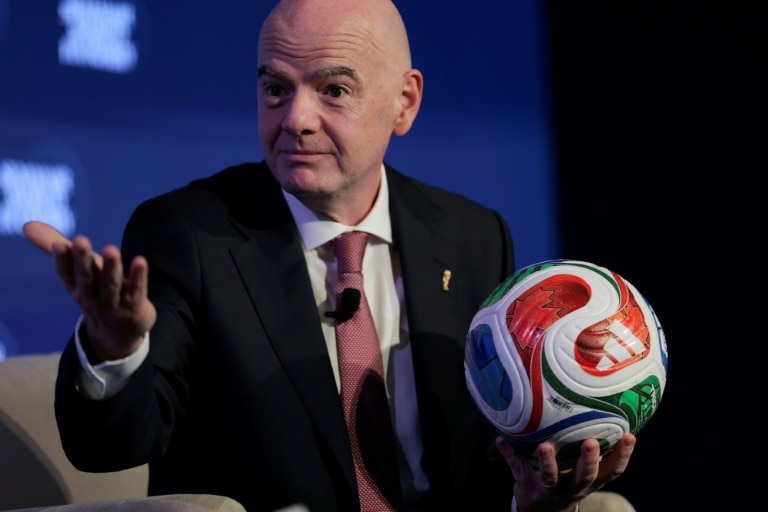
    As FIFA’s 76th Annual Congress kicked off in Vancouver, Canada on Thursday, global football governing body president Gianni Infantino opened his address by cementing a long-stated position: Iran will compete in the 2026 FIFA World Cup co-hosted by Canada, Mexico and the United States as scheduled, and all of the team’s group-stage matches will be held on U.S. soil.

    Iran’s participation in the upcoming tournament has been mired in uncertainty since regional tensions flared across the Middle East in February, following joint strikes by the U.S. and Israel. Multiple competing proposals emerged in recent weeks to upend the original fixture plan: Iranian officials briefly floated moving their group games from the U.S. to Mexico, a idea Infantino already rejected outright. Just one week prior, reports surfaced that Italy-born U.S. special envoy Paolo Zampolli had suggested replacing Iran with Italy in the tournament draw. The U.S. State Department quickly walked back that proposal, with Secretary of State Marco Rubio confirming that Iranian footballers would be welcome to compete.

    Even as the fixture status was confirmed Thursday, new controversy emerged around Iran’s presence at the FIFA Congress itself. The Iranian Football Federation (FFIRI) delegation was the only group absent from the 211-member body’s opening session, after a confrontation with Canadian border officials earlier this week. FFIRI president Mehdi Taj, a former member of the Islamic Revolutionary Guard Corps (IRGC), and two colleagues left Toronto abruptly after landing, turning around and flying back to Iran rather than continuing on to Vancouver. Iranian state media reported the group was “insulted” by Canadian immigration officers during processing. Canada officially designated the IRGC as a terrorist organization in 2024, and Canadian officials confirmed Wednesday that any individuals linked to the group are considered inadmissible to enter the country.

    For the 2026 World Cup, Iran is slotted into Group G alongside New Zealand, Belgium and Egypt, with plans to base their team camp in Tucson, Arizona. The squad is scheduled to kick off their tournament run against New Zealand in Los Angeles on June 15. Immediately following Infantino’s confirmation that the matches will proceed as planned, U.S. President Donald Trump, a close ally of the FIFA president, voiced his public support for the decision. “Well, if Gianni said it, I’m OK,” Trump told reporters in the Oval Office. “I think let ’em play.”

    Beyond confirming Iran’s participation, Thursday’s congress also served as a major milestone in Infantino’s bid for a fourth term as FIFA president, set for 2027. The head of global football has faced growing criticism in recent months: fan advocacy groups have slammed skyrocketing 2026 World Cup ticket prices as a “monumental betrayal” of supporters, and watchdog group Fairsquare filed a formal ethics complaint in December accusing Infantino of violating FIFA’s political neutrality rules after he awarded Trump the inaugural FIFA Peace Prize during last year’s World Cup draw.

    Infantino pushed back against ticket price criticisms in his opening address, noting that while some premium tickets carry high price points, a range of affordable options are also available to fans. He added that all projected tournament revenues, estimated between $11 billion and $13 billion, will be reinvested into global football development programs across all member nations. “And what is important is that all the revenues that we generate from the world go back to the entire world and finance football in all of your countries,” he said.

    Despite the ongoing criticisms, Infantino secured a major boost to his re-election campaign Thursday when the Confederation of African Football (CAF) and the Asian Football Confederation (AFC) officially pledged their support for his 2027 candidacy. Together, the two confederations control 101 of the 211 total votes in FIFA’s presidential election. Combined with the 10 votes already pledged by the South American football confederation CONMEBOL, Infantino enters his re-election campaign with a commanding lead in pledged support.

  • Drivers help study road-trip mystery: what became of bug splats?

    Drivers help study road-trip mystery: what became of bug splats?

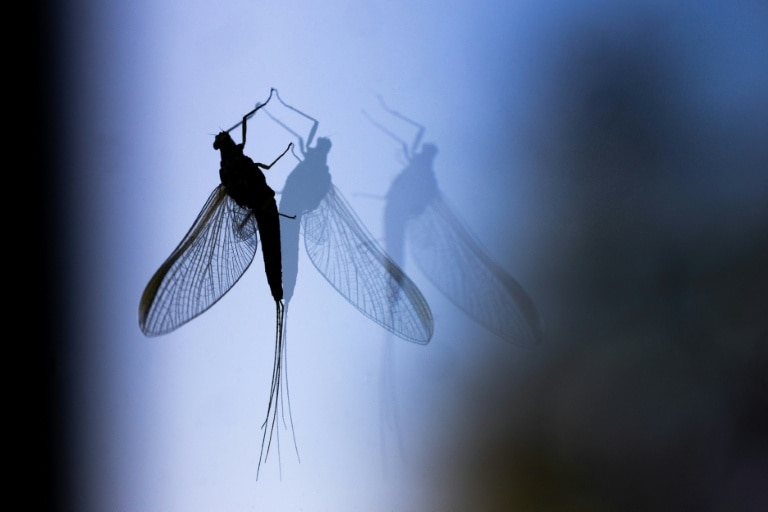
    For generations of summer road-trippers, returning home with a windscreen and license plate plastered with squashed flying insects was an unavoidable, messy ritual. But in recent decades, drivers across the globe have noticed a quiet, dramatic shift: far fewer bug splats mark their journeys, a change that has sparked growing alarm among ecologists studying widespread insect population decline.

    While casual drivers may welcome the less frequent need to scrape sticky bug remains off their glass, ecologists warn that this so-called “windshield phenomenon” signals a devastating collapse of insect populations that underpin nearly every terrestrial ecosystem. Insects act as critical pollinators for 75% of global food crops, maintain balanced food webs as a core food source for birds, bats and small mammals, and break down organic waste to regenerate healthy soil. Even a steep decline in their numbers risks cascading damage to natural systems and global food security.

    Until now, most observations of falling insect splatter counts have stayed anecdotal. To turn these everyday driver observations into rigorous, large-scale scientific data, a coalition of French research and conservation organizations has launched a new citizen science project that turns ordinary motorists into volunteer researchers.

    Modeled after similar successful projects in the United Kingdom, the initiative centers on a free mobile app called *Bugs Matter*, launched jointly by France’s National Museum of Natural History (MNHN), environmental nonprofits OPIE and Noe, and the French Biodiversity Office. The data collection protocol is intentionally simple to lower barriers to participation: before starting a trip, drivers wipe their front license plate completely clean, log their starting geolocation via the app, complete their journey as planned, then open the app again to count the number of bug squashes on the plate and submit the final data.

    AFP joined project participant Marjorie for a test run of the protocol ahead of her planned long-distance summer road trip near Enghien-les-Bains, just north of Paris. Now 53, Marjorie recalled the mandatory ritual of cleaning bug-smeared windscreens during family road trips in her childhood — a step she rarely has to take today. After completing a 22-kilometer (14-mile) test drive, Marjorie counted zero bug splats on her license plate, a result that aligns with the trend the project expects to document.

    This new French study builds on a growing body of research confirming steep insect population declines across Europe and beyond. A 20-year Danish study that concluded in 2017 found shocking reductions of 80% to 97% in insect splat counts on two major test road routes. An ongoing UK study, which also uses the *Bugs Matter* app, has recorded a nearly 63% drop in bug splat numbers between 2021 and 2024. A landmark 2017 German study, meanwhile, found a more than 75% decline in the total biomass of flying insects in protected nature reserves over three decades.

    Grégoire Lois, a researcher with MNHN working on the project, compared the scale of the decline to a grocery store running out of 75% of its stock: “It’s pretty incredible. Imagine going into the supermarket and finding only two out of every 10 products are in stock.”

    Scientists broadly agree that human activity is the primary driver of this collapse, with overlapping pressures including widespread habitat destruction, intensive agricultural pesticide use, light and chemical pollution, and climate change. The French project aims to answer still-open questions about the decline: how does the loss vary across different landscapes, from dense urban areas to intensive agricultural zones to intact forests? What specific local factors have the biggest impact on insect populations down to the species level? Down the line, researchers plan to expand the project to collect DNA from sampled bug splats to identify which specific species are experiencing the steepest losses, data that is critical for targeted conservation action.

    Researchers chose standard front license plates as the standardized measurement point for a simple, practical reason: “It’s the only shared, standardised thing on every car, in both size and position: facing the road, perpendicular to the ground and travelling forward,” Lois explained. The simple protocol means the project can collect data from thousands of trips across the country, far more than a small team of professional researchers could ever gather on their own, turning everyday road trips into a powerful tool for insect conservation.

  • US Congress votes to end record government shutdown

    US Congress votes to end record government shutdown

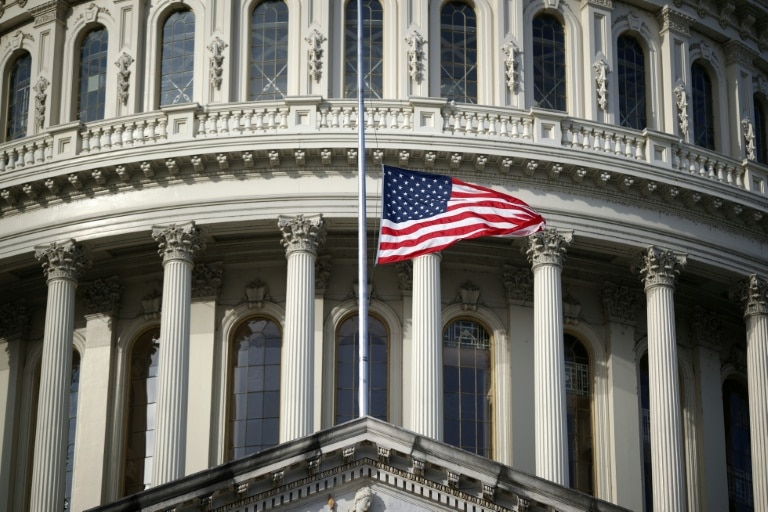
    After 75 days of gridlock that made it the longest partial government shutdown in U.S. history, Congress passed a last-minute funding bill Thursday to reopen most of the Department of Homeland Security (DHS), bringing an end to weeks of disrupted critical public services and unpaid federal work. However, the core political clash over immigration enforcement that triggered the shutdown remains unresolved, setting the stage for a new round of partisan conflict later this year.

    The bipartisan funding package, which was first approved by the Senate and cleared the House via voice vote just hours before emergency funding set aside to cover employee salaries was set to expire, will keep key DHS agencies fully funded through the end of the 2025 fiscal year on September 30. Agencies restored to full operations include the Federal Emergency Management Agency (FEMA), the U.S. Coast Guard, the Transportation Security Administration (TSA) and the U.S. Secret Service.

    Notably, the bill excludes funding for two agencies at the heart of the partisan standoff: Immigration and Customs Enforcement (ICE) and U.S. Border Patrol. The shutdown first began on February 14, when Senate Democrats refused to back full immigration enforcement funding without new restrictions on controversial enforcement tactics, such as workplace raids in sensitive community locations and the routine use of unmarked uniforms and masks by officers. Congressional Republicans rejected these conditions, calling for full, unconditional funding for all border and immigration agencies.

    House Speaker Mike Johnson had blocked the Senate-approved compromise from a floor vote for more than five weeks, arguing the deal failed to address critical national security needs by leaving immigration enforcement agencies unfunded. But mounting pressure from the White House, centrist House Republicans, and senior DHS officials warning of imminent payroll shortfalls that would force widespread furloughs forced Republican leadership to schedule the vote. The 75-day shutdown already outstripped all previous partial funding lapses by a wide margin, and deep internal rifts within the House Republican conference were laid bare throughout the impasse: hardline conservatives rejected any partial funding deal that excluded ICE and Border Patrol, while moderates warned that prolonged disruption to critical security agencies would trigger severe political backlash ahead of the upcoming midterm elections.

    “After Republicans spent months blocking disaster relief and funding for the TSA, Coast Guard, and our cyber defense agency, it is a very good thing that this bill is finally on track to be signed into law to fund these agencies,” said Senate Democratic funding chair Patty Murray, who also criticized Johnson for dragging out the impasse for no substantive reason: “Speaker of the House Mike Johnson extended the DHS shutdown for over a month for no reason at all. This is the same bill the Senate unanimously passed five weeks ago.”

    Following the vote, Republican Congressman Nick Langworthy, who had publicly urged Johnson to move the bill forward, celebrated the progress: “Thank you to (President Donald Trump) for agreeing and demanding action. Not another day should go by with our safety and security at risk.”

    The prolonged shutdown already caused measurable harm to federal operations and the workforce. Thousands of DHS employees worked without pay for more than two months, and reports indicate that over 1,000 TSA frontline staff have quit their roles amid the financial uncertainty. Planning for major upcoming events, including 2026 FIFA World Cup matches hosted across U.S. cities this summer, was also thrown into jeopardy due to lost agency preparedness funding.

    With the bill now headed to Trump’s desk for his expected signature, the underlying partisan divide over immigration policy remains fully intact. House Republicans are now moving forward with a plan to approve up to $70 billion in separate funding for ICE and Border Patrol through the budget reconciliation process, a procedural move that would allow the measure to pass the Senate without Democratic support.

    Lawmakers have departed Washington for a scheduled recess, and all eyes now turn to the next phase of the funding fight. The standoff underscores just how deep partisan polarization over immigration remains just months before midterm elections that will decide which party controls Congress for the next two years, and it highlights the ongoing challenges House Republican leadership faces in balancing the demands of hardline faction members and moderates while advancing the White House’s policy agenda. The question of whether Congress can avoid a second shutdown when current partial funding expires later this year remains unanswered.

  • First direct US-Venezuela flight in years arrives in Caracas

    First direct US-Venezuela flight in years arrives in Caracas

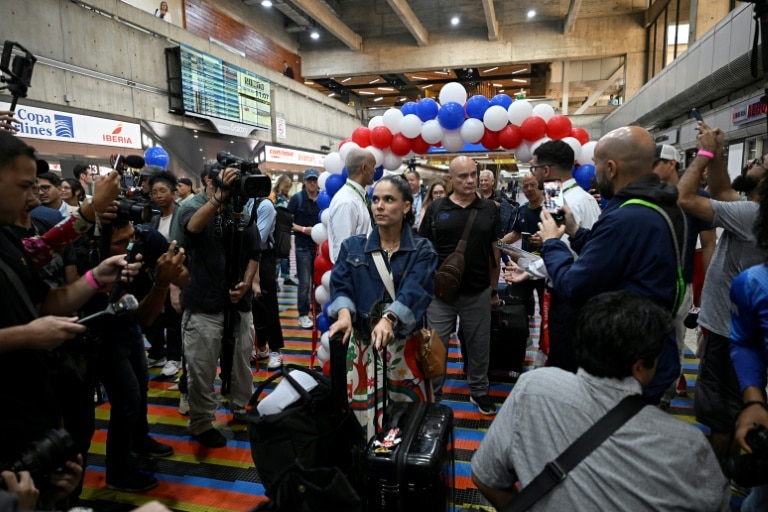
    After nearly a decade of severed air connectivity and strained diplomatic ties, the first direct commercial flight between the United States and Venezuela touched down in Caracas on Thursday, marking the most visible milestone yet in the rapid normalization of relations between the two nations following Washington’s removal of former leftist leader Nicolás Maduro.

    The inaugural American Airlines service departed Miami International Airport at 10:26 a.m. local time (1426 GMT), touching down at Simón Bolívar International Airport less than three hours after takeoff. A second Envoy Air flight followed shortly after the American Airlines arrival, launching the resumption of regular direct air links that were completely halted in 2019 amid spiraling bilateral tensions.

    Notably, the flight manifest included senior U.S. officials traveling to Caracas for high-level government meetings — a development that would have been considered unimaginable just six months ago, according to diplomatic sources on the ground.

    For frequent transnational travelers with ties to both countries, the resumption of direct flights eliminates years of logistical hassle and extended travel times. Claudia Varesano, a 44-year-old traveler who maintains family and business operations in Venezuela, has long commuted between the two nations but was forced to rely on connecting routes through third countries that stretched short trips into all-day journeys. “A three-hour flight would become an eight-hour flight. I’m celebrating today because I’m a frequent traveler. I can go, have breakfast and come back,” Varesano told reporters ahead of arrival.

    Isabel Parra, a Venezuela-born travel agent who had not returned to her home country since 2018, echoed that excitement, saying she felt “super excited” to step back on Venezuelan soil after years of traveling via layovers in Curaçao, the Dominican Republic, or Bogotá. “For years we had to go through those intermediate stops, so having this direct flight is a real pleasure,” Parra said. She added that the inaugural flight carried a steep $3,000 price tag, but expects ticket costs to drop sharply once American Airlines launches a second daily round-trip route on May 21, increasing service capacity.

    To mark the historic occasion, American Airlines outfitted the flight with a specialty Venezuelan-themed menu, featuring local favorites including cachapas (traditional sweet corn pancakes) and Venezuelan-style chicken salad. Greeting passengers upon departure from Miami — a major hub for the Latin American diaspora and a long-recognized gateway to the region — were city representatives and Félix Plasencia, Venezuela’s ambassador to Washington.

    The resumption of direct flights comes as the two nations rapidly rebuild economic and diplomatic ties after years of estrangement. Roughly 1.2 million Venezuelans currently reside in the United States, many of whom split time between the two countries or send regular remittances back to family. Analysts widely expect the thaw in relations, paired with restored air links, to draw increased U.S. business investment into Venezuela, which holds the world’s largest proven crude oil reserves.

    Despite the progress on normalization, significant complexities remain in the bilateral relationship. U.S. President Donald Trump has simultaneously pushed aggressive deportation policies targeting Venezuelan migrants, terminating a humanitarian protection program that shielded thousands of migrants from deportation back to the country’s high-crime areas.

    The diplomatic shift traces back to a January 3 U.S. special forces raid in Caracas that resulted in the capture of Maduro, a longstanding U.S. antagonist, who was extradited to New York to face federal drug trafficking charges that he and his supporters deny. Maduro was succeeded by his former vice president Delcy Rodríguez, who has moved to cooperate extensively with Washington despite her historical ideological alignment with Maduro’s leftist government. Trump has publicly praised Rodríguez’s policy opening to U.S. companies, and has eased broad sanctions imposed on Venezuela in recent years, including lifting personal sanctions targeting Rodríguez. In line with this opening, Venezuela has moved to fully open its critical oil and mining sectors to private international investment.

    American Airlines, a Texas-based carrier with an extensive route network across Latin America, first launched service to Venezuela in 1987 and at its peak carried more passengers between the two countries than any other airline. The carrier suspended all service in 2019, when relations collapsed after the U.S. and a bloc of Western and Latin American nations refused to recognize Maduro’s 2018 re-election, citing widespread electoral irregularities.

    Even with the resumption of flights, U.S. travel guidance retains limited warnings: the State Department still urges U.S. citizens to reconsider travel to Venezuela due to persistent widespread violent crime, but lifted its full blanket ban on all travel to the country in March.

    The launch of direct flights also comes amid a period of upheaval for the global aviation industry, which has faced severe financial pressure from a sharp spike in global oil prices following recent military escalations between the U.S., Israel, and Iran.

  • Myanmar’s Suu Kyi back in the spotlight but still out of sight

    Myanmar’s Suu Kyi back in the spotlight but still out of sight

    Nearly three years after Myanmar’s military ousted her democratically elected government in a 2021 coup, ousted leader Aung San Suu Kyi’s upcoming transfer from prison detention to a designated residence has pushed the Nobel Peace Prize laureate back into global headlines — yet her isolation from the public and supporters remains unbroken. The announcement from junta chief Min Aung Hlaing, who seized power after the coup and was sworn in as civilian president last month, has offered little clarity about where Suu Kyi will be held or how much of her combined prison sentence she still has left to serve. A party source close to the National League for Democracy (NLD) indicates the 78-year-old will likely be held in Naypyidaw, Myanmar’s sparse, purpose-built capital.

  • Myanmar coup-leader turned president orders Suu Kyi to house arrest

    Myanmar coup-leader turned president orders Suu Kyi to house arrest

    Five years after ousting Myanmar’s democratically elected government in a military coup, the junta leader who has now rebranded himself as a civilian president has ordered that deposed national leader Aung San Suu Kyi be moved from prison to house arrest.

    In an official statement released Thursday, the office of Min Aung Hlaing confirmed that the 80-year-old former state counselor’s remaining prison sentence will now be served at a “designated residence” instead of a prison facility. At the time of publication, neither the exact location of the new place of detention nor the length of Suu Kyi’s remaining sentence has been disclosed to the public. A senior anonymous source from Suu Kyi’s banned National League for Democracy (NLD) party told Agence France-Presse that the ousted leader will likely be held in seclusion at a property in Myanmar’s capital Naypyidaw, but the source stressed that the precise address remains unknown.

    The order marks another step in Min Aung Hlaing’s ongoing push to legitimize his rule after he was sworn in as civilian president earlier this month. The election that paved the way for his new civilian role was tightly controlled by the military, completely excluded the NLD from participation, and barred any public criticism or opposition under penalty of up to 10 years imprisonment. The vote was not even held in large swathes of the country currently controlled by anti-junta rebel forces, a detail that has led independent democracy monitors to dismiss the entire electoral process as little more than a cosmetic rebranding of military rule, which has dominated Myanmar’s political landscape for most of the country’s post-independence history.

    Suu Kyi, who remains widely popular among Myanmar’s population, was first taken into custody by Min Aung Hlaing’s military forces when the 2021 coup toppled her democratically elected government. She was subsequently convicted on a series of charges that human rights organizations widely condemn as entirely fabricated, created solely to remove her permanently from Myanmar’s political scene. The coup sparked a widespread, ongoing civil conflict that has killed more than 10,000 people and displaced millions across the Southeast Asian nation, which is home to roughly 50 million people.

    Along with Suu Kyi’s transfer, the junta leadership has rolled back a small number of post-coup restrictions and issued a series of prisoner amnesties. Independent analysts have described these moves as empty public relations gestures designed to improve the administration’s image globally. This skepticism is shared by Suu Kyi’s family: in a phone interview with AFP, her son Kim Aris dismissed the decision to move her to house arrest as just another of the junta’s familiar political tactics.

    “[The military leadership is] trying to legitimise themselves in the eyes of the international media and governments around the world,” Aris said. He added that if the transfer is fully carried out, he hopes his mother will finally be granted permission to communicate with him, her legal team and other contacts, noting that no junta official has reached out to him with any updates about her status. Suu Kyi has been held almost completely incommunicado since the coup, and her family has repeatedly raised alarms over her declining and ailing health in recent years.

    In one of his first official actions after taking office as civilian president this month, Min Aung Hlaing also granted a pardon to Win Myint, Suu Kyi’s top aide and the ceremonial president of her ousted government.

  • Britain’s King Charles honors fallen US troops on last day of visit

    Britain’s King Charles honors fallen US troops on last day of visit

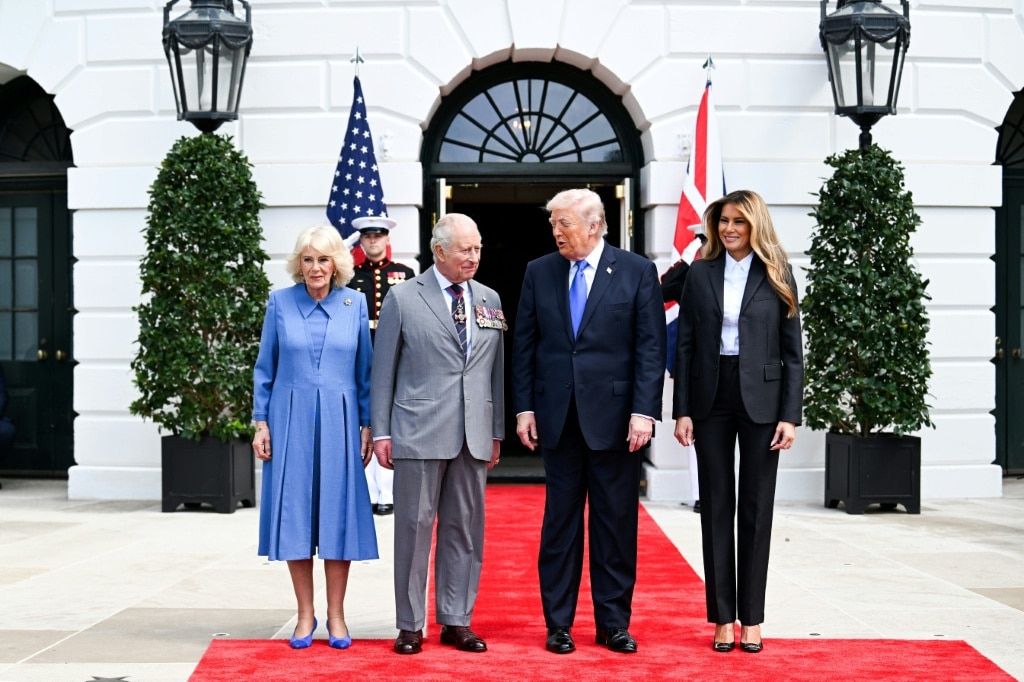
    On the final day of his landmark four-day state visit to the United States, King Charles III paid solemn tribute to America’s fallen service members at Arlington National Cemetery, capping a trip designed to mend bilateral strains sparked by the conflict in Iran. The visit, which wrapped Thursday, has been widely hailed as a diplomatic success, with former U.S. President Donald Trump extending a warm, ceremonial welcome as host, opening the royal stay with a spectacular formal greeting and an extravagant white-tie state banquet at the White House.

    As Charles and Queen Camilla arrived for a brief farewell gathering under clear, sunny skies Thursday morning, Trump told reporters, “He’s a great king — the greatest king, in my book.” After handshakes and informal conversation, as the royal motorcade departed, Trump added, “Great people. We need more people like that in our country.”

    Following the White House ceremony, the royal couple traveled to Arlington National Cemetery, just outside Washington D.C., to lay a ceremonial wreath and fresh flowers at the hilltop Tomb of the Unknown Soldier, a memorial honoring unidentified American service members killed in war. They stood in solemn silence as a bugler performed the traditional military tribute “Taps,” before touring a nearby exhibition hall featuring military artifacts and historical displays.

    The day’s remaining agenda included a community block party celebrating the 250th anniversary of American independence from British rule, and a meeting with Indigenous American leaders at a national park, before the pair departed for the British Atlantic territory of Bermuda.

    The undisputed centerpiece of the packed visit was Charles’ address to a joint session of the U.S. Congress on Tuesday, marking the first appearance by a British monarch before the legislative body since Queen Elizabeth II’s 1991 speech. The address earned a warm reception from lawmakers, even as Charles touched on a range of polarizing issues for Trump’s Republican Party: from urgent action on climate change and checks on executive branch power, to unwavering support for NATO and the defense of Ukraine. At 77 years old, the monarch carefully navigated existing tensions between Trump and British Prime Minister Keir Starmer sparked by the UK’s refusal to join military action against Iran, framing the bilateral relationship as one “born out of dispute, but no less strong for it.”

    On Wednesday, the royal tour brought Charles and Camilla to New York City, where they paid their respects at the 9/11 Memorial and met with city mayor Zohran Mamdani. Charles, a lifelong advocate for environmental stewardship and sustainable gardening, toured a community-led urban sustainable farming project in Harlem, while Camilla marked the 100th birthday of beloved children’s character Winnie the Pooh at the New York Public Library.

    Heavy security measures were in place for the entire visit, which came just one week after an alleged assassination attempt targeting Trump at a Washington D.C. media gala. Despite underlying diplomatic tensions, the trip included multiple warm, casual moments between Charles and Trump, including a lighthearted joke from the former president about his Scottish-born mother having had a childhood crush on a young Charles, when he was still heir to the British throne.

  • Banksy confirms behind new London statue of man blinded by flag

    Banksy confirms behind new London statue of man blinded by flag

    The notoriously anonymous British street artist Banksy has officially stepped forward to confirm he is the creator of a provocative new public sculpture that has sparked widespread public intrigue and media buzz in the heart of London this week.

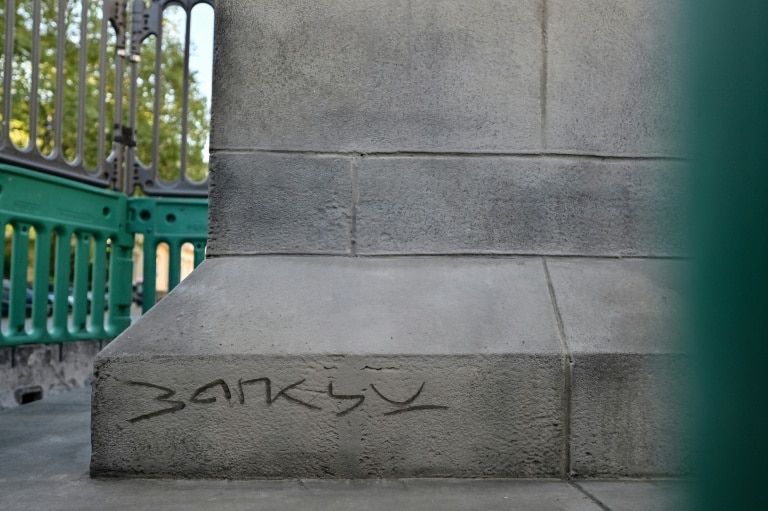
    The life-sized bronze-style work first appeared unexpectedly under cover of darkness in the early hours of Wednesday morning on a vacant traffic island on Pall Mall, a historic central thoroughfare located in London’s prestigious Waterloo Place. The piece depicts a formally dressed man in a business suit mid-stride, stepping off the edge of a stone plinth into empty space. A flag wrapped completely around his head obscures his vision, leaving him unaware of the drop looming ahead. Banksy’s signature is hand-scrawled directly onto the base of the plinth, an early clue to the work’s origins that sent street art fans and passersby speculating within hours of its discovery.

    In a brief official comment to Agence France-Presse, a spokesperson for Banksy confirmed the uncommissioned monument was installed by the artist’s team, noting Banksy himself selected the specific site because “there was a bit of a gap” on the traffic island. To document the surprise installation, Banksy shared behind-the-scenes footage on his official Instagram account — the platform the artist regularly uses to authenticate his new works — showing the piece being lifted into place overnight by heavy construction machinery.

    The new sculpture comes just over a month after a Reuters investigation claimed to definitively unmask Banksy’s long-hidden identity, supporting a 20-year-old claim from Britain’s Mail on Sunday that the artist is 52-year-old British native Robin Gunningham, who has since changed his legal name to David Jones. The report drew on a 2000 New York arrest record and witness testimony from Banksy’s high-profile 2022 trip to war-torn Ukraine, where he painted a series of murals supporting the Ukrainian people. Banksy himself has never commented publicly on the identity claims, maintaining his long-standing commitment to anonymity as part of his artistic persona.

    As word of the new sculpture spread, dozens of art enthusiasts and curious Londoners flocked to Waterloo Place to see the work for themselves, joining long lines for photos and debating its possible meaning. The site is no accident: the traffic island sits steps from existing iconic memorials, including monuments to King Edward VII, pioneering nurse Florence Nightingale, and the British soldiers killed in the Crimean War, placing Banksy’s provocative contemporary work in direct conversation with London’s traditional public memorial culture.

    Visitors to the sculpture have offered a wide range of reactions. 23-year-old student Ollie Isaac, who traveled across London to see the piece, called it “brilliant” and offered his own interpretation of the work’s political subtext, suggesting it critiques the rising tide of nationalism across the globe and within the UK. “That suit screams politician,” Isaac noted, echoing the observations of many other onlookers. Other visitors, like 55-year-old teacher Lynette Cloraleigh, who made the trip after seeing the work shared on Instagram, praised the piece for its quiet audacity. “It’s intriguing how it got here,” she said. Not all feedback was positive, however: the behind-the-scenes video shared by Banksy included a clip of an elderly passerby rejecting the work outright, saying he preferred the traditional historic monuments standing nearby.

    This is not Banksy’s first unsanctioned public statue in London. Back in 2004, the artist installed *The Drinker*, a satirical reimagining of Auguste Rodin’s iconic *The Thinker* that showed the famous figure leaning on a public toilet instead of his knee, just a few blocks away on Shaftesbury Avenue. That work was stolen within days of its unveiling and became the subject of a years-long legal battle over ownership that continues to this day.

    Unlike many of Banksy’s temporary street works, the new sculpture looks set to remain in place for the foreseeable future. Officials from Westminster City Council, which manages public spaces in central London, released a statement welcoming the unexpected addition to the city’s public art scene. “We’re excited to see Banksy’s latest sculpture… making a striking addition to the city’s vibrant public art scene,” the council said, adding that officials have already taken preliminary steps to protect the work while keeping it open and accessible for the public to visit and enjoy. Many visitors noted that Banksy’s public works are almost always temporary, with many removed or destroyed within weeks of their unveiling, making the council’s decision to preserve the piece a rare and welcome outcome for fans.