标签: Oceania

大洋洲

  • ASX 200 snaps losing streak as mining giants and Coles sales surge

    ASX 200 snaps losing streak as mining giants and Coles sales surge

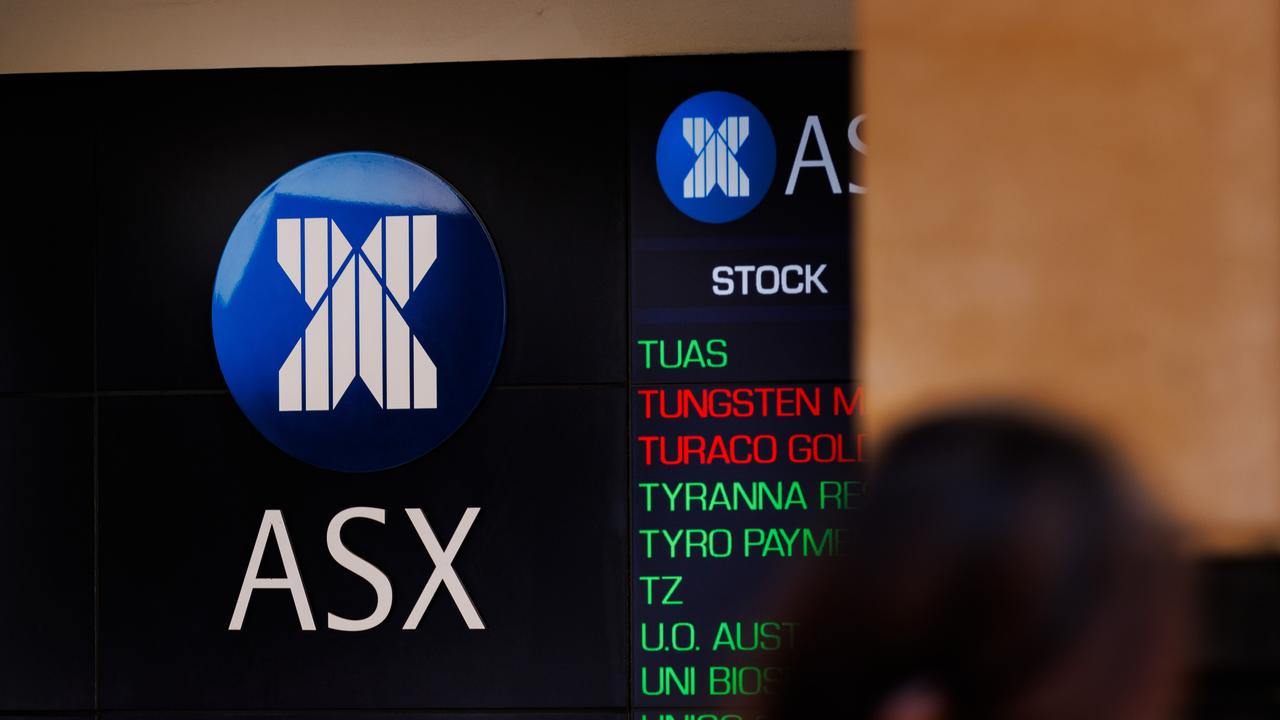
    After eight consecutive days of declines — its longest losing stretch since 2018 — Australia’s benchmark ASX 200 notched a welcome rebound on Friday, driven by sharp gains across major mining stocks and a robust sales update from national supermarket chain Coles. The leading index climbed 64 points, or 0.74%, to close at 8729.80, while the wider All Ordinaries index followed suit, rising 67 points (0.75%) to settle at 8954.60.

    The Australian dollar edged slightly lower over the session, dipping 0.15% to trade at 71.89 US cents. Ten of the ASX 200’s 11 industry sectors finished the day in positive territory, with the materials sector leading the charge. Global oil prices pulled back from a recent four-year high of $US126 per barrel to $US111 per barrel, easing cost pressure on resource operations and lifting investor sentiment for major miners. BHP Group rose 2.27% to $54.94, Rio Tinto jumped 2.73% to $171.97, and Fortescue Metals closed up 1.83% at $20.01.

    Despite the near-term market bounce, AMP’s deputy chief economist Diana Mousina cautioned that geopolitical risks remain underpriced by markets, particularly in the global energy sector. While peace talks had previously showed tentative progress, negotiations have now stalled, leaving the region in a tense geopolitical standstill. “Markets clearly expect some sort of resolution will eventually be reached, especially as missile strikes have slowed in recent weeks,” Mousina explained. “However, we believe markets are underestimating the lingering risks, especially within the oil market.”

    The consumer staples sector also turned in a strong performance, almost entirely thanks to Coles’ upbeat trading update. The supermarket giant reported group sales revenue of $10.7 billion for the 12-week period ending March 29, sending its shares surging 3.66% to $22.92. Other consumer-facing stocks also posted gains: Endeavour Group climbed 2.09% to $3.42, while A2 Milk rose 2.68% to $7.27. Coles’ main rival Woolworths bucked the trend, however, slipping 0.70% to $34.15.

    Financials was the only sector to close the session in negative territory. ANZ Banking Group recorded a 9% half-year profit increase to $3.65 billion, but shares still slumped 2.84% to $35.61 after chief executive Nuno Matos warned that the ongoing geopolitical conflict would create greater economic headwinds for Australia. Matos noted that lower national growth, persistently high inflation, and ongoing interest rate hikes will create growing financial pressure for many Australian customers. “As Australia’s most international bank, we have a front-row seat to global developments,” Matos said. “Much of the potential impact of this crisis remains ahead of us, but the longer oil supplies remain constrained, the greater the chance the crisis shifts from primarily an inflation challenge to a much more serious supply and growth challenge.” Other major banks also posted small declines: Commonwealth Bank fell 0.36% to $173.04, Westpac dipped 0.13% to $38.45, and NAB slipped 0.13% to $39.83.

    In other corporate news, Qantas Airways gained 0.83% to $8.48 after announcing it would extend flight capacity cuts through to 2026-2027 in response to ongoing disruption from the Middle East conflict. Sleep and respiratory treatment manufacturer ResMed dropped 3.53% to $28.73 despite reporting an 11% year-over-year revenue increase to $US1.4 billion for its latest reporting period.
  • UK police charge man with stabbing attack on two Jewish Londoners

    UK police charge man with stabbing attack on two Jewish Londoners

    A 45-year-old suspect has been formally charged by British police in connection with a broad-daylight stabbing attack that injured two Jewish men in north London’s Golders Green, an incident that has deepened anxiety among the UK’s Jewish community and triggered urgent government action to address a documented surge in antisemitism.

    The Metropolitan Police confirmed on Friday that Essa Suleiman, a British national who was born in Somalia and moved to the UK during childhood, faces three counts of attempted murder and one charge of carrying a bladed weapon in a public space. One of the attempted murder charges stems from an unrelated altercation Wednesday in south London, where Suleiman allegedly confronted a flat occupant while armed with a knife. The remaining charges relate directly to the Golders Green attack, an area known for its large, long-established Jewish population.

    The stabbing left two men — a 76-year-old and a 34-year-old — with non-life-threatening injuries. Both were treated on-site before being transferred to hospital for further care. Police confirmed the younger victim has been discharged, while the older victim remains in stable condition. Counter Terrorism Policing is leading the investigation, which was immediately classified as a terrorist incident.

    “We are determined to get justice for the victims,” said Commander Helen Flanagan, lead of the investigation team, in a formal statement. “Now that a person has been charged, I would urge everyone to avoid any further speculation in relation to this case so that justice can run its course.” Suleiman is scheduled to make his first court appearance at Westminster Magistrates’ Court later Friday.

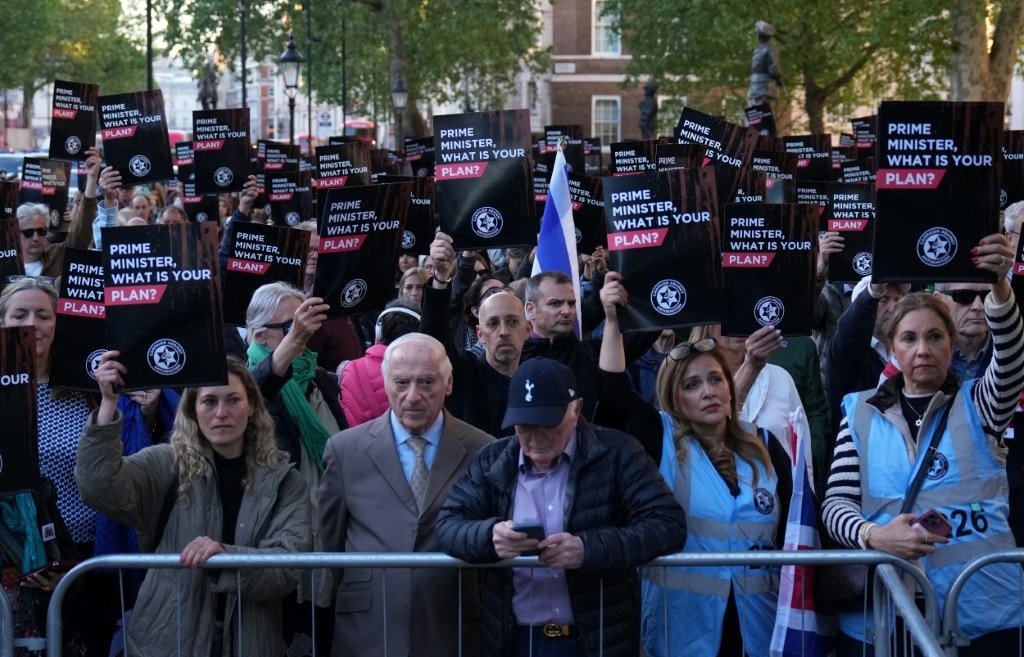
    The attack comes amid a sharp upward trend in antisemitic incidents across the United Kingdom, with monitoring groups recording a dramatic surge after the outbreak of the Israel-Hamas war in Gaza. The incident sparked widespread anger from British Jewish communities, who have repeatedly accused the national government of failing to provide adequate protection for Jewish people and sites. When Prime Minister Keir Starmer visited the attack site Thursday, he was met with boos and heckles from attendees.

    In response to growing public pressure, Starmer pledged a new wave of security enhancements for the UK Jewish community in a televised address from Downing Street. He called on all British citizens to stand together against antisemitism, saying, “everyone decent in this country to open their eyes to Jewish pain, Jewish suffering and Jewish fear.”

    Senior law enforcement officials have echoed warnings that antisemitism is becoming increasingly embedded in British society. Met Police Commissioner Mark Rowley told Times Radio on Friday that the country is “facing a building pandemic of antisemitism in society.” He added that policing is only addressing the immediate outcomes of hate-based extremism, arguing, “We need work done upstream to tackle those attitudes in society which are far too prevalent.”

    The UK Home Office has already implemented urgent policy changes in response to the rising threat. Officials confirmed this week that the national terrorism threat level has been raised to “severe” — the second-highest tier in the UK’s five-tier classification system — meaning another attack is highly likely over the next six months. The government also allocated an extra £25 million ($33 million) to fund increased protective security for Jewish sites across the country, including synagogues, schools, community centers, and other places of worship.

    This latest attack comes nearly seven months after a fatal attack on a synagogue in Manchester, and follows a string of recent arson incidents targeting Jewish properties in north London. Monitoring groups note that alongside the surge in antisemitism, Islamophobic incidents have also risen sharply in the same period. Starmer is facing growing pressure from opposition and conservative voices to introduce tighter restrictions on pro-Palestinian protests, which critics claim have become a breeding ground for antisemitic rhetoric. His government already expanded police powers to regulate public demonstrations last year. Nigel Farage, leader of the hard-right Reform UK party, also visited the attack site Thursday, accusing authorities of being overly lenient on what he described as discriminatory chants at protests.

  • Victorian drivers tipped to save hundreds as government slashes vehicle rego costs by 20 per cent

    Victorian drivers tipped to save hundreds as government slashes vehicle rego costs by 20 per cent

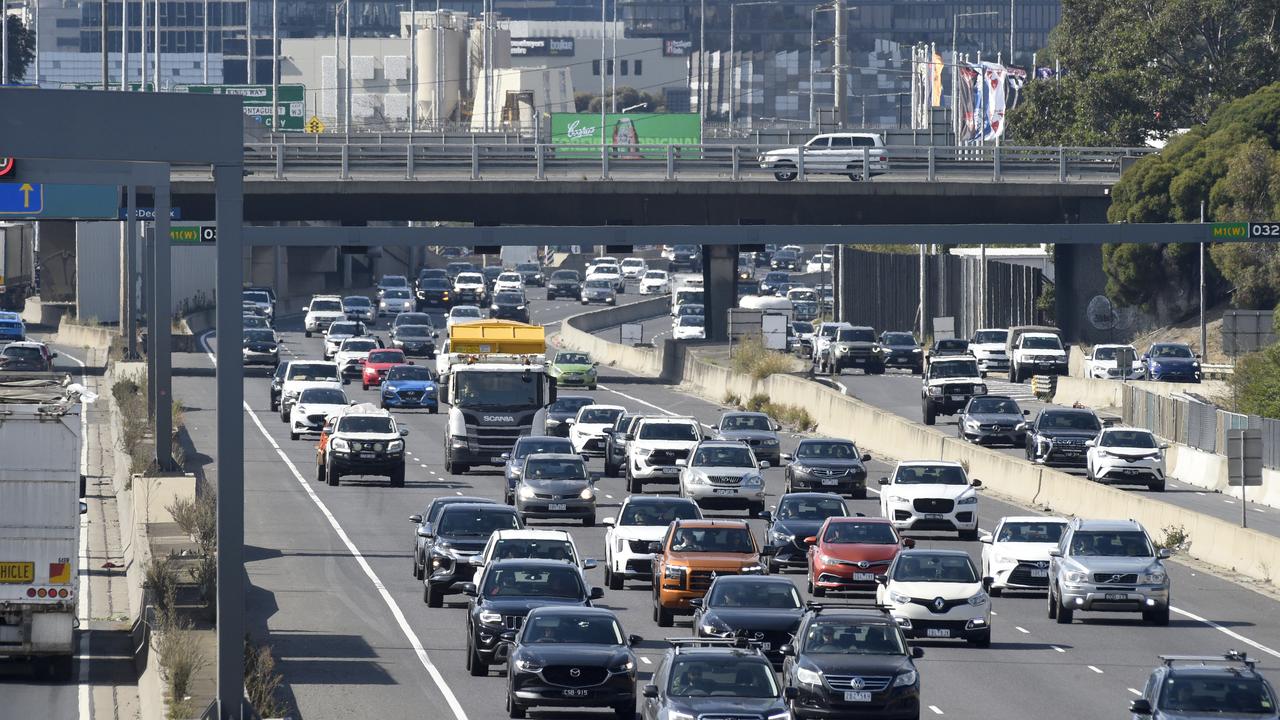
    Household budgets across Victoria, Australia, are set to receive targeted relief, as the state’s Labor government has rolled out a new $750 million one-off rebate program that will cut car registration costs by 20 percent for eligible vehicle owners ahead of the 2025/26 registration period. The new support comes as global economic volatility, amplified by the ongoing conflict in the Middle East, continues to push up everyday living costs for Australian families, prompting state leaders to roll out immediate, targeted relief measures. The 20 percent rebate marks the latest in a series of transport-focused cost cuts the government has introduced in recent weeks, following an earlier announcement that public transport fares would remain free for all users through the end of May, and capped at half price for the remainder of the calendar year. That existing initiative has already provided significant savings for commuters, and the new registration rebate expands that support to private vehicle owners across the state. Starting June 1, eligible vehicle owners will be able to submit applications for the rebate, which covers up to two passenger and light commercial vehicles registered under their name. The program applies exclusively to registration renewals or new registrations completed between July 1, 2025, and June 30, 2026, with the application window closing July 31 of the same year. Eligible vehicles include standard passenger cars, motorcycles, utes, vans, and light trucks with a gross vehicle weight under 4.5 tonnes. For a single vehicle that currently costs a maximum of $930 to register, the 20 percent cut brings the total registration cost down to $744, translating to an annual saving of $186 per vehicle. Owners with two qualifying vehicles can claim the rebate on both, earning a maximum total saving of $372 — the top benefit outlined by the government. Victoria Premier Jacinta Allan defended the large $750 million investment, framing it as a targeted, one-off intervention to ease immediate cost-of-living strains hitting regional and metropolitan families alike. “Like cheaper public transport, this won’t fix everything, but it’s immediate action I can take to make a difference,” Allan said, confirming that the state budget can accommodate the one-time expenditure without long-term fiscal strain. The program builds on the state government’s broader strategy to offset global cost pressures that have pushed up household expenses across Australia, delivering tangible savings directly to Victorian motorists while continuing to support affordable public transport for commuters.

  • Australia faces 1970s-style stagflation threat as oil shock pushes inflation higher

    Australia faces 1970s-style stagflation threat as oil shock pushes inflation higher

    Fears of a return to the crippling 1970s-era stagflation are mounting among Australia’s leading economic experts, as skyrocketing oil prices driven by Middle East tensions push inflation to multi-year highs and threaten to push unemployment sharply upward. The core risk stems from ongoing disruptions to global energy supplies, centered on potential extended disruptions to the Strait of Hormuz, the strategic chokepoint through which roughly 20% of the world’s daily oil shipments pass.

    In a stark analysis published in an investment note, Bob Cunneen, senior economist at MLC, warned that the ongoing conflict in Iran has created a dangerous dual threat of simultaneously rising inflation and rising unemployment — the toxic combination that defines stagflation. “The global economy currently confronts the prospect of both rising inflation and unemployment because of this Iran war,” Cunneen explained. “This stagflation mix of both higher inflation and unemployment creates a major policy dilemma for central banks, which are forced to choose between taming sky-high prices and preventing further job losses.”

    Stagflation is widely regarded as one of the worst possible scenarios for any modern economy, as it combines stagnant consumer spending and slowing growth with persistent accelerating inflation — a combination that leaves policymakers with few effective tools to address both crises at once. Australia last experienced a full stagflationary crisis in the mid-1970s, which was also triggered by a major global oil price shock.

    Before the escalation of Middle East tensions, global benchmark oil traded at roughly $US56 per barrel. In the weeks following the outbreak of conflict, prices spiked as high as $US120 per barrel, marking a 97% jump in crude prices in US dollar terms for the year to date. For Australian motorists, this translates to an extra 10 cents per litre at the fuel pump for every $10 per barrel rise in crude costs. While the Australian government has partially offset this pain by cutting fuel excise in half and returning GST windfall gains to consumers, the broader inflationary shock has already flowed through the entire national economy.

    Cunneen’s warning echoes a growing consensus among leading economic analysts. HSBC chief economist Paul Bloxham has projected that Australia will enter a stagflationary period for two of the next three quarters. “As we see it, a stagflationary shock has arrived,” Bloxham wrote in a note to clients. When asked whether this would mirror the extreme stagflation of the 1970s, Bloxham noted that the outcome depends heavily on the persistence of the energy shock and the policy choices made by Australian regulators. He added that outright stagflation is a growing risk, and policymakers should prioritize keeping the episode as short as possible through optimal policy settings.
    Bloxham pointed out that Australia entered this crisis already vulnerable, with inflation running above the Reserve Bank of Australia’s (RBA) target range at 3.7% even before the Middle East conflict escalated. “Because Australia’s economy has little or no spare capacity, there is a higher risk than in many other countries that the sharp fuel-related rise in inflation will more quickly end up in higher inflation expectations,” he explained.
    AMP chief economist Shane Oliver echoed that assessment, confirming that Australia is already experiencing a mild stagflationary environment, far less severe than the 1970s crisis but still damaging for households. “At this stage we are only expecting a mild form of stagflation with only slightly higher unemployment,” Oliver said. He did, however, warn that the risks grow sharply if the Strait of Hormuz remains disrupted for an extended period: prolonged closure could push oil prices even higher, trigger fuel supply restrictions, and lead to a full recession with a significant jump in unemployment. If that scenario plays out, Oliver added, it would also create major headwinds for Australia’s already fragile property market.

    Official data released Wednesday by the Australian Bureau of Statistics (ABS) confirms the severity of Australia’s inflation challenge. Headline inflation rose 1.1% in the March quarter, driven overwhelmingly by surging fuel prices, pushing annual inflation to 4.6% — the highest reading recorded since September 2023, when the Australian economy was still rebounding from post-Covid-19 disruptions. Even before the government cut fuel excise, national fuel prices rose 32.8% in the month leading up to the ABS survey.
    Morningstar market strategist Lochlan Halloway noted that Australia’s inflation problem is not just driven by global energy shocks — it is also deeply entrenched in the domestic economy. Even when stripping out the impact of the oil price jump, Australia’s trimmed mean core inflation rate still came in at 3.3%, well above the RBA’s target range. “That is still too high. And the fact that it held firm despite a significant external shock to household budgets tells you something about the persistence of the underlying problem,” Halloway said. He added that beyond energy prices, Australia urgently needs to boost lagging productivity growth to ease pressure on the economy: “Until we either lift productivity growth such that the economy gets a little breathing room, or, the more depressing outcome, squash demand back down again, this problem will keep re-emerging.”

    Westpac chief economist Luci Ellis has projected that inflation will peak at 5.4% in the June quarter, bringing even more cost-of-living pain for Australian households. In response to persistent inflation, she now expects the RBA to implement three consecutive 25-basis-point interest rate hikes at its May, June, and August policy meetings, up from earlier projections of a single hike. These higher rates are expected to slow economic growth, particularly household spending, and lead to net job losses across the country. Ellis now projects that Australia’s unemployment rate will peak around 5%, up from her earlier forecast of 4.7%, and warned that cost-of-living pressures will remain persistent until 2028, when inflation is finally expected to return to the RBA’s 2-3% target range.

  • Afghans celebrate spring in bright red poppy fields

    Afghans celebrate spring in bright red poppy fields

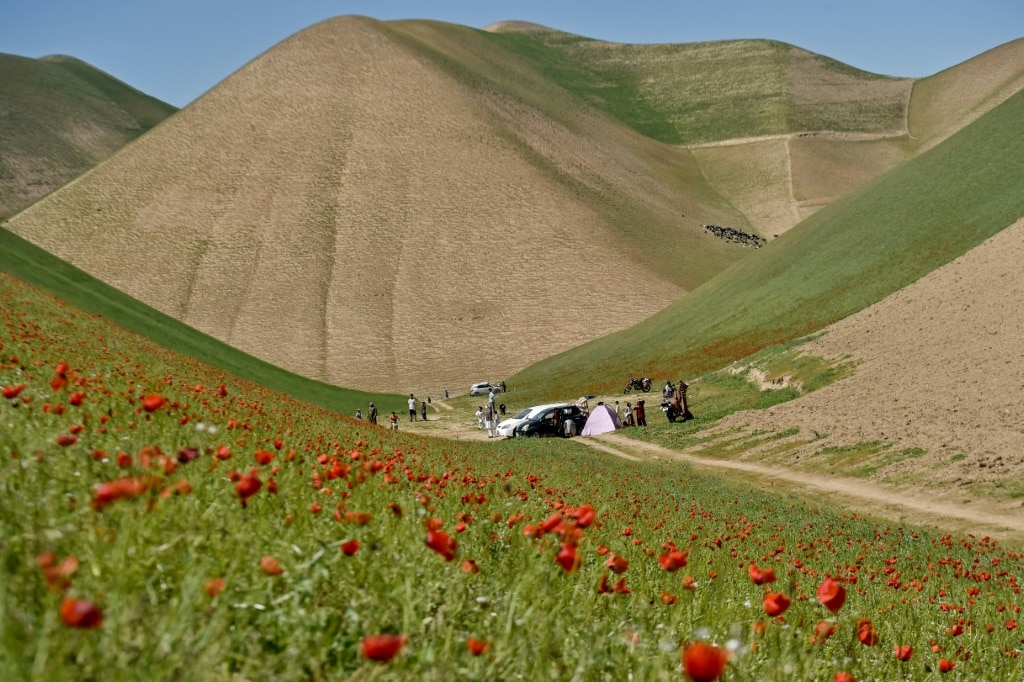
    After nearly a decade of crippling drought that parched northern Afghanistan’s landscapes and left hillsides barren of any greenery or blooms, this spring has brought a long-awaited transformation. Abundant seasonal rains have awakened rolling valleys near Shirin Tagab district, which sits along Afghanistan’s border with Turkmenistan, blanketing the terrain in sweeping swathes of vivid red common poppies. This has drawn hundreds of families back to the hills to revive a beloved local tradition that has persisted through years of hardship and political change.

    For many visitors, the sea of red blooms is a sight they never expected to see again in their lifetimes. Seventy-nine-year-old Ghawsudin, who goes by a single name, traveled three hours across rough terrain just to walk among the flowers. “There has been a drought for almost 10 years. No flowers or greenery grew,” he explained. “This year has been very good, and God is merciful.” Thirty-five-year-old Mohammad Ashraf echoed that sentiment, noting he had not witnessed such a dense, vibrant bloom of poppies for more than a decade. “Now there are so many red flowers, and you see people come here for picnics,” he told Agence France-Presse, as families spread blankets across the grass and children frolicked between the flower stalks.

    Crucially, the blooms attracting crowds are common poppies, not the illicit opium poppies that the ruling Taliban government has banned across the country. This annual gathering is a longstanding cultural practice tied to Nowruz, the Persian New Year that Afghans have celebrated for centuries. For generations, northern Afghans would travel out of the major city of Mazar-i-Sharif after their Nowruz festivities to see the poppy blooms. While the Taliban administration, which enforces a strict interpretation of Islamic law, has halted official public Nowruz celebrations in recent years, the quiet tradition of visiting the poppy fields has endured.

    Cultural observers note that flowers, and poppies in particular, hold a deeply embedded place in Afghan daily life. Oriane Zerah, a professional photographer who has published a full book documenting the connection between Afghans and flowers, emphasizes that floral culture is woven into nearly every part of society. “As soon as an Afghan has a little space in their garden, they plant a flower. Even in displacement camps, there’ll be a flower somewhere,” Zerah explained. “They put them on their pakol, one of their traditional hats, and there are desserts made with flowers.”

    Poppies also carry layered cultural meaning shaped by Afghanistan’s long history of conflict. Afghan writer Taqi Wahidi explains that for decades, poppies have been placed on the coffins of fallen fighters, a tradition that mirrors the use of poppies as a symbol of remembrance for war dead in countries including the United Kingdom, Australia, and New Zealand. In that context, the flower has long been tied to the idea of rebirth after sacrifice: “Dying in the path of the homeland, or in the path of religion and faith, was considered a kind of new resurrection and entry into a new life,” Wahidi said.

    Today, for Afghans gathering in these northern valleys, the poppy carries a new, hopeful meaning. Wahidi notes that the blooms now primarily “symbolise vitality and freshness. At the same time that nature is renewed, human beings also want to bring new colours into their lives.” For a community that has endured ten years of drought and ongoing political upheaval, this annual spring bloom is more than a recreational outing—it is a quiet celebration of resilience, cultural continuity, and the renewal of life after hardship.

  • Arsenal seek to ramp up heat on Man City in title race

    Arsenal seek to ramp up heat on Man City in title race

    The 2023-24 Premier League title race is reaching a dramatic climax this weekend, with Arsenal holding a three-point advantage over defending champions Manchester City and a golden opportunity to pile massive pressure on their chasing rival. Mikel Arteta’s side, commonly known as the Gunners, will take on Fulham at the Emirates Stadium on Saturday evening, and a three points against the London outfit would push their lead at the top out to six points – at least for 48 hours. That gap will hold until City takes their turn on the road, where they face a notoriously tricky test against Everton at Goodison Park on Monday night, a fixture that has upset title-chasing sides on multiple occasions in recent seasons.

    This title race has been defined by razor-thin margins, and that trend shows no sign of changing heading into the final stretch of the campaign. Just seven days ago, Arsenal and City were dead level on both points and goal difference, before the Gunners grabbed a crucial narrow victory over Newcastle United to pull ahead. But Arsenal’s path to a first top-flight title since the Invincibles season of 2003-04 is far from smooth: the north London side have failed to find the net more than once in any Premier League fixture since mid-March, a dry spell that could cost them dearly in the final four matches of the season. Even a perfect four-game finish may not guarantee the title, analysts warn, while City – who hold a game in hand over Arsenal – have clicked into devastating form, finding goals with far more consistency than their title rivals in recent weeks.

    Former England and Manchester United defender Gary Neville, one of the most high-profile analysts of the league, believes Arsenal will face an almighty battle to cross the finish line first. Speaking on his popular podcast, Neville noted: “They’re not going to sail over the line — it’s going to be a real struggle. They’re not going to all of a sudden hit form in this next couple of weeks.” The pundit added that Arsenal would need every bit of grit and luck to get over the line, saying they would have to be “wheelbarrowed” to the title.

    While all eyes are on the title race, the fight to avoid relegation is delivering equally high drama, and nowhere is that more evident than at Tottenham Hotspur. Just as new manager Roberto De Zerbi earned his first win at the club and sparked faint hopes of a Great Escape, the north London side’s season-long injury crisis has struck again with devastating timing. Dutch playmaker Xavi Simons was stretchered off with a serious knee injury during last week’s 1-0 away win over already-relegated Wolves, while striker Dominic Solanke is set to miss the remainder of the campaign with a hamstring injury.

    The full extent of Tottenham’s injury list this term makes for grim reading for fans. Long-term absentees already include creative stars Dejan Kulusevski, Mohammed Kudus, James Maddison and Wilson Odobert, while club captain Cristian Romero is the latest high-profile name to join the treatment table. Despite the devastating string of injuries, De Zerbi remains defiant, focusing on what his available players can achieve this weekend. “We can win the games with the players, not with the coaches,” the manager said. “The coaches are important but the players are more important. But I want to be positive.” Tottenham remain stuck in the relegation zone, two points adrift of 17th-placed West Ham United, and face another tough test this weekend as they travel to take on European-chasing Aston Villa.

    Elsewhere in the top flight, Chelsea will be looking to build on their first win in six matches and end a dismal domestic season on a positive note, while still clinging to faint hopes of snatching a late Champions League spot. The Blues sacked manager Liam Rosenior last month after a catastrophic five-match losing run in the Premier League, but interim head coach Calum McFarlane has overseen a marginal upturn in form, with a 1-0 win over Leeds United in the FA Cup semi-final booking the side a place in the FA Cup final against none other than Manchester City at the end of the season.

    Currently sitting in eighth place in the Premier League table, Chelsea still have a mathematical chance of claiming a top-four spot, though that outcome depends on a complex set of results. If Aston Villa – currently sitting in fifth place – holds that position and goes on to win the Europa League, the Champions League spot that comes with a fifth-place finish for the English league will be passed down to the sixth-placed team in the Premier League. If Villa finish fourth or higher and win the Europa League, however, no extra spot will be awarded. Right now, Brighton & Hove Albion occupy sixth place on 50 points and would be the first to benefit from this scenario, but the gap between the Seagulls and the chasing pack is tiny. Bournemouth, Chelsea, Brentford and Fulham are all within one or two points of Brighton, with Everton and Sunderland also still in touching distance of the European spot.

    The full matchweek fixture list (all times listed in GMT) is as follows: Friday at 19:00 sees Leeds United host Burnley. On Saturday, kick-off is at 14:00 for Brentford vs West Ham, Newcastle United vs Brighton, and Wolverhampton Wanderers vs Sunderland, with Arsenal vs Fulham kicking off later at 16:30. Sunday’s fixtures are Bournemouth vs Crystal Palace at 13:00, Manchester United vs Liverpool at 14:30, and Aston Villa vs Tottenham at 18:00. Monday closes out the matchweek with Chelsea vs Nottingham Forest at 14:00, followed by the highly anticipated clash between Everton and Manchester City at 19:00.

  • Clashes erupt in Australian town over death of Indigenous girl

    Clashes erupt in Australian town over death of Indigenous girl

    Central Australia’s remote outback town of Alice Springs has been roiled by violent overnight confrontation between enraged community members and police, triggered by the discovery of a body confirmed to be that of a missing 5-year-old Indigenous girl, identified at her family’s request as Kumanjayi Little Baby.

    The young girl went missing from Old Timers, an Indigenous community camp on the outskirts of Alice Springs, late Saturday. Her disappearance sparked a massive, multi-day search effort that captured national attention, with hundreds of volunteers joining authorities to comb the surrounding outback on foot, horseback and by air. On Thursday, search crews located the child’s body roughly five kilometers (three miles) from the camp where she was last seen, and police confirmed a formal forensic autopsy will be conducted to determine the cause of death.

    Hours after the body was found, police announced the arrest of 48-year-old Jefferson Lewis, the prime suspect in the case. But before law enforcement could take him into custody, Lewis turned himself in to members of the Indigenous community Thursday evening, where he was severely beaten by community members until he lost consciousness. When police, ambulance and emergency response teams arrived to extract Lewis and provide medical care, they were attacked by the gathered crowd, Northern Territory Police Commissioner Martin Dole told reporters during a press briefing Friday.

    “At the time of his apprehension by us, he was unconscious and he was in the process of being treated by St John’s Ambulance when they were set upon, as were the police,” Dole said. Lewis was eventually evacuated to Alice Springs’ main hospital for treatment of his injuries, but a large, angry crowd soon gathered outside the medical facility demanding access to the suspect, with many calling for traditional Indigenous “payback” punishment against him, according to public broadcaster ABC.

    Local media footage from the confrontation shows tear gas lingering in the air, a police vehicle engulfed in flames, and crowds shouting at heavily armed officers who formed a perimeter to block access to the hospital. To contain the unrest, Commissioner Dole said authorities deployed all available local resources to quell the violence, which left multiple first responders injured. A number of police officers suffered minor injuries, including one officer who received a head wound during the initial arrest operation. One firefighter sustained a serious facial injury after being attacked, and one woman is now under investigation for allegedly attempting to set an unoccupied police car on fire.

    Commissioner Dole rejected any justification for the unrest, saying “the behaviour that we saw last night cannot be explained away, excused or accepted,” and called for widespread calm across Alice Springs. For their safety, police ultimately transferred Lewis from the Alice Springs hospital to a correctional facility in Darwin, the capital of the Northern Territory, and he is expected to be formally charged with criminal offenses in the coming days.

    Northern Territory Chief Minister Lia Finocchiaro described the little girl’s death as “the realization of our worst nightmares”, but echoed Dole’s call for calm, noting that the entire town had come together in an extraordinary show of unity to search for the child earlier in the week. “This week, we’ve seen this town come together like never before — hundreds of people walking shoulder to shoulder through the long buffel grass, through the bush, to make sure we left no stone unturned,” Finocchiaro said. “I don’t want last night to take away from that extraordinary effort.”

    Robin Granites, a Warlpiri Indigenous elder and family spokesman, also issued a public statement calling for peace as the community enters what Indigenous Australians refer to as “sorry business” — the traditional period of mourning and grief following a death. “It is time now for sorry business, to show respect for our family and have space for grieving and remembering,” he said. “We need to be strong for each other, we must respect family and cultural practice.”

  • Iran war redraws sea routes with Africa as the pivot

    Iran war redraws sea routes with Africa as the pivot

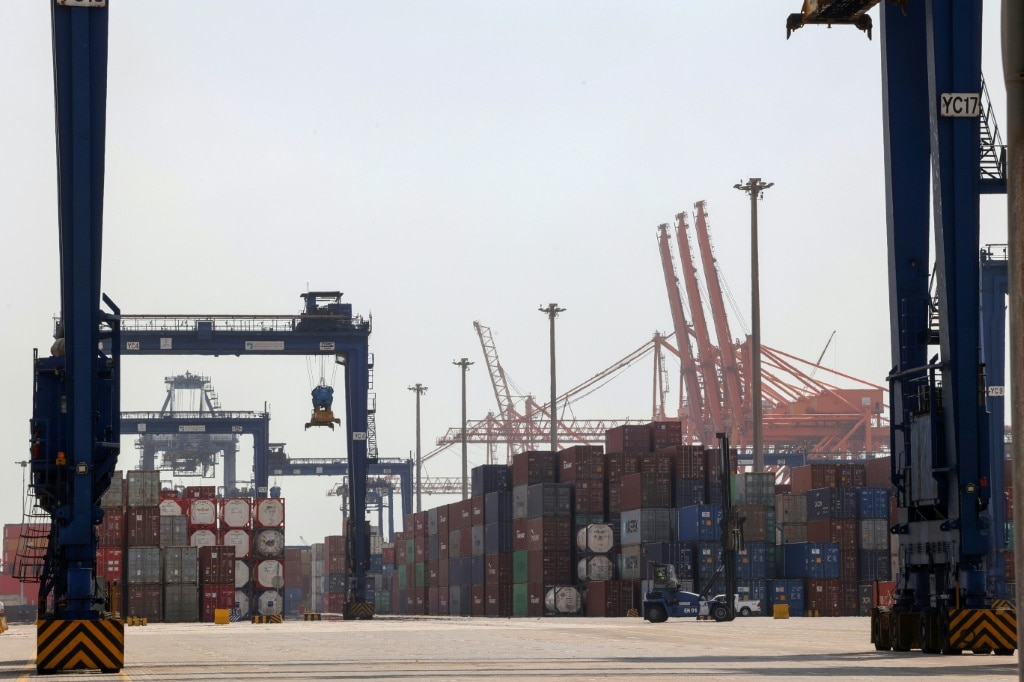
    Geopolitical instability centered on conflict in Iran has triggered a sweeping restructuring of global maritime trade networks, pushing Africa into an unexpected central role as container shipping giants reroute major cargo flows away from historically critical chokepoints, logistics and maritime industry sources confirm. The dual pressures of Strait of Hormuz disruptions and escalating tensions in the Red Sea have forced shipping companies to overhaul decades-old supply chains, leaving land transport alternatives as the only reliable option for delivering goods to Gulf Cooperation Council nations.Over the past two months, widespread blockades of key sea lanes have cut off direct maritime access to most coastal Gulf states, prompting shipowners to develop overland trucking corridors to move food, consumer goods and industrial products from new regional entry points to end markets. The Saudi Red Sea port of Jeddah has emerged as the primary temporary hub for this reconfigured trade, with the world’s largest container lines—including Mediterranean Shipping Company, CMA CGM, Maersk and Cosco—diverting all Gulf-bound cargo through the port via the Suez Canal. Once unloaded, cargo is transported overland along desert highways to final destinations across the UAE, Bahrain and Kuwait, markets that have been cut off from direct sea service for two months.Despite its new role as a critical trade gateway, Jeddah was never designed to handle the sudden surge in cargo volumes, and port congestion is now worsening by the week. Arthur Barillas de The, co-founder of global freight forwarder Ovrsea, shared these observations with Agence France-Presse, noting that infrastructure constraints have created significant bottlenecks. Data from maritime analytics firm Kpler Marine Traffic underscores the growing strain: as of last Thursday, 11 container vessels were docked at Jeddah, nine more were anchored waiting for berth access, and the average waiting time for unloading climbed to 36 hours, up from 17 hours just one week prior.Beyond regional reconfiguration for Gulf-bound cargo, shipping lines have also established alternative port bases outside the Strait of Hormuz. Three key terminals—Oman’s Sohar Port and the UAE’s Khorfakkan and Fujairah ports—now serve as entry points for cargo that is moved overland across the Emirates to inland Gulf markets. Jordan’s Port of Aqaba has become the primary hub for cargo bound for Baghdad and Basra in Iraq, while a cross-border corridor through Turkey also supports deliveries to northern Iraq. The most dramatic shift, however, is playing out on long-haul Asia-Europe trade routes, where systematic diversion around the African continent has become the new norm.Shipping lines began diverting away from the Red Sea and Suez Canal long before the current outbreak of conflict in Iran, but the crisis has accelerated the trend dramatically. According to CyclOpe, a leading French commodities industry publication, the shift started on November 19, 2023, when Iran-backed Houthi militias based on Yemen’s Red Sea coast launched the first attack on a commercial container transiting the route. Since that time, rerouting has become standard practice for most major carriers, says Ronan Boudet, head of container intelligence at Kpler.Instead of transiting the Bab al-Mandeb Strait into the Red Sea and on to the Suez Canal, container ships now sail south along Africa’s entire east coast, round the Cape of Good Hope at the southern tip of South Africa, and then turn north to reach European and Mediterranean ports. Edouard Louis-Dreyfus, chairman of French shipping giant Louis Dreyfus Armateurs, told AFP that the latest escalation of tensions in the Gulf has only worsen supply chain disruptions, with no near-term improvement in sight. Yves Guillo, a supply chain expert at Paris-based management consultancy Efeso, estimates that 70 percent of all freight traffic that previously transited the Red Sea in 2023 is now rerouted via the Cape of Good Hope.Data from the International Monetary Fund’s PortWatch platform, which tracks vessel movements via GPS signals, confirms the scale of this shift. Commercial vessel traffic through the Cape of Good Hope has more than tripled in three years, while traffic through the Bab al-Mandeb Strait has plummeted by more than 50 percent. Between March 1 and April 24 this year, an average of 20 commercial vessels rounded the Cape of Good Hope every day, compared to just six vessels per day in the same period in 2023. By contrast, average daily transits through the Bab al-Mandeb Strait fell from 18 in March-April 2023 to just five this year.The restructuring of global shipping lanes has created a mix of winners and losers across the global economy, with tangible impacts on shipping costs and delivery times. Guillo explains that longer routes have stretched Asia-Europe transit times by an average of two weeks, while costs have spiked dramatically: the longer journey requires 30 to 50 percent more fuel, and carriers need 10 to 20 percent additional vessels to maintain the same service frequency. Citing data from the Drewry World Container Index, Guillo adds that the average cost to ship a standard 40-foot container on major trade routes rose 14 percent in April compared to the same period last year.Some African ports have seen unexpected gains from the new routing structure. The Tanger Med Port Authority in Morocco reported it handled 11 million standard containers in 2025, an 8.4 percent increase year-over-year, driven by increased traffic from rerouted vessels. But other economies have suffered severe losses: Egypt, which relies heavily on Suez Canal toll revenues for a large share of its national income, lost an estimated $7 billion in toll revenues in 2024, a drop of more than 60 percent compared to 2023, according to CyclOpe. As long as geopolitical tensions persist in the Middle East, industry analysts expect this reshaped trade landscape to remain in place, with Africa continuing to anchor the new core of global container shipping.

  • Aldi claims Roy Morgan’s ‘supermarket of the year’ award for sixth time in a row

    Aldi claims Roy Morgan’s ‘supermarket of the year’ award for sixth time in a row

    In a historic showing for Australia’s grocery sector, German-founded retail giant Aldi has claimed the 2025 Supermarket of the Year crown in Roy Morgan’s annual Customer Satisfaction Awards – marking its sixth straight win and its ninth overall victory, a record no other domestic supermarket has matched.

    The discount chain secured an average customer satisfaction score of 87.6% to top the rankings, extending an unbroken winning streak that dates back to 2021, now hitting 55 consecutive months of leading customer satisfaction, according to independent consumer researcher Roy Morgan.

    As Australia’s third-largest grocery chain by market value and the nation’s second-most trusted brand, Aldi has built its reputation on low pricing at a time when Australian households are grappling with persistent cost-of-living pressures. Simon Padovani-Ginies, group director of Aldi Australia, said the company was deeply proud to retain the top honor.

    “With cost of living pressures continuing to stretch household budgets, Australians are prioritizing value more than ever before,” Padovani-Ginies said. “Nearly 70% of our high-quality, award-winning product range is priced under $5, and we’re proud our commitment to the lowest possible prices is consistently verified by independent research. That gives our customers full confidence that every time they shop with us, they’re getting premium goods at unbeatable Aldi prices.”

    Independent analysis estimates the average Australian household saves more than $3,000 per year on grocery costs by choosing to shop at Aldi compared to competing major supermarket chains.

    Michele Levine, CEO of Roy Morgan, congratulated Aldi on its record-breaking run of awards, noting the retailer has carved out a distinct, compelling position in the highly competitive Australian grocery market. “This ‘Good Different’ supermarket offers a compelling alternative to its larger domestic rivals, and its consistent performance through shifting economic and political conditions speaks to its strong connection with customers,” Levine said. “Aldi has ranked among Australia’s top five most trusted brands for more than six years running, a milestone that has held steady through all kinds of market and economic upheaval, and millions of Australian shoppers consistently rank it as their top choice for satisfaction.”

    The award win cements Aldi’s ongoing position as a major disruptor in Australia’s $100 billion-plus annual grocery market, where it continues to gain market share from long-established incumbents by focusing on low pricing and curated private-label ranges.

  • Eurovision: 70 years of geopolitics, patriotism, music and glitter

    Eurovision: 70 years of geopolitics, patriotism, music and glitter

    For seven decades, the Eurovision Song Contest has stood as one of Europe’s most unpredictable and culturally resonant institutions, launching the careers of global superstars from ABBA to Celine Dion, embodying the dream of pan-European unity, and becoming an unlikely lightning rod for global geopolitical friction. Organized through public broadcasters across the continent and beyond, the annual competition has spent 70 years alternately captivating and confounding audiences around the world.

    As the contest prepares to host its 70th anniversary final in 2026 in Vienna, it faces ongoing tensions that threaten to overshadow the event’s signature flashy performances and celebration of national pride: multiple countries have already announced withdrawals in protest of Israel’s inclusion in the competition amid its ongoing military campaign in Gaza, continuing a pattern of geopolitical disruption that has shaped the event for decades.

    Geopolitical division has been woven into Eurovision’s identity from its earliest years. During the Cold War, the absence of Eastern Bloc nations mirrored the iron curtain that split the continent. In the 1960s, widespread protests erupted over the participation of fascist-ruled Spain under Francisco Franco and authoritarian Portugal under Antonio de Oliveira Salazar. The 1974 Turkish invasion of Cyprus led Greece to withdraw from the contest entirely, while modern tensions between Georgia and Russia, and the decades-long Nagorno-Karabakh conflict between Armenia and Azerbaijan, have repeatedly spilled over onto the Eurovision stage. Most recently, Russia was fully expelled from the competition in 2022 following its full-scale invasion of Ukraine — a year that ended with Ukrainian artist Kalush Orchestra taking home the grand prize.

    Beyond friction, the contest has also long served as a powerful force for European integration, particularly after it expanded to include former Eastern Bloc nations in the 2000s, according to Paul Jordan, a Eurovision expert at the University of Glasgow. Jordan notes that for former Soviet republics such as Estonia and Ukraine, participating in Eurovision has been a deliberate strategy to cement their national identities as part of modern Europe. ‘Certainly for Ukraine, it was all about showing themselves as an independent Western, European country’ while pushing back against Russian influence, Jordan explained in an interview with AFP.

    Galina Miazhevich, a researcher at Cardiff University, added that while countries often lean into distinct cultural, ethnic and linguistic markers to assert their national identity on the Eurovision stage, the competition has also fostered a unique blending of creative influences, seen in the rise of bilingual tracks and cross-cultural stylistic fusion.

    Eurovision has also emerged as a groundbreaking platform for progressive social change, decades before many mainstream cultural institutions embraced marginalized groups. In 1961, Jean-Claude Pascal took home the top prize with *Nous les amoureux*, a track widely interpreted as a coded ode to same-sex love at a time when homosexuality was criminalized across much of Europe. The contest continued to break barriers in 1998, when transgender Israeli artist Dana International won the whole competition, making history as one of the first trans artists to claim a major global cultural stage. In the years since, it has centered disabled artists, anti-colonial activism, and women’s rights advocacy through its performance lineup, even when those messages sparked controversy in participating countries.

    Beyond politics and social change, Eurovision has functioned as a one-of-a-kind launchpad for global music stardom. Ever since Swedish pop icons ABBA catapulted to international fame after their 1974 Eurovision win, the competition has kickstarted the careers of household names from Celine Dion to Italian rock band Måneskin. In the age of social media, artists do not even need to win to break through: Armenian singer Rosa Linn finished 20th in the 2022 contest, but her track *Snap* went viral on TikTok and Instagram, eventually climbing charts around the world.

    Today, Eurovision is firmly entrenched as a global cultural touchstone, with decades of performance archives racking up hundreds of millions of views on YouTube, and its reach extending even to the United States via the 2020 Netflix comedy *Eurovision Song Contest: The Story of Fire Saga*, led by Will Ferrell. This mainstream acceptance is a relatively new shift, however: Jordan noted that the contest was widely dismissed as uncool kitsch in Western Europe through the 1980s and 1990s, particularly after eastern European nations joined the competition. The turning point came in 2014, when Austrian bearded drag queen Conchita Wurst’s viral victory catapulted the contest back into global mainstream consciousness.

    While some performances still divide audiences — drawing criticism for being overly niche, vulgar, or baffling to casual viewers — the competition’s broad programming, which spans everything from pop and opera to rock, rap, folk and chanson, caters to a vast range of tastes. Even for viewers who do not enjoy the show, Eurovision remains an unavoidable shared cultural reference point, Jordan argues. ‘It’s a kind of cultural reference point that everyone has,’ he said. ‘We’re growing up with this television show. And I think there’s maybe this nostalgia in a way that there isn’t for other things.’