标签: Oceania

大洋洲

  • EU parliament refers Mercosur trade deal to bloc’s top court

    EU parliament refers Mercosur trade deal to bloc’s top court

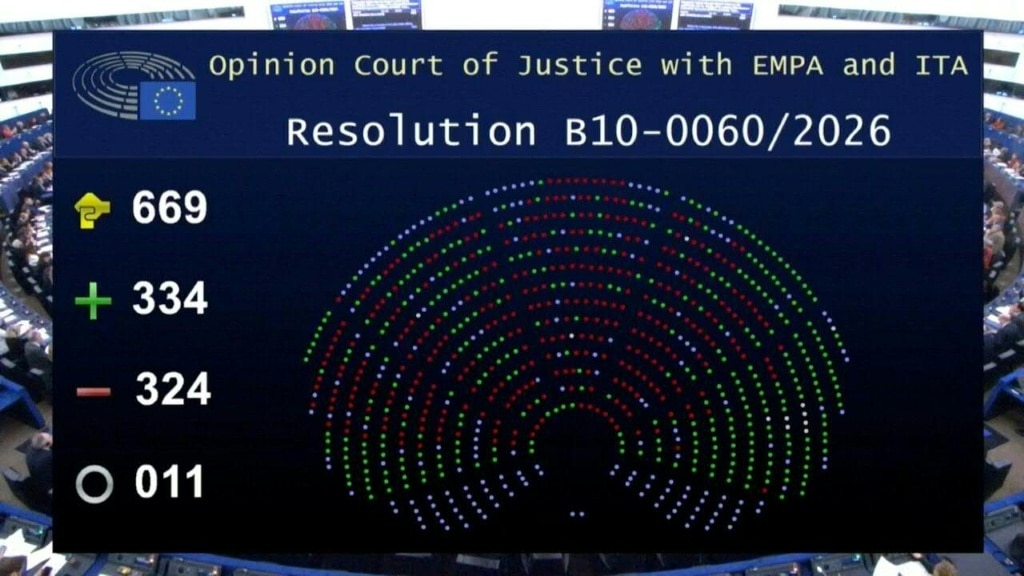
    In a dramatic legislative showdown, the European Parliament has cast the landmark EU-Mercosur trade agreement into legal uncertainty following a contentious vote. Lawmakers in Strasbourg narrowly approved (334-324) referring the freshly inked pact to the Court of Justice of the European Union (CJEU) for constitutional assessment.

    The decision triggered jubilant celebrations among hundreds of farmers who had gathered with tractors outside the parliamentary building. Their prolonged opposition to the deal, particularly from French agricultural groups, found validation in the vote outcome. “We’ve been on this for months and months, for years,” exclaimed Quentin Le Guillous, head of a French young farmers’ group, capturing the emotional triumph felt by protestors.

    This judicial referral represents a significant setback for the European Commission, which had championed the agreement as a historic achievement. Commission President Ursula von der Leyen had vigorously promoted the pact just hours before the vote, emphasizing its strategic importance. The deal, negotiated over 25 years, would create one of the world’s largest free trade areas, eliminating tariffs on over 90% of bilateral trade between the EU and Mercosur nations (Brazil, Argentina, Uruguay, and Paraguay).

    The legal challenge centers on two critical questions: whether partial application before full ratification violates EU procedures, and whether the agreement improperly restricts Brussels’ regulatory powers on environmental and food safety standards. The Commission maintains that parliamentary concerns are “not justified,” with trade spokesman Olof Gill asserting that all raised issues had been comprehensively addressed during negotiations.

    Geopolitical tensions underscore the agreement’s significance, with the EU seeking reliable partnerships amid Trump-era tariff policies and growing Chinese competition. Germany, Spain, and Nordic countries strongly support the pact for its export benefits in automotive, wine, and cheese sectors. Conversely, France, Poland, Austria, Ireland, and Hungary oppose it due to agricultural sector vulnerabilities.

    The judicial process may substantially delay or potentially derail implementation, though the Commission retains authority to provisionally apply the agreement pending the court’s ruling—a move that would likely ignite further political controversy.
  • Davidovich Fokina criticises ‘ignorant drunks’ in crowd

    Davidovich Fokina criticises ‘ignorant drunks’ in crowd

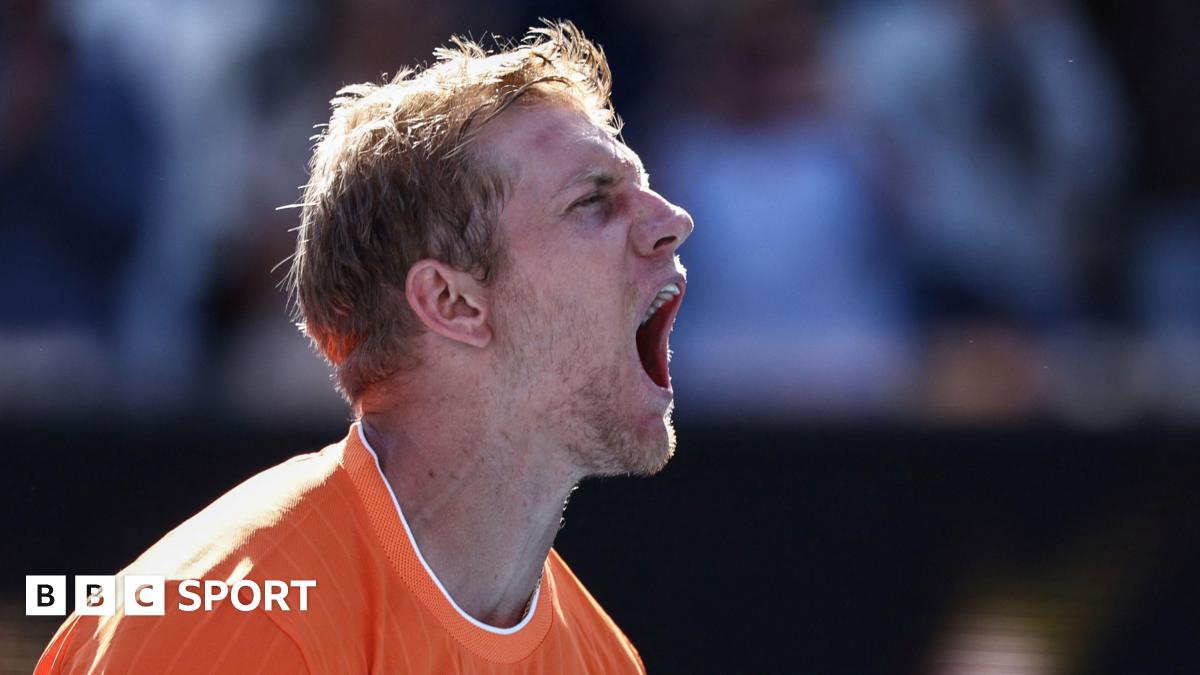
    Spanish tennis professional Alejandro Davidovich Fokina unleashed a vehement critique against disruptive spectators he labeled as “ignorant drunks” during his intense five-set victory at the Australian Open. The incident erupted during the fourth set of his match against American Reilly Opelka on Kia Arena, where the 14th-seeded player abruptly stormed toward the front rows, gesticulating angrily and shouting at a specific group of attendees. The chair umpire promptly intervened, descending from his position to de-escalate the situation and instruct Davidovich Fokina to retreat while addressing the concerned spectators directly.

    Reflecting on the altercation during post-match commentary, Davidovich Fokina expressed frustration with fan behavior that transcends geographical boundaries. “It can happen here, it can happen wherever in the world,” he stated. “So there were four ignorant drunks that I can do nothing about. Nothing more.” Despite the confrontation, the Spaniard secured a hard-fought 6-3, 7-6 (7-3), 5-7, 4-6, 6-4 triumph, celebrating emotionally by shouting skyward before discarding his cap and clenching his fist triumphantly toward his support team.

    This incident represents part of a broader pattern of player-spectator tensions at this year’s Melbourne tournament. Russia’s Anastasia Potapova vocally challenged a spectator who disrupted play during her match against Britain’s Emma Raducanu, while Spain’s Jaume Munar expressed visible frustration when fans initiated chants during critical service moments. These occurrences echo previous years’ controversies, including British player Harriet Dart’s comparison of her 2025 match atmosphere to a “football match” and American Danielle Collins facing hostile heckling from local crowds during her matches against Australian opponents.

    The tournament has historically grappled with crowd management challenges, including last year’s relocation of Davidovich Fokina’s match against Felix Auger-Aliassime due to excessive noise pollution from adjacent courts. These recurring incidents highlight ongoing debates about spectator etiquette and player concentration in professional tennis environments.

  • Syria army enters Al-Hol camp holding relatives of jihadists: AFP

    Syria army enters Al-Hol camp holding relatives of jihadists: AFP

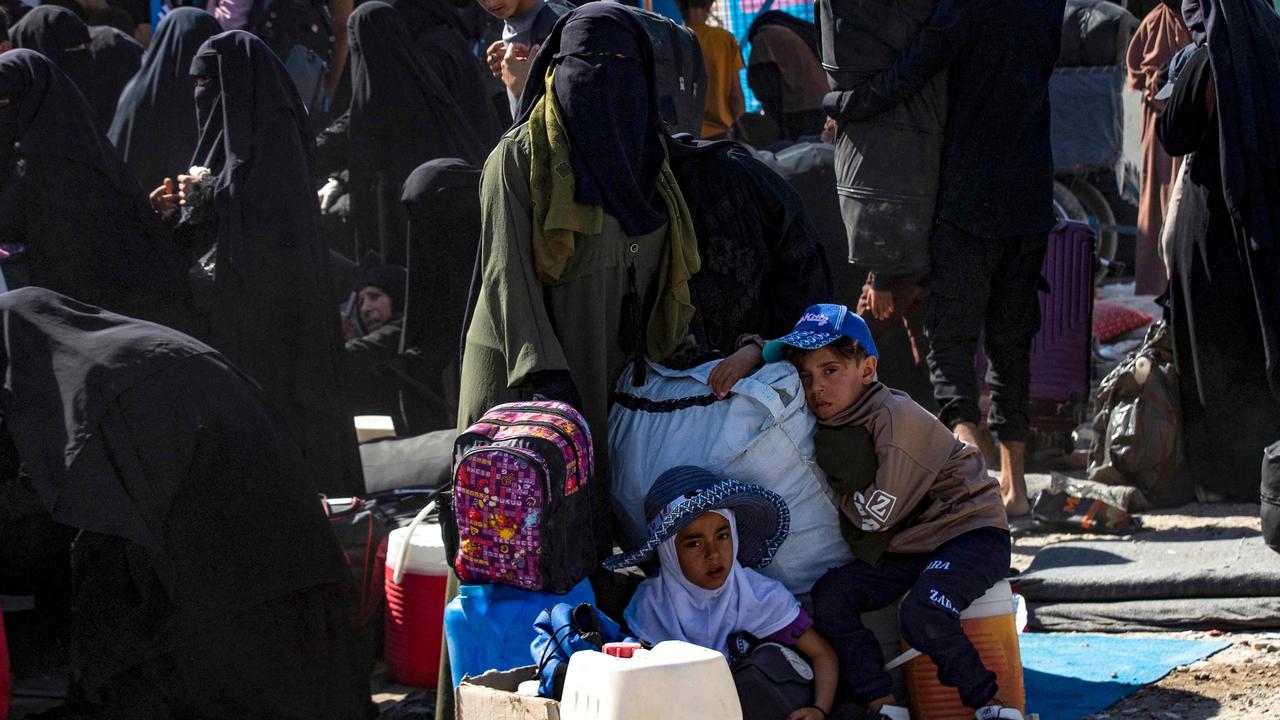
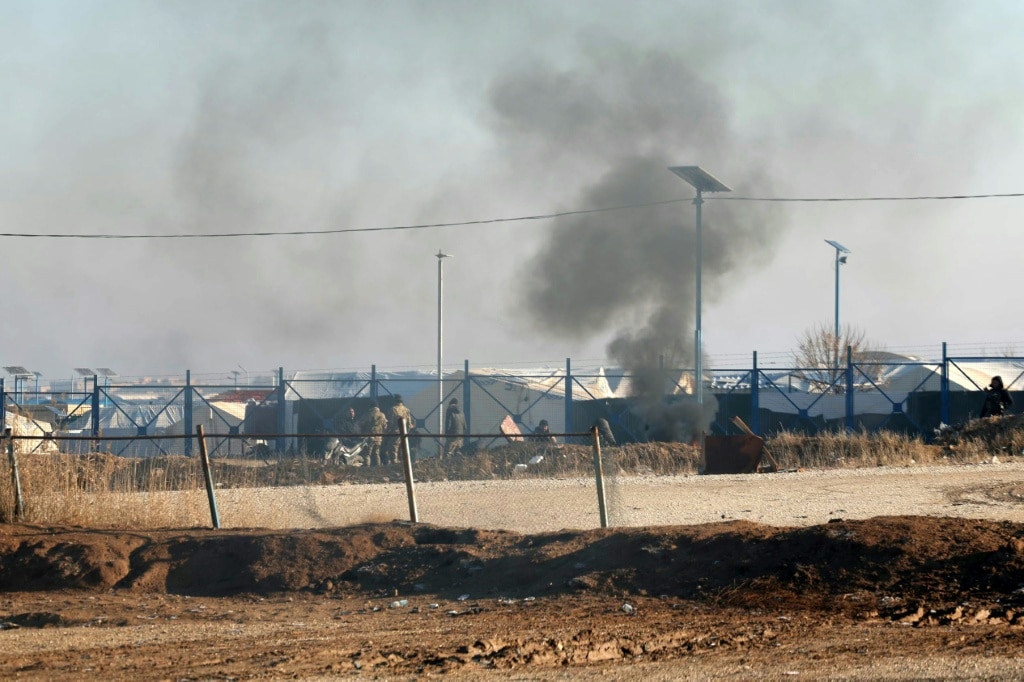
    In a significant shift of control in northeastern Syria, government forces entered the sprawling Al-Hol detention camp on Wednesday following the withdrawal of Kurdish-led security units. An AFP correspondent on site witnessed Syrian soldiers opening the main gate and establishing security perimeters around the facility, which houses approximately 24,000 individuals with alleged connections to Islamic State militants.

    This military movement follows Tuesday’s ceasefire agreement between Damascus and the Syrian Democratic Forces (SDF), ending hostilities that had seen government troops reclaim extensive territories previously administered by Kurdish forces. The truce arrangement includes provisions for the eventual integration of Kurdish-majority regions under Syrian state authority while preserving limited autonomy for local administrations.

    The Al-Hol facility represents one of the most complex humanitarian and security challenges in post-conflict Syria, containing detainees from nearly 40 nations, including about 6,200 women and children. Parallel developments occurred at other detention sites, with reports indicating disturbances at Shadadi prison where authorities confirmed 120 IS members escaped before 81 were recaptured.

    Diplomatic dimensions intensified as U.S. officials acknowledged the evolving nature of their alliance with Kurdish forces. President Trump characterized the relationship as transactional while emphasizing continued protection for Kurdish interests. The American envoy to Syria noted that the primary counter-ISIS mission of Kurdish forces had ‘largely expired,’ signaling a potential recalibration of international engagement in the region.

    Under the newly established framework, SDF commander Mazloum Abdi will propose candidates for key governmental positions, including Hasakeh governor and deputy defense minister, facilitating political integration while maintaining Kurdish cultural and administrative presence in their traditional territories.

  • Widow of Iran’s last shah says ‘no turning back’ after protests

    Widow of Iran’s last shah says ‘no turning back’ after protests

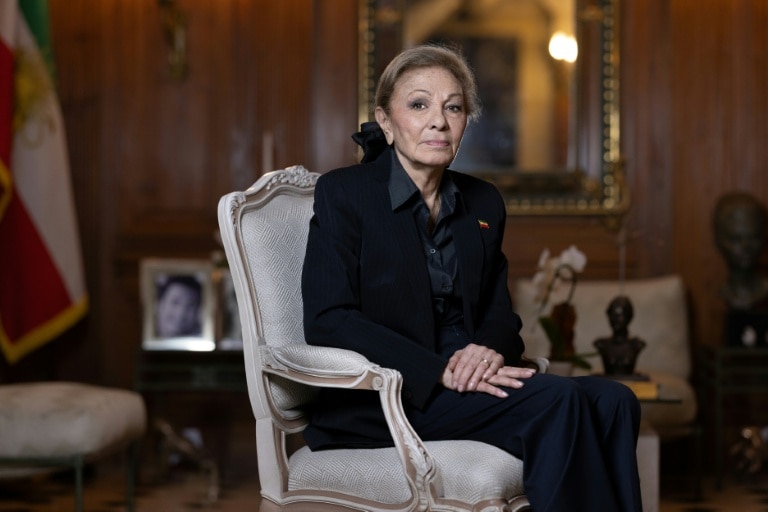
    In an exclusive Paris interview with AFP, Farah Pahlavi, the 87-year-old widow of Iran’s last Shah, has delivered a powerful statement regarding the ongoing protest movement challenging Iran’s clerical establishment. The former empress, who was exiled alongside her husband during the 1979 Islamic Revolution, expressed unwavering conviction that the Iranian people would ultimately achieve victory in their struggle for freedom.

    Seated before Iran’s former imperial flag adorned with the lion and sun emblem, Pahlavi articulated her profound connection to the protestors, particularly emphasizing her maternal bond with the youth leading the demonstrations. She revealed her deepest personal longing to return to Iran after 47 years in exile, stating, “My desire and my need today are to return to Iran and to hold these exceptional children in my arms.”

    The nationwide protests, which initially emerged in response to economic grievances in late December, rapidly evolved into a direct challenge against the Islamic Republic’s four-decade rule. Pahlavi acknowledged the severe government crackdown that international rights organizations report has resulted in thousands of casualties, yet she maintained that the movement had reached an irreversible point. “One thing is now certain: there is no turning back,” she declared. “This path is one-way—it leads to freedom—and every day, tragically, it is drenched in the blood of the daughters and sons of this land.”

    Regarding the role of external opposition, Pahlavi outlined two critical responsibilities: maintaining strong connections between Iranians inside the country and international communities, while simultaneously organizing global demonstrations to raise awareness about the situation. When questioned about potential foreign military intervention, she instead appealed for continued international solidarity and support, emphasizing that a democratic Iran would contribute to regional stability.

    Concerning her son Reza Pahlavi’s potential political role, the former empress emphasized that any position would be determined solely by the Iranian people’s will, noting that her son views himself primarily as a spokesperson for young Iranians until freedom is achieved.

  • ASX 200 drops for third day as US trade fears rattle market, gold trumps global uncertainty

    ASX 200 drops for third day as US trade fears rattle market, gold trumps global uncertainty

    Australia’s financial markets recorded a third consecutive day of declines as escalating trade disputes between the United States and Europe continued to dampen investor sentiment. The benchmark ASX 200 index fell 0.37 percent to close at 8782.90 points, while the broader All Ordinaries index dropped 0.33 percent to settle at 9108.6.

    The market downturn mirrored substantial losses on Wall Street, triggered by renewed geopolitical tensions surrounding U.S. trade policies toward Greenland. Market analysts attributed the sustained decline to growing concerns about potential disruptions to global trade frameworks and supply chains.

    Amid the market volatility, gold continued its remarkable ascent, climbing 0.02 percent to reach $4,857 per ounce and positioning itself for a potential breakthrough of the $5,000 psychological barrier. The precious metal’s persistent strength reflects its status as a traditional safe-haven asset during periods of economic uncertainty.

    Sector performance revealed a mixed landscape, with eight of eleven industry categories finishing in negative territory. Information technology and consumer discretionary sectors experienced the most significant declines, dropping 2.5 percent and 2.14 percent respectively. Conversely, materials sector stocks continued their strong performance with a 2.5 percent gain, while utilities and energy sectors also closed positively.

    Individual stock movements highlighted the day’s volatility. Emerald Resources NL led gainers with a 13.2 percent surge to $7.96, followed closely by Paladin Energy’s 13.1 percent rise to $13.17. Westgold Resources also posted substantial gains, climbing 9.6 percent to $7.53. Conversely, Droneshield shares plummeted 8.86 percent to $4.32, marking the session’s sharpest decline.

    Australia’s banking sector faced broad pressure, with all four major banks closing lower. ANZ and Commonwealth Bank both fell more than 2 percent, while NAB declined 1.62 percent and Westpac dropped 1.24 percent. Mining giant BHP bucked the trend, advancing 1.46 percent to $48.48.

    The Australian dollar showed resilience amid the equity market turbulence, trading at 67.52 U.S. cents with analysts suggesting potential movement toward 69 cents if current trends persist.

    Market participants now await key developments including former President Trump’s scheduled address at Davos and an emergency EU summit in Brussels, both of which could provide clarity on the direction of international trade relations.

  • Japan to restart world’s biggest nuclear plant Wednesday

    Japan to restart world’s biggest nuclear plant Wednesday

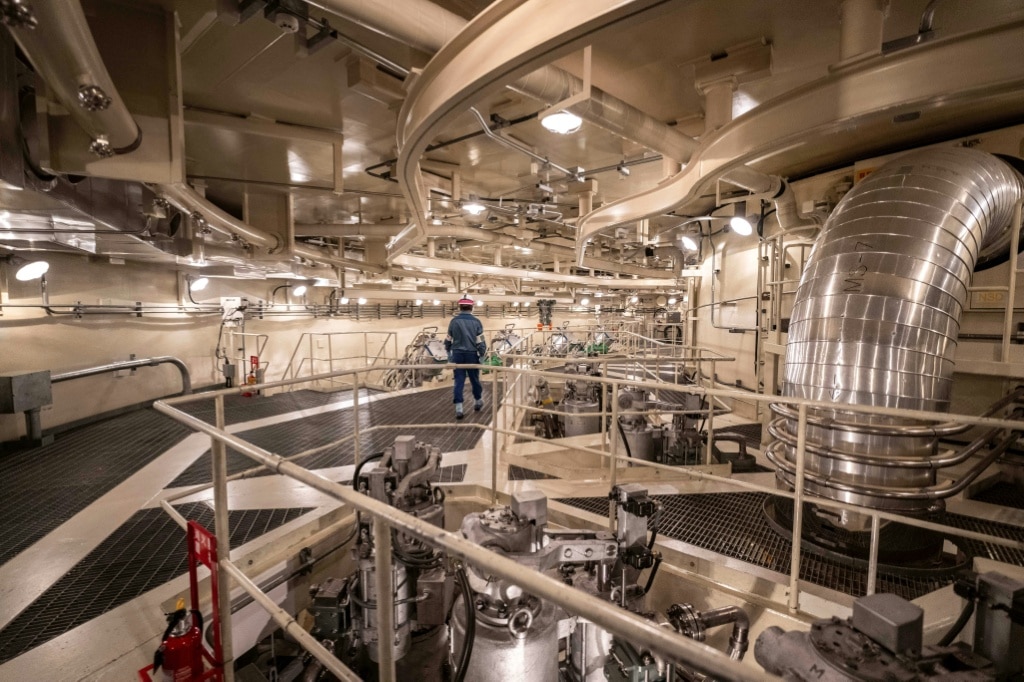
    Japan is poised to reactivate the world’s largest nuclear power facility on Wednesday, marking a historic milestone in the nation’s energy policy since the 2011 Fukushima catastrophe. The Kashiwazaki-Kariwa plant in Niigata province, operated by Tokyo Electric Power (TEPCO), will initiate reactor operations after receiving final regulatory approval, despite significant public safety concerns and ongoing protests.

    The restart follows Niigata Governor’s endorsement last month, though regional surveys indicate 60% of residents oppose the reactivation while only 37% support it. The facility has undergone substantial safety enhancements including a 15-meter tsunami wall and elevated emergency power systems. However, critics highlight TEPCO’s problematic track record—including recent alarm system failures and data falsification scandals—as evidence of ongoing operational risks.

    Japan’s push for nuclear revival stems from energy security needs and climate commitments. As the fifth-largest global carbon emitter, Japan aims to achieve carbon neutrality by 2050 and reduce fossil fuel dependency from nearly 70% to 30-40% of its energy mix. Nuclear power is projected to supply 20% of national energy by 2040, up from current 8.5% levels.

    The restart represents TEPCO’s first nuclear reactivation since the Fukushima disaster, where decommissioning efforts continue after 15 years. While 14 reactors have resumed operations under stricter safety protocols nationwide, Kashiwazaki-Kariwa’s revival remains contentious due to its location on active seismic faults and evacuation plan inadequacies highlighted by local residents.

  • ‘Really scary’: Sydney residents react to shark attacks

    ‘Really scary’: Sydney residents react to shark attacks

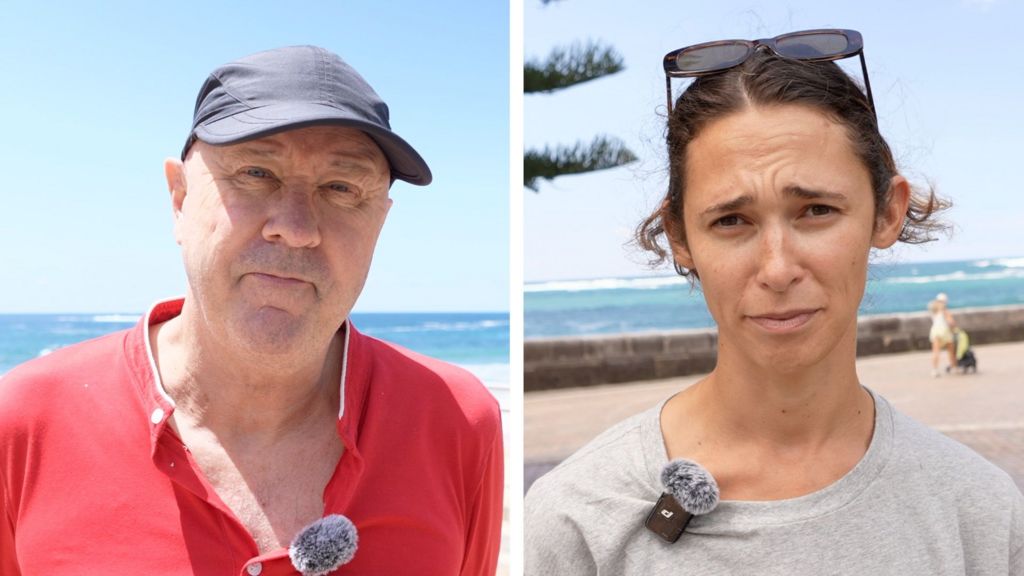
    A wave of apprehension has swept across Sydney’s coastal communities following an unprecedented series of four shark encounters within a mere 48-hour timeframe along New South Wales’ coastline. The BBC conducted street-level interviews with residents and beachgoers, capturing raw emotional responses to what many described as deeply frightening incidents that have disrupted the region’s quintessential beach culture.

    The cluster of attacks, occurring in close geographical and temporal proximity, represents a significant deviation from historical patterns, triggering immediate safety reassessments by marine authorities. Lifesaving agencies have intensified surveillance operations while deploying additional aerial patrols to monitor shark movements near popular swimming areas.

    Marine biologists specializing in shark behavior suggest environmental factors including unusual water temperature fluctuations and baitfish migrations closer to shore may have contributed to this anomalous situation. Meanwhile, local authorities have implemented temporary beach closures and installed advanced shark detection technologies while urging swimmers to avoid dawn and dusk ocean activities.

    This series of incidents has reignited debates about coastal management strategies, with community members expressing divided opinions on shark mitigation measures ranging from traditional netting programs to newer non-lethal deterrent technologies. The psychological impact on the community appears substantial, with many residents reconsidering their relationship with the ocean that has long defined Sydney’s identity.

  • Opposition issues ISIS-brides warning as Kurdish-led forces abandon Syrian camp

    Opposition issues ISIS-brides warning as Kurdish-led forces abandon Syrian camp

    Australia’s political opposition has issued a stark security warning following the withdrawal of Kurdish-led Syrian Democratic Forces (SDF) from the al-Hol detention camp in northwest Syria, which previously housed families of Islamic State fighters. Opposition home affairs spokesman Jonathan Duniam expressed grave concerns that Australian ISIS affiliates might exploit this security transition to return without proper oversight.

    The al-Hol facility, which reached a peak population of 73,000 in 2019, primarily contained women and children associated with ISIS combatants after the organization’s territorial collapse. While international repatriation efforts coordinated with the United Nations have reduced the camp’s population, approximately 24,000 individuals remained at the time of the SDF’s withdrawal.

    Senator Duniam criticized the current government’s approach, stating that allowing third-party organizations to facilitate returns at their discretion represents a dangerous policy failure. He emphasized that while these individuals may retain Australian citizenship, the Commonwealth should exclusively control the repatriation process for this high-risk demographic.

    According to Home Affairs Department figures, about 90 Australian citizens—including 60 men and 30 women and children—remain dispersed across Syrian displacement camps. These individuals allegedly traveled to join ISIS during its peak influence last decade.

    The Albanese government maintains a formal policy of ‘no active repatriation’ but has issued passports to those reaching Australian diplomatic missions and permitted their return. This approach has drawn criticism from the Coalition, particularly after last year’s unauthorized return of two women and four children who exited Syrian camps without official authorization.

    Despite international legal arguments favoring repatriation for containment and prosecution, most Western governments have been reluctant due to security considerations. Australia’s security services indicate that all returnees remain under rigorous surveillance protocols.

  • ‘Unimaginable situation’: Family of child, 5, allegedly stabbed by woman break silence

    ‘Unimaginable situation’: Family of child, 5, allegedly stabbed by woman break silence

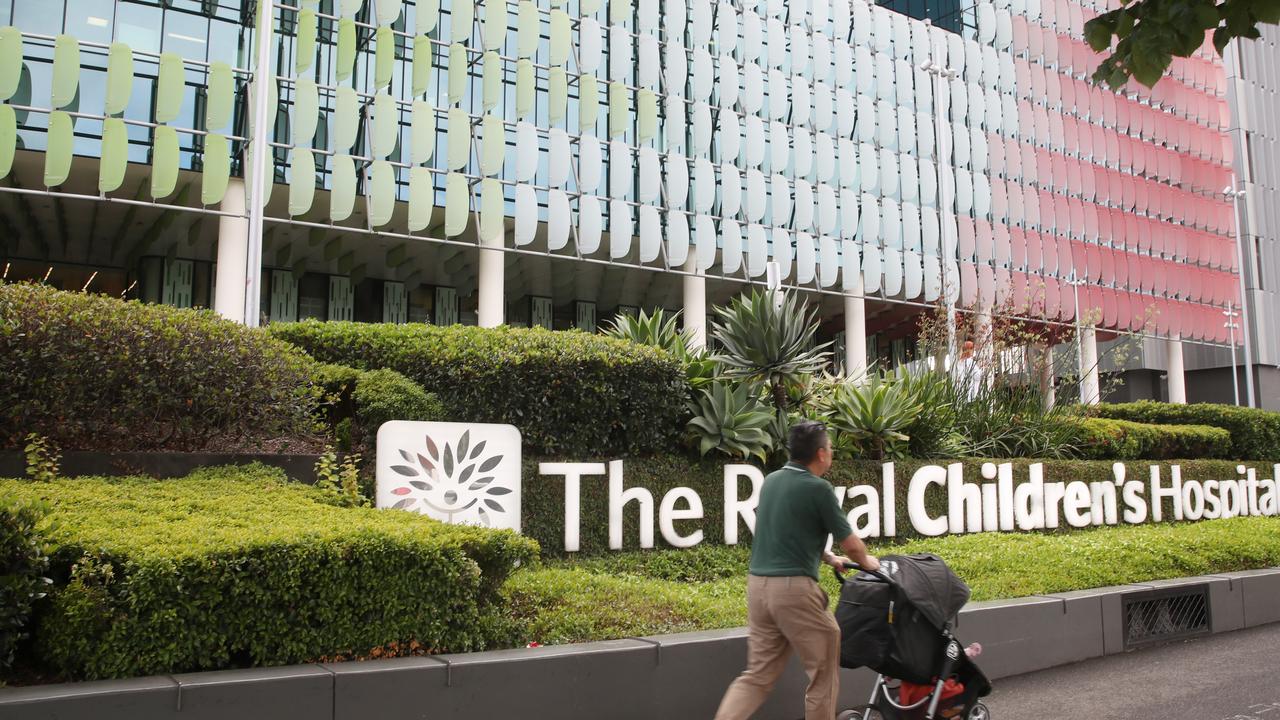
    A five-year-old boy from Launceston, Tasmania, continues to fight for his life at Melbourne’s Royal Children’s Hospital after sustaining severe injuries in an alleged stabbing incident. The traumatic event occurred late Tuesday night, prompting an emergency medical response that ultimately required the child to be airlifted to Melbourne for specialized critical care.

    The young victim, whose identity remains protected under legal provisions, was initially treated at Launceston General Hospital before being transferred to the Melbourne facility. Medical teams have performed multiple surgical procedures on the child, who remains sedated to facilitate recovery and comprehensive assessment of his injuries.

    In a parallel development, Tasmanian police have charged a 33-year-old woman with attempted murder in connection with the incident. Authorities confirmed the woman, who presented to hospital with non-life-threatening injuries, was known to the child. The precise nature of their relationship has not been disclosed due to ongoing legal proceedings.

    The family has described the situation as “unimaginable” through a GoFundMe campaign organized by the boy’s aunt. The fundraising initiative, created to support the father’s immediate needs, has demonstrated remarkable community solidarity, surpassing $35,000 in donations within hours of establishment.

    Family representatives indicate the child’s condition remains stable but critical, with medical teams closely monitoring his progress over the coming days. The family’s current focus remains on providing unwavering support to the father during this profoundly challenging period, ensuring he can maintain constant presence at his son’s bedside throughout the recovery process.

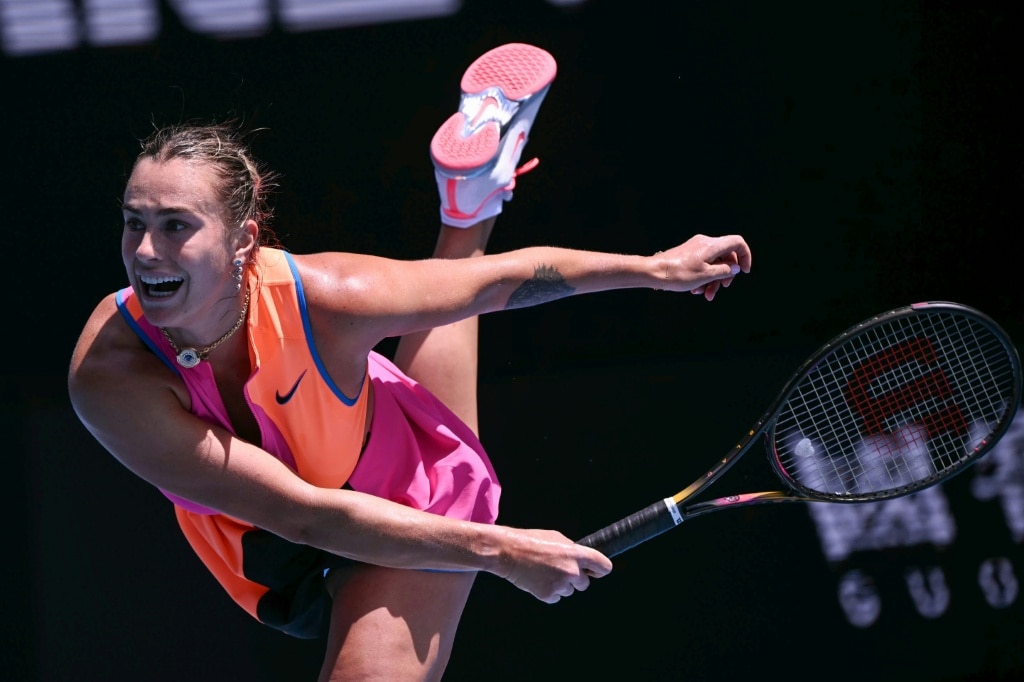
  • ‘Super-happy’ Sabalenka shines as Alcaraz gets set at Australian Open

    ‘Super-happy’ Sabalenka shines as Alcaraz gets set at Australian Open

    Melbourne Park witnessed a shift in weather and a display of top-tier tennis prowess as the Australian Open entered its fourth day. Under cooler, overcast skies, defending champion Aryna Sabalenka delivered a commanding performance, swiftly defeating Chinese qualifier Bai Zhuoxuan with a decisive 6-3, 6-1 victory. The Belarusian, expressing immense satisfaction with her focus and gameplay, advances toward a potential third title in four years.

    Simultaneously, Spanish phenom Carlos Alcaraz prepares for his second-round match against Germany’s Yannick Hanfmann. The 22-year-old, already a six-time major winner, aims to conquer the Melbourne hardcourts—the sole missing piece for a career Grand Slam. Achieving this would make him the youngest man in tennis history to secure all four major titles.

    The day’s action also features a roster of other contenders. Three-time finalist Daniil Medvedev, adopting a renewed positive mindset, faces France’s Quentin Halys. American Coco Gauff, fresh from a straight-sets opening win, is set to meet Serbia’s Olga Danilovic. Alexander Zverev, last year’s runner-up, continues his decade-long pursuit of a maiden Grand Slam title against France’s Alexandre Muller.

    Early victories were secured by Ukraine’s Elina Svitolina and Turkey’s Zeynep Sonmez, both progressing in straight sets. On the men’s side, American Tommy Paul and Argentina’s Francisco Cerundolo also navigated their second-round challenges successfully. The evening session promises thrilling matchups for home fans, featuring sixth seed Alex de Minaur and local hope Priscilla Hon.