标签: Oceania

大洋洲

  • Lorenzo Lemalu: Slain underworld figure’s funeral service hit by gunshots, burnt car found

    Lorenzo Lemalu: Slain underworld figure’s funeral service hit by gunshots, burnt car found

    A memorial service meant to honor a slain young Australian organized crime figure descended into chaos on Saturday afternoon, when attackers unleashed a barrage of gunfire from a moving SUV into the western Sydney venue hosting the service. The violent incident unfolded at Diamond Venues in Punchbowl, where friends and family had gathered to remember 24-year-old Lorenzo Lemalu, a man law enforcement links to a senior leadership role in the Coconut Cartel, a notorious Sydney-based underworld syndicate.

    Lemalu’s funeral came two weeks after he was fatally shot outside a seafood restaurant in Ho Chi Minh City, Vietnam, on May 21. To date, Vietnamese authorities have arrested and charged two Samoan nationals in connection with his killing, with investigators stating the pair were acting on orders from a suspect based outside the country.

    New South Wales Police confirmed that the shooting at the funeral occurred shortly after 2:20 p.m. Witness accounts and circulating footage show that the unidentified attackers fired from a passing SUV before immediately fleeing the suburban neighborhood. Remarkably, no attendees or bystanders were harmed in the attack, despite video evidence capturing more than 24 rounds being fired at the venue’s upper level. Within a short time of the shooting, officers located the suspected getaway vehicle fully engulfed in flames, a common tactic used by organized crime groups to destroy forensic evidence.

    Graphic video of the attack was published online by crime-focused media outlet SCN WorldStar. Audio captured in the footage reveals the attackers coordinating the strike: a gloved, hooded passenger in the back of the SUV opens fire on the building, while the driver urges him on, saying “Keep going, keep going,” before yelling to flee once the shooting stops.

    Lemalu’s formal burial was scheduled to take place the following day, Sunday, after the interrupted memorial service. The attack has underscored the ongoing violent rivalries playing out between Australian organized crime groups, even extending across borders and disrupting funeral services for fallen members.

  • US, Iran trade strikes despite visas for World Cup footballers

    US, Iran trade strikes despite visas for World Cup footballers

    A fragile months-long truce between the United States and Iran collapsed into fresh cross-border strikes on Friday, raising new fears of a wider regional conflict just as Washington granted entry visas to Iran’s national men’s football squad for the 2026 FIFA World Cup co-hosted by the US, Canada and Mexico.

    The ceasefire, which has held since April 8, was implemented nearly 100 days after coordinated US and Israeli strikes eliminated Iran’s top military and political leadership. For weeks, tense, roundabout negotiations riddled with threats and intermittent violence have failed to produce a permanent peace agreement or secure the reopening of the Strait of Hormuz, the world’s most critical chokepoint for global oil and natural gas shipments.

    Tensions boiled over Friday when US Central Command (CENTCOM) announced it had first downed four Iranian drones headed toward the Strait of Hormuz, then launched targeted strikes on Iranian coastal radar sites located in Goruk and on Qeshm Island. In a public statement, CENTCOM emphasized the attack drones posed an immediate threat to commercial maritime traffic passing through the strait, and that the radar strikes were a defensive measure to disrupt future hostile actions by Iran.

    Within hours of the US strikes, air raid sirens blared across Kuwait and Bahrain, two Gulf Arab states that host key US military installations and are longstanding Washington allies. Agence France-Presse correspondents on the ground in both countries reported hearing loud explosions.

    Early Saturday local time, Iran’s Islamic Revolutionary Guard Corps (IRGC) confirmed it had launched a retaliatory missile strike against what it called “enemy bases in the region”, framing the US operation as an “invasion” of Iranian territory near Sirik and Qeshm Island. Iranian state broadcaster IRIB quoted IRGC officials saying the retaliatory strike was a direct response to the US incursion.

    CENTCOM later clarified that Iran had fired seven ballistic missiles toward targets in Kuwait and Bahrain. Six of the missiles were intercepted and destroyed by US and allied air defenses, while the seventh missed its intended target entirely. The command confirmed there were no reported casualties among US personnel, and outright rejected Iranian claims that the strike had damaged the headquarters of the US 5th Fleet, based in Bahrain.

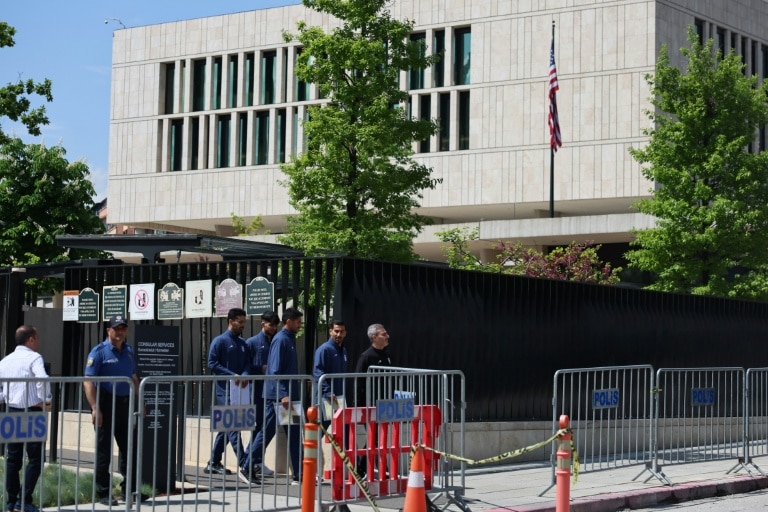
    This sharp escalation of hostilities comes even as the US moved forward with a long-awaited concession to Iran: granting entry visas for members of its national football team ahead of the World Cup. On May 21, Iranian players and delegation members submitted their visa applications at the US Embassy in Ankara, Turkey, and US Ambassador to Turkey Tom Barrack confirmed the approvals, noting “sports transcends borders, and we look forward to welcoming competitors and fans from around the world.”

    Not all members of the Iranian delegation have secured entry, however. Iran’s semi-official Fars News Agency reported that visas are still pending for a number of technical and executive staff members. An unnamed senior US administration official added in a statement that Washington would not allow the team to exploit the visa process to infiltrate terrorists into the US under false cover.

    The Iranian team is scheduled to depart Turkey for Spain on Saturday, before traveling on to its pre-tournament base camp in Mexico, where it is expected to arrive Sunday.

    The latest exchange of fire comes amid a broader breakdown in diplomatic efforts to turn the temporary ceasefire into a lasting peace deal. The ongoing conflict has already roiled global energy markets and amplified domestic political pressure on US President Donald Trump ahead of upcoming midterm elections.

    In comments to CNN Friday, Mohsen Rezaei, a military adviser to Iranian Supreme Leader Ayatollah Mojtaba Khamenei, said negotiations were at a complete deadlock, and called on Trump to unlock $24 billion in Iranian assets frozen by Western sanctions as a confidence-building measure. During an interview with NBC News Friday, Trump acknowledged that Iran still retains roughly 21 to 22 percent of its original missile stockpile, an increase from the 18 percent figure he cited earlier in May, contradicting previous US administration claims that Iran’s military capacity had been permanently crippled.

    The conflict has also spilled over into Lebanon, which was dragged into the wider war when Iran-backed Hezbollah launched an attack on Israel on March 2. Following the collapse of a proposed truce between Israel and Hezbollah, Lebanese Prime Minister Nawaf Salam issued a blunt public appeal to Iranian leaders Friday, urging them to end interference in Lebanese affairs. “Have mercy on our south, stop treating it and its people as merely a bargaining chip,” Salam said during a press conference. “We are the people of a sovereign nation that refuses to serve as an open battlefield for their wars.”

    Early Saturday, Iranian Foreign Minister Abbas Araghchi pushed back against similar criticism from Lebanese President Joseph Aoun, calling on Aoun to focus on protecting Lebanon from what Araghchi called its “real foe”. Iranian negotiators have repeatedly insisted during peace talks with Washington that the fighting in Lebanon and the Gulf conflict are inseparable, meaning any final peace deal must address both issues simultaneously.

    Days earlier, a strike on Kuwait’s international airport killed one civilian and wounded dozens of people, and Kuwaiti military confirmed early Saturday that its air defense systems were still responding to ongoing hostile missile and drone incursions, though the military did not name the source of the attacks.

  • Three charged after failed break-in exposes ‘treasure trove’ of drugs, cash in Melbourne

    Three charged after failed break-in exposes ‘treasure trove’ of drugs, cash in Melbourne

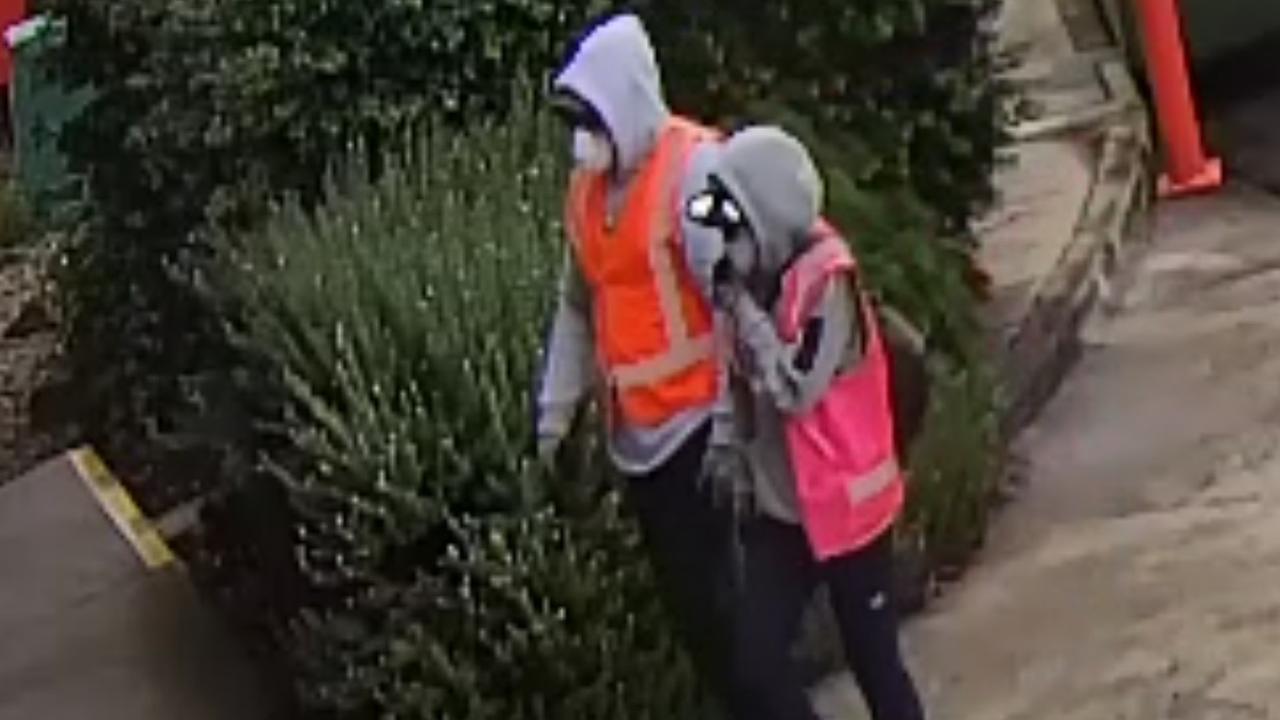
    What began as a botched attempted burglary has ended with a massive seizure of illicit substances, weapons and hundreds of thousands of dollars in cash, and three people facing criminal charges in Melbourne, Australia. On the morning of May 27, a man and a woman attempted to force entry into a locked storage unit in the inner-city suburb of Port Melbourne. Wearing grey hooded sweatshirts, high-visibility safety vests, face coverings and sunglasses to conceal their identities, the pair were caught on closed-circuit television leaving the scene empty-handed when their break-in attempt failed. Local law enforcement launched an investigation into the incident, and what officers uncovered during the probe far exceeded the initial burglary report. “While investigating the alleged attempt, officers from the Prahran Divisional Response Unit located a treasure trove of drugs which led to subsequent searches at apartments in Port Melbourne and St Kilda,” a Victoria Police spokesperson confirmed to media on Saturday. When executing search warrants across the two Melbourne suburbs, investigators seized a large stockpile of controlled substances: 12 liters of 1,4-Butanediol, a chemical commonly diverted for illicit recreational use, one kilogram of methamphetamine, half a kilogram of MDMA. Alongside the drug haul, officers also recovered illegal weapons and more than AU$460,000 in cash. Three people have already been taken into custody and charged in connection with the discovery, while investigators continue to hunt for the two would-be burglers who indirectly led police to the illegal operation. The pair, both described as Caucasian and in their 30s, have not yet been identified, and Victoria Police has released publicly the CCTV footage of the incident to ask for assistance from the public in naming and locating the suspects. Of the three people already charged, a 44-year-old man from St Kilda faces multiple charges including drug trafficking. A 32-year-old St Kilda woman has been charged with possession of a prohibited weapon and granted bail. The alleged ringleader of the operation, also 44, was arrested on June 3 as he re-entered Australia at Melbourne Airport, and is also facing charges including drug trafficking. Both men are scheduled to appear before local courts in August, while the woman is set to appear in November after being granted bail.

  • Anthony Albanese waters down criticism of CGT as Australia signs new trade agreement with New Zealand

    Anthony Albanese waters down criticism of CGT as Australia signs new trade agreement with New Zealand

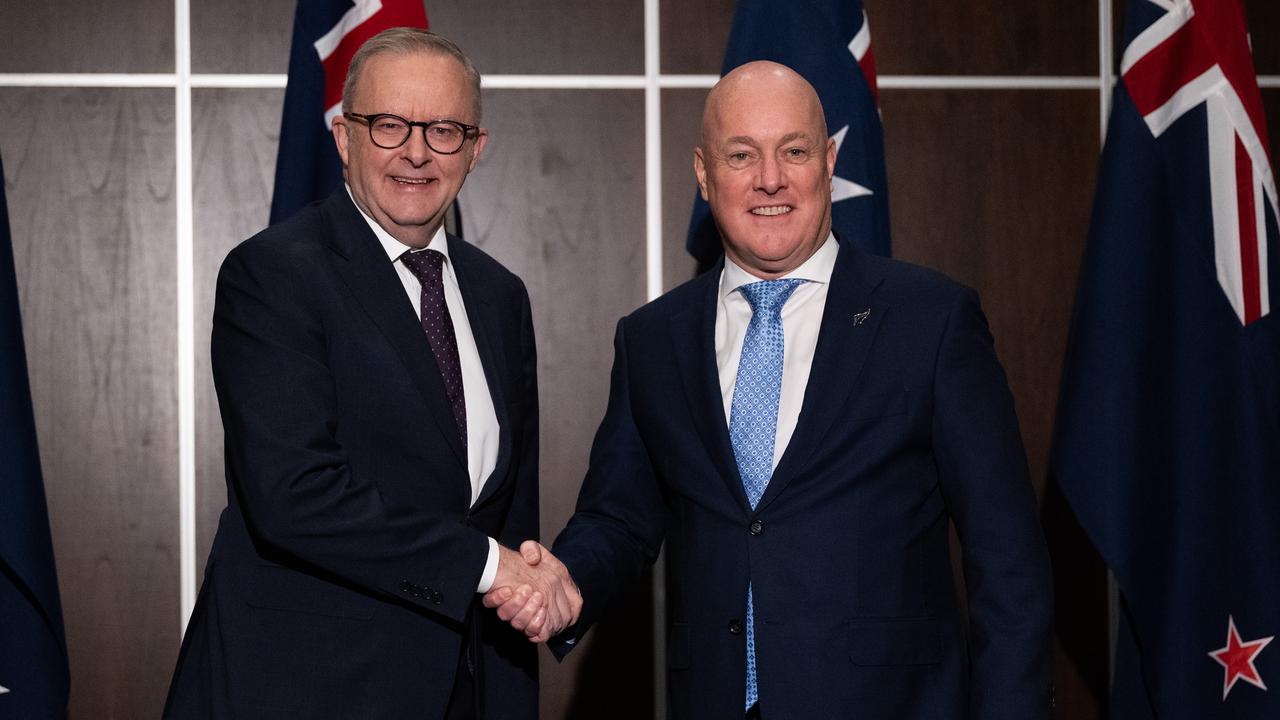
    In a high-stakes bilateral meeting held in Noosa on Saturday, Australian Prime Minister Anthony Albanese and New Zealand Prime Minister Christopher Luxon moved to defuse fleeting speculation of cross-border tension, putting playful budget-related rivalry aside to sign a landmark new cooperation agreement set to deepen economic, security and strategic ties between the two nations.

    The minor diplomatic stir emerged earlier this year after Australian Treasurer Jim Chalmers handed down the federal budget in May, which included a policy change to cut the 50% discount on the capital gains tax (CGT) concession for Australian businesses. New Zealand Finance Minister Nicola Willis quickly seized on the reform to pitch New Zealand as a more attractive destination for Australian entrepreneurs, saying in a public statement: “Australians looking to start or grow a business have an epic opportunity, and that opportunity is to do it in New Zealand.”

    Willis highlighted New Zealand’s existing no CGT policy, simple low-rate broad-base tax system, accelerated depreciation rules and pro-growth, deregulatory government agenda as key draws for cross-border investment. But both prime ministers moved quickly last weekend to frame the comment as nothing more than lighthearted banter, not a serious attack on Australian domestic policy.

    When asked about the exchange, Albanese laughed off any suggestion of lasting hostility, emphasizing the inherently playful nature of the decades-long trans-Tasman relationship. “We have a relationship which is often a bit tongue in cheek,” Albanese joked. “The Wahs (New Zealand Warriors), sign our players, but we have a few Kiwis in Australia too – 638,000 of them – or one in eight New Zealanders live here. It is a good relationship, occasionally there is a bit of cheekiness to the relationship and long may that continue.”

    Luxon echoed that sentiment, noting Willis’ comments were made in the context of New Zealand’s domestic political debate and had been taken out of context. “Her comments were really in the context of that debate domestically rather than commenting on the CGT here in Australia,” Luxon explained. “The Prime Minister covered it, it was done in good humour and yes it was cheeky, but what is important is we don’t comment on each other’s domestic economic policies because there are different contexts and history and she didn’t do that.”

    Beyond clearing up the minor rivalry, the core outcome of the meeting was the signing of a new bilateral agreement that lays out eight concrete policy actions designed to boost economic productivity for both nations. Luxon outlined that the deal will not only keep the two countries’ longstanding defence partnership adaptive to modern geopolitical challenges, but also deepen joint cooperation with Pacific island neighbors, strengthen technology-driven security and economic resilience, and expand trans-Tasman scientific research collaboration.

    A key highlight of the new agreement is the opening of new opportunities for New Zealand businesses to bid on major infrastructure projects tied to the 2032 Brisbane Olympic Games, a development expected to lift tourism and infrastructure profiles across both countries. Luxon had already held separate talks with Brisbane 2032 Olympic Committee leaders earlier to advance New Zealand industry participation in the massive infrastructure overhaul underway for the Games. That overhaul includes a new $3.8 billion, 63,000-seat stadium in Victoria Park, major upgrades to existing sporting venues including The Gabba, the Queensland Tennis Centre and Netball Centre, and the National Aquatic Centre, alongside public transit upgrades to the Brisbane Metro and new green river crossing projects.

    Albanese emphasized that the deepened partnership comes at a critical moment, amid widespread global political and economic volatility that makes close regional cooperation more important than ever. He called the meeting one of the most productive bilateral engagements of his prime ministership, noting that extensive pre-meeting preparation ensured the talks delivered tangible outcomes. “We’re very sharp, and a lot of work went into the preparation, clearly, to make sure it was a very effective use of our time,” he said.

    The meeting underscores the enduring closeness of the trans-Tasman economic relationship: Australia is New Zealand’s third-largest trading partner, while New Zealand ranks as Australia’s seventh-largest. As of 2025, two-way investment between the two countries totals $308 billion, while annual two-way trade in goods and services surpassed $38 billion, making the partnership one of the most economically significant for both nations.

  • ‘We simply do not know’: Storm provide sobering update on Eli Katoa as superstar forward faces uncertain future

    ‘We simply do not know’: Storm provide sobering update on Eli Katoa as superstar forward faces uncertain future

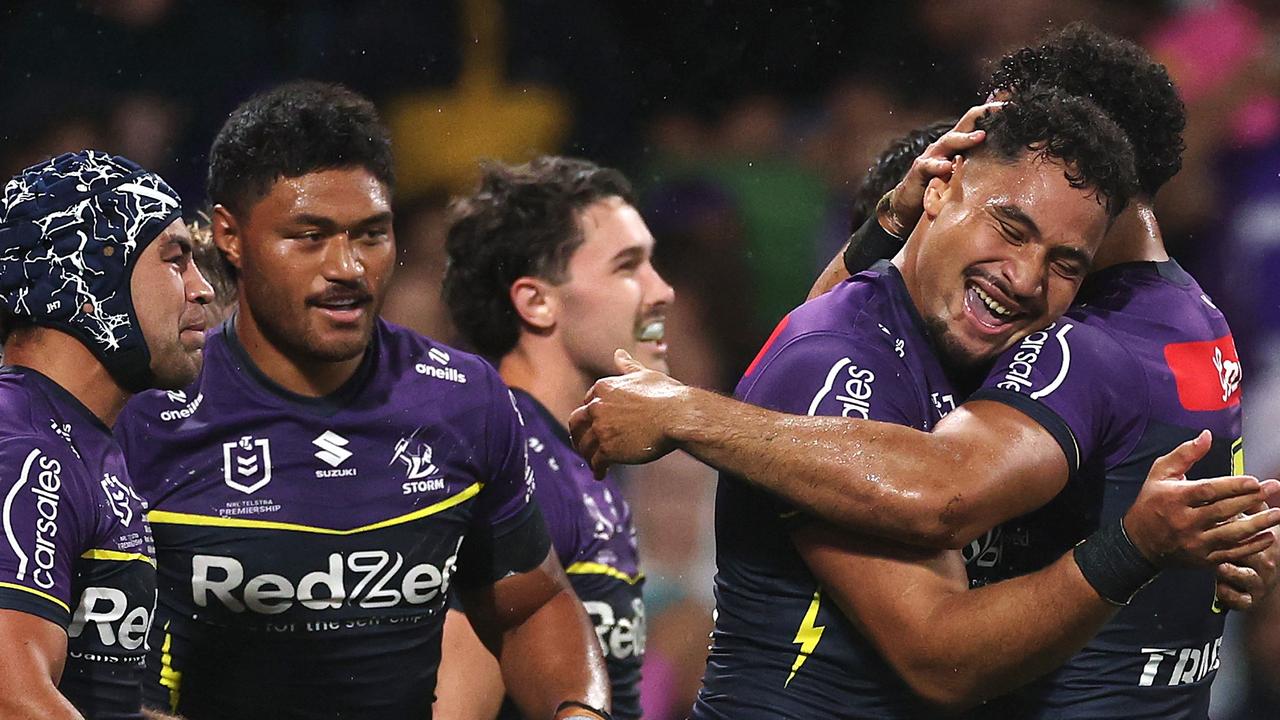
    The Melbourne Storm have delivered a critical update on the recovery journeys of two key first-team players, forward Eli Katoa and veteran Tui Kamikamica, both sidelined by serious, career-threatening health incidents in recent months. For 26-year-old Katoa, a two-time Dally M Second-Rower of the Year, the club has confirmed he will not take the field at all during the 2026 NRL season, as he continues to work with a team of specialists and neurosurgeons to map out a potential long-term return to contact rugby league.

    Katoa’s health crisis dates back to a November 2025 Test match for Tonga against New Zealand, where he sustained multiple traumatic head impacts. A heavy collision before the match already should have ruled him out of action, but the star forward was permitted to play, and suffered two additional blows to the head that left him with life-threatening brain bleeding requiring emergency surgery. He has not played a professional match since that day.

    In the months following his emergency surgery, Katoa has progressed to taking part in low-intensity, non-contact training drills, and remains a constant presence around the club daily. Still, club leadership confirmed that his recovery is moving slower than hoped, and any return to contact training — the first required step to a full playing comeback — remains uncertain. The earliest possible return fans could see Katoa back on the field would be the 2027 NRL season, and that outcome is still far from guaranteed.

    “Eli won’t play this year,” Melbourne Storm chief executive Justin Rodski confirmed to NewsWire. “He’s still going through his recovery process and continuing to try to build up through a training point of view, but it’s all non-contact. He’ll continue to work with his specialists and neurosurgeons around a plan for phasing him back into more and more training. In terms of when that is and whether or not that includes contact training in the near future, we simply do not know so we just have to be patient and continue to listen to the medical experts.”

    Rodski emphasized that the club is prioritizing Katoa’s long-term health over a rushed return to the field, noting the star’s unwavering drive to get back to playing. “Eli is so keen to get back out there and play. He’s at training and the club every day, but we can’t rush his return and we need to ensure that we’ve done everything right and followed the medical process,” Rodski said. “I think over the coming months we’ll start to get a clearer picture on what that could look like, and hopefully there is a path to return to some contact training at some point down the track. But at this stage we’re still waiting to get that confirmation.”

    The club has rallied around Katoa as he navigates an uncertain recovery, Rodski added. “We’ve been getting around him and giving him all the support he needs because it’s hard for any player being on the sidelines. For Eli, having the uncertainty on what that actually looks like makes it even more difficult. We couldn’t have more respect for a person because he’s such a wonderful leader in the organisation. We’ve missed him on the field, but it’s been great to have him around off the field. We’re all hopeful that we get some positive news over the coming months that there’s a plan for his return.”

    The Katoa announcement comes just after the Storm confirmed another devastating season-ending injury: representative winger Xavier Coates suffered a full Achilles rupture during a training session that will rule him out of all 2026 matches.

    For Kamikamica, the club’s other sidelined forward, there is more cautious optimism for a 2026 return. The veteran forward suffered a stroke after the Storm’s round four loss to the North Queensland Cowboys earlier this season, and has since resumed full training as he works toward clearance from medical experts.

    “Tui is so keen to get back out there, but we’re waiting on further medical advice to give him the all clear,” Rodski said. “He’s back into training, he’s around the club, he’s energetic and passionate as ever to return, but he’s gone through a serious ordeal so we need to make sure that we’ve done everything right to tick every box from a medical point of view to clear him to be able to play again this season. Unfortunately, we don’t know when that might be, and he’s still going through some testing. Until we’ve got that medical approval and clearance, he’s just going to continue to train and be around the club.”

  • Why are devastating mice plagues happening in Australia?

    Why are devastating mice plagues happening in Australia?

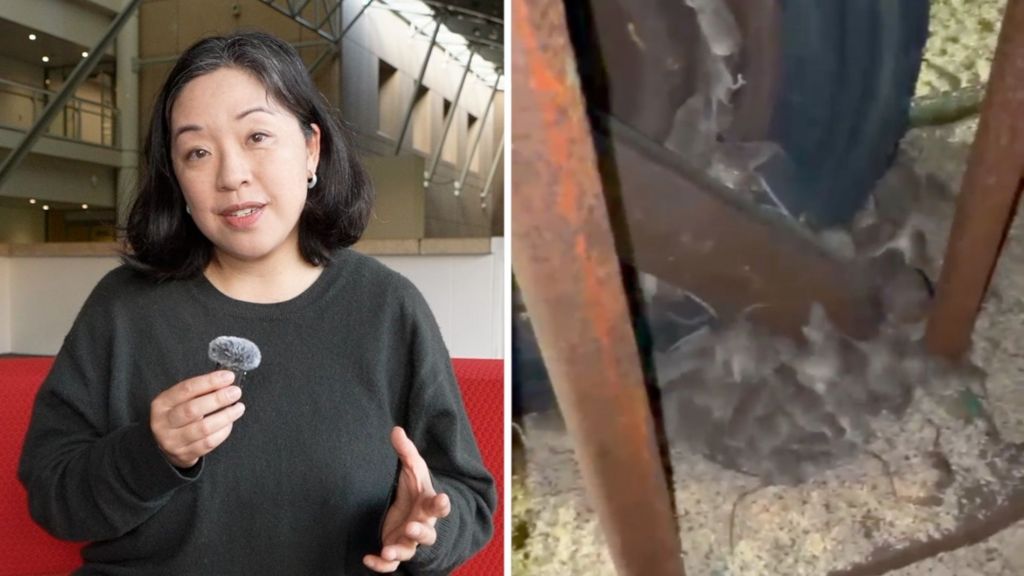
    Across vast swathes of Australian agricultural land, a rapidly escalating mice plague is unleashing unprecedented chaos, leaving growers and local communities scrambling to contain the damage. The prolific rodents have overrun farmlands, consuming and destroying standing crops ready for harvest, and have pushed past the boundaries of rural properties to invade residential homes, nesting in walls, contaminating food supplies and damaging infrastructure. For small and medium-scale farmers already grappling with volatile weather patterns and fluctuating market prices, the financial impact of this outbreak has been catastrophic. Early estimates indicate individual operations are facing losses that climb into hundreds of thousands of dollars, covering destroyed crops, pest control measures and property repairs. Agricultural experts point to a combination of ideal breeding conditions – including a wet growing season that provided abundant food sources and mild winter temperatures that boosted rodent survival rates – as the core trigger for the current exponential population growth. As state agricultural departments roll out emergency control measures, many rural communities remain on high alert, with the full extent of the damage still being assessed.

  • ‘Long road’: Daughters of elderly couple speak out after alleged NSW home invasion

    ‘Long road’: Daughters of elderly couple speak out after alleged NSW home invasion

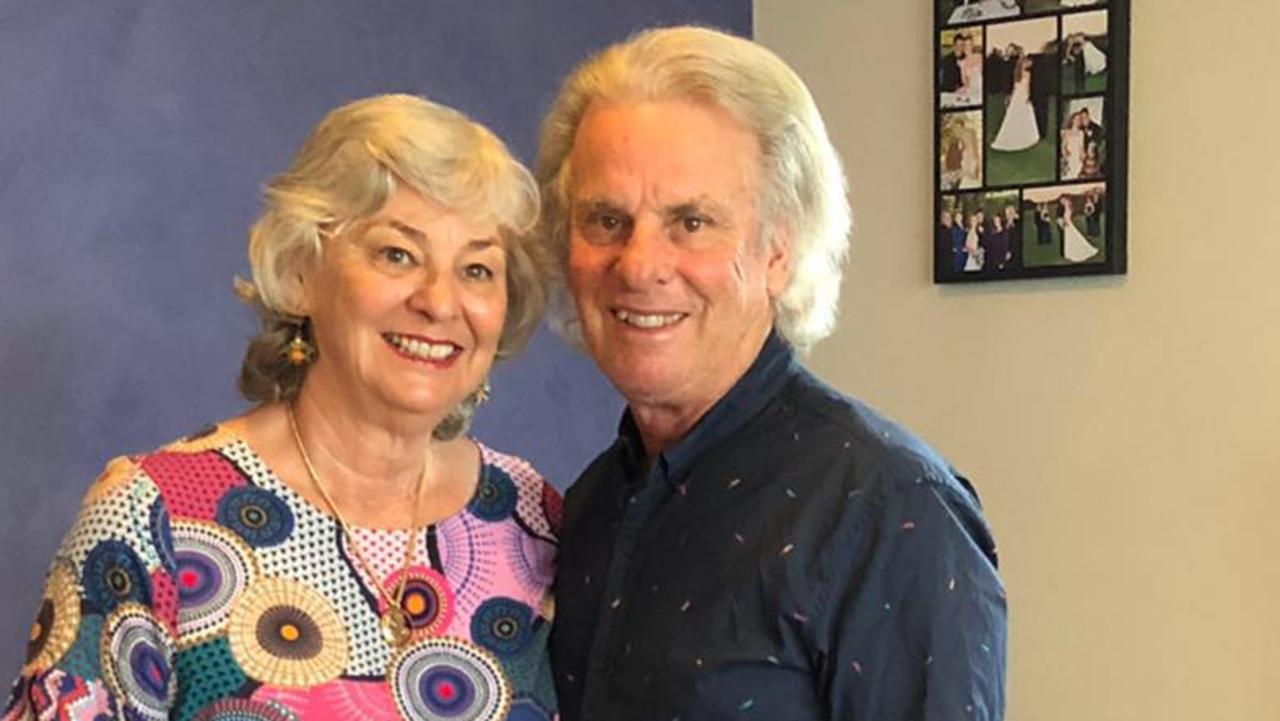
    A quiet rural community in northern New South Wales is reeling from a shocking early-morning violent incident that left a well-known retired couple critically injured, in what police have described as an unprovoked alleged home invasion. The attack unfolded just after 12:15 a.m. on Thursday at the Torrington property of 75-year-old Keith Blessing and his wife Dianne, who was stabbed in the chest during the assault. Keith suffered a deep slash wound across his stomach, but managed to place an emergency call to triple-zero after the initial attack before the alleged suspect attempted to re-enter the property.

    Keith, a licensed firearms holder, made the decision to use his weapon to stop the alleged attacker, 34-year-old Joshua Dylan Trethewey, who was subsequently taken into custody at Armidale Hospital while receiving treatment for a non-fatal gunshot wound, with police stationed around the clock at his bedside.

    Following the attack, the injured couple were airlifted to Gold Coast University Hospital, where they remain in a critical but stable condition as they begin what their family describes as a long and arduous recovery journey. On Friday, the couple’s daughter Kathy Blessing spoke publicly on behalf of her family, thanking community members and local responders for the outpouring of support that has helped the family cope with the trauma.

    “It has been comforting to know we have the support of the wider community. We’re very proud of our parents and their bravery. They’re recovering in the hospital here, getting excellent care. We have a long road ahead,” Kathy Blessing said in a prepared statement. She added that the entire family has been deeply traumatized by the incident, noting “no family should ever have to go through this,” and requested privacy moving forward after this, their only public comment.

    Law enforcement has echoed the family’s praise for Keith Blessing’s quick action under extreme duress. Detective Superintendent Chris McKinnon told reporters Thursday that the 75-year-old’s self-defense response was “quite impressive” given the severity of his injuries. “He certainly did his best obviously under very difficult circumstances to defend himself and his partner,” McKinnon said.

    Trethewey has been hit with two felony charges of causing grievous bodily harm with intent to murder. He appeared via video link before the Bail Division court on Thursday, where bail was refused, and he remains in police custody at Armidale Hospital while receiving ongoing medical care. Early investigative work has confirmed that Trethewey had no prior connection to the Blessing family, a detail that has amplified the shock of the attack for the tiny, close-knit Torrington community where the retired couple are widely known.

  • US VP Vance blames British student’s murder on migrant ‘invasion’

    US VP Vance blames British student’s murder on migrant ‘invasion’

    A tragic murder case in southern Britain has erupted into a cross-Atlantic political firestorm after United States Vice President JD Vance tied the 18-year-old victim’s death to what he falsely frames as a mass ‘migrant invasion’ driving Western civilizational collapse. The killing of Henry Nowak, stabbed last December in Southampton by 23-year-old Vickrum Digwa, has already become a polarizing flashpoint for right-wing groups globally, triggering unrest across British communities. Digwa, a Sikh man born and raised in the UK, lied to responding officers claiming Nowak had subjected him to racial abuse. Disturbingly, police left Nowak handcuffed at the scene as he lay bleeding out, a misstep that has drawn widespread criticism from across the political spectrum.

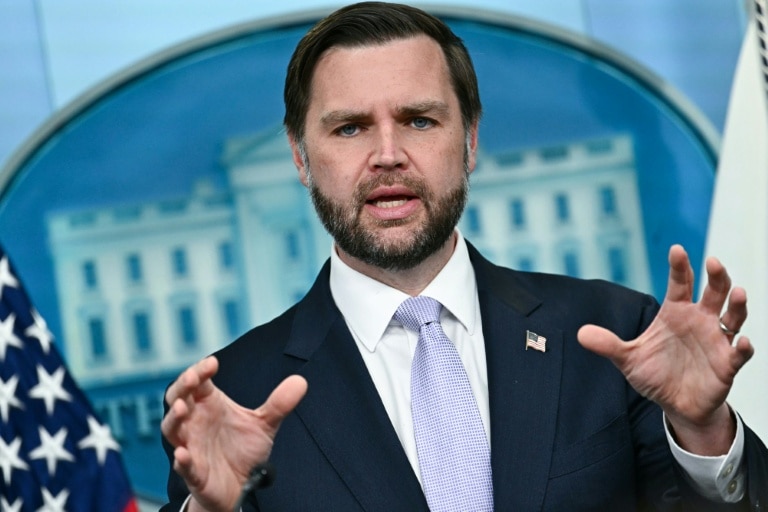
    Vance, a leading hardliner within the Trump administration and a longstanding harsh critic of liberal European migration policies, took to social platform X Friday to lay the blame for Nowak’s death directly at the feet of European leadership and open migration. ‘Henry Nowak died the same way a civilization dies: abandoned, handcuffed by authorities who neither trusted nor cared for him, and accused of hate crimes he did not commit,’ Vance wrote. ‘His murder is as tragic as it is enraging.’ He went further, arguing that Nowak would still be alive if previous generations of European elites had pushed back against ‘the politics of self-hatred and the mass invasion of migrants, many of whom despise the West and the people who love it.’ Vance called for ‘righteous anger’ over the case, warning that Nowak’s death would not be the last such preventable tragedy if current policies remain unchanged.

    Vance’s intervention marked the highest-profile American comment on the case to date, coming days after the U.S. State Department released a statement condemning what it called ‘ideological conditioning and two-tiered policing’ in the UK. Elon Musk, the billionaire owner of X and a close ally of both Vance and Trump, has already amplified multiple posts about the police handling of the stabbing, drawing sharp pushback from Downing Street earlier this week.

    British Prime Minister Keir Starmer’s office issued a swift and forceful rejection of Vance’s remarks, condemning what it framed as improper foreign interference in UK domestic affairs and deliberate attempts to stoke societal division. A Downing Street spokesperson noted that Nowak’s own family has explicitly asked that his death not be exploited to further deepen divides, spread hatred, or fuel tension across the country. Starmer himself had already accused Musk of ‘trying to whip up division’ in Britain just one day before Vance’s comments went public, underscoring the British government’s anger at external actors leveraging the tragedy for political gain.

    The row highlights growing tensions between the Trump administration and European governments over migration policy, as top U.S. officials increasingly frame mass migration as an existential threat to Western cultural and political cohesion. Critics warn that politicizing a local criminal case to advance a broader anti-migration agenda distorts the facts of the tragedy and risks amplifying far-right extremism on both sides of the Atlantic.

  • Trump urges new spy chief to fire employees

    Trump urges new spy chief to fire employees

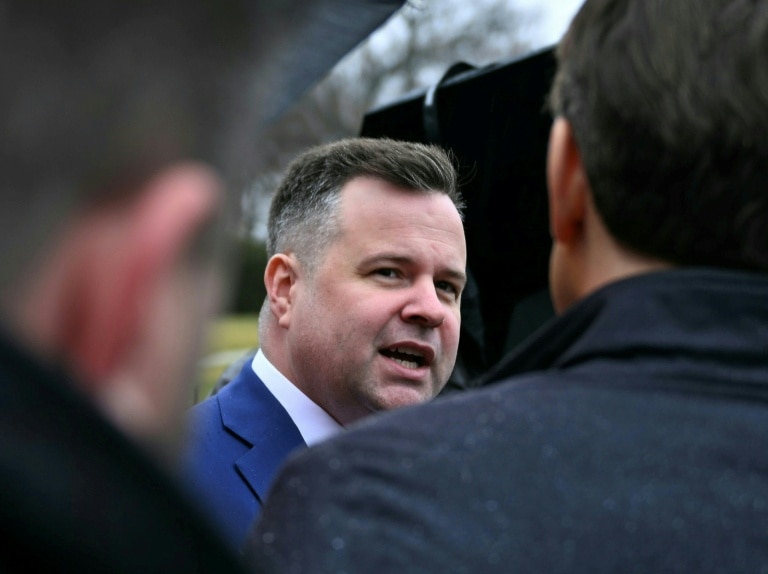
    A new political firestorm has erupted in Washington after former President and current U.S. President Donald Trump publicly confirmed Friday that he is pushing his newly tapped acting Director of National Intelligence, Bill Pulte, to dismiss large numbers of employees across the U.S. intelligence community, amplifying already fierce criticism over the appointment of a Trump loyalist with zero prior professional intelligence experience to the top national security role.

    Pulte, who currently leads the U.S. Federal Housing Finance Agency, was tapped by Trump this Tuesday to fill the acting national intelligence director post, following the departure of Tulsi Gabbard, who stepped down citing the need to care for her ailing husband. The 45th president has made no secret of his plans for the role, telling reporters traveling with him aboard Air Force One that he would not object to widespread staff cuts under Pulte’s leadership, claiming the Office of the Director of National Intelligence has been overstaffed for decades.

    Trump first outlined his downsizing agenda in an interview with *The Wall Street Journal*, repeating his long-held belief that the 18-agency U.S. intelligence community is bloated with political holdovers from the Barack Obama and Joe Biden administrations who do not align with his policy and political priorities. “I’d like to see it smaller. I think there are a lot of people in there that shouldn’t be there,” Trump told the outlet. Speaking to reporters Friday, he doubled down on that framing: “If he cut, I wouldn’t mind that… the number of employees in Pulte’s office had been ‘way too high for way too long.’”

    Critics warn that Trump’s push for cuts creates a dangerous opening for him to reshape the nonpartisan intelligence community along political lines, particularly given Pulte’s well-documented history of leveraging his government position to target Trump’s political rivals. As head of the FHFA, Pulte has used access to confidential mortgage records to assist investigations into high-profile Trump adversaries, including Federal Reserve Governor Lisa Cook, New York Democratic Attorney General Letitia James, and Senate Democratic Intelligence Committee Chair Adam Schiff.

    Democrats have been unified in their condemnation of Pulte’s appointment, pointing both to his lack of relevant intelligence experience and his track record of politicizing federal agencies to target political opponents. Even within his own party, the appointment has widened growing rifts between Trump and congressional Republicans, many of whom are already anxious about poll numbers ahead of November’s midterm elections.

    The fallout spilled into legislative action Friday, when Senate lawmakers blocked a bipartisan bill to renew a key foreign surveillance authority in direct protest of Pulte’s appointment. Democrats argued that given Pulte’s history of politicization, they could not support expanding U.S. surveillance powers without ironclad guarantees that intelligence gathering would not be weaponized for political purposes. The legislative collapse upended months of bipartisan negotiations on the top national security priority.

    Trump has sought to de-escalate the backlash by framing Pulte’s appointment as a temporary stopgap, noting Friday that he has already interviewed five candidates for the permanent national intelligence director role. But even that framing raised new alarms: Trump told *The Wall Street Journal* that Pulte’s temporary status actually gives him more latitude to overhaul the intelligence community. “You’re less shackled… It sort of gives you more power, you know, for a somewhat limited period of time,” Trump said.

    Beyond staff cuts, Trump has also made clear he expects Pulte to continue a political project that falls entirely outside the official mandate of the Director of National Intelligence: investigating baseless claims that the 2020 presidential election was rigged against him, a falsehood he has repeated since his election loss in 2021. Gabbard, Pulte’s predecessor, was also tapped by Trump to lead this inquiry despite the intelligence community having no official role in overseeing domestic U.S. elections.

  • Zverev to face Cobolli in French Open final after beating Mensik

    Zverev to face Cobolli in French Open final after beating Mensik

    The 2025 French Open men’s singles final is set, after two dramatic days of semi-final action that saw a veteran chasing a long-awaited milestone and an Italian rising star advance under unexpected circumstances. Germany’s Alexander Zverev, the tournament’s second seed and world number three, fought past 20-year-old Czech rookie Jakub Mensik in a four-set thriller on Friday to book his spot in Sunday’s championship match, where he will face Italy’s Flavio Cobolli. For Zverev, the match marks his fourth appearance in a Grand Slam final, and a chance to claim the first major title of his decorated career.

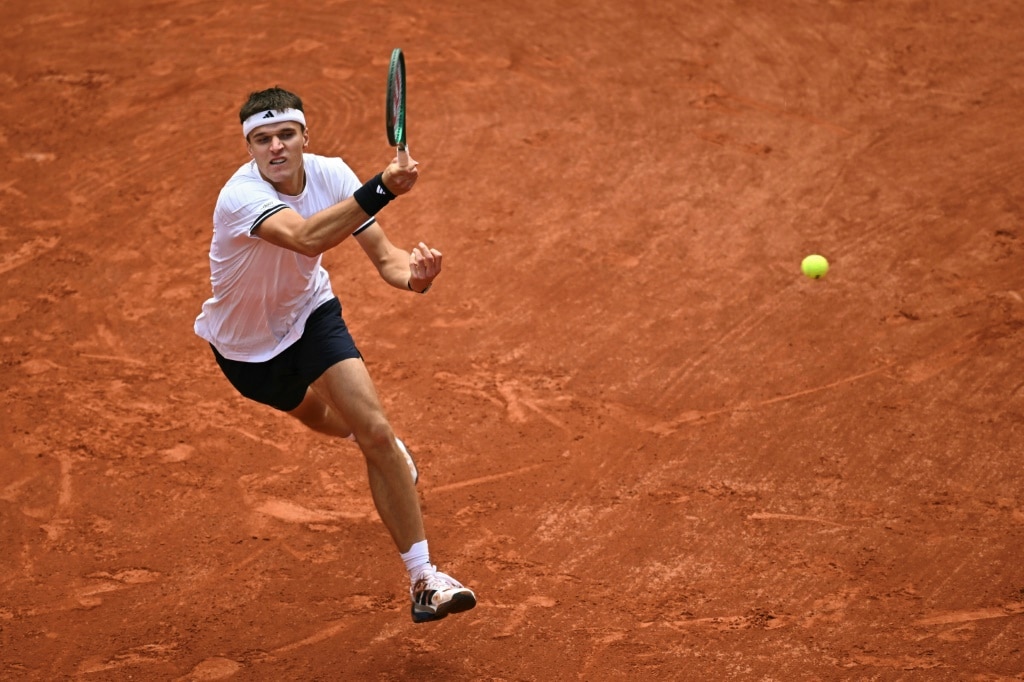
    Zverev’s path to the final required every bit of his 11 years of Grand Slam experience against Mensik, who was competing in his first ever major semi-final. The young Czech had already fought through two draining five-set matches to reach the last four, and fatigue gradually took its toll over the course of the two-and-a-half-hour contest. Zverev struck first, breaking Mensik’s serve in the 11th game of a tight opening set after saving three break points that would have put the 26th seed up 5-3. The German dominated the second set, dropping only four points on his own serve and breaking Mensik twice to take a two-set lead.

    Mensik briefly turned the tide after calling a medical time-out early in the third set for a nagging neck injury. His improved use of drop shots caught Zverev off guard, and he broke to take a 4-2 lead before closing out the set 6-3 — the only second set Zverev has dropped through the entire tournament. But the young Czech could not maintain his momentum. Unforced backhand errors gifted Zverev an early break in the fourth set, putting him up 2-0, and the veteran never looked back. Zverev closed out the 7-5, 6-2, 3-6, 6-3 win on his first match point when Mensik sent a backhand into the net. Along the way, Zverev drew some criticism from spectators for disputing two line calls and received a time violation warning, but his ability to navigate through physical and mental pressure has kept his title dream alive.

    In the other semi-final, 10th seed Cobolli did not even take the court, after his compatriot and childhood friend Matteo Arnaldi withdrew just one hour before the match due to a sudden viral illness. Arnaldi, ranked 104th in the world, had pulled off a Cinderella run to the semi-finals, winning two back-to-back marathon matches in the third and fourth rounds before his quarter-final opponent Matteo Berrettini retired due to injury. Arnaldi said that despite feeling good through most of the tournament, he woke up suffering from dizziness and decided a withdrawal was the only responsible decision.

    “It’s tough — for how the tournament was, for how many hours I spent on court, I felt pretty good,” Arnaldi told reporters. “Every time I get up I feel dizzy and not the best… so that was the right decision for me.”

    Cobolli, who advanced to his first ever Grand Slam final via walkover, shared his disappointment for his friend and compatriot. “It’s tough for me to speak also. When he came to me an hour ago I almost cried,” he said. “At the same time I’m happy with the result this week.” Cobolli has been one of the tournament’s most impressive performers, dropping just two sets through five matches, including a standout quarter-final win over fourth seed Felix Auger-Aliassime of Canada.

    For Zverev, Sunday’s final will be the culmination of years of near-misses at the sport’s biggest events. He has fallen short in three previous Grand Slam finals, most recently losing to Carlos Alcaraz at the 2023 French Open, and held a two-set lead over Dominic Thiem in the 2020 US Open final before collapsing in five sets. He also entered the French Open in the middle of a 14-month title drought, dating back to his win at a small clay-court event in Munich in April 2024. With tournament favorites Novak Djokovic and Jannik Sinner exiting early in the second and third rounds respectively, Zverev has handled the pressure of being the top remaining seed well, losing only two sets across six matches to reach the final. He also holds a 3-1 career winning record against Cobolli, making him the clear favorite to lift the trophy on Philippe Chatrier Court.

    After reaching the final, the 29-year-old reflected on his journey to the championship match, leaning into his lighthearted approach to pressure. “This is a Grand Slam, it’s best of five, things are going to happen, opponents are going to play better. I managed it,” Zverev said. “Pure emptiness, there’s absolutely nothing in my head. We’re athletes, very few of us have anything in our heads. Sometimes it’s easier to be stupid and not to think too much. I hope to play another great match on Sunday.”