标签: Oceania

大洋洲

  • Greece call up Konstas to help T20 World Cup bid

    Greece call up Konstas to help T20 World Cup bid

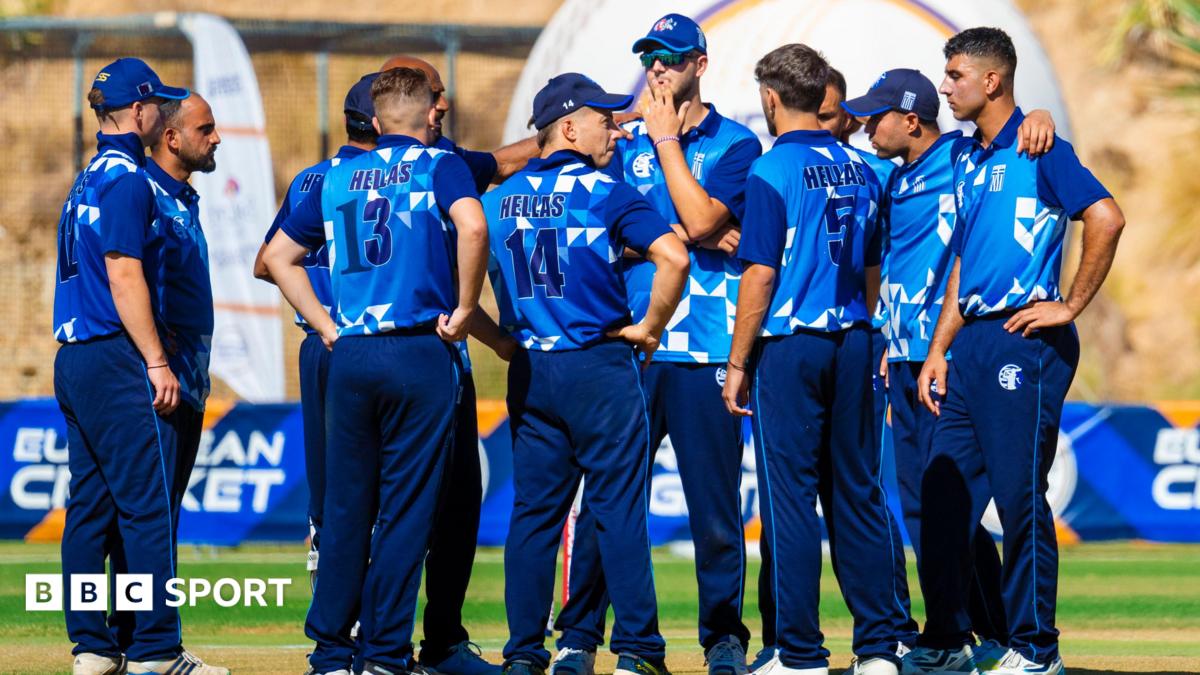
    Greece has launched an unexpected push to seal a spot at the 2028 Men’s T20 World Cup, turning to its large diaspora community in Australia to bolster its national cricket squad for the first qualifying round this summer. The Hellenic Cricket Federation has named 24-year-old Billy Konstas – the older brother of rising Australian men’s Test batter Sam Konstas – to its 14-man roster for the European sub-regional Qualifier C, set to run from August 14 to 21 in Finland.

    Billy Konstas, who is four years senior to 19-year-old Sam who made headlines for his memorable 2024 Boxing Day Test debut against India with three sensational ramp shots off Indian pace ace Jasprit Bumrah in a single over, splits his time between playing grade cricket in Sydney and working as a physiotherapist and cricket coach. He is not the only Australian-raised player of Greek descent to earn a call-up: 21-year-old leg-spin all-rounder Blake Faunce, a former age-group representative player for the Australian Capital Territory, has also been included in the squad.

    Federation officials have also held selection discussions with 26-year-old Blake Nikitaras, a first-class cricketer for New South Wales and former Big Bash League player with Sydney Thunder, whose father Steve previously represented Greece’s national team at the end of his professional playing career. Another high-profile target, 27-year-old short-format franchise veteran Peter Hatzoglou – who boasts stints in elite T20 competitions including the Big Bash, England’s The Hundred, and the Pakistan Super League – has also held talks, but he currently does not meet international eligibility requirements for selection. At this stage, neither Nikitaras nor Hatzoglou are expected to be available for the upcoming qualifier, but if Greece advances past the 10-team tournament, the pair could enter consideration for future rounds.

    Greece’s strategy of drawing on its Australian diaspora, which numbers more than 400,000 people of Greek ancestry across the country, has drawn inevitable comparisons to Italy’s 2024 T20 World Cup campaign. Italy made its maiden World Cup appearance earlier this year after advancing through regional qualifying, with an entire squad of players born outside the country including five Australian-Italian players – among them two sets of brothers. However, senior Greek federation leaders emphasized to BBC Sport that they are prioritizing the long-term development of homegrown talent, rather than relying entirely on overseas-based players of Greek heritage.

    Cricket has been played on the Greek island of Corfu, the historic heart of the country’s domestic cricket scene, for more than 200 years, and building a clear development pathway for local players remains a core organizational priority. Around two-thirds of the squad heading to Finland, led by head coach Tim Dellor, were born in Greece, with two additional players based in the UK – Dimitrios Triandafillithis and Christodoulos Bogdanos, who both compete in club cricket in Yorkshire.

    Greece has been an associate member of the International Cricket Council (ICC) since 1995, but the side has not played enough sanctioned matches in recent years to earn an official ICC T20 global ranking. Their path past the first qualifying hurdle is far from guaranteed: they have been drawn in a group alongside tournament favorites Germany, and will also face a Portugal side boosted by veteran former Australia all-rounder Moises Henriques, who was born in the Portuguese autonomous region of Madeira. Portugal is also expected to add opening batter Ricardo Vasconcelos to its roster, pending his domestic commitments with English county side Northamptonshire.


  • US, Saudi forces strike Iran-backed groups in Iraq

    US, Saudi forces strike Iran-backed groups in Iraq

    A new wave of instability has swept through the Middle East after the United States and Saudi Arabia launched coordinated retaliatory airstrikes against Iran-aligned militant sites in eastern Iraq this Wednesday, ending a brief multi-day ceasefire between Washington and Tehran.

    According to statements from the US military, the joint air operation targeted weapons depots and logistics hubs belonging to what it described as “Iran-aligned terrorists”. Saudi Arabia’s defense ministry echoed the claim, confirming the strikes targeted militias linked to previous attacks on Saudi oil infrastructure. The resumption of hostilities came hours after the ceasefire collapsed late Tuesday, when US forces intercepted Iranian missiles fired at American military bases in the Persian Gulf.

    The escalation comes at a key diplomatic moment: US President Donald Trump hosted Israeli Prime Minister Benjamin Netanyahu at the White House for their first face-to-face meeting since the latest round of Middle East hostilities began in late February. The closed-door talks, which ran for roughly 90 minutes, aimed to bridge public disagreements between the two leaders over the ongoing regional conflict. Both leaders described the meeting in positive terms: Netanyahu called it “one of the best conversations I’ve ever had with the president of the United States”, while Trump simply noted the pair held a “very good meeting”. The core focus of the discussions, Netanyahu confirmed, was the shared priority of preventing Iran from acquiring nuclear weapons. While leaders had been expected to cover the stalled implementation of the US-brokered Israel-Lebanon framework deal and the deadlocked reconstruction of Gaza, no official confirmation has been given on whether those topics were addressed. Israel has not directly participated in the recent US-Iran hostilities that reignited earlier this month when an April ceasefire broke down.

    Fresh tensions over the strategic Strait of Hormuz, a critical global chokepoint for 20% of the world’s oil supplies, have amplified market volatility. On Wednesday, Iran’s Islamic Revolutionary Guard Corps (IRGC) announced it had intercepted and attacked three oil tankers that it accused of ignoring navigation warnings and using an unauthorized route through the waterway. Tehran has repeatedly asserted it maintains “full control” over the strait, a stance that puts it at direct odds with the international community’s demand for free navigation.

    Recent diplomatic moves around the strait have only deepened divisions. Earlier this week, Tehran held talks with neighboring Oman, which also borders the waterway, to agree on joint principles and operational mechanisms for shipping traffic. Back in June, the two nations discussed imposing service fees for transiting vessels, a proposal that the US has openly opposed. A recent rift emerged after Oman announced vessels could transit the strait through its territorial waters, a move that prompted Iran to respond with attacks on passing ships.

    The renewed conflict has already sent shockwaves through global energy markets: benchmark crude oil prices jumped more than 4% on Wednesday, as traders renewed fears that disrupted shipping through Hormuz could cut off global oil supplies. Three years after the outbreak of the Israel-Hamas war, the humanitarian situation in Gaza remains catastrophic, with Israel continuing to carry out regular operations targeting individuals it identifies as militants. Danny Danon, Israel’s ambassador to the United Nations, framed Netanyahu’s Washington visit as taking place at a “critical time for the Middle East”, arguing Iran continues “to choose terrorism over negotiations” by blocking access to the strait.

  • Scented candle sold in coconut bowl recalled amid fire hazard warning

    Scented candle sold in coconut bowl recalled amid fire hazard warning

    A popular Australian home goods brand has issued a urgent recall of one of its best-selling scented candle products after regulators identified critical fire risks that violate national safety standards.

    Verve & Vibe, an Australia-based home fragrance brand, is pulling its scented candles housed in combined wooden and coconut bowl holders from the market, according to a notice from the Australian Competition and Consumer Commission (ACCC). The recall covers all units sold between September 1 of last year and the projected end of sales in February 2026, with distribution across three major retail channels: the brand’s official website, eBay, and global e-commerce platform Amazon.

    The hazard stems from the product’s design: the candle is held in a container made from combustible natural materials (wood and coconut shell) and also includes decorative dried flowers placed near the wick. When the candle burns, these flammable components can easily catch fire, turning a routine home fragrance product into an immediate danger for households. This design directly violates the ACCC’s existing ban on combustible candle holders, which was put in place to prevent exactly this kind of fire risk.

    Verve & Vibe Australia has moved quickly to notify consumers and address the safety issue. The company is urging every customer who has purchased this specific candle to stop using it immediately, and to store the product in a secure location far from any potential ignition sources until it can be disposed of or returned. To compensate affected consumers, the brand is offering two no-cost resolution options: a full refund of the purchase price, or a free replacement non-hazardous candle product.

    Household product safety regulators have repeatedly highlighted the danger of untested combustible container candles in recent years, noting that undetected fires from these products can spread quickly in residential spaces while residents are sleeping or away from home. Consumers who purchased the recalled Verve & Vibe candle are encouraged to reach out to the brand’s customer service team as soon as possible to process their refund or exchange.

  • Name of bar contributes to closure after less than two years in Sydney precinct

    Name of bar contributes to closure after less than two years in Sydney precinct

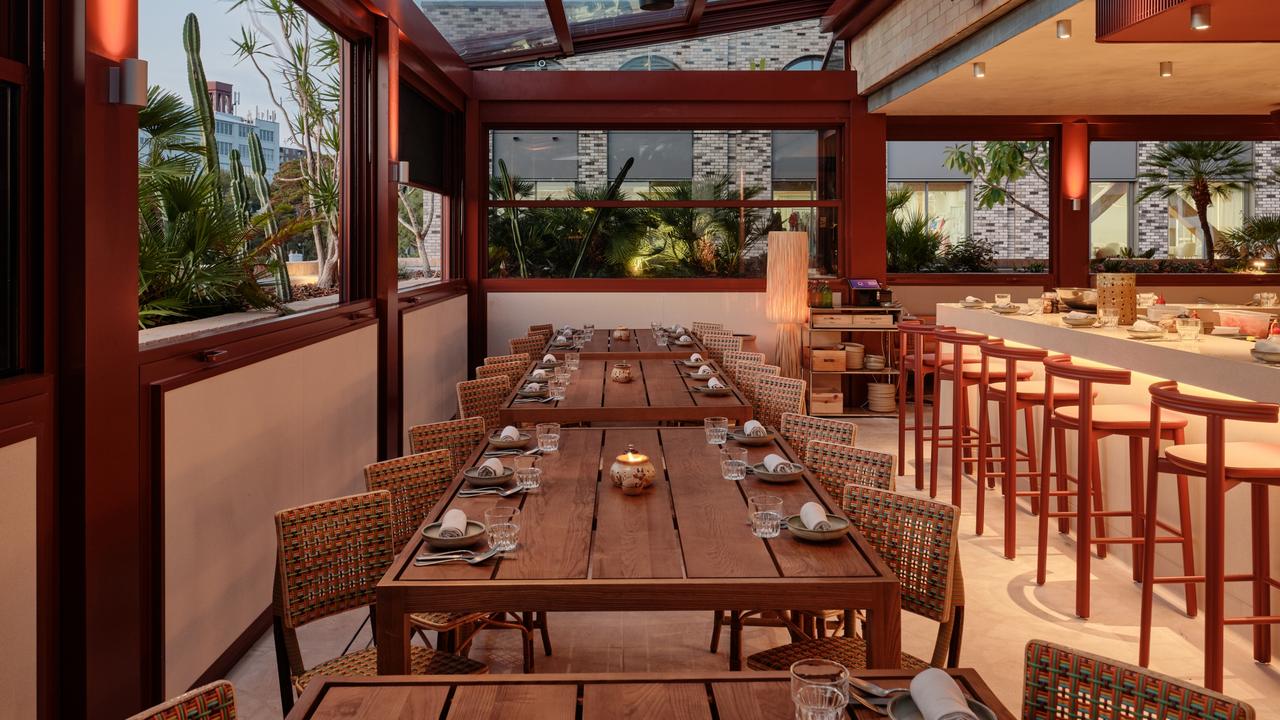
    Sydney’s competitive hospitality industry is seeing another high-profile closure, as two inner-city food and drink venues will permanently cease operations by the end of August, just 20 months after opening their doors. European-inspired Bar Julius and Mexican rooftop restaurant Lottie, both located within The Eve Hotel Sydney in Redfern’s inner south, are owned by hospitality operator Liquid and Larder. Following their exit, well-known local hospitality brand The Apollo Group will add the two spaces to its expanding portfolio of premium dining and bar venues.

    The Apollo Group already has an established presence in the immediate area, running neighboring hit venues including Olympus Dining, The Apollo and Cho Cho San. The incoming takeover forms part of the ongoing development of Redfern’s $500 million Wunderlich Lane precinct, a mixed-use hub that already hosts a boutique hotel, independent grocer, and multiple popular dining outlets.

    Bar Julius first made the closure announcement public via a brief, warm Instagram post on Tuesday. “Bar Julius will be closing its doors at the end of August,” the post read. “We’d love to see you before last drinks.” The announcement caught many local regulars off guard, with dozens of commenters expressing surprise and asking for clarification on why the venue, which only launched in early 2025, would shut so soon after opening.

    In an interview with *The Sydney Morning Herald*, Liquid and Larder owner James Bradey, who owns both venues, confirmed the closure stemmed from a failure to meet required financial performance targets. “I’m really proud of what we’re doing, but we haven’t hit the heights financially (that) we’d like,” Bradey explained.

    Bradey also shared an unexpected contributing factor: the venue’s name itself. Bar Julius was positioned as an all-day dining spot that served breakfast to hotel guests, but the “bar” label led many potential customers to assume it only opened for evening trade. Bradey revealed the team had originally planned to name the venue Baptist, but another local business in the development claimed the name first. “It’s certainly more successful at night … maybe we should have called it Bistro Julius or just Julius,” he said.

    The closure is far from an isolated case in Australia’s current hospitality landscape. Amid a worsening national cost-of-living crisis that has pushed operating and supply costs sharply higher, dozens of beloved Sydney venues have closed their doors in recent months. One of the most high-profile losses was MoshPit Newtown, a iconic inner-west live music venue that announced plans to shut in November. The 9-year-old space, which launched in 2016 as a launching pad for emerging punk and alternative music acts, cited skyrocketing operating costs as the core driver of its decision, saying the announcement came with “truly heavy hearts” and left the local music community reeling.

  • Ryan Meuleman: Man injured in crash with Dan Andrews’ car in 2013 charged over alleged carjacking

    Ryan Meuleman: Man injured in crash with Dan Andrews’ car in 2013 charged over alleged carjacking

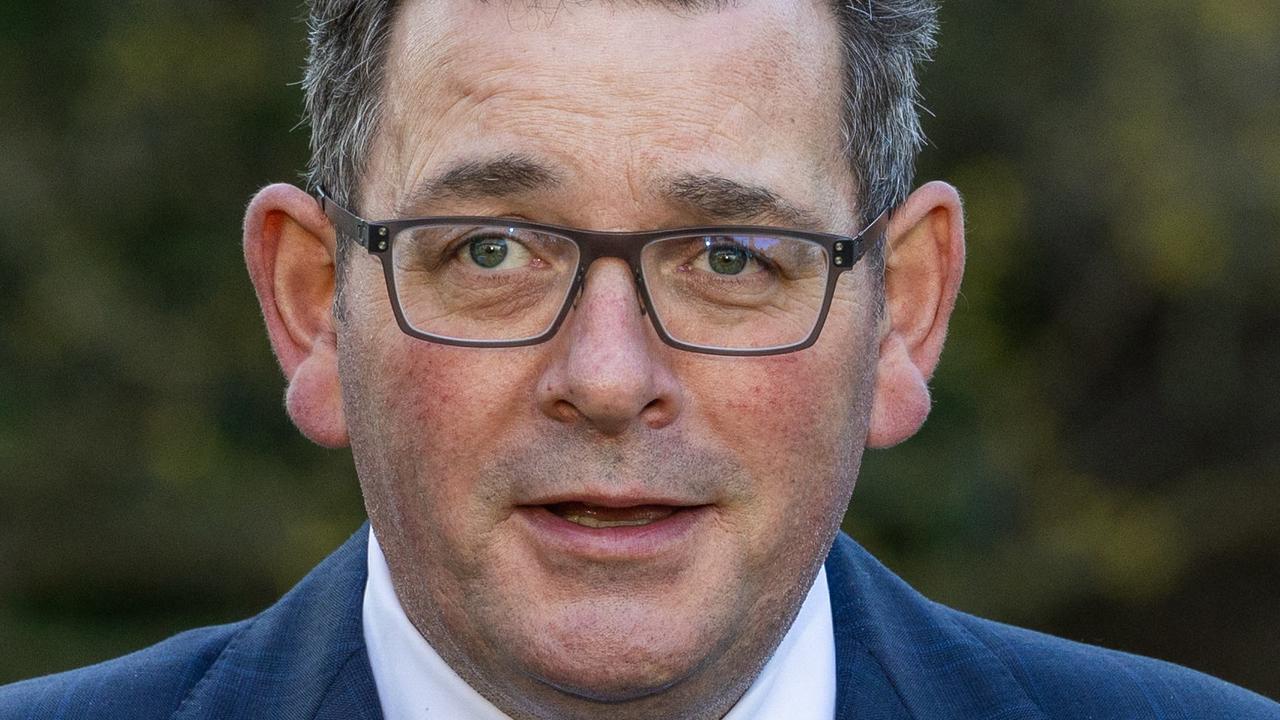
    A high-profile legal matter involving a 28-year-old man with a long-running dispute connected to former Victorian Premier Daniel Andrews has taken a new turn, after the man was arrested on alleged carjacking charges and is now fighting for release from custody.

    Police have laid out their case against Ryan Meuleman, accusing him of attempting to steal a vehicle with a woman and her young twin children in the backseat outside a laundromat in Pakenham, a suburb of Melbourne, on the evening of May 3. According to law enforcement testimony during a Wednesday bail hearing at the Melbourne Magistrates’ Court, the childrens’ father had stepped inside the laundromat around 9:40 p.m. to collect pre-washed laundry when Meuleman allegedly climbed into the car’s front driver’s seat and shifted the vehicle into drive.

    The children’s mother, who was already seated in the car, physically struggled with Meuleman over the gearshift and screamed to alert her husband, Detective Senior Constable Sean McIntyre told the court. The father immediately rushed back to the vehicle, punched Meuleman through the open driver’s window, dragged him out of the car onto the laundromat’s front sidewalk, and held him down until officers arrived to place him under arrest, the detective added.

    McIntyre told the court Meuleman appeared heavily impaired by drugs at the time of his arrest and gave police a false name, identifying himself as “Crew Thompson.” He was deemed unfit to participate in a police interview following his arrest. The court also heard Meuleman was already free on bail at the time of the alleged carjacking, awaiting trial on separate burglary and theft charges connected to a break-in at a commercial property.

    This new arrest comes 12 years after a collision that left Meuleman seriously injured, and which has sparked years of legal conflict. In January 2013, when Meuleman was 15 years old, he was hit while cycling by a Ford Territory driven by Catherine Andrews, wife of Daniel Andrews, who was then leader of Victoria’s Labor opposition. Daniel Andrews and the couple’s three children were passengers in the vehicle at the time. A post-crash investigation by Victoria Police resulted in no charges being filed against anyone in the Andrews family.

    Meuleman spent 11 days recovering in a hospital after the collision. He has long claimed the Andrews vehicle struck him as he cycled, while the Andrews family has consistently maintained that Meuleman crashed into their stationary car.

    Meuleman’s defense attorney, Tom Smedley, referenced the 2013 collision during the bail hearing, arguing the crash left his client with long-term, unresolved trauma that has severely impacted his mental health. “Ryan identified this period as a significant turning point in his life,” Smedley told the court. “He identifies his substance use has been a longstanding coping mechanism connected to unresolved psychological distress and trauma.”

    Smedley told the court Meuleman had already spent 87 days in pre-trial custody and was requesting bail so he could enroll in a 12-week inpatient rehabilitation program based in regional Victoria. Meuleman’s father, Peter, was present in the court gallery to support his son during the hearing.

    Magistrate Phillip Goldberg adjourned the bail application to a future hearing date after raising concerns about the rehabilitation facility’s security protocols, noting the center does not offer 24-hour on-site monitoring of patients. Smedley requested additional time to arrange alternative security measures, including fitting Meuleman with an electronic monitoring ankle bracelet, to address the magistrate’s concerns. The bail application will resume on August 5.

    The alleged carjacking is separate from an ongoing defamation lawsuit Meuleman filed against Daniel and Catherine Andrews last year. The defamation case stems from a 2013 injury compensation claim Meuleman filed over the collision. Earlier this year, Meuleman settled a separate lawsuit against his former legal team, Slater and Gordon, over claims the firm failed to properly represent him during negotiations for an $80,000 settlement with Victoria’s Transport Accident Commission. That case concluded in April 2025 with a confidential, out-of-court settlement that Meuleman’s current legal team described as “too good to refuse.”

    During the public proceedings around that lawsuit, the Andrewses released a joint media statement in September 2024 that noted they were not involved in the case against Slater and Gordon and repeated their assertion they “did nothing wrong” in the 2013 collision. Meuleman claims the statement falsely implies he lied about the details of the 2013 crash to seek undeserved financial compensation. The Andrewses have denied the defamation claim and are defending the lawsuit, which is scheduled to return to court later this year.

  • AFL reveals final rounds fixtures with huge double-headers to decide finals race

    AFL reveals final rounds fixtures with huge double-headers to decide finals race

    With the 2026 Toyota AFL home-and-away season drawing to its closing stages, the Australian Football League has officially confirmed the full match schedules for the penultimate and final rounds of regular season play, headlined by a rare historic event that has only taken place three other times in the competition’s 150-plus year history.

    The action for Round 23 will get underway on a prime Friday night slot at Perth’s Optus Stadium, where the competition’s current ladder leaders, the Fremantle Dockers, will go head-to-head with the resilient Adelaide Crows. The following Saturday brings a packed slate of matches with direct, high-stakes implications for teams still vying for a spot in the upcoming finals series. Geelong Cats will travel to Melbourne’s Marvel Stadium to take on North Melbourne, while the Brisbane Lions will host the Gold Coast Suns at Brisbane’s iconic Gabba ground.

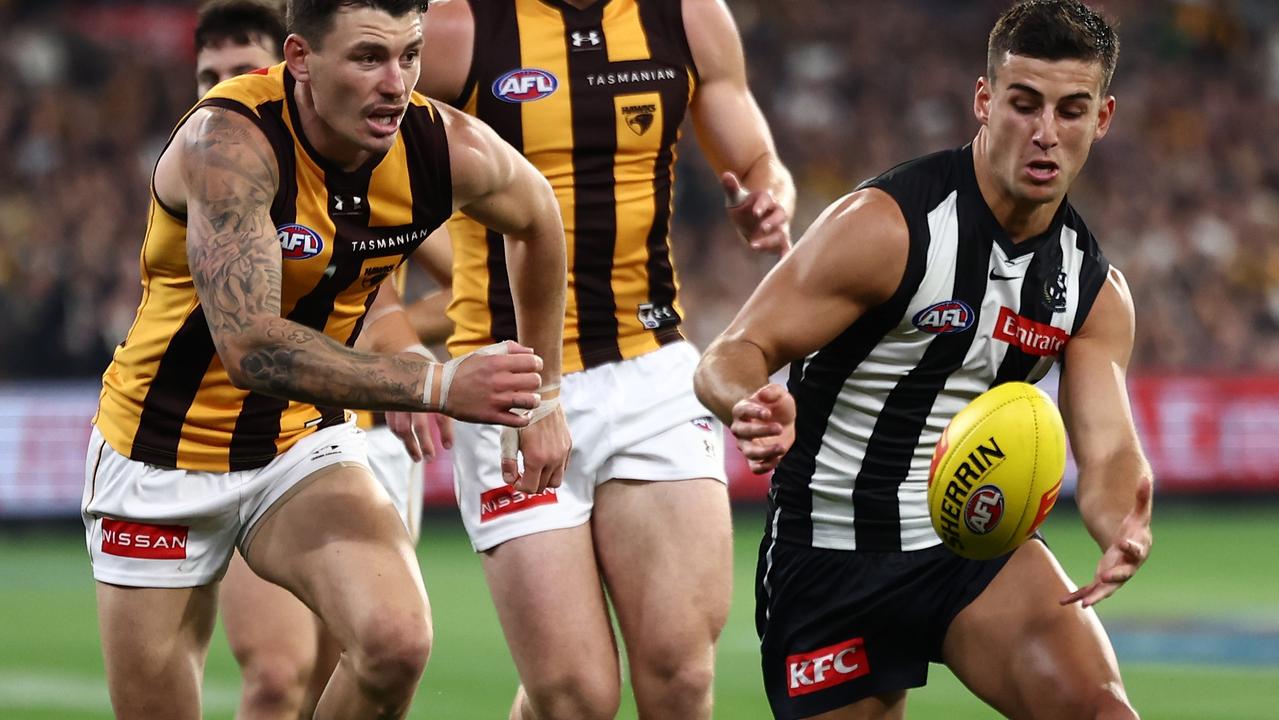
    The standout highlight of Round 23 is a men’s double-header hosted at the Melbourne Cricket Ground, widely known as the sport’s Victorian colosseum. This rare back-to-back match event will mark just the fourth time such a scheduling arrangement has occurred in AFL history. Opening the MCG’s Saturday matchday at 12:35 pm, Richmond will face off against St Kilda, with the nightcap kicking off at 7:40 pm between Hawthorn and traditional powerhouse Collingwood.

    Moving into Round 24, the final round of the home-and-away season, play will kick off on Thursday night at Marvel Stadium, where St Kilda will play host to the Gold Coast Suns. The round’s marquee Friday night fixture at the MCG will serve as a highly anticipated rematch of the 2023 AFL Grand Final, pitting Collingwood against the Brisbane Lions.

    Saturday of Round 24 brings a full day of consequential matches that will all impact the final ladder standings and which teams will earn the critical advantage of home finals during the September playoffs. Carlton will face Fremantle at Marvel Stadium, reigning premiers Melbourne will take on the Western Bulldogs at the MCG, Geelong will host Richmond at GMHBA Stadium, and Adelaide will meet Greater Western Sydney at Adelaide Oval. Every result across these matches will reshape the final ladder and change the trajectory of multiple teams’ finals campaigns.

    In an official statement following the fixture announcement, AFL Head of Strategy and Scheduling Josh Bowler emphasized that both closing rounds will play a defining role in determining which teams advance to the 2026 finals series. “A number of clubs are still competing for top-four positions, home finals and places in September,” Bowler said. “Fans can look forward to several marquee match-ups featuring some of the competition’s leading teams as the race to the 2026 Toyota AFL Finals Series reaches its conclusion.”

  • Zelensky hails ‘good’ Trump talks on Patriot air defenses

    Zelensky hails ‘good’ Trump talks on Patriot air defenses

    On a high-stakes visit to Washington DC on Tuesday, Ukrainian President Volodymyr Zelensky emerged from a more than hour-long White House meeting with U.S. President Donald Trump calling the discussions productive, revealing the American leader had pledged to approve licenses for domestic Ukrainian production of Patriot air defense interceptor missiles. The talks came at a critical juncture in the more than four-year-old full-scale Russian invasion of Ukraine, as frontline violence intensifies and U.S.-led diplomatic efforts to broker a ceasefire remain deadlocked.

    In a late-night broadcast interview with Fox News host Sean Hannity, Zelensky outlined the outcomes of the meeting, noting that after securing Trump’s commitment on production licenses, he held follow-up discussions with leaders of major U.S. defense contractors. “I hope that we will do co-production,” he told Hannity, adding that the bilateral discussions were overwhelmingly constructive. Trump echoed the positive tone on his social media platforms shortly after the meeting, sharing photos from the sit-down and writing, “Many things were discussed. The meeting went very well!”

    This encounter marks the latest warming of ties between the two leaders since Trump began his second presidential term. Earlier this month, Trump publicly stated that Ukrainian strikes inside Russian territory could help create conditions to end the war, and he already praised Zelensky for doing “an amazing job” during their previous meeting in Turkey earlier this month, when he first floated the possibility of Patriot production licenses for Kyiv.

    The improvement in relations comes after a high-profile public clash in the Oval Office in February 2025, when Trump publicly accused Zelensky of ingratitude and “gambling with World War III.” Since returning to the presidency in 2025, Trump has halted direct U.S. arms deliveries to Ukraine, instead allowing European nations to purchase weapons on Kyiv’s behalf. Washington has nevertheless maintained its core support for Ukraine, continuing to share critical battlefield intelligence and grant access to the Starlink satellite communications system that Ukrainian forces rely on for frontline operations.

    Ahead of Tuesday’s meeting, a senior Ukrainian government official told Agence France-Presse that Kyiv’s top priorities were securing new supplies of anti-ballistic missiles and making progress on restarting diplomatic negotiations with Moscow. The request for additional air defense capabilities comes after last month became the deadliest month for Ukrainian civilians since April 2022, according to United Nations data, as Russia has drastically increased its use of relatively difficult-to-intercept ballistic missiles against Ukrainian population centers and infrastructure. “It is crucial that Washington approve the purchase of a package of Patriot missiles. That is super important,” the official said.

    During his Washington visit, Zelensky also took part in a memorial ceremony for longtime Republican Senator Lindsey Graham, a fierce and vocal supporter of Ukraine who died unexpectedly earlier this month at the age of 71. Following the memorial and White House meeting, Zelensky addressed U.S. senators ahead of an initial procedural vote on a bipartisan sanctions bill targeting Russia that Graham had spent more than a year championing.

    Graham had finalized a revised agreement on the legislation with the White House shortly before his death. While some Democratic lawmakers have raised concerns over provisions that would expand Trump’s authority to impose tariffs on nations that purchase Russian energy, the procedural vote advanced the bill, moving it closer to a final Senate vote and increasing pressure on the House of Representatives, where the legislation faces deeper partisan divisions. Zelensky, who attended the vote in person, wrote on social media platform X that the vote was “the first step toward implementing Lindsey’s plans and undoubtedly a step toward peace.”

    On the military front, Zelensky used his interview to frame the war as shifting in Kyiv’s favor, arguing that Russian President Vladimir Putin has lost the strategic initiative on the frontline amid crippling personnel losses. “So now Putin is losing 30,000 of his soldiers per month…it’s many losses, but he doesn’t want to stop this war. So now initiative is not in the hands of Putin,” he told Hannity.

    In the hours before Zelensky’s meeting with Trump, Ukraine launched a massive drone strike targeting sites across Russia, and Kyiv has recently stepped up attacks on Russian oil infrastructure, including depots and refineries, as well as Black Sea shipping, contributing to domestic fuel shortages in Russia. For its part, Russia launched over 100 drones at Ukrainian territory overnight Tuesday, and has continued its campaign of strikes targeting the southern Ukrainian port of Odesa as well as civilian ships carrying Ukrainian agricultural exports.

    Diplomatic progress remains elusive, with tensions between Washington and Moscow having cooled since Trump met Putin for talks in Alaska last August. Kremlin spokesman Dmitry Peskov denied on Monday that any negotiations for an aerial ceasefire between the two sides are currently underway, while previous U.S. mediation efforts collapsed over disagreements on territory that Russia illegally claims to have annexed. Zelensky had previously held discussions with Trump’s special envoys Steve Witkoff and Jared Kushner last week about plans to “reinvigorate diplomacy,” after the war in the Middle East pushed negotiations over Ukraine off Washington’s foreign policy agenda.

  • Japan coral protectors race to save reefs from heat ‘bomb’

    Japan coral protectors race to save reefs from heat ‘bomb’

    As global ocean temperatures hit record-breaking highs in June and a powerful El Niño event is forecast to sweep through the Pacific later this year, marine scientists and conservation groups in Japan’s Okinawa prefecture are rushing to develop innovative solutions to protect the region’s iconic coral reefs, which were already reduced to ecological wastelands by a devastating climate-driven bleaching event in 2024.

    Okinawa, a subtropical island chain in southern Japan, hosts some of the most biologically diverse coral ecosystems on the planet, home to a rainbow array of coral species that support thousands of forms of marine life. But the 2024 marine heatwave turned these vibrant underwater habitats into graveyards, leaving most coral either bleached pale white or discolored sickly brown. With climate conditions set to worsen in the coming years, experts warn that 2026 could bring an even more catastrophic mass bleaching event that could wipe out remaining vulnerable colonies.

    Paradoxically, a recent string of Pacific typhoons has provided temporary relief, churning up cool deep water that has lowered sea surface temperatures around Okinawa in recent weeks. But leading marine scientist Timothy Ravasi, a professor at the Okinawa Institute of Science and Technology Graduate University, warns that this short reprieve is no reason for complacency. “If not this year, it’s almost 100 percent that soon in Okinawa, all around the world, we will have another mass bleaching event,” he told AFP. “Just like a bomb, it will explode.”

    This looming threat has turned the work of Ravasi’s lab into a high-stakes race against time. The team operates one of only two “heatwave simulators” in the world: a sprawling setup of temperature-controlled seawater tanks that replicate natural marine habitats, hosting coral, giant clams, clownfish and other reef species. By manually adjusting water temperature and pH levels to mimic future climate conditions, researchers can induce bleaching and study which organisms are able to adapt to warmer, more acidic oceans. “If we don’t understand what climate change, ocean warming or acidification does to coral ecosystems, there is a chance we’re going to lose them,” Ravasi explained.

    Okinawa’s coral reefs face more than just climate change, however. The region is one of Japan’s most popular tourist destinations, with more than 80 percent of its local economy tied to the tourism sector. Widespread hotel construction, overfishing and coastal pollution have compounded the stress from rising ocean temperatures, pushing already vulnerable reef ecosystems to their breaking point. For Ravasi, the biggest barrier to meaningful action is not scientific, but political: convincing local policymakers and industry stakeholders that urgent change is needed. He has proposed limiting tourism growth and rolling back excessive urban development to protect reefs, a proposal that remains deeply controversial for leaders focused on economic expansion. “We have enough evidence that climate change is already pushing this ecosystem to limits,” he said.

    Despite these challenges, local conservationists have been leading on-the-ground restoration efforts for decades. The coastal village of Onna, which hosts the Okinawa Institute of Science and Technology, launched a native coral breeding and transplantation program back in 1999. Initially, many critics viewed human-assisted coral cloning as an unnatural “taboo” disruption of wild ecosystems, explained Shoichi Ikeno, head of local diving operator Lagoon. But subsequent DNA analysis confirmed the practice causes minimal harm to natural ecosystems, softening much of the early opposition.

    Similar pushback has greeted the work of Koji Kinjo, a coral breeder who opened a custom-built “artificial sea” indoor coral farm in the Okinawan village of Yomitan in 2009. At the facility, which resembles an underwater rainforest spread across dozens of connected aquariums, Kinjo has bred what he calls “miracle coral” – strains that have naturally developed extra resistance to warm water temperatures.

    Kinjo’s breakthrough came after years of trial and error. Early attempts to raise coral in low-stress, controlled environments produced fragile organisms that died quickly after being transplanted into the wild. He eventually succeeded by intentionally exposing growing coral to strong UV radiation and other natural stressors, “toughening up” the organisms to survive harsh ocean conditions. The resulting corals survived the 2024 mass bleaching event completely unharmed.

    Like the Onna restoration project, Kinjo’s human-assisted approach has drawn criticism from traditionalists who argue the ocean should be left to heal itself. But Kinjo says critics underestimate how severe the current crisis has become. All of the natural coral reefs near his coastal farm have already died off, replaced entirely by the resilient coral strains he has cultivated. Natural coral populations, he argues, can no longer keep up with the rapid pace of human-caused ocean warming and pollution. Sooner or later, he says, all unprotected coral will die out without intentional human intervention. “There is no restoring the sea to what it used to be,” he said. “That’s why my approach is to create a biodiverse place that can adapt to the coming era.”

  • Melbourne coach Steven King shuts down talk of Christian Petracca drama

    Melbourne coach Steven King shuts down talk of Christian Petracca drama

    As first-year Melbourne Demons head coach Steven King prepares his side to face the Gold Coast Suns this weekend, he has found himself in an unusual position: lauding one of the opposition’s most high-profile stars as a club champion, while simultaneously tasking his squad with finding a way to neutralize his on-field impact.

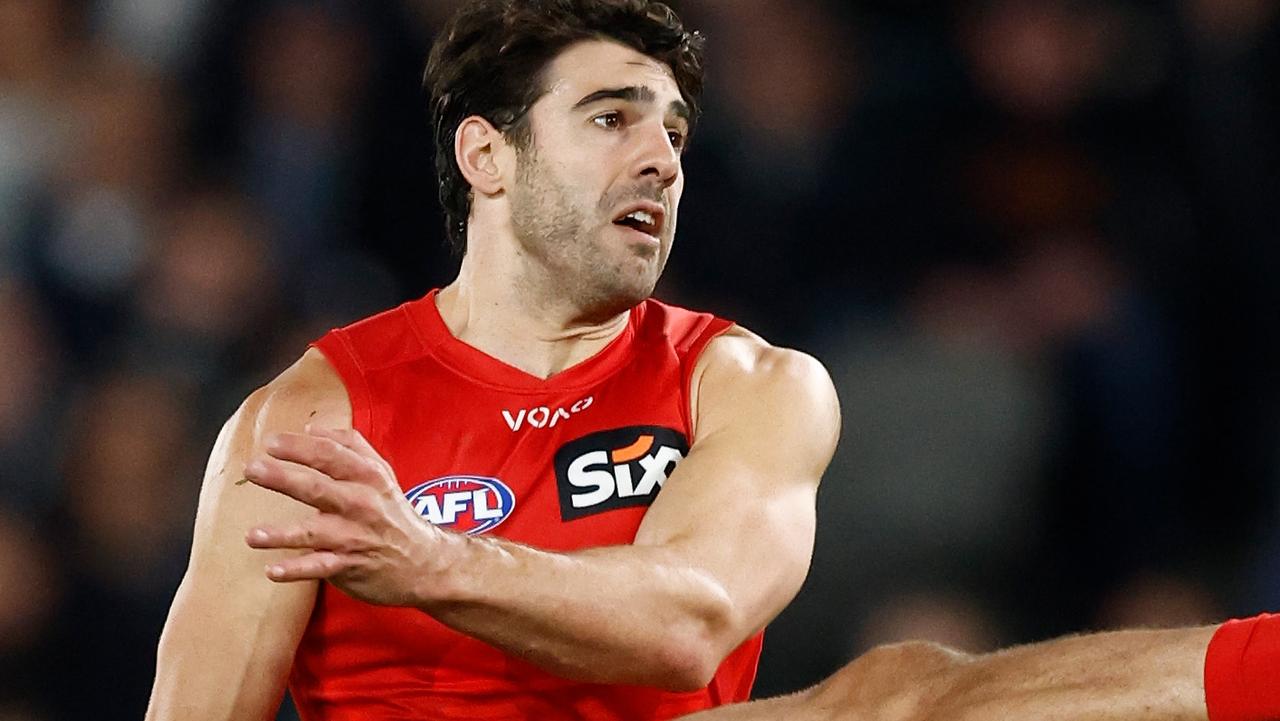
    Christian Petracca, the former Melbourne midfielder who now plies his trade as a utility for Gold Coast, has dominated AFL headlines all week following a public verbal altercation with young Suns teammate Leo Lombard during the club’s recent loss to Carlton at Marvel Stadium. The on-field clash has drawn widespread media scrutiny, but King is pushing to keep his playing group focused on preparation rather than getting swept up in the off-field noise surrounding the 28-year-old.

    Though Petracca never played a game under King’s leadership during his tenure at Melbourne, the first-year Demons coach offered nothing but glowing praise for the star midfielder when speaking to reporters on Wednesday morning. King emphasized that he has deliberately not framed the match as a personal grudge match for his squad against their former teammate, noting that while the Melbourne group will be eager to see Petracca back on the pitch, the club holds no lingering animosity toward the departed star.

    “I haven’t mentioned any extra emotional edge of him playing against his old side,” King told reporters. “I’m sure the players will be excited to see him. He’s a champion of our club, and he’s had a fantastic year so far. We know exactly what he’s capable of at his best, and how damaging he can be to any opposition.”

    When asked about the widely reported altercation between Petracca and Lombard, King declined to comment on internal Suns dynamics, saying he had not closely followed the details of the incident. “I can’t answer questions about how people respond when they aren’t inside our club’s four walls,” he explained. “We’re preparing to face Gold Coast as a complete team, not just focus on one individual incident.”

    That said, King made clear that Petracca remains a top priority for Melbourne’s defensive game plan this weekend. “He’s one of a handful of key players for the Suns that we’ll need to curtail to go out there and get the four competition points,” King said. “At his best, he’s a proud competitor and one of the elite players in the entire competition. That’s the version of Petracca we’re preparing for, and that’s what we need to be ready to stop.”

  • Rescuers search for survivors after powerful Japan quake kills 13

    Rescuers search for survivors after powerful Japan quake kills 13

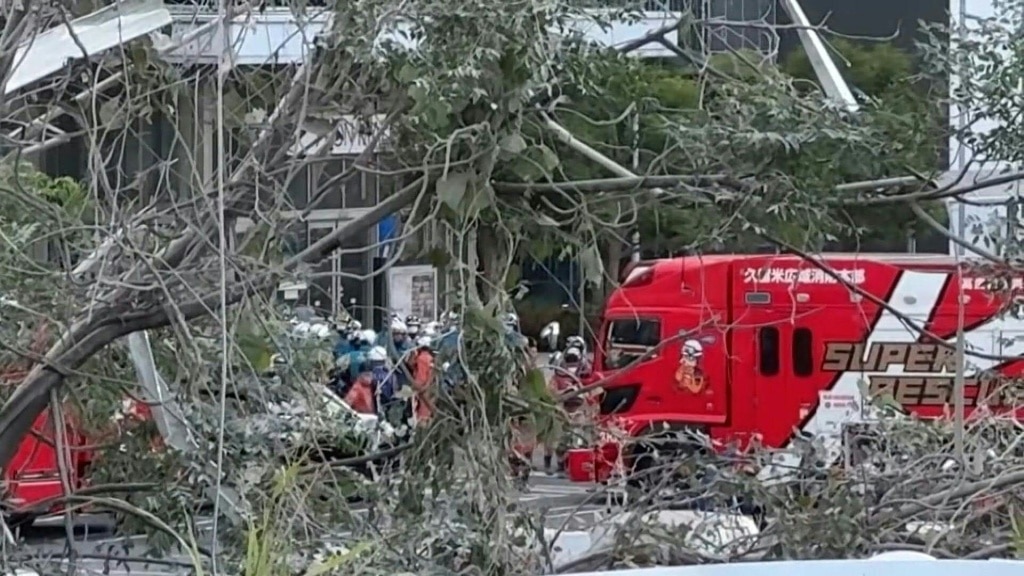
    Just one day after a powerful 7.1-magnitude earthquake struck Japan’s southwestern Kumamoto Prefecture on Kyushu Island, officials have confirmed at least 13 fatalities, with emergency crews racing against time to reach potential survivors trapped beneath collapsed infrastructure across the disaster zone.

    The tremor, which hit at 4:27 pm local time (0727 GMT) on Tuesday, registered the highest possible rating on Japan’s domestic Shindo seismic intensity scale. The U.S. Geological Survey recorded the event at a slightly lower magnitude of 6.8, placing its epicenter 10 kilometers below the Earth’s surface. Widespread destruction followed in the quake’s wake: multiple buildings collapsed, dozens of small fires broke out, more than 36,000 households and public facilities were left without electricity, and key transport links were severely damaged.

    Japanese Prime Minister Sanae Takaichi confirmed the death toll to reporters on Wednesday, noting that authorities are still working to verify that all fatalities are directly linked to the seismic event. “Extensive damage has been confirmed, including casualties, collapsed buildings, fires and damage to roads,” Takaichi said. Early data from the Fire and Disaster Management Agency shows the victims include two women killed at a local shopping mall in Kashima and three others killed across other parts of the prefecture, with seven more people suffering severe injuries.

    The Kashima Aeon shopping mall suffered catastrophic damage after a gas explosion triggered by the quake collapsed ceilings and internal walls, according to government sources cited by Kyodo News. A spokesperson for Aeon confirmed that the explosion took place after all customers and staff had completed an emergency evacuation, but local officials say eight people were pulled from the rubble of the mall, five with injuries. Early unconfirmed reports suggested 20 to 30 people could be trapped inside, but Japanese public broadcaster NHK quoted police Wednesday morning stating that the actual number of trapped people is lower than initial estimates. “The exact number is not known. It is certain that staff members are trapped, but it is unclear whether any members of the public are among them,” NHK reported police as saying. As of Wednesday, rescue teams had still not gained safe access to the damaged mall structure, delaying full search operations.

    At a second major disaster site, the Nippon Paper Industries factory in Yatsushiro, nine people remain unaccounted for after a partial collapse of the facility’s smokestack.

    Witness accounts and verified video footage paint a picture of widespread chaos and fear when the quake struck. Chiharu Hara, a 35-year-old recruitment agent working in Kumamoto, told AFP she was terrified as the office building she was in swayed violently. “The office swayed violently side to side. I was afraid it would collapse. Everyone panicked,” Hara said.

    Verified footage shows heavy construction equipment, streetlights and traffic signals shaking violently during the tremor. Part of a historic wall at the centuries-old Kumamoto Castle collapsed, and multiple sections of major roads buckled, forcing vehicles to navigate dangerous, damaged sections. A pedestrian bridge partially collapsed into a local river, a freight train was capsized, and all high-speed shinkansen services through the region were suspended. Kumamoto Airport was closed for several hours after the quake but reopened Tuesday evening. As of Wednesday morning, hundreds of roads across the prefecture remained closed to traffic.

    This is not the first major seismic disaster to hit Kumamoto: in 2016, two large quakes in the same region killed 273 people. Japan is one of the most seismically active countries on Earth, located atop four major tectonic plates along the Pacific Ring of Fire. The country of 125 million people experiences an average of hundreds of small to medium quakes every year, accounting for roughly 18 percent of the world’s total seismic activity. Most tremors are mild, but major quakes have had devastating impacts on the country in recent decades, most notably the 9.0-magnitude 2011 Tohoku undersea quake that triggered a massive tsunami, killing nearly 18,500 people and causing a catastrophic meltdown at the Fukushima Daiichi nuclear power plant.

    In response to the latest disaster, Japanese authorities have deployed extensive emergency resources: Defense Ministry officials confirmed that 3,600 military personnel have been mobilized for search and rescue operations, and 20 military aircraft have been deployed to conduct aerial damage assessments across the impacted region.