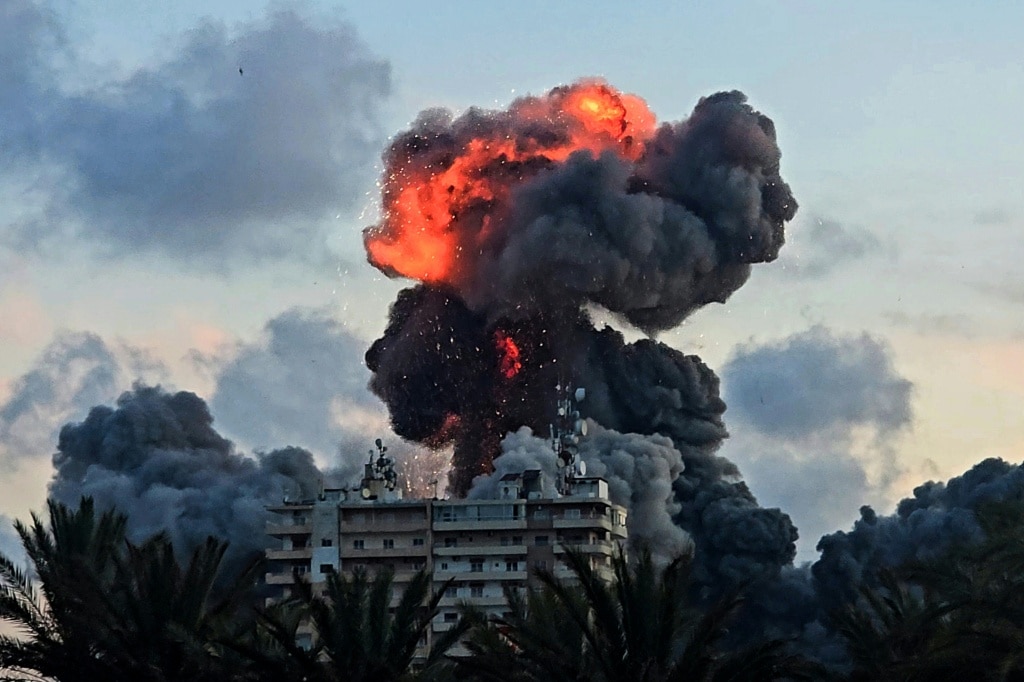
A sudden escalation of tensions between the United States and Iran has thrown a fragile regional ceasefire into doubt, just days after US President Donald Trump announced that peace negotiations to end the expanding Middle East conflict were entering their final phases. On Tuesday, Trump confirmed that Iranian forces shot down a US AH-64 Apache attack helicopter conducting a patrol over the Strait of Hormuz the previous night, and vowed that Washington would deliver a firm response to the unprovoked attack. All crew members on board the downed aircraft escaped without injury, but the incident has reignited fears of a full-scale regional conflict that has been held at bay by a shaky truce established in early April. The incident marks the second manned US aircraft confirmed downed by Iran since the outbreak of the current war, following the loss of an F-15 fighter jet in April. The first round of open conflict was sparked by joint US-Israeli strikes on Iranian targets on February 28, drawing multiple regional actors into hostilities that have already displaced thousands and claimed thousands of lives. Just hours after Trump’s announcement of the downing, Iran’s top parliamentary speaker and chief nuclear negotiator with Washington Mohammad Bagher Ghalibaf issued a stark warning to the US, saying Tehran prefers diplomatic dialogue but is fully prepared to respond to any breach of international commitments by Washington. “We prefer the language of diplomacy, but we speak other languages far more fluently. Break your commitments, and we’ll switch to what we speak best. You ride the horse you saddled,” Ghalibaf wrote on the social platform X. The downing comes amid a week of renewed cross-border hostilities between Iran and Israel, just weeks after the April 8 ceasefire slowed large-scale attacks. Over the weekend, Iran launched nearly 30 missiles at Israeli targets in response to Israeli airstrikes that targeted Hezbollah leadership in Beirut’s southern suburbs. Israel launched a retaliatory strike against Iran despite public appeals from Trump to Israeli Prime Minister Benjamin Netanyahu to hold off on military action. By Monday, both sides had announced a halt to large-scale offensive operations, though each warned they reserved the right to resume hostilities at any time. Trump told reporters on Tuesday morning that the two sides had agreed to a pause in fighting through US mediation, and that a final peace deal was nearly complete. “Iran and Israel were going back and forth and now they both agreed through me to stop and we’re in the final throes of what will be a very, very good deal,” Trump said, adding that a final agreement could be reached within just two or three days. News of the impending deal pushed global oil prices down roughly 5% on Tuesday to fall below $90 per barrel, a welcome drop for global markets that have seen extreme volatility since the conflict began. The Strait of Hormuz, where the Apache helicopter was downed, is a critical chokepoint for global energy trade that carries roughly 20% of the world’s daily oil supply. The ongoing conflict has already severely disrupted commercial shipping through the waterway, and the US has enforced a full naval blockade on major Iranian ports since the outbreak of hostilities. Iranian state media reported Tuesday that three people, including two members of Iran’s Army Air Defence Force, were killed in Israeli strikes carried out on Monday. No Israeli casualties were reported in the cross-border exchange of missile strikes. Tehran’s main international airport, which was closed to commercial traffic during the missile exchanges, reopened early Tuesday to allow flights carrying hajj pilgrims returning from Saudi Arabia to land. Despite the ceasefire and ongoing peace talks, Israeli military operations against the Iran-backed militant group Hezbollah in southern Lebanon have continued unabated, in defiance of Iranian demands for a full truce in Lebanon as a core condition of any final peace deal. On Tuesday, the Lebanese Ministry of Health announced that an Israeli airstrike on the coastal city of Tyre killed at least eight people. Shortly after the strike, the Israeli military issued an evacuation order for the entire city, prompting a mass exodus of residents northward. Lebanon’s state-run National News Agency reported that the strike on Tyre was particularly heavy, and that Israeli warplanes carried out raids on more than a dozen additional locations across southern Lebanon on Tuesday. An AFP correspondent on the ground reported heavy traffic clogging northbound highways, as residents from multiple neighborhoods, including the city’s historically Christian quarter, fled the area. Israel had previously alleged that Hezbollah fighters were operating out of civilian areas in Tyre’s Christian quarter, and warned last week that it would order mass evacuations if the group did not withdraw from the area. On another front of the expanding regional conflict, the Israeli military announced early Tuesday that it had intercepted an unmanned aerial target launched from Yemen, and reported no casualties or damage from the incident. The downing of the US helicopter has created the most serious challenge to the shaky ceasefire to date, and raised new questions about whether the ongoing diplomatic negotiations can deliver a durable end to the conflict that has already destabilized the entire Middle East.