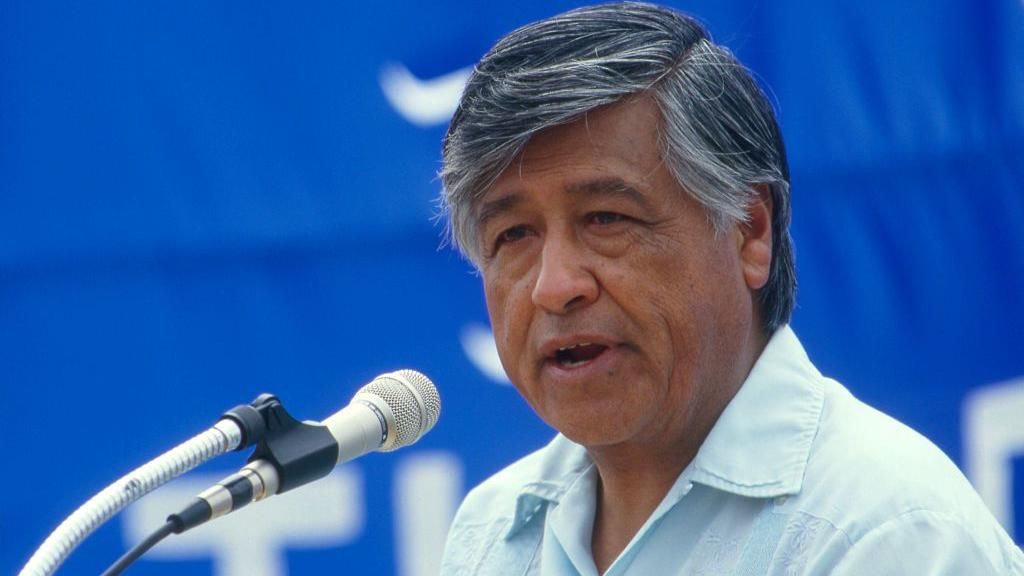
Communities across California are confronting a complex historical reckoning as allegations of sexual abuse against famed civil rights leader Cesar Chavez prompt officials to reconsider his public legacy. The movement, gaining momentum in Los Angeles and beyond, has sparked intense debate about how societies should memorialize historical figures when new information emerges about their personal conduct.
Municipal governments and school districts are now evaluating numerous dedications bearing Chavez’s name, including public schools, street signs, and community centers that were originally intended to honor his pioneering work in labor organization and migrant worker rights. The allegations have created a divisive discussion between preserving historical recognition and addressing contemporary ethical standards.
This reassessment reflects a broader national conversation occurring in many American communities about historical commemoration. Public responses have varied significantly, with some advocating for immediate removal of all honors while others argue for contextual educational approaches that acknowledge both achievements and shortcomings. The situation continues to develop as local governments conduct formal reviews of their naming policies and historical commemorations.