标签: North America

北美洲

  • Bill, Hillary Clinton to testify in US House Epstein probe

    Bill, Hillary Clinton to testify in US House Epstein probe

    Former President Bill Clinton and former Secretary of State Hillary Clinton have consented to provide testimony before a congressional investigation examining the handling of Jeffrey Epstein cases, effectively avoiding potential contempt proceedings. The announcement came through Clinton spokesman Angel Urena via social media platform X, stating the former first couple would participate while emphasizing their desire to “set a precedent that applies to everyone.”

    The House Rules Committee had previously advanced resolutions accusing the Clintons of defying subpoenas requiring their in-person appearance to discuss connections with Epstein, the convicted sex offender who died in custody in 2019. The investigation focuses on how authorities managed earlier probes into Epstein’s activities and his extensive network among global business and political elites.

    This development occurs amid intense partisan tensions, with Democrats characterizing the probe as a weaponized effort targeting political opponents of former President Donald Trump—who himself maintained longstanding associations with Epstein but has not been summoned to testify. Republicans justify the scrutiny based on Bill Clinton’s documented use of Epstein’s private aircraft during the early 2000s for Clinton Foundation-related humanitarian missions.

    Both Clintons had initially challenged the subpoenas’ validity, arguing they lacked clear legislative purpose, and instead submitted sworn written statements detailing their knowledge of Epstein and his convicted associate Ghislaine Maxwell. In these statements, Bill Clinton acknowledged flights on Epstein’s plane while denying visits to his private island, with Hillary Clinton asserting no meaningful interactions with Epstein whatsoever.

    Following the Clintons’ agreement to testify, the Rules Committee suspended its scheduled vote on contempt proceedings, which had threatened to expose divisions within Democratic ranks regarding accountability versus partisan manipulation of the Epstein scandal.

  • Trump seeks $1bn in damages from Harvard

    Trump seeks $1bn in damages from Harvard

    Former President Donald Trump has dramatically escalated his ongoing confrontation with Harvard University, announcing a demand for $1 billion in damages through a post on his Truth Social platform. This move represents a significant intensification of a protracted dispute between the Trump administration and the prestigious Ivy League institution.

    The demand follows failed negotiations between the White House and university officials, which initially centered on a $200 million settlement payment according to New York Times reporting. Trump specifically referenced this coverage in his social media statement, accusing Harvard of disseminating misleading information to the publication.

    At the core of this conflict lies the administration’s allegation that Harvard inadequately addressed antisemitic incidents during pro-Palestinian demonstrations on campus. The university has consistently denied these accusations, maintaining its commitment to addressing all forms of discrimination.

    Harvard has emerged as a primary focus in the Trump administration’s broader initiative to counter what it characterizes as ‘woke’ and ‘radical left’ ideologies within American higher education. This campaign previously manifested in April 2023 when Trump revoked approximately $2 billion in federal research grants to Harvard and imposed a freeze on additional funding.

    The university responded with legal action, successfully challenging the funding cuts in federal court. The judicial ruling determined that the government had infringed upon Harvard’s free speech protections, forcing the restoration of financial support. Despite this legal setback, the administration vowed to continue contesting what it termed an ‘egregious decision’ while maintaining Harvard’s ineligibility for future grants.

    Notably, three other Ivy League institutions—Columbia, Penn, and Brown—elected to negotiate settlements with the administration rather than pursue litigation. These agreements preserved their federal funding despite facing similar allegations regarding campus ideologies and administration.

    Trump’s latest statement includes allegations of ‘serious and heinous illegalities’ by Harvard, though it provides no specific details regarding purported legal violations. The former president has previously threatened additional punitive measures, including revocation of the university’s tax-exempt status and seizure of patents derived from federally-funded research.

  • Trump slashes tariffs on India after Modi agrees to stop buying Russian oil

    Trump slashes tariffs on India after Modi agrees to stop buying Russian oil

    In a significant diplomatic development, former US President Donald Trump has announced a comprehensive trade agreement with India that substantially reduces tariffs on Indian goods. The breakthrough comes after Indian Prime Minister Narendra Modi committed to halting purchases of Russian petroleum products.

    The agreement reverses previously imposed tariffs that had created substantial trade friction between the two nations. President Trump had initially levied a 25 percent tariff on Indian imports, subsequently adding another 25 percent penalty due to India’s continued acquisition of Russian oil, creating a combined tariff burden of 50 percent.

    Under the new arrangement, the additional 25 percent surcharge has been completely eliminated, while the base tariff has been reduced from 25 to 18 percent. The arrangement represents a strategic realignment of India’s energy procurement policies, with commitments to source petroleum from the United States and Venezuela instead of Russia.

    Prime Minister Modi expressed enthusiasm about the agreement through a social media post, characterizing Trump’s leadership as “vital for global peace, stability, and prosperity.” The Indian leader further indicated his intention to collaborate closely with Trump to elevate bilateral relations to “unprecedented heights.

    Additional components of the agreement include India’s commitment to gradually eliminate import taxes on American goods and purchase approximately $500 billion worth of US products, signaling a substantial expansion of trade relations between the two democratic nations.

  • Bad Bunny will perform ‘great’ half-time show, says NFL boss

    Bad Bunny will perform ‘great’ half-time show, says NFL boss

    In a landmark moment for Latin music, global superstar Bad Bunny is preparing to headline the Super Bowl 60 halftime show this weekend in Santa Clara, California. The Puerto Rican artist will become the first solo male Latin performer and the first artist to deliver the entire performance in Spanish, marking a significant cultural milestone for the event historically dominated by English-language acts.

    The announcement comes fresh off the artist’s historic Grammy Awards victory on Sunday, where he became the first Latin artist ever to win Album of the Year. His Grammy appearance was notably political, featuring himself and numerous fellow artists speaking out against former President Donald Trump’s immigration policies.

    NFL Commissioner Roger Goodell addressed the selection at a Monday press conference, acknowledging both Bad Bunny’s artistic merit and his understanding of the platform’s significance. “Bad Bunny is one of the greatest artists in the world and that’s one of the reasons we chose him,” Goodell stated, “but the other reason is he understood the platform he was on. This platform is used to unite people and to be able to bring people together with their creativity, with their talent.”

    The decision has proven divisive among segments of the American public, partly due to the artist’s vocal political stance. Bad Bunny recently avoided including U.S. dates on his world tour due to concerns about Immigration and Customs Enforcement (ICE) conducting raids at his concerts. At the Grammys, he explicitly advocated for immigrant rights with the phrase “ICE out.”

    When questioned about potential ICE operations during Super Bowl weekend, Commissioner Goodell emphasized security preparations: “Security’s obviously one of the things we focus on the most. It’s a tier-one level event. That involves unique assets at a federal level, state level and local level all working together. I see no change in that with the preparations for the Super Bowl.”

    The event is expected to draw over 120 million viewers in the United States alone, providing an unprecedented global stage for both Latin music and the artist’s message. Bad Bunny, who has been Spotify’s most streamed artist globally in four of the past six years, represents the continuing evolution of the Super Bowl halftime show as both entertainment spectacle and cultural platform.

  • Watch: Why is no-one being prosecuted over the Epstein files?

    Watch: Why is no-one being prosecuted over the Epstein files?

    The comprehensive release of millions of documents from the Jeffrey Epstein case has generated widespread public anticipation for new criminal prosecutions, yet legal experts identify multiple structural barriers preventing immediate judicial action. Despite containing names of powerful associates and detailed accounts, these documents primarily constitute civil case records rather than new criminal evidence.

    Legal analysts emphasize that most documents unveiled through recent court orders represent depositions and discovery materials from Virginia Giuffre’s settled civil lawsuit against Ghislaine Maxwell. These materials lack the evidentiary standards required for criminal convictions, with many accounts representing hearsay or uncorroborated testimony rather than direct proof of criminal activity.

    Prosecutorial challenges include statutes of limitations that have expired for many potential offenses, the death of key figures Epstein and Maxwell, and witness credibility issues. Former federal prosecutors note that while the documents provide contextual information about Epstein’s network, they largely contain allegations already examined by investigators during previous criminal cases.

    The documents’ release through civil litigation mechanisms means they underwent less rigorous verification than criminal evidence would require. Many individuals named maintain their innocence and claim inclusion resulted from Epstein’s manipulation rather than their own wrongdoing. Legal authorities continue reviewing the materials, but experts caution that expectations of imminent prosecutions may be legally unrealistic given existing jurisdictional and evidentiary constraints.

  • Bill and Hillary Clinton to testify to congressional Epstein probe

    Bill and Hillary Clinton to testify to congressional Epstein probe

    In a significant reversal, former U.S. President Bill Clinton and former Secretary of State Hillary Clinton have consented to provide testimony before Congress regarding the Jeffrey Epstein investigation. This development follows months of legal resistance that nearly culminated in criminal contempt proceedings.

    The announcement came via social media from Bill Clinton’s deputy chief of staff, who stated unequivocally: “The former President and former Secretary of State will be there.” This commitment arrives just days before the Republican-controlled House of Representatives was scheduled to vote on holding the Clintons in criminal contempt for their prolonged avoidance of congressional subpoenas.

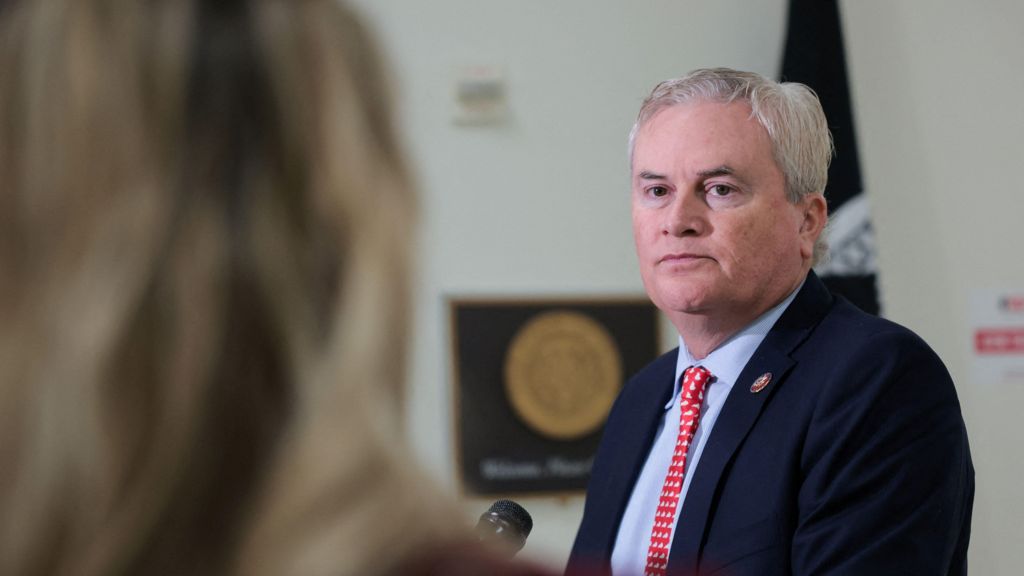
    The Republican-led House Oversight Committee had advanced the contempt measure in late January with bipartisan support, signaling growing impatience with the Clintons’ reluctance to cooperate. Committee Chairman James Comer emphasized in an official statement that this action demonstrated that “no-one is above the law” when it comes to congressional investigations.

    While photographic evidence released by the Department of Justice places Bill Clinton at Epstein’s properties, including images showing the former president swimming in a pool and relaxing in what appears to be a hot tub, Clinton has consistently denied any knowledge of Epstein’s criminal activities or any personal wrongdoing. Clinton’s spokesperson, Angel Ureña, previously characterized these images as decades old and emphasized that Clinton had severed ties with Epstein long before his sex crimes became public knowledge.

    Notably, no survivors of Epstein’s abuse have accused Bill Clinton of misconduct, and the Clintons’ legal team had previously argued that the congressional subpoenas were “unenforceable,” maintaining they had already provided all relevant information available to them about Epstein.

    The testimony commitment marks a critical juncture in one of the most politically charged investigations in recent memory, potentially shedding new light on the extent of Epstein’s network and its connections to high-profile figures.

  • After months of acrimony, Colombia’s Petro is about to meet Trump

    After months of acrimony, Colombia’s Petro is about to meet Trump

    Colombian President Gustavo Petro is embarking on a critically important diplomatic mission to Washington for his first face-to-face meeting with US President Donald Trump, following months of escalating tensions and hostile exchanges between the two leaders. The high-stakes encounter at the White House on Tuesday will address multiple pressing issues including Venezuela’s political crisis, narcotics trafficking, oil security, and controversial US military operations targeting alleged drug vessels.

    The relationship between the two nations has been strained by Petro’s repeated condemnations of US foreign policy, including his comparison of US Immigration and Customs Enforcement agents to ‘Nazi brigades’ and accusations of American imperialistic treatment of other countries. Conversely, Trump has criticized Colombia’s anti-narcotics efforts, accusing Petro’s administration of insufficient action against cocaine flow and threatening expanded military strikes in the region.

    A significant breakthrough occurred following a January 3rd US military operation that seized Venezuela’s President Nicolás Maduro, after which the two leaders held what was described as a ‘cordial’ phone conversation that Colombian officials characterized as an ‘180-degree turn from both sides.’ US Senator Rand Paul of Kentucky played a pivotal role in facilitating this diplomatic opening, expressing his belief that relations were heading in the wrong direction and required intervention.

    Central to their discussions will be security concerns along the 1,367-mile Colombia-Venezuela border, where the National Liberation Army (ELN) guerrilla group maintains significant control over drug trafficking, extortion operations, and illegal mining activities. According to security analysts from Insight Crime, approximately 1,200 of ELN’s 6,000 members operate in Venezuela, often collaborating with corrupt elements within the Venezuelan military establishment.

    The meeting holds particular significance for US oil companies seeking to operate in Venezuela post-Maduro, as ELN forces pose substantial security threats to foreign investors and employees. Elizabeth Dickinson of International Crisis Group notes that asking Venezuelan military forces to combat ELN presents challenges due to their aligned financial interests in the group’s illicit operations.

    Despite recent tensions that led Colombia to temporarily suspend intelligence sharing with US agencies, military cooperation between the two nations has continued through the Drug Enforcement Administration and Colombian police forces. The outcome of this diplomatic encounter could significantly impact Colombia’s upcoming presidential election in August, where Petro supports Senator Iván Cepeda as his potential successor.

  • Witkoff, Araghchi expected to meet on Friday for possible nuclear deal discussions: Axios

    Witkoff, Araghchi expected to meet on Friday for possible nuclear deal discussions: Axios

    Senior American and Iranian diplomats are preparing for a pivotal meeting in Istanbul this Friday, signaling a potential breakthrough in nuclear negotiations. According to an Axios report published Monday, US Special Envoy Steve Witkoff and Iranian Foreign Minister Abbas Araghchi will convene in the Turkish capital to explore pathways toward a renewed nuclear agreement.

    The upcoming discussions, confirmed by two informed sources, represent the most significant direct diplomatic engagement between the two nations in recent months. The meeting occurs against a backdrop of escalating regional tensions and international concerns about Iran’s nuclear advancements.

    In a related development, Reuters has learned from a senior regional diplomat that several key Middle Eastern nations will participate in the Istanbul gathering. The anticipated attendance includes representatives from Saudi Arabia, the United Arab Emirates, Oman, and Egypt, indicating broad regional interest in stabilizing nuclear diplomacy.

    The planned meeting follows recent diplomatic movements, including Witkoff’s scheduled visit to Israel for consultations with Prime Minister Netanyahu. Meanwhile, Iranian officials have reportedly been evaluating diplomatic options with the United States to reduce mounting fears of military confrontation.

    This diplomatic initiative emerges as the region witnesses parallel developments, including Saudi Arabia’s recent suspension of 1,800 Umrah travel agencies due to performance issues, highlighting the interconnected nature of regional stability and economic concerns.

  • Trump launches $12-billion minerals stockpile to boost US manufacturing, counter China

    Trump launches $12-billion minerals stockpile to boost US manufacturing, counter China

    The Trump administration has unveiled a groundbreaking $12 billion initiative to establish a national stockpile of critical minerals, marking a significant escalation in the US-China trade and technology competition. Dubbed ‘Project Vault,’ the program will utilize seed funding from the US Export-Import Bank to acquire strategic reserves of lithium, nickel, rare earth elements, and other minerals essential for electric vehicle batteries, advanced weaponry, and consumer electronics.

    According to an administration official familiar with the plan, the initiative represents Washington’s direct response to perceived Chinese price manipulation in global mineral markets that has hampered American mining operations for years. The venture will combine private investment with a substantial $10 billion EXIM Bank loan to create a buffer stock for manufacturers, insulating them from volatile pricing and supply chain disruptions.

    Three major commodities trading firms—Hartree Partners, Traxys North America, and Mercuria Energy Group—have been designated to manage the procurement process for the strategic reserve. The program’s structure allows automotive and technology companies to access vital materials while keeping inventory risks off their balance sheets, analogous to a wholesale membership model for industrial materials.

    Beyond commercial applications, Project Vault includes provisions for establishing a 60-day emergency mineral supply for national security purposes. The initiative comes alongside legislative efforts from bipartisan lawmakers who recently proposed a separate $2.5 billion mineral stockpile bill, indicating broad political consensus on addressing supply chain vulnerabilities in critical materials.

  • Federal officers in Minneapolis to get body cameras ‘effective immediately’

    Federal officers in Minneapolis to get body cameras ‘effective immediately’

    The U.S. Department of Homeland Security (DHS) has announced the immediate deployment of body cameras to all federal immigration agents operating in Minneapolis, Minnesota. This policy shift follows escalating tensions over the January deaths of two American citizens, Alex Pretti and Renee Good, during heightened immigration enforcement operations in the region.

    DHS Secretary Kristi Noem confirmed the rollout via social media on Monday, coinciding with the Hennepin County Medical Examiner’s classification of Pretti’s January 24th death as a homicide. The examiner’s report specified Pretti sustained multiple gunshot wounds from one or more law enforcement officers before succumbing to injuries at Hennepin County Medical Center. While homicide denotes a human killing another, it does not automatically imply criminal wrongdoing.

    U.S. Customs and Border Protection disclosed that two agents involved in Pretti’s shooting were equipped with body cameras and have been placed on administrative leave. The U.S. Department of Justice has launched a civil rights investigation into the incident.

    Secretary Noem indicated plans to expand the body camera program nationally once funding becomes available. This commitment emerges amid a partial government shutdown, with Democrats insisting on immigration reforms—including universal body camera usage—as conditions for funding legislation.

    President Donald Trump endorsed the technology, stating body cameras ‘generally tend to be good for law enforcement because people can’t lie about what’s happening,’ estimating they’re ‘80% good for law enforcement.’

    In response to the shooting, the administration replaced Minneapolis-based U.S. Border Patrol Chief Gregory Bovino with former immigration official Tom Homan. Homan has met with local leaders including Governor Tim Walz and Minneapolis Mayor Michael Frey to address community tensions. Both officials have demanded complete withdrawal of federal agents from the capital region.

    Homan acknowledged authorities are developing plans to reduce federal presence in Minneapolis, though operational changes would depend on state and local cooperation with federal authorities. The administration has criticized Minneapolis’ sanctuary city policy prohibiting municipal employees from enforcing immigration laws.

    Mayor Frey emphasized prioritizing local police focus on community safety while maintaining selective cooperation with federal authorities. The ongoing deployment of over 3,000 federal immigration officers throughout Minnesota implements President Trump’s campaign promise to intensify immigration enforcement.