标签: North America

北美洲

  • Weekly quiz: How did this boxer lose his hair during a fight?

    Weekly quiz: How did this boxer lose his hair during a fight?

    This week witnessed significant developments across multiple news spheres, capturing international attention with a diverse range of stories. The judicial landscape was dominated by the substantial release of millions of additional court documents pertaining to the late financier and convicted sex offender Jeffrey Epstein. These files continue to fuel global discourse on accountability and legal transparency in high-profile cases.

    In a remarkable survival story, a British national provided a firsthand account to the BBC detailing his harrowing confrontation with a lethal shark species. This gripping narrative has sparked renewed conversations about marine safety and human-wildlife interactions in coastal regions.

    Meanwhile, popular culture intersected with fiscal responsibility as recording artist Harry Styles garnered recognition for his financial contributions to public services. The singer was officially listed among the United Kingdom’s highest individual taxpayers, highlighting the substantial economic impact of successful entertainment careers on national revenue.

    These developments occurred alongside numerous other global events throughout the past seven days, prompting reflection on news consumption patterns and public attention spans in the digital age. News organizations continue to employ interactive formats like weekly quizzes, compiled by journalists such as Ben Fell, to engage audiences with current affairs retrospectives and archival content.

  • US and Russia agree to resume regular military contact

    US and Russia agree to resume regular military contact

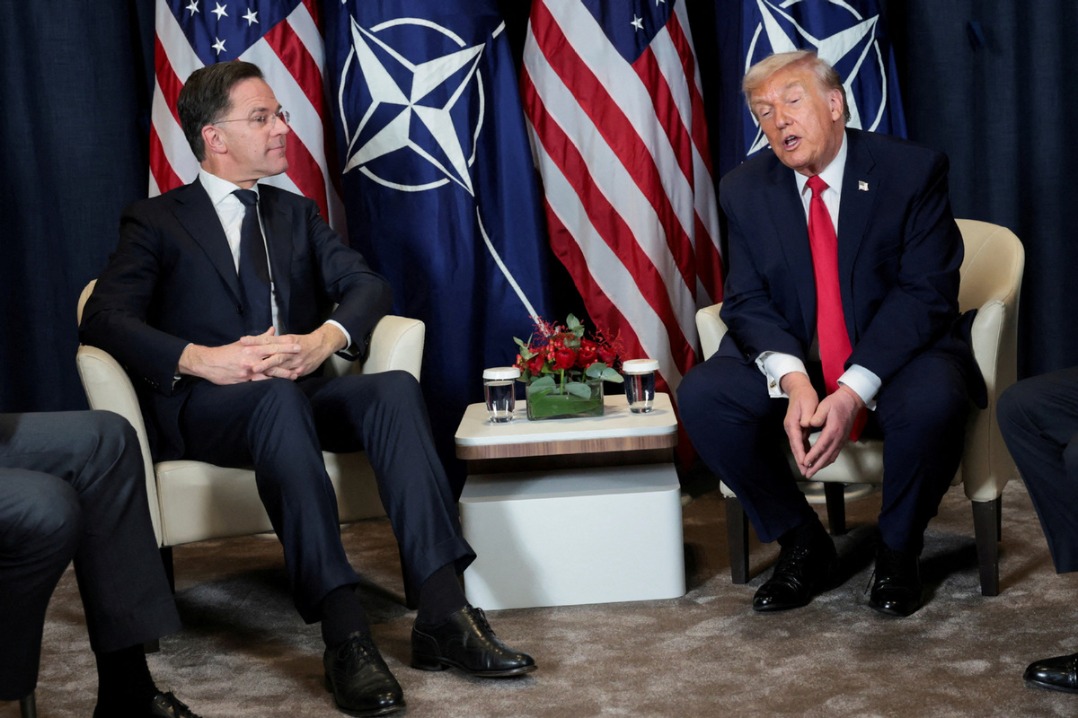
    In a significant diplomatic breakthrough, the United States and Russia have agreed to restore high-level military communications following a crucial meeting in Abu Dhabi. The discussions occurred alongside broader talks addressing the ongoing conflict in Ukraine, marking a notable step toward de-escalation between the world’s two foremost nuclear powers.

    U.S. European Command confirmed the development in an official statement, emphasizing that the reestablished dialogue aims to foster “consistent military-to-military contact” as both nations work toward achieving a durable peace. This move aligns with former President Donald Trump’s repeatedly stated objective of normalizing U.S.-Russia relations.

    The timing of this announcement is particularly critical, coinciding with reports that both countries are negotiating an extension of the New START nuclear arms reduction treaty, which is set to expire imminently. Historically, even during periods of intense confrontation, Washington and Moscow have maintained open channels between their armed forces to prevent misunderstandings and reduce escalation risks. However, these communications were severed in 2021, just prior to Russia’s full-scale invasion of Ukraine.

    Since the suspension, several incidents have heightened tensions, including Russian drones and warplanes entering NATO airspace, and U.S. unmanned aircraft operating over Syria and the Black Sea. The new agreement was finalized during talks in the United Arab Emirates, involving U.S. General Alexus Grynkewich—America’s and NATO’s top general in Europe—along with senior Russian and Ukrainian military officials.

    U.S. European Command underscored the importance of this renewed engagement, stating, “Maintaining dialogue between militaries is an important factor in global stability and peace, which can only be achieved through strength, and provides a means for increased transparency and de-escalation.” The primary objective is to minimize miscalculation and prevent unintended escalation by either side.

    While limited contact between U.S., NATO, and Russian military officers has occurred in recent years, this agreement institutionalizes a regular, high-level dialogue. Meanwhile, Russia expressed regret over the impending expiration of New START but affirmed its readiness to engage in discussions. The Kremlin has proposed extending the treaty, and spokesman Dmitry Peskov indicated that Russia would respond positively to U.S. cooperation.

    According to Axios, negotiations intensified over the past 24 hours in Abu Dhabi, with both countries nearing an agreement to uphold key provisions of New START. The treaty, originally signed in 2010, limits each side to 1,550 strategic nuclear warheads and 700 bombers or missiles. Its expiration would mark the first time in half a century that no legal framework exists to curtail the nuclear ambitions of either nation.

  • Flying without real ID? Be ready to pay $45, TSA warns US air travellers

    Flying without real ID? Be ready to pay $45, TSA warns US air travellers

    The Transportation Security Administration (TSA) has initiated a significant policy shift, now mandating a $45 processing fee for air passengers lacking federally compliant identification. This measure, effective since February 1, 2026, targets the approximately 6% of daily travelers who continue to present identification that fails to meet enhanced security standards established under the REAL ID Act.

    TSA Deputy Administrator Ha Nguyen McNeil disclosed during a U.S. House of Representatives hearing that compliance rates have shown modest improvement, rising from 93% to 94% since enforcement began in May 2025. The agency previously issued warnings and conducted enhanced screenings before implementing the financial penalty.

    The substantial fee increase from the previous $18 charge reflects a comprehensive reassessment of processing costs associated with identity verification protocols. McNeil emphasized that the fee serves dual purposes: covering administrative expenses and maintaining aviation security by ensuring all passengers present adequate identification documentation.

    Travelers should note that the $45 fee provides airport access for a 10-day period and is nonrefundable. Those arriving at security checkpoints without prepayment may experience additional processing delays of up to 30 minutes. Exemptions apply to passengers under 18 years old, who are not required to present identification at airport checkpoints.

    Acceptable identification formats include state-issued driver’s licenses meeting REAL ID standards, valid passports from any government, permanent resident cards, Department of Defense identification, and Department of Homeland Security trusted traveler cards.

    The REAL ID standards originate from 2005 legislation implementing the 9/11 Commission’s recommendation that the federal government establish minimum security standards for identification documents. Despite congressional approval, full enforcement has experienced multiple delays over the past two decades. These enhanced identification standards are also required for access to federal buildings and secure facilities.

  • Explained: 4 methods countries use to determine start dates for Ramadan, Eid

    Explained: 4 methods countries use to determine start dates for Ramadan, Eid

    As each Hijri month draws to a close, a unique celestial vigil unfolds across the Muslim world. Religious authorities and trained observers fix their gaze on the western horizon, seeking the first faint sliver of the new crescent moon (Al hilal). This sighting, or lack thereof, determines the commencement of every Islamic month, a system rooted in a lunar calendar where months span 29 or 30 days. The process holds profound significance, particularly for defining the start of sacred periods like Ramadan, Eid Al Fitr, and Hajj. However, a singular, universal approach to moonsighting does not exist, leading to a tapestry of methodologies employed by different nations.

    Globally, Muslim communities adhere to one of four primary systems to declare the new month. The first is Local Physical Sighting (Ru’yah), which relies on direct human observation—either by the naked eye or with optical aids—after the Maghrib prayer. Verified sightings are reported to an official religious committee, which then makes a public announcement.

    Conversely, some nations prioritize Astronomical Calculations. Scientific data, including conjunction times, moon altitude, and visibility criteria, are used to predict the crescent’s appearance. This method is adopted in regions like Singapore, where persistent cloud cover and limited viewing spaces make physical observation impractical.

    A third approach involves following a Standard set by another country, often a nearby Muslim-majority nation or a religious epicenter like Makkah. This is particularly useful for Muslims in areas without established Islamic authorities, such as researchers in Antarctica.

    Finally, a Hybrid Approach is gaining traction, merging scientific calculation with physical confirmation. Astronomy determines if sighting is theoretically possible, guiding observers, but an official religious declaration based on actual witness reports remains the final arbiter.

    This diversity in practice, influenced by geography, weather, and time zones, explains why Islamic holidays can begin on varying dates across the world. Special committees, often supported by astronomers and advanced technology—as seen with the UAE’s pioneering use of drones and AI in 2025—are tasked with this critical duty, ensuring the lunar calendar continues to guide religious life with accuracy and reverence.

  • Top NHL draft prospect Gavin McKenna charged with assault

    Top NHL draft prospect Gavin McKenna charged with assault

    Gavin McKenna, an 18-year-old Canadian ice hockey phenom projected as the first overall selection in the 2026 NHL Draft, now faces serious criminal charges that threaten to derail his promising career. Authorities in Centre County, Pennsylvania have charged the Penn State University student with felony aggravated assault, misdemeanor simple assault, and multiple counts of harassment and disorderly conduct.

    The allegations stem from an incident occurring on January 31st, where McKenna allegedly punched a 21-year-old male in the face, causing injuries severe enough to require corrective surgery. The altercation took place hours after McKenna’s collegiate team, the Nittany Lions, suffered a narrow 5-4 defeat against Michigan State—a game in which the talented forward scored one of Penn State’s goals.

    Following his arraignment on Wednesday in State College, McKenna posted $20,000 bail and was released from custody. His preliminary court hearing is scheduled for February 11th in Centre County. If convicted on the felony assault charge, the hockey prodigy could potentially face several years in prison alongside substantial financial penalties.

    Penn State Athletics acknowledged awareness of the situation through an official statement but declined further comment, citing the ongoing legal proceedings. The charges emerge at a particularly inopportune moment for McKenna, who just last month helped secure a bronze medal for Canada at the World Junior Championships and has been dominating collegiate hockey throughout the current season.

    The hockey world now watches with apprehension as one of its most promising talents navigates both the legal system and the potential ramifications for his professional prospects. The NHL Draft, scheduled for June 2026 in Buffalo, New York, was expected to crown McKenna as its top selection—a trajectory now complicated by serious criminal allegations.

  • Newly discovered Michelangelo foot sketch could fetch up to £1.5m

    Newly discovered Michelangelo foot sketch could fetch up to £1.5m

    A previously undocumented Michelangelo sketch, hidden for centuries within a family collection, has been authenticated and is now poised to command between $1.5 and $2 million at Christie’s upcoming Old Master Drawings auction in New York. The remarkable red chalk study, created circa 1511-1512, depicts a foot study for the Libyan Sibyl figure that would later adorn the Sistine Chapel ceiling.

    The extraordinary discovery began when the current owner, a West Coast-based American who inherited the piece from his grandmother, submitted a photograph to Christie’s for a routine valuation. The artwork had been passed down through generations since the late 1700s without recognition of its true provenance.

    Christie’s specialists employed advanced infrared reflectography to examine the sheet, revealing additional drawings on the reverse that displayed characteristics consistent with Michelangelo’s technique. Giada Damen, a specialist in the Old Master Drawings Department, conducted meticulous comparative analysis with authenticated Michelangelo works at the Metropolitan Museum, ultimately confirming the sketch’s authenticity.

    Andrew Fletcher, Global Head of Christie’s Old Masters Department, characterized the find as “one of the most memorable moments” of his professional career. The upcoming sale places this Renaissance treasure among other landmark art market achievements, including Leonardo da Vinci’s $450 million Salvator Mundi in 2017 and recent record-breaking sales of works by Gustav Klimt and Frida Kahlo.

    The Thursday auction represents not merely a commercial transaction but the culmination of art historical detective work that has restored a lost masterpiece to its proper place in Michelangelo’s celebrated oeuvre.

  • Experts warn against drinking raw milk after New Mexico baby’s listeria death

    Experts warn against drinking raw milk after New Mexico baby’s listeria death

    A tragic infant death in New Mexico has triggered urgent health warnings from medical experts regarding the consumption of unpasteurized raw milk. Health authorities confirmed a newborn succumbed to a listeria infection that was likely transmitted when the mother consumed raw dairy during pregnancy. This fatal case has ignited renewed concerns about the dangerous trend of consuming untreated dairy products.

    The New Mexico Department of Health emphasized that raw milk carries significant pathogen risks including bird flu, brucella, tuberculosis, salmonella, campylobacter, cryptosporidium, and E. coli. Unlike pasteurized milk, which undergoes a heating process to eliminate dangerous bacteria, raw milk comes directly from animals without any pathogen-elimination treatment. Listeria poses particular danger to pregnant women as it can cross the placental barrier, with neonatal infections carrying a 20-30% mortality rate.

    This safety alert emerges alongside developments at Ballerina Farm, a prominent influencer-owned company with over 10 million social media followers, which recently paused raw milk sales following routine testing that revealed health violations. The company’s owner, Hannah Neeleman, had previously promoted raw milk as ‘liquid gold’ on Instagram, claiming skincare benefits and stating her family drinks directly from the cow.

    The raw milk movement has gained momentum through social media influencers and political campaigns such as the Make America Healthy Again (MAHA) movement, which has advocated for legalizing unpasteurized dairy sales. Notably, Health and Human Services Secretary Robert F. Kennedy Jr. has previously identified as a raw milk enthusiast.

    Dr. Kali Kneil, Professor of Microbial Food Safety at the University of Delaware, cautioned that ‘even if it’s a clean dairy, or the animals look healthy, you cannot guarantee that raw milk is clear of pathogens.’ She attributed the trend’s popularity partly to European studies suggesting raw milk might help with asthma and allergies, though she emphasized that pasteurization doesn’t significantly diminish nutritional value while providing crucial protection.

    Health officials are urging state and local governments to follow New Mexico’s lead in warning vulnerable populations—including pregnant women, young children, elderly individuals, and immunocompromised persons—about the serious risks associated with raw dairy consumption.

  • Look: Sonam Kapoor wears Dubai-based designer’s creation for international beauty campaign

    Look: Sonam Kapoor wears Dubai-based designer’s creation for international beauty campaign

    Bollywood actress and internationally recognized style icon Sonam Kapoor has showcased Dubai’s burgeoning fashion influence through her latest high-profile campaign. As Lancôme’s newly appointed international brand ambassador, Kapoor selected a meticulously tailored celestial pantsuit from Dubai-based luxury label Alina Anwar Couture for the beauty giant’s prestigious global campaign.

    The ensemble, drawn from Alina Anwar Couture’s Autumn/Winter 2025 collection, features a sharply structured jacket with an innovative detachable cape component, complemented by perfectly tailored matching trousers. This fashion choice represents more than mere aesthetic selection—it signals a significant shift in the global luxury landscape where Middle Eastern designers are gaining unprecedented international recognition.

    Kapoor’s deliberate selection of a Dubai-based designer for a major international campaign underscores her reputation as a fashion visionary who consistently spotlights both emerging and established talent. Her fashion decisions carry substantial weight within the industry, often triggering increased visibility and commercial success for the designers she champions.

    Alina Anwar Couture, founded by its eponymous designer, has built its reputation on creating bold, confidence-inspiring designs for cosmopolitan women who navigate global fashion capitals with ease. The brand’s inclusion in a Lancôme international campaign marks a milestone for Middle Eastern fashion houses seeking broader global reach.

    Beyond her fashion influence, Kapoor maintains an active acting career, most recently appearing in the 2023 thriller ‘Blind.’ The daughter of Bollywood veteran Anil Kapoor began her industry journey as an assistant director on Sanjay Leela Bhansali’s acclaimed 2005 film ‘Black’ before making her acting debut in 2007’s ‘Saawariya.’ Her diverse filmography includes notable performances in ‘Neerja,’ ‘Sanju,’ ‘Raanjhanaa,’ and ‘Veere Di Wedding,’ demonstrating her versatility across genres.

  • G-Dragon is coming to Dubai: All you need to know about ‘Krazy Super Concert’

    G-Dragon is coming to Dubai: All you need to know about ‘Krazy Super Concert’

    Dubai’s entertainment landscape is set for a seismic shift as K-Pop icon G-Dragon prepares to headline the highly anticipated Krazy Super Concert on February 17, 2026. The groundbreaking event at Dubai Media City Amphitheatre will mark a significant cultural moment for Middle Eastern fans, featuring an unprecedented gathering of Asian music royalty.

    The concert lineup represents a strategic fusion of established legends and emerging talents. Joining G-Dragon—celebrated for revolutionizing K-Pop’s global presence—will be multifaceted artist Jay Park, Chinese sensation KUN, and returning performer Kim JongKook. The roster is completed by rising soloists Yein and Yerin, both commanding international followings through their distinctive artistic voices.

    Organized by One Pulse Group, the event promises an immersive experience showcasing genre-defining hits. Attendees can anticipate performances of G-Dragon’s iconic tracks including ‘Fantastic Baby,’ ‘Crooked,’ and ‘Heartbreaker,’ alongside curated selections from the supporting artists’ acclaimed repertoires.

    Venue logistics indicate doors opening at 6 PM with performances commencing at 7 PM at the 22,000-capacity amphitheater. Ticket structures offer tiered access, with general admission starting from Dh399 and premium VIP packages available through Coca-Cola Arena’s official platform.

    One Pulse Group CEO Luffy Huang characterized the event as transcending typical concert parameters: “Dubai’s dynamic international character makes it the ideal host for this cultural convergence. With G-Dragon anchoring our historic lineup, we’re creating more than entertainment—we’re facilitating a transformative cross-cultural experience for Middle Eastern audiences.”

    The concert underscores Dubai’s growing status as a global entertainment hub while highlighting K-Pop’s expanding international influence. It follows recent high-profile Asian music events in the region, signaling increased market demand for diverse musical experiences in the Middle East.

  • US and Iran agree to hold nuclear talks in Oman on Friday

    US and Iran agree to hold nuclear talks in Oman on Friday

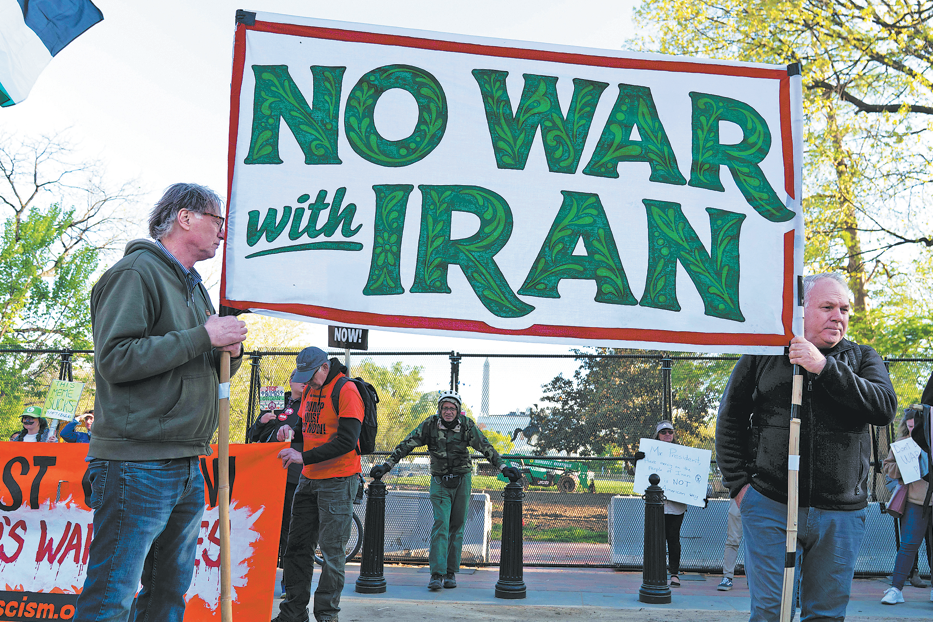
    Diplomatic efforts to address Iran’s nuclear program are advancing as both Tehran and Washington confirm high-stakes negotiations scheduled for Friday in Muscat, Oman. The talks proceed against a backdrop of severe military threats and regional instability, marking a critical juncture in bilateral relations.

    Iranian Foreign Minister Abbas Araghchi announced the meeting would commence at 10:00 local time (06:00 GMT), with US officials subsequently verifying the Oman location. This development follows a period of considerable uncertainty regarding the meeting’s venue and agenda parameters, bringing the negotiations back from the brink of collapse.

    The diplomatic breakthrough emerged after several Arab and Muslim leaders intervened, urging the Trump administration to maintain dialogue despite previous threats of withdrawal. According to Axios reports confirmed by three US officials, the administration agreed to proceed “to be respectful” to allied nations, though maintaining substantial skepticism regarding the negotiation’s potential success.

    President Trump escalated tensions dramatically during an NBC News interview, issuing a stark warning to Supreme Leader Ayatollah Ali Khamenei: “I would say he should be very worried… As you know, they’re negotiating with us.” This verbal confrontation followed Khamenei’s Sunday declaration that any American attack would ignite a “regional war.”

    Secretary of State Marco Rubio outlined expanded US demands beyond nuclear limitations, insisting meaningful negotiations must address Iran’s ballistic missile development, regional sponsorship of terrorist organizations, and domestic human rights issues. This comprehensive approach contrasts with Iran’s preference for focused nuclear discussions coupled with sanctions relief.

    Foreign Minister Araghchi expressed conditional optimism regarding a potential agreement, stating: “President Trump said, ‘no nuclear weapons,’ and we fully agree with that. That could be a very good deal. Of course, in return we expect sanction lifting.” Tehran maintains its nuclear program remains exclusively peaceful despite Western suspicions.

    The negotiations occur alongside ongoing domestic turmoil within Iran, where recent protests over economic conditions evolved into demands for political reform. The government’s severe crackdown resulted in significant casualties, with US-based HRANA documenting over 6,400 protester deaths and investigating thousands more potential fatalities. Iranian authorities acknowledge approximately 3,000 deaths while attributing most to “rioters” targeting security personnel.

    This complex diplomatic engagement represents perhaps the final opportunity for peaceful resolution before potential military confrontation, with regional stability hanging in the balance.