标签: North America

北美洲

  • Canada’s Conservative leader talks tariffs and martial arts with Joe Rogan

    Canada’s Conservative leader talks tariffs and martial arts with Joe Rogan

    In a strategic move to amplify his international presence, Canadian Conservative Opposition Leader Pierre Poilievre engaged in a wide-ranging dialogue on ‘The Joe Rogan Experience,’ one of the world’s most influential podcasts. The conversation served as a cornerstone of Poilievre’s inaugural official tour across the United States, aimed at bolstering his profile amidst domestic polling that places him behind incumbent Prime Minister Mark Carney.

    The interview transcended typical political discourse, beginning with Poilievre presenting Rogan with a Canadian-made kettlebell embossed with a maple leaf—a nod to their mutual interest in fitness and martial arts. However, the dialogue swiftly pivoted to substantive policy matters. Poilievre’s central mission was to advocate for the removal of trade tariffs imposed on Canada during the previous Trump administration. He articulated a vision of reinvigorated bilateral cooperation, stating, ‘We need to harness the goodwill of the American people… and what better place to do it than on the biggest podcast in the world.’

    He presented a pragmatic economic argument, contending that eliminating tariffs on Canadian lumber and aluminum would directly contribute to lowering housing and vehicle costs for American consumers. Furthermore, he positioned Canada as a solution to rising U.S. energy prices, proposing an increase in Canadian oil exports by approximately two million barrels annually.

    When probed on whether he had directly engaged President Trump on these issues, Poilievre demurred, upholding the principle of ‘one prime minister at a time’ and affirming that formal negotiations remain Carney’s prerogative, while his role was to offer supportive advocacy.

    The podcast also ventured into contentious domestic Canadian policy, specifically the nation’s medically assisted dying laws. While affirming a general belief in individual choice, Poilievre expressed his party’s significant reservations about the planned expansion of the legislation to include individuals whose sole condition is a mental illness—a implementation already delayed until 2027.

    Poilievre’s U.S. itinerary included high-level engagements in Detroit with automotive executives and in Texas, where he toured oil processing facilities and found a receptive audience in Governor Greg Abbott for increased Canadian exports. The tour culminates in New York City with an address to the Foreign Policy Institute. This outreach mirrors recent diplomatic efforts by Poilievre in the UK and Germany, where he promoted a new framework for enhanced cooperation between Canada, the UK, Australia, and New Zealand. These international forays occur against a backdrop of Carney’s own aggressive global travel schedule, focused on attracting foreign investment and diversifying Canada’s trade partnerships beyond the United States.

  • US considers lifting sanctions on some Iranian oil

    US considers lifting sanctions on some Iranian oil

    In a dramatic policy shift, the United States is evaluating the temporary suspension of sanctions on certain Iranian oil exports as it confronts escalating energy market turmoil stemming from the ongoing conflict in Iran. Treasury Secretary Scott Bessent unveiled this unconventional approach during a Thursday appearance on Fox Business’s ‘Mornings with Maria,’ positing that it could liberate additional crude supplies for international purchasers.

    The initiative, if implemented, would constitute a remarkable departure from decades of American foreign policy toward Iran. Secretary Bessent specified that the administration is contemplating authorizing the sale of approximately 140 million barrels of Iranian oil already positioned aboard tankers at sea. He projected this could transiently reduce global oil prices for a period of 10 to 14 days. A core element of the proposal involves diverting shipments away from China—which has been the primary beneficiary of heavily discounted Iranian crude—toward allied nations like India, Japan, and Malaysia, thereby forcing Beijing to pay prevailing market rates.

    However, the strategy has ignited intense skepticism and criticism from sanctions experts and policymakers. David Tannenbaum of Blackstone Compliance Services lambasted the concept as ‘bananas,’ warning that it risks funneling substantial revenue to the very Iranian regime the U.S. is militarily engaged against. The practical challenges of preventing funds from reaching Tehran’s coffers remain a significant, unresolved hurdle.

    This deliberation occurs against a backdrop of severe market disruption. The war has effectively halted shipping through the critical Strait of Hormuz, a chokepoint for roughly 20% of daily global oil transit. Experts estimate the conflict has already removed approximately 10% of the world’s oil supply from the market. Compounding these worries, recent attacks on a major Iran-Qatar gas field have raised fears of long-term damage to fossil fuel infrastructure, threatening capacity constraints for years to come.

    The Biden administration’s exploration of this tool underscores a palpable desperation to mitigate an historic energy shock, following other recent moves like tapping strategic petroleum reserves and suspending some Russian oil sanctions. Yet, the potential Iranian waiver faces substantial political headwinds; the House of Representatives just passed a bill designed to strengthen, not relax, sanctions on Iran’s energy sector. The Treasury Department has declined to elaborate on the mechanics of the proposal, and President Trump offered only an ambiguous non-answer when questioned on the matter, stating the administration will ‘do whatever is necessary’ to control prices.

  • US states sue Trump over his move to scrap greenhouse gases ruling

    US states sue Trump over his move to scrap greenhouse gases ruling

    A formidable alliance comprising 23 states alongside 17 major cities, counties, and state agencies has initiated a significant legal challenge against the Trump administration. The lawsuit, filed in the U.S. Court of Appeals, contests the administration’s recent revocation of the pivotal 2009 “endangerment finding”—a foundational scientific determination from the Obama era that formally classified greenhouse gases as a public health threat. This landmark ruling had served as the legal bedrock for numerous federal regulations designed to reduce emissions from vehicles, power plants, and other industrial sources.

    New York State Attorney General Letitia James, leading the coalition that includes jurisdictions such as New York City, Los Angeles, Chicago, and the Pennsylvania Department of Environmental Protection, condemned the administration’s action. “The climate crisis is here, and it is already reshaping the way we live. Instead of helping Americans face our new reality, the Trump administration has chosen denial, repealing critical protections,” James stated. This legal move follows a separate but similar challenge filed by several environmental organizations last month.

    The administration’s repeal, touted by President Trump as a major achievement against what he termed the Democratic Party’s “radical” energy policies, represents the latest effort in a prolonged campaign to dismantle Obama-era climate initiatives. EPA Administrator Lee Zeldin characterized the deregulation as “the single largest act of deregulation in the history of the United States of America.”

    The plaintiffs argue that overturning the endangerment finding directly violates statutory provisions within the Clean Air Act. The legal petition emerges against a backdrop of broader environmental policy shifts under the current administration, including the withdrawal from the Paris Climate Accord and the rollback of automobile fuel economy standards. The Environmental Protection Agency has not publicly responded to requests for comment regarding the litigation.

  • Trump compares attack on Iran to Pearl Harbor in meeting with Japanese PM

    Trump compares attack on Iran to Pearl Harbor in meeting with Japanese PM

    During a high-level diplomatic engagement with Japanese Prime Minister Shinzō Abe, U.S. President Donald Trump invoked historical parallels to justify his administration’s controversial decision-making process regarding military action against Iran. When questioned about his failure to consult international allies prior to authorizing a strike against Iranian military commander Qassem Soleimani, President Trump referenced the 1941 Pearl Harbor attack as a comparative example of strategic surprise in military operations.

    The discussion revealed significant tensions in traditional alliance structures, with the Japanese leadership expressing particular concern about the implications of unilateral action in the highly volatile Middle East region. Prime Minister Abe, whose nation maintains diplomatic relations with Iran, emphasized the importance of multilateral consultation in matters of global security.

    This exchange highlights growing apprehensions among U.S. allies regarding the administration’s foreign policy approach, which increasingly prioritizes decisive action over diplomatic coordination. The Pearl Harbor comparison drew immediate criticism from historians and political analysts who noted the fundamental differences between a surprise attack on a military installation and a targeted strike against a foreign official.

    The meeting occurred amid escalating tensions in the Persian Gulf and raised questions about the future of international cooperation in conflict prevention and resolution. The administration’s stance suggests a potential shift in how the United States engages with its traditional partners on matters of national security and military intervention.

  • Trump administration seeks $200bn in  military funding in wake of Iran war

    Trump administration seeks $200bn in military funding in wake of Iran war

    The Trump administration has formally requested an additional $200 billion in emergency funding from Congress to support military operations in Iran, significantly expanding the financial scope of the ongoing conflict. The substantial funding request comes as Defense Secretary Pete Hegseth offered a blunt justification to reporters, stating that operational success requires substantial resources, noting that “it takes money to kill bad guys.”

    President Trump defended the massive funding increase during a White House briefing, characterizing the Iran conflict as a “very volatile war” that demands continued military investment despite previous suggestions of a swift conclusion to “Operation Epic Fury.” The administration cited multiple rationales for the funding, including ammunition replenishment and advanced military equipment procurement. Trump specifically noted that ammunition stockpiles had been diminished by substantial military aid provided to Ukraine in its conflict with Russia.

    According to official figures, Congress has approved $188 billion in Ukrainian assistance since Russia’s February 2022 invasion, with approximately $110 billion already expended as of December. Trump’s economic adviser Kevin Hassett previously indicated the Iran conflict had already cost the U.S. approximately $12 billion.

    The supplemental request would augment the Defense Department’s existing $838.7 billion annual budget approved in January. Republican House Speaker Mike Johnson acknowledged the substantial figure was “not a random number” and emphasized the need for adequate defense funding during dangerous global times.

    Democratic Representative Jim Himes responded more cautiously, invoking legislative oversight principles by noting that congressional involvement should extend throughout conflict funding decisions. The funding debate occurs against a backdrop of economic uncertainty, with the Federal Reserve maintaining steady interest rates amid concerns that oil price increases stemming from the Iran conflict could exacerbate inflation.

    The funding request sets the stage for a contentious legislative battle less than eight months before midterm elections, with polls indicating majority public disapproval of the Iran war. Democrats have sought to contextualize the massive military expenditure by comparing it to other budget priorities, including a previously proposed $35 billion health insurance subsidy extension and $100 billion in annual federal food assistance programs.

    Pentagon officials have projected the Iran conflict could continue for four to six weeks total, with operations having lasted approximately three weeks thus far. While Republicans appear to have sufficient votes to approve the funding, the administration may face significant political consequences if the conflict and its accompanying economic disruptions persist.

  • Afroman testifies in defamation suit brought by Ohio police

    Afroman testifies in defamation suit brought by Ohio police

    Ohio-based rapper Afroman, legally known as Joseph Foreman, provided testimony in a defamation lawsuit initiated by law enforcement officers from the Adams County Sheriff’s Office. The legal action stems from a highly publicized 2022 incident where police conducted a raid on the musician’s residence. During court proceedings, Foreman characterized the law enforcement operation as “a mistake” while defending his artistic expression. The raid, which was captured on the artist’s home security system and subsequently disseminated across social media platforms, formed the basis of several musical compositions and online content created by the artist. These creative works included lyrical content and imagery that plaintiffs claim damaged their professional reputations. This testimony occurred prior to Foreman’s recent legal victory in a separate but related case concerning his right to produce music that critiques police conduct. The ongoing defamation case highlights continuing tensions between law enforcement practices and artistic freedom protections under the First Amendment.

  • California leaders react to Cesar Chavez abuse allegations

    California leaders react to Cesar Chavez abuse allegations

    Communities across California are confronting a complex historical reckoning as allegations of sexual abuse against famed civil rights leader Cesar Chavez prompt officials to reconsider his public legacy. The movement, gaining momentum in Los Angeles and beyond, has sparked intense debate about how societies should memorialize historical figures when new information emerges about their personal conduct.

    Municipal governments and school districts are now evaluating numerous dedications bearing Chavez’s name, including public schools, street signs, and community centers that were originally intended to honor his pioneering work in labor organization and migrant worker rights. The allegations have created a divisive discussion between preserving historical recognition and addressing contemporary ethical standards.

    This reassessment reflects a broader national conversation occurring in many American communities about historical commemoration. Public responses have varied significantly, with some advocating for immediate removal of all honors while others argue for contextual educational approaches that acknowledge both achievements and shortcomings. The situation continues to develop as local governments conduct formal reviews of their naming policies and historical commemorations.

  • Joseph Duggar of 19 Kids and Counting accused of molesting child

    Joseph Duggar of 19 Kids and Counting accused of molesting child

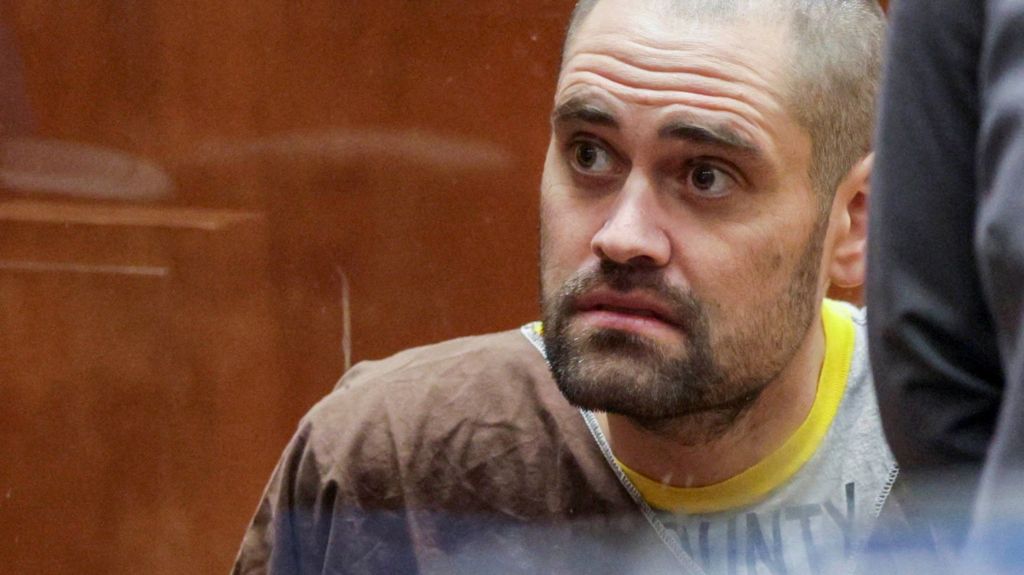
    Joseph Duggar, a prominent member of the television family featured in TLC’s ’19 Kids and Counting,’ has been taken into custody on serious criminal charges involving the sexual abuse of a minor. The 31-year-old reality television personality was apprehended by law enforcement officials in Tontitown, Arkansas, following allegations of inappropriate conduct with a nine-year-old girl during a 2020 family vacation in Panama City Beach, Florida.

    According to official statements from the Bay County Sheriff’s Office, Duggar faces formal charges of lewd and lascivious behavior involving unlawful sexual activity with a minor. The investigation began when a now-14-year-old victim came forward to report multiple incidents that allegedly occurred when she was nine years old.

    Court documents reveal disturbing details of the accusations, with the victim reporting that Duggar repeatedly requested she sit on his lap during the vacation. The complaint further alleges that while seated together on a couch, Duggar touched the child’s thighs, underwear, and genitals. Authorities note that Duggar reportedly apologized for his behavior during the incident and ceased his actions following the apology.

    The case took a significant turn when the victim’s father confronted Duggar about the allegations the day before his arrest. Law enforcement officials confirm that Duggar admitted to his actions both to the victim’s father and subsequently to police investigators in Tontitown.

    This case marks the second major legal scandal involving the Duggar family. Joseph’s older brother, Josh Duggar, is currently serving a 12-year prison sentence following his 2022 conviction for receiving and possessing child sexual abuse images. Previous allegations had also surfaced against Josh Duggar for molesting five children, including four of his sisters, which led to the cancellation of ’19 Kids and Counting’ in 2015.

    Joseph Duggar, who has several children with his wife Kendra Duggar, is awaiting extradition to Bay County, Florida, where he will face formal proceedings on the charges. The case continues to develop as authorities pursue their investigation.

  • Are US and Israel aligned on Iran war? Deciphering Trump’s post after gas field attacks

    Are US and Israel aligned on Iran war? Deciphering Trump’s post after gas field attacks

    A recent military escalation between Israel and Iran has triggered significant geopolitical repercussions and exposed potential fissures in the U.S.-Israel alliance. Following Israeli airstrikes on Iran’s South Pars gas field—the world’s largest natural gas reservoir—and subsequent Iranian retaliation against Qatari energy infrastructure, global energy markets experienced immediate price volatility.

    President Donald Trump utilized his Truth Social platform to issue a characteristically forceful statement regarding the conflict. Notably, he asserted that the United States had no prior knowledge of Israel’s offensive operation—a claim directly contradicted by multiple Israeli media outlets. Centrist publication Yedioth Ahronoth reported the attack was “coordinated in advance with the United States,” while right-wing Israel Hayom indicated Trump had discussed the impending strike with Persian Gulf leaders.

    Trump’s rhetorical approach raised diplomatic eyebrows as he described Israel’s actions as having “violently lashed out”—terminology typically reserved for Iranian retaliation patterns rather than calculated military operations by a strategic ally. This linguistic choice suggested potential disapproval of Israel’s decision-making process.

    The president’s social media communication contained a singular all-caps declaration: “NO MORE ATTACKS WILL BE MADE BY ISRAEL pertaining to this extremely important and valuable South Pars Field.” This directive, coupled with his unusual emphasis on requiring Israeli consent for future U.S. actions, implied a possible recalibration of the bilateral military relationship.

    Despite these indicators, Israeli officials maintain strong alignment with Washington. Alex Gandler, spokesman for Israel’s London embassy, emphasized complete synchronization regarding objectives toward Iran’s nuclear program and Islamic Revolutionary Guard Corps. However, strategic differences appear emerging in operational priorities: while U.S. forces focus on degrading Iran’s missile capabilities and naval assets, Israel has concentrated on leadership targeting and disrupting internal security apparatuses.

    The conflict’s domestic political implications are equally significant. With American public support for the war dipping below 50% and energy prices climbing due to continued hostilities, the administration faces mounting pressure. Meanwhile, Prime Minister Netanyahu potentially benefits from heightened conflict rhetoric despite possible strain on the U.S.-Israel partnership.

    Trump’s assertion that Iran mistakenly believed Qatar was complicit in the initial attack—while not absolving Tehran of responsibility—introduces a nuanced interpretation of retaliatory motives. This analysis, combined with threats of “unprecedented” counterstrikes against Iranian infrastructure, presents a complex portrait of an administration navigating unexpected conflict dynamics while attempting to maintain strategic coherence.

  • FBI reportedly investigating former US official who resigned over Iran war

    FBI reportedly investigating former US official who resigned over Iran war

    WASHINGTON – The Federal Bureau of Investigation has launched an inquiry into former National Counterterrorism Center director Joe Kent, who recently stepped down from his position in protest against military engagement with Iran, according to multiple US media sources. The investigation reportedly commenced prior to Kent’s abrupt resignation on Tuesday. NewsNation and Semafor correspondent Shelby Talcott both cited anonymous sources confirming the FBI is examining allegations that Kent improperly disclosed classified intelligence materials. The development emerges amid escalating tensions within the Trump administration regarding its Middle Eastern military strategy. In his resignation statement published on social media platform X, Kent asserted that Iran presented no immediate threat to American national security interests. He attributed the conflict initiation to substantial pressure from Israeli officials and their influential lobbying networks within the United States. Kent further alleged that high-ranking Israeli representatives collaborated with segments of American media to disseminate misinformation campaigns that ultimately undermined President Trump’s America First agenda while fostering pro-war sentiment. Political analysts interpret Kent’s departure as indicative of mounting internal pressure on the administration, with criticism emerging from Democratic legislators, business executives, and surprisingly, certain factions of Trump’s core support base. While recent polling indicates sustained backing for military action among substantial portions of MAGA supporters, prominent figures including former strategist Steve Bannon have publicly expressed opposition to the Iranian conflict.