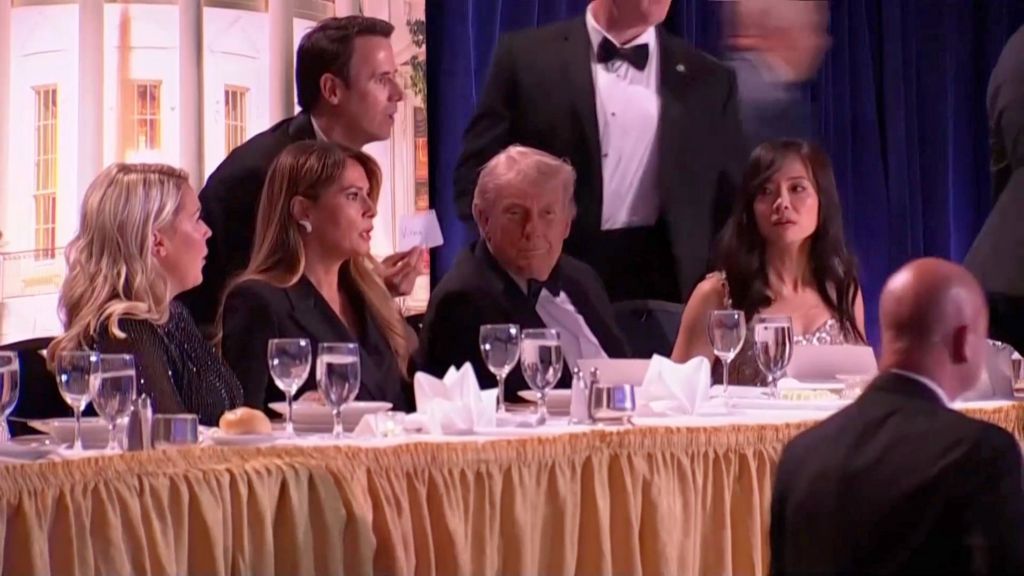
A routine appearance by former U.S. President Donald Trump at the annual White House Correspondents’ Dinner took a frightening turn Saturday evening when sudden gunshots rang out, forcing an immediate emergency evacuation of the commander-in-chief. Witnesses reported that the former president was in the middle of an on-site conversation with guests when multiple loud bangs echoed through the event venue, cutting the interaction short abruptly. Within seconds of the sounds being identified as gunfire, Secret Service agents, who are tasked with 24/7 protection for former U.S. presidents, moved quickly to surround Trump and rush him out of the banquet hall to a secured location. Attendees and staff at the dinner, a high-profile annual gathering that brings together top White House officials, journalists, and national media figures, were immediately placed on lockdown as law enforcement units swept the venue to locate the source of the gunfire and neutralize any potential threat. While initial reports confirmed that Trump was escorted to safety unharmed, the incident has sparked renewed discussions about security protocols at high-profile political events open to large public and media gatherings. As of the latest updates, law enforcement is continuing to investigate the circumstances surrounding the gunshots and has not yet released details on whether any suspects have been detained or if any injuries were reported at the scene.
标签: North America
北美洲
-
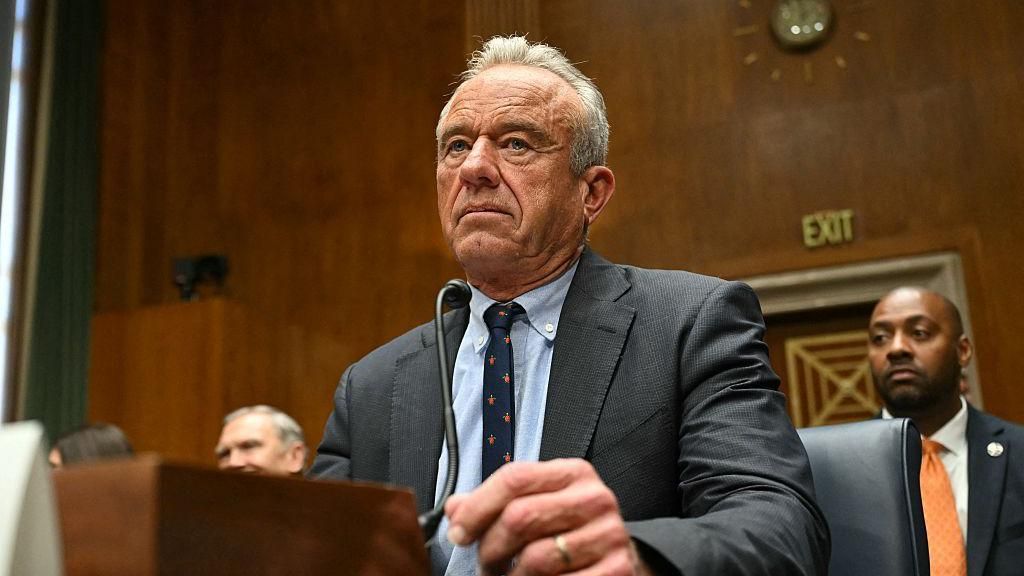
Trump said RFK Jr could run ‘wild’ with health policy. Instead he’s reined him in
Twelve months ago, U.S. President Donald Trump made a public promise to then-nominee Robert F. Kennedy Jr.: once tapped to lead the Department of Health and Human Services (HHS), Kennedy would be given free rein to pursue his controversial policy priorities. What began as a politically strategic alliance forged during the 2024 presidential campaign, however, has increasingly fractured amid conflicting policy priorities, congressional scrutiny, and growing frustration from Kennedy’s core base of supporters.
The partnership between Trump and Kennedy was built around the “Make America Healthy Again” (MAHA) movement, a spin on Trump’s iconic “Make America Great Again” campaign slogan. Kennedy, a longstanding critic of mainstream public health policy, drew a diverse cross-section of American voters to the Trump ticket: anti-vaccine activists, health-focused parents, environmental advocates, and nutrition enthusiasts who united around shared concerns about vaccine safety, environmental chemical exposure, processed food, and rising rates of chronic disease. For a year, however, cracks in the alliance have widened, with the most visible public tension playing out during days of bipartisan grilling on Capitol Hill earlier this month.
The most heated exchange of the congressional hearings centered on Kennedy’s public support for a Trump executive order expanding domestic production of glyphosate, a widely used herbicide that Kennedy’s base has spent decades fighting over proven links to non-Hodgkin’s lymphoma and other chronic illnesses. Democratic Senator Brian Schatz of Hawaii pressed Kennedy directly, noting that many of his own Hawaii-based supporters who backed the MAHA agenda felt “hurt, shocked, confused” by his endorsement of the order. Kennedy countered that he had made his personal opposition to the order clear to Trump, but that the president framed the policy as a matter of critical national economic security for the U.S. agricultural sector.
That tense exchange laid bare a growing pattern: a year into his tenure as HHS Secretary, many of Kennedy’s closest allies and core supporters say he has never received the unfettered access to policy change that Trump initially promised. Early, high-profile changes to national vaccine policy have stalled amid legal pushback and direct White House pressure, and even his work on less controversial health priorities has been hampered by friction with the Trump administration.
“Kennedy only has so much authority at HHS,” explained Jeff Hutt, former national field director for the MAHA Institute, in an interview with the BBC. “At the end of the day, he’s more of a spokesperson than a change agent, so progress is going to come much slower than anyone expected.”
In response to queries about growing frustration among MAHA voters, an HHS spokesperson emphasized that Kennedy’s team remains fully focused on the priorities that consistently rank highest for American voters: chronic disease prevention, improved childhood nutrition, higher food quality standards, and expanded access to affordable health care.
Kennedy’s most significant early policy moves focused on overhauling decades of evidence-based U.S. vaccine policy, a core campaign promise to his vaccine-hesitant base. Shortly after taking office, he dismissed the entire membership of the federal vaccine advisory committee, replacing it with a slate of prominent vaccine skeptics. The reconfigured committee quickly voted to withdraw universal hepatitis B vaccine recommendations for newborns, and the Centers for Disease Control and Prevention (CDC) subsequently cut nearly half of the recommended childhood immunization schedule.
When CDC director Susan Monarez refused to automatically approve the committee’s new recommendations, Kennedy removed her from her post, leaving the nation’s leading public health agency without a permanent leader for more than six months. The policy shifts unfolded as the United States grappled with the worst measles outbreak in 70 years, with more than 4,000 confirmed cases recorded across 2025 and early 2026, including two child deaths in Texas.
For many in the MAHA base, the vaccine changes represented a long-sought victory, framed as a win for individual patient choice and informed consent. “This just gives families more space and time to make their own decisions about what’s right for their kids,” said Jacqueline Capriotti, a former Kennedy campaign social media strategist who administers a large Facebook group for MAHA moms. “Having open conversations about informed consent, about understanding what you put in your body, is a healthy thing for our country.”
But that early momentum quickly collapsed. In March, a federal judge blocked nearly all of Kennedy’s vaccine policy overhauls, ruling that the new advisory committee members lacked the required scientific credentials for their roles. HHS has publicly stated it plans to appeal the ruling, but no filing has been made to date.
Shortly after the ruling, Kennedy allies confirmed to the BBC that the Trump administration ordered him to shift his focus away from vaccine policy entirely ahead of November’s midterm elections. Longtime Republican pollster Whit Ayres noted that the White House came to the conclusion that vocal vaccine skepticism was “political poison,” given that a large majority of American voters continue to support evidence-based vaccination programs.
Republican campaign advisor Abby McCloskey argued that the court ruling actually worked to the White House’s advantage. “It almost takes it off of RFK Jr’s plate and gives him a valid reason to not talk about it ahead of the election,” she explained. The shift in messaging was obvious during Kennedy’s April congressional testimony, where he surprised many observers by stating that every child should be vaccinated against measles.
With his vaccine agenda stalled, Kennedy has reoriented his work toward the other core issues of the MAHA movement: chronic disease prevention, food system reform, and environmental safety. He has overseen a complete redesign of the iconic U.S. food pyramid, a change that has drawn mixed reviews from public health experts, and launched a campaign to persuade major food corporations to voluntarily phase out synthetic food dyes.
Even on these issues, however, friction with Trump has persisted. Beyond the glyphosate executive order that enraged MAHA supporters, Trump’s longstanding support for the fast food industry has clashed with Kennedy’s push for stricter nutrition standards. After pressure from the White House, Kennedy ultimately released a public statement supporting the glyphosate order, citing the agricultural sector’s longstanding reliance on the herbicide.
Hutt, who remains aligned with the MAHA movement, called the endorsement a necessary compromise rather than a choice Kennedy wanted to make. “I wish he had not done it, and I think that’s how most of our supporters felt,” he said. Zen Honeycutt, founder of the MAHA-aligned advocacy group Moms Across America, said many member moms were “outraged” by the decision, arguing that the order was directly written to benefit large chemical corporations. Even so, Honeycutt said she does not doubt Kennedy’s commitment to protecting children’s health, noting that he faces constant pressure from pharmaceutical, chemical, and food industry lobbying groups that limit his ability to act.
Polling from Politico suggests that the discontent is widespread: 47% of voters who identify as MAHA supporters believe Trump and Kennedy have not delivered on enough of their campaign promises, compared to just 44% who say they have made sufficient progress. An anonymous HHS official countered to the BBC that blocking glyphosate access would have had “severe” negative economic impacts on American agriculture, adding that the department’s new dietary guidelines prioritize whole fruits and vegetables as a step toward reducing long-term reliance on chemically intensive farming practices.
Despite repeated policy conflicts, Republican strategists say Trump still views Kennedy as a valuable political messenger ahead of the midterms. Politico reports that Kennedy is expected to campaign as a Trump surrogate in key swing states this fall, and he recently launched a new podcast focused on “fearless conversations with critical thinkers, including independent doctors.” He has also announced two new policy initiatives: a major national research project on the health impacts of microplastic exposure, and a renewed administration-wide focus on reducing rates of chronic disease.
Even with this new rebranding effort, political analysts remain skeptical that the shift will help the Trump administration win over broader support for the MAHA agenda. “Kennedy is so widely associated with anti-vaccine advocacy that it’s going to be difficult for him to redefine himself in any other way,” Ayres said. McCloskey added that the Trump administration is squandering a unique opportunity to connect with the large, diverse MAHA base of parent voters who care far more about nutrition and children’s health than vaccine policy. “What’s really missing is a clear set of next concrete policy steps that people can rally around,” she said.
For his core supporters, however, even with all the setbacks, Kennedy has already delivered one major win: he has pushed MAHA’s set of health concerns into the national mainstream, and most long-time backers understand the constraints he faces. “People who supported Bobby [Kennedy] understand that his ability to be a change agent is really limited by how much rope the president gives him,” Hutt said. Even so, he added, Kennedy and his team still do not recognize how much political power their movement already has to shift the national conversation around American health.
-
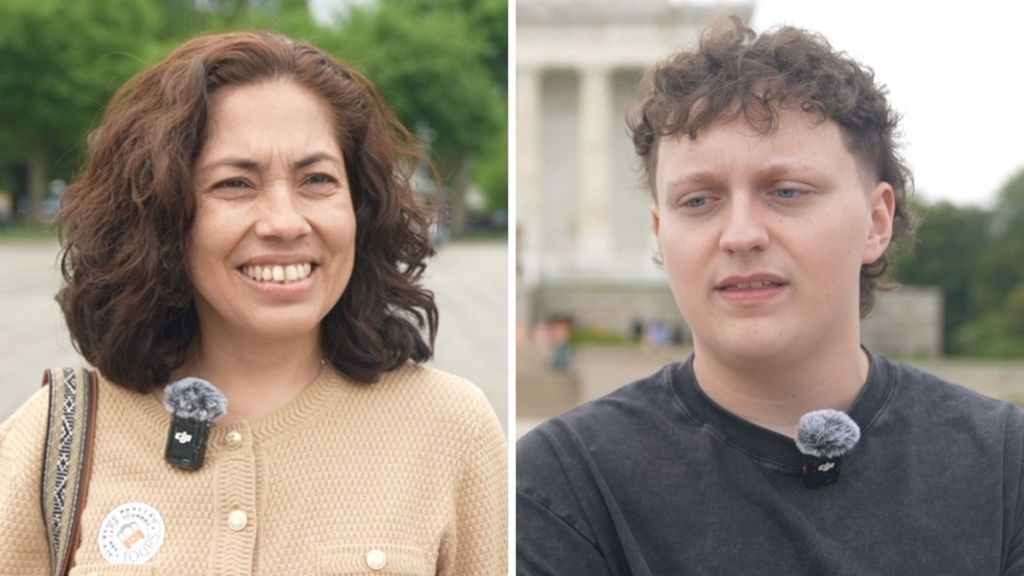
‘Eat some Gelato’ – Americans on what the Royals should do during US visit
As the United Kingdom’s King Charles III and Queen Camilla prepare for a high-profile four-day state visit to the United States, one item has been repeatedly floated by American members of the public as a must-add to their itinerary: stop for a serving of creamy, homemade Italian-American gelato.
The royal visit, which marks a key moment of diplomatic exchange between the two longstanding allies, is already set to include one of the most anticipated meetings on the schedule: a formal sit-down with U.S. President Donald Trump. Beyond the planned diplomatic engagements that are designed to strengthen bilateral cooperation on shared global priorities, everyday Americans have been sharing their own informal suggestions for how the royal couple can make the most of their time on American soil, with the suggestion to try a local gelato emerging as a fan favorite.
Diplomatic state visits between the UK and US have long served as cornerstones for nurturing the special relationship between the two nations, and this upcoming trip comes as both countries work to align on a range of policy areas from trade to global security. While official agendas are typically packed with formal receptions, policy discussions, and ceremonial events, public input on what the royals should prioritize adds a lighthearted, accessible layer to the high-stakes diplomatic event, connecting everyday citizens to the visit beyond what is shared in official press releases.
-
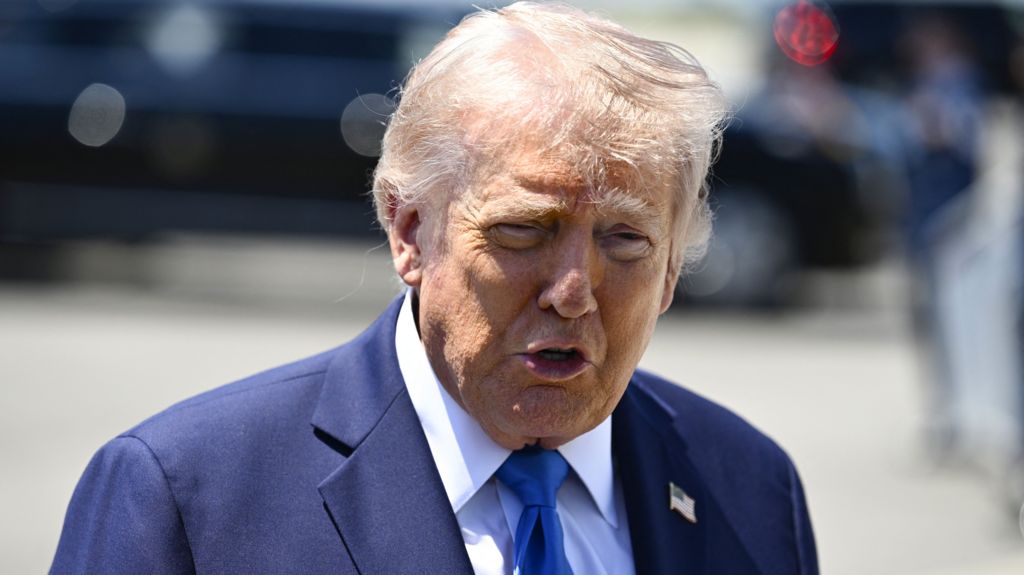
Trump cancels US envoys’ trip to Pakistan for talks on Iran war
On Saturday, in a sudden reversal of planned diplomatic negotiations, former President Donald Trump called off a scheduled trip by senior U.S. officials to Pakistan aimed at de-escalating ongoing conflict with Iran — a move that came just hours after an Iranian diplomatic delegation wrapped up its visit to the mediation hub of Islamabad.
Trump justified the last-minute cancellation by arguing that special envoy Steve Witkoff and his son-in-law and senior advisor Jared Kushner would be wasting valuable time on the mission. “If Iran wants to talk, all they have to do is call,” Trump stated publicly.
Hours before the cancellation, Iranian Foreign Minister Abbas Araqchi concluded talks with Pakistani mediators, confirming that he had laid out Tehran’s formal position on ending the conflict, but noting that Iran had not yet received clear evidence that Washington was genuinely committed to diplomatic resolution. The diplomatic impasse has persisted even after Trump extended a ceasefire that was originally set to expire on April 22, a move designed to create space for negotiations to move forward.
The current standoff between the U.S. and Iran stems from two core flashpoints: control of the Strait of Hormuz, the world’s most critical chokepoint for global oil trade, and long-running international disputes over Iran’s nuclear program. After the U.S. and Israel launched joint strikes against Iranian targets in February, Iran restricted commercial passage through the strait, through which approximately 20% of the world’s total oil supply transits daily. In response, Washington has bolstered its naval presence in the region and implemented strict measures to block Iranian oil exports.
When the U.S. trip was first announced on Friday, White House officials claimed that Iran was eager to engage in talks — a characterization Tehran immediately rejected, stating it had no plans for a direct meeting with U.S. negotiators. Despite the collapse of plans for a new round of face-to-face talks, Trump confirmed that the existing ceasefire would remain in place on Saturday. When asked by Axios whether the cancellation meant active combat would resume, Trump replied, “No, it doesn’t mean that. We haven’t thought about it yet.”
In a series of posts on his Truth Social platform Saturday, Trump doubled down on his criticism of the Iranian leadership, claiming there was “tremendous infighting and confusion” within Tehran’s ruling circles and that “nobody knows who is in charge, including them.” He added, “Also, we have all the cards, they have none! If they want to talk, all they have to do is call!!!”
Prior to the cancellation, the White House had noted that U.S. Vice President JD Vance, who led the American delegation during the first round of talks in Islamabad earlier this month, was on standby to join the negotiations if a breakthrough appeared likely. His exclusion from the original planned delegation had already signaled that Washington did not expect major progress from the meeting.
Iranian President Masoud Pezeshkian has repeatedly stated that Tehran remains open to good-faith negotiations, but has pointed to U.S. breaches of prior commitments, economic blockades, and military threats as core obstacles to genuine diplomatic progress.
Pakistan has served as the primary neutral mediator between Washington and Tehran in recent weeks, hosting the first round of U.S.-Iran talks on April 11 that ended without any formal agreement. Araqchi, who is also scheduled to visit Oman and Russia as part of his regional diplomatic tour, described his talks in Islamabad as “fruitful” in a post on X. He reiterated that he had shared Iran’s proposed framework for a permanent end to the conflict, but still awaited proof of U.S. commitment to diplomacy. Pakistani Prime Minister Shehbaz Sharif confirmed that the meeting featured a “most warm, cordial exchange of views on the current regional situation,” and Iranian state media reports indicate Araqchi will return to Islamabad after completing his visit to Oman.
The broader regional conflict remains volatile, with new clashes erupting over the weekend between Israel and Hezbollah, the Iran-backed militant group based in Lebanon. On Saturday, at least four civilians were killed in Israeli air strikes on southern Lebanon, according to Lebanon’s state news agency. The Israeli military said the strikes came in response to rocket fire from Hezbollah into northern Israel. Despite a nominal ceasefire between Israel and Hezbollah, both sides have continued exchanging fire on a near-daily basis in recent weeks, with each side accusing the other of violating the truce. On Saturday, Israeli Prime Minister Benjamin Netanyahu’s office confirmed that the Israel Defense Forces had been ordered to “vigorously attack Hezbollah targets in Lebanon.”
The core dispute over Iran’s nuclear program, which underpins the current U.S.-Iran conflict, remains unresolved: Washington and its allies suspect Iran is actively pursuing a nuclear weapons capability, while Tehran has consistently denied this claim, arguing its program is solely for civilian energy production and medical research, even though it has enriched uranium to near weapons-grade purity.
-
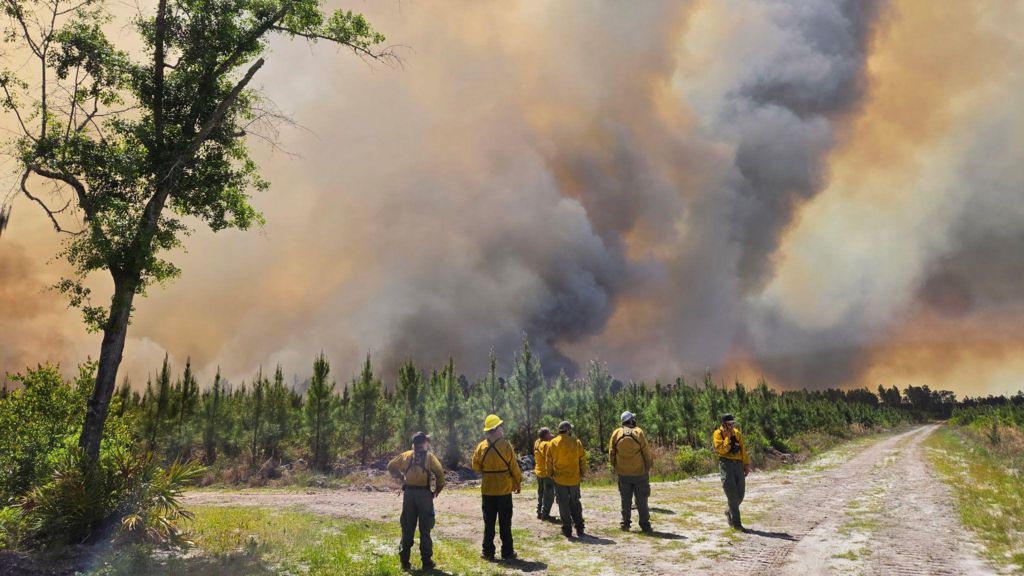
Georgia declares state of emergency as wildfires destroy dozens of homes
A devastating outbreak of wildfires across the U.S. state of Georgia has left a trail of widespread destruction, with official data confirming more than 39,500 acres of land scorched and over 120 residential properties reduced to ash. As blazes continue to spread amid historically dry conditions, state leaders have activated emergency response protocols to mobilize resources and protect at-risk communities.
The two largest and most destructive blazes, identified as the Pineland Road Fire and the Highway 82 Fire, are concentrated in the state’s southeastern region. Their rapid growth prompted Governor Brian Kemp to issue a 30-day state of emergency covering 91 of Georgia’s 159 counties, unlocking additional state funding and response assets to support local firefighting efforts.
Georgia Forestry Commission Director Johnny Sabo emphasized the extreme risk facing the state in a recent public video address, noting that parched vegetation has created tinder-dry conditions where even the smallest spark can escalate into a life-threatening inferno in minutes. “We are in extreme drought conditions, and wildfire activity has already surpassed our five-year average,” Sabo added, underscoring that the current outbreak is far beyond what response teams typically handle this time of year.
Beyond the two major blazes, emergency crews are simultaneously working to contain dozens of smaller fires across the state. On Saturday alone, officials documented 32 new wildfire ignitions that burned a combined 50 acres of land, stretching response resources thin across multiple regions. The outbreak first began on April 18, with Governor Kemp issuing the state of emergency declaration just four days later as blazes began to spread uncontrollably.
Investigators with the Georgia Forestry Commission (GFC) have already identified likely ignition sources for the two major fires. The Highway 82 Fire, which has burned roughly 7,500 acres to date, is believed to have started when a metallic foil balloon made contact with an overhead power line, generating a spark that ignited surrounding dry vegetation. As of the latest update, the blaze was only 10% contained, leaving nearby communities at continued risk. The far larger Pineland Road Fire, which has scorched 32,000 acres, has been traced to an accidental stray spark generated by a routine welding operation, GFC investigators confirmed.
In a Friday update posted to the GFC official website, response teams reported that at least 35 minor additional structures have been lost to the Pineland Road Fire, with 187 homes still under immediate threat from advancing flames. To reduce the risk of new ignitions, state officials have implemented a full outdoor burn ban across the 91 counties covered by the state of emergency. The ban prohibits all open burning of waste, agricultural debris, and other unregulated outdoor fires.
For local families who have already lost their homes, the disaster has brought unimaginable loss. Anna Dudek, a resident whose property was destroyed by the blazes, shared her harrowing experience with CBS News, the BBC’s U.S. media partner. As the Dudek family spotted flames reaching their property line and began packing belongings to evacuate, they quickly moved their children and pets to safety before fleeing. From a distance, Anna monitored her home through a security camera feed connected to her phone, watching in real time as flames engulfed the structure. “When both of my devices went offline, and the screen went black and I couldn’t see anything more, it was so gut-wrenching because then I knew that what I call home was gone,” she told reporters.
The current wildfire outbreak is not isolated to Georgia, with hundreds of concurrent blazes also burning across neighboring Florida, straining regional firefighting resources across the U.S. Southeast as the region grapples with ongoing severe drought.
-
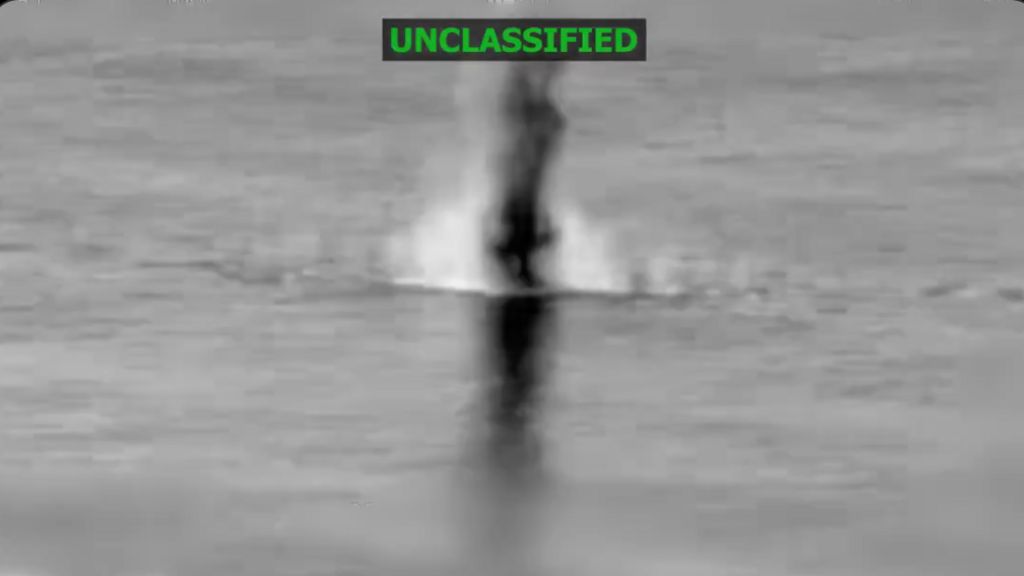
Two killed in strike on alleged drug boat in Pacific Ocean, US military says
The United States Southern Command has confirmed that American military forces carried out a fresh lethal strike against a vessel suspected of drug trafficking in the eastern Pacific Ocean, resulting in the deaths of two people on board. The combatant command, whose operational jurisdiction spans South America, Central America and the Caribbean, made the announcement via a public post on the social platform X on Friday.
US military officials stated that intelligence assessments definitively linked the targeted vessel to active narco-trafficking activity, noting it was traveling along well-documented smuggling corridors that criminal networks regularly use to move illicit narcotics in the Eastern Pacific. This latest operation marks a continuation of a sweeping campaign that first launched under the Trump administration back in September, which has seen dozens of similar strikes carried out against suspect trafficking craft.
In their official statement, Southern Command confirmed that “two male narco-terrorists” were killed in the April 24 kinetic strike, and added that no American service members were injured during the operation. The command detailed: “At the direction of Southern Command commander Gen. Francis L Donovan, Joint Task Force Southern Spear conducted a lethal kinetic strike on a vessel operated by Designated Terrorist Organizations.” Alongside the announcement, the task force published verified footage showing what analysts identify as a small fishing-style vessel being hit, triggering a massive explosion that engulfed the craft in flames.
Since the campaign’s launch, US forces have carried out dozens of strikes against boats that US officials claim are moving large quantities of illicit drugs toward American borders. Data from CBS News, the US-based partner of the BBC, shows that more than 180 people have been killed in these operations over the past eight months.
However, the entire campaign has faced growing scrutiny, as the US military has so far failed to release public evidence confirming that the targeted boats were actually carrying drugs or were crewed by confirmed drug smugglers. This lack of transparency has fueled widespread criticism from legal and human rights groups, who have raised urgent questions about the legality of the cross-border strikes. A number of international legal experts have argued that the operations may violate established international law, as they target unidentified people on the high seas without providing any opportunity for due process to rule out civilian involvement.
The Trump administration has repeatedly defended the campaign, maintaining that all strikes are conducted in full compliance with domestic and international law. In a formal statement submitted to Congress last year, the White House said that President Trump had formally determined the United States is in a state of armed conflict with transnational drug cartels, and that all crew members of drug smuggling boats qualify as enemy combatants eligible for targeting.
Strike frequency has dropped noticeably since January, when US forces seized Venezuelan President Nicolas Maduro, whom the Trump administration has accused of collaborating with transnational criminal networks in narco-terrorism operations. Maduro has repeatedly and vehemently denied all such allegations.
-

Asian surnames fastest-growing in US
Newly released demographic data from the US Census Bureau has uncovered a striking shift in the country’s surname landscape: between 2010 and 2020, three of the most common Chinese surnames claimed the top three spots on the ranking of fastest-growing last names among the 1,000 most frequent surnames across the United States.
According to the census analysis, the population holding the surname Zhang grew by 74% over the decade, outpacing all other surnames. Liu followed with a 62% growth rate, and Wang rounded out the top three with a 54% increase. Beyond the top three, four additional common Chinese surnames secured spots in the top 12: Li, Lin, and Chen landed in the top 10, with growth rates ranging from 37% to 48%, while Wu and Huang claimed 11th and 12th place respectively, both with 36% growth.
The census report notes that nearly all of the 15 fastest-growing surnames in the US over this period are primarily associated with people of Asian, Native Hawaiian, or Other Pacific Islander descent. The only exception is Ali, a name with broad diversity across Hispanic racial and origin groups. This concentrated growth pattern mirrors broader national demographic shifts recorded between 2010 and 2020, when the combined population of Asian, Native Hawaiian, and Other Pacific Islander communities expanded far more rapidly than the overall US population.
Official census figures put the total growth of the Asian American population at 35.5% over the decade, pushing its share of the total US population from 4.8% in 2010 to 6% in 2020. This growth rate was higher than that of every other single racial group, outpaced only by the multiracial population category.
Experts link the rapid rise of common Chinese surnames to the massive surge in Chinese student migration to the US during the 2010s. Data from the Open Doors report, a leading source of international student enrollment statistics, shows that the number of Chinese students studying in the US more than doubled over the decade, jumping from roughly 157,000 in 2010 to more than 372,500 in 2019. In total, more than half a million Chinese students arrived in the US to pursue education between 2010 and 2020, bringing with them the common surnames that dominate modern China’s population profile.
Notably, the ranking of the fastest-growing Chinese surnames in the US closely aligns with the popularity ranking of surnames within China itself. Official Chinese demographic data lists Wang, Li, Zhang, and Liu as the four most common surnames in the country, with Chen, Wu, and Huang also ranking among the top 10 most frequent.
Current US census data already reflects this dominance: eight of the top 10 most common surnames among people identifying as Asian, Native Hawaiian, or Other Pacific Islander in the US are ethnically Chinese surnames. The full top 10 list for this demographic group is Zhang, Huang, Kaur, Vang, Xiong, Xu, Zheng, Zhou, Zhao and Zhu, with only Kaur and Vang not being common Chinese surnames.
Researchers do caution that direct headcount comparisons between older and newer Chinese surname entries are not straightforward, due to historic differences in romanization practices. Early waves of Chinese immigrants, the majority of whom originated from southern China, commonly spelled their surnames using regional dialect transliterations that differ from the standardized Mandarin pinyin system that has become the norm for new arrivals from mainland China over the past two decades.
For example, the pinyin spelling Zhang is also commonly recorded as Chang in older records, while Chen may appear as Chan, Huang and Wang are often rendered as Wong, Zhou may be spelled Chou or Chow, Liu appears as Lau or Lew, and Wu can be recorded as Ng, Goh or Woo in historic data.
-
Meta to cut 10% staff amid AI push
In a sweeping restructuring move aligned with its ambitious artificial intelligence expansion strategy, Meta Platforms has announced plans to eliminate approximately 10 percent of its global workforce, according to internal company documents cited by multiple media outlets this Thursday. The layoffs mark the latest step in the social media conglomerate’s push for operational streamlining as it diverts massive resources toward AI development and infrastructure buildout.
-
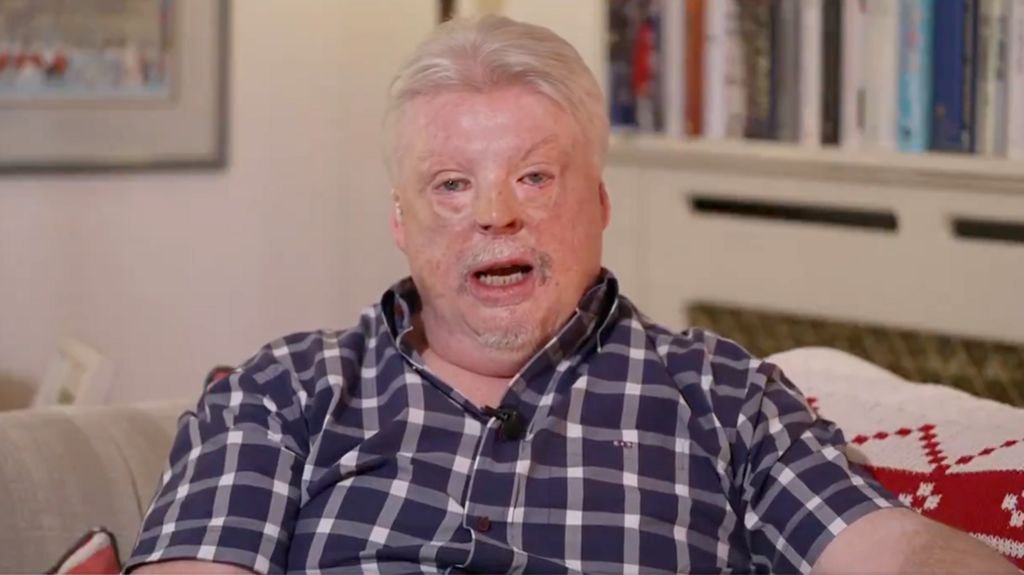
Falklands veteran hopes King can persuade Trump to ‘back down’
A decades-long sovereignty dispute over the Falkland Islands (known as the Malvinas to Argentina) has reignited after leaked reports suggested the United States could reconsider its longstanding stance on the contested South Atlantic territory, drawing sharp pushback from a decorated British Falklands War veteran.
Simon Weston, a Welsh Guardsman who survived the 1982 Falklands conflict with life-altering 46% burns after the bombing of RFA Sir Galahad, has publicly urged King Charles III to press US President Donald Trump to reverse course during the monarch’s upcoming state visit to Washington next week. In an exclusive interview with BBC Newsnight, Weston framed the potential US shift as a disrespectful slight to the sacrifices of service members who fought for the islands four decades ago.
Weston characterized the reported policy review as a childish “hissy fit” from Trump, saying it undermines the meaning of the sacrifices made by British troops and dismisses the right of Falklands islanders to self-determination. “He’s paying absolutely no heed to the humanity that he’s abusing with his words because the people of the Falklands deserve more respect, but so do every veteran who served down there deserve more respect,” Weston said. Calling Trump’s stance “very unstatesmanlike,” the veteran added that he was “sad and disappointed it’s come to this.”
The reported potential policy shift stems from an internal Pentagon email obtained by Reuters, which claims the US is weighing options to penalize NATO allies that it accuses of failing to back its campaign against Iran. The BBC has not independently verified the contents of the leaked email.
Downing Street has quickly reaffirmed Britain’s longheld position: sovereignty of the Falklands rests exclusively with the UK, and the islanders’ right to self-determination is non-negotiable. The United States has attempted to walk back tensions following the leak, however. A US State Department spokesperson told AFP on Friday that Washington’s stance remains unchanged: it maintains formal neutrality on sovereignty claims, acknowledges that both the UK and Argentina assert competing claims, and recognizes the UK’s de facto administration of the archipelago.
Sovereignty over the resource-rich islands has been a core nationalist rallying point for successive Argentine governments for decades. A commemorative plaque claiming the islands as Argentine territory sits in a prominent position in the country’s presidential palace. Current Argentine President Javier Milei, a close political ally of Trump, doubled down on his country’s claim this week, posting in all capital letters on social media: “The Malvinas were, are, and always will be Argentine.” Milei’s foreign minister has repeated calls to restart bilateral sovereignty negotiations with the UK—a demand the UK has repeatedly rejected—and condemned ongoing British efforts to explore and extract oil from the large offshore reserves surrounding the islands.
-

Dozens of sloths died before opening of Sloth World attraction in Florida
A planned Orlando, Florida, sloth exhibit billed as the region’s only purpose-built “slothnarium” has been thrown into chaos after regulators confirmed 31 of the mammals imported for the attraction died months before its scheduled spring opening, triggering widespread scrutiny of animal welfare practices and regulatory gaps in the state’s wildlife permitting system.
According to a report released Friday by the Florida Fish and Wildlife Conservation Commission (FWC), the bulk of the fatalities stemmed from dangerous, unfit living conditions at a private Florida warehouse where the imported sloths were held awaiting the attraction’s completion. The incident has already prompted additional investigations from multiple state and local regulators, as well as harsh criticism from animal conservation groups and elected officials.
The 31 sloths were imported in two separate shipments to be displayed at Sloth World, a permanent public tourist attraction marketed as a rainforest-inspired sanctuary built specifically to prioritize sloth welfare, located along Orlando’s busy tourist corridor. The FWC’s investigation, obtained by the BBC, details two separate fatal incidents that unfolded between late 2024 and early 2025.
The first shipment, carrying 21 sloths imported from Guyana, arrived in Florida in December 2024. Investigators found the animals were held in a disused warehouse that lacked basic running water and working electricity. Staff purchased portable space heaters to warm the temperature-sensitive tropical mammals, which naturally thrive in constant temperatures between 70°F and 86°F, but the heaters overloaded the building’s electrical system, tripping a circuit breaker that cut off power to the heaters. For at least one full night, the sloths were left without any heating during a week when outdoor low temperatures dropped to 46°F, according to regional historical weather data. All 21 sloths ultimately died from exposure to cold, a condition investigators labeled “cold stun.”
A second shipment of 10 sloths imported from Peru arrived in February 2025. Two of the animals were already dead on arrival, and the remaining eight were found to be severely emaciated. All eight later died from complications linked to their poor pre-existing health, the report confirmed.
When FWC investigators launched their probe, Peter Bandre, who is publicly listed as Sloth World’s vice president and promoted in the attraction’s marketing as “one of the most respected sloth experts in the world,” admitted the warehouse was never properly prepared to receive the animals. He told investigators the shipment could not be canceled after it was already en route, confirming the cold exposure killed the first group of sloths. The FWC also found that on two separate occasions, sloths under Bandre’s care were held in enclosures that failed to meet the state’s minimum captive wildlife welfare standards, resulting in a verbal warning at the time, but no formal citation.
Ben Agresta, owner of Sloth World, has pushed back against the FWC’s findings, dismissing the official report as rife with misinformation. Agresta claims the sloths died from an undetectable virus that produced no visible symptoms and could not be identified even after post-mortem necropsies. The BBC has reached out to Agresta, Sloth World, and its listed representatives for additional comment, but has not received a formal response.
The FWC closed its investigation without issuing any written warnings or formal citations, but an agency spokesperson confirmed that multiple other regulatory bodies are currently conducting separate probes into the incident. Last week, Orange County’s Building Safety Department posted a stop-work order at the warehouse where the sloths were held, citing alleged violations of state building codes and local county regulations.
With regulatory investigations ongoing and the site shuttered by local officials, it remains unclear whether Sloth World will ever open to the public as planned. The 13 surviving sloths intended for the attraction are currently being cared for by another accredited zoo in Central Florida, according to local media reports. While Agresta holds a valid state wildlife permit that allows him to exhibit captive wildlife, the incident has exposed major gaps in Florida’s regulatory framework, according to critics.
Democratic Florida State Representative Anna Eskamani, who has publicly criticized the handling of the case, noted that current rules do not require the FWC to be automatically notified when captive wildlife dies under a permit. She argued that the deaths would likely have never been uncovered without reports from concerned private citizens. “If it wasn’t for everyday people who care and reported these deaths it’s hard to know when FWC would have even learned about the deaths,” Eskamani said.
Leading sloth conservation organizations had already raised red flags about Sloth World long before the deaths were revealed. The Sloth Institute and the Sloth Conservation Foundation both warned that capturing wild sloths and shipping them long distances for captive exhibits puts the animals at extreme risk of life-threatening health complications stemming from sudden diet changes, stress, and adaptation to artificial environments. Sam Trull, executive director of The Sloth Institute, noted that for many illegally or improperly captured sloths, the stress of transit and captivity proves fatal.