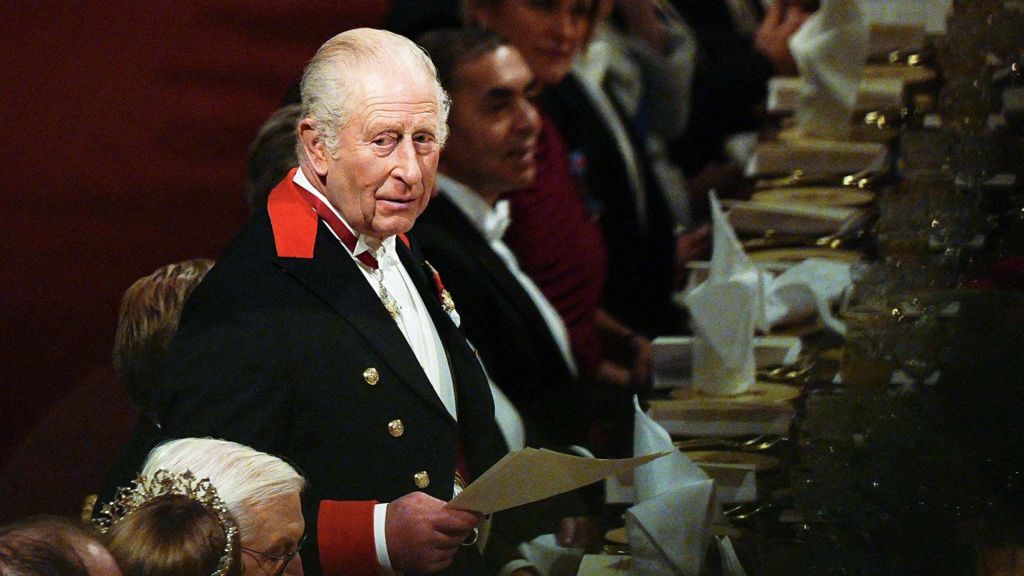
Four days of high-stakes diplomatic pageantry are set to kick off Monday in Washington D.C., as King Charles III and Queen Camilla arrive for their first state visit to the United States under the second Trump administration. The trip remains on track almost entirely in its original form, despite heightened security jitters following a weekend security breach at a Trump event that left a Secret Service agent with minor injuries.
标签: North America
北美洲
-
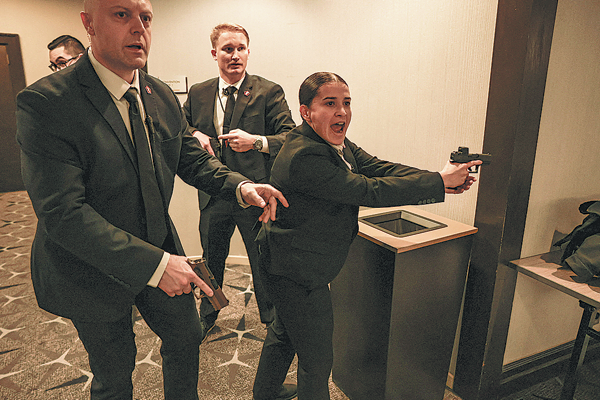
US shooting bares security vulnerabilities
On a Saturday night in Washington D.C., a brazen shooting attack at the annual White House Correspondents’ Association dinner has sent shockwaves across the nation’s capital, reopening long-simmering debates about gaps in U.S. security protocols amid a documented surge in political violence. The incident left one Secret Service agent injured, and remarkably, former and current U.S. President Donald Trump escaped without harm, though the attack has underscored just how vulnerable even the most heavily protected senior political figures remain.\n\nThe attack unfolded when an armed suspect stormed the lobby of the Washington Hilton, the venue hosting the high-profile gathering, before opening fire. Armed with a shotgun, a handgun, and multiple knives, the suspect managed to advance to a floor directly above the basement ballroom where Trump and dozens of the nation’s most senior government leaders were dining. This was Trump’s first appearance at the annual dinner since returning to the presidency, and hundreds of law enforcement officers from multiple federal and local agencies had been assigned to secure the event.\n\nIn addition to the president, Vice President JD Vance, Secretary of State Marco Rubio, Defense Secretary Pete Hegseth, Treasury Secretary Scott Bessent, and a roster of top congressional leaders, cabinet officials, and A-list celebrities were all in attendance at the event, which draws roughly 2,600 attendees annually.\n\nAuthorities have since identified the suspect as 31-year-old Cole Allen, a resident of Torrance, California. Washington’s police chief confirmed Allen was a registered guest at the Hilton hotel where the dinner was held, a venue with a fraught history: it was the site of the 1981 assassination attempt on former President Ronald Reagan, just a 10-minute drive from the White House.\n\nShortly after the incident, Trump shared an image of the subdued suspect, bound and lying on the ground, on his Truth Social platform. During a late-night White House press briefing, Trump confirmed law enforcement had raided Allen’s California apartment, and said preliminary investigations indicate the attacker acted as a lone wolf. When pressed on whether the attack could be tied to ongoing tensions related to the U.S.’s war with Iran, Trump noted, “I don’t think so. But you never know.”\n\nThe security breakdown that allowed an armed suspect to reach the upper floors of the venue has already raised urgent questions about protocol failures. While all dinner attendees were required to pass through metal detectors to access the basement ballroom, the hotel itself remained open to the general public, with anyone holding an event ticket allowed entry without additional screening. On the night of the attack, large crowds of protesters gathered outside the venue’s entrance demonstrating against the Trump administration’s Iran war, contributing to rushed entry screenings for guests, sources confirmed.\n\nFootage from inside the ballroom captured chaos as gunshots were reported, with attendees scrambling under tables and taking cover as security agents rushed Trump and other senior officials to secure evacuation routes. In a joint press conference following the attack, Washington D.C. Mayor Muriel Bowser confirmed all attendees had been accounted for and were unharmed beyond the injured Secret Service agent. U.S. Attorney for the District of Columbia Jeanine Pirro announced the suspect faces multiple felony charges, including use of a firearm during a violent crime and assault on a federal officer with a dangerous weapon. Trump later confirmed Allen is in official custody.\n\nInternational leaders have already spoken out to condemn the act of political violence. Canadian Prime Minister Mark Carney wrote on X, “Political violence has no place in any democracy and my thoughts are with all those who have been shaken by this disturbing event.”\n\nThis incident comes less than two years after two separate assassination attempts targeting Trump during the 2024 presidential campaign, the most high-profile of which was the July 2024 attack in Butler, Pennsylvania, where Trump narrowly escaped injury. Political violence has become increasingly frequent across the United States in recent years, and Saturday’s attack has confirmed what many security analysts have warned for months: even the nation’s most robust, well-funded protective detail for the president and senior leadership is not immune to critical vulnerabilities. Reuters notes it remains too early to draw definitive conclusions about whether law enforcement failures or communication gaps contributed to the security lapse, but the incident has already spurred renewed calls for sweeping reviews of security protocols for high-level political events.
-
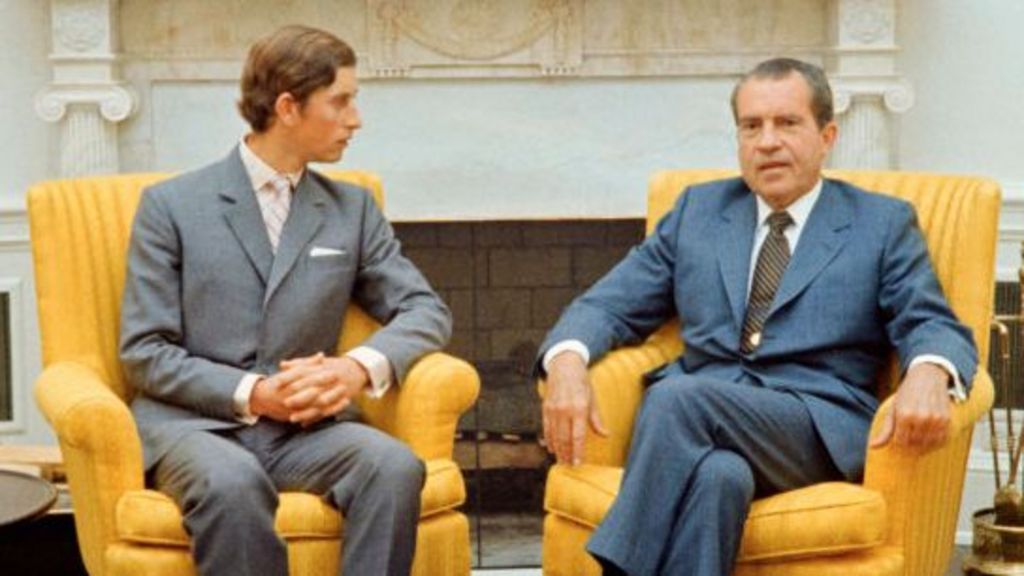
With presidents, cowboys and A-listers – King Charles in US over the years
For nearly his entire adult life, King Charles III has maintained a steady thread of official and unofficial visits to the United States, building connections with U.S. presidents, cultural icons, and communities across the country across more than five decades. Now, he is set to make his most high-profile U.S. trip yet: his first official state visit to the nation since ascending to the British throne following the death of Queen Elizabeth II.
The newly crowned monarch will touch down in the U.S. on Monday, kicking off a multi-stop itinerary that will take him to Washington D.C., Virginia, and New York, before he departs for the British overseas territory of Bermuda. This trip marks a major milestone: it is the first official state visit to the U.S. by a reigning British monarch in nearly 20 years, the last being Queen Elizabeth II’s 2007 visit hosted by then-President George W. Bush.
To contextualize the significance of this upcoming historic visit, it is worth tracing the long arc of Charles’s connections to the U.S., dating back to his first official trip as a 21-year-old prince in 1970. During that debut visit, Charles took a seat in the White House Oval Office for a formal meeting with President Richard Nixon. That same trip, he and his sister Princess Anne enjoyed a distinctly American leisure activity: a baseball game at Washington D.C.’s iconic RFK Stadium, where they joined the children of the U.S. president and vice-president in the stands. In a 1974 stop during a naval deployment to San Diego, Charles traveled to Palm Springs to meet then-California Governor Ronald Reagan — a meeting that came six years before Reagan would be elected to the Oval Office. That same year, during a trip to Los Angeles, Charles visited the Warner Bros. set of *Funny Lady* where he met legendary American entertainer Barbra Streisand, sparking a decades-long personal friendship between the two.
Charles’s 1977 U.S. trip brought both protests and lighthearted moments. During a campus visit in Cleveland, Ohio, mounted police were deployed to manage demonstrations against British involvement in Northern Ireland. Later that year, a visit to a Los Angeles department store brought a playful encounter: Charles shared a laugh with actors posing as the King’s Guard during the event. In 1980, a polo match at Florida’s Palm Beach Polo Club ended with an unexpected health scare, when Charles was hospitalized and treated for heat exhaustion and dehydration after the game.
As Charles’s public role evolved, so did the nature of his U.S. visits. In 1985, he and his first wife, the late Princess Diana, made a stop at a Springfield, Virginia, department store, where Diana browsed jewelry selections while Charles chatted with a sales clerk. The following year, during a trip to Austin, Texas, the mayor of the city presented Charles with a traditional cowboy hat, which he gamely wore for photographers.
It would be 20 years before Charles made another landmark official U.S. trip, after his divorce from Diana and his remarriage to Queen Camilla (then Camilla Parker Bowles). In 2005, he returned to the White House for an official dinner with President George W. Bush. That same New York trip, Charles met future president Donald Trump and his wife Melania at a reception held at the Museum of Modern Art, and also took time to greet students at Georgetown University in Washington D.C. A decade later, in 2015, Charles returned to the Oval Office once again for a meeting with President Barack Obama during another U.S. trip.
Across more than 50 years of visits, Charles has built a long history of engagement with American political, cultural, and civic life, making his first state visit as monarch a highly anticipated event that carries both historical weight and new diplomatic meaning for the special relationship between the U.K. and the United States.
-
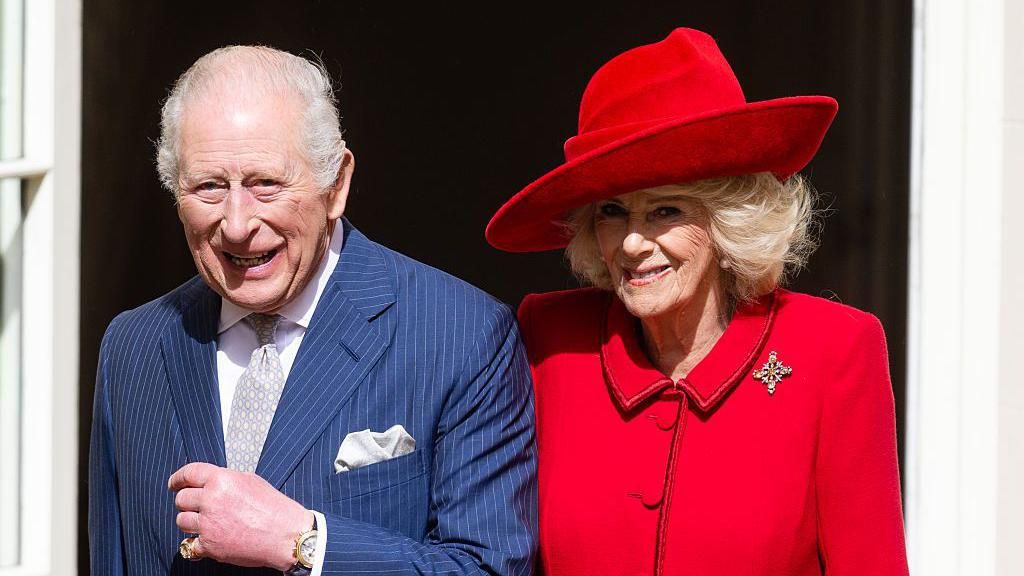
What to know about King Charles’s state visit to US
Nearly 20 years after Queen Elizabeth II’s final state visit to the United States, Britain’s current monarch King Charles III and his wife Queen Camilla have arrived for the first British state visit to the US in nearly two decades, set to run from April 27 to 30. Coming as the US prepares to mark the 250th anniversary of its Declaration of Independence from British rule, the four-day trip is framed as a celebration of the longstanding, close diplomatic alliance between the two nations. Unlike official working visits conducted by British prime ministers, state visits are formal, head-of-state-level engagements hosted by the invited nation’s head of state, placing this visit on the highest tier of diplomatic exchange.
The royal couple’s itinerary weaves together formal diplomacy, cultural exchange, and commemorative events across three jurisdictions: Washington DC, New York, and Virginia. Their first engagement on opening day will be an intimate afternoon tea with President Donald Trump and First Lady Melania Trump at the White House, followed by a guided tour of the recently expanded White House Beehive on the South Lawn. Later that day, a garden party will welcome British and American guests at the official residence of the British ambassador to the US. This marks the first time a British royal garden party has been held on American soil in decades; the last such event was hosted by King George VI and Queen Elizabeth at the Washington embassy back in 1939.
Day two of the visit will be centered on full formal diplomatic ceremonies at the White House. The Trumps will lead an official welcome featuring a full ceremonial military review, a tradition stretching back to the 1700s that will include the US Marine Band performing the national anthems of both countries and a 21-gun salute from the Presidential Salute Battery. Thousands of guests spanning cabinet members, congressional representatives, the British official delegation, military families, and students from the British International School of Washington will gather on the South Lawn to hear remarks from President Trump. After the welcome ceremony, the two heads of state will hold a bilateral meeting following a gift exchange and a formal receiving line for both national delegations. Parallel to this, Queen Camilla and First Lady Melania Trump will join American students for a cross-cultural education event that uses cutting-edge virtual reality headsets and AI-powered glasses to walk attendees through the shared history of the US and UK. In the evening, the Trumps will host a formal state dinner in the White House East Room in honor of the royal couple, where both President Trump and King Charles will deliver additional addresses. A key diplomatic highlight of the day will be King Charles’ address to a joint session of the US Congress, making him only the second British monarch ever to address the full legislative branch, following Queen Elizabeth II’s 1991 address during her state visit.
The visit has not proceeded without pre-event turbulence. Just two days before the royal couple’s arrival, a suspected gunman attempted to force entry into the White House Correspondents’ Dinner in Washington DC, prompting questions about whether security arrangements would force a postponement or adjustment to the trip. UK Chief Secretary to the Prime Minister Darren Jones confirmed that additional security consultations would be held immediately following the incident, but stressed that appropriate security measures would be put in place to mitigate any risk. By Sunday evening, Buckingham Palace issued an official confirmation that the visit would proceed unchanged, noting that “The King and Queen are most grateful to all those who have worked at pace to ensure this remains the case and are looking forward to the Visit getting underway tomorrow.” President Trump has expressed strong optimism about the trip’s impact on US-UK relations, telling reporters that the visit will absolutely repair and strengthen bilateral ties, praising King Charles as a fantastic, brave man with whom he has maintained a longstanding personal relationship.
After wrapping up their two days of engagements in the national capital, the royal pair will travel to New York City on Wednesday. Their first stop in the city will be the 9/11 Memorial, where they will meet first responders and family members of victims of the 2001 terrorist attacks. New York Mayor Zohran Mamdani will attend the memorial event but has no plans for a private meeting with the King, per a statement from his office. While in New York, King Charles will also visit a local community organization and meet with a gathering of transatlantic business leaders, while Queen Camilla will attend a literary celebration marking 100 years since the creation of the beloved children’s character Winnie the Pooh. The day will conclude with a high-profile reception focused on supporting the creative industries, with widespread expectation that A-list celebrities will be in attendance, though no guest lists have been released to the public.
On the final day of the state visit, the King and Queen will return to Washington DC for a formal farewell ceremony with the Trumps, followed by a wreath-laying ceremony honoring fallen service members from both nations, a tribute to the longstanding US-UK military alliance. From Washington, they will travel to Virginia to visit a national park, engage with Indigenous communities and learn about the region’s Appalachian cultural heritage, before joining a public community celebration marking the 250th anniversary of American independence. After concluding the US state visit, King Charles will travel to Bermuda, a British overseas territory of which he is head of state, for his first official visit to the territory as monarch, before returning to the United Kingdom.
Several key absences and unresolved controversies have marked the lead-up to the visit. BBC sources have confirmed that the royal couple will not hold a meeting with Prince Harry, Duke of Sussex, and his wife Meghan, who stepped down as working royals several years ago and currently reside in California. Additionally, there have been growing public calls from US lawmakers and Epstein survivor advocates for King Charles to meet with survivors of convicted sex offender Jeffrey Epstein. The calls come after King Charles’ brother, Prince Andrew, who had well-documented close ties to Epstein, was arrested in the UK in February on suspicion of misconduct in public office; Prince Andrew has repeatedly and vigorously denied all wrongdoing against him. Buckingham Palace has confirmed that King Charles will not hold a meeting with survivors during this visit, citing concerns that such a meeting could compromise ongoing police investigations and legal proceedings. Queen Camilla, however, is scheduled to meet with representatives of organizations working to end domestic abuse and violence against women during one of her public events on the trip.
In a series of informal interviews with the BBC ahead of the visit, everyday Americans shared their own suggestions for the royal couple’s downtime, with one lighthearted, widely shared recommendation: find time to try authentic American gelato during their stay across the country’s east coast.
-
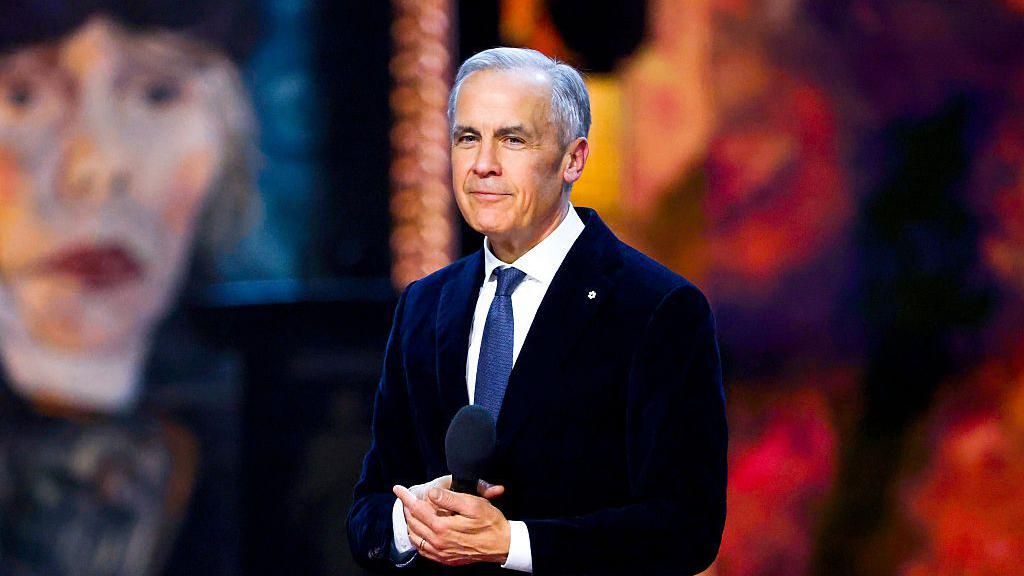
Canada’s Carney has enjoyed a long political honeymoon. Now comes the test
One year into Mark Carney’s tenure as Canada’s Prime Minister, the former two-country central banker with elite academic credentials from Harvard and Oxford finds himself at an unprecedented high in public approval, capping a meteoric rise from political outsider to leader of a G7 nation that has defied all conventional political playbooks.
Carney entered the political landscape 12 months ago, replacing Justin Trudeau as leader of the Liberal Party with a sterling professional resume but zero prior experience running for public office. Critics and political observers widely warned that his lack of elected experience would prove a fatal liability, but Carney defied those early expectations: he led the Liberals to a minority government in his first election, and within a year, secured a narrow parliamentary majority after five opposition Members of Parliament crossed the floor to join his caucus.
His rapid ascent has earned him international acclaim matching his domestic popularity. Last week, Time Magazine included Carney on its annual list of the world’s 100 most influential people. In a tribute written for the outlet, European Central Bank President Christine Lagarde dubbed Carney a “rock-star” economist and politician, crediting him as the first global leader to clearly conceptualize the breaking point of the old geopolitical order, fractured in the wake of Donald Trump’s second presidential term in the United States. “I trust he will now reinvent cooperation among the willing for the common good of all,” Lagarde wrote.
Carney’s high profile grew even larger following a January keynote address at the World Economic Forum in Davos, where he emerged as a leading global voice pushing back against Trump’s unilateral agenda. In the speech, he openly called out the rupture of the post-WWII rules-based international order and urged middle powers to collaborate to counter the growing risks of the new era of great power rivalry. The address was widely praised for its candor, cementing Carney’s reputation both at home and abroad as a steady leader for turbulent times.
Polling data from aggregate site 338Canada puts Carney’s current support at 46% — the highest approval rating of his tenure to date. David Coletto, CEO of leading Canadian polling firm Abacus Data, explains that a large part of Carney’s popularity stems from shifting voter priorities in Canada amid heightened tensions with the United States. Trump’s deeply unpopular policies, including steep sectoral tariffs on Canadian goods and repeated public comments suggesting Canada should become the 51st U.S. state, have left Canadians viewing external threats as the most pressing risk facing the country. This has upended long-standing Canadian political norms, where voters have historically prioritized domestic issues over foreign policy, Coletto notes. “It matters to Canadians that Canada has a leader that many in other parts of the world wish they had,” Coletto told the BBC, adding that the global acclaim reinforces public perception that Carney is “right for the job” at this moment of global uncertainty.
Carney has laid out an ambitious policy agenda for Canadians: the most sweeping housing construction plan since World War II, a push to position Canada as a global energy superpower, reduced economic dependency on the United States, and a forceful pushback against Trump’s tariffs. With high approval and a solid majority in parliament, expectations for transformative change run high. But as Carney enters his second year in office, political observers warn he has reached a critical inflection point: can he maintain his status as a global standard-bearer for progressive multilateral cooperation while delivering on core domestic promises to Canadian voters?
In his first year in office, Carney spent weeks traveling abroad, courting investment and trade opportunities in key markets including China, India, and the United Arab Emirates. But that global focus has drawn criticism from opposition leaders, who argue critical domestic files have been sidelined. Conservative Opposition Leader Pierre Poilievre has attacked Carney for lack of progress on renegotiating the U.S.-Mexico-Canada Agreement (USMCA), which is set for a mandatory review this summer. Steep U.S. tariffs on Canadian metals, automotive products, and lumber have already cost thousands of Canadian jobs, and as of yet, no formal negotiating date has been set for talks to resolve the dispute. Carney’s new U.S. Ambassador Mark Wiseman confirmed the timeline uncertainty to parliamentarians earlier this month. “What has Mark Carney really done in a year on this? He hasn’t held negotiations in five months,” Poilievre told reporters in Ottawa. “He’s done absolutely nothing on this file in the last year other than to stoke fear and distract from his catastrophic failings here at home.”
Domestic affordability is also reemerging as a top voter concern, putting pressure on Carney to deliver results. Global oil price spikes driven by the ongoing U.S.-Israel conflict with Iran have pushed up fuel costs across Canada, home prices remain out of reach for millions of first-time buyers, and youth unemployment has stayed stubbornly high. Carney has moved to address immediate pain points, recently announcing a temporary fuel tax cut and a one-time grocery rebate that will be deposited directly to eligible Canadians’ bank accounts in June. But longer-term promises have lagged: his flagship pledge to double annual home construction to cool housing prices has faced criticism from experts, who note his first budget allocated insufficient funding to the effort, and instead relies largely on tightening immigration to reduce housing demand. In a post-budget op-ed for the Toronto Star late last year, Mike Moffatt, a Canadian economist and former advisor to Justin Trudeau, wrote that Carney’s housing pledges had effectively been “watered down.”
Still, political insiders note Carney has room to deliver on his promises before the next general election, which is not scheduled until 2029 thanks to his newly secured parliamentary majority. “The country has been willing to give him a lot of rope to go out and do what he believes he needs to do in order to protect the country’s interests,” said Carlene Variyan, a veteran Ottawa-based political strategist who has worked with the Liberal Party for more than a decade, including a stint as the party’s national campaign spokesperson. The core question that will define Carney’s tenure, Variyan added, remains whether he can succeed as a global standard-bearer for a new multilateral coalition “while also taking care of his own people here at home.” Carney has acknowledged the growing pressure, releasing a 10-minute social media video last week reassuring Canadians that his administration “is acting and will continue to act” to solve the country’s most pressing challenges. But Poilievre argues that reassurances are not enough: Canadians need tangible action, not social media messaging.
-
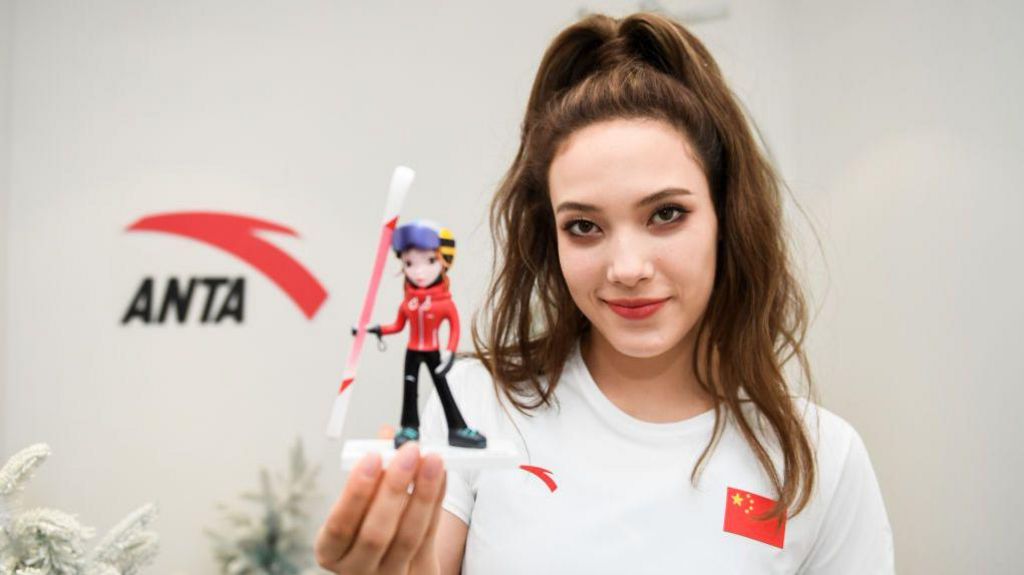
The Chinese sports brand taking on Nike and Adidas
In the late 1980s, as China began opening its economy to the world, 17-year-old high school dropout Ding Shizhong arrived in Beijing carrying 600 pairs of sneakers produced at a relative’s local factory. What began as a small street selling venture would evolve into one of the world’s fastest-growing sportswear powerhouses, challenging the long-held dominance of Western giants Nike and Adidas. Today, that humble startup is Anta Sports – a multinational multi-brand group with a portfolio that includes household names like Fila, Arc’teryx, Salomon, Wilson, and a major stake in Germany’s Puma, with bold ambitions to capture market share across the globe.
Anta’s origin story is deeply tied to the rise of Jinjiang, a small agricultural county in China’s southeastern Fujian province that grew into the self-styled “shoe capital of the world.” As part of China’s targeted industrial development policy for coastal regions, Jinjiang built a specialized manufacturing ecosystem that drew investment from global sneaker brands seeking lower production costs. At the heart of this boom was Chendai town, a 40-square-kilometer hub home to thousands of factories and specialized suppliers for every part of a shoe, from laces to soles to technical fabrics, paired with streamlined logistics that turned designs into finished retail goods in record time.
By 2005, United Nations estimates showed Fujian province alone produced nearly 20% of the world’s total footwear output, with one-third of Jinjiang’s workforce employed in the footwear sector, turning the region into one of China’s highest-earning economic districts. Fei Qin, an associate professor at the University of Bath who studied China’s coastal manufacturing clusters in the 2000s, notes this level of concentrated industrial specialization was unprecedented globally at the time. As foreign brands placed bulk orders with Jinjiang factories, local manufacturers gained far more than just revenue: they mastered cutting-edge production techniques, learning to deliver higher quality, faster turnaround, and more consistent output than competitors anywhere else in the world.
It was within this ecosystem that Anta cut its teeth, first producing bulk footwear for Western labels before building a robust domestic distribution network across China and gradually building its own brand recognition. Unlike many domestic manufacturers that remained stuck in low-margin subcontracting work, Anta prioritized growing its own brand, opening retail locations across China and sponsoring top domestic sports competitions from basketball to table tennis. In 2007, the company listed on the Hong Kong Stock Exchange, raising HK$3.5 billion ($450 million) – at the time, the largest ever IPO for a Chinese sports firm.
Branding consultant Wei Kan, who has worked with major global brands including Nike and Converse in China, says Anta stood out from its domestic competitors from an early stage thanks to its fully integrated production hub, which allowed it to design and bring new products to market far faster than most rivals. It was also one of the first Chinese brands to target the same mid-to-premium consumer segment that Western giants had long dominated. As Kan explains, firms that start as contract manufacturers for global brands gradually master end-to-end business operations, build strength in China’s massive domestic market, and naturally evolve into global competitors in their own right. Anta is far from the only example: Chinese tech giant Xiaomi started as a software developer customizing Android systems before launching its own line of smartphones, electronics, and now electric vehicles; drone leader DJI began making third-party camera and drone components before becoming the world’s top consumer drone manufacturer; and BYD, once a battery supplier for Tesla, is now the world’s largest electric vehicle producer. “Each of these firms are now giants in their fields,” Kan notes.
Today, Anta operates more than 12,000 stores across China and 460 outlets in international markets, with plans to expand to 1,000 locations across Southeast Asia alone over the next three years. In February 2026, the company opened its first standalone US flagship store in Los Angeles’ upscale Beverly Hills neighborhood, marking a major milestone in its global expansion push. This expansion comes amid a shifting global trade landscape, as former US President Donald Trump’s tariffs aimed at bringing manufacturing jobs back to the US have highlighted both the competitiveness and indispensability of Chinese manufacturing supply chains.
Anta’s global push has not been without its challenges. Chinese brands have long faced a persistent perception gap in Western markets, where many consumers still associate Chinese-made goods with low quality and low cost. Additionally, rising geopolitical tensions between Beijing and Western capitals, particularly Washington, have created additional headwinds for Chinese firms expanding abroad. To navigate these barriers, Anta has adopted a deliberate multi-brand acquisition strategy, rather than pushing its core Anta label directly into crowded Western markets.
The strategy first proved successful in 2009, when Anta acquired the brand rights for Fila in China, turning the century-old Italian athletic label into one of the company’s top revenue generators. In 2019, Anta purchased a controlling stake in Finland’s Amer Sports, gaining ownership of premium outdoor brands Arc’teryx and Salomon, as well as American sporting goods maker Wilson – the official supplier of game balls for the US National Basketball Association. Most recently, in 2026, Anta acquired a 29% stake in German sportswear giant Puma, with plans to accelerate the brand’s growth in China’s massive domestic market.
Sports business analyst Rufio Zhu of global marketing firm IMG explains that this approach allows Anta to enter foreign markets through established, well-regarded Western brands first, avoiding consumer skepticism around Chinese-owned labels. “These are moves that help Anta avoid ‘forcing’ its goods into every market and instead use its Western brands as a gateway,” Zhu notes. Celebrity endorsement deals, a cornerstone of global sportswear brand building, have also been a key focus: Anta has already signed top athletes including NBA stars Klay Thompson and Kyrie Irving, and counts Olympic freestyle skier Eileen Gu – a figure who became polarizing in Western media after choosing to compete for China instead of the US at the Winter Olympics – among its brand ambassadors. Still, the company has yet to land a game-changing global endorsement deal on par with Nike’s iconic 1980s partnership with Michael Jordan. As Wei Kan puts it: “Brands like Anta need to be ready to navigate the fine line between Chinese and Western markets, a challenge that comes with being a global Chinese brand.”
Anta’s global rise comes at a moment when its main Western rivals face mounting challenges both in China and abroad. Nike and Adidas have seen their earnings squeezed by US tariffs on Asian-manufactured goods, and Nike has struggled to revive sales in China after a misjudged post-pandemic e-commerce push amid a broader slowdown in Chinese consumer spending. Zhu says these struggles have created a unique opening for Anta, as global consumers increasingly show appetite for alternative sportswear brands. “The question isn’t whether Anta will raise their profile. It’s whether competitors can adapt quickly enough to defend their home turf,” Zhu says.
Fei Qin adds that China’s ongoing investment in factory automation is positioning its manufacturing sector for long-term global competitiveness, allowing for faster production and further cost reductions that will benefit firms like Anta. Standing in Anta’s new Beverly Hills flagship, where shelves are lined with performance sneakers and basketball shoes designed to compete directly with Nike and Adidas’ core product lines, company representatives acknowledge they have a long road ahead to build brand recognition in the US. Still, they remain optimistic about the future. “We’re realistic about the competition but the global sportswear landscape is not a zero-sum game,” an Anta spokesperson said. “We are confident that sports lovers will recognise Anta’s innovations and brand value.”
-
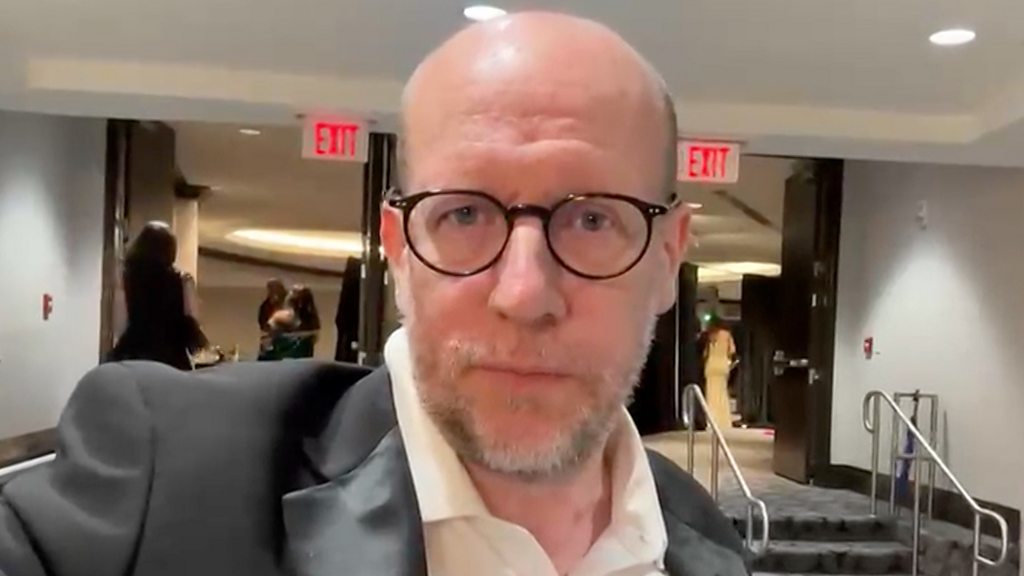
What it was like in the room during gunshots at Trump event
The annual White House Correspondents’ Dinner, a high-profile gathering that typically brings together Washington’s political elite, journalists, and public figures, was abruptly thrown into chaos earlier this week when gunshots rang out near the venue. In a firsthand account shared with audiences, BBC correspondent Tom Bateman, who was on site covering the event, has offered a vivid, unfiltered look at what unfolded in the moments after the first shot was heard.
Bateman described how the room, which had been buzzing with quiet conversation and pre-dinner networking just seconds before, descended into sudden panic. Attendees who moments earlier had been mingling, checking their notes, and chatting with colleagues froze, before a wave of urgent movement swept through the crowd. “You could instantly feel the shift in the energy,” Bateman recounted. “One moment everyone was going about their business, the next, people were diving under tables, scrambling for exits, and pressing themselves against walls to get out of the line of fire.”
Security personnel, who are routinely deployed in large numbers for White House-linked events, reacted within seconds, Bateman said. Teams of armed Secret Service agents and local law enforcement rushed through the room, blocking potential access points, directing terrified attendees to safe shelter, and conducting an immediate sweep of the building to locate the source of the gunfire. Event organizers quickly locked down the venue, suspending all scheduled programming as the situation unfolded.
In the immediate aftermath, as attendees waited in secured areas for the all-clear signal, the room was filled with a mix of anxiety and quiet confusion, Bateman added. Many pulled out their phones to alert family and friends that they were safe, while others clustered in small groups to share what they had seen and heard. As of the latest updates, preliminary investigations into the incident are ongoing, with authorities working to confirm the origin of the gunshots, whether there are any casualties, and what motive may have been behind the incident.
The incident has sparked renewed discussion about security protocols for high-profile political events in the United States, coming amid a broader rise in threats against public figures and political gatherings. For attendees and journalists on site, the interruption to what is normally a ceremonial, light-hearted event served as a sharp reminder of the persistent security risks that accompany political discourse in the country today.
-
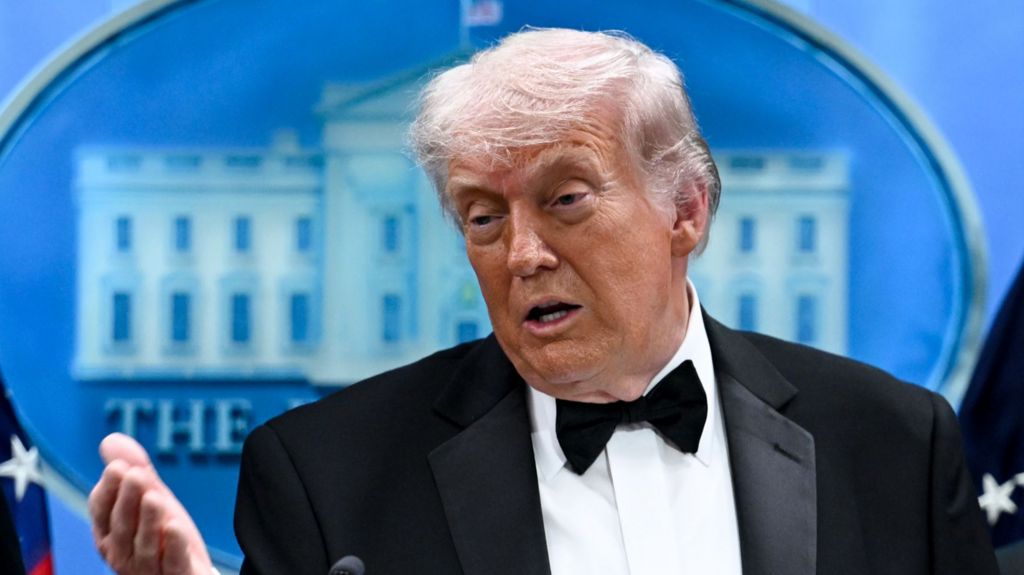
Trump and officials ‘likely’ targets of press dinner shooting suspect, authorities believe
On Saturday evening, a suspected armed attacker opened fire near a security checkpoint at the Washington Hilton hotel, where the annual White House Correspondents’ Dinner was underway, triggering a chaotic evacuation and launching a federal investigation into an apparent assassination plot targeting sitting U.S. President Donald Trump and senior administration officials.
Acting U.S. Attorney General Todd Blanche confirmed to reporters that preliminary investigations point to Trump and his top officials as the likely intended targets of the attack. The suspect has been identified by U.S. media as 31-year-old Cole Tomas Allen, a California native who lists his professional background as a mechanical engineer, game developer and educator on his public LinkedIn profile, and is an alumnus of the prestigious California Institute of Technology.
The incident unfolded at approximately 8:35 p.m. local time, when gunshots echoed through the hotel’s foyer, just one floor above the packed ballroom where more than a thousand guests, including Trump, First Lady Melania Trump, Vice President JD Vance, and Health and Human Services Secretary Robert F. Kennedy Jr., were gathered for the dinner. In accordance with established security protocols, Secret Service agents immediately rushed the president and other top officials off stage and to a secure location, locking down the ballroom before evacuating all attendees.
Law enforcement officials confirmed that officers exchanged gunfire with the suspect before intercepting him. Allen was not hit during the confrontation, but was taken to a local hospital for mandatory psychological evaluation following his arrest. Investigators confirmed Allen was carrying two firearms and multiple knives at the time of the attack. One responding officer suffered a gunshot wound, but escaped severe injury thanks to his bulletproof vest, and has since been discharged from the hospital, per Secret Service communications chief Anthony Guglielmi.
Multiple senior law enforcement officials have confirmed that Allen’s motive is still actively being investigated, with the FBI’s Criminal Division and national terrorism task force leading the probe. A senior U.S. official told CBS News that investigators have recovered written materials from Allen that explicitly state his intention to target senior members of the Trump administration. Prior to the attack, one of Allen’s family members contacted law enforcement after receiving these written materials, though the correspondence did not specifically mention the White House Correspondents’ Dinner as the planned site of the attack.
Blanche added that investigators have traced Allen’s cross-country travel to Washington D.C., confirming he took a train from his home state of California, stopping in Chicago before continuing on to the nation’s capital. Law enforcement teams are currently searching a residential address in Torrance, California, linked to Allen to gather additional evidence. Allen is scheduled to be arraigned in federal court on Monday on charges of assaulting a federal officer and using a firearm during a violent felony offense.
Shortly after the incident, Trump spoke to reporters from the White House, still dressed in his formal black tie dinner attire, and praised the quick action of the Secret Service that saved his life. “I can’t imagine that there’s any profession that’s more dangerous,” Trump told reporters, adding that “everyone in this room owes the Secret Service a tremendous debt of gratitude.” In a nod to the press corps in attendance, Trump also thanked journalists for their responsible coverage of the attack, and called on political opponents and the American public to resolve national differences through peaceful means.
In a formal statement released Sunday, the White House emphasized that Trump remains “stands fearless” after surviving the assassination attempt alongside senior cabinet members. Weijia Jiang, president of the White House Correspondents’ Association, who was seated next to Trump during the dinner, also publicly thanked the Secret Service for their rapid response that “protected thousands of guests” and called the attack a harrowing ordeal. Jiang added that the association’s board will meet in the coming days to determine next steps for the dinner and will release public updates as they become available.
Speaking to Fox News on Sunday, Trump said that the suspect had “a lot of hatred in his heart for a while” and confirmed that Allen had left a written manifesto laying out his intentions. The incident has also prompted Trump to renew his push for a controversial plan to build a new classified ballroom at the White House, writing on his social platform Truth Social that the attack would not have occurred if the “Militarily Top Secret Ballroom currently under construction” had already been completed. The project has already faced a series of ongoing legal challenges from critics.
This attack marks the third documented assassination threat against Trump since July 2024. The first attempt resulted in a bullet grazing Trump’s ear during a campaign rally in Butler, Pennsylvania, and a second suspected gunman was intercepted at Trump’s West Palm Beach, Florida, golf club in September 2024. Saturday’s dinner marked Trump’s first appearance at the White House Correspondents’ Dinner since he took office for his second term; his last appearance at the annual press event was in 2011, when he attended as a private citizen.
The attempted attack has drawn widespread international condemnation from world leaders. UK Prime Minister Keir Starmer said he was “shocked” by the incident, adding that “any attack on democratic institutions or on the freedom of the press must be condemned in the strongest possible terms.” Canadian Prime Minister Mark Carney said he was “relieved” that Trump, the first lady, and all other attendees escaped unharmed, a sentiment echoed by Australian Prime Minister Anthony Albanese, who said he was “pleased to hear” that no fatalities occurred at the scene.
-
Palace holding talks over plans for King’s US visit after DC shooting
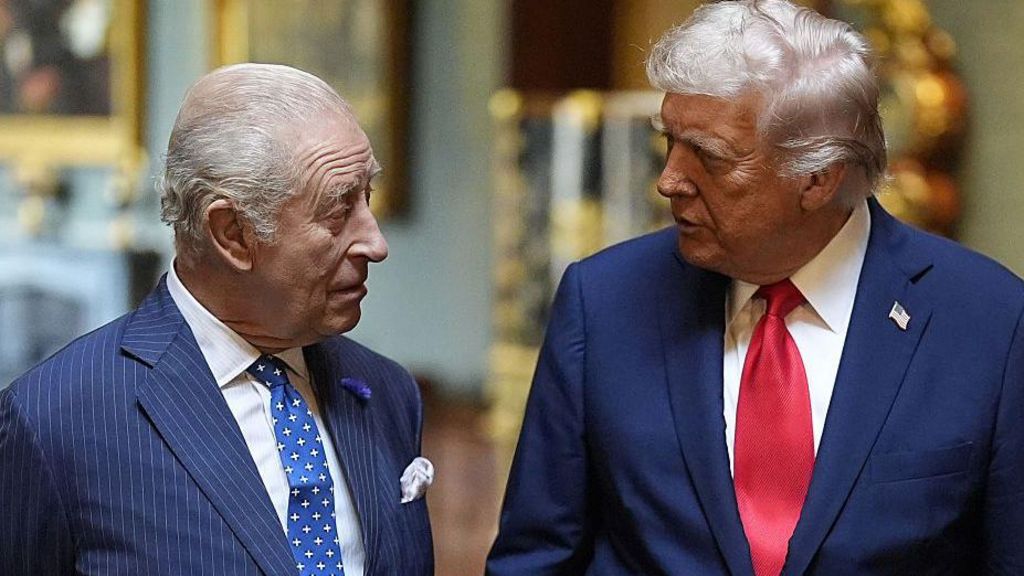
Just days ahead of King Charles III’s first state visit to the United States as Britain’s monarch, a shooting incident at the Washington DC White House Correspondents’ Dinner has forced security officials on both sides of the Atlantic to re-evaluate the trip’s operational plans. The four-day visit, which will also see Queen Camilla accompany the King, is still scheduled to kick off Monday, when the royal couple is set to arrive in the nation’s capital to be hosted by President Donald Trump.
Buckingham Palace confirmed in an official statement released Sunday that King Charles has received continuous updates on the Saturday evening shooting. The statement added that the monarch was “greatly relieved” to learn that President Trump, former first lady Melania Trump, and all other attendees at the dinner left the incident unharmed. Throughout Sunday, UK and US security and diplomatic teams held a series of discussions to assess whether the shooting would alter the trip’s itinerary and security protocols.
The details of the shooting have now been confirmed by law enforcement and administration officials: a 31-year-old suspect identified as Cole Tomas Allen, a native of Torrance, California, opened fire while attempting to force entry into the dinner venue. President Trump and Melania Trump were immediately evacuated, and footage of the immediate aftermath shows armed security personnel rapidly removing U.S. Vice President JD Vance from the event stage. One Secret Service agent sustained a close-range gunshot wound, but his bulletproof vest prevented a fatal injury; no other attendees or officials were hurt. Acting U.S. Attorney General Todd Blanche told NBC’s *Meet the Press* that Allen is believed to have targeted current Trump administration officials, and will be arraigned on federal charges on Monday, the same day the royal visit begins.
Blanche sought to reassure the public that robust security arrangements are already in place for the King’s visit, saying he is “very confident” in the royal couple’s safety. He framed the response to the Saturday shooting as proof that the U.S. national security system functions as intended, noting that an “all-government approach” is being deployed to secure the visit.
UK officials echoed that the trip will move forward with adjusted, enhanced security. Chief Secretary to the Prime Minister Darren Jones told the BBC’s *Sunday with Laura Kuenssberg* that Downing Street and Buckingham Palace have maintained close coordination with U.S. security teams since before the shooting, and additional discussions would continue Sunday to finalize updated plans. A senior government official emphasized that “appropriate security in place in relation to the risk” for the visit.
Shadow Home Secretary Chris Philp also agreed the visit should not be canceled, arguing that violence must not be allowed to disrupt normal diplomatic and political activity. Even so, he urged joint UK-US security teams to conduct a full overnight review of the King’s security detail to close any potential gaps, noting that while standard high-level visit security is already stringent, a fresh review was “vital” after the shooting.
Top UK political leaders from across the partisan divide have already united to condemn the shooting. Prime Minister Keir Starmer wrote on X that he was shocked by the incident, calling any attack on democratic institutions and press freedom something that “must be condemned in the strongest possible terms.” Liberal Democrat leader Ed Davey called the scenes “really shocking,” stressing that “political violence is wrong” and expressing relief that no lives were lost. Reform UK leader Nigel Farage echoed that sentiment, noting that “however much we disagree about politics, if violence is used we all lose.”
This state visit marks the first by a British monarch to the United States since Queen Elizabeth II’s 2007 trip, and the itinerary includes major diplomatic engagements: King Charles is expected to address a joint session of the U.S. Congress, lay a wreath honoring fallen British and American service members in Virginia, and visit the 9/11 Memorial in New York City. While the trip is moving forward, security planners are weighing adjustments to the King’s traditional public meet-and-greets with crowds, a staple of royal overseas visits. Security was already set to be extremely high-profile for the trip, but has now been elevated another tier. The unprecedented security bubble that surrounded President Trump’s autumn 2024 visit to the UK, which kept him entirely within the secured grounds of Windsor Castle and cut off all public interaction, is being cited as a potential precedent for any last-minute changes.
Beyond security, the visit arrives amid a fresh diplomatic point of friction: recent reports have emerged that the U.S. may review its longstanding position on UK sovereignty over the Falkland Islands. Philp said it would be “very reasonable” for the King to raise the issue with President Trump during their talks. While Jones declined to speculate on what the King would discuss in private, he reaffirmed the UK government’s clear stance: “The Falklands is British territory and the only people that get to decide otherwise are the islanders themselves.”
Not all voices have backed moving forward with the trip, however. Jonathan Dimbleby, a prominent broadcaster, royal historian, and close associate of King Charles, told BBC Radio 4 that the visit should be postponed. He argued that the inherent unpredictability of President Trump, who Dimbleby claimed has “systematically mocked” the UK, makes this a poor moment to deploy the monarch as a tool of British soft power. “Sound judgement is to deploy that asset, that soft power, at the right time. I think this is not the right time,” Dimbleby said, noting that Trump can be effusive in praise of the royal family one day and critical of British leadership and institutions the next. For trip planners already navigating a diplomatically complex visit, the Saturday shooting has added a new set of last-minute uncertainties and decisions to resolve before Monday’s arrival.
-
Washington hotel shooting raises questions about Trump security
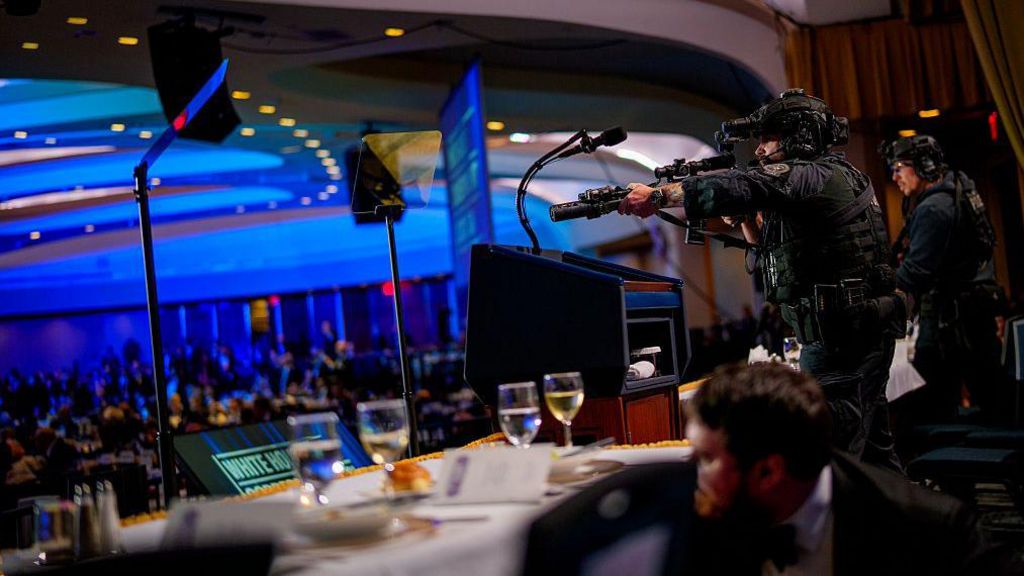
On a Saturday evening in Washington D.C., gunfire interrupted the annual White House Correspondents’ Association dinner at the Washington Hilton, throwing the nation’s capital into another national security crisis and triggering urgent questions about gaps in presidential protection protocols.
Even hours after the incident was contained, U.S. President Donald Trump appeared before reporters in a crisp black tuxedo, reflecting on the recurring threats that have followed him through his political career. “I can’t imagine that there’s any profession that is more dangerous,” he told assembled media. While Trump remains the most heavily protected public figure in the world, guarded by a large contingent of Secret Service agents around the clock, three major security incidents targeting the president in less than two years have exposed persistent vulnerabilities in the system designed to keep him safe.
This latest incident marks the third high-profile attempt on Trump’s life since summer 2024. The first saw a bullet graze his ear during a campaign rally in Butler, Pennsylvania. Just 64 days later, a second would-be assassin targeted Trump while he played golf at his private course in Florida. Now, just months into his second term, a shooting at one of Washington’s most high-profile annual political gatherings has once again put presidential security under intense public and political scrutiny.
The suspected shooter has been identified as 31-year-old Cole Tomas Allen, a registered guest at the Washington Hilton. Authorities confirmed Allen was armed with a shotgun, a handgun, and multiple edged weapons when he attempted to breach security checkpoints leading to the dinner ballroom. Closed-circuit footage shared on social media by Trump shows Allen charging through a Secret Service checkpoint located one floor above the main gala space. He exchanged gunfire with responding law enforcement officers before being taken into custody, and no civilians or protecting agents were seriously injured during the confrontation. Trump and Vice-President JD Vance were immediately evacuated from the stage by Secret Service agents and were never in imminent danger, according to official statements.
Multiple witnesses who attended the dinner, including senior journalists and foreign diplomats, have raised sharp questions about the laxity of on-site security arrangements. BBC Chief North America Correspondent Gary O’Donoghue, who was present at the event, noted that while surrounding roads were closed for hours ahead of the dinner, security screening at the venue itself was surprisingly minimal. “The man on the door outside only took a cursory look at my ticket from what must have been six feet away,” he recalled. Former UK ambassador to Washington Kim Darroch, a veteran of multiple past correspondents’ dinners, criticized the layered security setup for the event, telling the BBC’s *Sunday with Laura Kuenssberg*: “If you were there [as a hotel guest] and you had bad intentions about breaking into this dinner, there’s just one security thing you had to get past… and then you’re in the ballroom.” The hotel remained open to regular paying guests throughout the gala, a decision that allowed Allen access to the building without additional screening.
Acting U.S. Attorney General Todd Blanche told NBC News that early investigations indicate Allen intended to target senior administration officials, “likely including the president.” Trump later used the incident to bolster his case for a new, purpose-built White House event ballroom, a project currently tied up in litigation. He described the Washington Hilton as “not a particularly secure building” and argued the new facility would address critical security gaps. “It’s actually a larger room, and it’s much more secure. It’s drone proof. It’s bullet-proof glass. We need the ballroom,” he emphasized. At the same time, he praised the Secret Service agents who responded to the threat, saying they did “a great job” evacuating him and the Vice-President and stopping the suspect quickly.
Law enforcement and presidential security experts have offered mixed assessments of the incident response. Many argue that the system worked as intended: the gunman never breached the ballroom where hundreds of high-profile guests were gathered, and agents followed their training to protect the president immediately. Former FBI special agent Jeff Kroeger told the BBC: “This is exactly what the Secret Service is trained do to. When gunshots were heard they converged on the president, creating a body barrier.” Former Secret Service agent Barry Donadio similarly noted that there was no shortage of personnel deployed to the event, adding that the suspect was stopped well before he could reach primary targets. Moving forward, experts predict security protocols for all Trump-related events will be tightened, most notably with expanded secure perimeters around venues.
Beyond immediate questions about security at the dinner, the incident has refocused national attention on the growing crisis of political violence in the United States. Official data shows threats against sitting members of Congress and senior executive branch officials have risen sharply in recent years: U.S. Capitol Police investigated more than 8,000 threats against lawmakers in 2023, a 50% increase compared to 2018.
This shooting is just the latest in a long string of high-profile political attacks stretching back nearly a decade. In 2017, House Majority Whip Steve Scalise and four other people were shot and wounded during a congressional baseball practice in Virginia. In 2022, Paul Pelosi, husband of then-House Speaker Nancy Pelosi, was attacked with a hammer and suffered a fractured skull. Just last year, Minnesota State Representative Melissa Hortman and her husband were shot and killed, while State Senator John Hoffman and his wife were seriously injured in a targeted attack. Just months later, prominent conservative commentator Charlie Kirk was assassinated while speaking at a Turning Point USA event in Utah, with the attack filmed and spread widely across social media platforms.
Notably, the 1981 assassination attempt on former President Ronald Reagan also took place outside the Washington Hilton, the same venue that hosted Saturday’s dinner. Reagan survived a punctured lung from the gunshot wound inflicted by would-be assassin John Hinckley Jr.
When asked about the recurring threats against him, Trump noted that he had studied the history of presidential assassination attempts, pointing out that iconic past presidents including Abraham Lincoln also faced repeated threats. “They’re big names, and I hate to say I’m honoured by that, but I’ve done a lot [for the US],” he said.