标签: North America

北美洲

  • Carney says Alberta is ‘essential’ to Canada as province plans vote on separation

    Carney says Alberta is ‘essential’ to Canada as province plans vote on separation

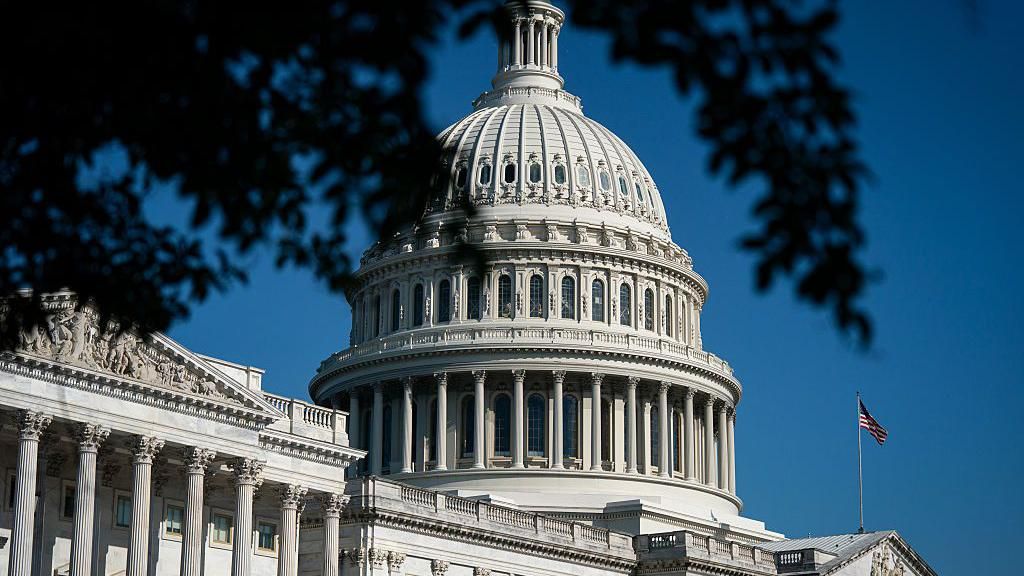
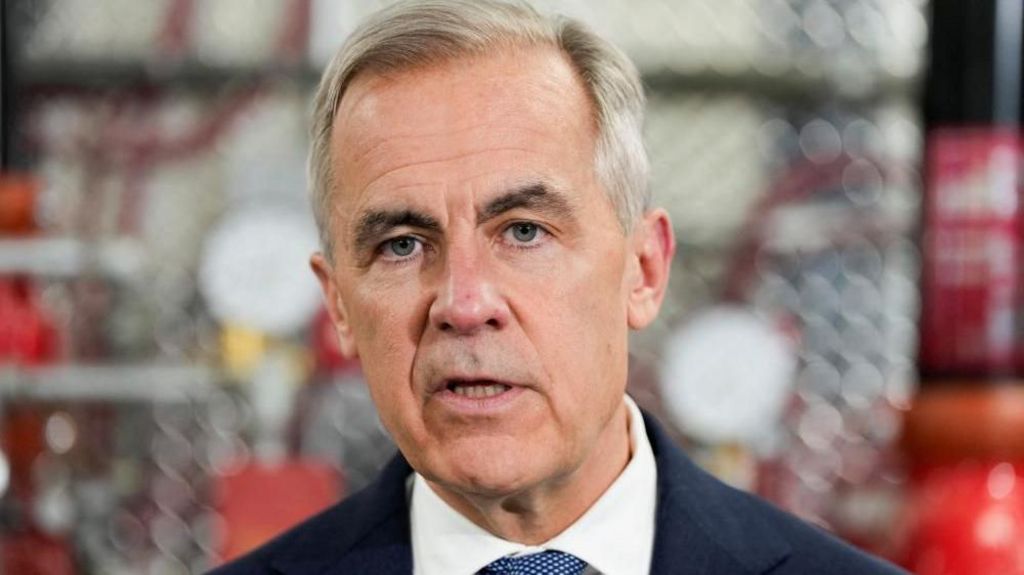
    Canada is facing its most significant test of national unity in decades after Alberta’s provincial government announced a non-binding referendum this October on the province’s place within the Canadian federation, capping years of growing separatist sentiment in the resource-rich western region. The announcement came one day after Prime Minister Mark Carney publicly reaffirmed Alberta’s irreplaceable role in the country, emphasizing that the province’s contributions have been foundational to Canada’s growth and that his government’s national reform efforts center on including all regions, including Alberta.

    The separatist movement in Alberta has gained traction over the last several years, driven by widespread frustration among many residents who feel their province’s economic and political priorities are systematically ignored by federal policymakers based in Ottawa. Most polling to date shows a clear majority of Albertans oppose full independence, with roughly one quarter of respondents voicing support for separation. Earlier this year, a pro-unity petition collected more than 400,000 signatures from across the province, demonstrating the depth of support for remaining part of Canada.

    Despite that majority, grassroots separatist pressure forced Premier Danielle Smith to address the demand for a public vote. A separatist petition crossed the 300,000 signature threshold required to trigger a binding independence referendum earlier this year, but a successful legal challenge by Alberta First Nations groups halted the signature verification process earlier this month, leaving the original plebiscite plan in legal limbo. A court ruled that the Alberta provincial government failed to fulfill its legal obligation to consult with Indigenous communities on the referendum plan before approving the petition process.

    Smith has publicly rejected the court ruling, and while the decision blocks her from moving forward with a binding vote immediately, she has pushed forward with a new voting plan for October 19. On that date, Albertans will answer a two-part question: whether the province should remain part of Canada, or whether the provincial government should begin the formal legal process to hold a binding independence referendum at a future date.

    “I will not have a legal mistake by a single judge silence the voices of hundreds of thousands of Albertans,” Smith said in her public announcement. “Alberta’s future will be decided by Albertans, not the courts.” The premier added that her government is appealing the original court ruling, a process that could stretch into a lengthy legal battle, and confirmed she will personally vote to keep Alberta within Canada. She also committed to campaigning for the pro-unity side through a series of summer town halls, arguing the province can no longer delay addressing the independence question. When asked if she risked repeating the legacy of former British Prime Minister David Cameron, who called the Brexit referendum that split the U.K. despite opposing the exit side, Smith said she has no fear of Albertans’ judgement. “You have to be prepared to have the debate, and you have to be prepared to defend your position,” she stated.

    Prime Minister Carney, speaking during a tour of renovation work at Canada’s federal Parliament building on Friday, struck a unifying tone in his first public comments following Smith’s announcement. “We’re renovating the country as we go, and Alberta being at the centre of that is essential,” Carney said, praising the “huge contributions” the province has made to Canada’s national identity and economy, and noting his government is working to improve conditions for all Canadians, including those in Alberta.

    Smith’s compromise plan has failed to win support from either side of the debate, drawing widespread criticism from pro-independence activists, Indigenous leaders and provincial opposition politicians. The Sturgeon Lake Cree Nation issued a harsh statement condemning Smith’s government as “undemocratic, authoritarian, and willing to bend to the whims of a loud, angry minority.” Naheed Nenshi, leader of Alberta’s official opposition New Democratic Party, dismissed the October vote as “needless,” accusing Smith of deliberately delaying action to shore up her own hold on political power. Even separatist leaders have expressed frustration with the plan: Mitch Sylvestre, a leading figure in the pro-independence movement, told the *Globe and Mail* that he “feel[s] duped” by the revised proposal. In response to the criticism, Smith defended her decision during a Friday press conference, saying the province cannot “kick the can down the road” for years by leaving the independence question unresolved.
  • Judge dismisses criminal case against Kilmar Abrego Garcia

    Judge dismisses criminal case against Kilmar Abrego Garcia

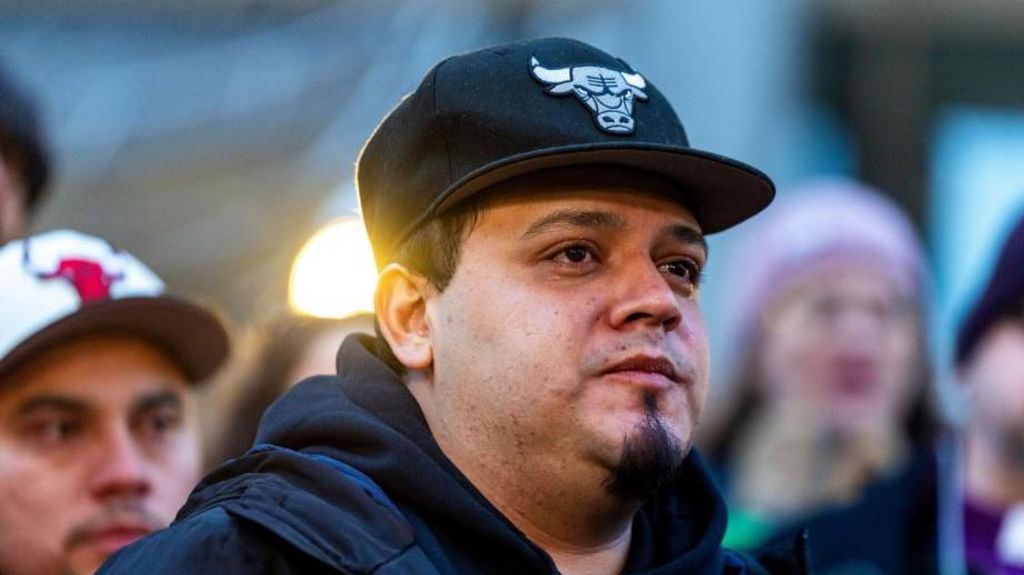
    A high-stakes immigration controversy centered on the Trump administration’s border policies has reached a dramatic conclusion, after a federal judge threw out the criminal case against Kilmar Abrego Garcia, an immigrant wrongfully deported to one of El Salvador’s most notorious maximum-security facilities last year.

    Abrego Garcia’s journey through the US immigration system has been one of the most visible flashpoints in national debates over executive overreach in immigration enforcement. The 30-year-old, who entered the United States as a teenager from El Salvador and has resided in Maryland for years while married to a US citizen, first received court-ordered protection from deportation in 2019. That protection was granted on the basis that he faced credible threats of deadly persecution from gangs in his home country.

    Despite the court’s order, the Trump administration wrongfully deported Abrego Garcia to El Salvador in March 2025. He spent months confined in CECOT, El Salvador’s infamous mega-prison infamous for its harsh, overcrowded conditions, before the US Supreme Court ordered the federal government to facilitate his return to the US. Instead of releasing him after repatriation in June 2025, however, federal authorities moved to charge him with human smuggling connected to a 2022 Tennessee traffic stop, where he had been found transporting multiple individuals in his vehicle.

    Abrego Garcia immediately entered a plea of not guilty to the charges, and his legal team argued the case was nothing more than a vindictive effort to justify the government’s earlier wrongful deportation. On Friday, that argument won the support of US District Judge Waverly Crenshaw, who formally dismissed the case in a detailed ruling that called out the executive branch’s politically motivated prosecution.

    “The Court does not reach its conclusion lightly,” Crenshaw wrote in her opinion. The judge made clear that the prosecution was only revived to retroactively justify the botched deportation, noting that federal investigators had closed the probe into the 2022 traffic stop back in November 2022. The case was only reopened after Abrego Garcia successfully sued to challenge his wrongful removal and secure his return to the US.

    “The objective evidence here shows that, absent Abrego’s successful lawsuit challenging his removal to El Salvador, the government would not have brought this prosecution,” Crenshaw stated from her Tennessee courtroom. The judge also emphasized that the Trump administration had failed to provide any evidence to counter the clear presumption of vindictiveness surrounding the charges.

    Speaking after his release from federal detention Friday, Abrego Garcia declared, “I stand before you as a free man.” The US Department of Justice has not yet issued any public comment in response to the judge’s ruling.

  • Who’s eligible for the ‘Anti-Weaponisation Fund’? Trump’s critics think they might be

    Who’s eligible for the ‘Anti-Weaponisation Fund’? Trump’s critics think they might be

    What was framed as a redress fund for people harmed by what the current U.S. Justice Department calls improper political weaponization of law enforcement has quickly erupted into a national political firestorm, as high-profile critics of former President Donald Trump have stepped forward to announce they will pursue claims against the fund — upending widespread assumptions that the pot of money was intended exclusively for Trump allies.

    Acting Attorney General Todd Blanche first announced the $1.8 billion fund as part of a settlement agreement with Trump over the unauthorized leak of his personal tax returns to the press. From the outset, Blanche emphasized that the fund was built to compensate people harmed by unlawful government targeting. In a explanatory memo sent to skeptical Republican senators, Blanche justified the massive size of the fund by noting that “literally tens of millions of Americans were subjected to improper and unlawful government targeting,” adding that no partisan barrier would block claims: “there is no partisan restriction; Democrats can submit claims, too.”

    But the broad wording of the fund’s eligibility rules has created an unexpected scenario: the first high-profile figures to publicly announce their intention to file claims are some of Trump’s most vocal political opponents, starting with Michael Cohen, Trump’s one-time personal fixer who turned on his former boss and testified against him in two separate high-profile criminal trials.

    “After years of being smeared, surveilled, financially exposed, imprisoned, and silenced, I will file a claim asking whether America’s justice system became America’s political weapon,” Cohen wrote in a post on the social platform X.

    Cohen has a long and fraught history with the legal system: he pleaded guilty to a slate of charges including lying to Congress, tax evasion, illegal campaign finance violations, and bank fraud in 2018. He was briefly released from prison early at the height of the COVID-19 pandemic in 2020, but was rearrested shortly after, before a federal judge ultimately ordered his release, finding the government had improperly retaliated against him for preparing to publish a tell-all book critical of Trump. Trump and his legal team, which includes Blanche during Trump’s ongoing Manhattan criminal trial, have repeatedly questioned Cohen’s credibility, pointing to his prior conviction for lying to federal investigators.

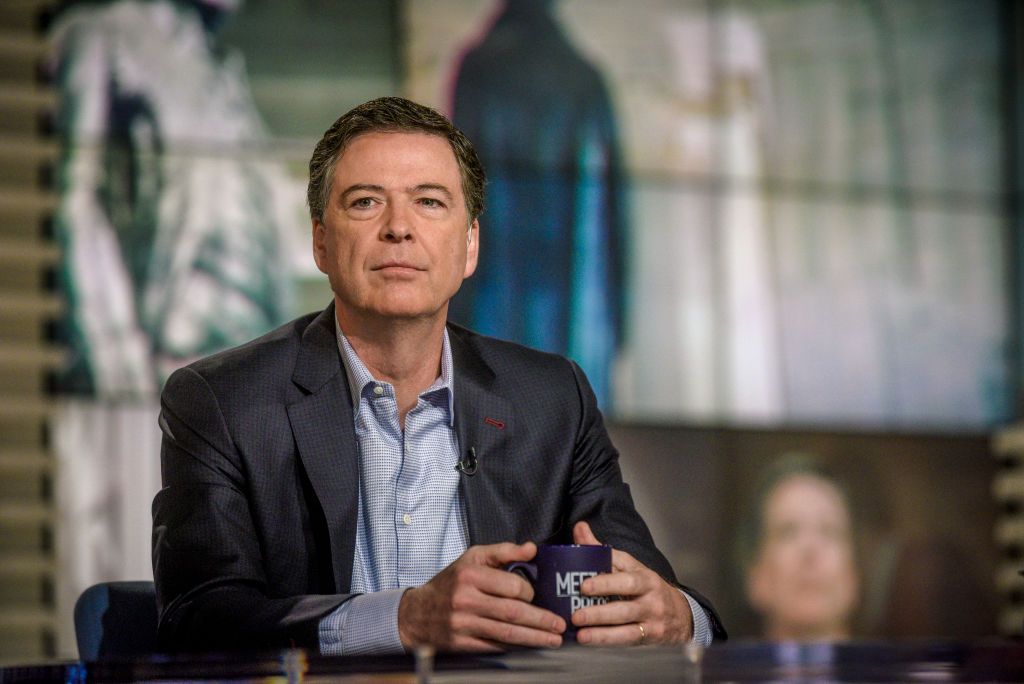
    Cohen is far from alone. Former FBI Director James Comey, who was twice indicted by the current Justice Department over cases that multiple legal experts have described as legally questionable, confirmed to CNN that he also intends to join the line for compensation. Comey, who was fired by Trump in 2017 and has been a public critic of the former president ever since, noted that the fund was explicitly created to compensate people targeted for political, personal, or ideological reasons. “So I’m guessing, I’ll be in line,” Comey said, adding a pointed jab: “I hope I’ll be ahead of those who savagely beat police officers and sacked the Capitol.”

    Comey’s first indictment was ultimately dismissed by a judge, who sided with his legal team’s argument that the prosecution was driven by improper retaliation. A second pending case accuses Comey of threatening the president via a social media post that showed seashells arranged to spell “86 47” — a reference to removing Trump from office, a reference that Comey’s team calls a harmless political joke. Blanche has defended the new charges, arguing that any threat against a sitting U.S. president must be treated as a serious matter.

    Other prominent Trump critics have also joined the push for compensation. Allison Gill, the political commentator behind the popular “Mueller, She Wrote” podcast and X account, says she will file a claim for $8.647 million, alleging she lost her government job after the Trump administration retaliated against her for the content of her criticism-focused podcast.

    To date, the Department of Justice has declined to respond to requests for comment or clarification on whether high-profile figures like Cohen, Comey, and Gill actually meet the fund’s eligibility requirements.

    The opaque structure of the fund has already drawn widespread criticism from both sides of the aisle. Initial assumptions that the fund would primarily deliver payouts to hundreds of people convicted for their roles in the January 6, 2021 Capitol riot — a group Trump pardoned on his first day back in office — have proven partially correct: multiple people charged in connection with the attack have told U.S. media they hope to receive compensation, and several conservative Trump-aligned figures have already filed claims. Michael Caputo, a first-term Trump administration official who was targeted in the 2016 Russian interference investigation, has already publicly posted his claim for $2.7 million in damages.

    Bipartisan groups of lawmakers, including many members of Congress who were forced to evacuate and hide during the January 6 riot, have demanded Blanche release clear details on who qualifies for payouts. The settlement agreement explicitly bars Trump and his immediate family from receiving any money from the fund, but that has done little to ease concerns.

    A closed-door meeting between Blanche and Senate Republicans on Thursday turned tense, multiple media outlets reported, with many lawmakers voicing strong opposition to the fund. Pennsylvania Republican Representative Brian Fitzpatrick has already sent a formal letter to Blanche asking for clear answers on whether “individuals convicted of federal crimes associated of acts of violence” will be allowed to receive payouts. Fitzpatrick has also introduced bipartisan legislation with New York Democrat Tom Suozzi that would block any federal money from being used to pay out claims from the fund.

    Blanche has pushed back against claims from Democratic lawmakers that the fund is nothing more than an unauthorized “slush fund” for Trump allies, working to reassure wavering Republican senators that their opposition would not derail other administration priorities. Senate Republican Majority Leader John Thune has publicly stated he is “not a big fan” of the fund, though some conservative Republicans have come out in support of the initiative. Alabama Senator Tommy Tuberville defended the fund on the Senate floor, arguing that “hundreds” of “innocent patriotic Americans sat behind bars for the past five years over this made-up witch hunt” connected to the January 6 investigations.

    The fund will be overseen by a five-person board appointed entirely by the attorney general, with one seat to be filled in coordination with Congress, leaving many unanswered questions about how claims will be reviewed and vetted as applications begin to roll in from across the political spectrum.

  • ‘Stupid on stilts’ – Trump’s investigation compensation fund draws ire of Republicans

    ‘Stupid on stilts’ – Trump’s investigation compensation fund draws ire of Republicans

    A controversial $1.8 billion compensation fund created by the Trump administration has thrown federal government funding negotiations into chaos, after a bloc of Trump’s own Republican lawmakers blocked a critical spending bill over fierce objections to the initiative. The so-called Anti-Weaponization Fund, established by the U.S. Department of Justice, was created as part of a settlement agreement that ended former President Donald Trump’s lawsuit against the Internal Revenue Service (IRS) over the unauthorized release of his personal tax records. In exchange for dropping his legal challenge, Trump secured a formal apology from the agency and approval for the fund, which is intended to pay individuals who claim they were unfairly targeted for political investigations by previous presidential administrations.

    Critics on both sides of the aisle have slammed the initiative as an unaccountable “slush fund” reserved for Trump’s political allies. The most explosive controversy centers on eligibility for claimants charged in the January 6, 2021 attack on the U.S. Capitol, many of whom received full pardons from Trump during his first day back in office. According to Department of Justice (DoJ) data, nearly 1,600 people have been charged with crimes connected to the riot, including 175 defendants facing charges for using deadly weapons or inflicting serious harm on the roughly 140 police officers injured during the assault.

    Top Senate Republican Mitch McConnell issued a blistering rebuke of the plan this week, saying, “So the nation’s top law enforcement official is asking for a slush fund to pay people who assault cops? Utterly stupid, morally wrong – Take your pick.” North Carolina Republican Senator Thom Tillis echoed the criticism, calling the fund “stupid on stilts” and arguing that using taxpayer dollars to compensate rioters who attacked police is fundamentally indefensible. “That’s absurd,” Tillis said of the prospect of pardoned, convicted rioters receiving payouts. “It will invariably put us in a position where your taxpayer dollars and my taxpayer dollars could potentially compensate someone who assaulted a police officer, admitted their guilt, got convicted, got pardoned, and now we’re going to pay them for that?”

    Democratic lawmakers have joined Republicans in condemning the fund, also branding it a slush fund for the president’s closest allies. The fund has already drawn interest from a range of claimants: Michael Caputo, a Trump ally who served as a health official during the president’s first term, confirmed he submitted a $2.7 million claim earlier this week, arguing he was wrongfully targeted by the FBI during the 2016 Russia interference investigation. “The machinery of government was clearly politically weaponized against my family,” Caputo wrote on social media. “They found nothing; we lost everything.” Even Michael Cohen, Trump’s former personal attorney who was convicted of lying to investigators, tax evasion and campaign finance violations, has announced he intends to file a claim for compensation, turning the initiative into a target for both supporters and critics of the president.

    On Thursday, Acting U.S. Attorney General Todd Blanche, the nation’s top law enforcement official, traveled to Capitol Hill to meet with Republican senators and address their concerns, but the outreach failed to win over skeptical lawmakers. A group of Senate Republicans insisted on attaching strict restrictions to the fund as part of the broader government funding package up for a vote this week, but no compromise could be reached. As a result, Senate Majority Leader John Thune was forced to scrap the scheduled vote on the full spending bill, leaving federal funding in limbo.

    After the cancellation, Thune told reporters that administration officials bear responsibility for breaking the impasse, noting “we have a lot of members who are concerned, obviously, about the timing, but also about the substance” of the fund. Opposition is not limited to the Senate: in the House of Representatives, Republican Representative Brian Fitzpatrick of Pennsylvania has emerged as a leading opponent of the initiative, and is drafting standalone legislation that would eliminate the fund entirely. He has already submitted formal questions to Blanche demanding more details about how the fund would operate and how claims would be vetted.

    When DoJ officials formally announced the fund on Monday, they said it would allocate a total of $1.776 billion to settle and pay out approved claims, overseen by a five-member independent commission tasked with vetting applications and approving payouts. Congress holds constitutional authority over all federal spending, meaning lawmakers must approve the use of taxpayer dollars for the initiative before any payouts can be distributed.

  • Trump wants new Fed chair to be ‘totally independent’

    Trump wants new Fed chair to be ‘totally independent’

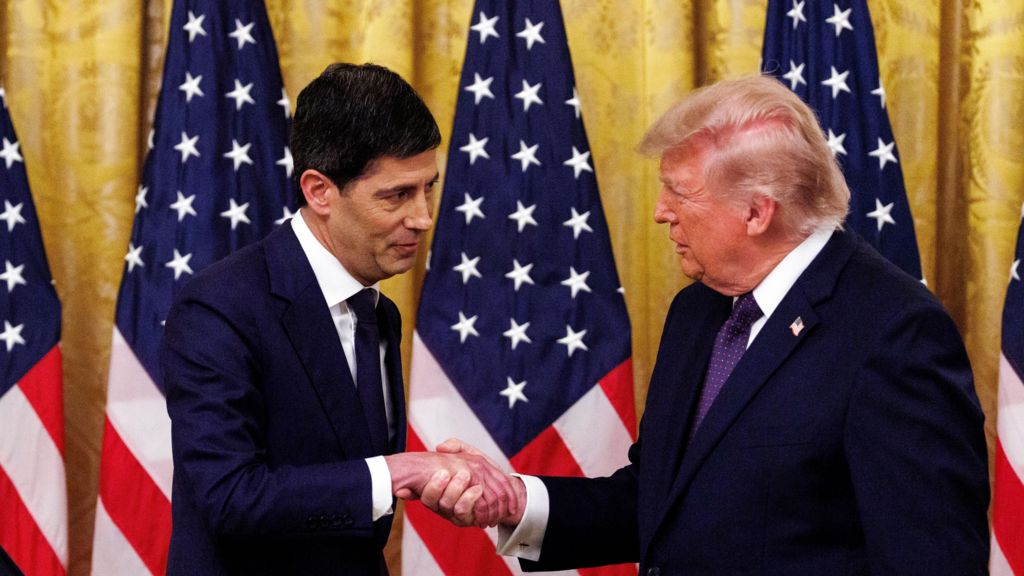
    At a historic White House swearing-in ceremony held Friday, former President Donald Trump publicly called on newly inaugurated Federal Reserve Chairman Kevin Warsh to maintain full institutional independence from political pressure, a remark that comes amid long-simmering tensions between the Trump administration and the central bank over monetary policy.

    This event marked the first time a Fed chair has taken the oath of office at the White House since Alan Greenspan’s 1987 swearing-in, a choice that underscores the high stakes the Trump administration places on Warsh’s appointment. The new chairman replaces Jerome Powell, with whom Trump repeatedly clashed publicly over the course of his previous tenure. For months leading up to the nomination, Trump openly pressured Powell and the Fed board to cut interest rates, arguing that looser monetary policy would unlock stronger economic growth. Trump even went as far as to tie support for immediate rate reductions to eligibility for the top Fed job.

    Despite that pressure, the Federal Reserve has stood firm against the administration’s demands, holding interest rates steady between 3.5% and 3.75% in April as policymakers assess the inflationary fallout of the ongoing US-Israel conflict and escalating tensions in Iran. Current economic projections from most analysts indicate rates will remain at this level through the remainder of 2026, with a smaller share of economists even predicting a possible rate hike to combat persistent inflation. Higher interest rates work to cool overheated inflation by raising borrowing costs for households and businesses, which in turn slows excessive consumer spending.

    During Friday’s ceremony, Trump pushed back against widespread criticism of his pick, telling the audience that “no one in America is better prepared” than Warsh to steer the nation’s central bank. “I really mean this, I want Kevin to totally independent. Don’t look at me, don’t look at anybody, just do your own thing and do a great job, okay,” Trump stated. He added that he expects Warsh to guide the U.S. economy into a new period of sustained expansion, arguing that the Fed “lost its way” under Powell’s leadership. Trump specifically criticized the previous Fed leadership for devoting resources to issues outside of its core statutory mandates of stable prices, controlled inflation, and maximum employment, naming climate change and diversity, equity, and inclusion (DEI) initiatives as misplaced policy priorities.

    Critics of the appointment, however, have raised alarms that Warsh will act as a political proxy for the Trump administration. Senior Democratic Senator Elizabeth Warren was among the most prominent voices of opposition, warning that the former Wall Street banker would be nothing more than a “sock puppet” for the president. The combination of political skepticism and ongoing economic uncertainty leaves Warsh facing an extremely delicate balancing act as he takes office: he must navigate a deeply fractured U.S. economic landscape while proving to skeptical lawmakers and the public that he can keep the Fed free from White House political interference.

    For his part, Warsh struck an optimistic tone in his inaugural remarks on Friday, committing to lead a “reform-oriented” Federal Reserve. He told Trump he believes his tenure can deliver “unmatched prosperity that will raise living standards for Americans from all walks of life.”

  • Tulsi Gabbard resigns as US director of national intelligence

    Tulsi Gabbard resigns as US director of national intelligence

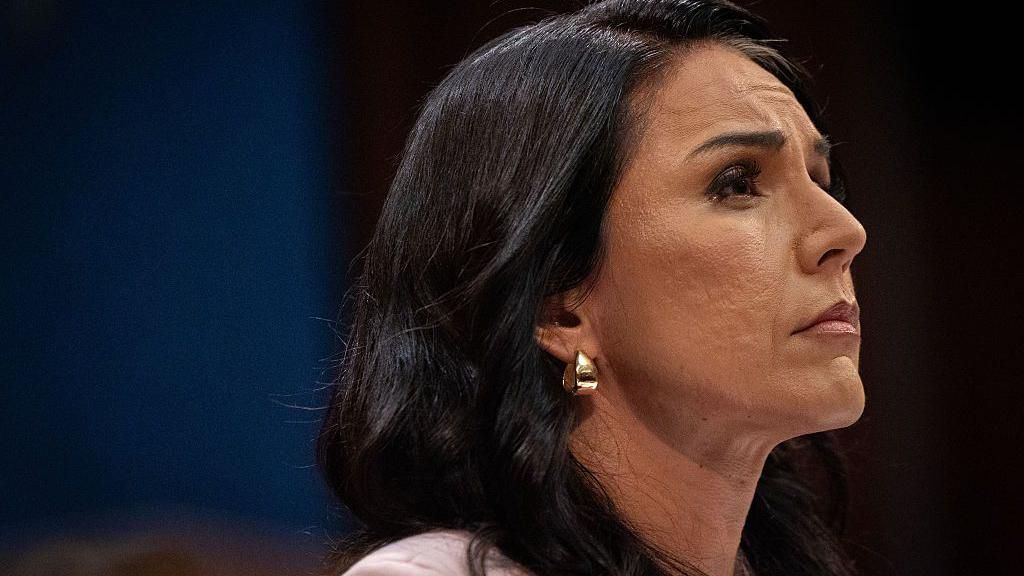
    In a sudden announcement that has rippled through U.S. political and intelligence circles, former U.S. Director of National Intelligence Tulsi Gabbard has confirmed she will resign her post in the second Trump administration, citing an urgent personal crisis: her husband Abraham has recently been diagnosed with bone cancer.

    The resignation, which will take full effect on June 30, was revealed through a resignation letter obtained by CBS News, a U.S. partner of the BBC. In the heartfelt correspondence, Gabbard emphasized the foundational role her husband has played in her public life. “His strength and love have sustained me through every challenge,” she wrote, adding that she could not in good conscience leave him to navigate his cancer treatment alone while fulfilling the relentless, time-intensive demands of leading the U.S. intelligence community. “I cannot ask him to face this fight alone while I continue in this demanding and time-consuming position,” Gabbard stated.

    Following the official confirmation of the resignation, former President Donald Trump took to social media to publicly praise Gabbard’s service. The departing intelligence chief “has done an incredible job, and we will miss her,” Trump wrote, noting that Gabbard’s choice to prioritize her family’s health is both understandable and honorable. “She rightfully, wants to be with him, bringing him back to good health as they currently fight a tough battle together. I have no doubt he will soon be better than ever,” Trump added. To ensure a smooth transition, Trump announced that Aaron Lukas, the current principal deputy director of national intelligence, will assume the role of acting director once Gabbard departs at the end of June.

    Gabbard’s tenure at the helm of U.S. intelligence was relatively short but marked by its place in a shifting U.S. foreign policy landscape. A steadfast supporter of Trump during his successful 2024 presidential comeback campaign, Gabbard was confirmed to the top intelligence post just weeks after Trump reclaimed the White House in 2025. As Director of National Intelligence, her core responsibilities included coordinating operations across 18 separate U.S. intelligence agencies and serving as the president’s primary advisor on all national security and intelligence matters, making her one of the most powerful figures in the U.S. national security apparatus.

    Notably, Gabbard has remained largely out of the public eye in recent months, even as the Trump administration oversaw a series of high-stakes foreign policy actions: expanded military operations against Iran, increased diplomatic and economic pressure on Cuba, and the controversial removal of Venezuela’s sitting president. Her sudden departure from the role adds a new layer of uncertainty to the administration’s intelligence leadership as it continues to advance its aggressive global policy agenda.

  • Newly declassified video shows fighter jet shoot down UFO

    Newly declassified video shows fighter jet shoot down UFO

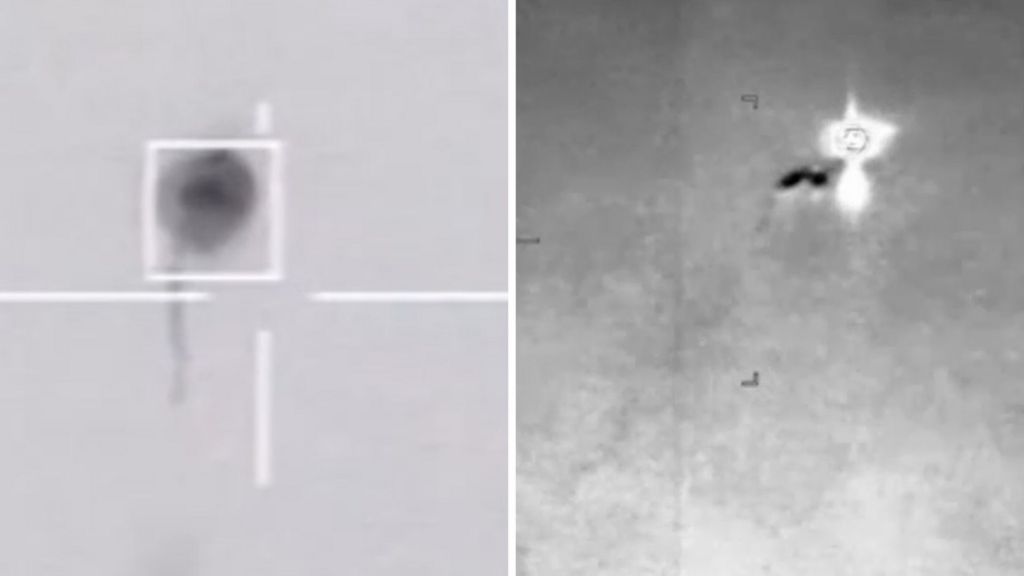
    In a recent disclosure that has reignited public fascination with unexplained aerial phenomena, the U.S. government has released newly declassified footage showing a military fighter jet shooting down an unidentified flying object (UFO). The long-speculated event, once shrouded in classification barriers, has finally come into public view, but leading researchers and defense experts are already pushing back against widespread assumptions that the object came from beyond Earth.

    For decades, reports of military encounters with UFOs have circulated in fringe communities and mainstream media alike, fueled by classified government programs that explored unexplained aerial sightings across the country. This latest release marks one of the few times the federal government has publicly confirmed a hostile intercept of an unidentified object, with clear video footage capturing the sequence of the shootdown. Despite the sensational nature of the disclosure, experts who have analyzed the declassified video emphasize that the visual evidence provides no concrete confirmation that the downed craft relied on alien technology, nor does it offer any proof that extraterrestrial life was involved in the object’s origin.

    Many defense analysts have put forward alternative, more grounded explanations for the incident. Most common among these is the theory that the UFO was actually an unauthorized civilian drone, a high-altitude research balloon, or a piece of uncrewed surveillance technology developed by another nation-state. Officials have not yet confirmed any of these alternative theories, and the object’s origin remains officially unconfirmed following the video’s release.

    The declassification comes as the U.S. government has gradually increased transparency around UFO-related incidents in recent years, shifting away from the decades-long policy of dismissing or covering up unexplained sightings. A congressional mandated task force on unidentified aerial phenomena has published multiple reports in recent years, noting that the vast majority of unexplained sightings can be linked to natural atmospheric phenomena or human-made technology. This latest disclosure is expected to renew public and congressional interest in further declassification of government documents related to UFO encounters, as researchers continue to work through the backlog of classified material related to unexplained incidents.

  • Residents wade through flood waters and submerged cars in New York City

    Residents wade through flood waters and submerged cars in New York City

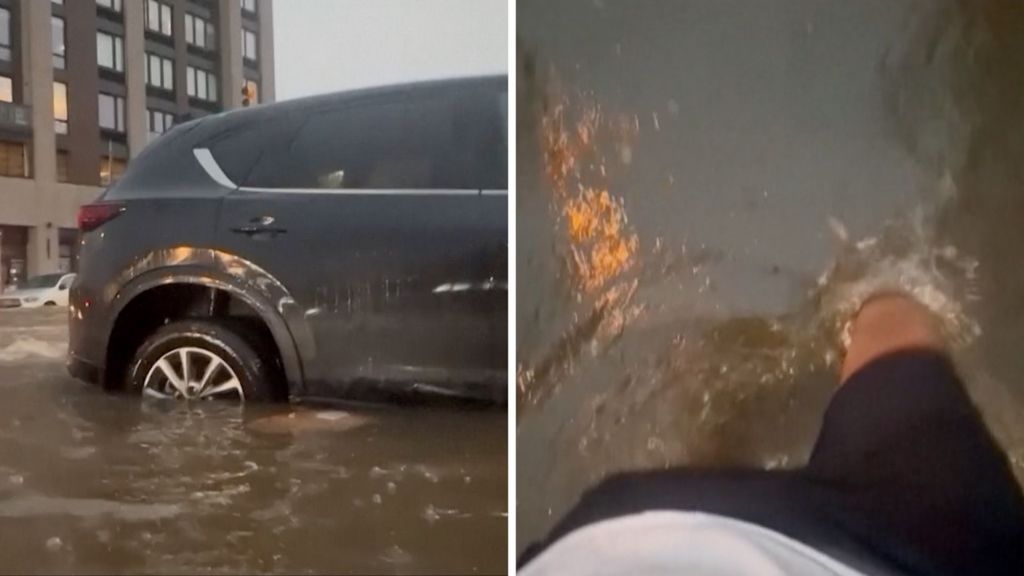
    Residents across New York City have been forced to navigate waist-deep floodwaters that have swallowed entire streets and submerged dozens of parked vehicles, after an extreme weather event dumped record-breaking volumes of rain across the five boroughs. In the wake of the disaster, Mayor Zohran Mamdani confirmed that the unprecedented intensity of the rainfall overwhelmed the city’s aging municipal sewer system, leaving the infrastructure unable to handle the rapid accumulation of standing water across dense residential and commercial neighborhoods. Dozens of residential properties have already reported significant flood damage, with basements and ground-floor units completely inundated, displacing dozens of households and prompting emergency response teams to deploy swift water rescue assets to hard-hit areas. Local transportation networks have also been disrupted, with flooded arterial roads and subway entrances forcing temporary closures and snarling morning commute traffic across the city. The event has reignited public debate over the state of New York City’s aging stormwater management infrastructure, with climate advocates pointing to the disaster as evidence of the urgent need for infrastructure upgrades to address increasingly frequent extreme weather events driven by climate change.

  • Waymo pauses robotaxis in five US cities after cars drive into flooded roads

    Waymo pauses robotaxis in five US cities after cars drive into flooded roads

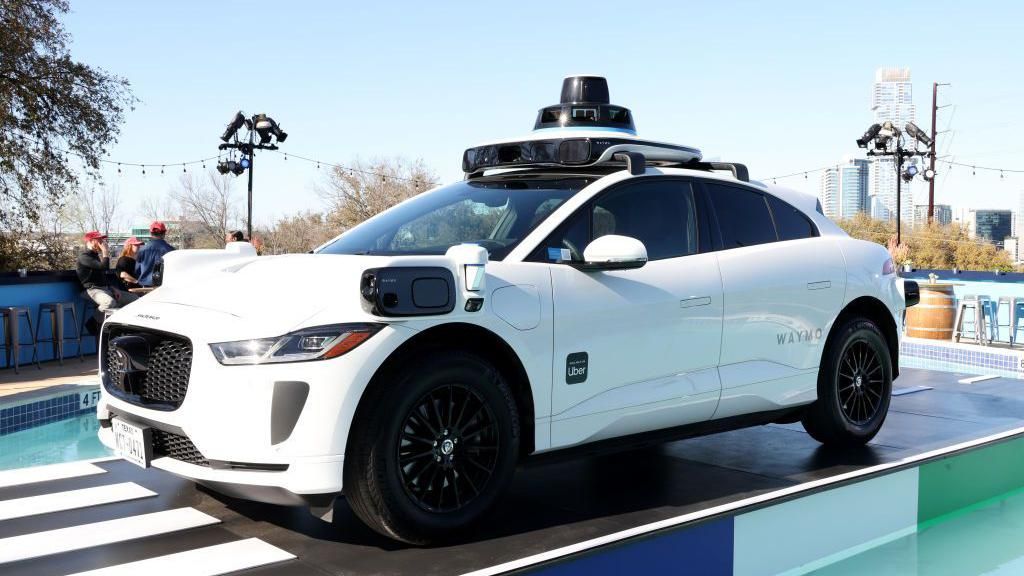
    Alphabet-owned autonomous vehicle developer Waymo has temporarily suspended commercial robotaxi operations in five U.S. cities and pulled service from major freeways across multiple markets, after a critical software bug left multiple unoccupied vehicles stranded in floodwaters, sparking fresh safety scrutiny for the nascent self-driving industry.

    The series of operational changes began after an April 20 incident in San Antonio, Texas, where an empty Waymo robotaxi drove onto a flooded roadway and was swept into a nearby creek. A second identical incident was reported weeks later in Atlanta, Georgia, where another unoccupied vehicle became trapped in standing floodwater. In response to the two events, Waymo announced it would expand its initial pause on operations to include four Texas markets and Atlanta, framing the decision as a proactive precaution.

    The underlying hazard was first publicly documented earlier this month in a filing posted to the U.S. National Highway Traffic Safety Administration website. The software flaw, as described in the filing, can lead vehicles to slow down before proceeding into standing water located on higher-speed roadways, increasing the risk of flooding-related breakdowns and stranding. Waymo has since issued a voluntary recall covering nearly 3,800 robotaxis equipped with its fifth- and sixth-generation autonomous driving systems, and the company says it is developing additional software safeguards to address the vulnerability.

    Beyond the city-wide service pauses, Waymo has also temporarily suspended autonomous operations on U.S. freeways across its other core markets, including San Francisco, Los Angeles, Phoenix, and Miami. The company told Reuters the freeway suspension is intended to give engineering teams time to refine the vehicles’ performance in construction zones, a common challenge for autonomous mapping and navigation systems. Waymo has emphasized that safety remains its highest priority as it works toward launching the first commercial robotaxi service in London later this year, and it says it is continuously monitoring weather forecasts and real-time conditions to prepare for a return to service.

    “We continue to closely monitor forecasts, alerts, and live weather conditions, and we will resume serving riders soon,” the company said in an official statement to the BBC.

    Waymo currently operates the largest commercial robotaxi network in the world, delivering more than 500,000 passenger trips per week across active U.S. markets including San Francisco, Austin, and Miami. But the latest recall and service suspension come amid a growing string of high-profile autonomous vehicle incidents that have stoked public and regulatory concerns over the readiness of self-driving technology for mass deployment.

    In December 2025, a major grid-wide power outage in San Francisco caused dozens of idle Waymo vehicles to stall across the city, disrupting downtown traffic for hours. Just this past April, a widespread service outage for Baidu’s Apollo Go robotaxi service in the Chinese city of Wuhan left more than 100 autonomous vehicles stranded mid-trip, blocking traffic across multiple busy urban corridors. Industry observers note that as self-driving networks expand into new geographic and climate regions, developers will face growing pressure to address edge-case hazards that have not been fully tested in real-world conditions.

    Waymo has said it expects to resume service on paused routes and freeway corridors in the near future, once software updates have been fully tested and validated.

  • Why thousands of stock trades tied to Trump are raising eyebrows

    Why thousands of stock trades tied to Trump are raising eyebrows

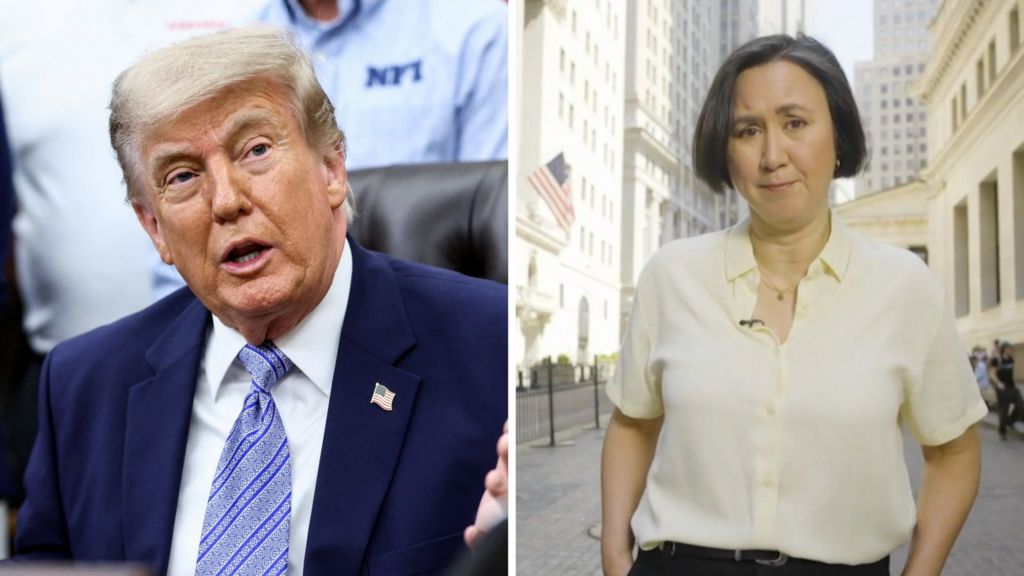
    A growing wave of scrutiny has descended on thousands of stock market transactions tied to Donald Trump, prompting questions about financial disclosure compliance and potential conflicts of interest that have captured the attention of political observers and financial regulators alike. The controversy, first explored in depth by BBC business correspondent Michelle Fleury, centers on the public disclosures of trading activity submitted by the former president, which have left analysts and ethics watchdogs raising red flags over unusual patterns and potential gaps in transparency. For years, the financial dealings of sitting and former U.S. presidents have been a flashpoint for public debate over ethical governance, with critics arguing that any failure to fully disclose market activities opens the door to accusations of improper influence or use of non-public information for personal financial gain. What makes this current development unusual is the sheer volume of trades that have come under review, far outpacing the typical level of financial activity reported by past presidents and leading ethicists to question how Trump’s business interests intersect with his political position. As the scrutiny intensifies, Washington watchdogs are calling for a full review of the transactions to determine whether any violations of federal ethics rules or disclosure requirements have occurred, while legal analysts note that the controversy adds another layer of complexity to the already fraught political and legal landscape surrounding the former president. Financial markets experts also point out that even if no rules were broken, the perception of improper activity tied to a major political figure can erode public trust in both the political system and the fairness of the stock market, highlighting the need for strict transparency standards for senior government officials.