
The 110th running of the iconic Indianapolis 500 went down in motorsport history books on Sunday, as Sweden’s Felix Rosenqvist delivered a nail-biting victory for Meyer Shank Racing, crossing the finish line just 0.0233 seconds ahead of runner-up David Malukas to secure the closest win in the 110-year history of the legendary race. The 34-year-old driver’s triumph marks the second Indianapolis 500 title for Meyer Shank Racing, following the team’s maiden IndyCar victory in 2021, and is only Rosenqvist’s second career win in the IndyCar Series since he joined the circuit in 2019, with his only prior victory coming back in 2020. This year’s race shattered another long-standing record, with an unprecedented 70 lead changes throughout the 200-lap contest – the most in the event’s storied history. The race delivered non-stop drama, particularly in its closing stages, marked by a sequence of safety flags that set the stage for a thrilling final sprint. Rosenqvist moved past Pato O’Ward to claim the top spot shortly before a high-impact crash involving Caio Collet on lap 192, which left Collet’s car engulfed in flames and forced race officials to throw a red flag, pausing on-track action. With just under four laps remaining when racing resumed, Marcus Armstrong and David Malukas climbed to first and second place respectively, before another incident disrupted the running: former Formula 1 driver Mick Schumacher clipped the outer wall, triggering a yellow caution flag. The incident set up a dramatic one-lap shootout to decide the winner. When green flags waved to restart the race, Malukas immediately passed Armstrong to take the lead and held the top position through nearly the entire final lap. But in the final meters across the finish line, Rosenqvist pulled ahead by a razor-thin margin, securing one of the most memorable finishes in motorsport history. Before the chaotic closing sequence, the entire field paused on lap 18 to honor a late member of the motorsport community: NASCAR star Kyle Busch, who passed away at age 41 on Thursday after severe pneumonia progressed to sepsis. The slow-down tribute brought a moment of reflection to the speedway, honoring the driver’s decades-long career across multiple racing series. The race also featured a historic attempt from 45-year-old British driver Katherine Legge, who set out to complete the grueling ‘Double Duty’ – competing in both the Indianapolis 500 and NASCAR’s Coca-Cola 600 in North Carolina on the same calendar day. Legge was aiming to become just the sixth driver in history to pull off the feat, and would have been the first woman, first non-American, and oldest competitor ever to complete the challenge. However, her Indianapolis 500 campaign ended early, after just 18 laps, when she was caught up in a spin-out collision with veteran driver Ryan Hunter-Reay, leaving her in last place in the 500. Despite the early exit, Legge followed through on her plan, flying immediately to Charlotte to compete in the Coca-Cola 600, where she crossed the finish line in 31st place. To date, only one driver has ever successfully completed the full 1,100 combined miles of both events: Tony Stewart, who achieved the unprecedented feat back in 2001.
标签: North America
北美洲
-
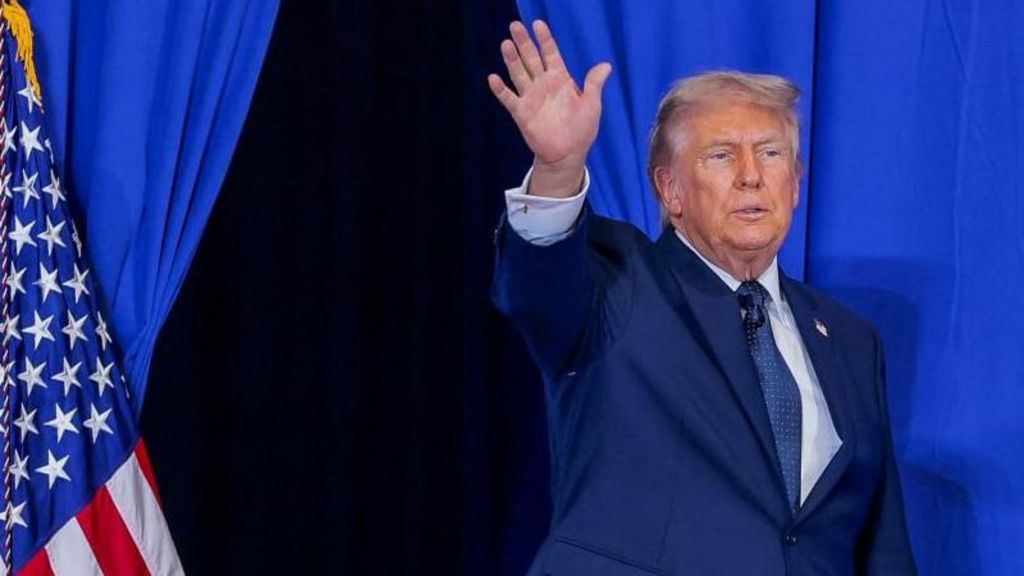
Trump tells US negotiators ‘not to rush’ into deal with Iran
Diplomatic efforts between the United States and Iran have entered a careful, deliberate phase after US President Donald Trump instructed American negotiators to avoid rushing into a final agreement, even as both sides acknowledge ongoing constructive progress in talks. The emerging framework under negotiation includes three core components: a 60-day extension of the existing ceasefire, the full reopening of the strategically critical Strait of Hormuz, and the launch of expanded negotiations to address longstanding international concerns over Iran’s nuclear program.
The push for a negotiated settlement comes after months of escalating military conflict in the region. On February 28, the United States and Israel launched large-scale air strikes targeting Iranian positions. Tehran responded in kind, launching a series of drone and missile attacks against Israeli and American assets across Gulf nations, raising fears of a full-scale regional war. An initial ceasefire agreed to in April has been largely respected by both sides, though sporadic exchanges of fire have continued in the weeks since.
Just one day before his announcement pausing any rush to a deal, Trump told supporters a broad agreement was already “largely negotiated”, sparking widespread speculation that a formal announcement could come within hours. That optimism has since been tempered by conflicting signals from Tehran, where Iranian media reports note that “one or two” key sticking points remain unresolved. While Iranian officials confirmed that discussions have made tangible progress over the weekend, Foreign Ministry Spokesperson Esmail Baghaei stressed that this progress does not guarantee final consensus on the most contentious core issues.
In a Sunday post published to his Truth Social platform, Trump doubled down on his call for cautious diplomacy. “Negotiations are proceeding in an orderly and constructive manner, and I have informed my representatives not to rush into a deal because time is on our side,” he wrote. “Both sides must take their time and get it right. There can be no mistakes!”
The US president also reaffirmed a longstanding non-negotiable US stance: Tehran must permanently abandon any effort to develop a nuclear weapon. This position is fully shared by Israel and other Western allies. Washington and its partners have long accused Iran of pursuing a covert nuclear weapons program via its uranium enrichment activities, a charge Tehran has repeatedly denied, maintaining that all of its nuclear work is for purely peaceful civilian purposes, including energy production and medical research.
Trump also confirmed that the US naval blockade of Iranian ports, implemented in early April to pressure Tehran into making concessions, will remain in full effect until a final agreement is reached, officially certified, and signed by both parties. The standoff over the Strait of Hormuz has had global economic consequences: since Iran effectively closed the vital waterway, through which roughly 20% of the world’s total oil and liquefied natural gas shipments pass, global energy prices have spiked sharply, impacting consumers and economies worldwide.
US Secretary of State Marco Rubio recently offered a measured assessment of the talks, confirming that “significant” progress has been made, but stopping short of declaring the negotiations final. He hinted at positive movement on the Strait of Hormuz file, noting that progress made over the 48 hours prior to his comments could lead to a “completely open strait… without tolls” if the current momentum holds.
On the Iranian side, Baghaei told state-run television Saturday that Tehran is currently finalizing a memorandum of understanding that would clear the way for additional, more in-depth talks aimed at reaching a binding final agreement. Trump also referenced the planned memorandum in an earlier Truth Social post on Saturday.
Pakistan, which has served as the third-party mediator for the indirect talks between Washington and Tehran, has struck an optimistic tone. Pakistani Deputy Prime Minister Ishaq Dar said that recent progress in negotiations creates “grounds for optimism” and that a positive outcome is now “within reach”. Still, multiple US media outlets have cited anonymous American officials reporting that no final agreement is expected to be signed on Sunday, pushing any potential announcement back to a later date as negotiators work through the remaining outstanding disagreements.
-
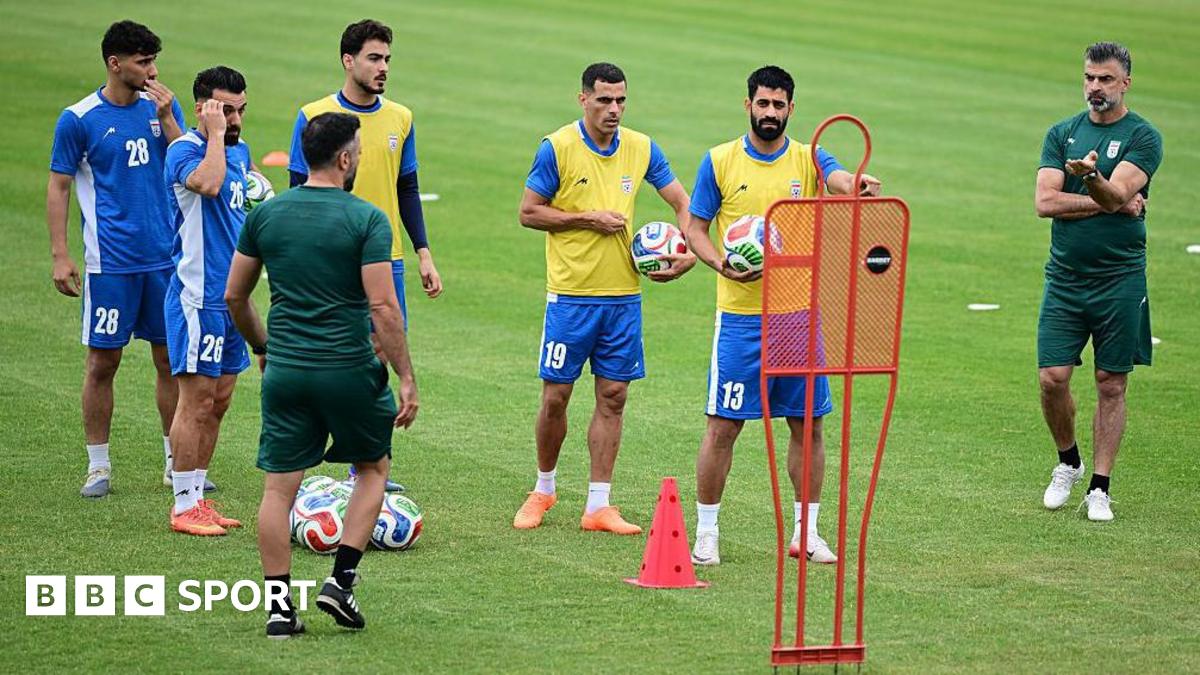
Iran says World Cup base moved to Mexico from US
As the 2026 FIFA World Cup co-hosted by the United States, Canada, and Mexico draws near, the Iran men’s national football team has secured conditional approval to shift their pre-tournament training base from the United States to Mexico, according to the top official of the country’s football governing body.
Mehdi Taj, president of the Football Federation of the Islamic Republic of Iran (FFIRI), announced Friday that FIFA has signed off on the federation’s request to move the team’s camp from Tucson, Arizona, to the northern Mexican border city of Tijuana, following a series of in-person and virtual negotiations with global football’s governing body. The announcement came as Iran continues its pre-tournament preparation at a dedicated training camp in Antalya, southern Turkey, where the squad has been fine-tuning tactics ahead of their Group stage matches.
Taj detailed the approval process in comments from the Istanbul negotiations, noting that after formal requests, face-to-face talks with FIFA and 2026 World Cup organizing committee officials in the Turkish city, and a subsequent webinar with FIFA Secretary-General Mattias Grafstrom from Tehran, the relocation request was formally accepted. “We will be based in the Tijuana camp, which is near the Pacific Ocean and sits right on the border between Mexico and the United States,” Taj said, adding that the new location offers a major logistical advantage for the team’s scheduled matches. Iran is set to play all three of their Group stage games in North American cities: against New Zealand on June 15 and Belgium on June 21, both in Los Angeles, and a final group match against Egypt on June 26 in Seattle. Travel from Tijuana to Los Angeles will only take a 55-minute flight, a fraction of the travel time required from the original base in Tucson, Taj explained.
While Taj confirmed FIFA’s approval, FIFA has not yet made an official public statement confirming the change. BBC Sport has reached out to FIFA for additional comment on the relocation and the ongoing visa issues facing the Iranian delegation.
The shift away from a U.S.-based training camp comes amid widespread uncertainty around Iran’s participation in the tournament, driven by escalating regional tensions in the Middle East and persistent visa complications for Iranian players and federation officials. Earlier this month, Taj revealed that many Iranian squad members were still waiting for U.S. entry visas ahead of the tournament, which kicks off on June 11. The FFIRI has submitted 10 formal conditions to FIFA to secure Iran’s full participation, a key demand being that players, coaches and delegation members who previously completed military service with the Islamic Revolutionary Guard Corps (IRGC) be guaranteed entry to host countries.
U.S. Secretary of State Marco Rubio has previously stated that Iranian players would be welcome to enter the U.S. for the tournament, but individuals with confirmed links to the IRGC would be subject to existing entry restrictions. The visa issue has already disrupted FFIRI operations earlier this year: in April, Taj was among a group of FFIRI officials denied entry to Canada ahead of the FIFA annual congress in Vancouver, after Canadian authorities canceled his visa over documented links to the IRGC, Canada’s immigration minister confirmed to parliament.
As of this week, a subset of the Iranian squad has traveled to the U.S. Embassy in Ankara, Turkey, to submit visa applications for the tournament, though full approval for all members of the delegation remains pending.
-
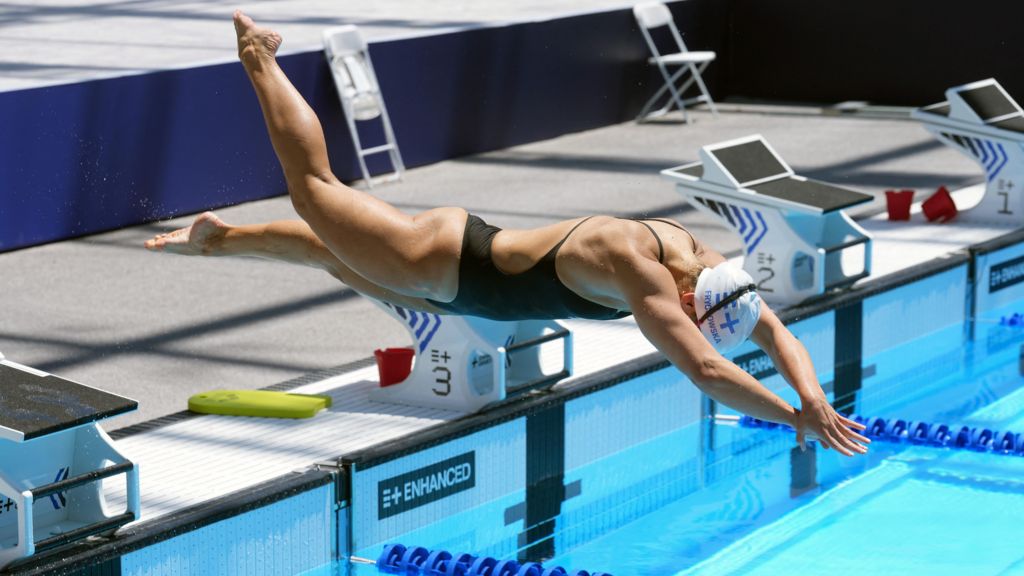
What are the Enhanced Games – or the ‘Olympics on steroids’?
A controversial new international athletic competition, dubbed the ‘Enhanced Games’ and widely nicknamed the ‘Olympics on steroids’, is preparing to welcome dozens of top-tier competitors for its first-ever edition — with a groundbreaking, divisive rule: all athletes will be permitted to use performance-enhancing drugs (PEDs) during competition.
Unlike traditional elite sporting events such as the Olympic Games, which have enforced strict anti-doping policies for decades to preserve fair play and protect athlete health, this new framework upends decades of global sports governance norms. Organizers of the event have framed the competition as a radical reimagining of elite athletics, arguing that removing doping restrictions allows athletes to push the absolute boundaries of human physical capability, creating a new category of sport that celebrates unconstrained human performance.
The announcement of the inaugural Games has sparked fierce debate across the global sports community. Critics warn that the event normalizes harmful drug use, puts athlete long-term health at severe risk, and undermines decades of progress in creating clean, fair international competition. Supporters, meanwhile, argue that current anti-doping systems are inconsistent and unfair, and that the Enhanced Games offer a space for athletes to make their own autonomous choices about their bodies and competitive careers. For its first outing, the event has already attracted dozens of elite athletes who have opted to compete under its unorthodox drug policy, setting the stage for a historic and deeply controversial moment in international sport.
-
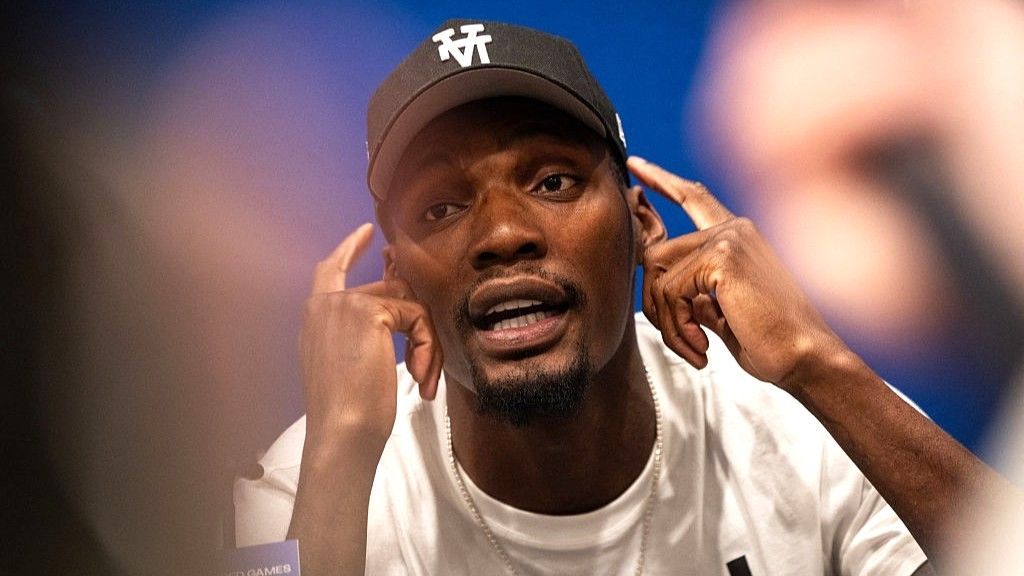
It’s like the Olympics – except steroids are allowed
Beneath the scorching desert sun of Las Vegas, giant billboards blare the slogan “Live Enhanced” as a deep-voiced sports commentator runs through a practice introduction for British elite swimmer Ben Proud and dozens of other competing athletes. The open-air arena where he rehearses will host one of the most divisive sporting events in modern history: the inaugural Enhanced Games.
Often described as “the Olympics with steroids” — a description that is literally accurate — this groundbreaking competition changes the core rules of traditional competitive sport entirely. For Sunday’s first official contest, dozens of top-tier athletes from around the world will be permitted to use performance-enhancing substances in their bids to shatter long-standing world records across three disciplines: track and field, weightlifting, and swimming.
The event offers staggering financial incentives to draw top talent, with a total prize pool of $25 million (£18.6 million) awarded directly to winning competitors. Any athlete who breaks a recognized world record in their event walks away with an additional $1 million (£740,000) bonus — a payout that has caught the eye of high-profile competitors including American sprinter Fred Kerley, who is among the event’s headline participants. While all substances used must be legally approved by the U.S. Food and Drug Administration, compounds strictly banned by the World Anti-Doping Agency (WADA) — including testosterone and human growth hormone — are not just permitted here: they are openly encouraged and even available for purchase on-site.
Founded in 2023 by entrepreneurs Aron D’Souza and Maximilian Martin, the project has secured high-profile backing from leading industry figures, including billionaire tech investor Peter Thiel and Donald Trump Jr. This prominent support has only amplified global scrutiny of the event’s unconventional stance on doping. Public health experts have issued urgent warnings about the severe health risks linked to regular anabolic steroid and growth hormone use, ranging from increased stroke risk to permanent cardiovascular damage and long-term organ dysfunction.
Event organizers frame the Enhanced Games as a bold push to expand the absolute limits of human physical performance, but critics — particularly leaders within the global Olympic movement — condemn the competition as a direct insult to the foundational spirit and core principles of fair competitive sport.
“You don’t have to be pressured or use drugs in order to be the best,” stated Travis Tygart, Chief Executive Officer of the U.S. Anti-Doping Agency (USADA). In an interview with the BBC, Tygart argued that while the existing Olympic anti-doping system has clear flaws that need addressing, the solution is systemic reform, not full normalization of performance-enhancing drug use. He emphasized that athletes must be able to trust that the Olympics remain a clean competition where cheating is not tolerated. “We don’t want kids to have to say, ‘in order to win an Olympic medal, when I’m 18 or 20 years old, I have to inject myself every day in the rear end with a potentially dangerous drug, ‘” he added.
Organizers of the Enhanced Games push back against this criticism, arguing that their event brings into the open an open secret of elite athletics: that many athletes already use performance-enhancing drugs in secret, away from drug testing regimes. This transparency, they claim, makes their model more ethical than the current system, which relies on imperfect testing that catches only a fraction of cheaters.
At a two-hour media question-and-answer session held in a packed ballroom at Las Vegas’ Resorts World Casino, most participating athletes declined to specify which performance-enhancing substances they were using. Only one competitor — legendary strongman Hafthor Bjornsson, best known for playing The Mountain in *Game of Thrones*, who aims to break his own 510 kg (1,124.4 pound) world deadlift record — openly shared details of his drug use. Bjornsson explained that he is comfortable being open about steroid use because the practice is already widely accepted in the professional strongman community.
American sprinter Shania Collins argues that the full transparency around doping at the Enhanced Games gives the competition more integrity than traditional elite sports, where cheaters hide their use. “We’re being up front and honest and transparent from the start,” Collins told the BBC. “So how can you challenge our integrity when we’re forthright with the information?”
Mainstream national sports governing bodies have already taken strong public action against athletes who have chosen to compete in the event. Jack Buckner, Chief Executive of UK Athletics, said he was “appalled” when former British national sprinter Reece Prescod’s participation was revealed in January. UK Anti-Doping (Ukad) has gone further, labeling the entire venture a “reckless” project that endangers athlete health. Meanwhile, GB Aquatics has issued an explicit ban: if British swimmer Ben Proud competes in the Enhanced Games, he will never again be selected for the British Olympic team.
Proud, who won a silver medal in the men’s 50m freestyle at the 2024 Paris Olympics, says financial incentive is his core motivation. He is aiming to break the 50m freestyle world record at the event, which would net him $1 million. Even if he wins the race but falls short of the record, he will still take home $250,000 (£185,000) — a sum he says it would take 13 years of consecutive World Championship titles to earn through traditional elite swimming channels. “There’s no money in sport,” Proud told the BBC ahead of the competition. “I was 30 and had just come off a silver medal, what future path do I follow?”
Not all athletes competing at the Enhanced Games plan to use performance-enhancing substances, however. A small number of competitors have confirmed they will compete clean, including American swimmer Hunter Armstrong. “I definitely don’t want to dope for the games,” Armstrong said, adding that “I personally have taken pride in getting as far as I can on natural God-given talent.” Armstrong plans to compete clean for a shot at the event’s prize money before returning to traditional competition to qualify for the 2028 Los Angeles Olympics. Whether he will be allowed to do so remains unclear, given widespread pushback from mainstream sports governing bodies. USADA’s Tygart, however, noted that as long as Armstrong passes all required anti-doping tests to qualify for the Olympic team, there is no formal rule to bar him from participation.
Earlier this month, Enhanced Group, the parent company behind the competition, went public and began trading on the New York Stock Exchange, a move that has drawn further attention to the organization’s commercial ambitions. Beyond the competition itself, the event doubles as a platform for Enhanced to sell its own line of performance-enhancing medications and supplements both on-site and via its online store. This commercial model has sparked broader public concern, particularly at a time when social media is flooded with unregulated offers for performance and appearance-enhancing peptides, and young people face growing pressure to conform to unrealistic body standards.
Joe Vennare, founder of industry analysis outlet Fitt Insider, warned that normalizing performance-enhancing drug use could have unforeseen long-term impacts on both public health and global culture. While Vennare acknowledges that adults have the right to choose to use legal medical interventions, he expressed concern that many people will turn to these products instead of prioritizing consistent fitness and balanced nutrition. “Kids are using social media filters, they’re getting Botox injections,” he told the BBC. “They’re having body dysmorphia – especially young men, in this case at record numbers.” Vennare emphasized that the Enhanced Games does not create these cultural trends, but rather reflects existing problems that need broader societal action. “That’s a problem that parents and culture and society more broadly have to address,” he said.
Australian swimmer and Enhanced Games athlete James Magnussen echoed the call for personal and parental responsibility, arguing that the event is not targeted at young people. “It’s an entertainment company and product targeted at people looking at the longevity and human performance space,” Magnussen said.
Despite the wave of global criticism the event has attracted, controversy has done nothing to dampen enthusiasm among participants or the invited Las Vegas audience. With the inaugural competition set to kick off, the debate over the Enhanced Games’ place in global sport is only just beginning — and it will likely reshape conversations about doping, fairness, and the limits of human performance for years to come.
-
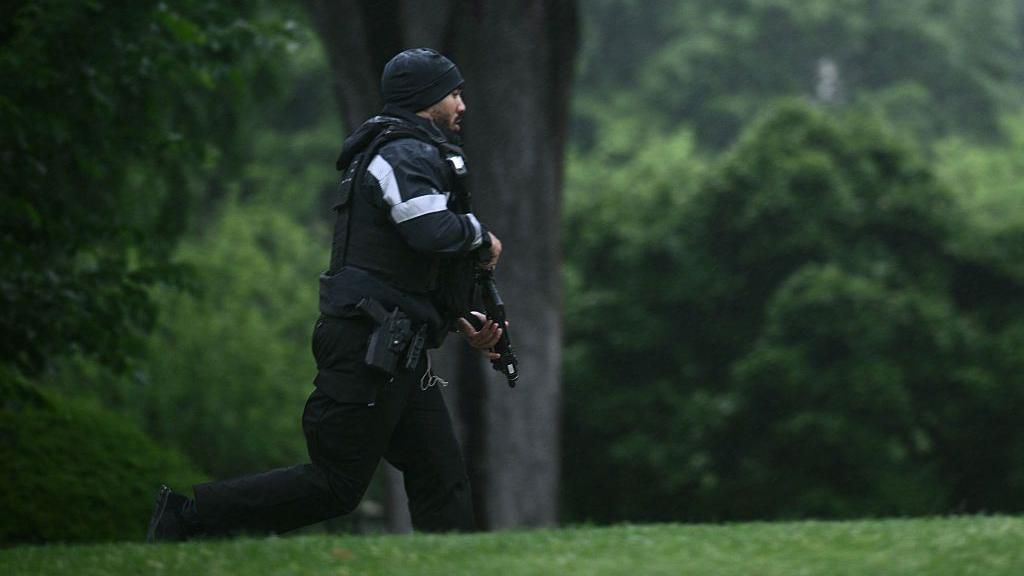
Journalists run for cover as they report possible gunfire near White House
A developing security incident has sent the White House press corps scrambling for cover Wednesday, after multiple journalists on site reported hearing what sounded like gunfire erupt near the presidential compound.
Video captured by ABC News senior correspondent Selina Wang shows the journalist taking shelter amid a rapid series of loud bangs that echoed across the White House North Lawn. In a post on X following the incident, Wang confirmed that reporting teams were ordered to run immediately to the White House press briefing room, where they remained sheltered as authorities assessed the situation.
As of the latest update, law enforcement officials have not confirmed the source of the reported gunshots, nor have they verified whether an active threat to the White House or those inside remains. The United States Secret Service, which is the federal agency tasked with protecting the president and the White House complex, confirmed in an official statement to CBS News — the U.S. partner of the BBC — that agents were responding to reports of shots fired at the intersection of 17th Street and Pennsylvania Avenue Northwest, a block adjacent to the White House grounds.
Spokesperson Anthony Guglielmi stated the agency was working alongside on-site personnel to cross-verify details of the reports. Visual footage from the scene captured by Agence France-Presse via Getty Images shows uniformed police officers sprinting across the area near the White House as the response unfolded. The BBC confirmed it had reached out to the Secret Service, White House officials, and local Washington D.C. police for additional comment and further details on the incident.
This is an active breaking news story that is being updated in real time as new information becomes available from law enforcement and on-site correspondents. Readers can access instant updates on the incident via the BBC News mobile app for smartphones and tablets, or by following the official @BBCBreaking account on X for real-time alerts.
-
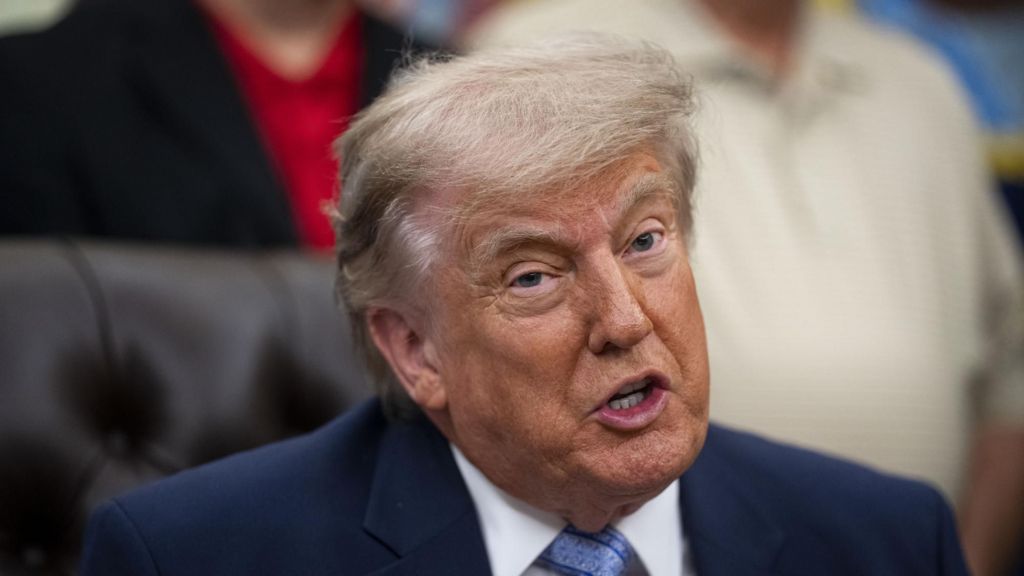
Iran ‘getting a lot closer’ to agreement with US, Trump says
After weeks of shifting tensions and a months-long temporary ceasefire, both the United States and Iran have acknowledged tentative progress in diplomatic talks, even as key sticking points remain unresolved and economic pressure on Tehran continues.
-
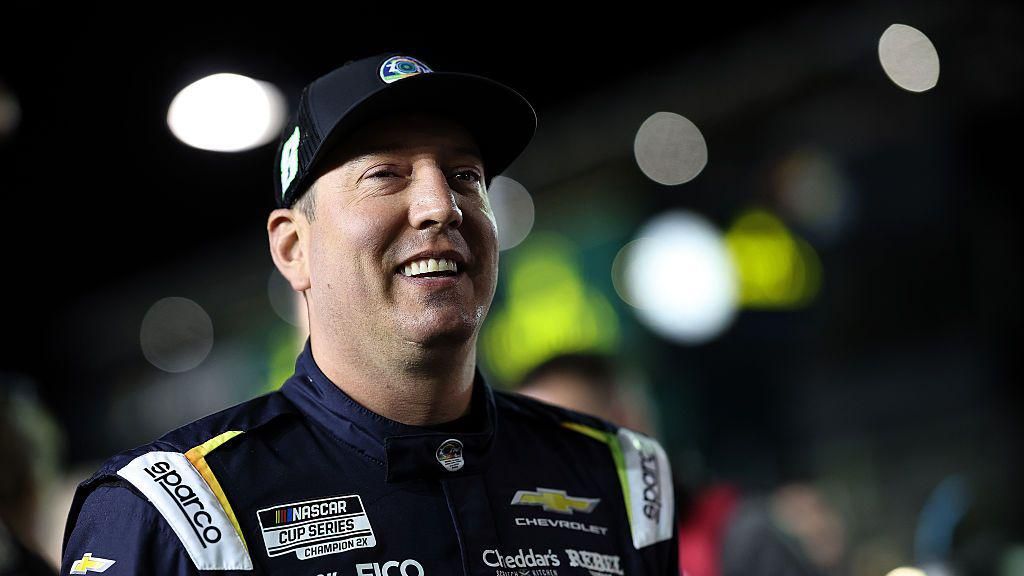
Nascar champion Kyle Busch died of pneumonia and sepsis, family says
Beloved two-time NASCAR Cup Series champion Kyle Busch has passed away at the age of 41, his family confirmed in an official statement shared with sports outlet The Athletic. The racing icon’s death followed a progression from severe pneumonia to sepsis, with the medical outcome triggering rapid, unmanageable organ complications that overwhelmed his body, according to the family’s announcement.
Busch’s sudden passing on Thursday came just days before he was scheduled to compete in the iconic Coca-Cola 600 at North Carolina’s Charlotte Motor Speedway, a race he had been preparing for as part of his 22nd consecutive season competing in NASCAR’s top racing division.
In the wake of the news, NASCAR leadership paid heartfelt tribute to one of the sport’s most recognizable figures. NASCAR CEO Steve O’Donnell described Busch as a generational talent, a rare competitor whose skill and charisma transformed how fans engaged with stock car racing. Over his two-decade career, Busch claimed 63 race victories and two Cup Series championship titles, cementing his place as one of the most successful drivers in modern NASCAR history.
O’Donnell announced that the weekend’s Coca-Cola 600 would proceed as planned, explaining that the decision honored what Busch would have wanted. “Kyle Busch lived just about every chapter of what you could do in NASCAR,” O’Donnell said, remembering the driver as a fiercely competitive racer with a sharp wit and a penchant for memorable, unfiltered interviews. Ahead of the race, local media reported that Busch’s race car and iconic driver number were put on public display at the speedway as a temporary memorial to the late star.
Beyond his achievements on the track, Busch leaves a legacy of charitable work. O’Donnell highlighted the foundation Busch founded alongside his wife, which works to expand awareness of and access to in vitro fertilization (IVF) and infertility treatments for families struggling to conceive. Known for his brash, high-energy racing style, Busch earned the widely loved nickname “Rowdy” among fans and peers, building a larger-than-life public persona that extended far beyond the race track.
-
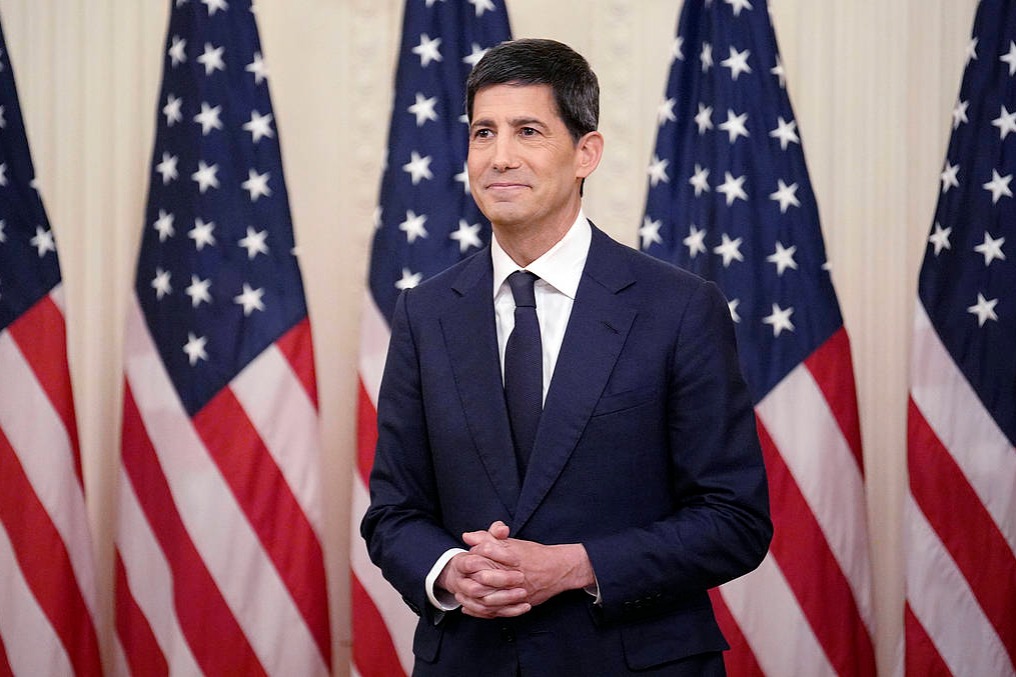
US Federal Reserve gets new chief
On a Friday ceremony held in the White House East Room, Kevin Warsh officially took office as the 17th Chair of the United States Federal Reserve, marking the start of his four-year term at the helm of the world’s most influential central bank. The oath of office was administered by Supreme Court Justice Clarence Thomas, with the event hosted by U.S. President Donald Trump. Attendees included a roster of high-profile guests: senior White House administration officials, sitting members of Congress, sitting Supreme Court justices, and leading figures from the American business community.
In remarks ahead of the swearing-in, Trump emphasized his expectation that Warsh would maintain full institutional independence from the executive branch. “I want Kevin to be totally independent. I want him to be independent and just do a great job,” Trump told the assembled audience. “Don’t look at me, don’t look at anybody. Just do your own thing and do a great job, okay?” Per CNBC reporting, this White House swearing-in marks the first time a Fed chair has taken office at the presidential residence since Alan Greenspan’s 1987 inauguration, a break from recent tradition that has drawn attention from political and financial observers.
At 56, Warsh succeeds Jerome Powell, who led the Federal Reserve through post-pandemic recovery and a historic inflation surge starting in 2018. Powell, who will retain his seat on the Fed’s Board of Governors after stepping down from the chair role, has already signaled he will remain active in central bank governance.
In his first public remarks as chair, Warsh reaffirmed the Federal Reserve’s core statutory mandates: fostering stable prices and maximizing sustainable employment. “When we pursue those aims with wisdom and clarity, independence and resolve, inflation can be lower, growth stronger, real take home pay higher and America can be more prosperous. And no less important, America’s place in the world is more secure,” Warsh stated. Outlining his policy and institutional agenda, he committed to leading what he called a “reform-oriented Federal Reserve,” saying the body would draw lessons from both past successes and missteps, move beyond rigid, outdated analytical frameworks and models, and uphold strict standards of integrity and accountability in all its operations.
Warsh brings deep prior experience at the central bank: he served as a member of the Federal Reserve Board of Governors from 2006 to 2011, and after leaving the institution, he held academic appointments at the Stanford Graduate School of Business and the conservative think tank the Hoover Institution.
Warsh’s inauguration comes amid a period of heightened tension between the Trump White House and the Federal Reserve, with the administration pushing repeatedly for looser monetary policy to pair with its signature policy agenda of tax cuts and broad financial deregulation designed to accelerate U.S. economic growth. Over the past 12 months, the Trump administration has moved repeatedly to exert greater political influence over the central bank’s decisions. Most notably, Trump attempted to remove Biden-appointed Board member Lisa Cook over unproven fraud allegations, and directed the U.S. Department of Justice to open an investigation into outgoing chair Jerome Powell connected to a Fed headquarters building renovation project. A federal judge later ruled that the investigation was an explicit attempt to pressure Powell into cutting interest rates or resigning from his post.
That investigation was ultimately halted after Republican Senator Thom Tillis of North Carolina threatened to block Warsh’s Senate confirmation vote unless the probe was dropped, clearing the path for Warsh’s appointment.
Going into his term, Warsh has positioned himself as an advocate for institutional change at the Fed, publicly calling for “regime change” that would overhaul how the central bank measures and communicates economic data to markets and the public. He has also signaled openness to lowering interest rates, while pushing back against claims he would defer to the White House on monetary policy. Warsh has repeatedly stated he will rely on his own independent judgment when setting policy, and will not take direct instructions from the executive branch.
The new chair takes office at a critical moment for U.S. monetary policy. As of April 2026, the Federal Open Market Committee has held its benchmark federal funds rate steady at a range of 3.5% to 3.75%, keeping borrowing costs elevated to pull persistent inflation back down to the central bank’s longstanding 2% target. However, recent economic data has upended market expectations for imminent rate cuts. A U.S. Labor Department report released earlier this week showed annual consumer price inflation hit 3.8% in April, the highest reading recorded since May 2023. The sharp rise in price pressures has been fueled in large part by global energy market disruptions: tanker traffic disruptions in the Strait of Hormuz, sparked by the ongoing U.S.-Israeli military campaign against Iran, have driven sharp increases in global crude oil and retail gasoline prices, creating new headwinds for the Fed’s inflation fight.
-

Stowaway fox leaves quarantine in New York
An unlikely transatlantic traveler, a young male red fox that snuck onto a cargo ship leaving Southampton, U.K. for New York, has pulled off a full recovery after weeks of specialized treatment for a rare European parasite at New York’s Bronx Zoo.
The stowaway, now affectionately named Basil and estimated to be two years old, was discovered hidden in the ship’s cargo by U.S. customs officers when the vessel docked at the Port of New York and New Jersey back in February. He was quickly transferred to the Bronx Zoo, operated by the Wildlife Conservation Society, for examination and care.
Upon initial assessment, veterinary teams identified that Basil was carrying French heartworm, a parasitic infection far more common in Europe than in the United States. The parasite attacks blood vessels in the lungs, and if left untreated, can trigger severe respiratory illness that is often fatal. With this rare diagnosis in hand, the zoo launched a targeted, month-long treatment plan that combined three different deworming medications to eliminate the infection.
Over the course of his treatment, the veterinary team observed what they described as a dramatic and encouraging improvement in Basil’s condition. When he first arrived at the zoo in mid-February, the young fox weighed just 11 pounds (5.1 kilograms), undernourished from his weeks-long ocean crossing. As his treatment progressed, he gained weight steadily, growing to nearly 14 pounds (6.2 kilograms). His coat also transformed from dull and patchy to thick, full and glossy, a visible sign of his returning health. After completing the treatment regimen, veterinarians ran repeated diagnostic tests to confirm the parasite had been completely cleared from his system.
“Basil has done exceptionally well since arriving at the Bronx Zoo,” said Craig Piper, the zoo’s interim director. “We are very pleased with his recovery and continued progress since his long journey across the Atlantic.”
This unexpected transatlantic journey has sparked lighthearted amusement on both sides of the ocean. A spokesperson for Associated British Ports Southampton previously joked that the adventurous fox had “booked itself a transatlantic crossing” to reach the United States.
Basil’s story, however, comes on the heels of a far grimmer outcome for another stowaway wild animal. Just weeks before Basil was discovered in New York, a raccoon stowaway found on a cargo ship docked in Southampton was euthanized over public health concerns that it could carry dangerous diseases including rabies.
Today, Basil is in stable good health, but his future long-term home is still being evaluated by zoo teams, who are working to find a suitable permanent arrangement that meets the young fox’s needs.