标签: North America

北美洲

  • Seven lawsuits filed against OpenAI by families of Canada mass-shooting victims

    Seven lawsuits filed against OpenAI by families of Canada mass-shooting victims

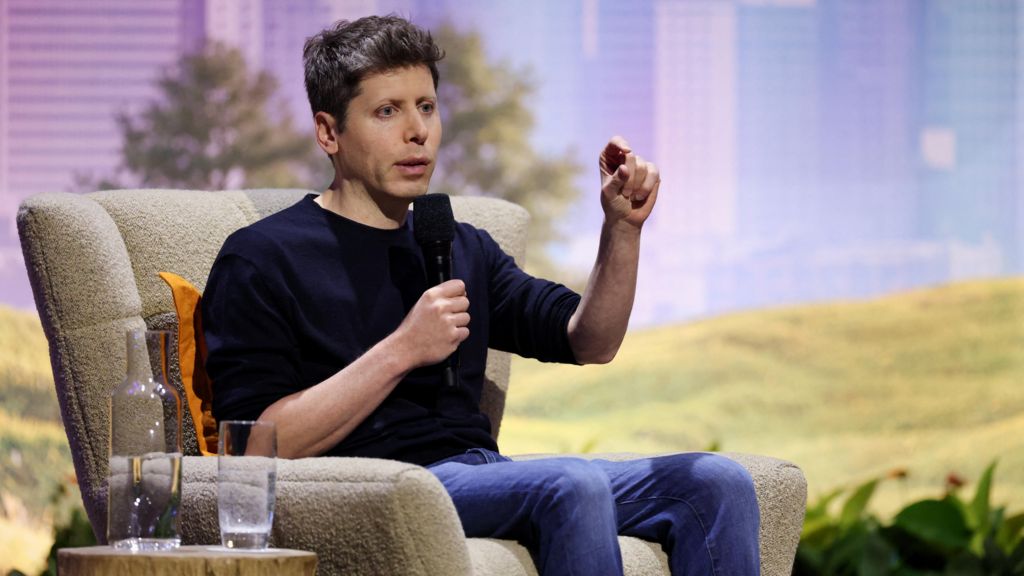
    On February 10, one of the deadliest mass shootings in Canadian history unfolded in the small northern British Columbia community of Tumbler Ridge, leaving eight people dead — six of them children. The 18-year-old gunman, Jessie Van Rootselaar, who opened fire at the town’s secondary school, ultimately died from a self-inflicted gunshot wound. Among the survivors is 12-year-old Maya Gebala, who remains hospitalized after being shot three times in the head, neck, and cheek. Months after the tragedy, a wave of groundbreaking litigation has placed one of the world’s most valuable tech companies at the center of growing scrutiny over AI safety accountability. Seven families of those killed and injured in the attack have filed a new lawsuit in a California state court against OpenAI and its chief executive Sam Altman, marking one of the first major legal attempts to hold a leading AI developer responsible for a violent act linked to its platform. The suit replaces an earlier smaller claim filed in a Canadian court by Gebala’s family, which is being voluntarily withdrawn as the legal team expands its action. Lead counsel Jay Edelson, who leads a joint US-Canadian legal team representing the families, confirmed he expects to file more than two dozen additional jury trial claims on behalf of other victims and impacted community members in the coming weeks. The core allegation of the litigation is that OpenAI’s executive leadership, including Altman, acted with gross negligence and intentionally chose corporate profit and reputation over public safety when they ignored repeated warnings from their own safety team about the gunman’s harmful activity on ChatGPT. According to the suit, Van Rootselaar’s conversations with ChatGPT, which included detailed descriptions of gun violence scenarios and attack planning, were flagged as an imminent threat by OpenAI’s internal 12-person safety monitoring team months before the shooting. The team formally recommended that the activity be reported to the Royal Canadian Mounted Police (RCMP), but senior OpenAI leadership vetoed the decision. The complaint alleges that leadership blocked the alert to protect OpenAI’s $850 billion valuation and public image, writing that “they did the math and decided that the safety of the children of Tumbler Ridge was an acceptable risk.” The suit further claims that OpenAI falsely stated it banned Van Rootselaar from the platform after flagging his activity, but the company’s loose account policies allowed the gunman to easily create a new account under his own name and continue planning the attack unimpeded. OpenAI has pushed back against these claims, asserting that it revokes access for banned users and implements measures to prevent repeat account creation. The company also said it has a strict zero-tolerance policy for any use of its tools to facilitate violence. In the weeks after the shooting, Altman issued a public apology to the victim families in an open letter published by local outlet Tumbler Ridge Lines. “I am deeply sorry that we did not alert law enforcement,” Altman wrote, adding “While I know words can never be enough, I believe an apology is necessary to recognize the harm and irreversible loss your community has suffered.” Since the lawsuit was filed, OpenAI has moved quickly to implement visible changes to its safety protocols, releasing a public blog post this Tuesday outlining updated procedures for responding to potentially dangerous user behavior. A company spokesperson confirmed that OpenAI has already strengthened its internal safeguards, including improved risk assessment and escalation protocols for potential violent threats. The company has also committed to working with Canadian officials at all levels of government to prevent similar tragedies, a promise Altman reiterated in his apology letter. Edelson’s legal team has been pushing for access to Van Rootselaar’s full ChatGPT chat logs, which OpenAI has so far refused to release. The legal team expects to compel disclosure through the discovery process of the California lawsuit, with plans to present the internal decision-making directly to a jury. “We’re going to put the jury in the room when the decision was made to not tell the Canadian authorities,” Edelson told the BBC. “We’re going to show them how people were jumping up and down saying we need to protect this town, and we’re going to show them how Sam Altman and OpenAI routinely make these decisions to put their own interests first.” This litigation is not the only scrutiny OpenAI is facing over links between its platform and violent attacks. The company is already the subject of an ongoing criminal probe in Florida connected to a 2025 shooting at Florida State University that left two people dead and multiple others injured, where the accused shooter is reported to have used ChatGPT ahead of the attack. The Tumbler Ridge lawsuit has opened a new chapter in global debates about AI governance, forcing a public test of whether tech developers can be held legally liable for failing to mitigate known threats stemming from their generative AI tools.

  • Will King’s US visit make a political difference?

    Will King’s US visit make a political difference?

    The applause has faded, the state banquet tables have been cleared, and the pageantry that dominated evening news cycles has wrapped up. But as King Charles III and Queen Camilla close out their four-day state visit to the United States, one critical question lingers: what lasting impact will this historic royal trip have on the tense UK-US relationship, and how much of the ceremonial spectacle will translate to tangible political progress?

    Long before the King set foot on US soil, British diplomatic officials took a pragmatic stance on what the visit could realistically achieve. They openly acknowledged that a single royal tour could not fully reset the bilateral relationship, which has been strained by deep, unresolved divides over Iran’s nuclear program, NATO burden-sharing, support for Ukraine, trade policy, and repeated harsh public criticism from US President Donald Trump targeting UK opposition leader Keir Starmer. Instead of sweeping breakthroughs, diplomats set a more modest, immediate goal: to soften the sharp rhetorical tone and lower tensions between London and Washington.

    Sir David Manning, a former British ambassador to the US, framed the King’s role ahead of the visit in an interview with the BBC, describing him as a “stabiliser and a shock absorber” capable of fostering a more constructive environment for the UK government to re-engage the Trump administration on thorny bilateral issues. By that standard, the King appears to have delivered on his core mission.

    With a combination of natural charm and self-deprecating humour that many sitting British politicians would envy, King Charles used two high-profile addresses to praise the United States, its people, and its political leadership in a way that few domestic figures could pull off without drawing criticism. A standout diplomatic gesture was his thoughtful gift to President Trump: a historic ship’s bell from the HMS Trump, a move widely praised as a masterclass in soft-state diplomacy. Before a deeply politically polarised US audience, the King also offered a gentle, unifying reminder of the shared national identity that binds Americans together, describing the US as a “living mosaic” and celebrating both the UK and US as “vibrant, diverse and free societies.”

    That message of unity landed with even prominent Trump allies. Republican Senator Lindsey Graham, a long-time supporter of the president, called the King’s address a “much needed morale boost” for US lawmakers, writing on social media: “Most members of Congress feel better after the speech than they did before. I will admit it was a bit odd that the unifying feeling had to come from the King of England… but so be it!”

    Beyond building warmth and improving tone, the King’s second core objective was to calm roiling diplomatic waters across the Atlantic by reframing long-standing disagreements in a broader historical context. He leaned into the idea that the strength of the UK-US partnership has always been proven by its ability to overcome difference, telling a joint meeting of Congress: “Ours is a partnership born out of dispute, but no less strong for it. We can perhaps agree that we do not always agree.” British diplomats hope this framing will help de-escalate current tensions over time.

    Beneath the warm anecdotes and playful humour, the King also made clear, firm arguments on core policy priorities that cut directly to key ideological divides with the Trump administration. He defended the value of the NATO alliance, noting it has stood with the US shoulder-to-shoulder since the 9/11 attacks and remains critical to addressing an increasingly unstable global order. He called for “unyielding resolve” in defending Ukraine and its courageous people, and made a point of praising the post-WWII international rules-based order – a framework that Trump and his top officials have repeatedly criticised and sought to undermine.

    The King cut to the core of his argument in a single, memorable line that challenged the foundation of Trump’s “America First” ideology: “The challenges we face are too great for any one nation to bear alone.” He repeated this core message throughout his visit, emphasising that the transatlantic partnership “based on twin pillars: Europe and America” is “more important today than it has ever been.” He urged both nations to resist calls for growing isolationism, framing his message as “Alliance First” rather than prioritising narrow national interest.

    The true test of this state visit will not be how smoothly the ceremonies, speeches, and public walkabouts went – and there have been small, expected hiccups along the way. Leaked private comments from UK Ambassador Sir Christian Turner questioning the long-touted “special relationship” made headlines, and Trump sparked a minor stir when he claimed the King agreed with his hardline position on Iran’s nuclear program. But these have amounted to little more than small bumps on the diplomatic road. It is also unlikely that the visit will put a permanent end to Trump’s public criticism of Keir Starmer; after all, the president has never shied away from picking public fights even with religious leaders like the Pope.

    The real legacy of the visit will hinge on whether the genuine personal warmth built between King Charles and President Trump can be translated into a more stable, productive working relationship between the two governments. Part of that depends on decisions from the UK side: whether British leaders will avoid politically popular cheap shots at Trump that erode trust, and whether the UK will follow through on commitments to increase defence spending to once again act as the capable independent security player it has been historically. As former White House Middle East adviser Brett McGurk, who served four US presidents, told CNN, no amount of royal soft power can ease US military leaders’ concerns about the UK’s declining hard defence capabilities. “If the King’s speech could actually translate into some shared interests and burden sharing, there is an opportunity. If you look at what’s happening with Ukraine, we really need the Brits – and their Navy with us in the Strait of Hormuz,” McGurk noted.

    Much of the outcome also rests with Trump and his administration: will the president and his team be swayed more by the King’s policy arguments than by his personal charm? Will they rediscover the strategic value of long-standing alliances, or will they continue to pursue an isolationist, go-it-alone foreign policy? For now, only time will tell whether the visit delivers tangible results. King Charles has already demonstrated his skill as a diplomat in his first major state visit to the US. Now it is up to elected politicians on both sides of the Atlantic to turn that diplomatic groundwork into meaningful progress.

  • Tupac’s family files wrongful death lawsuit in LA

    Tupac’s family files wrongful death lawsuit in LA

    It has been almost three decades since iconic hip-hop trailblazer Tupac Shakur was gunned down in a 1996 Las Vegas drive-by shooting, and the legendary rapper’s family has taken a new legal step to uncover the full truth behind his killing. On Tuesday, Tupac’s brother Maurice Shakur, acting on behalf of the estate of Tupac’s late stepfather Mutulu Shakur, filed a wrongful death lawsuit in a Los Angeles court. The suit seeks unspecified damages and names the only person ever criminally charged in the case, former South Side Compton Crips leader Duane “Keefe D” Davis, as its primary defendant, alongside multiple unnamed co-conspirators.

    Davis, who has maintained his innocence, is currently scheduled to stand trial on a single criminal murder charge this coming August, more than two years after his 2023 indictment. Law enforcement investigators allege that Davis orchestrated the fatal shooting in retaliation for a casino altercation between Shakur and Davis’ nephew, who has since passed away. Prosecutors have described Davis as the “on-ground, on-site commander” who ordered Tupac’s death, noting that Davis has publicly admitted he was in the vehicle from which the shots were fired. All three other people who were in that car the night of the murder, including Davis’ nephew, have since died, leaving Davis as the only surviving person of that group. For nearly 27 years after Tupac’s death, no charges were filed against anyone connected to the killing, making Davis’ 2023 arrest a landmark turning point in the high-profile cold case.

    What sets this new civil lawsuit apart from the ongoing criminal proceedings is its focus on unmasking a broader conspiracy that the family claims has been hidden for decades. Court documents argue that newly released evidence — including sealed grand jury transcripts from Davis’ criminal case and testimony featured in a recent Netflix documentary — confirms the plot to kill Shakur was far more complex than a simple street gang retaliation. The lawsuit specifically references the 2024 Netflix documentary *Sean Combs: The Reckoning*, which included recorded police interview excerpts where Davis claimed entertainment mogul Sean Combs offered him $1 million to carry out the assassination of Tupac. Combs has repeatedly and forcefully denied any involvement in the 1996 murder, dismissing the documentary as a “shameful hit piece” that spreads false accusations. The BBC has reached out to both Combs’ legal team and Davis’ representatives for comment on the new civil suit, and no additional statements have been released publicly as of this reporting.

    For the music industry and hip-hop fans worldwide, Tupac Shakur remains one of the most influential and celebrated artists of all time. Rising to global fame in the early 1990s as a leading voice of West Coast rap, Shakur sold more than 75 million records worldwide during his short career, with timeless hits including *Hit ‘Em Up* and *California Love* that still top streaming charts decades after his death. Beyond music, he also built a promising acting career, earning critical acclaim for roles in iconic 1990s films such as *Juice*, *Above The Rim*, and *Poetic Justice* opposite Janet Jackson. His life and career were cut shockingly short at just 25 years old, when he succumbed to gunshot wounds six days after the September 1996 drive-by attack in Las Vegas. The family says their goal in filing the wrongful death suit is to use the civil court discovery process to finally drag all co-conspirators into the light, closing a nearly 30-year chapter of unanswered questions for the Shakur family and the global hip-hop community.

  • ‘If it wasn’t for us, you’d be speaking French’, King and Trump joke at dinner

    ‘If it wasn’t for us, you’d be speaking French’, King and Trump joke at dinner

    A lighthearted moment of jest between a British monarch and the sitting U.S. president has drawn wide attention after the pair traded playful quips during formal remarks at a state banquet. One of the most viral jokes centered on a long-standing historical trope of World War II-era alliance: the king turned to the American leader and joked that if not for the United States’ intervention in the global conflict, British citizens would be speaking French today. The line, which referenced the Allied victory over Nazi Germany, drew laughter from the assembled crowd of dignitaries and guests. In response, the U.S. president returned the playful banter with a matching joke of his own, keeping the mood jovial throughout the traditionally formal diplomatic gathering.

    State banquets between the two heads of state are key moments for reinforcing the decades-long “special relationship” that has defined Anglo-American diplomatic, military and economic cooperation. Unlike tense formal policy announcements, these off-the-cuff humorous exchanges often serve as a public signal of warm personal rapport between the leaders, even as the two nations may navigate differences on trade, security or climate policy behind closed doors. The casual joke resonated with audiences on both sides of the Atlantic, with many observers noting it helped humanize the two heads of state in an era of increasingly polarized political discourse.

  • Former NFL player Mauro dies aged 35

    Former NFL player Mauro dies aged 35

    The global American football community is in mourning this week after news broke that former National Football League defensive end Josh Mauro has passed away at the age of 35. His father, Greg Mauro, confirmed the news of his son’s death on social media last Thursday, though no details have been released regarding the cause of death at this time.

    Born in St Albans, United Kingdom, while his father was working in the country, Mauro moved back to the United States with his family when he was just three years old. He went on to build an eight-year NFL career that spanned from 2014 to 2021, during which he took the field for 80 regular season games. Over the course of his professional tenure, he recorded impressive defensive stats including 150 total tackles and five quarterback sacks.

    Mauro spent the majority of his career with the Arizona Cardinals, the franchise where he made his biggest long-term impact. The Cardinals released an official statement in response to his passing, expressing the organization’s deep grief over the loss. “We are heartbroken to learn of the passing of Josh Mauro,” the statement read. “Our thoughts are with his family, friends and all who knew him. We extend our deepest condolences to everyone grieving this loss.”

    Beyond his time with the Cardinals, Mauro also had stints playing for three other NFL franchises: the New York Giants, Oakland Raiders, and Jacksonville Jaguars. Colleagues and former team executives have remembered him as a reliable, dedicated teammate who brought consistent preparation and professionalism to every practice and game.

    Adrian Wilson, a former Cardinals player and front office executive who worked with Mauro under head coach Bruce Arians, shared fond memories of the late defensive end. “I had the opportunity to be around Josh for several years [with coach Bruce Arians],” Wilson said. “[Josh was] always in shape, always ready to go wherever he got that call. One of the things I respected most about him, you could depend on him.” As tributes continue to flow from across the league, the football community honors Mauro’s legacy as a hardworking player and valued teammate.

  • How the King and Queen spent their second day in the US

    How the King and Queen spent their second day in the US

    On the second day of their official visit to the United States, the British King and Queen took center stage at a prestigious state dinner hosted at the White House, where a deeply symbolic gift exchange underscored the longstanding ties between the two nations. In a moment that blended military history with modern diplomatic goodwill, the King presented the U.S. President with a unique, meaningful artifact: a bell originally from HMS Trump, the World War II submarine that shares his name. The gesture carried layers of historical resonance, connecting the present-day royal visit to the shared wartime legacy that binds Britain and the United States, turning a routine diplomatic gift into a memorable reflection of decades of alliance. The second day of the trip, capped by the formal state dinner, continued the royal couple’s program of diplomatic engagement, with the gift exchange emerging as the key highlight of the occasion.

  • Former US officials criticise Pentagon silence on deadly Iran school attack

    Former US officials criticise Pentagon silence on deadly Iran school attack

    Two months after a deadly missile strike hit a primary school in Minab, Iran, during the opening phase of the US-Israeli military campaign on February 28, a group of five former senior US officials have publicly condemned the Pentagon for its prolonged refusal to acknowledge potential American responsibility for the incident, which killed 168 people including roughly 110 children per Iranian government figures.

    The Pentagon has issued only one public update since the strike, stating that the incident remains under investigation. When the BBC submitted a series of detailed questions about the strike and allegations of institutional secrecy, a Pentagon spokesperson repeated only that the inquiry is ongoing, noting that additional information would be released once it becomes available. Independent US media reporting in early March, however, has cited unnamed military sources confirming that preliminary investigative work suggests American forces likely struck the school by accident, though no final formal conclusion has been released. Those same reports trace the error to outdated target coordinates provided by a US intelligence agency; the missile was intended for an adjacent Iranian Revolutionary Guard Corps (IRGC) military base, a target the Pentagon has repeatedly refused to confirm was on its list of pre-planned February 28 strikes, despite publicly disclosing details of dozens of other targets hit during the opening of the war.

    The BBC has independently verified authentic video footage showing a US Tomahawk missile striking the IRGC base adjacent to the destroyed school, corroborating the core claims of the earlier anonymous media reports. In contrast to the Pentagon’s current two-month silence, a BBC analysis of three high-profile past cases of civilian fatalities from US military operations found that in every instance, the Pentagon released substantial, detailed information to the public in less than 30 days.

    Retired US Air Force Lieutenant Colonel Rachel E. VanLandingham, a former top legal adviser at US Central Command (CENTCOM) during the Iraq and Afghanistan wars and one of the critics of the current response, called the Trump administration’s approach a “striking departure” from long-standing Pentagon standard operating procedures. VanLandingham noted that past US administrations, regardless of party, at least paid public lip service to upholding the laws of war and commitments to accountability. What is missing from the current administration’s statements, she argued, is any pledge to take responsibility and take steps to prevent similar civilian tragedies in the future.

    Wes Bryant, a former senior advisor for precision warfare and civilian harm mitigation at the Pentagon’s Civilian Protection Center of Excellence who left the department last year after Defense Secretary Pete Hegseth drastically cut staffing for the civilian harm unit, told the BBC that the Pentagon’s current investigative process itself confirms officials already know US forces were responsible. Bryant explained that formal investigations are only launched after a preliminary inquiry confirms two key facts: that civilian harm occurred, and that US forces were operating in the area and could have caused the incident. “From a process standpoint… that just points even more to the fact that they know already that the US caused this or else they wouldn’t be doing this investigation, and they just don’t want to acknowledge it or speak to it,” Bryant said, adding that the complete refusal to comment on any details of the incident is “unacceptable.”

    One anonymous former senior defense official agreed that while complex civilian harm investigations can take extended time, the level of secrecy in this case is entirely unwarranted. “But this is a case where… it’s unusually opaque in that I can tell from the situation it’s actually not that complicated,” the official told the BBC. “Normally the Pentagon would take immediate [or] relatively fast responsibility and then probably require a longer period of time to provide all the details, so to me it’s problematic.”

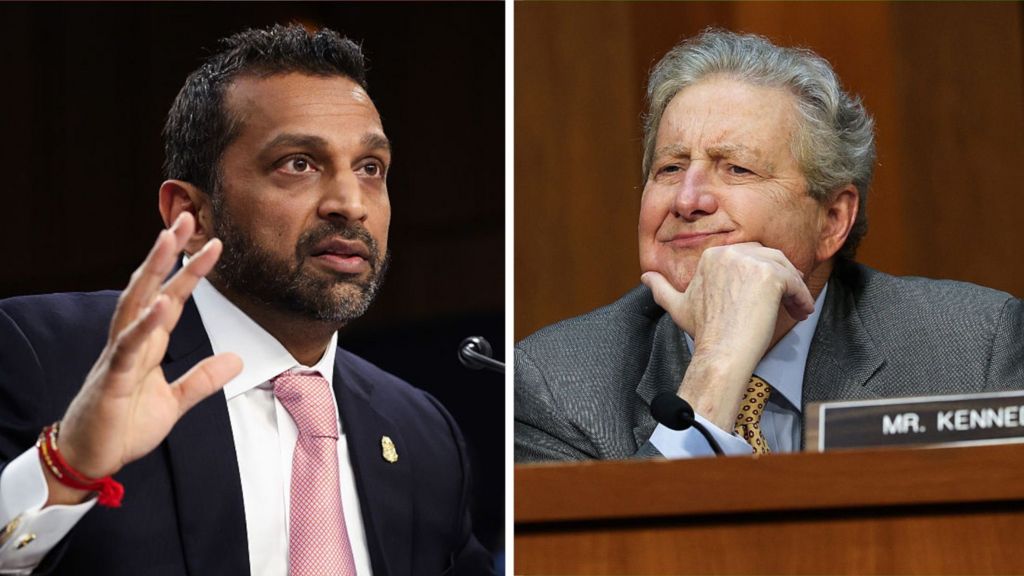
    Top congressional Democrats have repeatedly pressed Hegseth for answers, starting with a basic confirmation of whether US forces carried out the strike. The BBC has reviewed two formal response letters sent by the Pentagon on Hegseth’s behalf, neither of which answers any of the Democrats’ core questions. A most recent April 2 letter only confirmed that an investigating officer outside the CENTCOM chain of command has been appointed, and that results would be shared after the inquiry concludes. When the BBC reached out to 15 Republican members of Congress, including top leaders of House and Senate national security committees, all declined to comment on the administration’s handling of the strike. Only one Republican senator, John Kennedy of Louisiana, has publicly broken rank, telling the *New York Times* in March that “I think we made a mistake. It was a terrible, terrible mistake.”

    During closed-door congressional briefings on Iran war operations, Pentagon officials have repeatedly declined to answer questions about the Minab strike, citing the ongoing investigation. Adam Smith, the top Democrat on the House Armed Services Committee, called that response “pathetic and completely inadequate,” confirming that officials have refused to admit US responsibility even in private.

    The pattern of silence from current administration officials lines up with public comments from President Donald Trump, who has repeatedly denied any knowledge of evidence linking US forces to the strike and without evidence blamed Iran for the deaths. On March 7, Trump claimed Iran was responsible for the strike. Days later, when asked about verified video of a US Tomahawk hitting the adjacent military base, he claimed he had not seen the footage and falsely asserted that Iran also possesses Tomahawk missiles. When pressed later about reports that a preliminary probe found US forces were responsible, he again said he had no knowledge of the incident. Hegseth similarly told the BBC in March that “All I can say is that we’re investigating that. We of course never target civilian targets.”

    To contextualize the current response, the BBC compared the Minab incident to three prior high-profile cases of civilian deaths from US strikes across different administrations: the 2021 Kabul airport drone strike that killed 10 civilians including seven children, the 2015 MSF hospital bombing in Kunduz that killed 42 people, and the 1991 al-Amiriyah shelter bombing in Baghdad that killed 408 civilians. In all three cases, even when the US initially denied responsibility, senior officials acknowledged the strike and released substantial public details within a month at most, contrasting sharply with the two-month silence in the Minab case.

    Annie Shiel, a former State Department official focused on civilian harm reduction who now serves as US Advocacy Director for the Center for Civilians in Conflict (CIVIC), noted that the appointment of an external investigator is at least a nominal step toward procedural independence, but argued that any US role should be acknowledged publicly even before the full investigation concludes. Shiel added that past US administrations have often been forced to reverse initial denials after independent reporting confirms US responsibility, a pattern the current administration seems intent on avoiding by saying nothing at all.

    Independent corroboration of the strike’s details has been further complicated by the Iranian government’s refusal to grant independent investigators or journalists access to the blast site. The UN Fact Finding Mission on Iran announced March 17 that it had formally requested access to Minab but been denied permission to visit.

    Charles O Blaha, a 32-year veteran of the US foreign service and former director of the State Department’s Office of Security and Human Rights, now a senior advisor to Democracy for the Arab World Now (DAWN), said the administration’s lack of transparency most likely stems from a reluctance to contradict President Trump, who already publicly and falsely blamed Iran for the strike. Blaha called Trump’s claim “really far-fetched and very clearly not true,” adding that the silence also reflects the administration’s broader pattern of dismissing any negative news about the Iran war as unpatriotic.

  • Canada’s spring budget projects economy to grow and deficit to fall

    Canada’s spring budget projects economy to grow and deficit to fall

    Canada’s federal fiscal position has delivered a surprise upside, with Prime Minister Mark Carney announcing a far narrower deficit than initial projections, fueled by a sharp rally in global oil prices and unexpected economic resilience that has held firm amid growing trade pressures and worldwide geopolitical upheaval.

    New data released in the government’s spring economic update shows the national debt is currently roughly 14 percent below the figures forecast in earlier fiscal planning. In the previous autumn budget, Ottawa had projected a deficit of C$78.3 billion (equivalent to $57.2 billion USD or £43.4 billion GBP) for the 2025-26 fiscal year. The better-than-expected numbers land just 24 hours after the federal government unveiled plans for Canada’s first-ever sovereign wealth fund, earmarked for investments in domestic infrastructure and other national projects.

    Ahead of the release of the spring fiscal update, Carney previewed that positive results were coming, framing his administration as a prudent steward of public finances. “We were determined to get spending down with a lot of very… difficult decisions,” the prime minister told reporters on Monday. The unexpected fiscal savings have cleared room for billions in new public spending, including programs to train thousands of skilled workers and seed capital for the new sovereign wealth fund, dubbed the Canada Strong Fund.

    The landmark fund will allocate capital to key domestic sectors including energy, infrastructure, mining, agriculture and technology, with an upfront government contribution of C$25 billion. It will also open direct investment opportunities to ordinary Canadian citizens who have disposable savings to allocate. Despite the encouraging near-term fiscal results, the update issued a clear warning that Canada cannot escape long-term financial headwinds stemming from proposed U.S. tariffs and escalating geopolitical instability linked to the ongoing conflict between the U.S., Israel and Iran.

    “The economy is expected to continue growing, but the outlook is subject to heightened global uncertainty, including ongoing trade tensions and geopolitical risks,” the official fiscal document noted. Canada holds the world’s third-largest proven oil reserves, with oil and gas accounting for its largest export category, so the recent run-up in global crude prices has been a major tailwind for government revenue and overall economic performance.

    The spring update also incorporates two previously announced relief measures for households grappling with cost-of-living increases: a temporary fuel tax cut rolled out earlier this month by the Carney administration, and a one-time grocery rebate targeted at low-income Canadian households. Fiscal projections included in the update show Canada will remain in deficit over the next five years, with the shortfall projected to stabilize around C$50 billion annually by 2031.

    Canada’s fiscal trajectory has long been a central point of attack for the Conservative Party, the country’s official parliamentary opposition. Ahead of Tuesday’s update, Conservative leader Pierre Poilievre repeated his calls for Carney to implement deep spending cuts and balance the federal budget. Poilievre has argued that soaring national debt is the root cause of Canada’s ongoing affordability crisis.

    “He’s putting the nation’s spending on the credit card, and he’s forcing families to put their personal spending on their personal credit cards to pay for his high cost of living,” Poilievre told reporters on Sunday, doubling down on his criticism of the government’s fiscal management.

  • Under Trump, record numbers say personal finances getting worse

    Under Trump, record numbers say personal finances getting worse

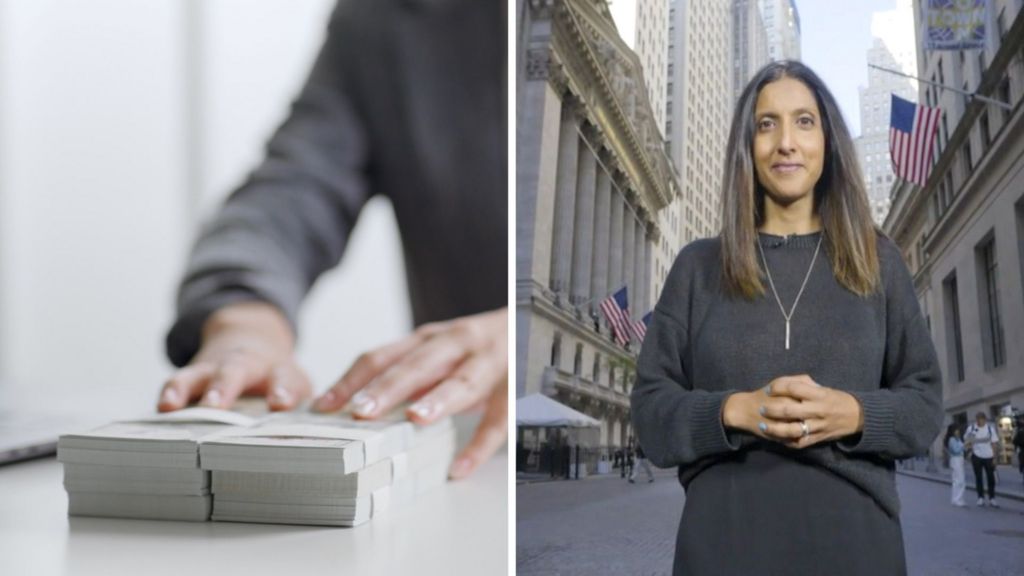
    Just 12 months after former President Donald Trump claimed the United States was on the cusp of an economic “golden age,” new polling data reveals American households hold the most pessimistic views of personal finances recorded in a quarter-century.

    Gallup published its national survey Tuesday, which found 55% of U.S. adults report their personal financial situations are deteriorating. That figure tops all previous readings stretching back to 1999, outpacing prior peaks of economic anxiety: 49% of Americans said their finances were worsening at the start of the 2008 Great Recession, while 50% held the same negative view in early 2020 as COVID-19 shut down the global economy, and again in 2023 when post-pandemic inflation hit its highest point in decades.

    In its analysis of the poll results, Gallup noted that cost of living concerns remain the top financial stressor for American families, with worries about everyday expenses dwarfing all other economic issues. “When combined with the long-lasting impact of persistent inflation that emerged during and after the pandemic, public perceptions of personal finance and future economic outlook remain extremely guarded,” the organization added.

    The survey collected responses between April 1 and April 15, but economic pressures on consumers have only intensified in the weeks since data collection wrapped up. On April 15, Brent crude oil futures traded at roughly $95 per barrel; in the following weeks, global prices spiked past $111 per barrel. Data from the American Automobile Association (AAA) shows the national average retail price of gasoline has also climbed from $4.02 per gallon to $4.17 per gallon over the past seven days.

    This sharp oil price surge was triggered by an unprovoked military conflict between the United States and Iran that began in March, initiated under Trump’s order. In response to the U.S. attack, Iran closed the Strait of Hormuz, a critical global shipping chokepoint that carries roughly a fifth of the world’s daily oil supply, to most commercial traffic.

    Beyond energy market disruptions, the closure of the strait has created critical fertilizer shortages ahead of the Northern Hemisphere’s spring planting season. Agriculture experts have issued warnings that a full-blown global food crisis could unfold if the Strait of Hormuz does not reopen to commercial traffic in the very near future. That risk is amplified by climate scientists’ projections of an upcoming “super El Niño,” a large-scale climate pattern that would bring below-average rainfall to key agricultural regions across the globe, further suppressing crop yields.

    While American households grapple with soaring energy and grocery costs, a faction of congressional Republican lawmakers led by Sen. Lindsey Graham (R-SC) has publicly pushed a plan to use U.S. taxpayer dollars to cover the $400 million cost of a luxury new ballroom Trump has ordered built at the White House complex.

    Hours after Graham unveiled his proposal, Rep. Riley Moore (R-WV) appeared on Fox Business to reiterate support for the project, dismissing cross-partisan criticism. “You would think this town would be tired of Donald Trump being right all the time,” Moore said. “This president has always had the ability to see around corners and make decisions that are best for the country or his business. We need to have that ballroom built. God bless the president for doing it.”

    Sarah Longwell, a veteran Republican pollster who left the GOP over opposition to Trump, pointed to aggregated polling compiled by data analyst Nate Silver that shows nearly 69% of Americans disapprove of Trump’s handling of the cost of living crisis. She slammed the taxpayer-funded ballroom proposal as wildly disconnected from the priorities of ordinary American voters, writing sarcastically: “You know what’ll turn these numbers around? A taxpayer-funded ballroom.”

    Graham held a press conference alongside fellow Republican Sens. Katie Britt (R-AL) and Eric Schmitt (R-MO) late Monday to announce their plan to expedite legislation to the full Senate that would allocate public funds for the new ballroom, which they frame as a national security necessity. Their push comes two days after an armed individual carrying multiple guns and knives attempted to breach the venue of the annual White House Correspondents Association (WHCA) dinner, exchanging gunfire with Secret Service agents before being taken into custody. Hours after being evacuated from the scene, Trump immediately cited the incident as proof the new ballroom was necessary, claiming future WHCA dinners could be held on secure White House grounds instead of the Washington Hilton, the event’s home for decades. It remains unclear whether the WHCA would ever agree to move its annual dinner to the White House.

    Trump has pushed for the construction of the ballroom for months, ordering preliminary demolition work to begin last year while promising the entire project would be paid for through private donations from major government contractors including Amazon, Lockheed Martin, and Google. That original plan drew widespread criticism over the significant conflicts of interest it would create, as the donating companies rely on federal government contracts for billions in annual revenue.

    Construction was temporarily halted after a federal district court ruled the project required formal congressional approval to move forward. However, a federal appeals court issued a ruling earlier this month allowing construction to resume while it reviews the lower court’s decision. The U.S. Department of Justice also filed a motion late Monday asking district judge Richard Leon to dissolve his original injunction blocking the project. Political observers noted the motion’s language closely matches the informal, confrontational style Trump regularly uses in his personal social media posts. The filing opens by dismissing the National Trust for Historic Preservation, the nonprofit that brought the lawsuit against the project, as a “FAKE” organization, and adds: “They suffer from Trump Derangement Syndrome, commonly referred to as TDS.”

    Graham told reporters Monday the $400 million for the ballroom would be drawn from existing taxpayer revenue collected through national park entry fees and customs duties, while the private donations Trump previously raised would be allocated to extras like custom fine china for the venue. Despite polling showing Trump’s national approval rating stood at just 40% in March, Graham claimed the American public would back the proposal. “If you don’t think $400 million of taxpayer money is a good investment to create a secure facility at the White House, then I disagree. I bet you 90% of Americans would love to have a better facility,” Graham said.

    Rep. Pramila Jayapal (D-WA) pushed back sharply on Graham’s claim, arguing the proposal is completely out of step with what most Americans need from their elected leaders. “Nope. Ninety percent of Americans would love to have affordable healthcare, housing, and childcare. Or lower gas prices. Or lower grocery prices. Not a frigging illegally constructed ballroom,” Jayapal responded.

    Graham defended the project by noting the ballroom would sit above national security-focused military infrastructure that would allow the president to host events on White House grounds without traveling off-site, eliminating security risks associated with presidential travel. Critics of the plan have questioned the need for a new luxury ballroom, pointing to multiple existing event spaces at the White House that already meet presidential security requirements.

  • Trump’s face to feature on commemorative US passports

    Trump’s face to feature on commemorative US passports

    The White House has officially confirmed a controversial new commemorative initiative: a limited run of United States passports featuring a portrait of sitting President Donald Trump, timed to coincide with the 250th anniversary of the signing of the Declaration of Independence this July. The plan was first broken by Fox News, before administration representatives verified details to multiple major international outlets.

    According to a senior anonymous administration official speaking to the BBC, the special design will be offered to any American citizen who submits a new passport application once the rollout begins. The limited-edition documents will only be issued through the Washington Passport Agency, and will remain available only while stock lasts. A pre-release rendering published by the US State Department shows Trump’s portrait framed by the full text of the Declaration of Independence and imagery of the American flag, with the president’s signature rendered in gold ink on the document.

    A White House spokesperson framed the new passport design as a contribution to national semiquincentennial celebrations, saying: “President Trump’s new patriotic passport design provides yet another great way Americans can join in the spectacular celebrations for America’s 250th birthday. Between the UFC250 Fight, the Great American State Fair, Freedom250 Grand Prix, and this new passport celebrating our freedom, President Trump continues to proudly lead a renewal of national pride and patriotism during our historic semiquincentennial celebration.”

    Standard-issue US passports currently feature curated depictions of key national historical moments, such as the 1969 Apollo Moon landing, alongside iconic American symbols like the Statue of Liberty. As of press time, it remains unclear whether applicants will have the option to request a standard non-commemorative passport instead of the special edition when applying through the Washington agency.

    This commemorative passport is the latest in a series of administration moves to tie Trump’s name and likeness to official government assets and national anniversary initiatives. The US Mint recently unveiled plans for a 250th anniversary commemorative gold coin that also features Trump’s image, and the president is on track to make history as the first sitting US president to have his signature added to official American banknotes.

    Other recent high-profile changes have drawn significant public and political backlash. In a move that drew condemnation from the Kennedy family, the board of the Kennedy Center for the Performing Arts voted to rebrand the venue the Trump-Kennedy Center to honor the current sitting president. Earlier in April, the White House revealed plans for a gold-accented 76-meter monumental arch in downtown Washington DC, dubbed the “Arc de Trump”. A federal oversight panel granted preliminary approval for the structure despite overwhelming negative public comment and fierce opposition from historic preservation groups.

    Trump has also altered the iconic White House itself, ordering the demolition of the building’s original East Wing to make way for a new presidential ballroom as part of a major renovation project. The National Trust for Historic Preservation has since filed a lawsuit against the White House over the project, alleging that construction work commenced before the administration submitted formal plans for review to the National Capital Planning Commission, violating federal historic preservation rules.