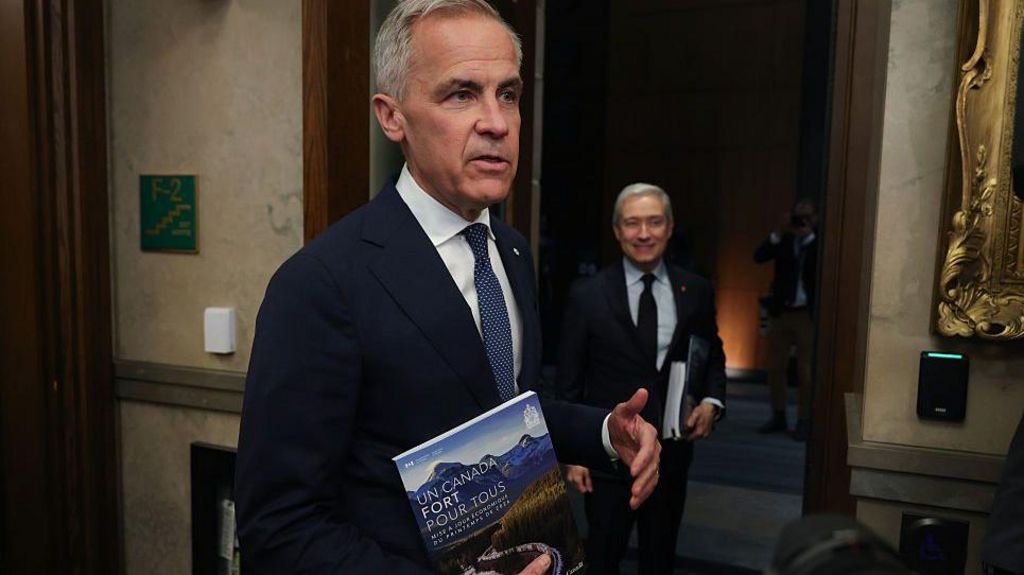
Canada’s federal fiscal position has delivered a surprise upside, with Prime Minister Mark Carney announcing a far narrower deficit than initial projections, fueled by a sharp rally in global oil prices and unexpected economic resilience that has held firm amid growing trade pressures and worldwide geopolitical upheaval.
New data released in the government’s spring economic update shows the national debt is currently roughly 14 percent below the figures forecast in earlier fiscal planning. In the previous autumn budget, Ottawa had projected a deficit of C$78.3 billion (equivalent to $57.2 billion USD or £43.4 billion GBP) for the 2025-26 fiscal year. The better-than-expected numbers land just 24 hours after the federal government unveiled plans for Canada’s first-ever sovereign wealth fund, earmarked for investments in domestic infrastructure and other national projects.
Ahead of the release of the spring fiscal update, Carney previewed that positive results were coming, framing his administration as a prudent steward of public finances. “We were determined to get spending down with a lot of very… difficult decisions,” the prime minister told reporters on Monday. The unexpected fiscal savings have cleared room for billions in new public spending, including programs to train thousands of skilled workers and seed capital for the new sovereign wealth fund, dubbed the Canada Strong Fund.
The landmark fund will allocate capital to key domestic sectors including energy, infrastructure, mining, agriculture and technology, with an upfront government contribution of C$25 billion. It will also open direct investment opportunities to ordinary Canadian citizens who have disposable savings to allocate. Despite the encouraging near-term fiscal results, the update issued a clear warning that Canada cannot escape long-term financial headwinds stemming from proposed U.S. tariffs and escalating geopolitical instability linked to the ongoing conflict between the U.S., Israel and Iran.
“The economy is expected to continue growing, but the outlook is subject to heightened global uncertainty, including ongoing trade tensions and geopolitical risks,” the official fiscal document noted. Canada holds the world’s third-largest proven oil reserves, with oil and gas accounting for its largest export category, so the recent run-up in global crude prices has been a major tailwind for government revenue and overall economic performance.
The spring update also incorporates two previously announced relief measures for households grappling with cost-of-living increases: a temporary fuel tax cut rolled out earlier this month by the Carney administration, and a one-time grocery rebate targeted at low-income Canadian households. Fiscal projections included in the update show Canada will remain in deficit over the next five years, with the shortfall projected to stabilize around C$50 billion annually by 2031.
Canada’s fiscal trajectory has long been a central point of attack for the Conservative Party, the country’s official parliamentary opposition. Ahead of Tuesday’s update, Conservative leader Pierre Poilievre repeated his calls for Carney to implement deep spending cuts and balance the federal budget. Poilievre has argued that soaring national debt is the root cause of Canada’s ongoing affordability crisis.
“He’s putting the nation’s spending on the credit card, and he’s forcing families to put their personal spending on their personal credit cards to pay for his high cost of living,” Poilievre told reporters on Sunday, doubling down on his criticism of the government’s fiscal management.