标签: North America

北美洲

  • Trump’s Pearl Harbor remark overshadows Japan PM visit

    Trump’s Pearl Harbor remark overshadows Japan PM visit

    During Japanese Prime Minister Sanae Takaichi’s official visit to Washington, President Donald Trump invoked one of the most painful chapters in U.S.-Japan history to justify his administration’s surprise military strike against Iran. When questioned by Japanese journalists about why allies weren’t forewarned of the February 28th operation, Trump retorted: “Who knows better about surprise than Japan? Why didn’t you tell me about Pearl Harbor?”

    The remark created visible discomfort for Prime Minister Takaichi, who according to eyewitnesses from Japan’s Yomiuri Shimbun newspaper, “viscerally reacted, her eyes widening and her smile disappearing as she leaned back, drawing her hands in, clearly taken aback.” The comment drew some laughter from others in the Oval Office, but highlighted the delicate nature of historical references between the two nations.

    The Pearl Harbor attack on December 7, 1941, resulted in 2,403 American deaths and propelled the United States into World War II. The conflict culminated with the atomic bombings of Hiroshima and Nagasaki in 1945, which killed hundreds of thousands of Japanese civilians. Since the 1952 peace treaty, both countries have consciously focused on reconciliation rather than historical grievances.

    This diplomatic encounter occurred against the backdrop of ongoing tensions in the Strait of Hormuz, where Iran has blocked oil shipments in retaliation for U.S.-Israeli attacks. Japan had previously declined Trump’s request to help reopen the vital waterway, though Takaichi later indicated Tokyo would provide support within its legal framework. The blockade has caused global oil prices to skyrocket, affecting approximately 20% of the world’s oil supply.

    The incident underscores the ongoing challenges in the U.S.-Japan alliance, where historical memory continues to influence contemporary diplomacy despite seven decades of partnership.

  • Couple blends tradition with contemporary in New York

    Couple blends tradition with contemporary in New York

    In the heart of Manhattan, a culinary revolution is quietly unfolding at Yingtao, a Michelin-starred establishment challenging conventional perceptions of Chinese cuisine in America. Founded by the husband-wife duo Bolun and Linette Yao, this innovative restaurant merges traditional Chinese flavors with contemporary fine-dining techniques through an elaborate tasting menu format.

    Bolun Yao, who grew up in Xi’an, China before moving to New Zealand and eventually New York, brings a unique cross-cultural perspective to his role as owner and founder of August Hospitality Group. His partner Linette serves as managing partner, together creating what they describe as ‘elevated Chinese cuisine’ that breaks from the static categorization often associated with Chinese food in New York.

    The restaurant’s journey began with significant challenges. American diners initially struggled to understand refined interpretations of Chinese flavors, while some Chinese patrons found the departure from traditional preparations unfamiliar. However, persistence and innovation gradually built a loyal following, culminating in the prestigious Michelin star recognition—a rarity for Chinese restaurants in the United States.

    Yingtao’s culinary approach involves creative reinterpretations of classic dishes. One standout example transforms the Cantonese dim sum staple lo mai gai (sticky rice wrapped in lotus leaf) into an inventive composition featuring sticky rice, Chinese sausage, and salted egg yolk stuffed inside a chicken wing.

    The Yaos emphasize that their mission extends beyond prestige-seeking. ‘It’s about visibility and representation,’ Linette explains. ‘We’re creating a platform for Chinese cuisine to stand alongside other celebrated Asian culinary traditions in New York.’ Bolun adds, ‘We don’t seek to replace traditional Chinese restaurants—we want to showcase another possibility.’

    Named in honor of Bolun’s grandmother, Yingtao represents both personal heritage and culinary innovation, demonstrating how cultural traditions can evolve while maintaining their essential character in a global context.

  • Trump says he will not put troops in Iran

    Trump says he will not put troops in Iran

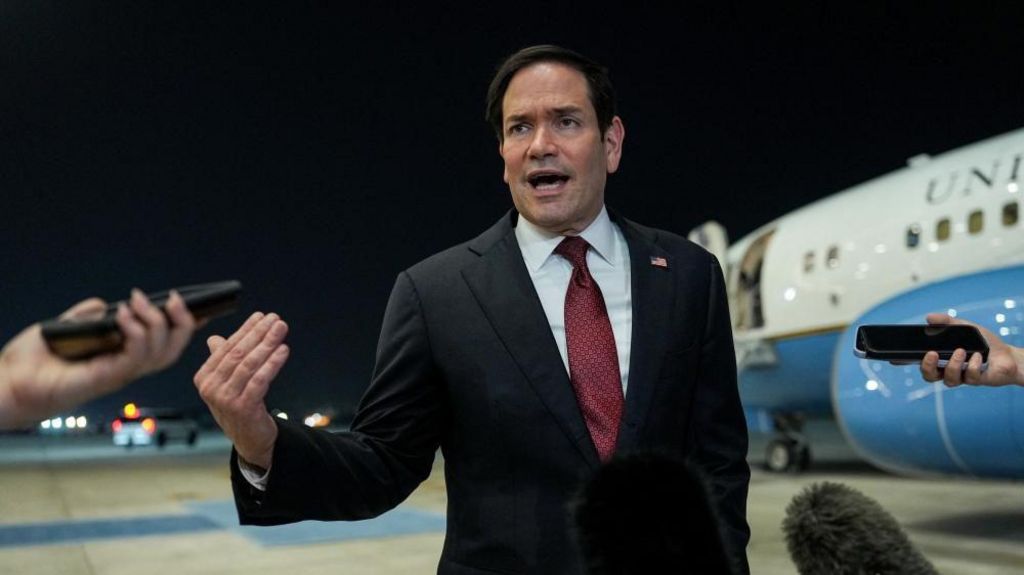
    In a significant statement addressing the escalating military confrontation with Iran, U.S. President Donald Trump explicitly ruled out deploying American ground forces to the conflict zone. The declaration came during a bilateral meeting with Japanese Prime Minister Sanae Takaichi at the White House on Thursday.

    When questioned by journalists about potential troop deployments to Iran, Trump responded unequivocally: “I’m not putting troops anywhere.” This position emerges amid intensifying hostilities between the United States, Israel, and Iran that began with large-scale strikes on February 28th.

    The ongoing military engagement has already produced substantial global repercussions, including significant disruptions to international shipping routes, a sharp increase in oil prices, and noticeable tremors throughout the world economy. These developments have raised concerns among international observers about the potential for broader regional destabilization.

    The meeting with Prime Minister Takaichi, held in the Oval Office, primarily focused on strengthening bilateral relations between the United States and Japan. However, the escalating situation in the Middle East inevitably dominated discussions, given its implications for global security and economic stability.

    Trump’s statement represents a notable clarification of U.S. military strategy amid the conflict, suggesting a preference for aerial and naval capabilities over ground operations. This position may signal a calculated approach to managing regional tensions while attempting to limit American military exposure in the complex geopolitical landscape of the Middle East.

  • Nasa’s Moon rocket Artemis rolls back to pad for possible April launch

    Nasa’s Moon rocket Artemis rolls back to pad for possible April launch

    NASA has initiated the meticulous transport of its colossal Space Launch System (SLS) rocket for a second rollout to Launch Pad 39B at Florida’s Kennedy Space Center. This critical maneuver follows extensive repairs to resolve a technical issue that previously halted launch preparations.

    The 98-meter (322-foot) rocket, paired with the Orion spacecraft, embarked on its slow four-mile journey from the Vehicle Assembly Building (VAB) to the coastal launch complex. The massive Crawler-Transporter-2, a veteran NASA vehicle dating back to 1965, carries the approximately 5,000-tonne assembly at a deliberate pace not exceeding 1 mph. This cautious speed minimizes structural stress on the multi-billion dollar system during transit.

    Engineering teams recently completed repairs addressing a helium system malfunction in the rocket’s upper stage that forced the mission’s postponement in March. Specialists working within the VAB replaced suspect components and renewed batteries in critical systems before conducting comprehensive retests.

    Upon reaching the launch pad, technicians will perform several days of verification procedures including reconnecting the launch tower, conducting pressure tests on the revised helium system, and executing simulated countdown sequences using the actual flight computers and networks.

    The Artemis II mission represents humanity’s first crewed lunar flyby in over five decades, featuring astronauts Reid Wiseman, Victor Glover, Christina Koch, and Jeremy Hansen. The crew has entered pre-flight quarantine protocols and will participate in final rehearsals at Kennedy Space Center as NASA targets early April launch opportunities beginning April 1st.

    Mission managers will review all test data before making a final launch decision. If successful, this ten-day mission will orbit the Moon’s far side before returning to Earth, paving the way for subsequent Artemis missions including planned lunar surface landings.

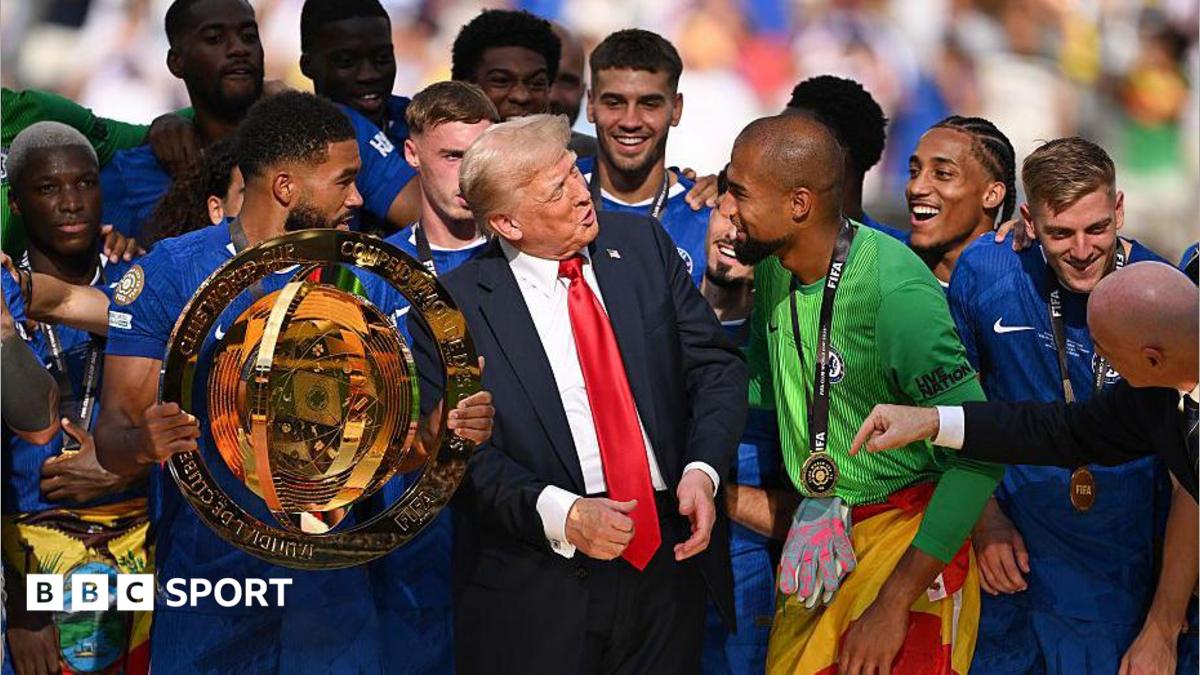
  • Trump 24-karat gold coin approved by hand-picked federal panel

    Trump 24-karat gold coin approved by hand-picked federal panel

    A federal arts commission has unanimously approved the design of a 24-karat gold coin featuring President Donald Trump, intended to commemorate America’s 250th anniversary this Fourth of July. The controversial coin depicts Trump with his fists pressed against a desk in a pose derived from an official White House photograph.

    The U.S. Commission of Fine Arts endorsed the design following a presentation by the U.S. Mint, despite apparent conflicts with federal regulations that typically prohibit living presidents from appearing on U.S. currency. The issuance proceeds under the authority of Treasury Secretary Scott Bessent, who holds discretionary power to authorize proof gold coins.

    Commission Vice-Chairman James McCrery not only moved to approve the design but enthusiastically recommended maximizing its dimensions, suggesting a potential diameter of up to three inches—significantly larger than the standard quarter dollar’s sub-one-inch width.

    This development occurs against a contentious backdrop: Trump replaced the commission’s entire membership with allies last year, while Democratic Congressman Ritchie Torres of New York previously proposed legislation—the Trump (The Restrict Ugly Money Portraits) Act—specifically designed to prevent presidents from issuing currency bearing their own likeness. The bill failed to advance through Congress.

    If minted as expected following Bessent’s anticipated order, Trump would become only the second U.S. president after Calvin Coolidge to appear on coinage during his lifetime. The U.S. Mint has declined to comment on the proceedings.

  • ABC pulls Taylor Frankie Paul’s season of The Bachelorette after domestic abuse allegations

    ABC pulls Taylor Frankie Paul’s season of The Bachelorette after domestic abuse allegations

    In a dramatic turn of events, ABC has abruptly canceled the forthcoming season of its popular dating reality series ‘The Bachelorette’ following the emergence of disturbing domestic violence allegations against the show’s intended star, Taylor Frankie Paul.

    The Disney-owned network announced its decisive action on Thursday after previously unaired footage surfaced online showing Paul engaged in a physical altercation with her former partner in 2023. The TikTok influencer and Hulu reality personality had previously been arrested in connection with the incident and subsequently pleaded guilty to charges of aggravated assault, according to multiple U.S. media reports.

    The cancellation represents a significant programming shift for ABC, which had scheduled the season premiere for this coming Sunday. The network’s swift response underscores the seriousness with which it treats the allegations against Paul, who had appeared on ABC’s ‘Good Morning America’ just one day prior to the cancellation announcement to promote the series.

    During her Wednesday morning interview, Paul addressed the growing controversy, stating: ‘Honestly, it’s been a heavy time to see the headlines, especially during this time of ‘The Bachelorette’ being released. It was supposed to be a really exciting time.’

    A spokesperson for Disney Entertainment Television confirmed the network’s position, emphasizing that their ‘focus is on supporting the family’ affected by the incident. The BBC has reached out to Paul’s representatives for additional commentary on the developing situation.

    The decision to cancel rather than recast or delay the season demonstrates the network’s cautious approach to handling sensitive allegations involving reality television personalities, particularly those with documented legal consequences. This move potentially sets a precedent for how entertainment corporations address serious off-screen conduct by their on-air talent.

  • Ros Atkins on… Trump’s mixed messages on the war

    Ros Atkins on… Trump’s mixed messages on the war

    In a meticulous examination of presidential communication patterns, BBC’s Analysis Editor has dissected the seemingly contradictory foreign policy statements emanating from the Trump administration regarding potential military engagement with Iran. The investigation reveals a complex tapestry of rhetoric that oscillates between aggressive posturing and diplomatic overtures, creating substantial confusion among allies, adversaries, and policy analysts alike.

    The comprehensive analysis identifies multiple instances where the President’s public declarations on military strategy appeared to conflict with established diplomatic channels and official White House statements. This pattern of mixed messaging has generated significant uncertainty within international relations circles about the administration’s actual strategic objectives and red lines concerning Iranian relations.

    Foreign policy experts consulted for this assessment note that such contradictory signaling may represent either a deliberate strategy of ‘calculated ambiguity’ or reflect genuine internal divisions within the administration’s foreign policy apparatus. The investigation further examines how these communications have been received by Tehran, with Iranian officials simultaneously confronting bellicose language while receiving occasional conciliatory gestures through backchannel communications.

    This phenomenon of dual-track messaging has created substantial challenges for America’s traditional allies who struggle to coordinate policy amid the apparent dissonance between presidential tweets, official statements, and diplomatic corps communications. The analysis concludes that this approach has fundamentally altered traditional diplomatic norms while creating both risks and opportunities in an already volatile regional security environment.

  • Epstein’s personal lawyer tells Congress he had no knowledge of financier’s crimes

    Epstein’s personal lawyer tells Congress he had no knowledge of financier’s crimes

    In a significant development within the ongoing congressional investigation into Jeffrey Epstein’s criminal network, the financier’s longtime personal attorney Darren Indyke testified before the House Oversight Committee on Thursday, asserting complete unawareness of his client’s extensive sexual abuse operations.

    Appearing behind closed doors, Indyke—who managed Epstein’s legal affairs and estate—stated in prepared remarks that he possessed ‘no knowledge whatsoever’ of the illegal activities perpetrated by his notorious client. The attorney emphasized his strictly professional relationship with Epstein, noting they did not socialize and that ‘not a single woman has ever accused me of committing sexual abuse or witnessing sexual abuse.’

    Committee Chairman James Comer (R-KY) informed reporters that Indyke cooperated fully during the questioning session. In his testimony, Indyke recounted his professional history with Epstein dating to 1996 and described his client’s demeanor following his 2008 guilty plea for soliciting a minor for prostitution. ‘He appeared to be devastated and extremely contrite,’ Indyke stated, adding that Epstein had maintained he was unaware of any underage involvement. ‘I believed him, and I made the mistake of believing Mr. Epstein that he would not again commit a crime.’

    The testimony drew sharp criticism from victims’ legal representatives. James Marsh, an attorney for several Epstein survivors, characterized Indyke’s claimed ignorance as ‘deeply troubling,’ noting the attorney’s extensive involvement with Epstein’s affairs. ‘His testimony only underscores how much still remains hidden about the vast network of enablers that allowed these crimes to persist for decades,’ Marsh asserted. ‘Survivors—and the American people—deserve the full undistorted truth about who knew what.’

    The hearing occurred amid heightened political tensions within the committee. Democrats staged a walkout during a separate briefing with US Attorney General Pam Bondi regarding the Justice Department’s handling of Epstein-related documents. Ranking Democrat Robert Garcia stated Bondi had ‘refused’ to commit to complying with a subpoena issued by Chairman Comer, while Republican member Tim Burchett dismissed the walkout as ‘staged’ political theater.

    The Oversight Committee continues its comprehensive investigation into institutional responses to Epstein’s crimes, having previously interviewed numerous high-profile witnesses including former President Bill Clinton as part of its examination into how allegations against the financier were addressed by government entities.

  • Canada’s Conservative leader talks tariffs and martial arts with Joe Rogan

    Canada’s Conservative leader talks tariffs and martial arts with Joe Rogan

    In a strategic move to amplify his international presence, Canadian Conservative Opposition Leader Pierre Poilievre engaged in a wide-ranging dialogue on ‘The Joe Rogan Experience,’ one of the world’s most influential podcasts. The conversation served as a cornerstone of Poilievre’s inaugural official tour across the United States, aimed at bolstering his profile amidst domestic polling that places him behind incumbent Prime Minister Mark Carney.

    The interview transcended typical political discourse, beginning with Poilievre presenting Rogan with a Canadian-made kettlebell embossed with a maple leaf—a nod to their mutual interest in fitness and martial arts. However, the dialogue swiftly pivoted to substantive policy matters. Poilievre’s central mission was to advocate for the removal of trade tariffs imposed on Canada during the previous Trump administration. He articulated a vision of reinvigorated bilateral cooperation, stating, ‘We need to harness the goodwill of the American people… and what better place to do it than on the biggest podcast in the world.’

    He presented a pragmatic economic argument, contending that eliminating tariffs on Canadian lumber and aluminum would directly contribute to lowering housing and vehicle costs for American consumers. Furthermore, he positioned Canada as a solution to rising U.S. energy prices, proposing an increase in Canadian oil exports by approximately two million barrels annually.

    When probed on whether he had directly engaged President Trump on these issues, Poilievre demurred, upholding the principle of ‘one prime minister at a time’ and affirming that formal negotiations remain Carney’s prerogative, while his role was to offer supportive advocacy.

    The podcast also ventured into contentious domestic Canadian policy, specifically the nation’s medically assisted dying laws. While affirming a general belief in individual choice, Poilievre expressed his party’s significant reservations about the planned expansion of the legislation to include individuals whose sole condition is a mental illness—a implementation already delayed until 2027.

    Poilievre’s U.S. itinerary included high-level engagements in Detroit with automotive executives and in Texas, where he toured oil processing facilities and found a receptive audience in Governor Greg Abbott for increased Canadian exports. The tour culminates in New York City with an address to the Foreign Policy Institute. This outreach mirrors recent diplomatic efforts by Poilievre in the UK and Germany, where he promoted a new framework for enhanced cooperation between Canada, the UK, Australia, and New Zealand. These international forays occur against a backdrop of Carney’s own aggressive global travel schedule, focused on attracting foreign investment and diversifying Canada’s trade partnerships beyond the United States.

  • US considers lifting sanctions on some Iranian oil

    US considers lifting sanctions on some Iranian oil

    In a dramatic policy shift, the United States is evaluating the temporary suspension of sanctions on certain Iranian oil exports as it confronts escalating energy market turmoil stemming from the ongoing conflict in Iran. Treasury Secretary Scott Bessent unveiled this unconventional approach during a Thursday appearance on Fox Business’s ‘Mornings with Maria,’ positing that it could liberate additional crude supplies for international purchasers.

    The initiative, if implemented, would constitute a remarkable departure from decades of American foreign policy toward Iran. Secretary Bessent specified that the administration is contemplating authorizing the sale of approximately 140 million barrels of Iranian oil already positioned aboard tankers at sea. He projected this could transiently reduce global oil prices for a period of 10 to 14 days. A core element of the proposal involves diverting shipments away from China—which has been the primary beneficiary of heavily discounted Iranian crude—toward allied nations like India, Japan, and Malaysia, thereby forcing Beijing to pay prevailing market rates.

    However, the strategy has ignited intense skepticism and criticism from sanctions experts and policymakers. David Tannenbaum of Blackstone Compliance Services lambasted the concept as ‘bananas,’ warning that it risks funneling substantial revenue to the very Iranian regime the U.S. is militarily engaged against. The practical challenges of preventing funds from reaching Tehran’s coffers remain a significant, unresolved hurdle.

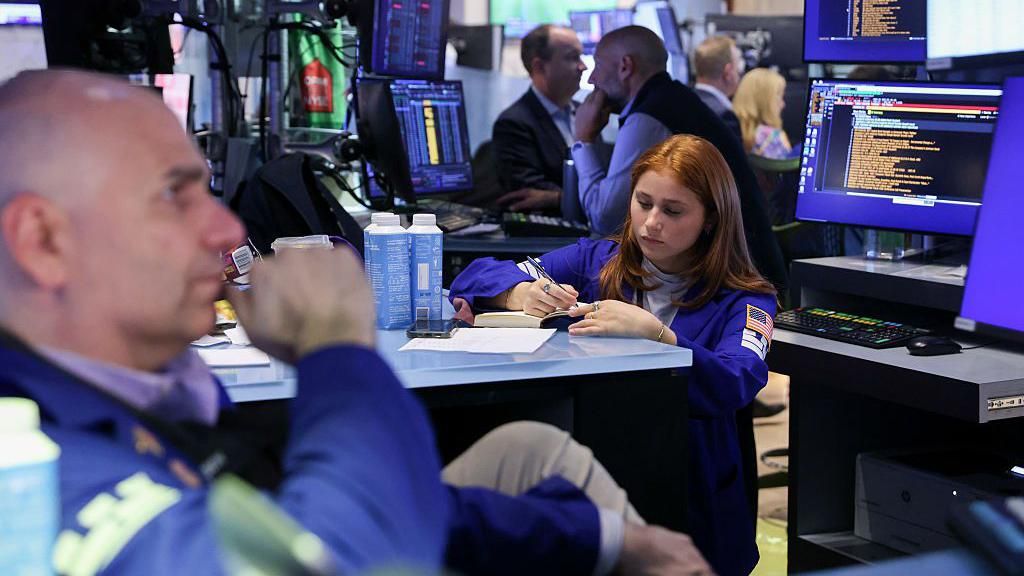
    This deliberation occurs against a backdrop of severe market disruption. The war has effectively halted shipping through the critical Strait of Hormuz, a chokepoint for roughly 20% of daily global oil transit. Experts estimate the conflict has already removed approximately 10% of the world’s oil supply from the market. Compounding these worries, recent attacks on a major Iran-Qatar gas field have raised fears of long-term damage to fossil fuel infrastructure, threatening capacity constraints for years to come.

    The Biden administration’s exploration of this tool underscores a palpable desperation to mitigate an historic energy shock, following other recent moves like tapping strategic petroleum reserves and suspending some Russian oil sanctions. Yet, the potential Iranian waiver faces substantial political headwinds; the House of Representatives just passed a bill designed to strengthen, not relax, sanctions on Iran’s energy sector. The Treasury Department has declined to elaborate on the mechanics of the proposal, and President Trump offered only an ambiguous non-answer when questioned on the matter, stating the administration will ‘do whatever is necessary’ to control prices.