标签: North America

北美洲

  • US says Venezuelan President ‘captured, flown out’ of country after ‘large-scale strike’

    US says Venezuelan President ‘captured, flown out’ of country after ‘large-scale strike’

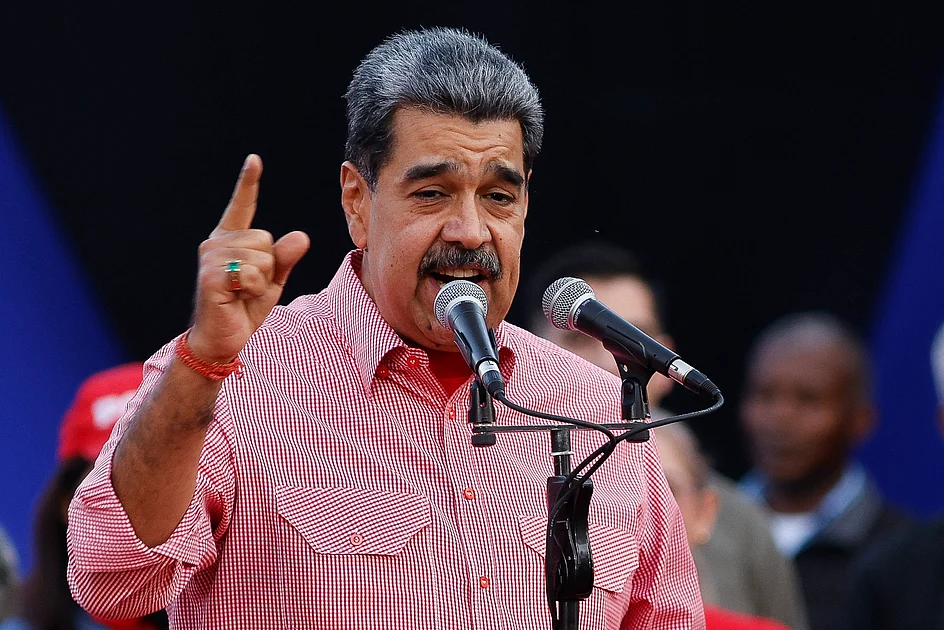
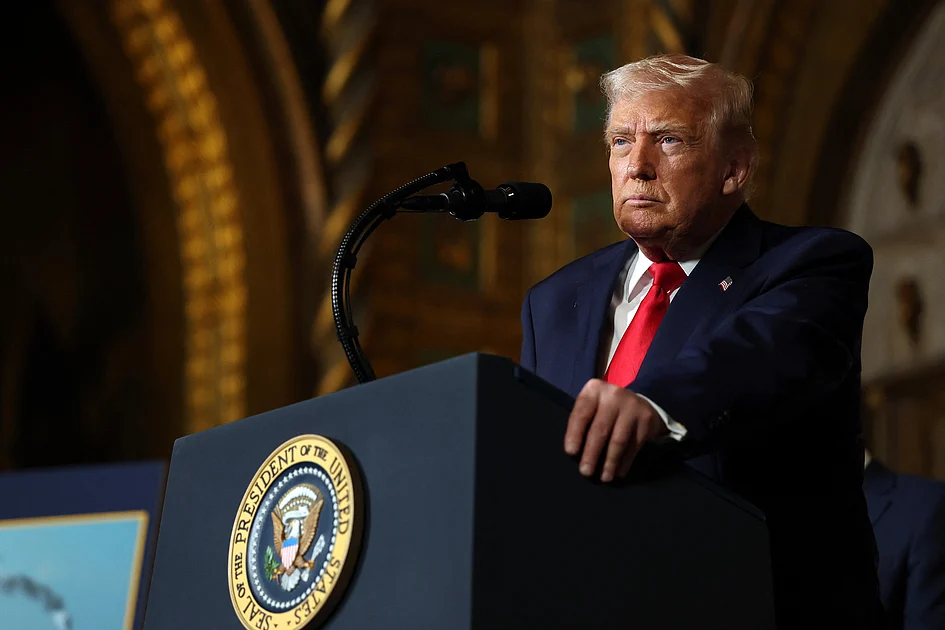
    In an unprecedented military escalation, the United States has confirmed executing large-scale strikes against Venezuelan targets, resulting in the alleged capture and extraction of President Nicolás Maduro and his wife from the country. The operation, announced by former President Donald Trump via Truth Social on Saturday, represents the most direct U.S. military intervention in Latin America since the 1989 Panama invasion.

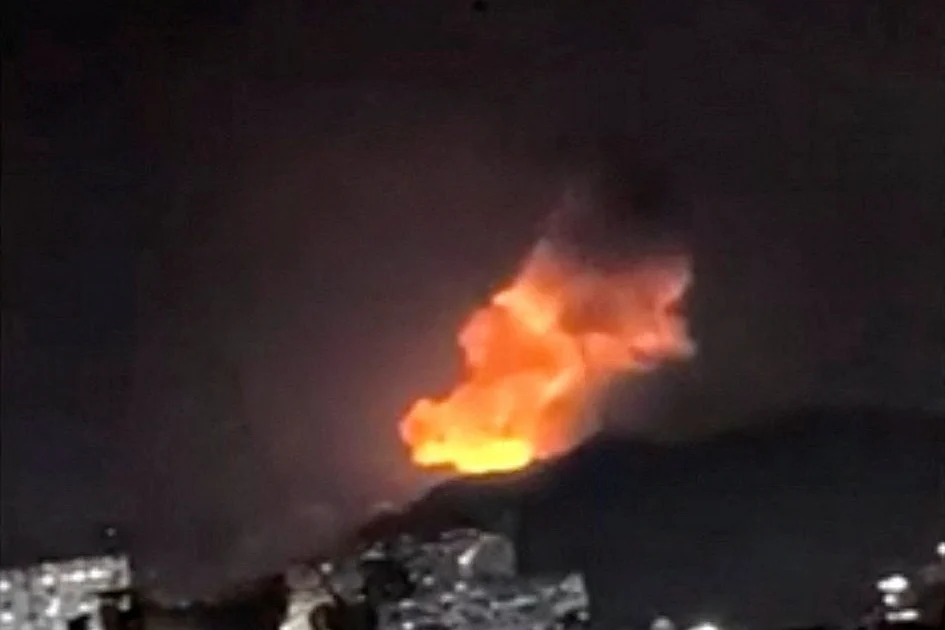
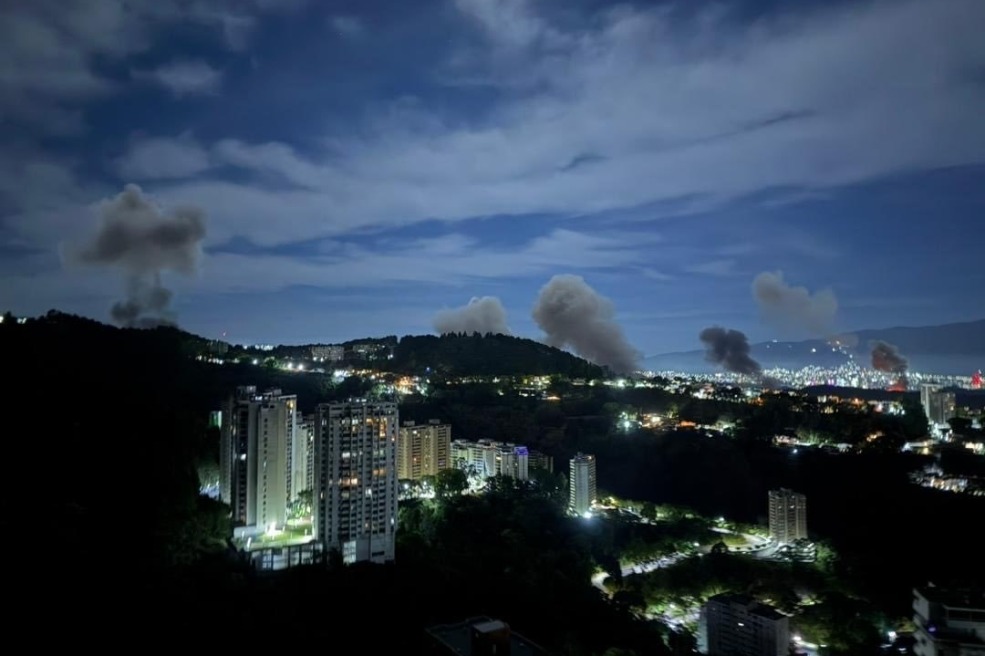
    According to Venezuelan authorities, the capital Caracas and surrounding regions experienced severe explosions accompanied by aircraft activity around 2:00 AM local time (0600 GMT). The government condemned the actions as ‘extremely serious military aggression’ and immediately declared a national state of emergency while mobilizing defense forces.

    The strikes reportedly extended beyond Caracas to multiple regions including Miranda, Aragua, and the coastal state of La Guaira—home to Venezuela’s primary airport and port facilities. The Trump administration has consistently accused Maduro’s government of operating a ‘narco-state’ and facilitating drug trafficking to the United States, allegations Venezuela denies while maintaining that Washington seeks control over its vast oil reserves.

    International reaction emerged swiftly, with Colombian President Gustavo Petro calling for an emergency United Nations session to address the military action. The development follows months of heightened tensions between the two nations, with the U.S. previously targeting vessels allegedly transporting narcotics from South American waters.


  • Hatta Police honour Dubai Municipality worker for returning tourist’s bag carrying passport

    Hatta Police honour Dubai Municipality worker for returning tourist’s bag carrying passport

    In a notable ceremony at Hatta Police Station, Dubai Municipality employee Mohammad Khan received formal recognition for his exemplary display of honesty and civic responsibility. The honor came after Khan discovered a tourist’s bag containing crucial personal documents, including a passport, and immediately turned it over to local authorities.

    Colonel Ali Obaid Al Buduwai, Director of Hatta Police Station, personally presented the commendation, highlighting how Khan’s actions reflect the deep-seated moral and humanitarian values prevalent within the UAE community. Colonel Al Buduwai emphasized that such responsible conduct and strong ethical principles significantly contribute to the nation’s renowned reputation for safety and social cohesion.

    The recovered belongings were swiftly returned to their grateful owner, who expressed profound appreciation for the efficient recovery of his passport and other important documents. The tourist specifically praised the outstanding levels of safety and security experienced throughout the UAE, noting that the incident reinforced his positive perception of the country.

    This public honoring ceremony aligns with broader national efforts to promote and incentivize positive social behavior. By recognizing acts of integrity, UAE authorities aim to strengthen community bonds, foster a culture of mutual trust, and reinforce the country’s international image as a secure and principled destination for global visitors. The incident serves as a testament to the collaborative relationship between the UAE’s civil servants and its law enforcement agencies in maintaining public order and upholding societal values.

  • UAE: Feeling drained in winter? It has more to do with biology than willpower

    UAE: Feeling drained in winter? It has more to do with biology than willpower

    As winter embraces the United Arab Emirates with shorter daylight hours, medical experts reveal that the pervasive fatigue experienced by residents stems from biological mechanisms rather than diminished willpower. The reduction in natural light exposure significantly disrupts circadian rhythms, triggering physiological changes that impact energy levels and sleep patterns.

    Dubai-based professional Alex D. exemplifies this phenomenon, describing how his post-work energy vanishes unexpectedly despite maintaining consistent sleep schedules. “By the time I reach home, my body feels so tired that I just feel like sleeping,” he reports, noting how evening activities that were once manageable now feel overwhelmingly burdensome.

    Medical specialists including Dr. Shaju George, psychiatrist at International Modern Hospital, explain the science behind this seasonal shift. “Without strong morning and evening light signals, the circadian rhythm slowly drifts,” he states. This disruption causes melatonin production to commence earlier in the evening while simultaneously impairing cortisol release, resulting in diminished daytime alertness.

    The consequences extend beyond simple tiredness. Reduced daylight exposure compromises sleep architecture itself, leading to increased nighttime awakenings and diminished deep sleep phases. This results in next-day cognitive impairment characterized by reduced concentration, slower reaction times, and mental fogginess.

    Modern lifestyle factors exacerbate these biological tendencies. Dr. George notes that “blue-rich light from phone or TV screens suppresses melatonin at the wrong time,” creating a cycle of exhaustion coupled with delayed sleep onset.

    Psychological dimensions accompany the physiological changes. Dr. Sneha John, psychologist at Medcare Kamali Clinic, observes that “individuals notice a dip in energy or motivation as seasons change,” emphasizing that these responses represent normal biological adaptations rather than personal shortcomings.

    Notably, these seasonal effects occur even in sun-drenched regions like the UAE due to reduced light exposure timing and duration. Dr. Nada Omer, consultant psychiatrist at Burjeel Hospital, explains that decreased sunlight causes measurable neurochemical changes: “Serotonin levels linked to mood can drop, while melatonin production increases.”

    Experts recommend practical interventions including morning light exposure within 30 minutes of waking, midday outdoor breaks, evening light dimming, and reduced screen brightness. These adjustments help realign circadian rhythms and mitigate winter’s physiological impacts, offering residents strategies to maintain energy and wellbeing throughout the seasonal transition.

  • UAE urges Yemenis to exercise restraint, calls for de-escalation

    UAE urges Yemenis to exercise restraint, calls for de-escalation

    The United Arab Emirates has formally urged all Yemeni factions to demonstrate maximum restraint and pursue de-escalation measures amid growing regional instability. In an official statement released through WAM news agency on January 3, 2026, Emirati authorities expressed profound concern regarding recent destabilizing developments within Yemen’s borders.

    The Gulf nation emphasized its regret over the deteriorating security situation and called for immediate dialogue between conflicting parties. The UAE government stressed that rational, responsible approaches must prevail over confrontation, with national interests and civilian welfare taking precedence over political differences.

    Citing the critical need for lasting stability, the statement outlined that constructive diplomatic engagement represents the most viable pathway to address current challenges. The Emirates specifically highlighted the importance of prioritizing nation-building, economic prosperity, and regional security coordination.

    This diplomatic intervention occurs against a backdrop of heightened regional tensions, with the UAE advocating for peaceful resolution mechanisms that align with Yemeni citizens’ aspirations for security and development. The statement concluded by reaffirming the Emirates’ commitment to supporting dialogue-driven solutions that benefit both Yemen and the broader Middle East region.

  • Venezuela denounces ‘extremely serious military aggression’ by US

    Venezuela denounces ‘extremely serious military aggression’ by US

    Venezuela has initiated a state of emergency following what President Nicolas Maduro’s administration characterizes as an act of severe military aggression by the United States against its capital. Early Saturday, Caracas was shaken by multiple explosions, with Reuters witnesses and social media footage documenting columns of black smoke and military aircraft activity over the city.

    The Venezuelan government issued a formal condemnation, stating it “rejects, repudiates, and denounces before the international community the extremely serious military aggression perpetrated by the current government of the United States of America.” The disturbances, commencing around 2:00 AM local time (0600 GMT), triggered a power outage in southern districts near a significant military installation, though the precise origins and locations remained initially unclear.

    This escalation follows a pattern of heightened tensions between the two nations. U.S. President Donald Trump has consistently advocated for ground operations in Venezuela and recently acknowledged conducting strikes on Venezuelan territory targeting alleged drug trafficking operations—marking Washington’s first confirmed land operations in the country. The White House and Pentagon have declined to comment on the latest developments.

    Colombian President Gustavo Petro amplified the crisis via social media, asserting “At this moment they are bombing Caracas” and urgently calling for immediate meetings of the Organization of American States and United Nations. Petro, while not disclosing his information sources, has historically opposed U.S. pressure tactics against Venezuela.

    The Trump administration has significantly increased military assets in the region, deploying an aircraft carrier, warships, and advanced fighter jets to the Caribbean. Additional measures include expanded sanctions, a naval blockade of Venezuelan waters, and over two dozen strikes on vessels allegedly involved in drug trafficking. Maduro maintains that these actions represent an attempt to orchestrate regime change to access Venezuela’s substantial oil reserves, while the U.S. justifies its operations as necessary to combat drug trafficking—claims consistently denied by Caracas.

  • Explosions heard in Venezuela’s capital Caracas at 2am

    Explosions heard in Venezuela’s capital Caracas at 2am

    Residents of Venezuela’s capital were awakened by powerful explosions in the early hours of Saturday, with detonations commencing around 2:00 AM local time (0600 GMT). An AFP correspondent confirmed the disturbances, noting accompanying sounds reminiscent of aircraft flyovers. The unexplained blasts continued for at least fifteen minutes, though their precise origin remained unverified.

    This development occurs against the backdrop of heightened military posturing from the United States. President Donald Trump revealed earlier this week that American forces had executed a targeted strike against a suspected Venezuelan narcotics trafficking facility. The operation, which Trump declined to attribute to either military or intelligence agencies, reportedly destroyed a coastal docking area allegedly used by drug-running vessels.

    The administration characterizes this as part of an intensified counter-narcotics campaign, marking potentially the first documented land-based offensive on Venezuelan territory. President Nicolás Maduro has maintained ambiguity regarding the alleged strike, neither confirming nor denying its occurrence. In a notable shift, Maduro expressed willingness to explore cooperative measures with Washington following sustained US military pressure.

    US officials have levied serious accusations against Maduro, alleging his direct involvement in narcotics operations—charges the socialist leader vehemently denies. Maduro contends that Washington’s true motivation involves regime change driven by Venezuela’s vast petroleum reserves, the largest globally verified.

    Recent US measures have included informal airspace restrictions, expanded economic sanctions, and authorized seizures of Venezuelan oil tankers. Since September, American forces have conducted numerous maritime strikes in Caribbean and Pacific waters, purportedly targeting drug smuggling operations. These actions have resulted in significant casualties, with US military reports acknowledging at least 107 fatalities across approximately 30 engagements.

    The legal basis for these operations remains subject to international debate, as the administration has not publicly substantiated its claims regarding the targeted vessels’ involvement in illicit activities.

  • Deadly Swiss bar blaze brings safety set-up under scrutiny; investigation continues

    Deadly Swiss bar blaze brings safety set-up under scrutiny; investigation continues

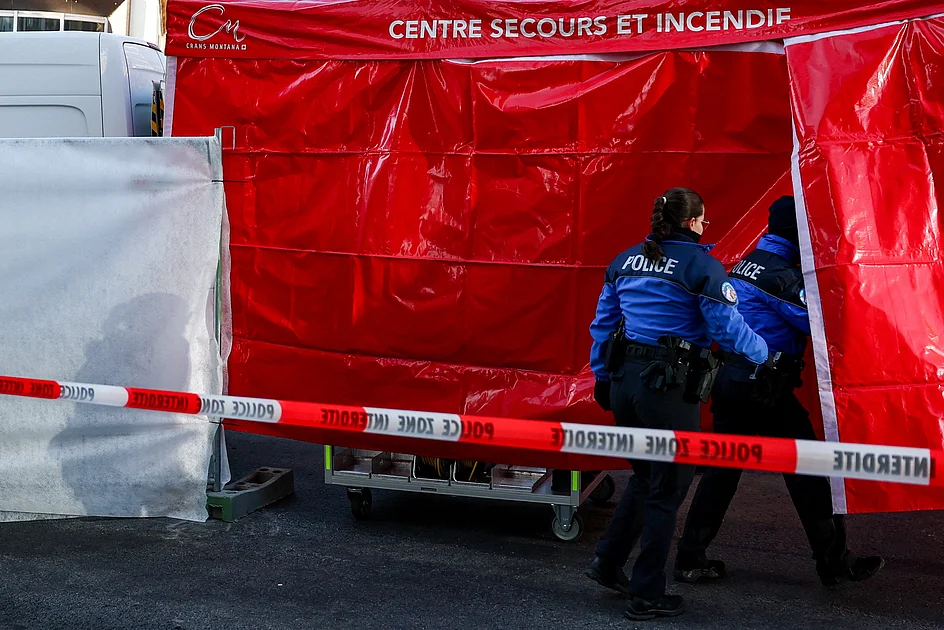
    A devastating New Year’s Eve fire at Le Constellation bar in the Swiss alpine resort of Crans-Montana has claimed at least 40 lives, triggering intense scrutiny of safety protocols and construction materials. Criminal investigators have identified sparkling champagne candles held dangerously close to the ceiling as the probable ignition source, with highly flammable acoustic foam accelerating the rapid spread of flames throughout the basement venue.

    Valais canton chief prosecutor Beatrice Pilloud confirmed preliminary findings indicate the sparklers’ proximity to ceiling materials initiated an exceptionally fast-moving blaze that overwhelmed patrons. The foam soundproofing installation, intended for noise reduction, potentially violated fire safety standards and contributed to the tragedy’s severity.

    Forensic teams face prolonged identification processes due to the extreme condition of victims, with only Italian golfer Emanuele Galeppini officially identified thus far. Evidence suggests numerous victims were minors, exploiting Switzerland’s legal drinking age of 16 for beer and wine.

    Contradictions emerge regarding compliance records as owner Jacques Moretti claims three successful inspections over the past decade, while Valais security director Stephane Ganzer acknowledges uncertainty about recent annual building inspections. The municipality had previously raised no safety concerns with cantonal authorities.

    The community continues mourning with memorial gatherings near the cordoned-off establishment. Survivor accounts reveal the human toll, including Ashley Hauri’s testimony of six former colleagues caught in the blaze, with four currently missing and two hospitalized.

    Ongoing criminal investigations will determine potential liability while national authorities reevaluate fire safety regulations for entertainment venues nationwide.

  • 4 people killed after helicopter crashes in US state of Arizona: media

    4 people killed after helicopter crashes in US state of Arizona: media

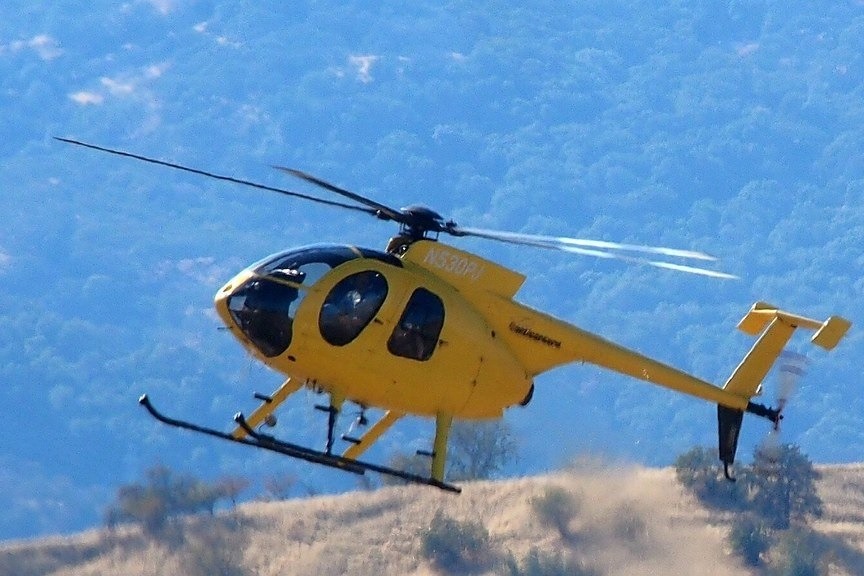
    A tragic aviation incident in the southwestern United States has resulted in multiple fatalities after a helicopter crashed in Arizona on Saturday. According to preliminary reports from local authorities, all four occupants aboard the aircraft perished upon impact.

    The crash occurred in a remote desert region, approximately 85 miles northwest of Phoenix, near the town of Wickenburg. Emergency response teams encountered significant challenges reaching the crash site due to the rugged terrain and limited accessibility. The Yavapai County Sheriff’s Office confirmed that first responders arrived at the scene shortly after receiving distress signals but found no survivors.

    Aviation safety investigators from the National Transportation Safety Board (NTSB) have deployed a specialized team to determine the cause of the catastrophic failure. Preliminary examination suggests the aircraft was a privately-owned Robinson R44 helicopter, though official identification of the model and victims remains pending thorough investigation.

    Meteorological data indicates favorable weather conditions at the time of the incident, with clear visibility and minimal wind interference. This development raises critical questions about potential mechanical failures or human error factors that might have contributed to the disaster.

    The fatal crash represents one of the deadliest aviation incidents in Arizona in recent years, highlighting ongoing concerns about regional aviation safety protocols. The NTSB investigation is expected to continue for several months, with a preliminary report anticipated within the next two weeks.

  • Large explosions heard in Caracas, capital of Venezuela

    Large explosions heard in Caracas, capital of Venezuela

    Residents of Caracas were startled by powerful explosions that echoed through the Venezuelan capital in the early hours of Saturday morning. The unsettling events occurred without immediate explanation from authorities, creating widespread concern among the city’s population.

    Social media platforms quickly became flooded with eyewitness accounts and amateur footage showing substantial columns of smoke rising from unspecified locations within the metropolitan area. The visual evidence, while compelling, offered no clear indication of the explosions’ origin or precise locations.

    The timing of these incidents raises particular concerns given Venezuela’s ongoing political and economic challenges. As of the latest reports, no government agency has issued an official statement regarding the nature or cause of the explosions, leaving citizens to speculate about possible military exercises, industrial accidents, or other unforeseen events.

    International observers are monitoring the situation closely, given Venezuela’s strategic importance in regional geopolitics and its recent history of political instability. The lack of immediate information from official channels has created an information vacuum that social media users are attempting to fill with unverified claims and speculation.

    Local journalists and international news agencies are working to verify the details of these events while exercising caution due to the unconfirmed nature of early reports. The Venezuelan government’s usual communication channels have remained unusually silent following the incidents.

  • Look: Thick fog spreads across Dubai as red alert  issued; NCM shares safety guidelines

    Look: Thick fog spreads across Dubai as red alert issued; NCM shares safety guidelines

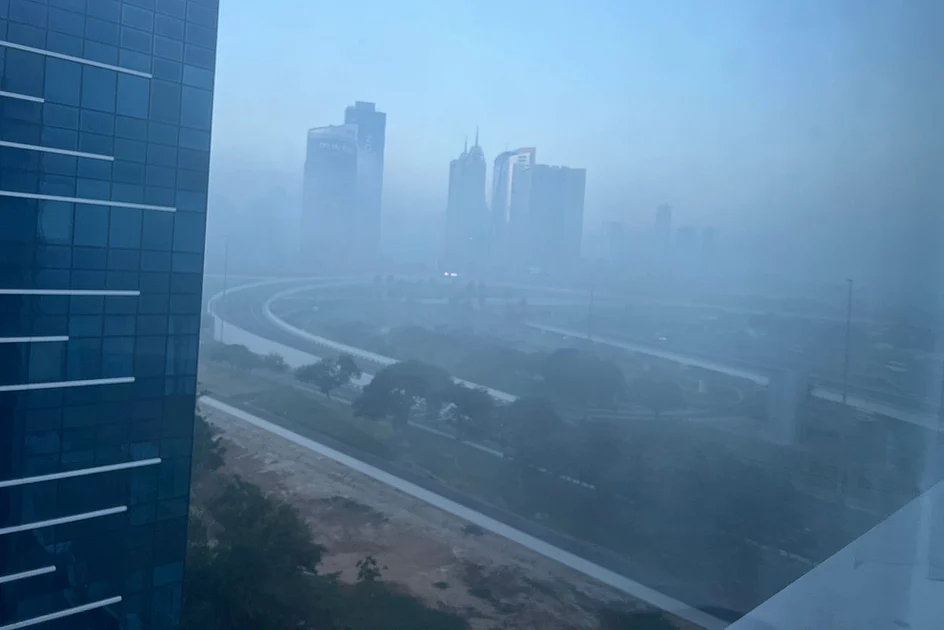
    The United Arab Emirates experienced severe fog conditions on January 3, 2026, prompting meteorological authorities to issue critical safety alerts. The National Centre of Meteorology (NCM) activated yellow and red fog warnings from midnight until 10:00 AM across multiple regions, with particularly dense formations reported in Dubai and Abu Dhabi.

    In response to the hazardous driving conditions characterized by dramatically reduced visibility, Abu Dhabi Police implemented temporary speed restrictions on Maktoum Bin Rashid Road, reducing the maximum permitted speed from 100 km/h to 80 km/h. The precautionary measure aimed to enhance road safety during the challenging weather phenomenon.

    The NCM disseminated comprehensive safety protocols for motorists navigating the fog-affected areas. Key recommendations included strict adherence to posted speed limits, maintaining increased following distances between vehicles, refraining from using hazard lights while in motion, and remaining within designated travel lanes. Authorities emphasized the importance of obtaining weather information exclusively through official channels and discouraged the circulation of unverified reports.

    Meteorological data indicated temperature ranges of 15-24°C for Abu Dhabi and 13-24°C for Dubai during the fog event. The phenomenon created surreal visual conditions where streetlights diffused through the thick mist and vehicles emerged suddenly from the obscuring fog bank, necessitating extreme caution from all road users.

    This weather event followed similar fog conditions reported on January 2, indicating a pattern of reduced visibility during early morning hours in the winter season. The NCM continues to monitor atmospheric conditions and provide timely updates to ensure public safety.