标签: North America

北美洲

  • Trump says US will ‘run’ Venezuela and ‘fix oil infrastructure’

    Trump says US will ‘run’ Venezuela and ‘fix oil infrastructure’

    In an unprecedented military escalation, United States forces have executed a large-scale strike on Venezuelan territory resulting in the capture and extraction of President Nicolas Maduro and First Lady Cilia Flores. The operation, conducted on Saturday, marks a dramatic turning point in the ongoing political confrontation between the two nations.

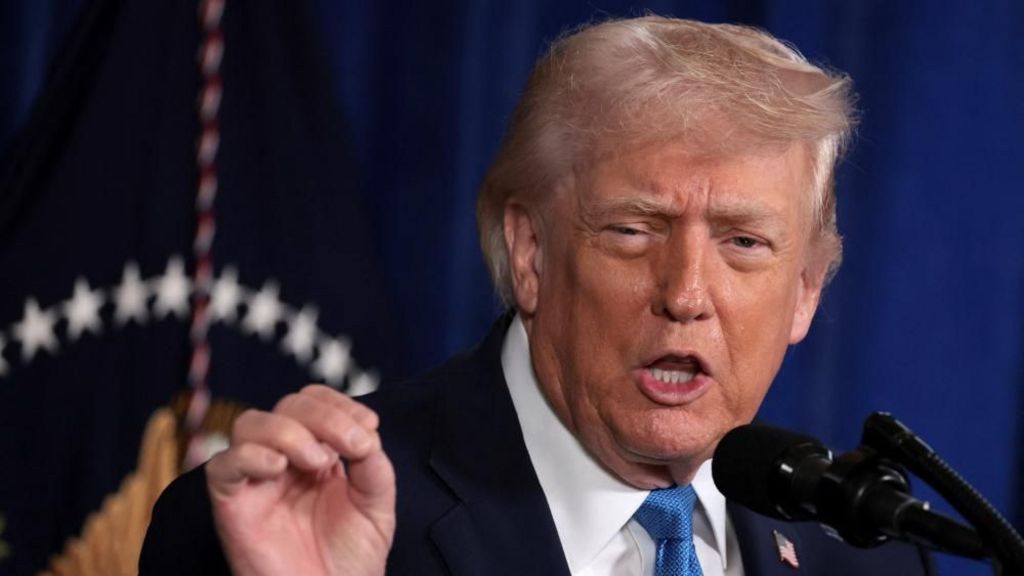
    President Donald Trump announced that the United States would assume control of Venezuela’s governance until what he described as a “safe, proper and judicious transition” could be guaranteed. Trump specifically highlighted plans for American oil corporations to rehabilitate Venezuela’s deteriorated petroleum infrastructure, stating that these companies would “start making money for the country” through substantial multi-billion dollar investments.

    The legal foundation for the intervention stems from indictments issued by the Southern District of New York, charging Maduro and his wife with narcotics and weapons offenses. U.S. Attorney General Pam Bondi declared that both would face justice within American judicial institutions, though specific trial details remain undisclosed.

    Venezuela has responded by declaring a nationwide state of emergency and condemning the military incursion as unlawful aggression. Vice President Delcy Rodríguez, despite Trump’s claims of her cooperation, appeared on state television to affirm Maduro as Venezuela’s sole legitimate leader and pledge governmental resistance.

    The geopolitical context reveals deeper complexities: Venezuela possesses approximately 303 billion barrels of crude oil reserves, representing roughly 20% of global petroleum resources according to U.S. Energy Information Administration data. The Trump administration has framed its Caribbean military operations as counter-narcotics initiatives, conducting over 30 strikes since September against alleged drug trafficking vessels, though independent verification of these claims remains unavailable.

    International observers note that while Venezuela serves as a transit route for narcotics, counter-narcotics experts consistently rank it as a minor participant in global drug trafficking networks. The current crisis represents the most severe escalation in hemispheric relations in recent decades, with uncertain implications for regional stability and international law.
  • China issues urgent warning against travel to Venezuela

    China issues urgent warning against travel to Venezuela

    In response to escalating security concerns, China’s Foreign Ministry and its diplomatic mission in Venezuela have issued an urgent advisory urging Chinese nationals to postpone all non-essential travel to the South American nation. This decisive warning comes following significant military actions by the United States against Venezuelan targets on Saturday, which have dramatically intensified security risks throughout the country.

    The advisory specifically directs Chinese citizens and organizations currently residing in Venezuela to maintain heightened vigilance regarding local security developments. Authorities emphasize the critical need for enhanced personal safety measures and comprehensive emergency preparedness protocols. The notice explicitly recommends avoiding all unnecessary travel and steering clear of conflict zones and other sensitive areas that might present immediate dangers.

    In the event of emergencies, Chinese nationals are instructed to immediately contact local law enforcement authorities while simultaneously seeking consular assistance from the Chinese Embassy in Venezuela. The diplomatic mission has activated its emergency response mechanisms to provide necessary support to affected citizens.

    The travel warning reflects growing international concern over Venezuela’s deteriorating security landscape following recent military developments. While the advisory doesn’t specify an expected duration for these security precautions, it represents one of the most serious travel warnings issued by Chinese authorities regarding Venezuela in recent years, underscoring the gravity of the current situation.

  • Venezuela could now define Trump’s legacy – and America’s place in the world

    Venezuela could now define Trump’s legacy – and America’s place in the world

    In a dramatic escalation of foreign policy, President Trump has announced the United States will directly administer Venezuela following the successful capture of President Nicolás Maduro and his wife during a nighttime military operation in Caracas. The unprecedented move marks a significant departure from Trump’s previous non-interventionist rhetoric and positions America as the temporary governing authority of the South American nation.

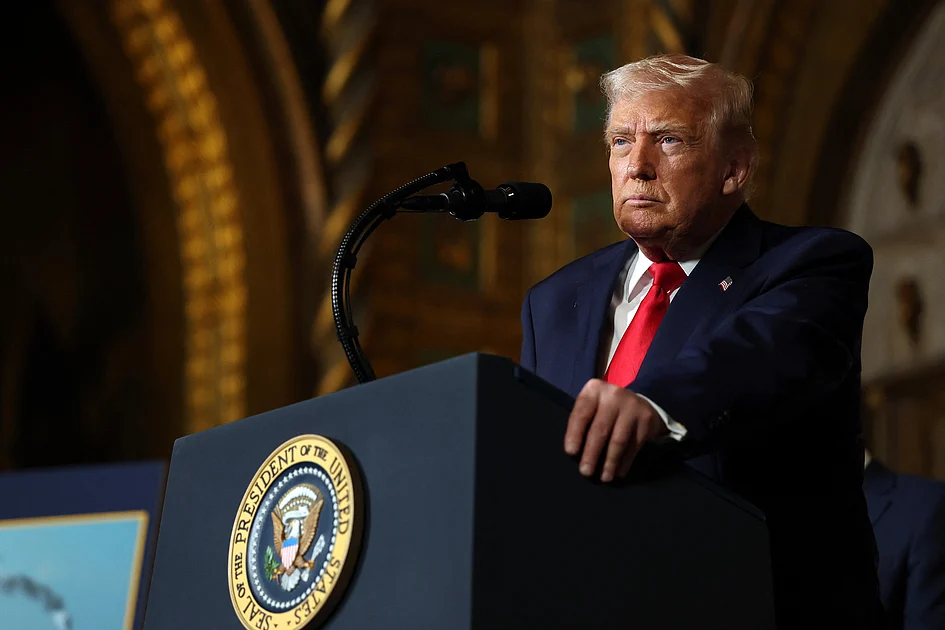
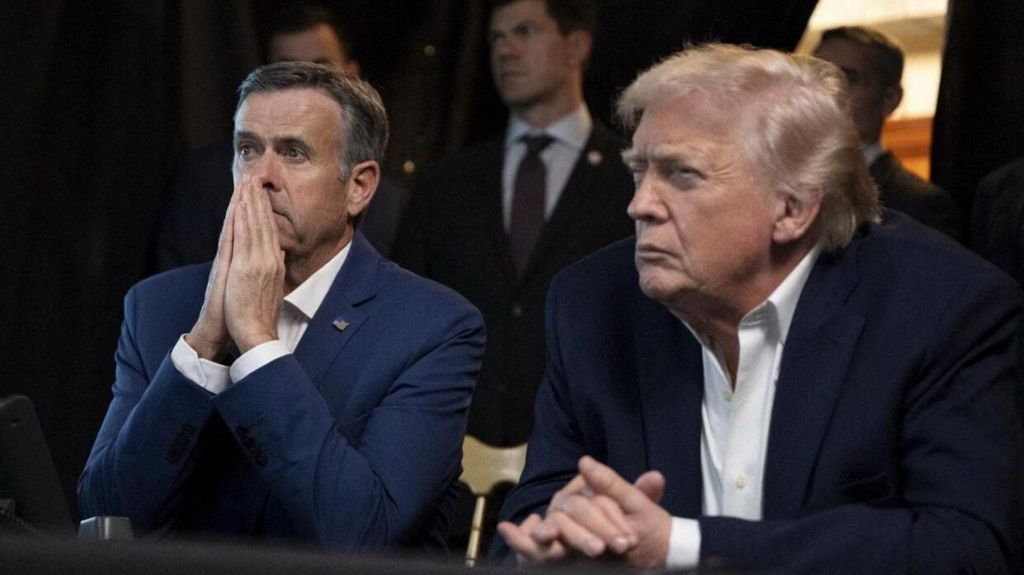
    Flanked by CIA Director John Ratcliffe at his Mar-a-Lago resort, Trump revealed that Secretary of State Marco Rubio and Secretary of Defence Pete Hegseth would lead a collaborative effort with Venezuelan representatives to oversee the country’s transition. “We are going to run the country until such time as we can do a safe, proper and judicious transition,” the president declared during a Saturday morning press conference.

    This bold intervention represents a stark contradiction to Trump’s campaign promises against “forever wars” and his frequent criticisms of nation-building endeavors. The administration now faces the formidable challenge of reconstructing a nation plagued by economic collapse and decades of political instability, while simultaneously justifying the legal basis for Maduro’s capture on weapons and cocaine trafficking charges.

    Trump expressed unwavering confidence in the mission’s success, citing his administration’s “perfect track record of winning.” He outlined plans to engage American energy corporations in rebuilding Venezuela’s deteriorated industrial infrastructure, framing the effort as mutually beneficial for both nations. When questioned about potential military deployment, Trump remained noncommittal, noting “We’re not afraid of boots on the ground…we had boots on the ground last night.

    The operation has ignited intense domestic and international debate. Congressional Republicans largely supported the action, with House Speaker Mike Johnson describing it as “decisive and justified” against a “criminal regime.” However, dissenting voices within Trump’s own party, including Congresswoman Marjorie Taylor Greene, condemned the intervention as a betrayal of his non-interventionist platform.

    Internationally, China’s foreign ministry issued a statement expressing shock and condemning what it characterized as a reckless attack on sovereign territory. The move raises concerns about potential geopolitical ramifications, particularly regarding how other global powers might justify their own military actions based on this precedent.

    Trump rebranded the nineteenth-century Monroe Doctrine as the “Donroe Doctrine,” asserting that the operation demonstrates “American dominance in the Western Hemisphere will never be questioned again.” He framed the intervention as advancing “America First” priorities by ensuring regional security and securing stable oil resources, while designating the Western Hemisphere as America’s “home region.”

    As the administration assumes responsibility for governing Venezuela, questions remain about the practical implementation of this unprecedented undertaking and its long-term implications for international relations and global power dynamics.

  • Explainer: Why did the US strike Venezuela, and why does it matter?

    Explainer: Why did the US strike Venezuela, and why does it matter?

    In a dramatic escalation of long-standing tensions, United States military forces conducted airstrikes against multiple Venezuelan military installations on January 3rd, 2026, including targets within the capital region of Caracas. The operation, characterized by former President Donald Trump as a “large-scale strike” against a “narco-terrorist regime,” represents the most significant direct military confrontation between the two nations in modern history.

    The Trump administration has formally justified the intervention as a counter-narcotics measure, alleging that the government of Nicolás Maduro has systematically facilitated cocaine shipments from Venezuela to the United States. In a controversial social media announcement, Trump further claimed that Maduro and his wife, Cilia Flores, were apprehended during the operation and subsequently transported out of the country. Venezuelan authorities, however, have declared a national emergency while vehemently denying these capture claims and demanding verifiable proof of the leaders’ status.

    This crisis culminates months of escalating hostilities that began with a US naval interdiction operation in the Caribbean in September 2025. The subsequent expansion of American military assets throughout the region, coupled with the seizure of a Venezuelan oil tanker and restrictive measures against sanctioned vessels, has severely strained Venezuela’s already crippled economy.

    Washington’s accusations extend beyond general drug trafficking, specifically indicting Maduro as the leader of the ‘Cartel of the Suns’—an alleged network involving high-ranking Venezuelan military and political figures. These charges, initially filed by the US Justice Department in 2020, have been consistently dismissed by Caracas as politically motivated fabrications designed to orchestrate regime change.

    Analysts suggest that while counter-narcotics provides the public justification, the conflict is fundamentally rooted in geopolitical competition. Venezuela’s strategic alliances with Russia, China, and Iran, combined with its vast petroleum reserves, have long positioned it as a focal point of US foreign policy concerns in Latin America. The operation is viewed by many as an attempt to curb growing foreign influence and reassert regional dominance.

    Domestically, the strikes have received notable support among Venezuelan diaspora communities, particularly in electorally critical states like Florida. Recent polling indicates significantly higher support for military intervention among Venezuelans abroad (64%) compared to those within the country (34%).

    The global implications are substantial, with energy markets monitoring the situation closely. Any prolonged disruption to Venezuela’s oil production capacity could trigger fluctuations in worldwide crude prices, potentially affecting economic stability and inflation rates across international markets.

  • EU urges de-escalation in Venezuela

    EU urges de-escalation in Venezuela

    The European Union has issued urgent calls for de-escalation following significant military developments in Venezuela. European Council President Antonio Costa expressed profound concern regarding the escalating situation, emphasizing the EU’s position through a formal statement released on social media platform X.

    Costa articulated the Union’s firm stance, advocating for peaceful resolution mechanisms that strictly adhere to international legal frameworks and the foundational principles of the United Nations Charter. The EU leadership reaffirmed its commitment to supporting democratic processes and inclusive political solutions within the South American nation.

    Concurrently, EU Foreign Policy Chief Kaja Kallas engaged in high-level diplomatic communications, including discussions with US Secretary of State Marco Rubio. Kallas confirmed that safeguarding European citizens in Venezuela remains the bloc’s paramount priority, with coordination efforts underway through the EU’s diplomatic mission in Caracas.

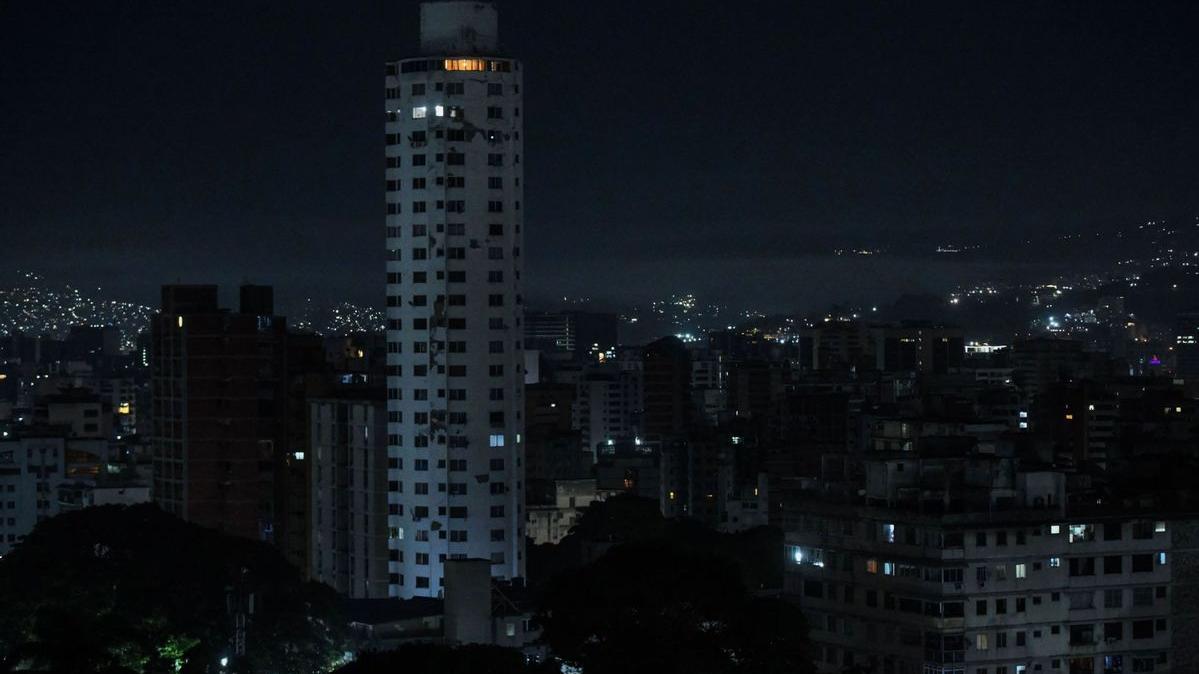
    The diplomatic developments follow explosive reports from Caracas, where Venezuelan authorities condemned what they characterized as ‘military aggression’ by the United States. Witness accounts described substantial aerial activity and detonations across the capital city throughout Saturday.

    These events culminated in extraordinary claims from US President Donald Trump, who announced that American forces had successfully captured Venezuelan President Nicolas Maduro along with his spouse, subsequently transporting them out of the country. The EU’s statements notably refrained from explicit commentary on these specific allegations while maintaining consistent emphasis on diplomatic resolution and international law compliance.

  • Iran strongly condemns US attack on Venezuela

    Iran strongly condemns US attack on Venezuela

    TEHRAN – Iran’s Foreign Ministry issued a forceful condemnation on Saturday against United States military operations targeting Venezuela, characterizing the actions as an egregious violation of Venezuela’s national sovereignty and territorial integrity.

    In an official statement released through government channels, Iranian officials labeled the offensive as an unwarranted act of aggression that fundamentally contravenes established principles within the United Nations Charter and established international legal frameworks that prohibit the use of military force against sovereign nations.

    The condemnation follows confirmation from U.S. President Donald Trump via his Truth Social platform that American forces had conducted extensive strikes against Venezuelan targets, resulting in the apprehension and extraction of Venezuelan President Nicolas Maduro and his spouse from the country.

    Iran’s diplomatic corps emphatically reaffirmed Venezuela’s legitimate right to defend its national interests and exercise self-determination, simultaneously calling upon the global community to execute its legal and ethical obligations by immediately terminating what Iranian authorities characterized as an American-led invasion operation.

    This diplomatic confrontation emerges amidst escalating tensions between Tehran and Washington. The previous day, Iranian leadership had declared it would vehemently resist any foreign interference in its domestic affairs, responding to President Trump’s warnings that the U.S. would intervene if Iran took action against peaceful demonstrators.

    Current civil unrest in multiple Iranian cities, triggered by the dramatic devaluation of the national currency, has further complicated the geopolitical landscape between the two nations.

  • US bans aircraft to Venezuelan airspace amid explosions rocking Caracas

    US bans aircraft to Venezuelan airspace amid explosions rocking Caracas

    The United States Federal Aviation Administration (FAA) issued an unprecedented airspace restriction early Saturday, prohibiting all US aircraft from operating at any altitude within Venezuelan territory. This decisive action was triggered by multiple security alerts stemming from unexplained explosions and apparent military movements observed in the capital city of Caracas.

    The flight ban was formally communicated through four separate Notices to Air Missions (NOTAMs) issued approximately at 1:00 AM Eastern Time (0600 GMT). These advisories specifically cover four critical flight information regions associated with Venezuelan airspace management: San Juan, Piarco, Maiquetia, and Curacao.

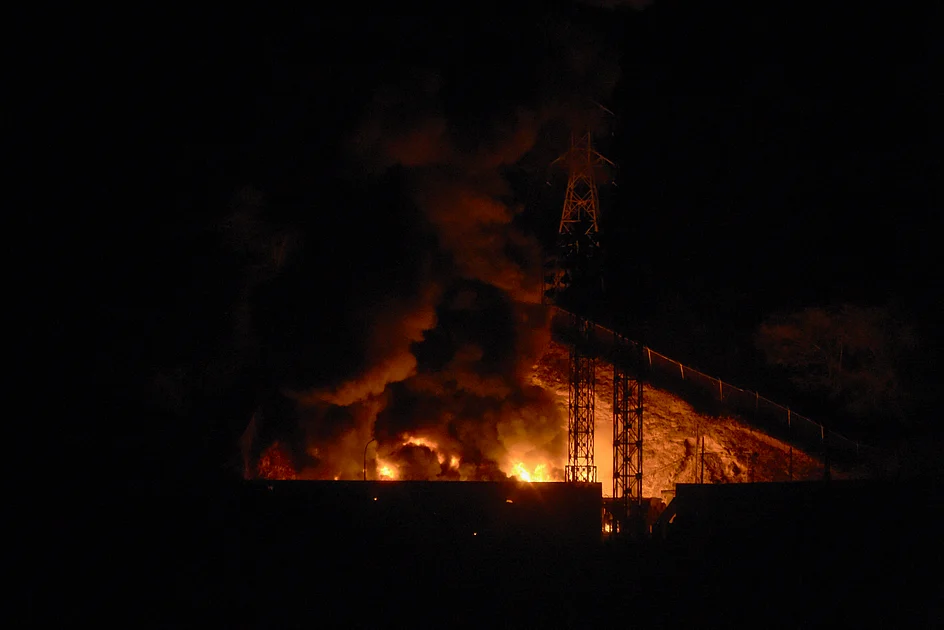
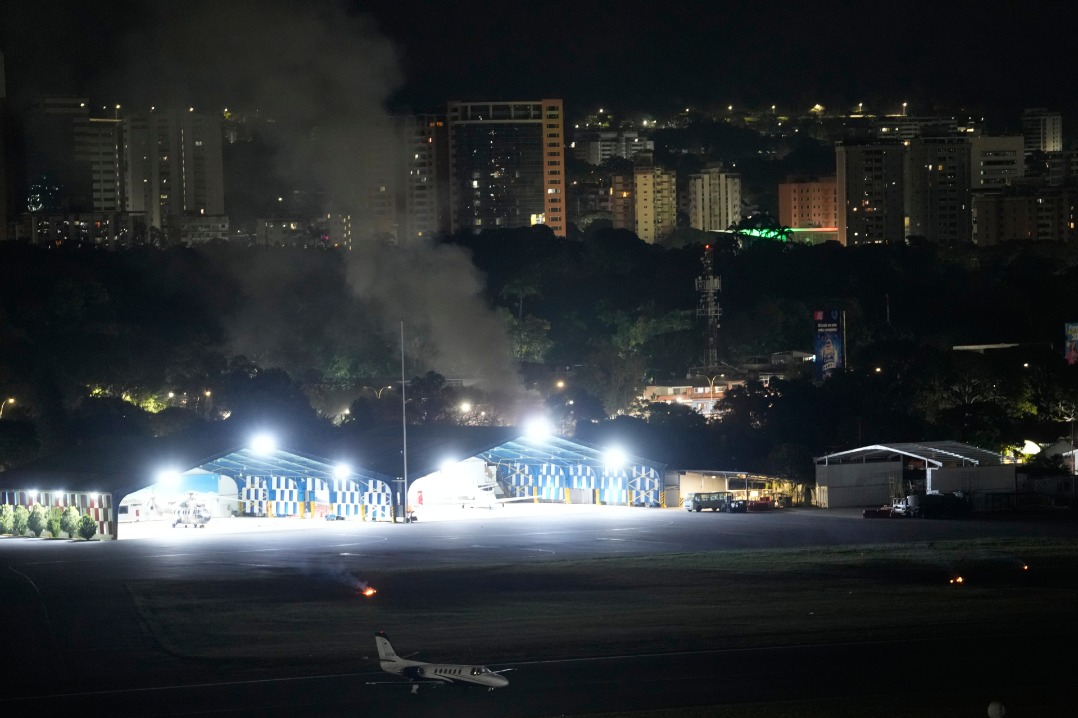
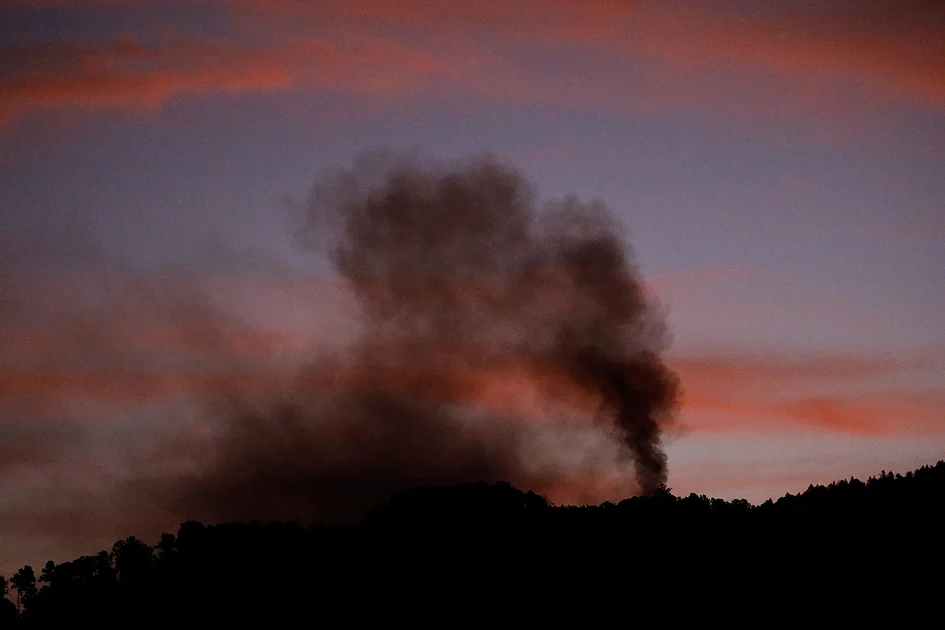
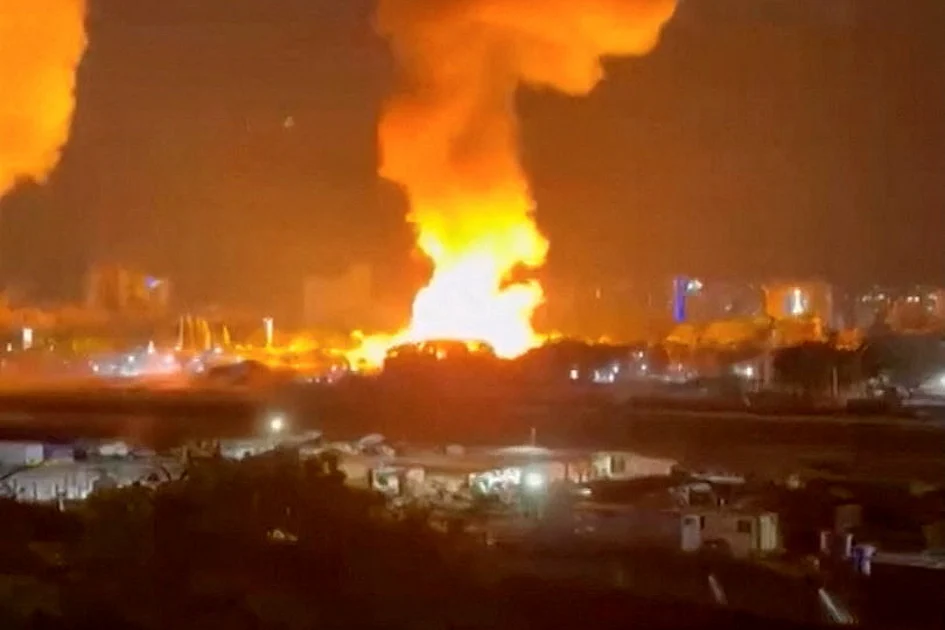
    Eyewitness accounts from Caracas described low-flying military aircraft and substantial smoke plumes following series of loud detonations that shook the city in the early hours of Saturday. The nature and origin of these explosions remained unclear, though they coincided with reports of heightened military activity throughout the region.

    Adding to the geopolitical tension, former US President Donald Trump claimed via his Truth Social platform that Venezuelan President Nicolas Maduro and his wife had been captured and transported out of the country. These assertions, while unverified by independent sources, contributed to the atmosphere of uncertainty surrounding Venezuela’s political stability.

    The FAA’s decision reflects growing international concern about the safety of civilian aviation operations in airspace potentially compromised by military conflict or political instability. Aviation experts note that such comprehensive restrictions are typically reserved for situations presenting immediate and credible threats to aircraft safety.

  • US strikes Venezuela: World leaders react as Trump says Maduro ‘captured’

    US strikes Venezuela: World leaders react as Trump says Maduro ‘captured’

    In a significant escalation of international legal pressure, Venezuelan President Nicolás Maduro is set to face criminal prosecution in the United States, according to a U.S. Senator’s disclosure. The charges, stemming from longstanding investigations into alleged transnational criminal activities, mark a pivotal moment in U.S.-Venezuela relations. Concurrently, a separate tragedy unfolds in Europe as Swiss authorities have officially identified the first four victims of a devastating bar fire that occurred earlier this week. Among the deceased are two young children, whose identities have been confirmed alongside two adults following forensic examination. The dual developments highlight a day of profound gravity on both sides of the Atlantic. The case against President Maduro is expected to focus on charges previously outlined by U.S. prosecutors, including drug trafficking and terrorism-related allegations, which Caracas has consistently denounced as politically motivated. Meanwhile, in Switzerland, the community mourns the heartbreaking loss from the fire incident, with investigations ongoing to determine the cause of the blaze that led to this fatal outcome.

  • US attacks Venezuela: Vice President asks for ‘proof of life’ as Maduro captured

    US attacks Venezuela: Vice President asks for ‘proof of life’ as Maduro captured

    Venezuelan Vice President Delcy Rodríguez has officially confirmed the occurrence of significant diplomatic engagements between representatives of the Venezuelan government and officials from the United States. The discussions, described as taking place through established diplomatic channels, mark a notable development in the complex and often strained bilateral relationship.

    Rodríguez characterized the dialogue as ‘respectful’ and conducted within a framework of mutual recognition, suggesting a potential thaw in relations. The talks are understood to have covered a broad agenda concerning the future of diplomatic interactions between the two nations. This confirmation provides an official Venezuelan perspective on communications that have been the subject of international speculation.

    The context for these discussions is a multifaceted political and economic situation within Venezuela, compounded by years of international sanctions led primarily by the U.S. The outcome of such high-level contact is being closely monitored by regional observers and global markets, given Venezuela’s status as a major oil producer. The dialogue potentially signals a strategic shift towards re-evaluating longstanding foreign policy positions on both sides, with possible implications for energy security and regional geopolitics.

  • US says Venezuelan President ‘captured, flown out’ of country after ‘large-scale strike’

    US says Venezuelan President ‘captured, flown out’ of country after ‘large-scale strike’

    In an unprecedented military escalation, the United States has confirmed executing large-scale strikes against Venezuelan targets, resulting in the alleged capture and extraction of President Nicolás Maduro and his wife from the country. The operation, announced by former President Donald Trump via Truth Social on Saturday, represents the most direct U.S. military intervention in Latin America since the 1989 Panama invasion.

    According to Venezuelan authorities, the capital Caracas and surrounding regions experienced severe explosions accompanied by aircraft activity around 2:00 AM local time (0600 GMT). The government condemned the actions as ‘extremely serious military aggression’ and immediately declared a national state of emergency while mobilizing defense forces.

    The strikes reportedly extended beyond Caracas to multiple regions including Miranda, Aragua, and the coastal state of La Guaira—home to Venezuela’s primary airport and port facilities. The Trump administration has consistently accused Maduro’s government of operating a ‘narco-state’ and facilitating drug trafficking to the United States, allegations Venezuela denies while maintaining that Washington seeks control over its vast oil reserves.

    International reaction emerged swiftly, with Colombian President Gustavo Petro calling for an emergency United Nations session to address the military action. The development follows months of heightened tensions between the two nations, with the U.S. previously targeting vessels allegedly transporting narcotics from South American waters.