标签: North America

北美洲

  • Captured Maduro, wife arrive in New York by plane

    Captured Maduro, wife arrive in New York by plane

    Venezuelan President Nicolás Maduro and First Lady Cilia Flores have arrived at a military installation in New York following their apprehension during a significant military operation conducted by United States forces in Venezuela. The controversial capture occurred in the early hours of Saturday morning, marking a dramatic escalation in the ongoing political tensions between Washington and Caracas.

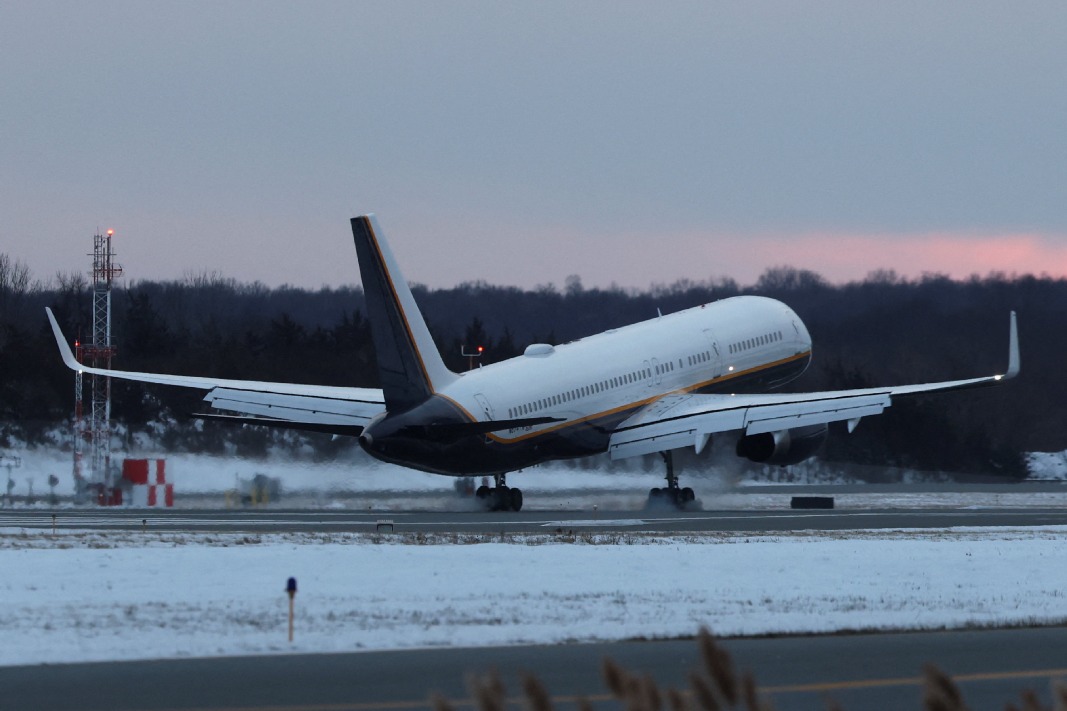
    According to verified reports from multiple media outlets, the presidential aircraft touched down at Stewart Air National Guard Base in Newburgh, New York, on January 3, 2026. The arrival precedes their scheduled appearance at the Manhattan federal court system, though specific charges remain undisclosed at this time.

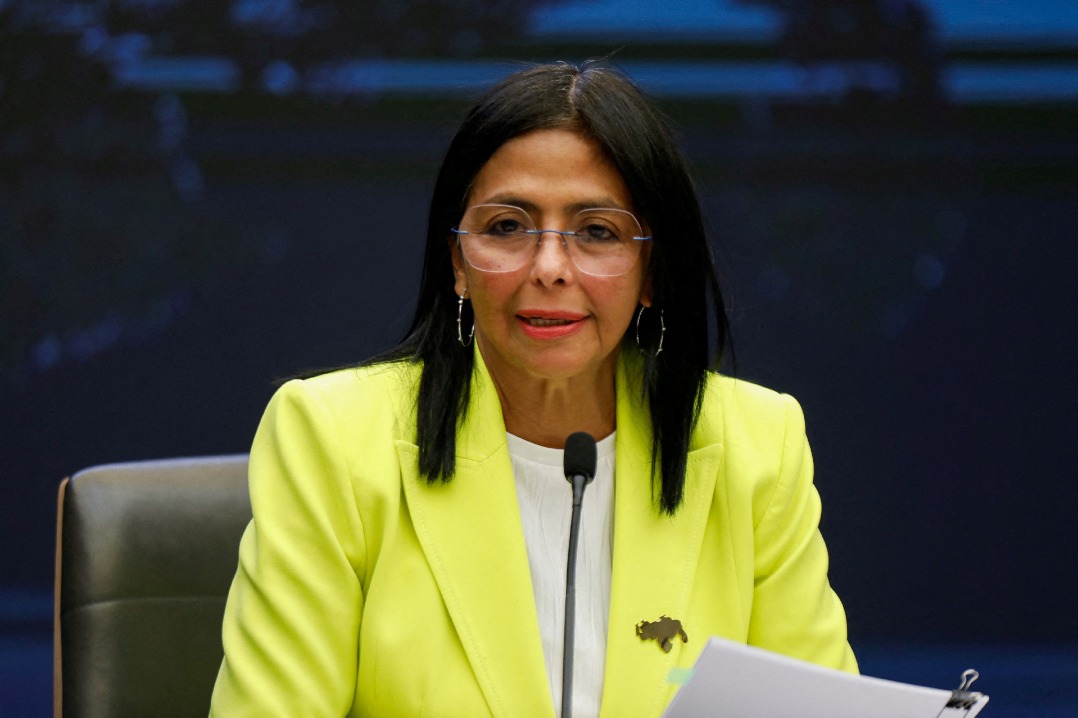
    The Venezuelan government has responded with vehement opposition to the extraordinary military action. Vice-President Delcy Rodríguez, speaking during an emergency session of the National Defense Council broadcast nationally on state television, formally demanded the “immediate release” of both President Maduro and the First Lady. The broadcast emphasized the administration’s position that the capture represents a violation of international law and Venezuelan sovereignty.

    This development occurs against the backdrop of increasingly strained diplomatic relations between the United States and Venezuela, which have deteriorated significantly over recent years due to political differences, sanctions, and allegations of authoritarian governance. The military intervention to apprehend a sitting head of state establishes an unprecedented chapter in Western Hemisphere relations, with potential implications for international diplomacy norms.

    Security analysts suggest the operation likely required extensive planning and intelligence coordination, though official details regarding the execution remain classified. International observers are monitoring reactions from global powers and regional partners throughout Latin America, with many anticipating strong responses from nations traditionally aligned with Venezuela’s government.
  • UN Security Council to hold emergency meeting on Venezuela on Monday

    UN Security Council to hold emergency meeting on Venezuela on Monday

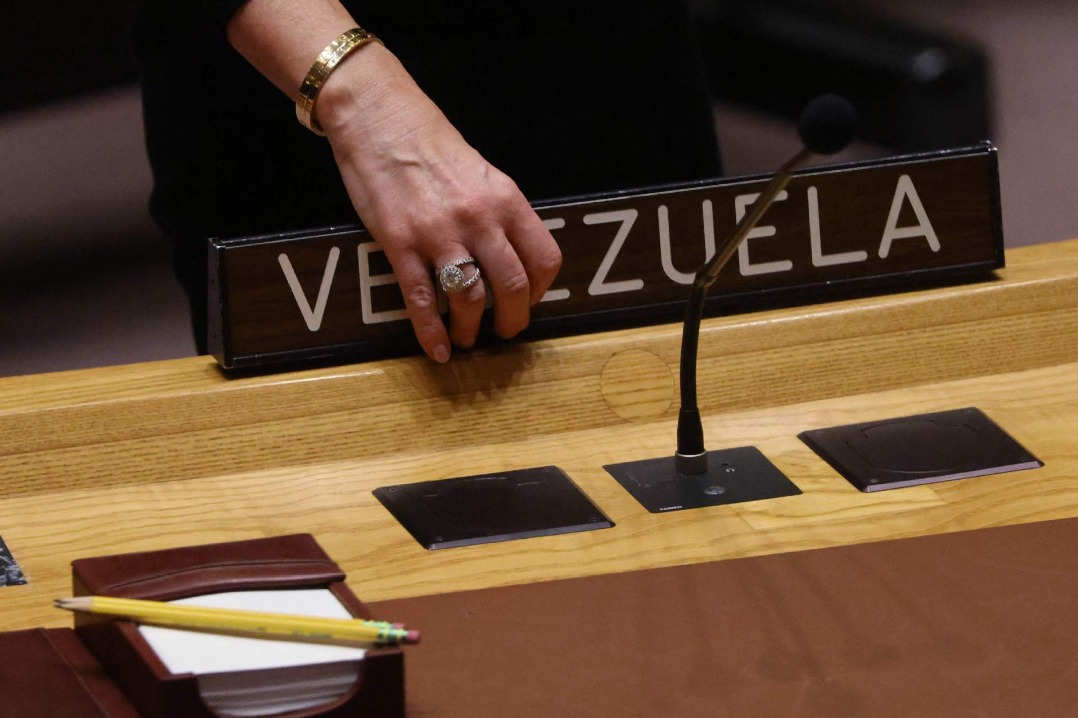
    The United Nations Security Council has scheduled an urgent meeting for Monday morning to address the rapidly developing situation in Venezuela following a military operation conducted by the United States. According to an official statement from the council’s presidency, the emergency session will commence at 10:00 AM Eastern Time (1500 GMT) at UN headquarters in New York.

    Khadija Ahmed, spokesperson for the Somali Permanent Mission to the United Nations, confirmed the meeting arrangements. Somalia currently holds the rotating presidency of the Security Council for January 2026, placing the East African nation at the center of diplomatic efforts regarding this international crisis.

    The emergency session was prompted by Saturday’s dramatic developments in Caracas, where US forces successfully captured Venezuelan President Nicolás Maduro and his wife. This operation represents a significant escalation in the long-standing political confrontation between Washington and the Maduro administration, which the United States and several other nations have consistently refused to recognize as Venezuela’s legitimate government.

    The upcoming Security Council meeting is expected to feature heated debates among the fifteen member states, particularly between the United States and its allies and those nations that have maintained diplomatic relations with Maduro’s government. The discussion will likely focus on the legality of the military intervention, its implications for international norms regarding sovereignty, and the potential consequences for regional stability in Latin America.

    This extraordinary session marks one of the first major international diplomatic responses to the operation and could set the tone for how the global community addresses similar situations in the future. The outcome of Monday’s meeting may influence subsequent actions by regional organizations including the Organization of American States and could determine the political trajectory of Venezuela’s leadership crisis.

  • Family of Dubai teen feared dead in Swiss bar fire still hoping against hope

    Family of Dubai teen feared dead in Swiss bar fire still hoping against hope

    A devastating fire that engulfed a popular bar in the Swiss ski resort of Crans-Montana during New Year’s celebrations has left families in agonizing uncertainty, including that of a Dubai-based teenager. Emanuele Galeppini, a 17-year-old Italian expatriate and gifted golfer residing in the UAE, remains among the six Italian nationals officially listed as missing following the tragedy that claimed over 40 lives and injured more than 115 people.

    The incident occurred in the early hours of January 1st, 2026, when fire rapidly consumed the establishment. Swiss authorities have indicated that the blaze potentially originated from sparkler candles positioned atop bottles too close to the ceiling, creating a flashover effect where temperatures reached critical levels causing simultaneous ignition of all combustible materials within seconds.

    Emanuele’s family, originally from Genoa but long-term Dubai residents, last communicated with him at midnight on New Year’s Eve when he was at the bar with friends. His parents immediately began search efforts upon learning of the disaster, traveling between regional hospitals attempting to locate their son among the injured. The severity of burns sustained by victims has complicated identification procedures, with authorities warning the process could extend for days or even weeks.

    The teenager’s father made public appeals through Italian media, desperately seeking assistance in locating Emanuele, who was expected to graduate from his prominent Dubai school in 2027. While his mobile phone was reportedly recovered on Friday, the Italian Foreign Ministry has refrained from confirming any fatalities pending formal DNA verification, maintaining official classification as missing persons.

  • Trump says US will take temporary control of Venezuela

    Trump says US will take temporary control of Venezuela

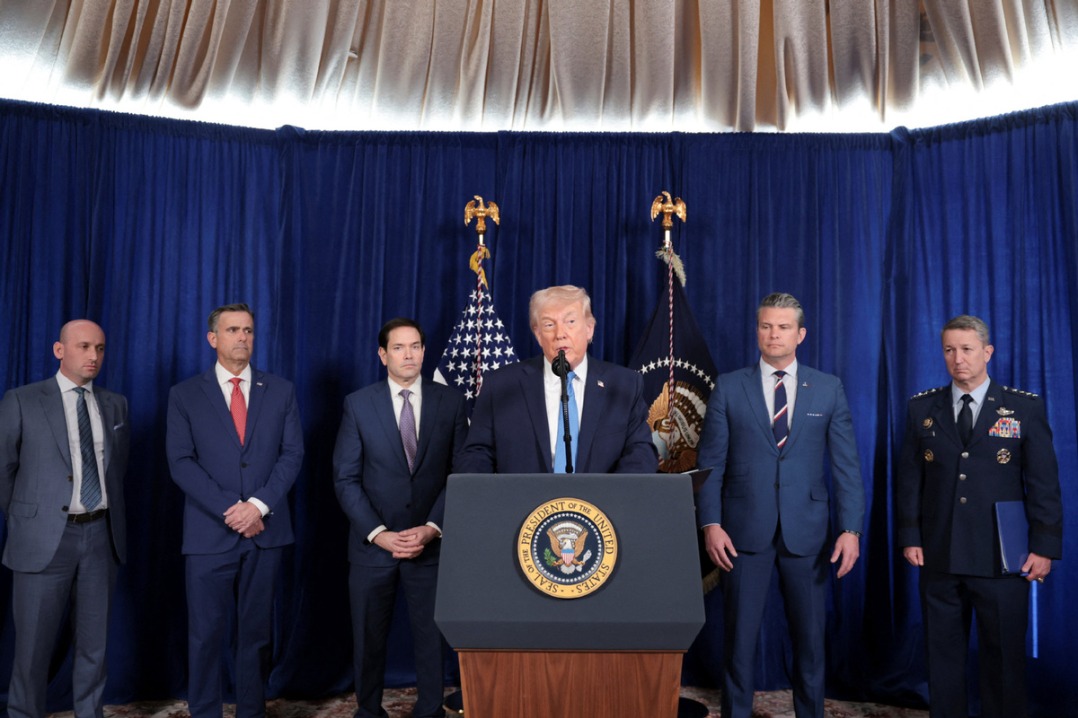
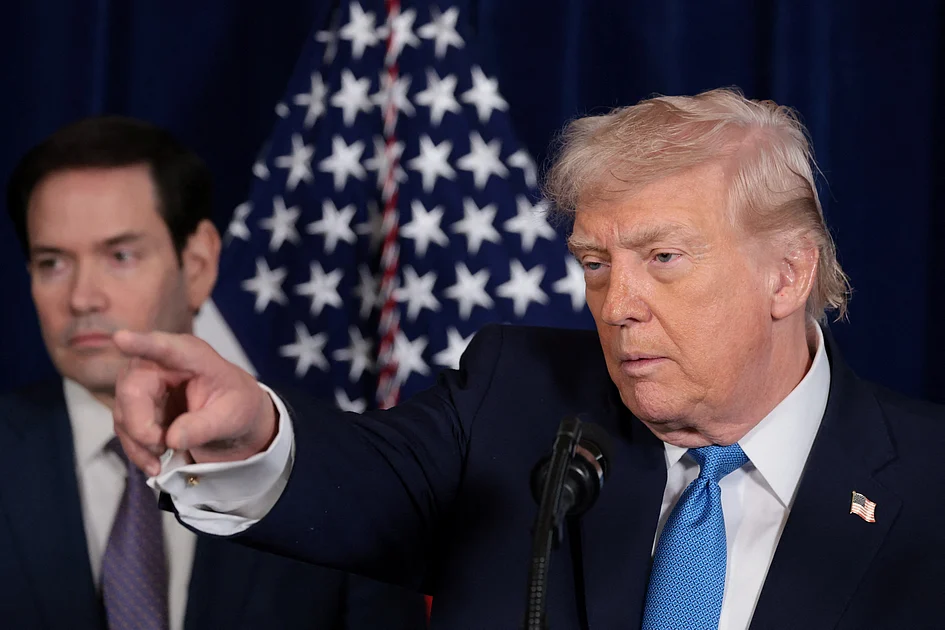
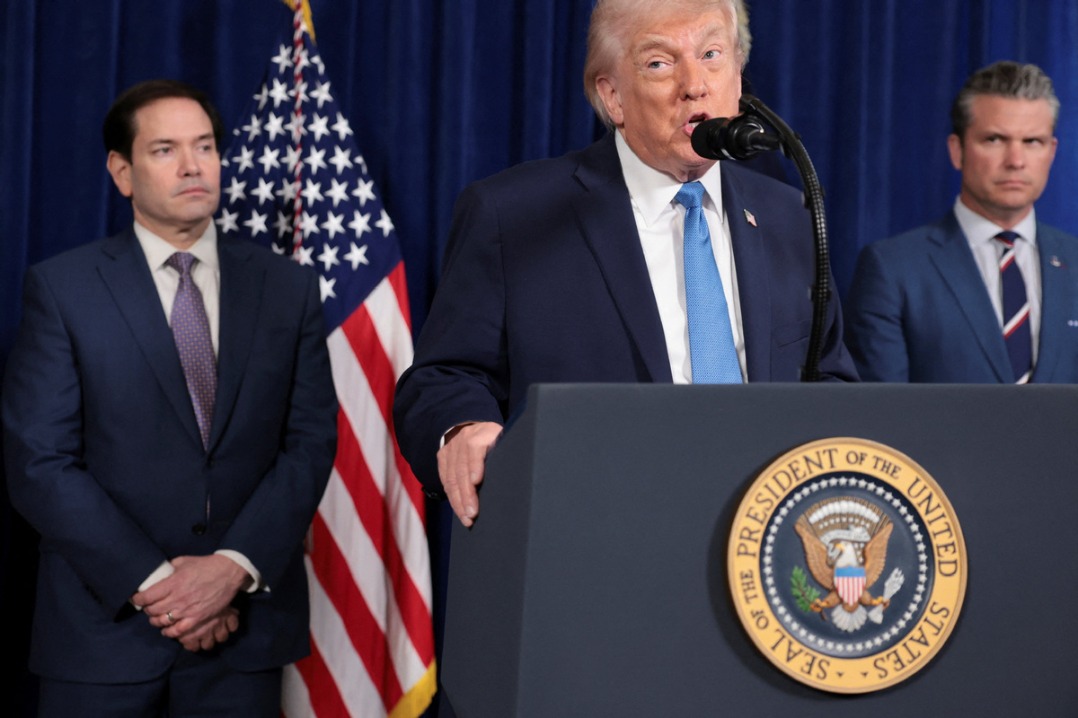
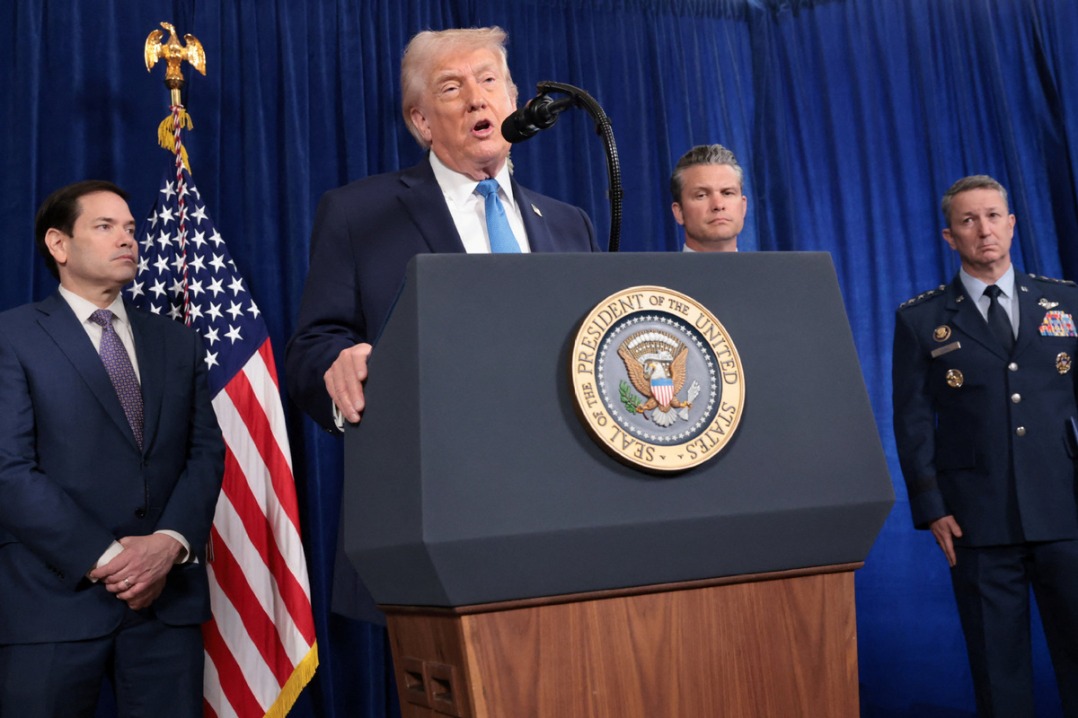
    In a dramatic escalation of hemispheric tensions, President Donald Trump has announced the United States will establish temporary administrative control over Venezuela following a military operation that resulted in the capture of President Nicolás Maduro and his wife. The unprecedented declaration came during a press conference at Trump’s Mar-a-Lago resort in Florida on January 3, 2026, flanked by top defense and diplomatic officials.

    Trump asserted that American oversight would continue until a ‘safe, proper and judicious transition’ could be implemented, explicitly not ruling out the deployment of ground troops during this interim period. The president characterized the operation as remarkably successful, suggesting additional military action might be unnecessary while simultaneously warning of readiness to escalate if required.

    The administration’s financial justification drew immediate attention, with Trump claiming the intervention ‘won’t cost us a penny’ due to anticipated reimbursement from Venezuela’s substantial oil reserves. He further outlined plans for American energy companies to reconstruct the nation’s damaged infrastructure under US supervision.

    This unilateral action triggered swift international condemnation. United Nations Secretary-General António Guterres expressed deep alarm through spokesperson Stéphane Dujarric, warning the operation established ‘a dangerous precedent’ that violated fundamental principles of international law and the UN Charter.

    Global reactions mounted rapidly. Spain’s Prime Minister Pedro Sánchez declared his nation would not recognize an intervention that ‘violates international law and pushes the region toward uncertainty and belligerence.’ Venezuela and Colombia formally requested an emergency meeting of the UN Security Council, with Venezuelan Ambassador Samuel Moncada denouncing the operation as a ‘deadly and treacherous military attack’ against a peaceful nation.

    China voiced profound shock and strong condemnation, characterizing US actions as hegemonic acts that seriously violate international law and Venezuelan sovereignty. Russia demanded Maduro’s immediate release and urged Washington to reconsider its position, emphasizing dialogue as the proper mechanism for conflict resolution.

    France’s Foreign Minister Jean-Noël Barrot joined the criticism, stating that ‘no lasting political solution can be imposed from outside’ and that only sovereign people can determine their future. Legal experts from Chatham House reinforced these concerns, noting the operation collided with the UN Charter’s baseline prohibition on using force as national policy without either Security Council authorization or circumstances of self-defense against armed attack.

  • Trump posts photo of handcuffed, blindfolded Venezuelan President Maduro

    Trump posts photo of handcuffed, blindfolded Venezuelan President Maduro

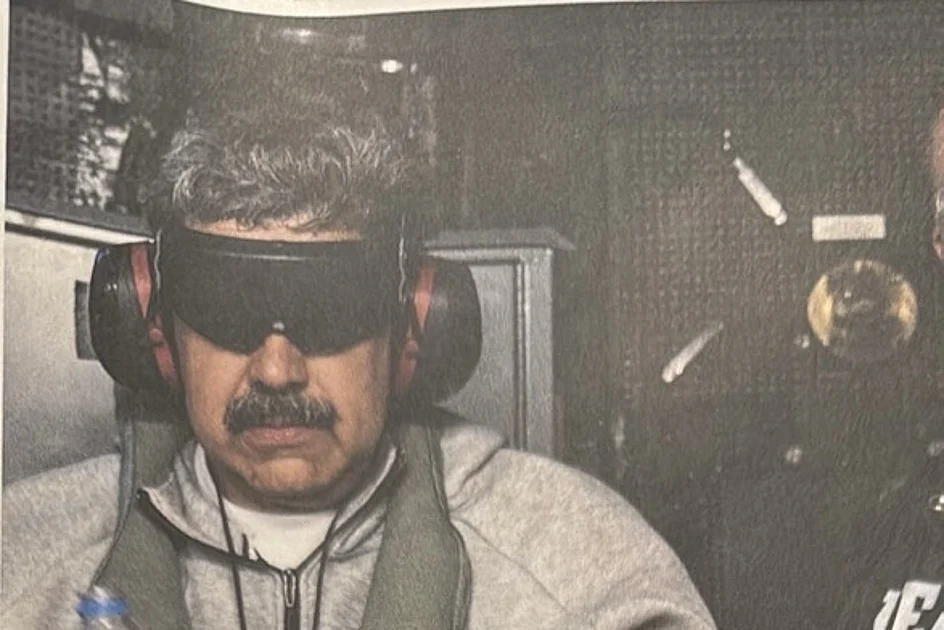
    In a highly provocative move, former U.S. President Donald Trump publicly shared an image depicting captured Venezuelan President Nicolás Maduro aboard the USS Iwo Jima. The photograph, disseminated via Trump’s Truth Social platform on Saturday, January 3, 2026, shows the detained leader blindfolded, wearing headphones and dark glasses, and dressed in casual sweats while holding a water bottle, with his hands apparently restrained.

    This digital disclosure occurred moments after Venezuelan Vice President Delcy Rodríguez formally demanded verifiable proof that Maduro and his wife remained alive following their capture during a U.S. military operation. The post preceded a scheduled press briefing by Trump, which commenced approximately thirty minutes behind its announced 8:00 PM UAE time slot.

    Earlier confirmations via Fox News interviews revealed that Maduro and First Lady Cilia Flores were indeed detained during overnight operations and are currently being transported to New York aboard the naval vessel. Attorney General Pam Bondi substantiated that the couple will face formal charges in the Southern District of New York upon arrival.

    Trump elaborated on the complexity of the capture operation, describing Maduro’s residence as a heavily fortified ‘fortress.’ In a revealing detail, he noted that U.S. forces constructed an exact replica of the Venezuelan presidential residence—complete with identical security features and vaults—to meticulously plan and execute the high-stakes mission.

  • Trump says US to ‘run’ Venezuela after toppling Maduro in military attack

    Trump says US to ‘run’ Venezuela after toppling Maduro in military attack

    In a dramatic escalation of hemispheric tensions, United States special forces executed a lightning military operation in Caracas on Saturday resulting in the capture of Venezuelan President Nicolás Maduro and his wife. The pre-dawn assault combined precision airstrikes targeting key military installations with a ground operation that extracted the controversial leader from his compound.

    President Donald Trump announced the successful mission at a Florida press conference, declaring the U.S. would now ‘run’ Venezuela and utilize its substantial oil reserves. ‘We’re going to be running it with a group,’ Trump stated, indicating cabinet officials accompanying him would oversee the transition. The Republican leader surprisingly dismissed opposition figure Maria Corina Machado as a potential successor, instead suggesting openness to working with Maduro’s deputy Delcy Rodriguez.

    The operation involved approximately 150 aircraft and leveraged extensive intelligence gathering on Maduro’s daily routines. General Dan Caine confirmed the captured leader surrendered without resistance and was being transported to New York to face narcotics and terrorism charges. The assault triggered widespread alarm internationally, with China condemning the action and the United Nations expressing concern about violations of international law.

    Venezuelan residents described waking to explosions and military helicopter activity around 2 a.m. local time, with airstrikes persisting for nearly an hour. The capital subsequently fell into an eerie silence as police secured public buildings and smoke drifted through streets near bombed installations. The Trump administration provided shifting justifications for the intervention, citing drug trafficking, migration concerns, and energy interests at various points.

  • Venezuelan political figures condemn US aggression

    Venezuelan political figures condemn US aggression

    Senior Venezuelan officials have issued forceful condemnations of what they characterize as an unprovoked US military aggression against sovereign territory. The coordinated statements emerged on Saturday following reported attacks on multiple locations including the capital Caracas and surrounding states.

    Vice President Delcy Rodriguez, appearing on state television, revealed that President Nicolas Maduro and First Lady Cilia Flores’ current whereabouts remain unknown, demanding immediate proof of life from US authorities. She confirmed significant casualties among both military personnel and civilians across Caracas, Miranda, Aragua and La Guaira regions following overnight operations.

    ‘The United States has violated international norms through this cowardly assault on our sleeping nation,’ Rodriguez stated. ‘No external force possesses the authority to impose its will upon the Venezuelan people or compromise our sovereign integrity.’

    Interior Minister Diosdado Cabello characterized the offensive as a ‘sneaky, vile attack’ targeting defenseless civilians, urging citizens to maintain composure despite provocations. ‘We must not yield to despair or facilitate the objectives of these invading terrorists,’ he emphasized during a national address.

    Attorney General Tarek William Saab accused the US government of bearing full responsibility for the safety of Maduro and his wife, labeling the operation as ‘imperial aggression against innocent civilian targets.’ He cautioned citizens against psychological warfare tactics while affirming that the president’s prior warnings about foreign intervention had materialized into ‘bloody reality.’

    The unified government response framed the incident as justification for Venezuela’s longstanding anti-imperialist stance, calling for international recognition of sovereignty violations. Officials repeatedly emphasized civilian casualties while urging population-wide vigilance against further provocations.

  • Venezuela’s ‘hour of freedom’ has arrived: Opposition leader Machado

    Venezuela’s ‘hour of freedom’ has arrived: Opposition leader Machado

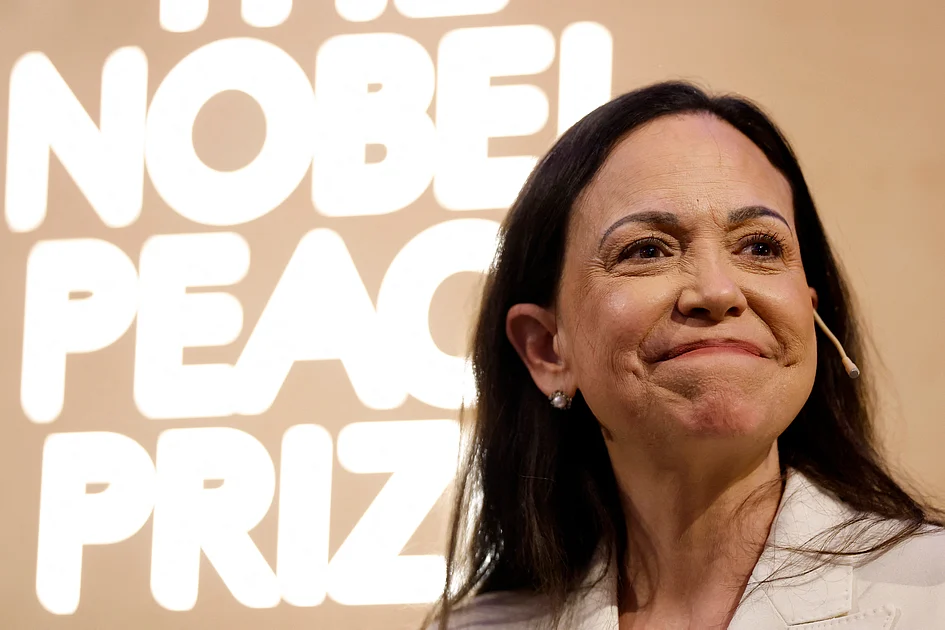
    Venezuelan opposition leader and Nobel Peace Prize laureate Maria Corina Machado has proclaimed the arrival of her nation’s ‘hour of freedom’ following a decisive US military operation targeting strongman Nicolas Maduro. The dramatic development marks a potential turning point in Venezuela’s prolonged political crisis.

    In a powerful statement issued Saturday, Machado declared that opposition candidate Edmundo Gonzalez Urrutia must immediately assume his constitutional presidential mandate. The opposition coalition maintains that Gonzalez Urrutia legitimately won the July 2024 election, despite Maduro’s disputed reelection which drove Machado into hiding for months.

    The political upheaval follows an early-morning US military strike on Caracas, prompting Machado’s triumphant social media announcement. Currently abroad at an undisclosed location after secretly traveling to Oslo in December to accept her Nobel Prize, Machado dedicated the honor to US President Donald Trump while endorsing American intervention in her homeland.

    Machado emphasized the critical need for vigilance and organization during what she termed the ‘Democratic Transition,’ stating: ‘Today we are ready to enforce our mandate and take power.’ She further demanded that Gonzalez Urrutia be ‘recognized as Commander in Chief of the National Armed Forces by all officers and soldiers.’

    The opposition leader had been barred from the 2024 presidential race by institutions loyal to Maduro, leading to Gonzalez Urrutia’s emergence as the consensus opposition candidate. While internationally praised for her democratic advocacy, Machado has faced criticism for her alignment with Trump’s administration.

    Gonzalez Urrutia echoed the historic significance of these developments, posting on social media platform X: ‘These are decisive hours, know that we are ready for the great operation of the reconstruction of our nation.’ The Nobel Committee had previously awarded Machado its peace prize specifically for ‘her struggle to achieve a just and peaceful transition from dictatorship to democracy.’

  • Trump says US will not forget about Monroe Doctrine anymore

    Trump says US will not forget about Monroe Doctrine anymore

    In a significant foreign policy declaration from his Mar-a-Lago estate, President Donald Trump has emphatically reinstated the Monroe Doctrine as a cornerstone of American hemispheric policy. The announcement came during a press conference where Trump was flanked by key administration officials, including Secretary of Defense Pete Hegseth and Secretary of State Marco Rubio.

    The presidential address followed confirmed U.S. military operations against Venezuelan targets, resulting in the capture of President Nicolás Maduro and First Lady Cilia Flores. Trump characterized these actions as necessary measures to restore stability in the Western Hemisphere.

    ‘Our nation will no longer neglect the fundamental principles that have safeguarded our hemisphere for generations,’ Trump stated, referencing the 19th-century doctrine that established America’s sphere of influence in the Americas. ‘The Monroe Doctrine remains as relevant today as when it was first articulated, and this administration will vigorously uphold its principles.’

    The administration’s renewed commitment to this policy framework signals a potential shift in U.S. approach to regional affairs, emphasizing sovereign interests and strategic dominance in the Western Hemisphere. This development occurs against a backdrop of increasing geopolitical tensions and follows years of strained relations between Washington and several Latin American governments.

    Secretary Rubio reinforced the president’s message, indicating that the administration would pursue ‘all necessary diplomatic and strategic measures’ to protect American interests in the region. Defense Secretary Hegseth emphasized the military’s readiness to execute the president’s national security directives.

  • Trump says US oil companies would fix Venezuela’s infrastructure, ‘and start making money for the country’

    Trump says US oil companies would fix Venezuela’s infrastructure, ‘and start making money for the country’

    In a significant post-operation address from his Mar-a-Lago estate in Florida, former U.S. President Donald Trump outlined a prospective economic strategy for Venezuela following military actions that resulted in the capture of President Nicolás Maduro and First Lady Cilia Flores. Speaking alongside key administration figures including Secretary of Defense Pete Hegseth, Secretary of State Marco Rubio, and General Dan Caine, Chairman of the Joint Chiefs of Staff, Trump revealed his vision for Venezuela’s reconstruction.

    The central proposition involves deploying American petroleum corporations to rehabilitate Venezuela’s deteriorated energy infrastructure. Trump asserted that such collaboration would generate substantial revenue for the South American nation, stating that U.S. companies would ‘start making money for the country’ while addressing critical infrastructure deficiencies.

    This declaration comes amid a complex geopolitical landscape, with the January 3, 2026 military operation representing a dramatic escalation in longstanding tensions between Washington and Caracas. The proposal signals a potential shift from military intervention to economic partnership, suggesting an unconventional approach to foreign policy that blends corporate engagement with diplomatic objectives.

    The announcement has sparked immediate international attention, raising questions about resource sovereignty, the role of private corporations in national reconstruction, and the future of U.S.-Venezuela relations following the removal of Maduro’s administration.