标签: North America

北美洲

  • Air Canada CEO ‘deeply saddened’ his poor French skills distracted from victims of crash

    Air Canada CEO ‘deeply saddened’ his poor French skills distracted from victims of crash

    Air Canada’s Chief Executive Michael Rousseau has issued a formal apology amid mounting criticism for delivering condolences exclusively in English following a tragic runway collision at New York’s LaGuardia Airport that claimed the lives of two pilots. The incident, which occurred Sunday night, involved an Air Canada-operated Jazz Aviation aircraft colliding with an emergency response vehicle shortly after landing from Montreal.

    Rousseau’s video statement, intended to express solidarity with grieving families and affected staff, instead ignited national controversy due to his inability to deliver the message in French—Canada’s co-official language. The CEO acknowledged in a bilingual written statement Thursday that his linguistic limitation had ‘diverted attention from those who are mourning,’ particularly significant as one deceased pilot, Antoine Forest, was French Canadian.

    Political leaders including Prime Minister Mark Carney condemned Rousseau’s monolingual approach as demonstrating ‘a lack of compassion,’ while Quebec Premier François Legault explicitly called for his resignation. Despite admitting to years of unsuccessful French language training, Rousseau maintained commitment to improvement but did not address resignation demands.

    Investigative authorities released preliminary findings indicating air traffic controllers had cleared both aircraft and fire truck for runway access. Cockpit voice recordings captured last-minute warnings to the vehicle moments before impact. The accident injured dozens of passengers, with four remaining hospitalized as of Wednesday.

    Canada’s parliamentary Committee on Official Languages has summoned Rousseau to explain the language choice before parliamentarians. The airline, historically subject to Canada’s Official Languages Act despite privatization in 1988, faces renewed scrutiny regarding linguistic compliance.

    Recovery operations progressed Thursday with removal of the damaged aircraft from the runway, as authorities targeted full operational restoration by Friday morning.

  • Plane and firetruck removed from runway after LaGuardia crash

    Plane and firetruck removed from runway after LaGuardia crash

    Emergency response teams successfully cleared a disabled aircraft and damaged firetruck from an active runway at New York’s LaGuardia Airport following an on-ground collision between the two vehicles. The incident, which occurred during routine operations, temporarily restricted access to one of the airport’s two primary runways, causing significant disruptions to flight schedules throughout the Northeast corridor.

    Aviation authorities immediately implemented contingency measures to maintain limited flight operations using the remaining functional runway while emergency crews worked to secure the accident site. The collision between the commercial aircraft and emergency response vehicle represents one of the most serious ground incident scenarios that airport safety protocols are designed to address.

    Federal Aviation Administration officials have launched a comprehensive investigation to determine the precise sequence of events that led to the collision. The National Transportation Safety Board has been notified and may assume investigative authority given the potential implications for national aviation safety standards.

    Airport operations have gradually returned to normal capacity following the clearance of all debris and a thorough safety inspection of the affected runway. Airlines have been working to accommodate stranded passengers and clear the backlog of delayed flights that accumulated during the operational disruption.

  • ‘A game-changing moment for social media’ – what next for big tech after landmark addiction verdict?

    ‘A game-changing moment for social media’ – what next for big tech after landmark addiction verdict?

    A groundbreaking jury verdict in Los Angeles has delivered a seismic blow to tech giants Meta and Google, ruling their platforms Instagram and YouTube deliberately engineered addictive features while negligently failing to protect young users. The court ordered both companies to pay $6 million in damages to Kaley, a plaintiff who developed severe body dysmorphia, depression, and suicidal thoughts after using the platforms.

    The ruling represents a potential watershed moment for social media regulation globally. Legal experts describe it as ending the ‘era of impunity’ for technology companies that have historically operated with limited liability for user harm. Despite immediate appeals from both defendants—with Meta arguing no single app bears sole responsibility for teen mental health crises, and Google disputing YouTube’s classification as a social network—the verdict establishes critical precedent.

    Internal whistleblower testimony proved damning during proceedings. Former Instagram executive Arturo Bejar revealed he had warned CEO Mark Zuckerberg years ago about the platform’s dangers to children, stating the service evolved from ‘a product you used to a product that uses you.’ Meta has denied these allegations.

    The case exposes fundamental tensions between engagement-driven business models and user welfare. Social platforms rely on infinite scrolling, algorithmic recommendations, and autoplay features to maximize advertising exposure—practices now facing unprecedented legal scrutiny. While TikTok and Snap settled similar claims pre-trial, Meta and Google invested enormous resources in their defense, indicating the verdict’s profound commercial implications.

    Globally, regulatory momentum is building. Australia has already implemented under-16 social media bans, while the UK parliament debates similar restrictions through the Children’s Schools and Wellbeing Bill. This verdict strengthens arguments for age-gated access worldwide, with bereaved parents like Ellen Roome—whose son died following an online challenge—demanding immediate action.

    Legal scholars compare this moment to Big Tobacco’s historical reckoning, suggesting mandatory health warnings, advertising restrictions, and potential revisions to Section 230 protections that shield tech companies from content liability. As dozens of similar lawsuits advance through US courts, this ruling fundamentally redefines accountability standards for digital platforms engineered for maximum engagement.

  • China-Brazil economic cooperation hailed

    China-Brazil economic cooperation hailed

    Against a backdrop of global market volatility exacerbated by geopolitical tensions, China and Brazil are significantly strengthening their economic partnership, with officials and experts highlighting this collaboration as a catalyst for green transformation and technological innovation. The strengthened bilateral relations were the focal point of discussions at the recent Brazil-China economic conference in Shanghai.

    Brazilian Ambassador to China Marcos Galvao characterized the current international environment as a ‘rough sea,’ invoking a traditional Brazilian proverb about fishermen staying ashore during storms. However, he emphasized that nations must not remain passive but instead ‘set sail’ to navigate through challenges by reinforcing international law and diplomatic engagement while capitalizing on emerging development opportunities.

    The economic cooperation has evolved beyond traditional sectors, with Chinese investment now extending into Brazil’s manufacturing industry, which Ambassador Galvao noted creates technological spillover effects across South America through Brazil’s regional networks. The partnership has reached unprecedented levels across multiple domains including energy transition, logistics infrastructure, healthcare innovation, technological advancement, food security, and green finance, according to Marcos Caramuru of the Brazilian Center for International Relations.

    Shen Xin, Vice-President of the Chinese People’s Association for Friendship with Foreign Countries, highlighted the strategic shift in Chinese investments from conventional energy sectors like oil to cutting-edge industries such as electric vehicles, photovoltaic technology, artificial intelligence, smart agriculture, and ultrahigh-voltage power transmission. He particularly noted Brazil’s healthcare sector as one of the most accessible areas for foreign investment, suggesting substantial potential for collaboration between medical institutions, device manufacturers, and biotechnology firms from both nations.

    Former Brazilian Environment Minister Izabella Teixeira proposed enhanced Sino-Brazilian cooperation in climate action and natural resource management, advocating for scientific knowledge as a political instrument to advance climate solutions. She emphasized that both nations, as mega-biodiverse countries, should treat natural resources as strategic assets and explore biomass applications connecting energy and food security.

    Fang Li of the World Resources Institute China reported growing interest among Global South nations in co-creating investment and trade frameworks. She identified significant potential for Sino-Brazilian collaboration in green energy development and petroleum alternatives for chemical production, noting Brazil’s exceptional position with over 80% of its electricity generated from hydropower and abundant ecological resources.

    The energy transition demand in Brazil has created substantial opportunities for Chinese companies. Hangzhou Hexing Electrical now supplies over 60% of Brazil’s electricity meters, with company representative Shelley Wang noting rising demand for distributed photovoltaics, grid digitalization, and smart metering solutions. She emphasized that achieving Brazil’s energy transition goals requires not only technological advancement but comprehensive industrial chain restructuring and international cooperation.

    Ding Songbing of Shanghai International Port Group highlighted maritime trade’s crucial role in the bilateral relationship, noting their capacity to contribute expertise in modernizing and automating Brazil’s existing port infrastructure to support growing trade volumes between the two economic powerhouses.

  • Saudi angle as new clues suggest why Trump took secret documents

    Saudi angle as new clues suggest why Trump took secret documents

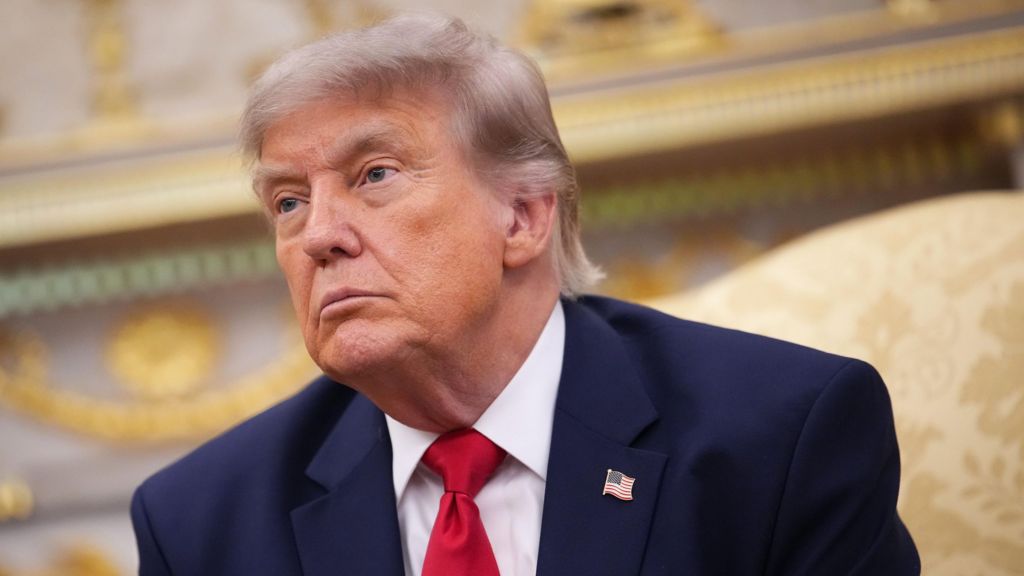
    Congressional Democrats on the House Judiciary Committee have launched a forceful confrontation with the Justice Department, demanding full transparency regarding former Special Counsel Jack Smith’s investigation into Donald Trump’s handling of classified materials. The escalating conflict centers on newly revealed evidence suggesting Trump may have retained sensitive documents to advance his business interests.

    Representative Jamie Raskin (D-Md.), the committee’s ranking member, sent a detailed communiqué to Attorney General Pam Bondi condemning the Department’s selective disclosure of materials related to Smith’s probe. The investigation examined Trump’s retention of classified documents at his Mar-a-Lago estate in Florida and Bedminster golf club in New Jersey after his presidential term concluded.

    According to disclosed materials, federal prosecutors identified a January 2023 memorandum stating the FBI had determined Trump retained documents “would be pertinent to certain business interests,” establishing a potential motive for their retention. One particularly sensitive document was reportedly accessible to only six government officials, including the president, before being moved to private property.

    The controversy deepened with allegations that Trump showed a classified map to individuals aboard his private aircraft in June 2022. Flight manifests indicate 14 people were present, though all names remain redacted. Notably, this period coincided with Trump’s business engagements with Saudi-backed entities, including LIV Golf and real estate firm Dar al Arkan.

    Raskin’s letter emphasized the national security implications, stating: “If this map is related to our military posture in the Middle East, and it was shown to any foreign official, that would amount to an unforgivable betrayal of our men and women in uniform.”

    The Justice Department responded aggressively on social media, accusing Raskin and Smith of being “blinded by hatred of President Trump” and dismissing the inquiry as a “cheap political stunt.” This exchange occurs against the backdrop of US District Judge Aileen Cannon’s decision to permanently block release of Smith’s final report on the documents case.

    Government watchdog American Oversight characterized the situation as “one of the most serious national security scandals in American history,” while committee Democrats accused the administration of “legal gymnastics” to prevent public access to the full findings.

  • White House threatens to ‘unleash hell’ on Iran

    White House threatens to ‘unleash hell’ on Iran

    The White House has delivered a formidable warning to Tehran, with Press Secretary Karoline Leavitt declaring that President Donald Trump stands ready to ‘unleash hell’ should Iran continue to resist diplomatic resolutions to the ongoing military confrontation. This stern pronouncement came during a Wednesday press briefing, emphasizing the administration’s unwavering stance.

    Leavitt asserted that any further escalation of violence would stem directly from Iran’s refusal to acknowledge its defeated position and engage in constructive negotiations. ‘President Trump does not bluff and he is prepared to unleash hell,’ she stated, characterizing the conflict as being on a predetermined timeline of four to six weeks since its inception on February 28.

    The administration maintained secrecy regarding its diplomatic channels, with Leavitt declining to specify Washington’s negotiation counterparts, citing the sensitive nature of ongoing discussions.

    Contradicting the White House’s narrative, Iranian Foreign Ministry spokesman Esmail Baghaei explicitly denied any existing negotiations with the United States during an exclusive interview with India Today. Baghaei referenced Iran’s ‘catastrophic experience’ with previous U.S. diplomacy, particularly concerning nuclear negotiations that coincided with American military actions.

    Further amplifying Tehran’s position, Ebrahim Zolfaghari, spokesperson for Iran’s Khatam al-Anbiya Central Headquarters, dismissed U.S. claims as self-negotiation driven by internal political strife. Zolfaghari characterized American assertions of potential agreements as mere disguises for strategic defeat, claiming that the enemy’s boasted power has transformed into strategic failure.

  • ‘I have no recollection of anything’ – Epstein survivor says she was drugged and raped

    ‘I have no recollection of anything’ – Epstein survivor says she was drugged and raped

    In a profound and harrowing first-person account to BBC Newsnight, a survivor of Jeffrey Epstein’s sexual abuse has come forward, detailing her traumatic experience and issuing a powerful call for transparency and healing. The woman, identified pseudonymously as Nicky, described a systematic pattern of manipulation and assault that began when she was a 19-year-old model.

    Nicky’s initial encounters with the disgraced financier at his Palm Beach, Florida, mansion followed a now-notorious pattern: she was hired to provide massages. During a subsequent visit, the situation escalated violently. Epstein attempted to remove her clothing and proceeded to masturbate in front of her. To extricate herself, Nicky falsely claimed she was menstruating.

    The most disturbing part of her testimony concerns a drink of water Epstein offered her after that encounter. After consuming it, Nicky blacked out for a minimum of twelve hours. She awoke feeling disoriented and ill, with physical evidence suggesting she had been sexually assaulted while unconscious. Her attempts to retrieve the memory through psychotherapy have been unsuccessful, leaving her with what she describes as a logical, horrifying assumption of the truth.

    Epstein later confirmed her suspicions by referencing her earlier lie about her period, indicating he had intimate knowledge of her body that he could only have gained while she was incapacitated. The psychological aftermath was severe, leading Nicky to experience suicidal ideation, questioning if her children would be better off without her.

    Her decision to speak out now is driven by the courage of other survivors. Her primary demand is directed at the U.S. Department of Justice: release all remaining two million files from its Epstein investigations, but do so ethically, with proper redactions to protect victims’ identities—a failure that previously drew bipartisan criticism following earlier document dumps.

    Nicky expressed fury that full transparency required an act of Congress, the ‘Epstein Transparency Act,’ which she lambasts as a ‘complete waste’ of taxpayer money. She finds the very name of the legislation offensive, arguing it perpetuates the glorification of a ‘monster’ instead of honoring the survivors, suggesting alternatives like the ‘Survivors Act.’

    Ultimately, Nicky articulates the immense difficulty of healing when the specter of her abuser remains a constant feature in media and political discourse, reducing survivors to ‘pawns.’ Her poignant final plea is for the space and justice necessary for true recovery: ‘I would love for us to be able to heal.’

  • Houston airport wait times reach over four hours amid US travel chaos

    Houston airport wait times reach over four hours amid US travel chaos

    A severe airport security crisis is unfolding across the United States as Transportation Security Administration (TSA) staffing shortages reach critical levels during the ongoing partial government shutdown. At George Bush Intercontinental Airport in Houston, Texas, security wait times have exceeded four hours, creating massive passenger queues during the busy spring break travel season.

    The situation has become particularly dire in Houston, where nearly 40% of TSA personnel failed to report for duty—the highest absentee rate nationwide. According to Jim Szczesniak, Director of Aviation for the Houston Airport System, the facility is operating with only one-third to half of its normal TSA checkpoint capacity while handling 100% of typical spring break passenger volume.

    Compounding the problem, Houston is preparing to host multiple major sporting events this weekend, including the Astros’ season opener, a golf tournament, and NCAA Tournament Sweet 16 matches, which are expected to bring additional travelers through the already strained airport.

    In response to the crisis, the TSA plans to deploy at least two dozen officers from its National Deployment Office to Bush Airport on Thursday. This follows Monday’s announcement that hundreds of U.S. Immigration and Customs Enforcement (ICE) agents had been sent to 14 airports including New York, Atlanta, and Houston to assist with security screening.

    President Donald Trump praised the ICE agents’ performance on Wednesday, stating they’re doing “an unbelievable job” and suggesting he might deploy the National Guard if necessary. The President blamed Democrats for the worker shortages, claiming they “don’t want to pay” the agents.

    The political stalemate centers around immigration policy disagreements. Democrats have refused to fund the Department of Homeland Security without implementing new restrictions on immigration agents, a position prompted by public outrage over recent shooting deaths of two U.S. citizens in Minneapolis. Republicans have rejected Democratic proposals to fund TSA separately while negotiations over ICE reforms continue.

    The human toll of the shutdown is mounting. TSA’s acting chief Ha Nguyen McNeill testified before Congress that more than 450 TSA workers have resigned since the partial shutdown began. While this represents a small fraction of the approximately 50,000 total TSA agents, the combination of resignations and widespread absences is creating unsustainable security delays.

    McNeill warned of “dire” consequences as the United States prepares to co-host the FIFA World Cup this summer, noting that new TSA hires would not be adequately trained in time for the international event. The agency is closely monitoring staff attrition rates and may need to reassess staffing strategies for World Cup venues.

    Even private sector solutions have been rejected—billionaire Elon Musk’s offer to fund TSA worker pay during the shutdown was declined by the White House on Wednesday, according to CBS News sources.

    With no resolution to the funding standoff in sight, airport officials nationwide fear conditions will continue to deteriorate until Congress reaches an agreement to end the government shutdown.

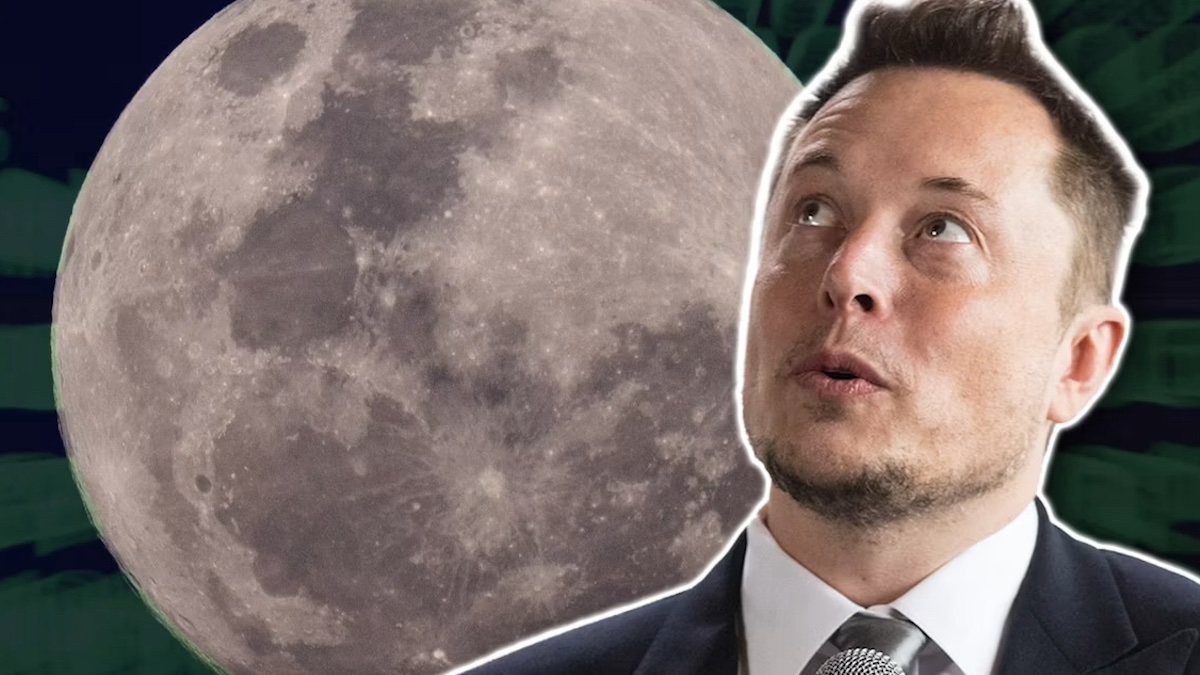
  • Rocket stocks soar on reports Musk’s SpaceX set to file for share sale

    Rocket stocks soar on reports Musk’s SpaceX set to file for share sale

    The space industry experienced a significant market surge on Wednesday as investors reacted to reports that Elon Musk’s SpaceX is preparing to file for an initial public offering. According to technology news outlet The Information, the groundbreaking space company could seek a historic market valuation of approximately $1.75 trillion, potentially marking the largest stock market debut in financial history.

    The market response was immediate and widespread across the space sector. Rocket manufacturers Firefly Aerospace and Rocket Lab both witnessed their stock prices climb more than 10%, while other space-related companies experienced even more dramatic gains. Intuitive Machines, a prominent space exploration firm, saw its shares rise nearly 15%, while Earth-imaging specialist Planet Labs enjoyed a 10% increase. Satellite manufacturer Sidus Space led the surge with an impressive 19% gain, and AST SpaceMobile shares advanced by 10%.

    SpaceX, founded in 2002 by billionaire entrepreneur Elon Musk, has revolutionized space technology with its reusable rocket systems and ambitious Starlink satellite network. The company’s potential public offering could reportedly generate over $75 billion in capital, providing substantial resources for further expansion and technological development. The BBC has reached out to SpaceX for official comment regarding the listing rumors.

    Musk, who currently serves as CEO of multiple innovative companies including Tesla, social media platform X, and neurotechnology firm Neuralink, has previously expressed cautious approaches to taking SpaceX public until the company’s Mars colonization strategy becomes more established. The current market excitement reflects investor confidence in the growing commercial space industry and SpaceX’s dominant position within this emerging sector.

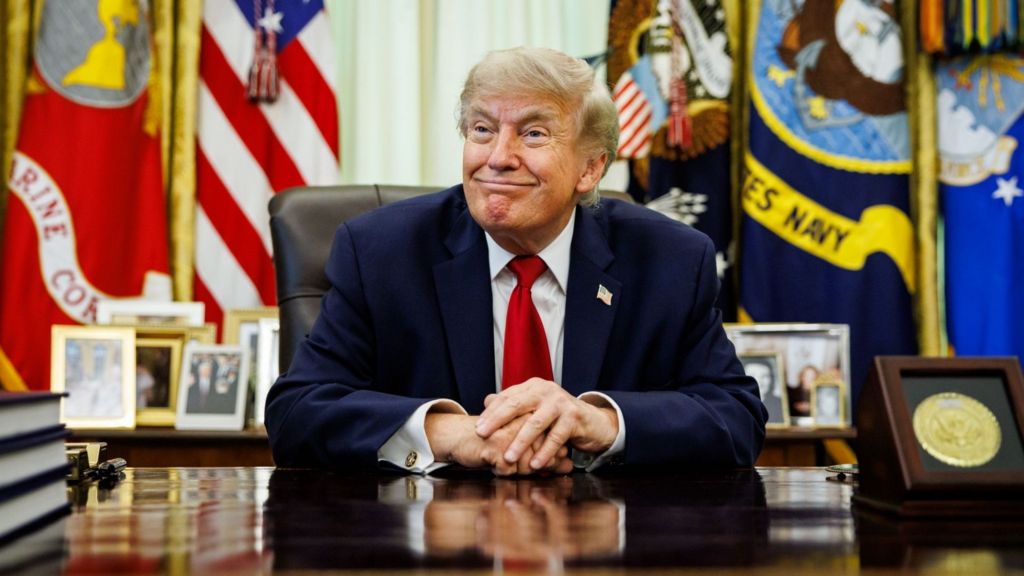
  • Trump’s Iran strategy is to pursue two off-ramps at once

    Trump’s Iran strategy is to pursue two off-ramps at once

    The White House has confirmed that diplomatic channels with Iran remain active despite Tehran’s public dismissal of a comprehensive 15-point peace proposal. This development occurs alongside a significant military escalation, with the Pentagon deploying over 1,000 paratroopers to the region, creating a contradictory strategy that has left allies and administration officials perplexed.

    President Donald Trump’s administration finds itself navigating increasingly complex waters as conflicting approaches emerge simultaneously. Within hours of the Pentagon’s troop mobilization order, U.S. negotiators delivered the peace plan to Iranian authorities—a document demanding Tehran abandon its nuclear program, limit ballistic missile capabilities, and reopen the strategically vital Strait of Hormuz.

    The administration’s mixed messaging has raised concerns among former officials and international allies about the coherence of Trump’s exit strategy. A former senior administration official, speaking anonymously, revealed growing unease within government circles regarding the apparent lack of a concrete plan for the conflict’s resolution.

    White House Press Secretary Karoline Leavitt maintained a firm stance, stating: “President Trump does not bluff, and he is prepared to unleash hell. Iran should not miscalculate again.” This rhetoric contrasted sharply with earlier suggestions of diplomatic progress, particularly following Trump’s decision to suspend planned attacks citing “major progress” in negotiations.

    The strategic importance of the Strait of Hormuz represents a critical challenge for the administration. With approximately 20% of global oil and gas exports passing through this waterway, continued Iranian attacks on commercial vessels have driven energy prices upward while Trump’s calls for NATO assistance have yielded limited results.

    Domestically, the conflict has exposed fractures within the Republican Party. While House Speaker Mike Johnson expressed confidence that military operations were “wrapping up,” Representative Nancy Mace (R-SC) publicly opposed ground troop deployments after receiving classified briefings. This division highlights the tension between anti-interventionist MAGA supporters and party hawks backing military action.

    Iran’s response, delivered through anonymous officials on state television, emphasized Tehran’s perception of equal control over conflict dynamics. Iranian Foreign Minister Abbas Araghchi explicitly denied ongoing negotiations and rejected allowing Western ships through the Strait of Hormuz, stating: “There is no reason to allow the ships of our enemies and their allies to pass.”

    Military experts suggest the troop deployment might focus on securing Kharg Island, Iran’s primary oil export hub, to gain leverage over the strategic waterway. However, former defense officials caution that this escalation appears more reactive than strategic, with one describing it as resembling “a pick-up game of which units are available to me now” rather than executing a carefully considered plan.