In a landmark legal ruling that closes one chapter of a high-stakes feud over the future of artificial intelligence, a California jury has delivered a unanimous verdict dismissing Elon Musk’s major lawsuit against OpenAI and its chief executive Sam Altman. The case was thrown out entirely on the grounds that Musk filed his legal claims well after the legally mandated statute of limitations for such disputes had expired.
Musk, one of the original co-founders of OpenAI, launched the suit accusing Altman of breaking a foundational non-profit agreement that guided the company’s early days. When OpenAI was launched in 2015, Musk contributed $38 million in initial funding to support the organization’s stated mission: developing AI technology for the collective benefit of humanity, rather than private profit. Musk alleged that Altman deliberately deceived him by accepting his charitable seed funding, then abandoned the original non-profit mission to transition OpenAI—the creator of the wildly popular ChatGPT—into a for-profit entity. He also named Microsoft and its CEO Satya Nadella as co-defendants, claiming the tech giant aided in what Musk framed as a breach of agreement.
Over the course of three weeks, jurors pored over thousands of pages of internal OpenAI correspondence and heard testimony from all key parties to the dispute. Both Musk and Altman took the stand to present their competing accounts of the company’s origins and trajectory, while Nadella also appeared as a witness to address Musk’s allegations against Microsoft. Following the close of evidence, jurors deliberated for roughly two hours on Monday before reaching their unanimous decision to dismiss the case.
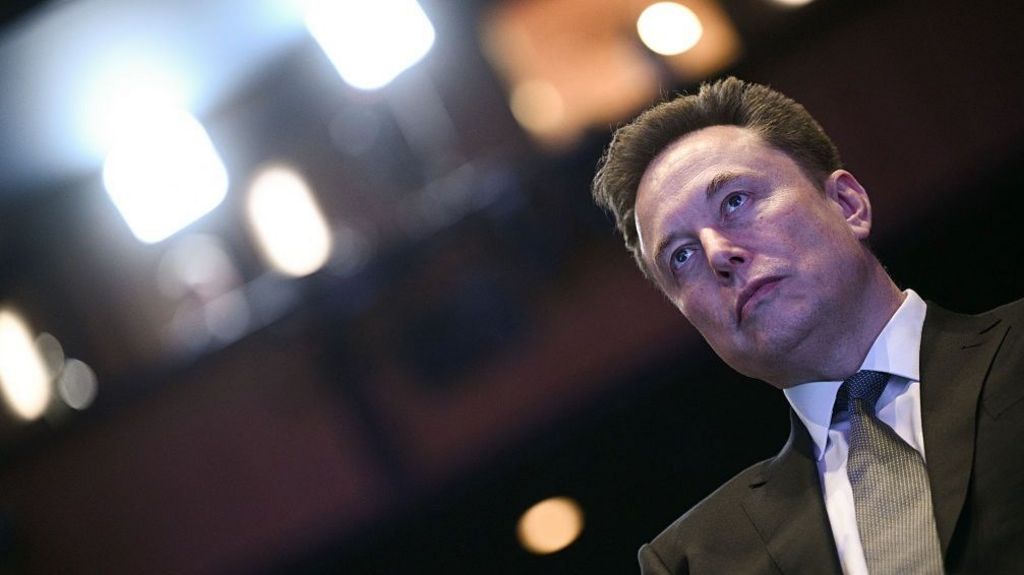
During his opening testimony on the first day of the trial, Musk appeared in court in a dark suit and tie, framing his legal action as a defense of the principle of charitable giving. When asked by his legal team to explain the core of his complaint, Musk told the court: “It’s actually very simple. It’s not OK to steal a charity… If it’s okay to loot a charity, the entire foundation of charitable giving will be destroyed.”
Altman pushed back forcefully against Musk’s narrative during his own testimony, arguing that Musk not only supported the push to convert OpenAI to a for-profit structure—he also pushed for long-term personal control of the company. Altman recalled a pivotal early meeting where Musk’s stance on control became clear, telling jurors: “A particularly hair-raising moment was when my co-founders asked, ‘If you have control, what happens when you die?’ He said something like, ‘maybe it should pass to my children.’”
Following the jury’s ruling on the claims against OpenAI, Musk’s remaining allegations against Microsoft were also dismissed as a matter of law. The long-running rift between Musk and Altman dates back to 2018, when Musk stepped down from OpenAI’s board after co-founders rejected his request for full control over the organization. The dismissal of the suit brings a definitive legal end to this particular clash between two of the most influential figures in global AI development, though ongoing industry competition between their respective AI projects is expected to continue.