标签: Europe

欧洲

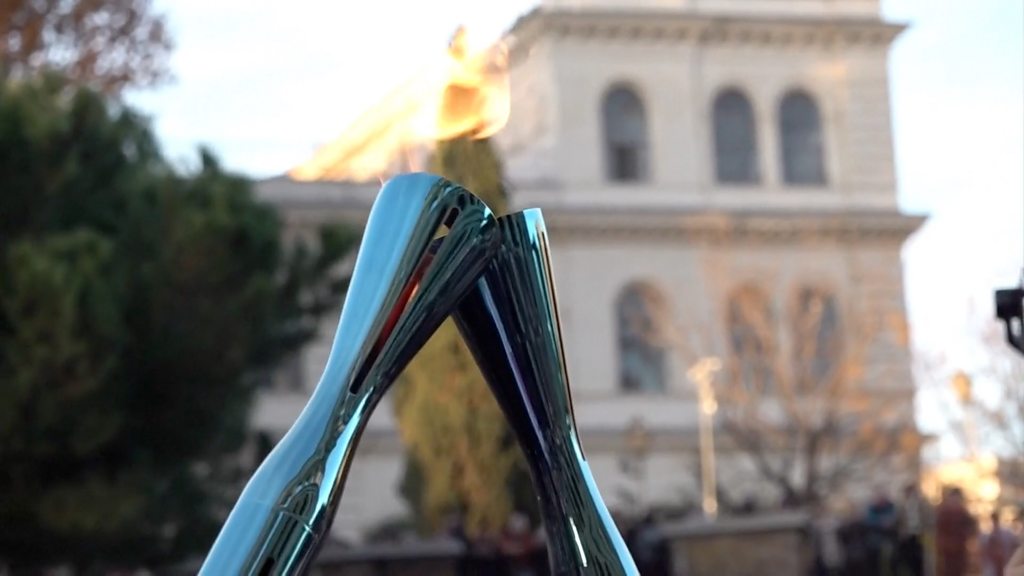
  • Olympic flame arrives in Rome ahead of Winter Olympics

    Olympic flame arrives in Rome ahead of Winter Olympics

    The iconic Olympic flame has made its ceremonial arrival in Rome, marking a significant milestone in the countdown to the Milano Cortina 2026 Winter Olympics. This historic event signals the beginning of final preparations for the first Italian-hosted Winter Games in two decades.

    The torch’s arrival at the Italian capital initiates a nationwide relay that will traverse the country’s diverse landscapes, building momentum toward the February 2026 opening ceremony. The flame’s journey symbolizes the enduring Olympic spirit and Italy’s commitment to hosting a memorable global sporting event.

    Organizers have coordinated extensive security measures and cultural celebrations to accompany the torch’s procession through historic Italian landmarks. The relay route will showcase Italy’s rich heritage while connecting communities across the nation in anticipation of the games.

    The Milano Cortina 2026 Olympics represent Italy’s third time hosting the Winter Games, following previous events in Cortina d’Ampezzo (1956) and Turin (2006). This edition will feature innovative sustainability initiatives and technological advancements in event management.

    International Olympic Committee officials have praised Italy’s preparations, noting the seamless coordination between the host cities and the ongoing infrastructure developments designed to accommodate athletes and spectators from around the world.

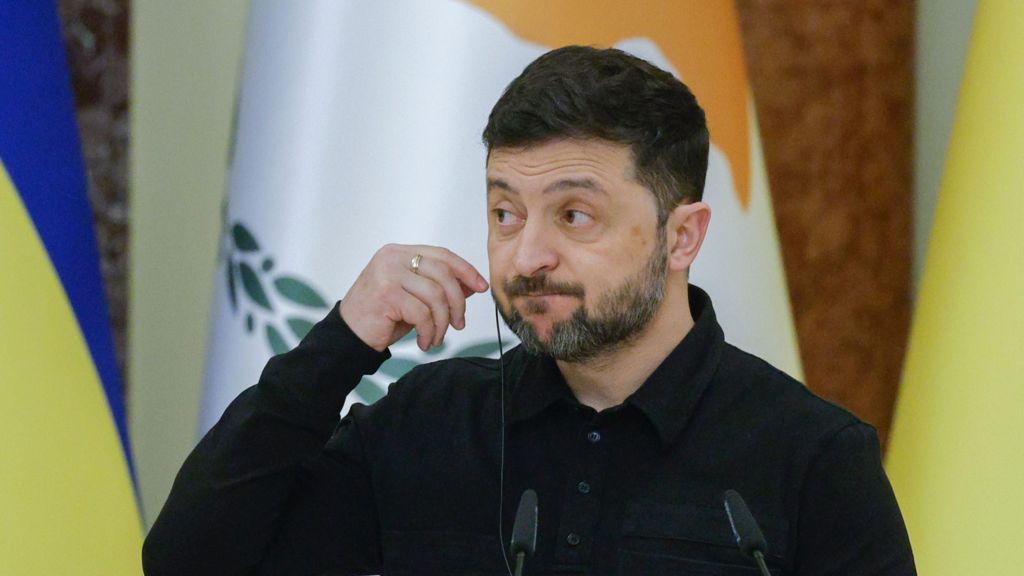
  • Zelensky signals progress in talks with US on peace plan

    Zelensky signals progress in talks with US on peace plan

    Ukrainian President Volodymyr Zelensky has characterized his recent diplomatic engagement with Trump administration peace envoy Steve Witkoff and presidential son-in-law Jared Kushner as “highly constructive.” The high-level discussion, which included Ukrainian officials participating from Miami, focused extensively on mechanisms to ensure Russian compliance with any potential peace agreement that might emerge from ongoing negotiations.

    Despite these diplomatic efforts, Moscow shows no signs of de-escalation, continuing its intensive bombardment campaign across Ukraine. Overnight, Russian forces launched 653 drones and 51 missiles, targeting critical infrastructure including a railway hub in Fastiv southwest of Kyiv and energy facilities across eight regions, resulting in widespread blackouts. Russian authorities maintain these strikes targeted military-industrial sites and infrastructure.

    European leaders have intensified their diplomatic response, with French President Emmanuel Macron offering “full solidarity” to Ukraine in a post-conversation social media statement. Macron confirmed his participation in upcoming London talks alongside Zelensky, UK Prime Minister Keir Starmer, and German Chancellor Friedrich Merz to discuss post-war security guarantees for Ukraine. This meeting follows a previous virtual discussion about deploying a European peacekeeping force to Ukraine should a ceasefire be achieved—a proposal Russian President Vladimir Putin has vehemently rejected, warning such forces would become “legitimate targets.

    The parallel US-Ukrainian negotiations in Florida entered their third day, with both sides describing discussions as productive. A joint statement from Witkoff and Ukrainian National Security Council Secretary Rustem Umerov indicated agreement on security arrangement frameworks and deterrence capabilities necessary for sustaining peace, though specific details remain undisclosed. Negotiators emphasized that any prospect for ending the conflict ultimately depends on Russia’s willingness to take “steps towards de-escalation and cessation of killing.”

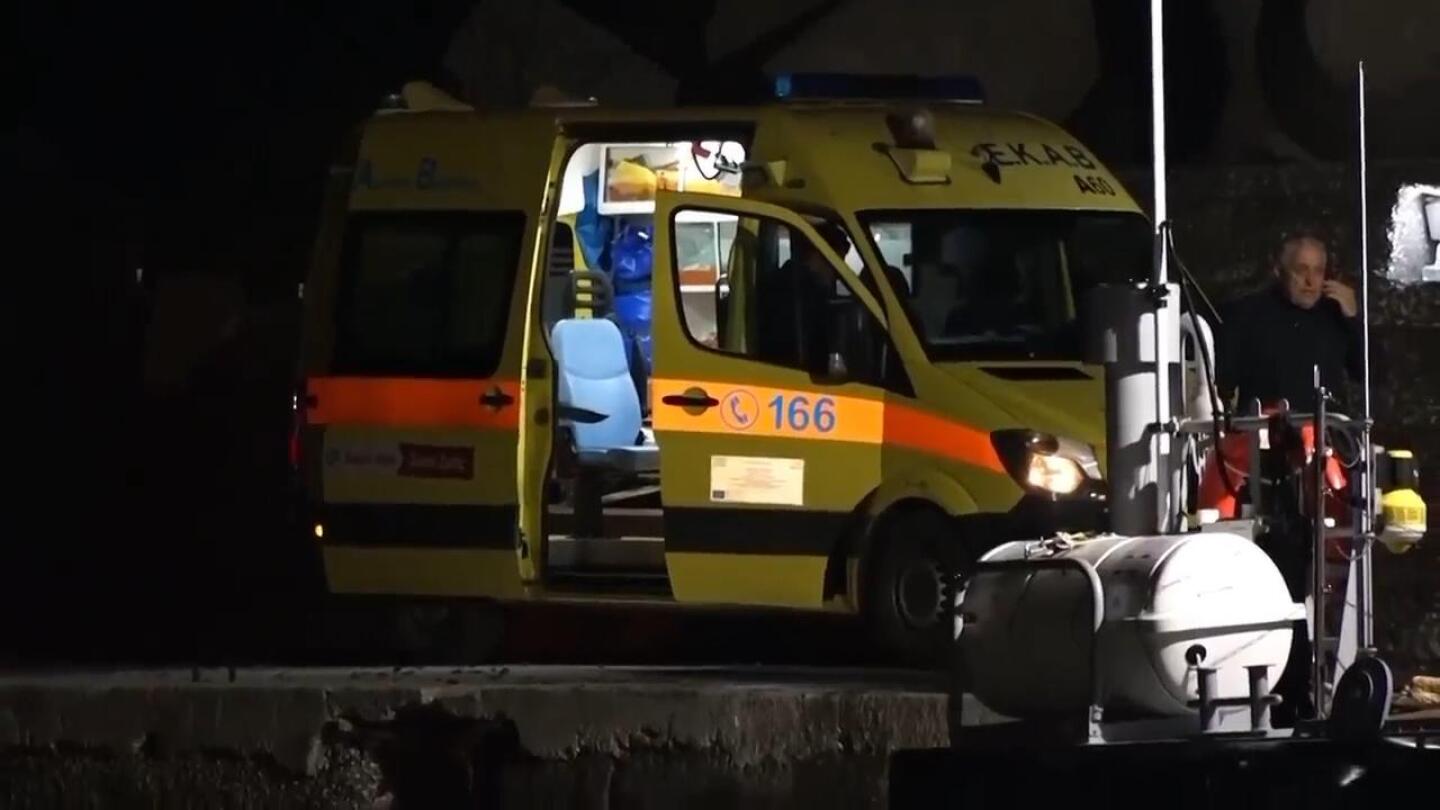
  • At least 18 migrants die as inflatable boat sinks south of Greek island of Crete; 2 rescued

    At least 18 migrants die as inflatable boat sinks south of Greek island of Crete; 2 rescued

    A devastating maritime incident has claimed the lives of at least 18 migrants in the Mediterranean Sea, according to Greek authorities. The tragedy unfolded south of Crete on Saturday when an overcrowded inflatable vessel capsized during its perilous journey.

    The half-submerged boat was initially spotted by a Turkish commercial ship passing through the area, triggering a massive multinational search and rescue operation. Two survivors were successfully pulled from the water, while emergency teams continue scouring the sea for additional survivors. The nationalities of the victims and the precise origin point of their journey remain undetermined at this time.

    This catastrophe highlights the ongoing humanitarian crisis along Europe’s southern borders, where Greece continues to serve as a primary gateway for those fleeing conflict zones and economic hardship across Africa, the Middle East, and Asia. While the shorter Turkey-to-Greek-islands route has seen reduced traffic due to enhanced patrols and border control measures, the longer and more dangerous Libya-to-Crete passage has witnessed a significant surge in attempted crossings in recent months.

    The complex rescue mission involves coordinated efforts between multiple agencies, including aircraft and vessels from Frontex (the European Border and Coast Guard Agency), Greek Coast Guard helicopters, and three merchant ships that have joined the search operation. The Mediterranean remains one of the world’s deadliest migration routes, with such fatal incidents occurring with tragic regularity despite repeated warnings from humanitarian organizations about the dangers of irregular sea crossings in unseaworthy vessels.

  • World Cup final will be an afternoon match at MetLife Stadium, allowing prime-time viewing in Europe

    World Cup final will be an afternoon match at MetLife Stadium, allowing prime-time viewing in Europe

    FIFA has officially confirmed the highly anticipated scheduling details for the 2026 World Cup, announcing that the championship final will commence at 3 p.m. Eastern Daylight Time (EDT) on July 19th at MetLife Stadium in East Rutherford, New Jersey. This strategic timing ensures optimal prime-time television viewership across Europe, where the match will air at 9 p.m. Central European Time and 8 p.m. in the United Kingdom.

    The scheduling announcement, made public this past Saturday, follows closely on the heels of the tournament’s official draw. It provides a comprehensive overview of start times for all 104 matches in the expanded 48-nation competition. Historical weather data from AccuWeather indicates that the chosen date and time present a significant climatic consideration, with a 30-year average temperature of 83 degrees Fahrenheit (28 Celsius) and a RealFeel index of 89 (32) for that specific location and time of year.

    This scheduling aligns with a long-standing tradition for World Cup finals. An analysis of the last ten tournaments reveals that nine finals, from 1978 through 2014, were held within the 2-3:30 p.m. EDT window. The notable exception was the 2002 final in Japan, which started at 7 a.m. EDT. More recent finals have seen varied times, with the 2018 match in Russia beginning at 11 a.m. EDT and the 2022 winter tournament in Qatar’s final kicking off at 10 a.m. EST.

    The tournament opener is scheduled for June 11th at Mexico City’s iconic Azteca Stadium, where host nation Mexico (El Tri) will face South Africa in a 1 p.m. local time (3 p.m. EDT) match. The semifinal matches will be held on July 14th and 15th at AT&T Stadium in Arlington, Texas, and Mercedes-Benz Stadium in Atlanta, respectively. Both venues feature retractable roofs, mitigating potential weather concerns with start times of 2 p.m. and 3 p.m. local time.

    The United States will host the majority of the tournament with 78 games, including all matches from the quarterfinal stage onward. Canada and Mexico will each host 13 matches. The U.S. men’s national team’s group stage schedule was also finalized, featuring evening matches against Paraguay in Inglewood and a potential European opponent at SoFi Stadium, with a midday match against Australia in Seattle.

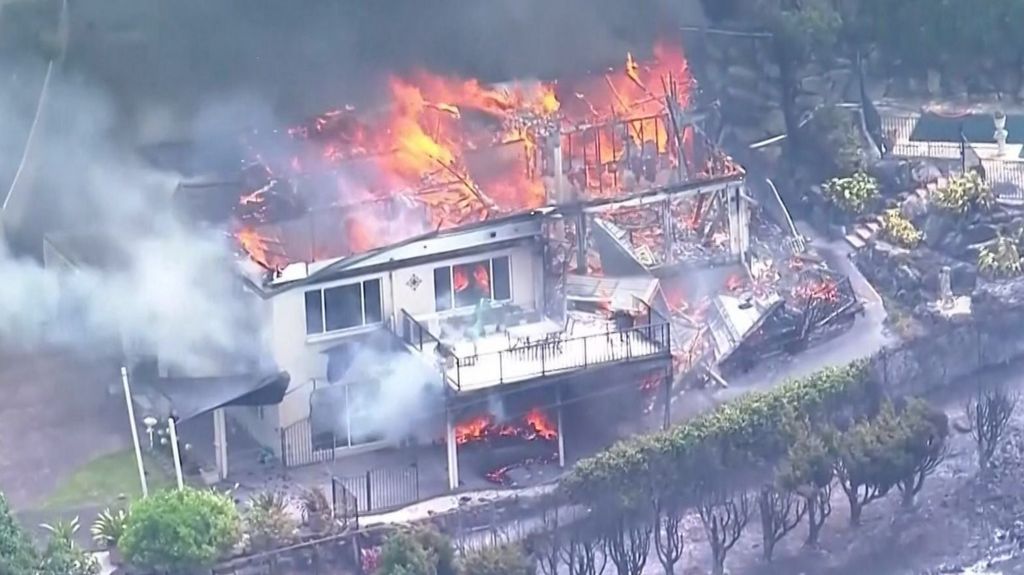
  • ‘We’ve lost everything’: Australia wildfire rips through homes

    ‘We’ve lost everything’: Australia wildfire rips through homes

    A ferocious bushfire has inflicted severe damage upon a coastal community situated north of Sydney, Australia, leaving a trail of destruction and multiple residences obliterated. The blaze, which rapidly escalated due to prevailing weather conditions, tore through the area with little warning for residents.

    Emergency services responded to the crisis as the fire front advanced, threatening local infrastructure and forcing swift evacuations. Preliminary reports from the scene indicate that several properties have been completely destroyed, with others sustaining significant damage. The incident has triggered a coordinated response from firefighting units battling to contain the spread and protect surrounding neighborhoods.

    Affected residents have expressed profound shock and distress, with many recounting narrow escapes and the complete loss of personal belongings. Community support networks are mobilizing to provide immediate assistance, including temporary accommodation and essential supplies for those displaced by the disaster. Authorities have launched investigations into the fire’s origin while continuing to assess the full extent of the damage across the impacted region.

  • Sanctioned oil tanker is stranded off Bulgaria’s Black Sea coast after suspected Ukrainian strike

    Sanctioned oil tanker is stranded off Bulgaria’s Black Sea coast after suspected Ukrainian strike

    Bulgarian maritime authorities have initiated a complex rescue operation for the crew of the Kairos oil tanker, which ran aground near the Black Sea port of Ahtopol following a suspected Ukrainian naval drone attack. The Gambian-flagged vessel, measuring 274 meters and weighing 149,000 tons, is believed to be part of Russia’s “shadow fleet” used to circumvent international sanctions imposed due to the Ukraine conflict.

    The vessel entered Bulgarian territorial waters on Friday while under tow by a Turkish ship, but the operation was unexpectedly abandoned, leaving the powerless tanker to drift before grounding less than a nautical mile from shore. The Kairos was traveling empty from Egypt toward the Russian port of Novorossiysk when it sustained damage in the recent attack.

    Rumen Nikolov, head of rescue operations at the Bulgarian Maritime Agency, emphasized the need for diplomatic clarification regarding why the damaged vessel was brought into Bulgarian waters. Despite challenging weather conditions, authorities confirm the ship remains stable with no immediate environmental threat.

    All ten multinational crew members are reported in good health with sufficient supplies for approximately three days. Border Police Chief Anton Zlatanov confirmed continuous communication with the crew, who have followed instructions to maintain anchor position. The crew has expressed willingness to evacuate pending safe execution of the operation.

    The vessel, which has previously flown Panamanian, Greek, and Liberian flags before being sanctioned by the EU, UK, and Switzerland in July, is under comprehensive surveillance using thermal imaging, radar systems, and radio communications while authorities await improved weather conditions for safe towing.

  • Protesters arrested after smearing custard and crumble on Crown Jewels case at Tower of London

    Protesters arrested after smearing custard and crumble on Crown Jewels case at Tower of London

    LONDON — Climate activists from the group Take Back Power staged a dramatic protest at the Tower of London on Saturday, splattering apple crumble and yellow custard on the protective case housing the Imperial State Crown. The incident resulted in four arrests and temporary closure of the Crown Jewels exhibition.

    The targeted crown, worn by King Charles III during his 2023 coronation and subsequent parliamentary address, contains 2,868 diamonds alongside numerous other precious gems. Crafted for King George VI’s 1937 coronation, the invaluable artifact emerged unscathed from the demonstration according to Historic Royal Palaces officials.

    Police detained the protesters on suspicion of criminal damage following the carefully orchestrated action. Video footage captured two individuals attacking the display case while astonished visitors retreated, after which the activists unfurled a banner proclaiming: “Democracy has crumbled. Tax the rich.”

    The civil disobedience group advocates for establishing permanent citizens’ assemblies and implementing taxes on extreme wealth. In a statement laced with wordplay, the organization noted two members had been taken into “custard-y”—a reference to both their detention and the yellow dessert used in the protest.

    This incident continues a pattern of environmental and political activists targeting cultural treasures to amplify their messages. Last year, petroleum protesters received prison sentences for throwing tomato soup at the protective glass covering Van Gogh’s “Sunflowers” at London’s National Gallery.

    The Tower of London, historically serving as both royal palace and prison where figures like Anne Boleyn were executed, remains one of Britain’s most visited tourist attractions, drawing millions annually to view the Crown Jewels.

  • Russia unleashes massive drone and missile attack on Ukraine as diplomatic talks continue

    Russia unleashes massive drone and missile attack on Ukraine as diplomatic talks continue

    In a significant escalation of hostilities, Russian forces executed a comprehensive aerial offensive against Ukraine during the overnight hours into Saturday. The assault involved an extensive deployment of 653 drones and 51 missiles, triggering nationwide air raid alerts as Ukrainians commemorated Armed Forces Day.

    Ukrainian air defense systems demonstrated remarkable effectiveness by intercepting and neutralizing 585 drones and 30 missiles, though 29 locations sustained direct impacts. According to Internal Affairs Minister Ihor Klymenko, the attacks resulted in at least eight casualties, with three individuals wounded in the Kyiv region specifically. The geographical scope of the assault extended as far west as the Lviv region.

    Energy infrastructure emerged as a primary target, with Ukraine’s national energy operator Ukrenergo reporting substantial damage to power stations across multiple regions. President Volodymyr Zelenskyy confirmed that energy facilities constituted the main focus of the offensive, noting additionally that a drone strike completely destroyed the railway station in Fastiv, located within the Kyiv oblast.

    Concurrently, Russia’s Defense Ministry claimed to have shot down 116 Ukrainian drones over Russian territory. Unverified footage circulated on Telegram channels appeared to show fires at the Ryazan Oil Refinery following an alleged Ukrainian drone strike, though Ukrainian authorities declined immediate comment on the incident.

    This exchange of aerial attacks occurs against the backdrop of ongoing diplomatic efforts. U.S. and Ukrainian negotiators prepared for a third day of discussions aimed at establishing a security framework for postwar Ukraine. Both parties acknowledged that meaningful progress toward any comprehensive agreement would ultimately require Russia’s genuine commitment to sustainable peace negotiations.

    The strategic pattern continues with Ukraine targeting Russia’s oil export revenue through refinery strikes, while Russian forces attempt to compromise Ukraine’s energy grid ahead of winter—a tactic Ukrainian officials characterize as weaponizing environmental conditions against civilian populations.

  • Ukrainian women embrace combat roles as technology reshapes the battlefield

    Ukrainian women embrace combat roles as technology reshapes the battlefield

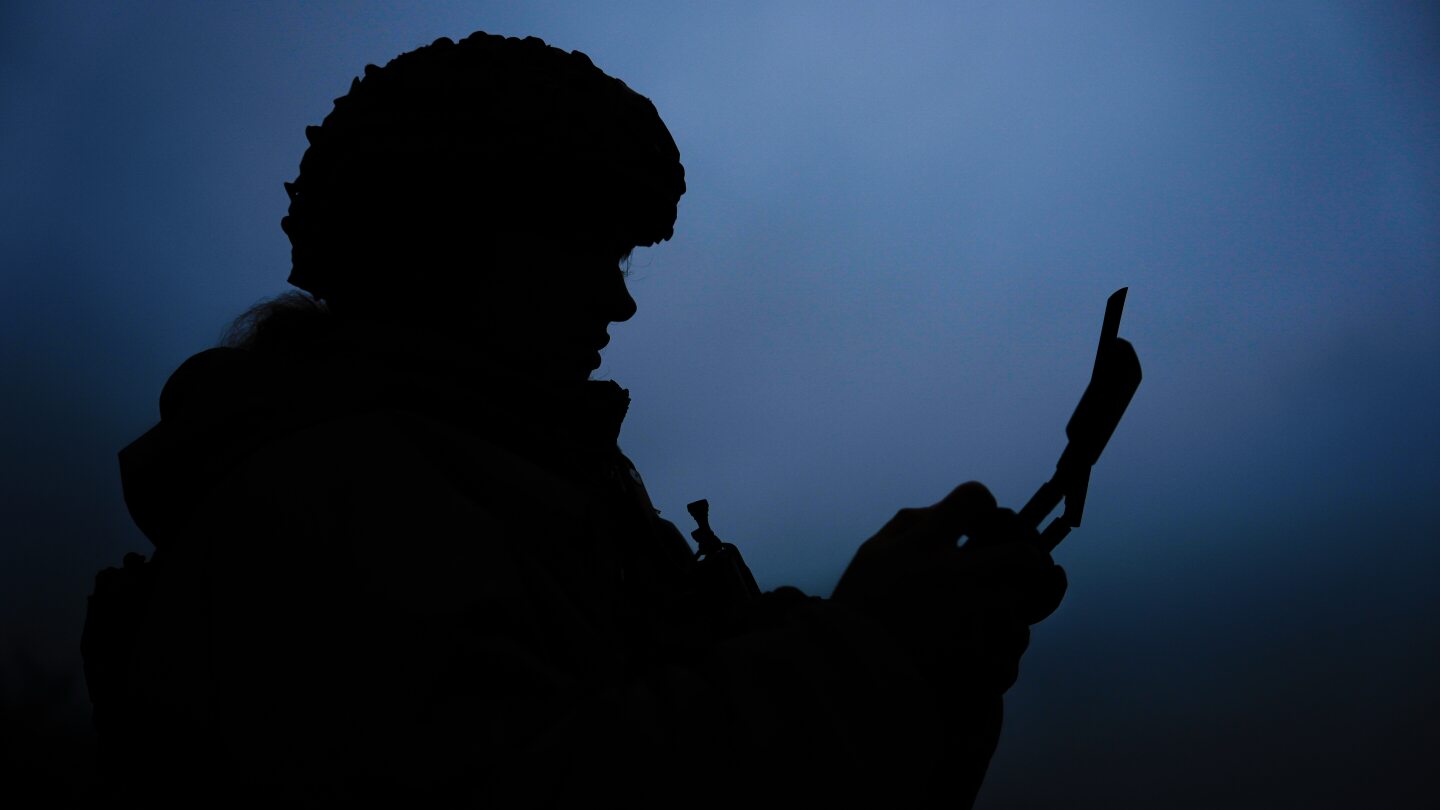
    KHARKIV, Ukraine — The evolution of modern warfare technology has created unprecedented combat opportunities for women in Ukraine’s military forces. What began as limited frontline roles for female soldiers has transformed dramatically since Russia’s full-scale invasion nearly four years ago.

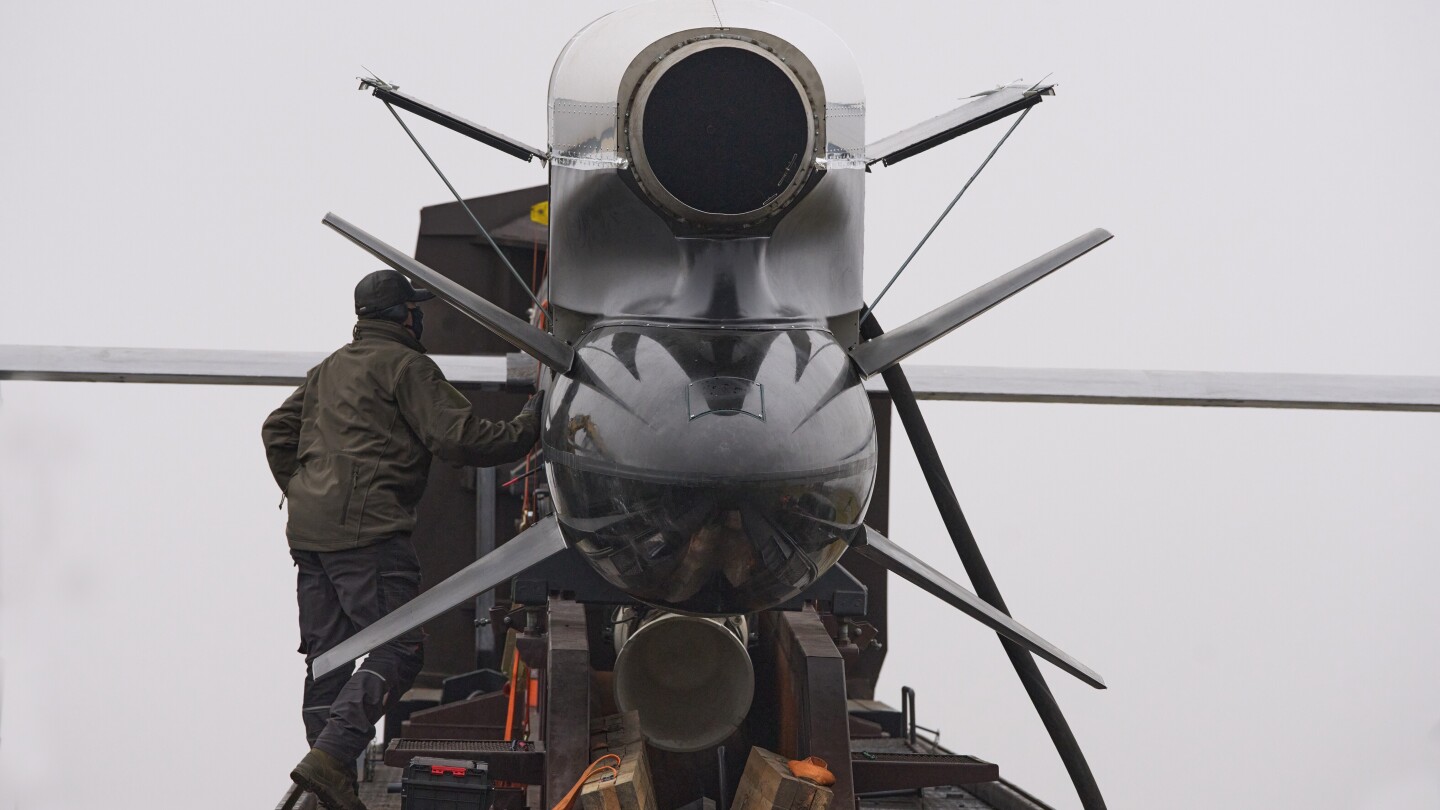
    This technological revolution is exemplified by soldiers like the 26-year-old known by her call sign ‘Monka,’ who abandoned her restaurant management career abroad to return home and serve. She now operates as a first-person view (FPV) drone pilot in the Unmanned Systems Battalion of Ukraine’s Third Army Corps.

    Military officials confirm this represents a significant trend: technological advancements in warfare have enabled more women to assume combat positions previously dominated by men. Defense Ministry statistics reveal over 70,000 women served in Ukraine’s military in 2025—a striking 20% increase from 2022 figures—with more than 5,500 deployed directly on front lines.

    The proliferation of drone technology has been particularly transformative. Remote warfare capabilities have created combat roles that don’t require physical strength as a primary qualification, instead prioritizing technical aptitude, precision, and strategic thinking.

    Several military units have launched targeted recruitment campaigns toward women through partnerships with organizations like the Dignitas Foundation. The Khartiia Corps reports a 20% increase in female recruits since 2024, with dozens successfully integrating into combat technological roles.

    Despite progress, challenges persist within Ukraine’s traditionally conservative military structure. Some female soldiers report encountering prejudice and being steered toward support roles instead of combat positions. A 25-year-old soldier identified as Yaha described being initially directed to kitchen duty when she requested drone training.

    Yet determination prevails. Women like 20-year-old Chibi, an FPV technician with brightly colored hair, overcome skepticism through technical excellence. Working from damp basements near front lines, she prepares drones for battlefield deployment despite initial doubts about her capabilities.

    Olha Meloshyna, spokesperson for Ukraine’s Unmanned Systems Forces, emphasizes that drone operations remain highly dangerous, as Russian forces actively target operators. Currently, women constitute 4.2% of this specialized force—a significant proportion given their voluntary enlistment.

    The military’s ongoing recruitment campaign aims to bring 15,000 new personnel into drone-related roles, with women actively encouraged to apply. As Meloshyna notes: ‘No drone is autonomous. It needs human involvement. And the more personnel we have, the more drones will fly toward Russia.’

  • Single women risk rape and exploitation in search for better life in Europe

    Single women risk rape and exploitation in search for better life in Europe

    A disturbing trend is emerging across European migration routes as growing numbers of women undertake perilous journeys alone, facing unprecedented risks of sexual violence and systemic challenges in obtaining asylum protection.

    Esther’s harrowing experience exemplifies this crisis. Having fled an abusive foster home in Lagos in 2016, she was lured by promises of European opportunity only to be forced into sexual slavery in Libya. ‘She locked me in a room and brought in a man. He had sex with me, with force. I was still a virgin,’ Esther recounts. Her traumatic journey included desert crossings, Mediterranean sea rescue, and four years of navigating complex asylum systems across multiple countries.

    Statistical evidence confirms this alarming pattern. The International Rescue Committee’s 2024 report documented a 250% annual increase in single adult women arriving in Italy via the Balkan route, while family migrations grew by 52%. Despite men comprising approximately 70% of irregular migrants according to the European Agency for Asylum, women face distinctly dangerous circumstances.

    ‘Their experiences are different and often riskier,’ explains Ugochi Daniels of the International Organization for Migration (IOM). ‘Even women travelling in groups frequently lack consistent protection, exposing them to abuse by smugglers, traffickers, or other migrants.’

    The IOM recorded 3,419 migrant deaths or disappearances in Europe last year—the deadliest year on record. For women, the journey carries additional threats of sexual exploitation. Many women consciously prepare for the likelihood of rape, packing condoms or obtaining contraceptive devices beforehand.

    Hermine Gbedo of anti-trafficking network Stella Polare reveals the grim economic reality: ‘All migrants must pay smugglers, but women are often expected to offer sex as part of the payment.’

    Legal frameworks theoretically protect gender-based violence survivors. The Council of Europe’s Istanbul Convention and a landmark EU court ruling last year recognize gender-based violence—including psychological, physical, and sexual violence plus FGM—as legitimate grounds for asylum. However, implementation remains inconsistent.

    Marianne Nguena Kana of the End FGM European Network identifies critical shortcomings: ‘Many asylum officials are inadequately trained men who may dismiss cases with flawed reasoning—such as assuming previously mutilated women face no further risk.’

    Proof remains another significant hurdle. Carenza Arnold of Women for Refugee Women notes: ‘Sexual violence leaves no visible scars like physical torture, and cultural taboos complicate disclosure to strangers in rushed immigration procedures.’

    Political responses are increasingly restrictionist. Italian MP Nicola Procaccini asserts: ‘We cannot sustain mass migration. We can guarantee safety only to those genuinely in danger.’ Policy Exchange’s Rakib Ehsan advocates ‘controlled compassion’ that prioritizes ‘women in conflict zones where rape is a weapon of war.’

    Yet many women from ‘safe’ countries like Kosovo report unbearable gender-based persecution. Nina, granted asylum in Italy after sexual exploitation by partners, explains: ‘People think everything is well in Kosovo, but that’s not true. Things are terrible for women.’ An OSCE report indicated 54% of Kosovar women experienced intimate partner violence.

    For survivors like Esther who finally obtained refugee status in 2019 after three attempts, the psychological scars endure. Reflecting on her decade-long journey, she questions: ‘I don’t even know the reason why I came to this place.’ As European nations tighten asylum regulations, the protection gap for vulnerable women migrants continues to widen.