标签: Europe

欧洲

  • Starmer to host Zelensky for Ukraine talks in London

    Starmer to host Zelensky for Ukraine talks in London

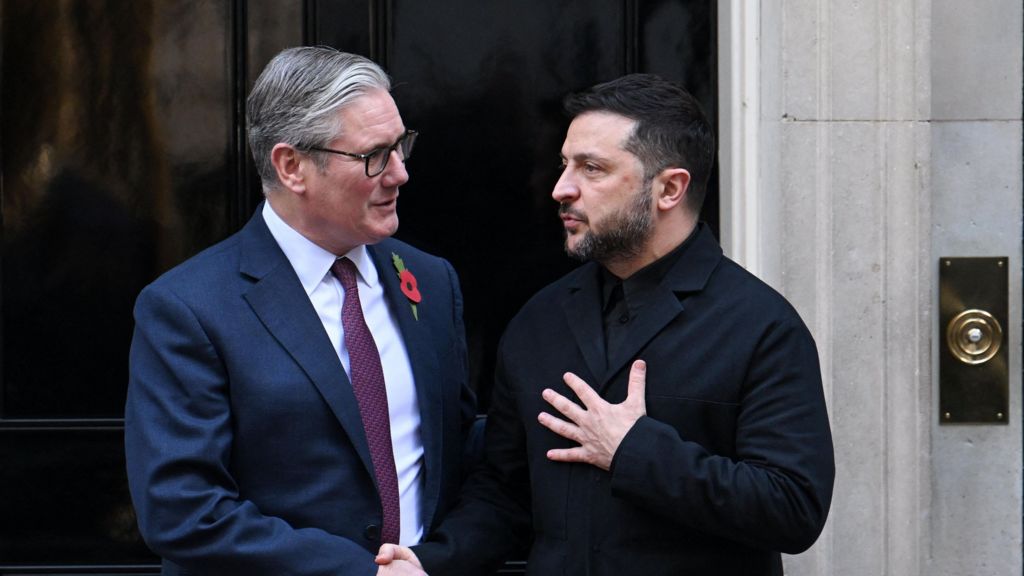
    British Prime Minister Sir Keir Starmer is convening an urgent summit with Ukrainian President Volodymyr Zelensky in London on Monday, with French President Emmanuel Macron and German Chancellor Friedrich Merz joining the high-stakes diplomatic gathering. This emergency meeting occurs as international efforts to resolve the Ukraine conflict face significant obstacles despite reported progress in US-mediated negotiations.

    Cabinet Minister Pat McFadden emphasized that ensuring Ukraine’s security and self-determination would form the central focus of discussions, characterizing the current diplomatic phase as ‘exceptionally pivotal.’ The announcement follows three days of intensive talks in Miami where US officials indicated a potential agreement might be within reach, contingent upon Russia’s cooperation.

    According to US Special Envoy for Ukraine Keith Kellogg, negotiations have encountered particular difficulties regarding two fundamental issues: the future size of Ukraine’s military forces following the conflict’s conclusion and Russia’s ongoing control of the Donbas region. ‘If we can resolve these two critical matters, the remaining components should fall into place relatively smoothly,’ Kellogg stated in an interview with Reuters, expressing cautious optimism that parties were ‘approaching a resolution.’

    The London summit represents the latest European initiative to assume a substantive role in peacemaking efforts, with Downing Street confirming the leaders would concentrate on ‘ongoing peace negotiations and subsequent measures’ without elaborating on specific details. This development occurs alongside continued military aggression, as Russia launched extensive aerial bombardments across Ukraine throughout the weekend, deploying hundreds of drones and missiles in sustained attacks.

    The diplomatic landscape has been complicated by substantial disagreements regarding proposed peace frameworks. European leaders previously objected to preliminary versions of the US-orchestrated peace plan, criticizing its perceived favorability toward Russian interests. Subsequent revisions attempted to address these concerns, though Moscow has rejected the modified proposals outright.

    Russian President Vladimir Putin maintained an uncompromising stance, threatening to seize Donbas militarily if Ukraine refuses to relinquish control of the territory, approximately 85% of which Russian forces currently occupy. This position persists despite substantial economic sanctions and significant battlefield casualties suffered by Russian military forces.

    The geopolitical dynamic further intensified with last week’s publication of the US National Security Strategy, which notably did not classify Russia as a direct threat to European security—a characterization Moscow welcomed as ‘constructive and aligned with our strategic perspective.’ As diplomatic efforts continue, European officials have emphasized the necessity of preserving transatlantic cooperation, with Polish Prime Minister Donald Tusk asserting that maintaining historic alliances represents ‘the sole rational strategy for our collective security.’
  • Royal Navy unveils new Atlantic strategy to counter Russian threat

    Royal Navy unveils new Atlantic strategy to counter Russian threat

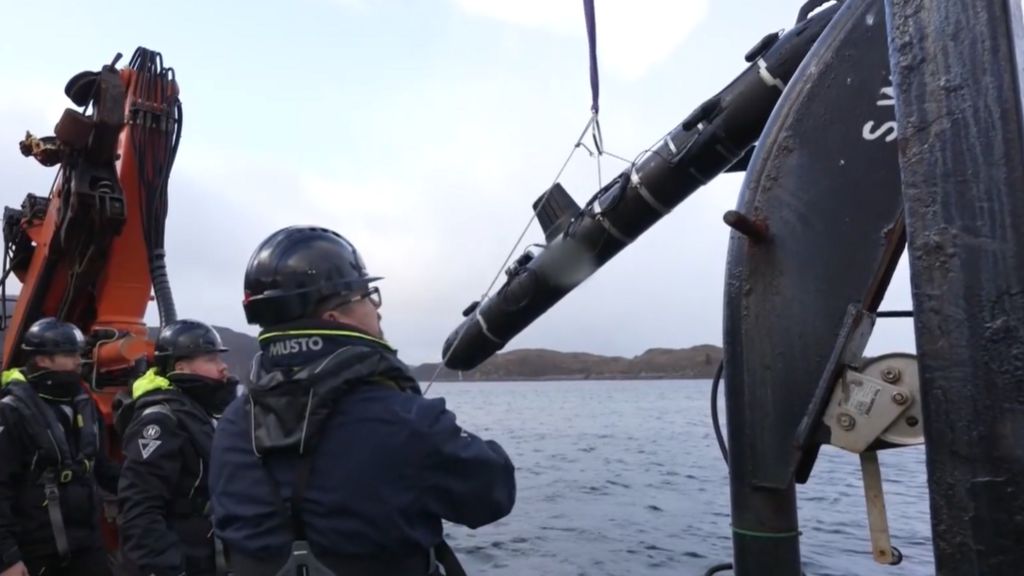
    Beneath the murky waters off Scotland’s western coast, a revolutionary autonomous defense system is being deployed to safeguard national security. The SG-1 Fathom, a torpedo-shaped glider with wing-like appendages, operates silently as it patrols the depths, its advanced sensors constantly gathering intelligence on potential underwater adversaries.

    Developed by German defense contractor Helsing and currently undergoing trials with the Royal Navy, this cutting-edge technology represents a significant advancement in maritime surveillance. The Fathom glider is engineered for extended autonomous operations, capable of patrolling for months without human intervention while working in coordination with dozens of similar units.

    Programme Manager Katie Raine explains the system’s capabilities: ‘The glider processes and identifies threats more quickly than we’ve been able to do previously, using software trained on decades of acoustic data.’ This enhanced detection capability is specifically designed to counter Russian submarines suspected of covertly mapping the UK’s critical undersea infrastructure, including communication cables and energy pipelines.

    The Fathom system forms a crucial component of Atlantic Bastion—a comprehensive defense network incorporating drones, warships, and surveillance aircraft. The Ministry of Defence unveiled elements of this program Monday, stating it directly addresses ‘the resurgence in Russian submarine and underwater activity.’ Official reports indicate a 30% increase in Russian vessels threatening UK waters over the past two years.

    Defence Secretary John Healey emphasized the urgency of the situation during a recent Portsmouth visit, stating, ‘This is about keeping us ahead of the Russians.’ He highlighted government investments in new technologies, including remote-controlled speedboats, unmanned helicopters, and the 12-meter Excalibur unmanned submarine.

    The UK has strengthened its response through the Lunna House Agreement, a defense pact with Norway enabling joint operations against Russian submarine activities. First Sea Lord Gen Sir Gwyn Jenkins acknowledged the challenge: ‘We’re still ahead in the Atlantic, but not by as much of an advantage as I would like. We’re being pressed, and we’re definitely in the competition to stay ahead.’

    However, some experts express skepticism about the strategy. Prof Peter Roberts of RUSI argues that the Royal Navy ‘does not have the ships to do this job coherently or credibly’ and is relying on drones as cheaper alternatives to proper naval assets. He suggests Russia has operated largely unchallenged in UK waters for years, with current measures representing belated attempts to address long-ignored threats.

    Russia has dismissed UK concerns as provocative and hysterical, with Foreign Ministry spokesperson Maria Zakharova warning that increased monitoring of Russian naval activity risks ‘provoking unnecessary conflicts’ in international waters. Despite diplomatic tensions, military officials maintain they are proceeding with clear-eyed determination to protect critical undersea infrastructure from potential disruption.

  • Waterspout spotted after Storm Byron hits Cyprus

    Waterspout spotted after Storm Byron hits Cyprus

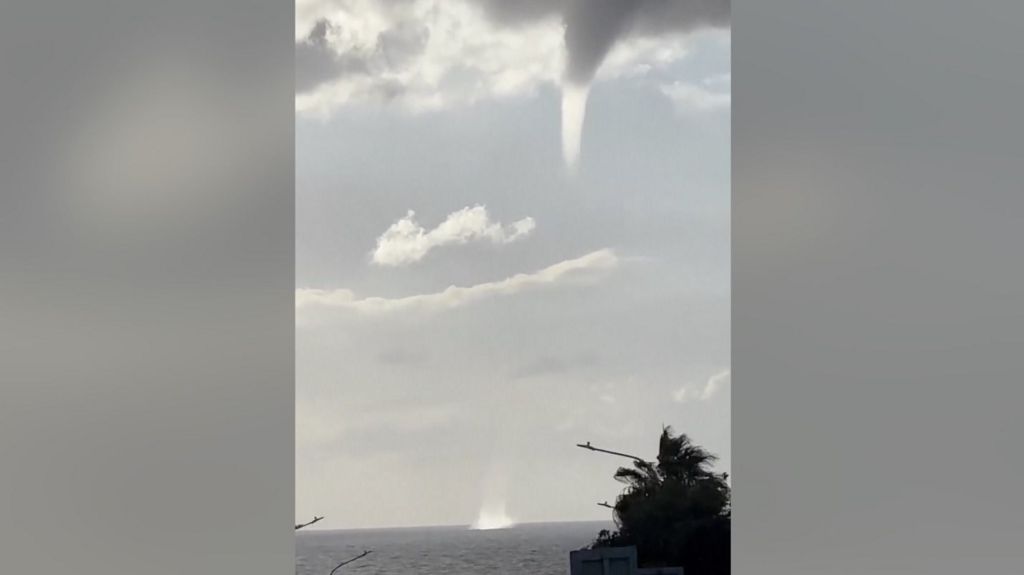
    The eastern Mediterranean island of Cyprus witnessed a powerful meteorological spectacle in the wake of Storm Byron this week, as a formidable waterspout was observed swirling off its coastline. This event underscores the intense and dynamic weather patterns affecting the region.

    A waterspout, defined as a rotating column of condensed water droplets and air, forms over substantial bodies of water such as oceans or large lakes. These phenomena occur when cool air moves across warmer water surfaces, creating a significant temperature gradient that fosters the development of a vortex. While often less powerful than their terrestrial tornado counterparts, waterspouts can still pose considerable hazards to marine navigation and coastal infrastructure.

    The appearance of this waterspout follows the passage of Storm Byron, a potent weather system that brought heightened wind speeds, precipitation, and turbulent conditions to the island nation. Such storms can create the ideal atmospheric instability required for waterspout formation. Local meteorological services have been monitoring these developments closely, advising residents and mariners to exercise heightened caution during and after such severe weather events. The occurrence serves as a stark reminder of the powerful and sometimes unpredictable forces of nature that can emerge from significant storm systems.

  • As sea drones force Russia to retreat, Ukraine examines ways to launch more complex attacks

    As sea drones force Russia to retreat, Ukraine examines ways to launch more complex attacks

    KYIV, Ukraine — The strategic landscape of Black Sea naval operations has undergone a radical transformation through Ukraine’s innovative deployment of unmanned maritime systems, according to exclusive insights from the nation’s elite drone warfare unit. The commander of Group 13, Ukraine’s specialized sea-drone division operating under military intelligence protocols, revealed that Russian naval forces have been compelled into dramatically restricted operations due to persistent drone threats.

    In a secured location with his identity protected, the officer known by call sign ’13th’ described how Ukraine’s drone campaigns have created an effective maritime blockade situation. “Russian vessels now rarely venture beyond 25 miles from their ports,” he stated. “Their primary activity consists of rapid missile launches followed by immediate retreat—a significant tactical constraint directly attributable to our drone operations.

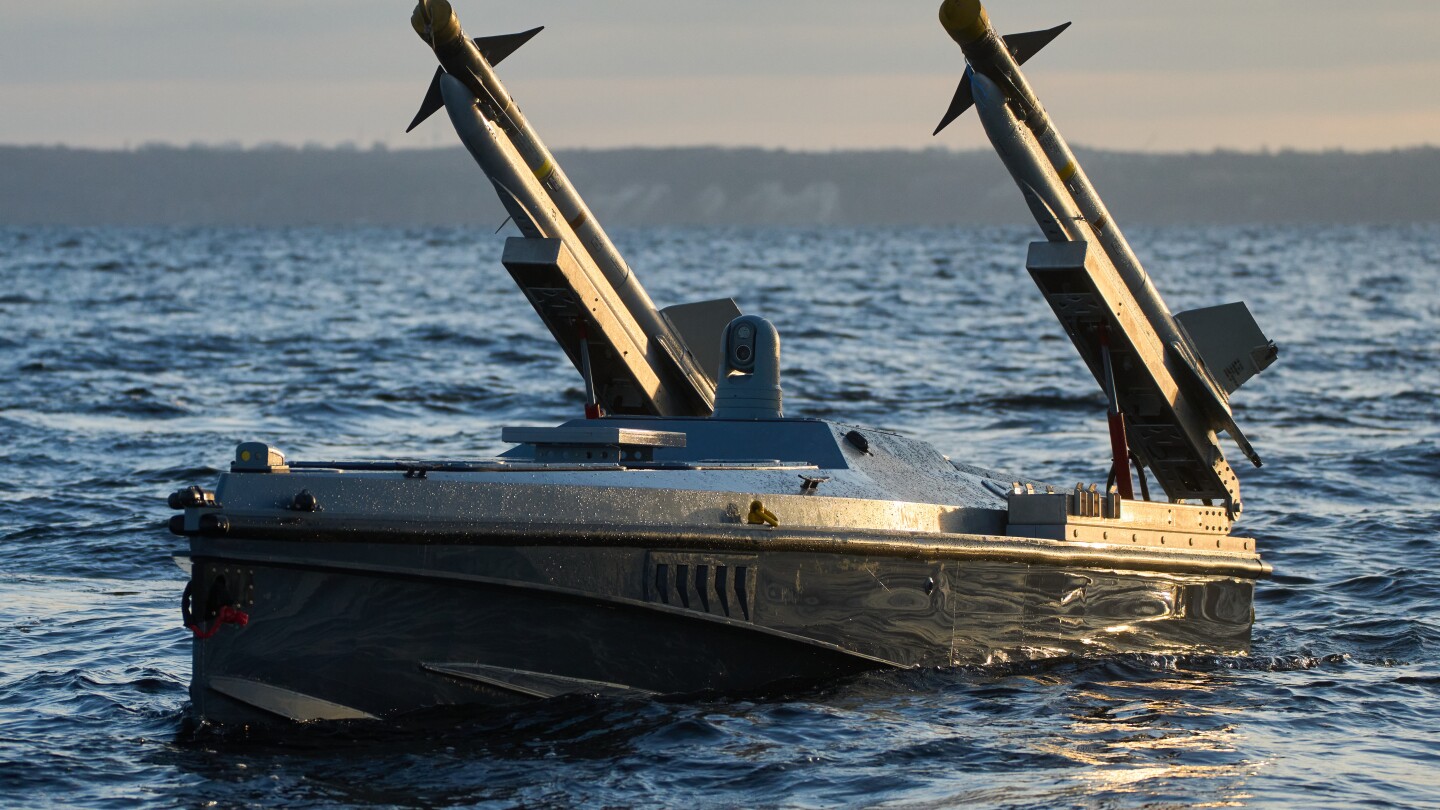
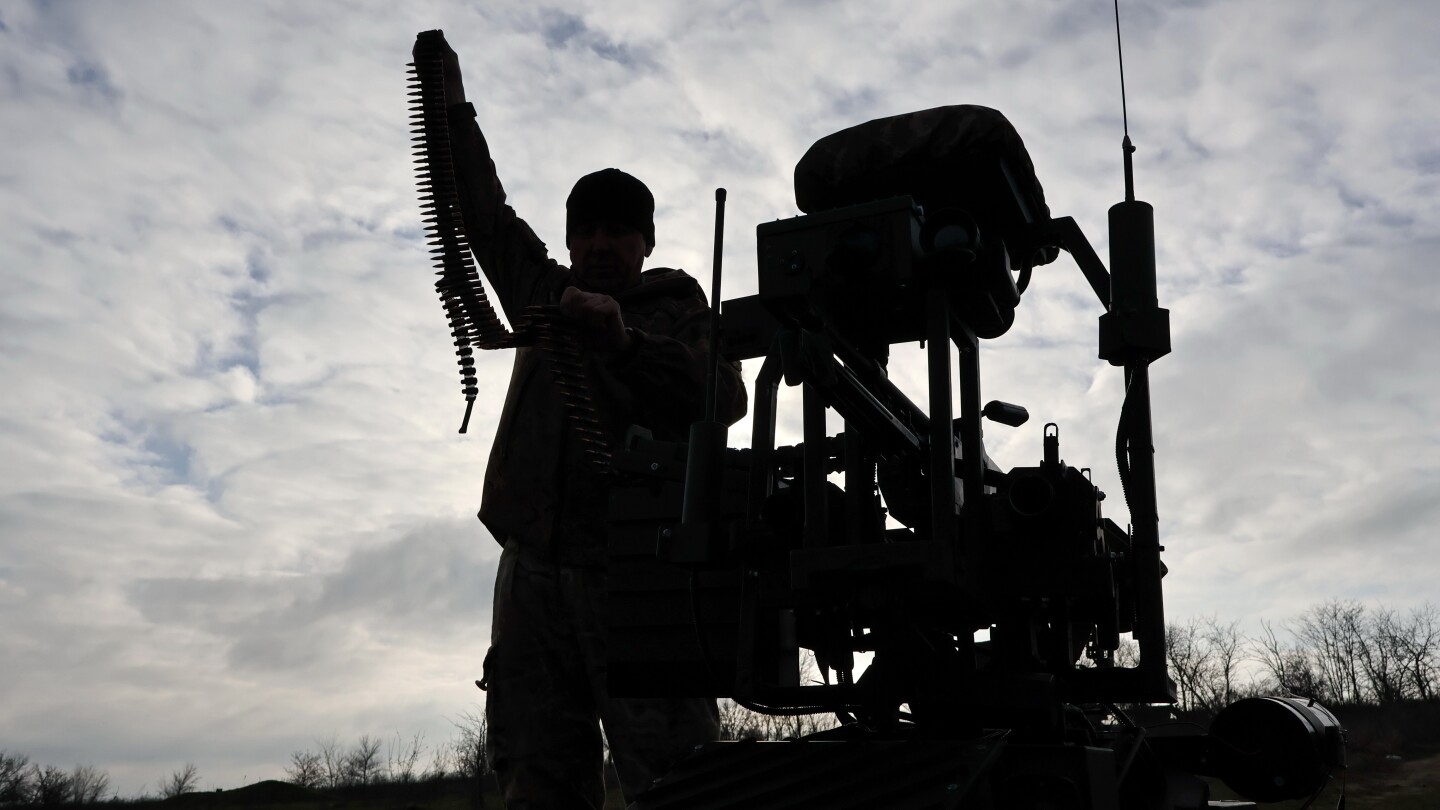
    The technological evolution of Ukraine’s drone arsenal includes two primary variants: the compact V5 ramming drone and the more sophisticated V7 weapons platform. These systems are operated via portable console units featuring joystick controls and multiple safety mechanisms. In a notable advancement, operators have successfully modified V7 drones to carry adapted Sidewinder air-to-air missiles, achieving the unprecedented May 2023 downing of a Russian fighter jet—an event the commander characterized as a “revolutionary moment in naval warfare.”

    Looking toward 2024, the officer outlined plans for increasingly sophisticated strikes incorporating artificial intelligence systems. “We are transitioning toward autonomous target identification capabilities,” he explained. “Future drones will independently distinguish military from civilian vessels and make critical engagement decisions using extensive operational data collected throughout the conflict.”

    Ukraine is simultaneously pursuing international partnerships to enhance its drone capabilities. Recent agreements with Greece include collaborative production of maritime UAVs, expanded training exercises, and intelligence sharing regarding maritime security threats. Similar cooperation initiatives with other NATO members are underway as Ukraine seeks to maintain technological superiority.

    Despite Russia’s adaptive countermeasures, the commander affirmed that Ukraine’s drone program maintains strategic effectiveness. “We have created a situation where we consistently limit enemy movements while developing next-generation capabilities,” he concluded. “The current equilibrium represents not stagnation but preparation for the next phase of autonomous naval warfare.”

  • Russian strikes kill 1 as US and Ukraine officials wrap up third day of diplomatic talks

    Russian strikes kill 1 as US and Ukraine officials wrap up third day of diplomatic talks

    Ukrainian civilians faced another wave of lethal attacks over the weekend as Russian forces launched coordinated missile, drone, and artillery strikes across multiple regions. The assaults resulted in at least three fatalities and significant damage to critical infrastructure, occurring simultaneously with high-level diplomatic discussions between U.S. and Ukrainian officials.

    In the northern Chernihiv region, local authorities confirmed one civilian death from a drone attack Saturday night. Meanwhile, the central industrial city of Kremenchuk suffered combined missile and drone strikes targeting energy facilities, causing widespread power and water disruptions. Kremenchuk represents a strategic industrial center housing one of Ukraine’s largest oil refineries.

    Eastern Ukraine’s Kharkiv region witnessed particularly intense shelling on Sunday, with regional police reporting two additional deaths and seven injuries from Russian artillery fire.

    Western intelligence assessments indicate Russia continues its systematic campaign to degrade Ukraine’s energy infrastructure, marking the fourth consecutive winter where civilian access to heating, electricity, and running water has been weaponized as part of Moscow’s military strategy.

    The violence unfolded alongside continued diplomatic efforts, with Ukrainian President Volodymyr Zelenskyy confirming a ‘substantive phone call’ with American officials engaged in talks with Ukrainian delegates in Florida. Zelenskyy emphasized Ukraine’s commitment to ‘working in good faith with the American side to genuinely achieve peace’ in a social media statement.

    Outgoing U.S. envoy Keith Kellogg, speaking at the Reagan National Defense Forum, characterized peace negotiations as being in ‘the last 10 meters,’ citing territorial disputes in the Donbas region and control of the Zaporizhzhia Nuclear Power Plant as remaining obstacles. The facility, under Russian occupation since early in the invasion, requires constant power to maintain safety systems for its six shutdown reactors.

    In a separate development, Kremlin spokesman Dmitry Peskov expressed approval of the Trump administration’s newly released national security strategy, describing its statements against confrontation and in favor of dialogue as ‘encouraging.’ The document signals Washington’s intention to rebuild strategic stability with Moscow and end the Ukraine conflict as a core U.S. interest.

  • A Russian opera opens La Scala’s season as the theater defends art over politics

    A Russian opera opens La Scala’s season as the theater defends art over politics

    MILAN — In a powerful demonstration of art transcending geopolitical conflict, Milan’s legendary Teatro alla Scala staged Dmitry Shostakovich’s provocative opera “Lady Macbeth of Mtsensk” for its prestigious season opening gala on Sunday. This marks the second Russian opera presentation since Moscow’s 2022 invasion of Ukraine, but unlike last year’s controversial premiere, this performance was accompanied by peace advocacy rather than cultural protests.

    Under the baton of Music Director Riccardo Chailly, the production transformed what could have been a diplomatic flashpoint into a platform for cultural diplomacy. The opera itself—banned by Stalin in 1936 for its subversive portrayal of female oppression in Soviet society—serves as a timeless critique of authoritarianism that resonates profoundly with contemporary tensions.

    Italian political party +Europa organized a symbolic demonstration emphasizing “the defense of liberty and European democracy threatened by Putin’s Russia” and expressing solidarity with Ukraine. However, authorities relocated the protest from La Scala’s main square to a secondary location behind City Hall due to security considerations.

    La Scala’s leadership vigorously defended their artistic choices. General Manager Fortunato Ortombina asserted that “music is fundamentally superior to any ideological conflict,” adding that “Shostakovich, and Russian music more broadly, have an authority over the Russian people that exceeds Putin’s own.”

    American soprano Sara Jakubiak made her highly anticipated La Scala debut in the demanding lead role of Katerina, a woman driven to murder by existential repression. Jakubiak described the challenging role—requiring 47 high B-flats in a single performance—as both technically demanding and emotionally transformative.

    Director Vasily Barkhatov’s innovative staging transported the narrative from its original 19th-century rural setting to a cosmopolitan 1950s Russian city during Stalin’s final years. The production unfolds primarily within an Art Deco restaurant featuring rotating sets that create multiple spaces from kitchen to interrogation room.

    Despite the opera’s tragic arc—culminating in the protagonist’s death in a Siberian prison—Barkhatov interprets the story as “a weird breakthrough to happiness and freedom,” albeit noting that “many die on their way to achieving it.” This nuanced production demonstrates how classical art continues to provide relevant commentary on power, resistance, and human dignity across generations.

  • Chernobyl radiation shield ‘lost safety function’ after drone strike, UN watchdog says

    Chernobyl radiation shield ‘lost safety function’ after drone strike, UN watchdog says

    The structural integrity of Chernobyl’s protective containment shield has been critically compromised following a military drone strike earlier this year, according to a recent safety assessment by the International Atomic Energy Agency (IAEA). The massive steel structure, designed to prevent radioactive leakage from the site of the 1986 nuclear disaster, has reportedly lost its primary containment capabilities after sustaining severe damage during the February incident.

    While Ukrainian authorities attributed the attack to Russian forces—a claim vehemently denied by the Kremlin—international nuclear safety experts emphasize that the situation, though serious, does not warrant public panic. Professor Jim Smith, a renowned environmental scientist from the University of Portsmouth with extensive research experience in Chernobyl’s aftermath, clarified that the immediate radiation risk remains contained due to multiple protective layers.

    The original concrete sarcophagus, constructed immediately after the catastrophic meltdown, maintains its function of containing radioactive dust beneath the newer protective shell. This secondary shield—designed with a 100-year lifespan to replace the aging initial structure—suffered damage to its outer cladding during the attack, creating vulnerabilities that require urgent repair.

    IAEA Director General Rafael Grossi stressed that ‘timely and comprehensive restoration remains essential to prevent further degradation and ensure long-term nuclear safety.’ Although inspectors confirmed no permanent damage to load-bearing structures or monitoring systems, the agency has prioritized repairs to maintain the facility’s containment integrity.

    Concurrently, the UN nuclear watchdog has expanded its safety assessments across Ukraine’s energy infrastructure amid ongoing conflict. Recent airstrikes on strategic industrial hubs like Kremenchuk have heightened concerns about critical electrical substations that power nuclear safety systems. Grossi emphasized these facilities are ‘absolutely indispensable’ for maintaining reactor cooling and other essential safety mechanisms throughout Ukraine’s nuclear network.

  • Woman and child die in Offaly house fire

    Woman and child die in Offaly house fire

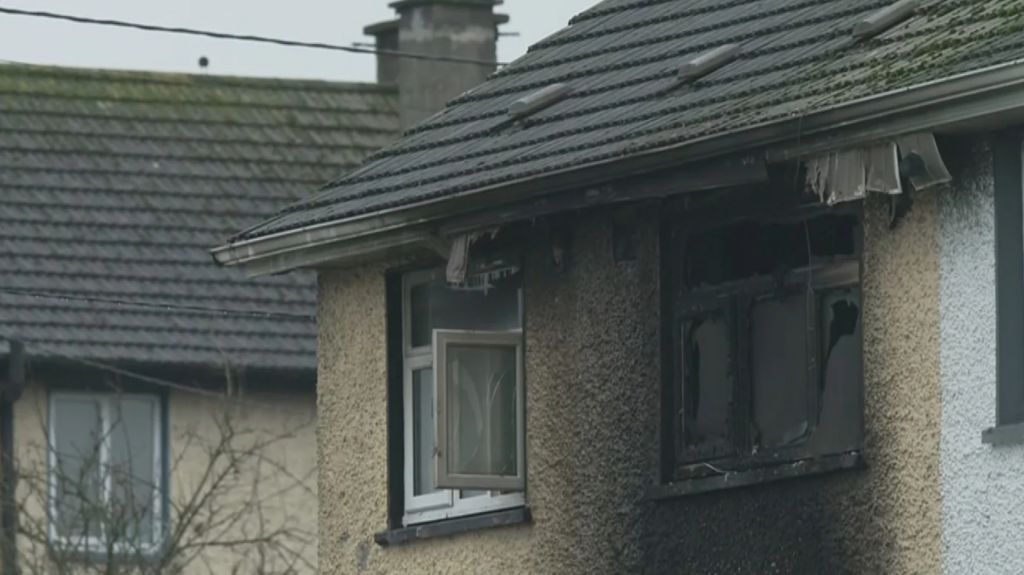
    A devastating residential fire in the Irish town of Edenderry has resulted in two fatalities and left one individual critically injured. The tragedy unfolded on Saturday evening at approximately 7:45 PM local time at a residence located in Castleview Park, County Offaly.

    According to official reports from An Garda Síochána (Ireland’s national police service), the victims include a young boy and a 60-year-old woman who both succumbed to injuries sustained in the blaze. A second woman, believed to be in her 50s, was transported to a medical facility where she remains in serious condition receiving treatment.

    The emergency response involved multiple fire service units and paramedics who worked to contain the fire and provide medical assistance. The scene has been preserved for technical examination as authorities work to determine the origin and cause of the fire.

    Gardaí have initiated a formal investigation into the circumstances surrounding the incident and are actively seeking information from the public. Officials have requested that anyone who witnessed the event or has relevant information contact Tullamore Garda Station to assist with the ongoing inquiry.

    The local community has expressed profound shock at the tragedy, with neighbors describing the incident as heartbreaking. Support services have been made available to those affected by the devastating event as the investigation continues.

  • Nobel laureates arrive for a week of events and awards in Stockholm and Oslo

    Nobel laureates arrive for a week of events and awards in Stockholm and Oslo

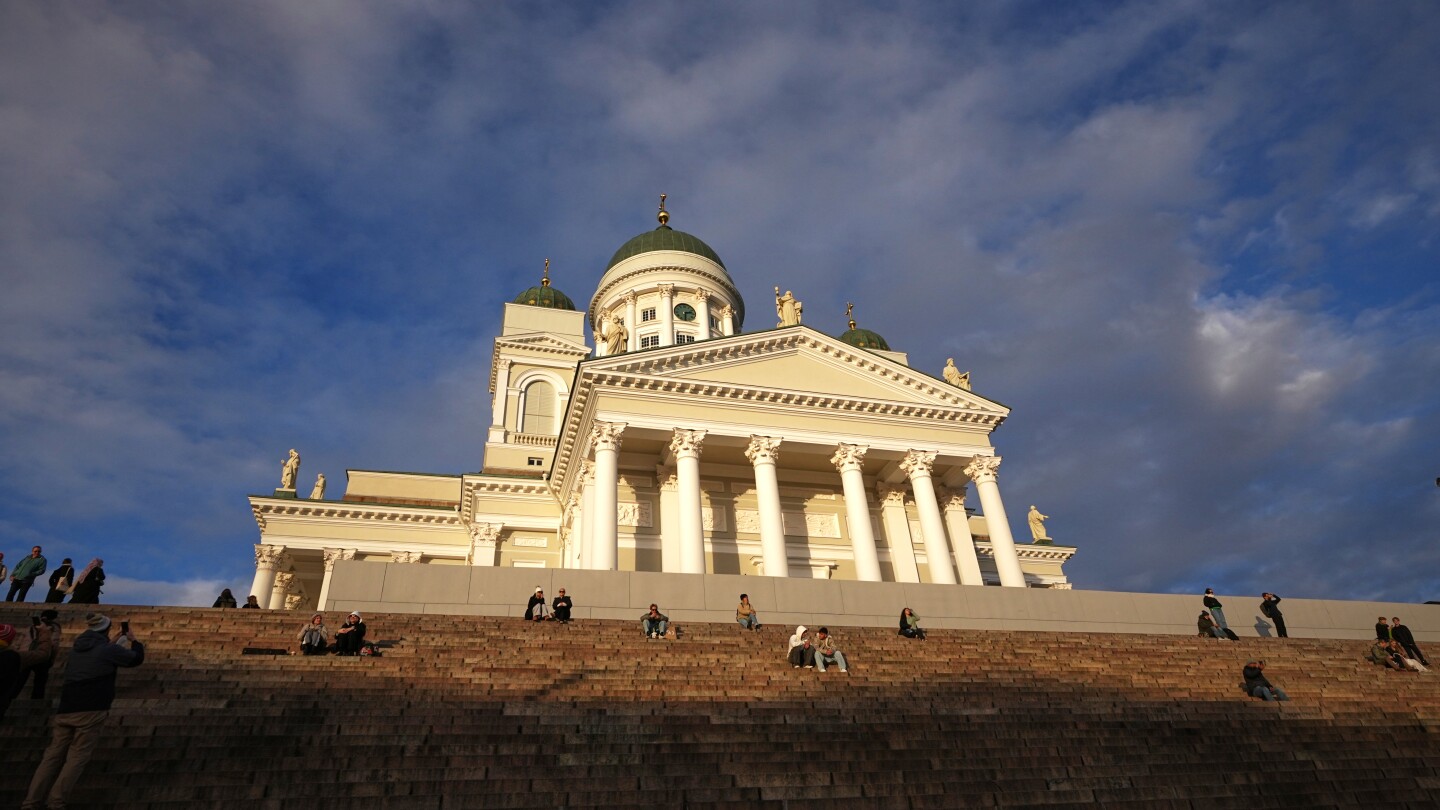
    STOCKHOLM (AP) — Nobel Prize celebrations commenced across Scandinavian capitals this week, marking the prestigious annual tradition where laureates deliver lectures and participate in ceremonies before formally receiving their awards.

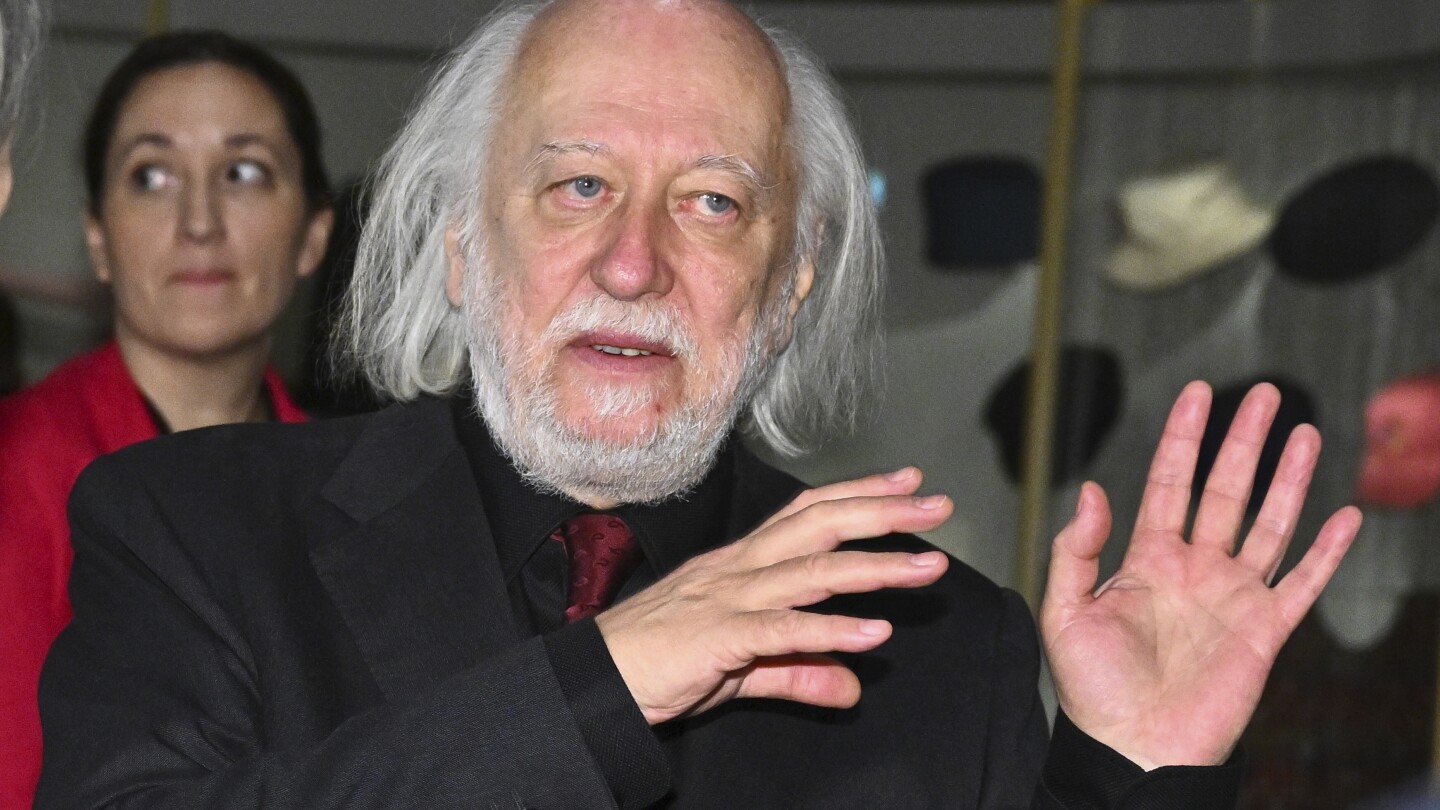
    Hungarian author László Krasznahorkai, this year’s literature laureate renowned for his surreal novels blending bleak worldviews with dark humor, prepared for a rare public appearance Sunday in Stockholm. The reclusive 71-year-old writer, described by Nobel judges as “a great epic writer” whose work embodies “absurdism and grotesque excess,” represents what the Nobel organization characterizes as a Central European tradition marked by “pessimism and apocalypse, but also humor and unpredictability.”

    In Oslo, Norwegian Nobel Institute director Kristian Harpviken confirmed Venezuelan opposition leader María Corina Machado would personally collect her Peace Prize despite months in hiding. The 58-year-old laureate, honored for her democratic transition efforts in Venezuela, hasn’t been seen publicly since January. Harpviken told Norwegian broadcaster NRK: “I spoke with the Peace Prize winner last night, and she will come to Oslo” for Wednesday’s ceremony.

    The Nobel awards occur annually on December 10th, commemorating the death of inventor Alfred Nobel in 1896. While peace prizes are distributed in Oslo, all other categories are awarded in Stockholm. This year’s literature prize follows 2022 winner Han Kang of South Korea and 2023 laureate Jon Fosse, the Norwegian author famous for his seven-book single-sentence epic.

  • Nordic people know how to beat the winter blues. Here’s how to find light in the darkest months

    Nordic people know how to beat the winter blues. Here’s how to find light in the darkest months

    As the Northern Hemisphere approaches the winter solstice on December 21—the year’s shortest day and longest night—residents of Nordic regions demonstrate remarkable resilience against seasonal affective challenges. Despite enduring months of frigid temperatures and minimal daylight, populations across Scandinavia have developed effective coping mechanisms for the annual winter blues that can persist from October through April.

    Medical researchers throughout the Nordic countries emphasize the critical importance of maintaining consistent sleep and social patterns during darker months. Dr. Timo Partonen, a research professor at the Finnish Institute for Health and Welfare, explains that limited daylight disrupts circadian rhythms, causing prolonged but unrefreshing sleep and daytime fatigue. He recommends dawn simulator devices that gradually illuminate bedrooms to facilitate natural waking processes.

    Beyond sleep management, experts identify social withdrawal and irritability as common winter challenges. Dr. Partonen stresses that maintaining relationships provides essential protection against seasonal mood disorders, suggesting combined social and physical activities to combat both isolation and the typical 2-5 kilogram winter weight gain driven by carbohydrate cravings.

    The scientific understanding of Seasonal Affective Disorder (SAD) continues to evolve. Researchers now recognize that specialized eye cells convert blue light wavelengths into neural signals affecting alertness and mood. University of Pittsburgh researcher Kathryn Roecklein has demonstrated that SAD patients exhibit reduced sensitivity to blue light during winter months, suggesting a physiological basis for seasonal depression.

    Professor Christian Benedict of Uppsala University advocates light therapy as an effective intervention, noting that devices emitting light 20 times brighter than standard indoor lighting can significantly benefit both clinical and subclinical cases. The recommended protocol involves 30 minutes of 10,000 lux exposure each morning, which helps regulate circadian rhythms and boost serotonin production.

    Psychological adaptation proves equally crucial. University of Tromsø psychologist Ida Solhaug emphasizes embracing winter through positive mindset development—a characteristically Norwegian approach to seasonal challenges. She recommends balancing indoor hygge practices with outdoor activities, including traditional Swedish fika coffee breaks and Nordic cold-water immersion, which many practitioners find revitalizing.

    Finland’s President Alexander Stubb concurs with this balanced approach, specifically endorsing the ice bath-sauna cycle as an effective strategy for winter resilience. As Nordic wisdom holds: there exists no bad weather, only inadequate clothing and preparation for the seasonal darkness that ultimately yields to returning light.