标签: Europe

欧洲

  • European leaders walk tightrope between backing Ukraine and keeping US on board

    European leaders walk tightrope between backing Ukraine and keeping US on board

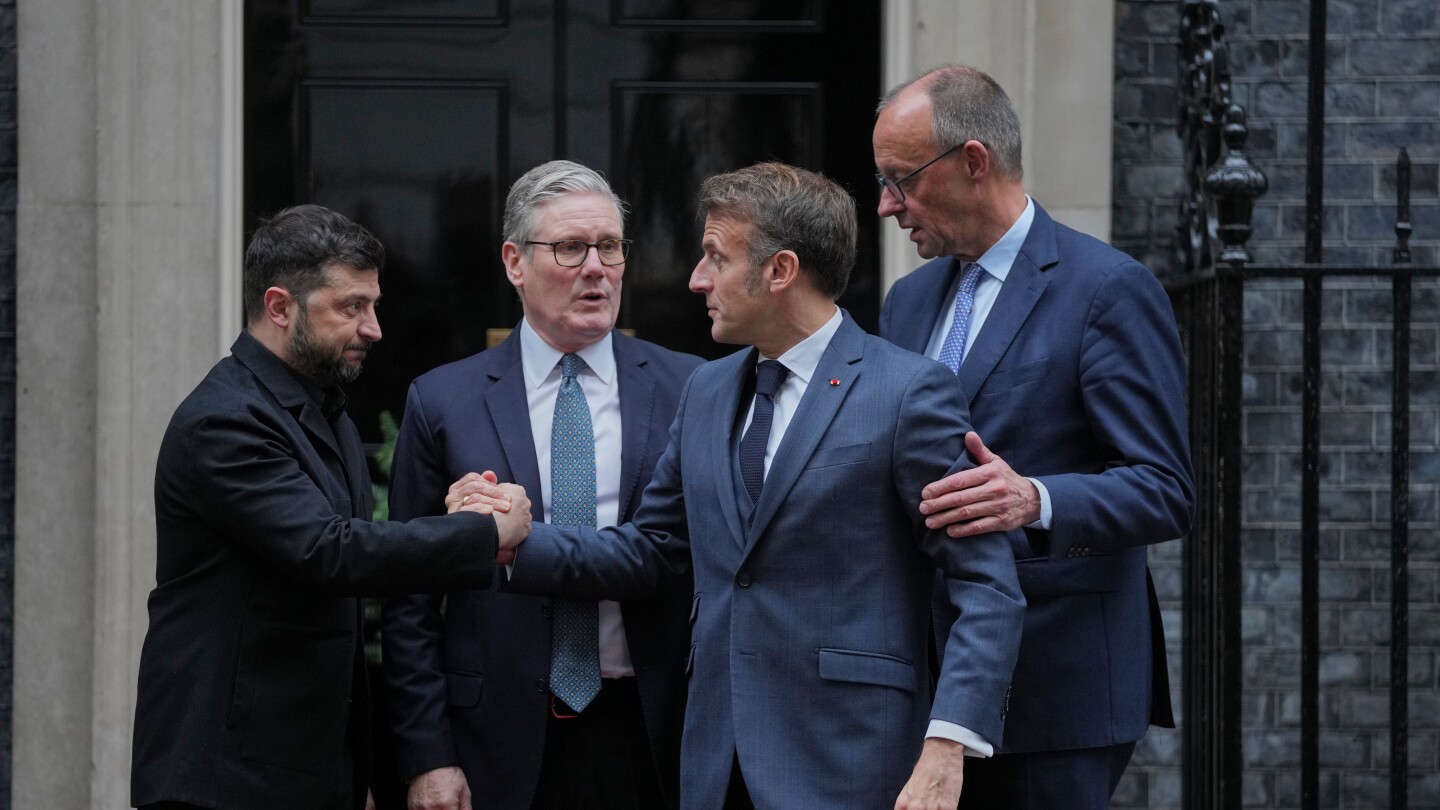
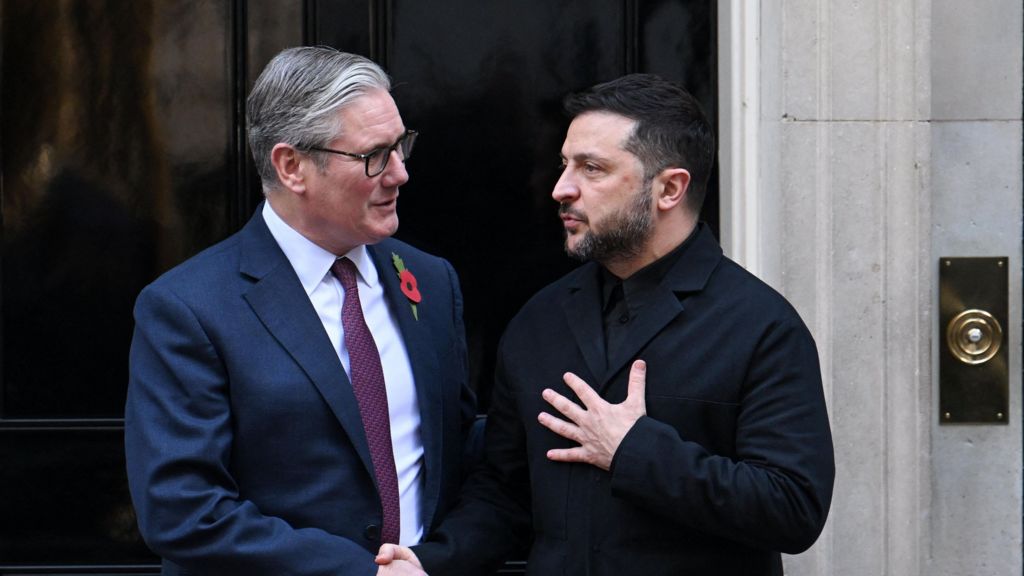
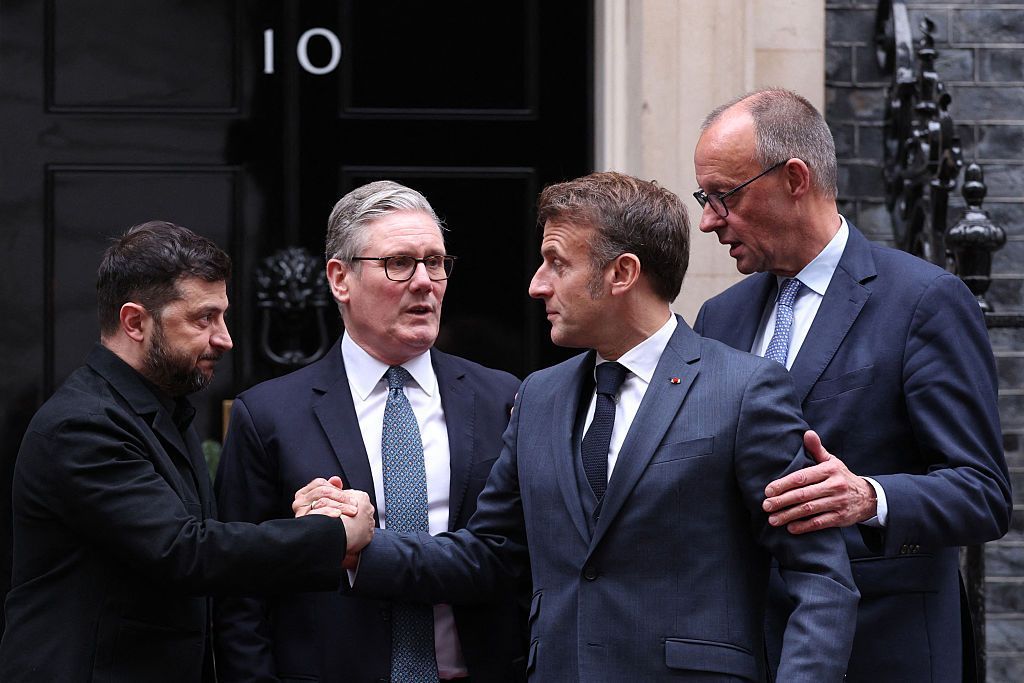
    Ukrainian President Volodymyr Zelensky convened with key European leaders in London on Monday amid growing American pressure to accelerate peace negotiations with Russia. The high-stakes meetings with British Prime Minister Sir Keir Starmer, French President Emmanuel Macron, and German Chancellor Friedrich Merz occurred against a backdrop of significant geopolitical tensions regarding Ukraine’s future.

    The discussions centered on two critical challenges: potential territorial concessions to Russia and obtaining ironclad security guarantees to prevent future Russian aggression. Prime Minister Starmer reiterated Britain’s position that Ukraine must determine its own future without external impositions, emphasizing the necessity of “hard-edged security guarantees” for any viable peace agreement.

    This show of European solidarity contrasts sharply with recent developments from Washington. The newly published US National Security Strategy explicitly criticizes European allies for harboring “unrealistic expectations” about the conflict’s resolution. European leaders privately express concerns that the Trump administration seeks a rapid settlement to redirect attention elsewhere, potentially at the expense of lasting peace.

    The security situation across Europe has intensified these apprehensions. Recent destabilizing incidents—including drone disruptions at civilian airports in Germany, Denmark, and Belgium, railway sabotage in Poland, and widespread cyber-attacks—have been attributed to Russian operations. These events have made the distant conflict feel increasingly immediate to European citizens and governments alike.

    Despite fundamental differences in approach to Moscow, European leaders maintain diplomatic caution in their public statements. Chancellor Merz acknowledged skepticism regarding certain US proposal details while emphasizing the need for continued dialogue. Prime Minister Starmer notably credited President Trump with advancing peace negotiations “the furthest we’ve got in the four years” within just weeks of his administration.

    The underlying reality remains Europe’s military dependence on the United States. Decades of defense underinvestment have left European nations incapable of supporting Ukraine independently or ensuring continental security without American intelligence, command capabilities, and air support. Even recent NATO commitments to increase defense spending cannot overcome immediate budgetary constraints faced by governments like France, which has allocated merely €120 million for Ukrainian aid in next year’s draft budget.

    This delicate balancing act—supporting Ukrainian sovereignty while avoiding alienation of their most powerful ally—represents the central diplomatic challenge for European leadership as they navigate increasingly divergent transatlantic approaches to Russian relations.
  • Why Alonso’s chances of survival at Real Madrid are slim

    Why Alonso’s chances of survival at Real Madrid are slim

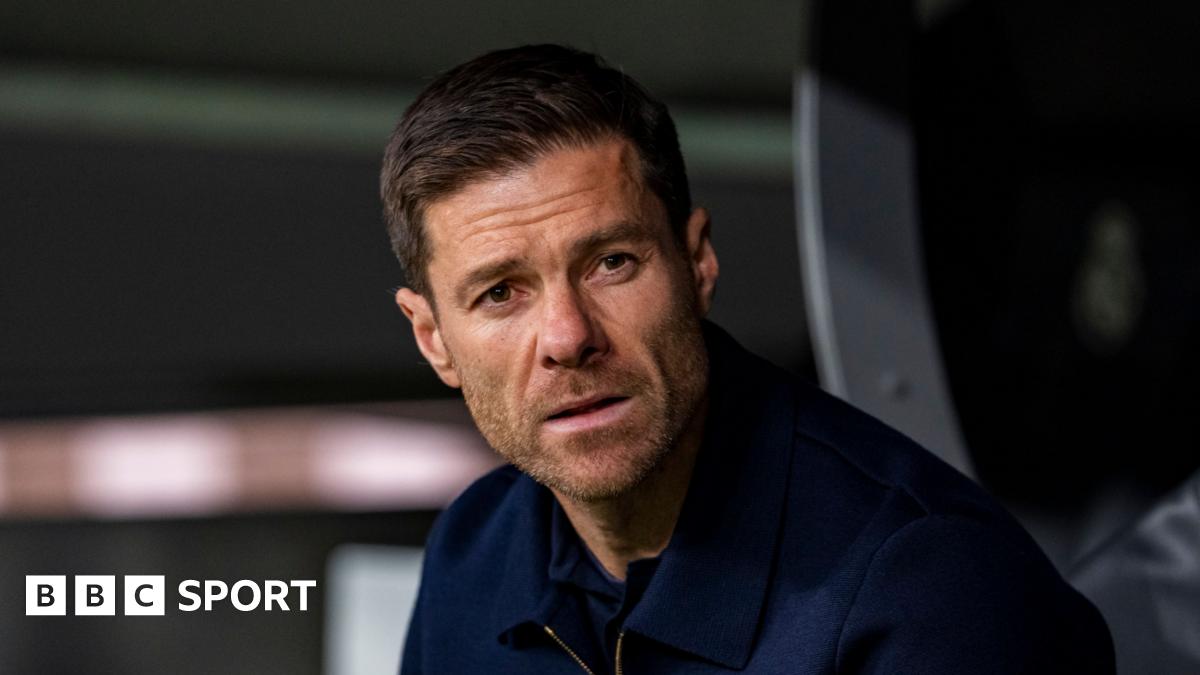
    Real Madrid faces a defining moment in their season as manager Xabi Alonso’s tenure reaches a critical juncture following a disastrous 2-0 La Liga defeat to Celta Vigo. The loss—met with thunderous boos from the Bernabéu faithful—prompted emergency meetings among the club’s hierarchy, casting serious doubt on Alonso’s future just months into his ambitious project.

    The Spanish giants have won only one of their last five league matches, leaving them four points behind rivals Barcelona despite a strong start that included a victory over Barça in October. Alonso, who arrived promising a modern, high-intensity style he dubbed “rock and roll” football, now confronts a squad struggling to execute his tactical vision.

    Internal tensions have reached boiling point. The dressing room erupted in frustration after Sunday’s match, with reports of thrown objects and heated exchanges. While Alonso criticized officiating, players immediately dismissed such excuses, acknowledging deeper systemic issues.

    The core problem appears to be a fundamental disconnect between Alonso’s meticulous methodology and the players’ execution. Despite preparing specific strategies like high pressing and rapid tempo control, the team has consistently failed to implement these plans during matches—a concern previously warned by former manager Carlo Ancelotti.

    Complicating matters are individual agendas within the squad. Kylian Mbappé’s pursuit of personal records, Vinícius Júnior’s concerns about team authority, and Federico Valverde’s positional preferences have created conflicting interests. Jude Bellingham’s adaptation to a midfield role has also proven challenging, limiting his effectiveness.

    Defensive injuries have forced Alonso to use 20 different lineups in 21 matches, with Eder Militão now joining the casualty list for 3-4 months. The attack has similarly struggled—when Mbappé doesn’t score, others rarely contribute, with Vinícius enduring an 11-game drought and Rodrygo going 33 matches without a goal.

    President Florentino Pérez, who never fully embraced this philosophical shift, now faces a familiar dilemma. His historical preference for less interventionist coaches like Ancelotti or Zinedine Zidane suggests Alonso’s detailed approach may prove his undoing.

    Wednesday’s Champions League clash against Manchester City now represents more than just a tournament fixture—it could determine Alonso’s fate. Should Madrid part ways with their manager, potential successors include Zidane and current B-team coach Álvaro Arbeloa.

  • How much have Europe and the US given to Ukraine?

    How much have Europe and the US given to Ukraine?

    London recently hosted high-level discussions concerning the ongoing war in Ukraine, with the leaders of the United Kingdom, France, and Germany reiterating their steadfast support for President Volodymyr Zelensky. Concurrently, US President Donald Trump expressed disappointment that President Zelensky had not reviewed his newest proposition to terminate the hostilities.

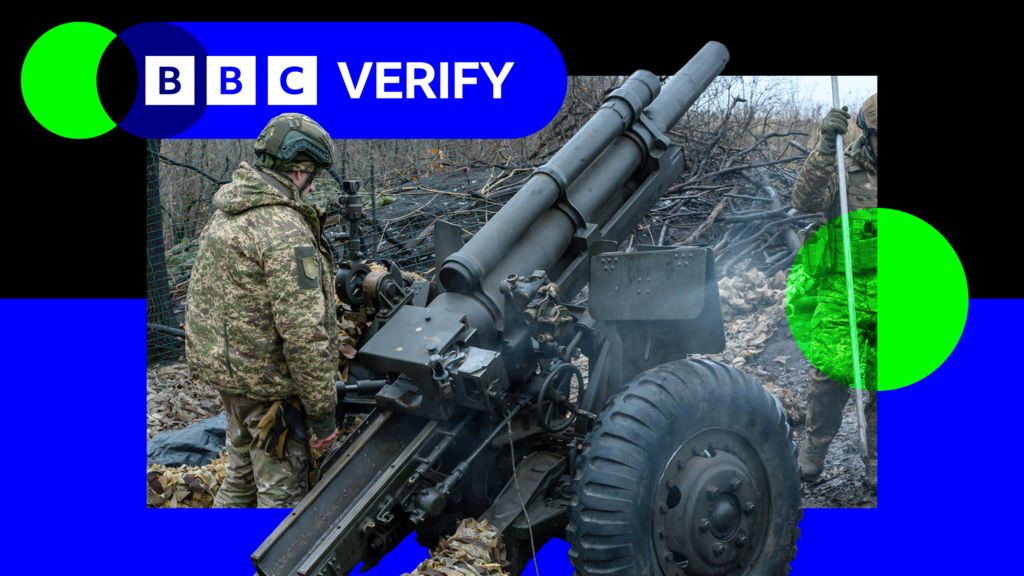
    President Trump has historically criticized European nations for their perceived insufficient contributions to Ukraine, frequently contrasting them with American expenditures. BBC Verify has undertaken a detailed examination of the financial support provided by both Europe and the United States since Russia’s full-scale invasion began in February 2022.

    According to data from the Germany-based Kiel Institute, which meticulously tracks international aid to Ukraine, the United States allocated a total of $130.6 billion between January 24, 2022, and August 31, 2025. Alternatively, the US government cites a broader figure of $187 billion appropriated for Operation Atlantic Resolve—a comprehensive response encompassing military training in Europe and the replenishment of US defense stocks—though this data only runs through June 2025.

    In July, President Trump unveiled a new strategy requiring NATO allies to purchase US weaponry for subsequent transfer to Ukraine. During a February meeting with French President Emmanuel Macron, Trump asserted, “We’ve spent more than $300bn and Europe has spent about $100bn—that’s a big difference.” BBC Verify’s analysis at the time determined these figures were inaccurate, a conclusion that remains valid ten months later.

    The Kiel Institute’s calculations reveal that while the US is indeed the largest single-nation donor, European countries collectively have committed more substantial resources. Europe’s total contribution reached $201.7 billion during the same period, surpassing US expenditures by a significant margin. This European aid comprises direct EU support alongside bilateral agreements from both member and non-member states, covering military, financial, and humanitarian assistance.

    The composition of aid has emerged as another point of transatlantic divergence. President Trump previously suggested European contributions were primarily loans that would be repaid, prompting President Macron to clarify that both Europe and the US provided a combination of grants and loans. Kiel Institute data confirms Macron’s statement, though it also indicates the US has delivered more grants while the EU has extended more loans.

    The EU reports its members have provided approximately $197 billion as of November 19, with loans constituting 35% of this total. These loans feature highly favorable terms for Ukraine, with reduced interest rates and, in certain cases, repayments funded through revenues from frozen Russian assets.

    Regarding individual European contributors, the United Kingdom ranks as one of the most significant national donors with $21.2 billion in verified support, though the UK government references a higher figure of $29 billion that includes future commitments. Only the United States and Germany have provided more substantial aid packages according to Kiel data, though both European nations’ contributions remain substantially smaller than America’s singular contribution.

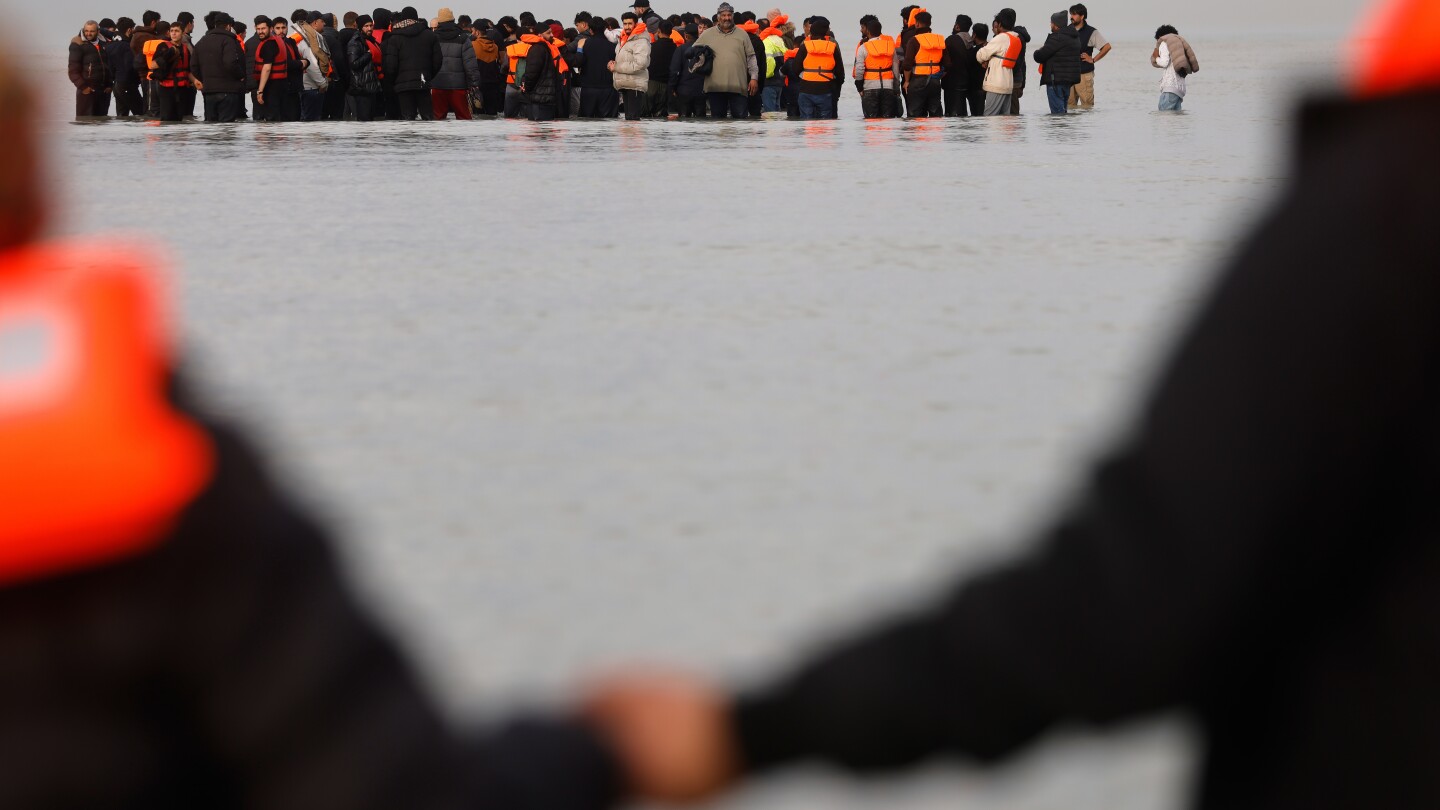
  • The European Union moves ahead with toughening its migration system

    The European Union moves ahead with toughening its migration system

    BRUSSELS — European Union officials are implementing a comprehensive restructuring of the bloc’s migration framework, introducing accelerated deportation procedures and expanded detention capacities following years of contentious debate that has fueled the ascent of far-right political movements across the continent.

    The policy transformation reflects a significant evolution in European public sentiment since the unprecedented influx of asylum-seekers a decade ago. While migration numbers have substantially decreased from their peak levels, the political landscape has shifted toward more restrictive approaches. This hardening stance recently drew sharp criticism from former U.S. President Donald Trump, who characterized European allies as vulnerable in national security terms.

    At ministerial consultations in Brussels, representatives established a ‘safe third country’ framework alongside a standardized list of safe countries of origin. According to Danish Minister Rasmus Stoklund, this mechanism enables EU nations to deny residency claims and expedite removals of migrants who either originate from designated safe territories or could have sought protection in non-EU nations during their transit.

    ‘This system empowers us to deny entry to individuals without legitimate asylum claims while implementing procedures that facilitate accelerated returns,’ Stoklund stated. ‘Border management must remain under governmental authority rather than criminal smuggling networks.’

    Concurrently, ministers approved the creation of a ‘solidarity pool’ designed to redistribute refugee hosting responsibilities among member states. The initiative aims to accumulate €430 million ($489 million) to support nations experiencing disproportionate migratory pressure, particularly southern frontline countries including Cyprus, Greece, Italy, and Spain. This financial mechanism attempts to resolve long-standing objections from Hungary and Poland regarding mandatory migrant relocation quotas.

    Magnus Brunner, EU Commissioner for Migration, emphasized that ‘restoring public confidence in our governance capabilities remains paramount.’ The proposed reforms now advance to negotiations with the 720-member European Parliament for ratification or modification, with right-wing and far-right parties expressing unified support.

    Human rights organizations have condemned the measures. Amnesty International’s EU migration advocate Olivia Sundberg Diez compared the policies to the Trump administration’s immigration crackdown, urging parliamentarians to block provisions that ‘will inflict profound harm on vulnerable migrants and receiving communities.’ French Green lawmaker Mélissa Camara denounced the reforms as ‘a betrayal of fundamental European values and human rights principles.’

    The current changes build upon May’s endorsement of the Pact on Migration and Asylum, which advocated enhanced deportation capabilities and established ‘return hubs’—designated facilities for processing rejected asylum seekers. While the EU will not directly administer these centers, it will provide legal frameworks for member states to negotiate hosting arrangements with non-EU countries.

    According to Camille Le Coz of the Migration Policy Institute Europe, nations like Austria and Denmark will likely seek international partners for operating these legally complex and financially demanding facilities, referencing the Netherlands’ recent agreement with Uganda for refugee accommodation.

    These centers differ fundamentally from Italy’s controversial arrangement with Albania for offshore processing of maritime rescues—a plan repeatedly suspended by Italian courts despite initial praise from European Commission President Ursula von der Leyen as an innovative migration management solution.

    Mainstream political factions anticipate the migration pact will finally address divisive issues that have plagued EU consensus since over one million migrants, predominantly fleeing conflict in Syria and Iraq, entered European territory in 2015.

  • Where things stand in the talks to end Russia’s war in Ukraine

    Where things stand in the talks to end Russia’s war in Ukraine

    Diplomatic efforts by the United States to broker an end to the nearly four-year conflict in Ukraine have reached an impasse, with fundamentally incompatible positions on territorial sovereignty preventing meaningful progress. The deadlock emerged following two days of intensive negotiations between Ukrainian President Volodymyr Zelenskyy and U.S. special envoy Steve Witkoff, accompanied by Jared Kushner, former President Trump’s son-in-law.

    The discussions, which included a five-hour session on Sunday and subsequent meetings in Berlin on Monday, yielded what Witkoff described on social media platform X as ‘significant progress.’ However, neither American nor Ukrainian officials provided substantive details about the closed-door deliberations.

    Moscow’s conditions for peace remain unequivocal: Russia demands international recognition of its claimed sovereignty over four occupied regions—Donetsk, Luhansk, Zaporizhzhia, and Kherson—plus the Crimean peninsula annexed in 2014. Additionally, the Kremlin insists Ukraine withdraw forces from certain eastern territories not currently under Russian control. Further requirements include Ukraine abandoning NATO aspirations, imposing military capacity limitations, granting official status to the Russian language, and recognizing the Russian Orthodox Church. The Kremlin explicitly warned that any NATO troop deployments would be considered ‘legitimate targets.’

    Conversely, Ukraine maintains its willingness to cease hostilities along current frontlines but refuses to formally relinquish sovereignty over occupied territories. President Zelenskyy has specifically rejected a proposed American compromise suggesting Ukrainian withdrawal from Donetsk to establish a demilitarized economic zone. While expressing openness to suspend NATO membership pursuits in exchange for equivalent security guarantees from Western nations, Zelenskyy has consistently accused Russia of deliberately prolonging negotiations to consolidate territorial gains.

    The diplomatic landscape is further complicated by former President Trump’s evolving stance. Trump has demonstrated increasing frustration with Zelenskyy, publicly urging acceptance of territorial concessions to Russia based on Moscow’s perceived military advantage. Echoing Russian positioning, Trump has controversially advocated for wartime presidential elections in Ukraine—a move currently prohibited under martial law—while simultaneously receiving praise from Putin for peace initiatives despite Moscow’s rejection of certain American proposal elements.

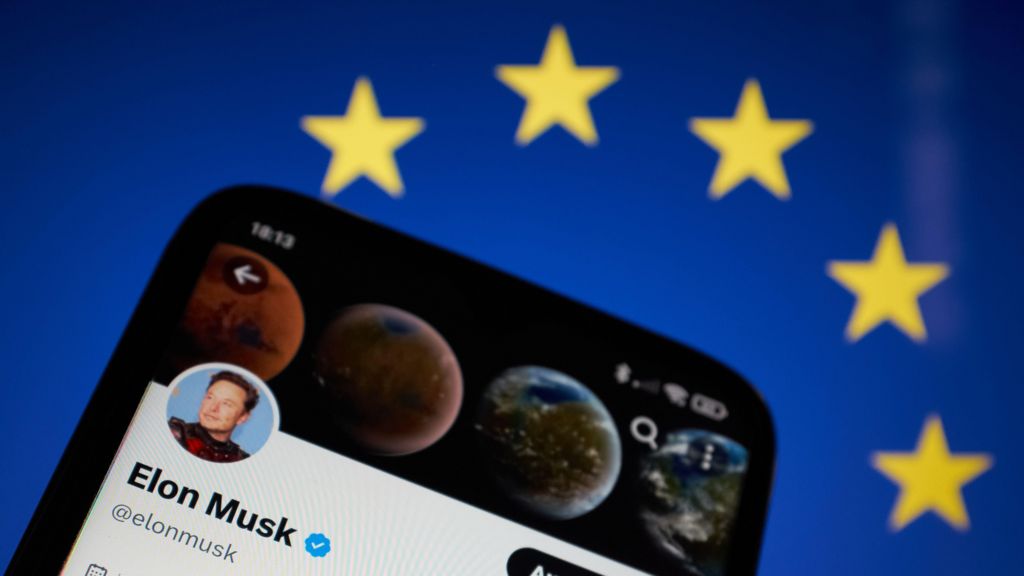
  • Elon Musk’s X bans European Commission from making ads after €120m fine

    Elon Musk’s X bans European Commission from making ads after €120m fine

    In an unprecedented escalation of tensions between tech giants and regulators, X has terminated the European Commission’s advertising capabilities on its platform. This decisive action comes merely days after the social media company owned by Elon Musk received a landmark €120 million penalty from EU authorities for violations of the Digital Services Act.

    The conflict ignited when Nikita Bier, a senior X executive, publicly accused the EU regulator of attempting to exploit a vulnerability within the platform’s advertising mechanism. Bier asserted that the Commission had utilized a seldom-active account to artificially amplify reach for a post discussing the substantial fine, characterizing this maneuver as an abuse of system protocols. “It seems you believe that the rules should not apply to your account,” Bier stated unequivocally. “Your ad account has been terminated.”

    The European Commission responded through an official spokesperson, maintaining that their actions were conducted “always in good faith” and utilizing standard corporate tools provided by the platform itself. The spokesperson emphasized expectations that these tools should comply with both platform terms and the broader EU legislative framework.

    This confrontation stems from Friday’s groundbreaking penalty—the first ever levied under the EU’s Digital Services Act. Regulators determined that X’s revised blue verification system employs “deceptive” practices by no longer conducting meaningful user verification. This approach, according to official statements, “exposes users to scams, including impersonation frauds, as well as other forms of manipulation by malicious actors.”

    Additional concerns raised by the EU include insufficient advertising transparency and restricted data access for academic researchers. X now faces a 60-day window to address these issues regarding blue checkmarks or confront further penalties.

    The dispute has rapidly evolved into a transatlantic diplomatic matter. Elon Musk personally advocated for the abolition of the EU via his platform, while U.S. Secretary of State Marco Rubio and the Federal Communications Commission accused European regulators of targeting American companies with censorship tactics.

    This incident represents merely the latest chapter in X’s ongoing conflicts with global regulators. The platform previously faced restrictions in Brazil related to misinformation dissemination and penalties in Australia concerning child protection protocols, indicating a persistent pattern of regulatory challenges across international jurisdictions.

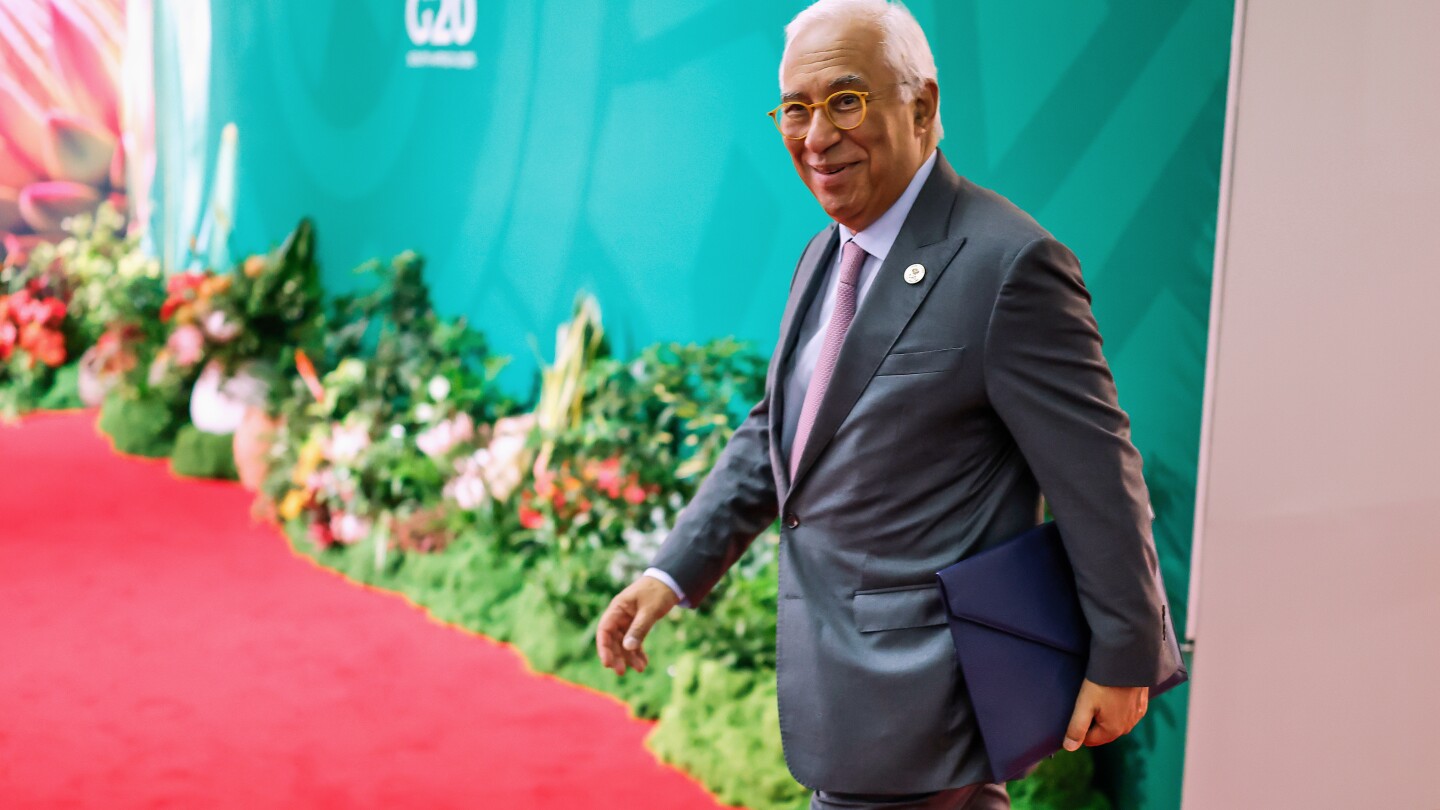
  • EU leader warns of US interference in Europe’s affairs as Russia praises Trump’s security vision

    EU leader warns of US interference in Europe’s affairs as Russia praises Trump’s security vision

    BRUSSELS — European Council President António Costa issued a stern admonition to the United States on Monday, cautioning against external interference in European political affairs while asserting that only European citizens possess the right to determine their governing parties. The remarks came in direct response to the Trump administration’s newly published national security strategy, which characterizes European allies as weakened entities while extending implicit endorsement to far-right political movements across the continent.

    Speaking at the Jacques Delors Institute in Paris, Costa acknowledged the strategy’s classification of European nations as allies but emphasized that “allies don’t threaten to interfere in the domestic political choices of their partners.” The former Portuguese prime minister articulated Europe’s firm position: “The United States cannot replace European citizens in choosing what the good or the bad parties are.”

    The security document, which marks the Trump administration’s first formal policy framework since returning to office in January, has drawn praise from Russian officials while provoking consternation among European leaders. The strategy notably breaks from the approach of the previous Biden administration, particularly regarding Russia relations and European policy assessments.

    European Policy Centre Chief Executive Fabian Zuleeg characterized the document as potentially emboldening nationalist parties within Europe, warning that “Trump’s America is not an ally, but an adversary to Europe’s freedoms and fundamental values.” The strategy further criticizes European free speech and migration policies, suggesting allies face “civilizational erasure” that undermines their reliability as American partners.

    Costa countered these assertions by invoking historical lessons: “Our history has taught us that you can’t have freedom of speech without freedom of information.” He additionally cautioned against sacrificing informational freedom “for the aims of the tech oligarchs in the United States.”

    German government spokesperson Sebastian Hille, speaking in Berlin, reaffirmed the historical, economic and cultural bonds between Europe and the U.S. while rejecting the strategy’s critical tones. Hille maintained that political freedoms, including expression rights, constitute fundamental EU values, and dismissed accusations regarding their suppression as “more ideology than strategy.”

    The document’s approach to Russia has generated particular concern among European officials. While the strategy identifies ending the Ukraine conflict as a vital U.S. interest to “reestablish strategic stability with Russia,” Costa noted that Moscow’s approval signals problematic alignment: “The objective in this strategy is not a fair and durable peace. It’s only about the end of hostilities, and the stability of relations with Russia.”

    European intelligence assessments suggest Russia could be positioned to attack elsewhere in Europe within three to five years if it prevails in Ukraine. Hille emphasized Germany’s divergence from the U.S. assessment, noting: “The strategy doesn’t classify Russia as a threat; we don’t share this assessment. We are sticking with NATO’s joint analysis.” Despite these differences, Hille affirmed that trans-Atlantic cooperation remains “of central significance for our common security.”

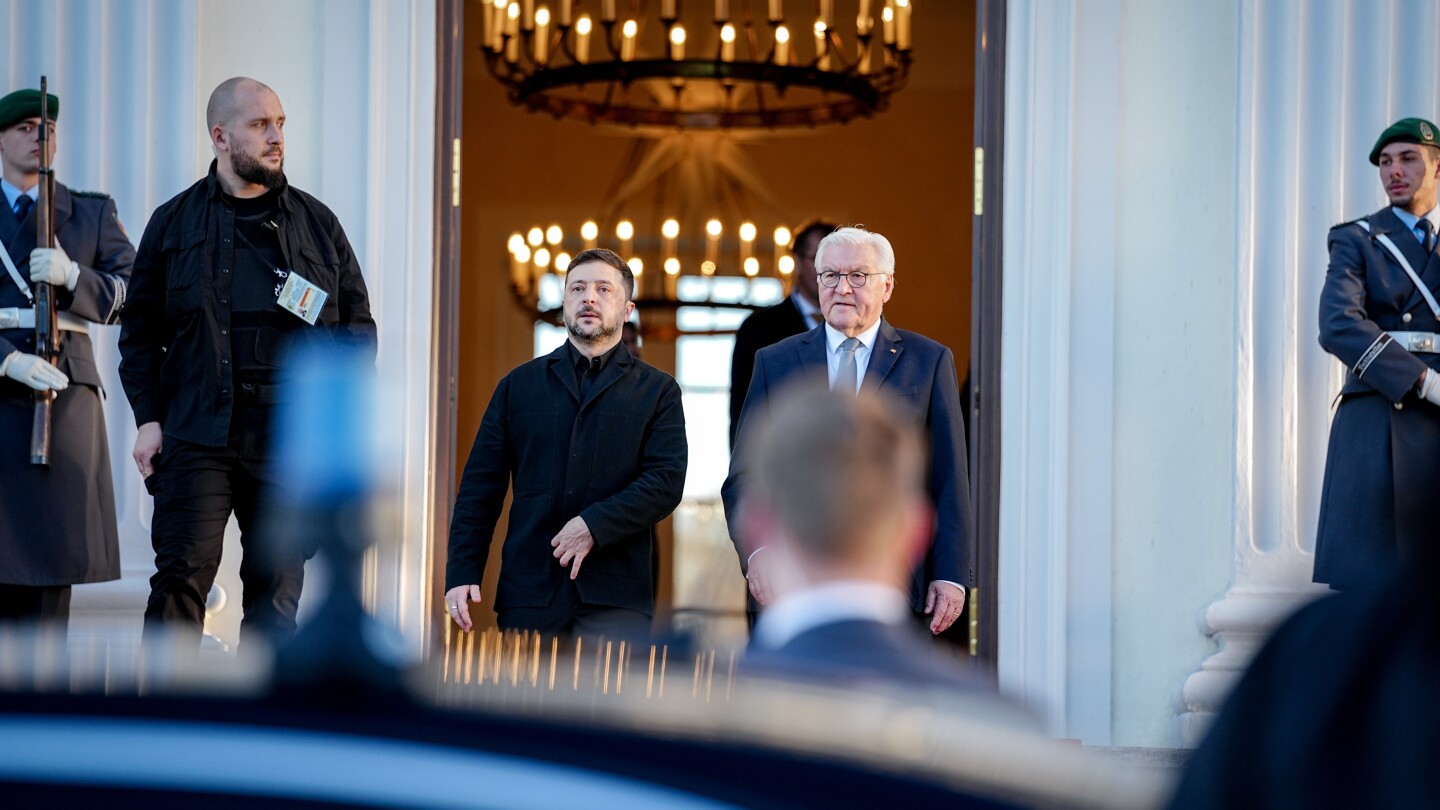
  • Zelenskyy meets in London with European allies on the US peace plan and Ukrainian security

    Zelenskyy meets in London with European allies on the US peace plan and Ukrainian security

    LONDON — In a significant demonstration of European solidarity, Ukrainian President Volodymyr Zelenskyy convened with British Prime Minister Keir Starmer, French President Emmanuel Macron, and German Chancellor Friedrich Merz at 10 Downing Street on Monday. The high-level gathering occurred during what participants described as a pivotal moment in the U.S.-backed initiative to resolve Russia’s ongoing war in Ukraine.

    The two-hour diplomatic session focused on strengthening Ukraine’s negotiating position amid growing concerns about wavering American support under President Donald Trump’s administration. Following their discussions, the leaders issued a collective call for European allies to maintain pressure on Russian President Vladimir Putin, emphasizing the urgent need to intensify both military assistance to Ukraine and economic sanctions against Russia.

    Prime Minister Starmer’s office released a statement characterizing the meeting as essential, noting that “the leaders all agreed that now is a critical moment and that we must continue to ramp up support to Ukraine and economic pressure on Putin to bring an end to this barbaric war.” The discussions specifically addressed how European nations could enhance the U.S. peace proposal through additional security guarantees and financial commitments.

    President Zelenskyy revealed that the current American peace framework has been refined from 28 to 20 points after the removal of what he termed “obvious anti-Ukrainian elements.” The Ukrainian leader highlighted that central to the security negotiations remains the question of international response mechanisms should Russia launch future aggression after any ceasefire agreement.

    The London meeting occurred against a backdrop of diplomatic tension, with President Trump expressing frustration publicly about Zelenskyy’s engagement with the peace process. European leaders have grown increasingly concerned about the new U.S. National Security Strategy, which suggests warming relations with Russia and criticizes NATO expansion—a document that Kremlin officials have openly praised.

    Despite these challenges, the European leaders affirmed their commitment to a “just and lasting peace” that includes robust security guarantees for Ukraine. National security advisers from the four countries were instructed to continue technical discussions in the coming days, with Chancellor Merz noting that “the coming days could be a decisive time for all of us.”

    As diplomatic efforts intensified, Russia continued its aerial assaults on Ukrainian cities, with overnight drone attacks reported in Okhtyrka and Chernihiv that resulted in civilian injuries and significant infrastructure damage, underscoring the ongoing urgency of the diplomatic negotiations.

  • Water leak in Louvre damages hundreds of books

    Water leak in Louvre damages hundreds of books

    The Louvre Museum in Paris has encountered its third significant operational challenge within recent months following a water leakage incident that compromised hundreds of historical volumes. According to Deputy Administrator Francis Steinbock, approximately 300-400 books, primarily comprising specialized Egyptology journals and scientific documentation from the late 19th and early 20th centuries, sustained water damage in the museum’s Egyptian department.

    The leakage, detected in late November, originated from infrastructure issues that museum management had acknowledged for several years. Repairs are formally scheduled for implementation in the upcoming year. Mr. Steinbock emphasized that no precious heritage artifacts or invaluable books were impacted by the incident. The affected materials, described as reference volumes frequently consulted by academic Egyptologists, will undergo a meticulous restoration process involving drying, professional bookbinding, and conservation treatments before returning to library shelves.

    This incident follows two other major disruptions at the world’s most visited museum. In November, structural vulnerabilities necessitated the partial closure of galleries exhibiting Greek vases and administrative offices. More dramatically, on October 19th, thieves executed a daring daylight heist, stealing crown jewels valued at €88 million ($102 million) while exposing critical security deficiencies. These jewels remain unrecovered, prompting the museum to relocate its most valuable gems to the secure vaults of the Bank of France.

    These recurrent problems align with concerns raised in an October report from France’s Cour des Comptes, the national audit authority. The report criticized the Louvre’s financial prioritization, noting excessive expenditure on artwork acquisitions had occurred “to the detriment of the maintenance and renovation of buildings,” potentially contributing to the current infrastructure challenges.

  • Starmer to host Zelensky for Ukraine talks in London

    Starmer to host Zelensky for Ukraine talks in London

    British Prime Minister Sir Keir Starmer is convening an urgent summit with Ukrainian President Volodymyr Zelensky in London on Monday, with French President Emmanuel Macron and German Chancellor Friedrich Merz joining the high-stakes diplomatic gathering. This emergency meeting occurs as international efforts to resolve the Ukraine conflict face significant obstacles despite reported progress in US-mediated negotiations.

    Cabinet Minister Pat McFadden emphasized that ensuring Ukraine’s security and self-determination would form the central focus of discussions, characterizing the current diplomatic phase as ‘exceptionally pivotal.’ The announcement follows three days of intensive talks in Miami where US officials indicated a potential agreement might be within reach, contingent upon Russia’s cooperation.

    According to US Special Envoy for Ukraine Keith Kellogg, negotiations have encountered particular difficulties regarding two fundamental issues: the future size of Ukraine’s military forces following the conflict’s conclusion and Russia’s ongoing control of the Donbas region. ‘If we can resolve these two critical matters, the remaining components should fall into place relatively smoothly,’ Kellogg stated in an interview with Reuters, expressing cautious optimism that parties were ‘approaching a resolution.’

    The London summit represents the latest European initiative to assume a substantive role in peacemaking efforts, with Downing Street confirming the leaders would concentrate on ‘ongoing peace negotiations and subsequent measures’ without elaborating on specific details. This development occurs alongside continued military aggression, as Russia launched extensive aerial bombardments across Ukraine throughout the weekend, deploying hundreds of drones and missiles in sustained attacks.

    The diplomatic landscape has been complicated by substantial disagreements regarding proposed peace frameworks. European leaders previously objected to preliminary versions of the US-orchestrated peace plan, criticizing its perceived favorability toward Russian interests. Subsequent revisions attempted to address these concerns, though Moscow has rejected the modified proposals outright.

    Russian President Vladimir Putin maintained an uncompromising stance, threatening to seize Donbas militarily if Ukraine refuses to relinquish control of the territory, approximately 85% of which Russian forces currently occupy. This position persists despite substantial economic sanctions and significant battlefield casualties suffered by Russian military forces.

    The geopolitical dynamic further intensified with last week’s publication of the US National Security Strategy, which notably did not classify Russia as a direct threat to European security—a characterization Moscow welcomed as ‘constructive and aligned with our strategic perspective.’ As diplomatic efforts continue, European officials have emphasized the necessity of preserving transatlantic cooperation, with Polish Prime Minister Donald Tusk asserting that maintaining historic alliances represents ‘the sole rational strategy for our collective security.’