标签: Europe

欧洲

  • Anti-immigrant rhetoric and policies intensify across Europe

    Anti-immigrant rhetoric and policies intensify across Europe

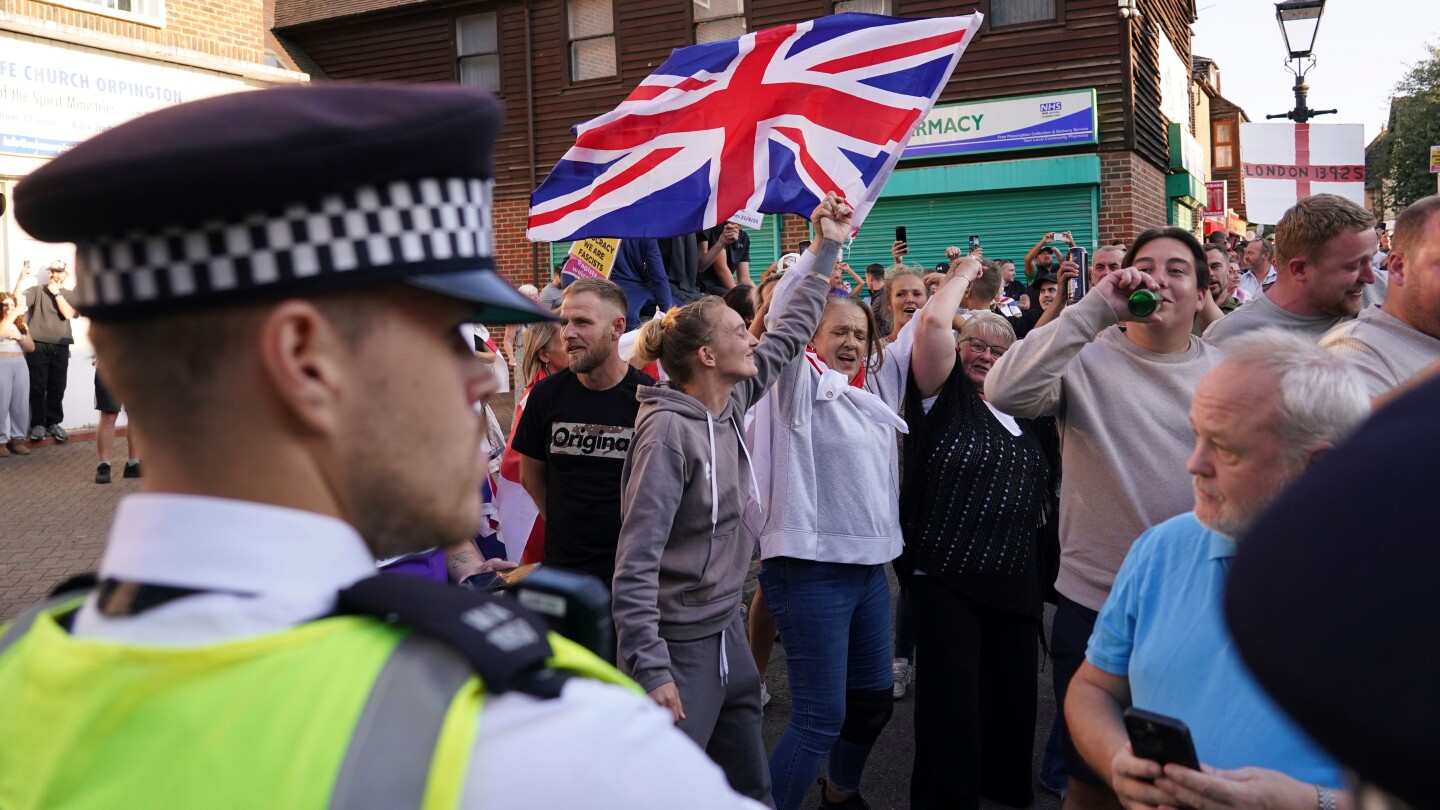
    Across Europe, a dramatic surge in ethnonationalist sentiment is transforming political discourse and policy. Recent months have witnessed mass demonstrations in London featuring chants of “send them home,” while prominent British politicians have openly criticized the visibility of non-white faces in media and advocated for deporting long-term residents born abroad.

    This overt demonization of immigrants and those with immigrant heritage has gained momentum as migration dominates political agendas and right-wing parties achieve unprecedented popularity. Parties advocating mass deportations and framing immigration as a threat to national identity—including Britain’s Reform UK, Germany’s Alternative for Germany (AfD), and France’s National Rally—now lead or feature prominently in opinion polls across the continent.

    The phenomenon appears emboldened by international influences, particularly former U.S. President Donald Trump’s characterization of Somali immigrants as “garbage” and his administration’s national security strategy portraying European nations facing “civilizational erasure” due to immigration.

    Experts identify multiple drivers behind this trend: economic stagnation following the 2008 financial crisis, the rise of charismatic nationalist leaders, and social media algorithms that amplify divisive content. According to Bobby Duffy, Director of the Policy Unit at King’s College London, these factors have created “a frightening increase in the sense of national division and decline” that pushes societies toward political extremes.

    The consequences are tangible. UK government statistics show over 115,000 recorded hate crimes in England and Wales through March 2025, representing a 2% year-over-year increase. Violent incidents, including anti-immigrant and anti-Muslim attacks, have erupted following tragic events exacerbated by online misinformation.

    Mainstream political parties increasingly adopt hardened immigration stances, with Britain’s Labour government announcing policies to restrict permanent settlement rights and several European nations seeking to weaken legal protections for migrants. Human rights advocates warn that appeasement strategies only fuel more extreme demands, creating a dangerous cycle of escalating rhetoric and policy.

    Despite condemnation of racist conspiracy theories like the “great replacement” narrative, centrist politicians face criticism for occasionally adopting far-right terminology. As Kieran Connell, lecturer in British history at Queen’s University Belfast, observes: “What were once dismissed as being at the far extreme end of far-right politics has now become a central part of the political debate.”
  • BBC captures celebrations as Belarus frees political prisoners

    BBC captures celebrations as Belarus frees political prisoners

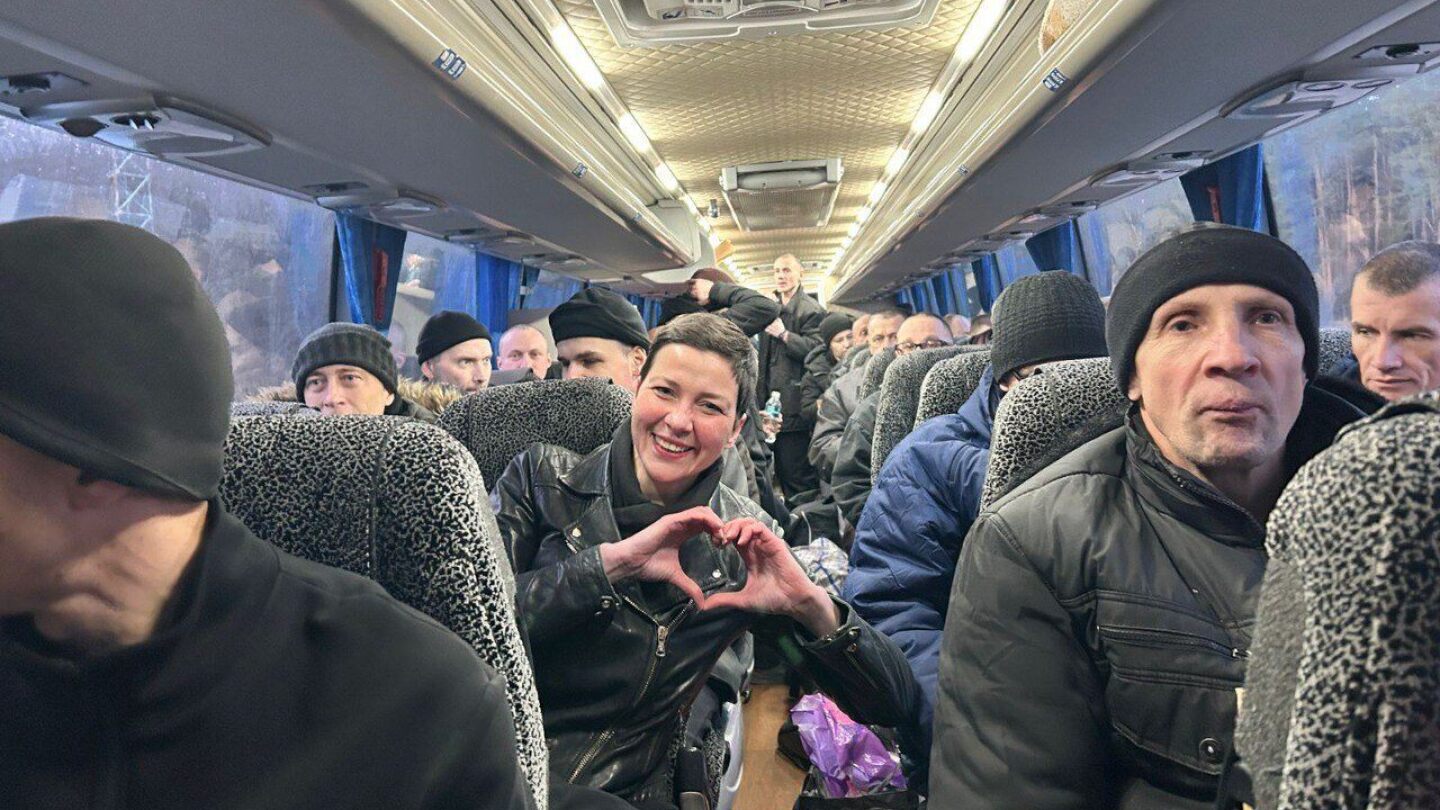
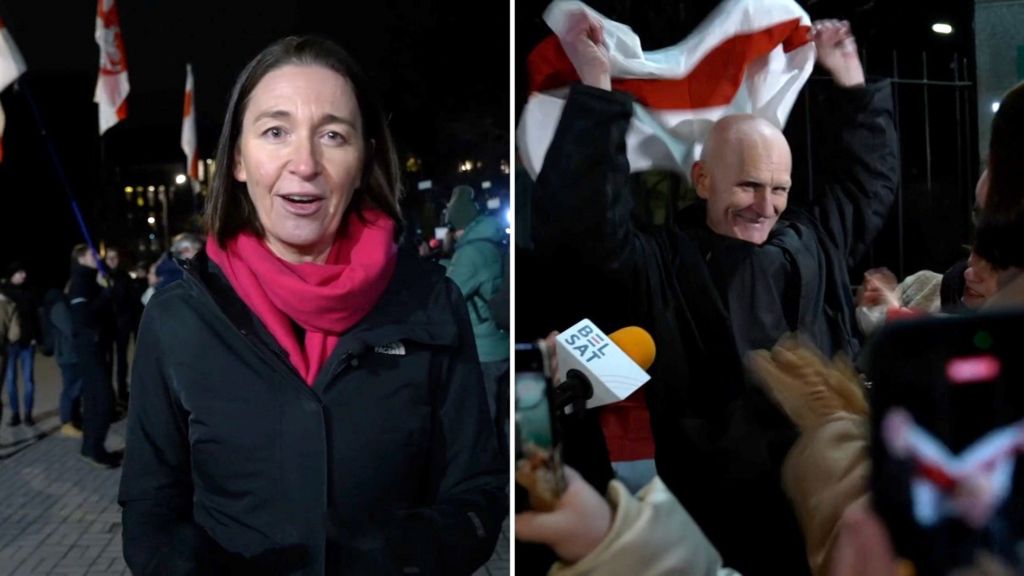
    In a significant political development, the Belarusian government has authorized the release of multiple individuals previously detained on charges widely viewed as politically motivated. The prisoner release operation saw several former detainees transported to neighboring Lithuania, where they were received by supportive communities and assistance organizations.

    BBC correspondent Sarah Rainsford, reporting from Lithuania, documented the emotional arrival of freed prisoners who were greeted with celebrations by exiled Belarusians and human rights advocates. The releases mark a notable shift in Belarus’s approach to political dissent, though the exact number of prisoners freed and the specific criteria for their release remain unclear.

    The amnesty gesture occurs amid ongoing international pressure on Belarus regarding human rights concerns and democratic governance. European nations have closely monitored the situation, with Lithuania serving as a primary sanctuary for those fleeing political persecution in Belarus. While the releases represent progress, human rights organizations continue to call for the freedom of all political prisoners remaining in Belarusian detention facilities.

    This development follows years of strained relations between Belarus and Western nations, particularly after the controversial 2020 presidential election and subsequent crackdown on opposition figures. The prisoner release may signal potential diplomatic overtures or internal policy reassessments within the Belarusian government.

  • Orbán’s rival leads protest over alleged child abuse in Hungary’s state-run institutions

    Orbán’s rival leads protest over alleged child abuse in Hungary’s state-run institutions

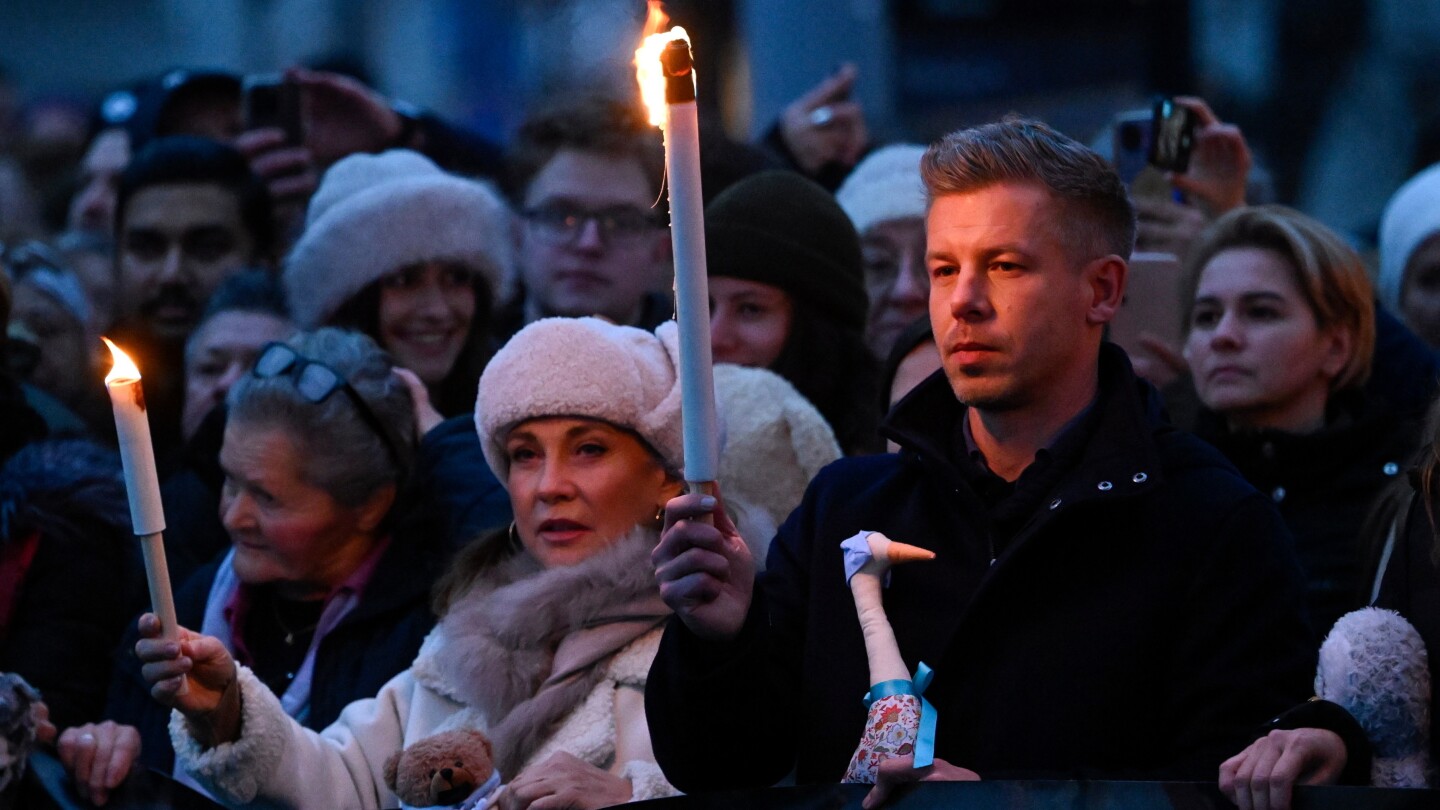
    Tens of thousands of Hungarians marched through Budapest’s frigid streets Saturday in a massive demonstration organized by Prime Minister Viktor Orbán’s primary political challenger, Péter Magyar. The protest erupted following shocking video evidence revealing systemic child abuse within state-operated juvenile correction facilities, creating the most significant challenge to Orbán’s administration since last year’s presidential pardon scandal.

    The rally, organized by Magyar’s center-right Tisza party which currently leads Orbán’s Fidesz in independent polls, saw participants carrying torches in a solemn procession across the Danube River toward the government headquarters on Castle Hill. The movement gained momentum after recently published footage showed staff at a Budapest juvenile facility physically assaulting minors under their care.

    This latest scandal compounds existing public outrage stemming from a 2024 crisis that forced both Hungary’s president and justice minister to resign after they endorsed pardons for individuals involved in covering up child sexual abuse cases. The former director of the correctional facility remains in police custody facing allegations of operating a prostitution ring alongside physical and sexual abuse charges against minors.

    Magyar, a former Fidesz insider who has emerged as Orbán’s most formidable opponent, addressed the massive crowd by drawing direct connections between the current abuse cases and last year’s pardon scandal. “Orbán’s government promised everything, but since then, unfortunately, it turned out that every member of the Orbán government took the side of the abusers,” Magyar declared, demanding the prime minister’s resignation.

    The government has responded by condemning the abuse depicted in the videos while simultaneously arguing that these revelations demonstrate the effectiveness of Hungary’s child protection systems. Several government officials, including Orbán himself, have emphasized that the facility housed juveniles who had committed crimes, characterizing the institution as essentially a prison for minors.

    With elections anticipated in April, this growing scandal represents a rare vulnerability for Orbán, who has maintained nearly absolute control over Hungarian politics since returning to power in 2010. The government’s communications office declined to comment on the unfolding situation.

  • Why a misunderstood wolf from a French supermarket ad is moving viewers worldwide

    Why a misunderstood wolf from a French supermarket ad is moving viewers worldwide

    In an era dominated by algorithm-generated content, a French supermarket’s Christmas advertisement has achieved what most global brands aspire to: genuine emotional connection without employing artificial intelligence. Intermarché’s “Unloved” (Le mal aimé) campaign has resonated across international borders, accumulating hundreds of millions of views since its December release and sparking widespread emotional engagement.

    The two-and-a-half-minute animated film presents the transformative journey of a solitary wolf, traditionally feared by forest creatures, who consciously alters his identity by mastering vegetable cuisine and contributing to a communal Christmas feast. This narrative of self-reinvention and acceptance, framed within painterly animation and live-action sequences, has transcended its commercial origins to become a cultural phenomenon.

    Creative agency Romance, responsible for the campaign, emphasized the deliberate traditional craftsmanship behind the project. “We took time,” stated Victor Chevalier, senior copywriter at Romance, highlighting the months of meticulous work by artists and animators who hand-shaped each expression and movement. This approach stands in stark contrast to the increasing reliance on AI-generated holiday campaigns that many major brands have adopted, often criticized for their emotional emptiness.

    The advertisement’s emotional impact is heightened by its soundtrack featuring Claude François’ classic French pop song “Le mal aimé,” which has experienced renewed popularity since the campaign’s launch. While Intermarché’s primary objective remains grocery sales, the campaign’s architects indicate a broader purpose: addressing contemporary social fragmentation through a universal story of empathy and belonging.

    Social media platforms across Europe and the United States have become arenas for fan engagement, with viewers creating subtitled versions, producing reaction videos, and expressing desire for a feature-length adaptation. The campaign demonstrates that in an age of digital saturation, audiences increasingly value human-crafted narratives over technologically generated spectacle.

  • Belarus frees 123 prisoners as US lifts sanctions

    Belarus frees 123 prisoners as US lifts sanctions

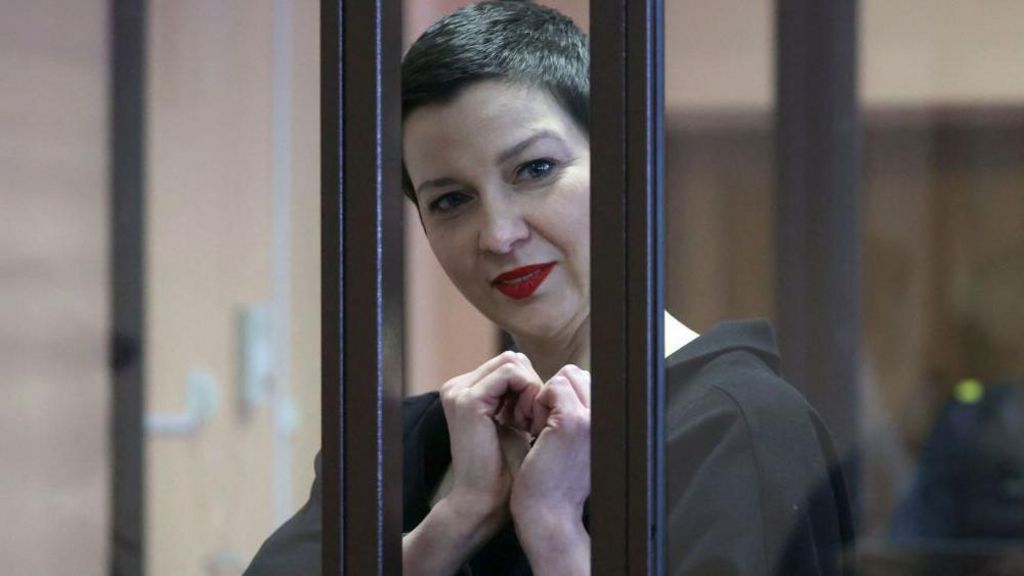
    In a significant diplomatic breakthrough, Belarusian authorities have released 123 political prisoners, including prominent opposition leader Maria Kolesnikova and Nobel Peace Prize recipient Ales Bialiatski. This prisoner amnesty follows successful negotiations between Minsk and U.S. Special Envoy John Coale, representing the Trump administration.

    The release arrangement coincides with Washington’s agreement to remove critical sanctions on Belarusian potash exports—a vital fertilizer component that constitutes a substantial portion of the nation’s economy. The sanctions relief marks a dramatic shift in U.S. policy toward the Eastern European country, which has maintained close ties with Russia.

    Belarusian state media confirmed the immediate lifting of potash restrictions, with Coale stating that additional sanctions would be gradually eliminated as bilateral relations normalize. The development represents a major victory for President Alexander Lukashenko, whose administration has faced international isolation since the controversial 2020 election that sparked widespread protests and brutal government crackdowns.

    Maria Kolesnikova, imprisoned since 2020 often under solitary confinement, was among the most high-profile releases. Her sister Tatiana Khomich, a relentless campaigner for her freedom, confirmed via video call that Kolesnikova appeared in good health following her release. Initial reports indicate that several freed individuals are expected to arrive shortly in Vilnius, Lithuania, where crowds have gathered outside the U.S. embassy.

    The diplomatic engagement extends beyond bilateral relations, with Coale reportedly discussing Ukraine-related matters with Lukashenko and exploring potential assistance from Minsk in negotiations with Russian President Vladimir Putin. This overture creates a notable policy divergence between the United States and European allies, who continue to maintain sanctions against Lukashenko’s government.

    The prisoner release occurs against the backdrop of Belarus’s involvement in Russia’s 2022 invasion of Ukraine, which prompted strengthened Western sanctions. Despite this complicating factor, the negotiations demonstrate the Trump administration’s willingness to pursue diplomatic channels with traditionally isolated governments.

  • €17m EuroMillions jackpot ticket bought in Ulster

    €17m EuroMillions jackpot ticket bought in Ulster

    For the second time this year, Ireland has produced a EuroMillions jackpot winner, with a single ticket holder from the Ulster region securing the €17 million (£14.9 million) top prize in Friday’s draw. The National Lottery confirmed the winning ticket, purchased at a physical retail outlet, successfully matched all five main numbers—7, 25, 30, 37, and 41—along with both Lucky Stars, 5 and 11.

    This significant win follows the historic €250 million (£213 million) jackpot claimed by an Irish player in June, which represented the maximum capped prize in the EuroMillions game. National Lottery spokesperson Emma Monaghan expressed excitement over the latest victory, stating, “We are absolutely thrilled to announce that an Irish player has won the €17m EuroMillions jackpot in last night’s draw.”

    The lottery organization is urging all participants to meticulously check their tickets for the winning combination. The rightful winner is advised to immediately sign the back of their ticket and store it securely. Further details regarding the exact winning location are anticipated to be released in the coming days.

    In addition to the jackpot winner, Friday’s draws produced other notable prizes for Irish participants. An online player from County Limerick won €500,000 (£439,000) as the top prize winner in the separate EuroMillions Plus draw, which featured the numbers 11, 16, 31, 35, and 38. Furthermore, a player in County Kilkenny won €30,745 (£26,994) by matching five numbers in the main draw using a Quick Pick ticket purchased at Kitty’s Cabin on Rose Inn Street on the day of the draw.

  • Migrant Channel crossings resume after four-week gap

    Migrant Channel crossings resume after four-week gap

    The prolonged hiatus in small boat migrant arrivals across the English Channel concluded this weekend as Border Force vessels transported dozens of individuals to Dover, Kent. This event terminated a four-week period without recorded crossings—the most extended interruption since 2018.

    Photographic evidence depicted groups wearing life jackets disembarking from a government vessel on Saturday. While official statistics from the Home Office will be released Sunday, this arrival breaks a significant pause that began after the last documented crossing on November 14th.

    Seasonal patterns indicate December typically experiences reduced crossing activity due to harsh winter weather in the Channel, which is considered a primary factor in the recent lull. Despite this temporary respite, the cumulative figure for 2025 has reached 39,292 individuals, positioning it as the second-highest annual tally on record, trailing only the peak of 45,774 arrivals witnessed in 2022. Historical data reveals that more than 187,000 people have undertaken the perilous journey via small boats since official record-keeping commenced seven years ago.

    Concurrently, the UK government is intensifying its multifaceted strategy to combat irregular migration. Prime Minister Sir Keir Starmer has publicly committed to dismantling people-smuggling networks with the objective of significantly reducing crossings by 2029. On the diplomatic front, Deputy Prime Minister David Lammy recently engaged with European counterparts to deliberate on potential reforms to the European Convention on Human Rights (ECHR), aiming to streamline deportation procedures for those deemed to have entered illegally.

    Further policy adjustments were unveiled in November by Home Secretary Shabana Mahmood, introducing a system of temporary refugee status subject to reassessment every 30 months. This framework includes provisions for returning individuals to their countries of origin if conditions are subsequently classified as safe.

    A notable bilateral initiative, the “one in, one out” pilot program established with France in August, continues its operation. This agreement facilitates the return of a migrant to France in exchange for the UK accepting another individual with a substantiated asylum claim. As of late November, this mechanism has resulted in 153 individuals being returned under its provisions.

  • What to know about King Charles III’s cancer treatment and his message to the public

    What to know about King Charles III’s cancer treatment and his message to the public

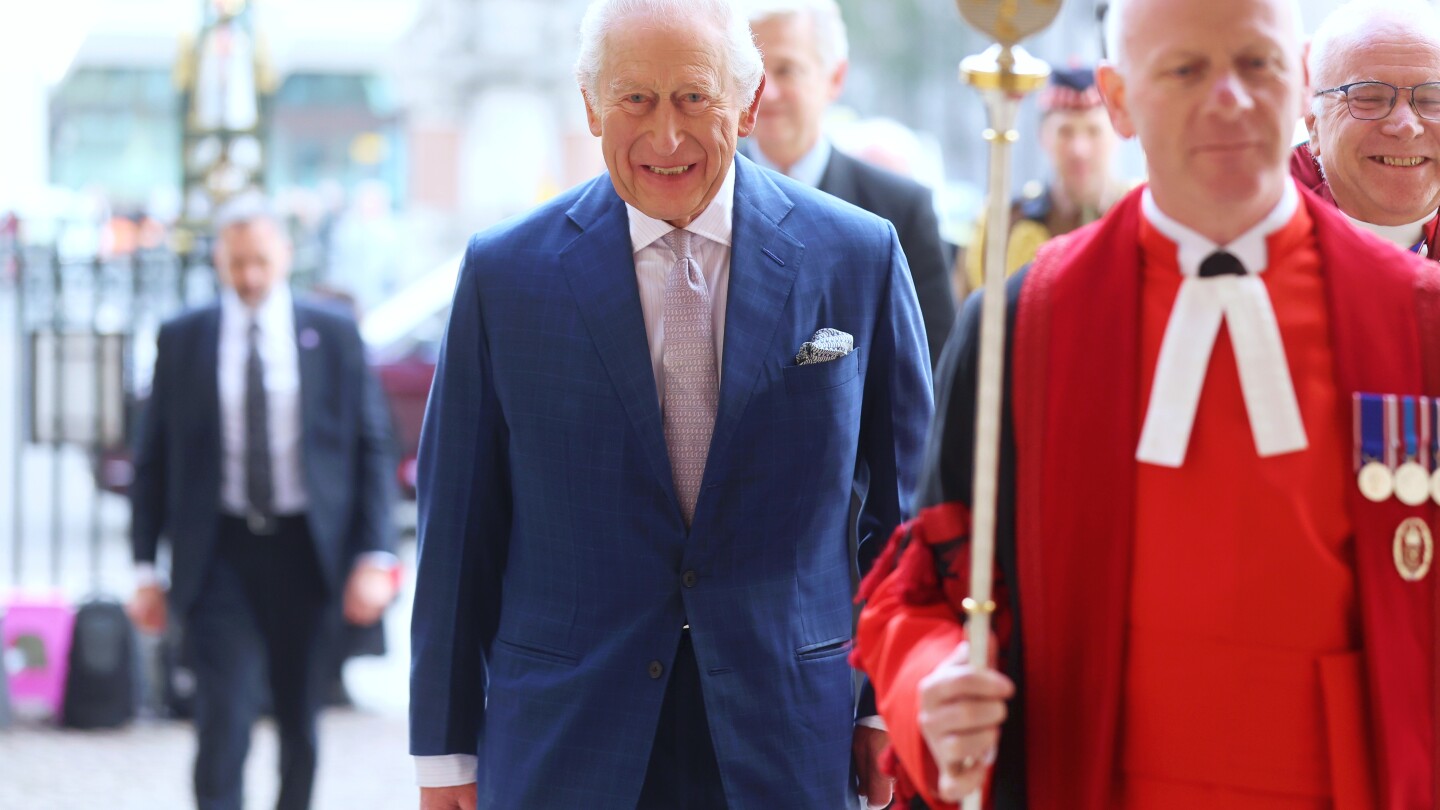
    Buckingham Palace has revealed that King Charles III feels profoundly moved by the public response to his recent health update regarding cancer treatment. The monarch’s decision to share his personal journey has been met with widespread acclaim from medical professionals and health organizations alike.

    In an unprecedented video statement aired during Channel 4’s ‘Stand Up to Cancer’ telethon, the 77-year-old sovereign delivered a powerful message about the critical importance of early detection. ‘I know from my own experience that a cancer diagnosis can feel overwhelming,’ Charles acknowledged, while emphasizing that ‘early detection is the key that can transform treatment journeys.’

    The Palace confirmed that while the King’s treatment has entered a ‘precautionary phase,’ he has not been declared in remission. His cancer was discovered incidentally during treatment for an enlarged prostate in February 2024, though specific details about the cancer type remain undisclosed—a deliberate choice to maximize the message’s reach.

    The impact has been immediate and measurable. Cancer Research UK reported approximately 100,000 visits to their Screening Checker website since its December 5 launch, with a significant surge following the King’s Friday statement. Michelle Mitchell, the charity’s Chief Executive, noted that public figures speaking openly about cancer diagnoses often prompt increased public health engagement.

    The King’s approach marks a dramatic departure from centuries of royal health secrecy. Since returning to public duties after a two-month absence, Charles has visited cancer treatment centers nationwide, sharing experiences with fellow patients. His daughter-in-law, the Princess of Wales, has similarly provided updates on her cancer journey, announcing her remission in January.

    Broadcaster Jonathan Dimbleby, the King’s authorized biographer, praised the monarch’s courage: ‘It takes guts, and the fact that he came out and did that will save lives.’ The Palace emphasized that Charles is particularly pleased his message has highlighted the life-saving potential of screening programs for breast, bowel, and cervical cancers offered through Britain’s National Health Service.

  • Belarus frees Nobel Prize laureate Bialiatski, opposition figure Kolesnikova as US lifts sanctions

    Belarus frees Nobel Prize laureate Bialiatski, opposition figure Kolesnikova as US lifts sanctions

    In a significant diplomatic breakthrough, Belarusian authorities have pardoned and released 123 political prisoners including Nobel Peace Prize laureate Ales Bialiatski and prominent opposition leader Maria Kolesnikova. The mass release on Saturday culminated two days of intensive negotiations between Minsk and Washington, resulting in the immediate lifting of U.S. sanctions on Belarus’s crucial potash fertilizer sector.

    President Alexander Lukashenko’s administration, which has maintained authoritarian control over the Eastern European nation for three decades, secured the sanctions relief through what U.S. Special Envoy John Coale characterized as “very productive” discussions. The diplomatic engagement represents a notable shift in relations between the two nations, which have been strained by Belarus’s human rights record and its support for Russia’s military operations in Ukraine.

    Among those freed were six citizens from U.S. allied nations and five Ukrainian citizens, according to a U.S. official who described the release as “a significant milestone in U.S.-Belarus engagement.” The official credited President Donald Trump’s administration with securing the release of over 200 political prisoners from Belarus since July 2024, including six previously detained U.S. citizens.

    Bialiatski, the founder of the Viasna human rights organization who was imprisoned when awarded the Nobel Prize in 2022, described his unexpected release after 1,613 days of detention as emerging from “icy water into a normal, warm room.” Despite his emaciated condition, the activist vowed to continue advocating for the estimated thousand political prisoners remaining in Belarusian custody.

    The prisoner exchange involved complex international coordination, with most freed individuals transported to Ukraine while others, including Bialiatski, were relocated to Lithuania. Ukrainian authorities confirmed receiving 114 civilians, including five of their nationals, while Belarusian officials suggested the arrangement involved reciprocal prisoner releases with Kyiv.

    While welcoming the releases, exiled opposition leader Sviatlana Tsikhanouskaya cautioned against premature optimism, noting that Lukashenko “hasn’t changed his policies, his crackdown continues and he keeps on supporting Russia’s war against Ukraine.”

    The sanctions relief particularly benefits Belarus’s potash industry, which previously accounted for approximately 20% of global exports before Western restrictions crippled production and export capabilities through Lithuanian ports. Analysts suggest Minsk hopes this initial U.S. concession will pave the way for easing more comprehensive European sanctions.

    The bilateral discussions also addressed regional security concerns, including Russia’s ongoing invasion of Ukraine and tensions between Belarus and NATO-member Lithuania, which recently declared a national emergency over security risks posed by Belarusian meteorological balloons disrupting air traffic.

  • A backstreet abortion nearly killed her. It became a story that shaped the rest of her life

    A backstreet abortion nearly killed her. It became a story that shaped the rest of her life

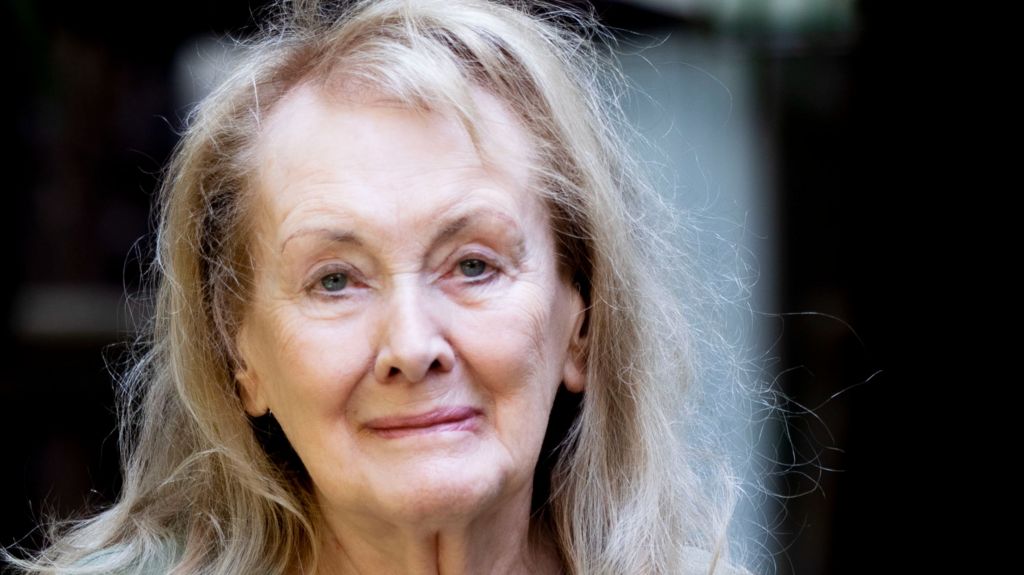
    Nobel literature laureate Annie Ernaux has transformed her traumatic experience with illegal abortion into a powerful literary testament that continues to resonate across generations. In 1963, as a 23-year-old university student from a working-class background, Ernaux faced an unplanned pregnancy that threatened to derail her academic aspirations and literary ambitions.

    Describing the experience as “a battle of life and death,” Ernaux recounts the terrifying isolation and desperation that characterized illegal abortions in pre-1975 France. With abortion criminalized and information completely inaccessible, young women faced impossible choices between dangerous self-induced procedures or seeking help from underground “angel-makers”—both options carrying severe legal and medical consequences.

    Her meticulously detailed account in “Happening” (2000) documents the physical trauma of her abortion using a knitting needle and the subsequent medical emergency that required hospitalization. The book’s unflinching factual language serves as both historical record and political statement, preserving the memory of what she calls “the worst violence that could be inflicted on a woman.”

    Ernaux’s literary courage extends beyond abortion to other taboo subjects including sexual assault, family secrets, and aging parents. Her distinctive minimalist style, developed while writing about her working-class father, reflects her commitment to social justice and giving voice to marginalized experiences.

    Now 85, Ernaux advocates for memorializing the countless women who died from illegal abortions—estimated between 300,000 to one million annually before legalization. She recently proposed a monument to the Mayor of Paris, analogous to France’s unknown soldier memorial, recognizing these forgotten casualties.

    Despite France’s constitutional protection of abortion rights, Ernaux warns against complacency, citing recent restrictions in US states and Poland. Her work remains on French school syllabi and has been adapted into award-winning films, ensuring new generations understand the brutal history preceding reproductive freedoms.