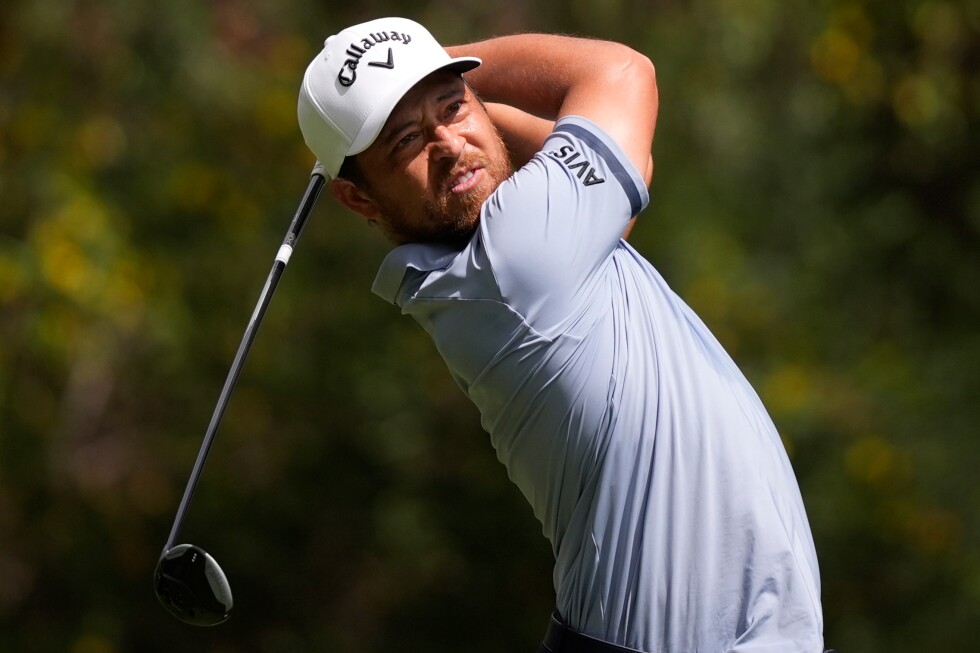
The international golf landscape enters a pivotal phase this week with significant tournaments unfolding across multiple tours worldwide. The PGA Tour’s Valspar Championship at Florida’s challenging Copperhead Course features an unexpectedly robust field despite its position following two prestigious events. While only Xander Schauffele represents the top 10, nine of the world’s top 25 players will compete, including Brooks Koepka who brings momentum from recent top-15 finishes. The tournament carries added significance as one of the final opportunities for players like Nicolai Hojgaard (No. 47) and Pierceson Coody (No. 52) to secure Masters invitations via top-50 world ranking status.
Simultaneously, the LPGA Tour returns to American soil with the Fortinet Founders Cup in California after a three-tournament Asian swing. The event at newly renovated Sharon Heights Golf Club features eight of the world’s top 10 female golfers, with Nelly Korda making her first appearance since winning the season opener. The tournament kicks off a critical four-event stretch leading to the season’s first major.
The LIV Golf League makes its South African debut in Midrand, where Phil Mickelson returns to competition after missing four events due to family matters. With 90,000 tickets reportedly sold, the event showcases LIV’s diverse winner profile this season, ranging from newcomer Elvis Smylie to comeback story Anthony Kim and established stars Jon Rahm and Bryson DeChambeau.
Meanwhile, the European Tour launches its Asian swing with the Hainan Classic in China, featuring Thriston Lawrence as the only top-100 player in the field. The DP World Tour event follows strong European performances at The Players Championship, where five Ryder Cup team members finished in the top 10.
PGA Tour Champions continues its season with the Cologuard Classic in Arizona, where newly eligible Zach Johnson makes his second senior tour appearance after winning his debut event two weeks ago. The tournament precedes the season’s first senior major next month.